
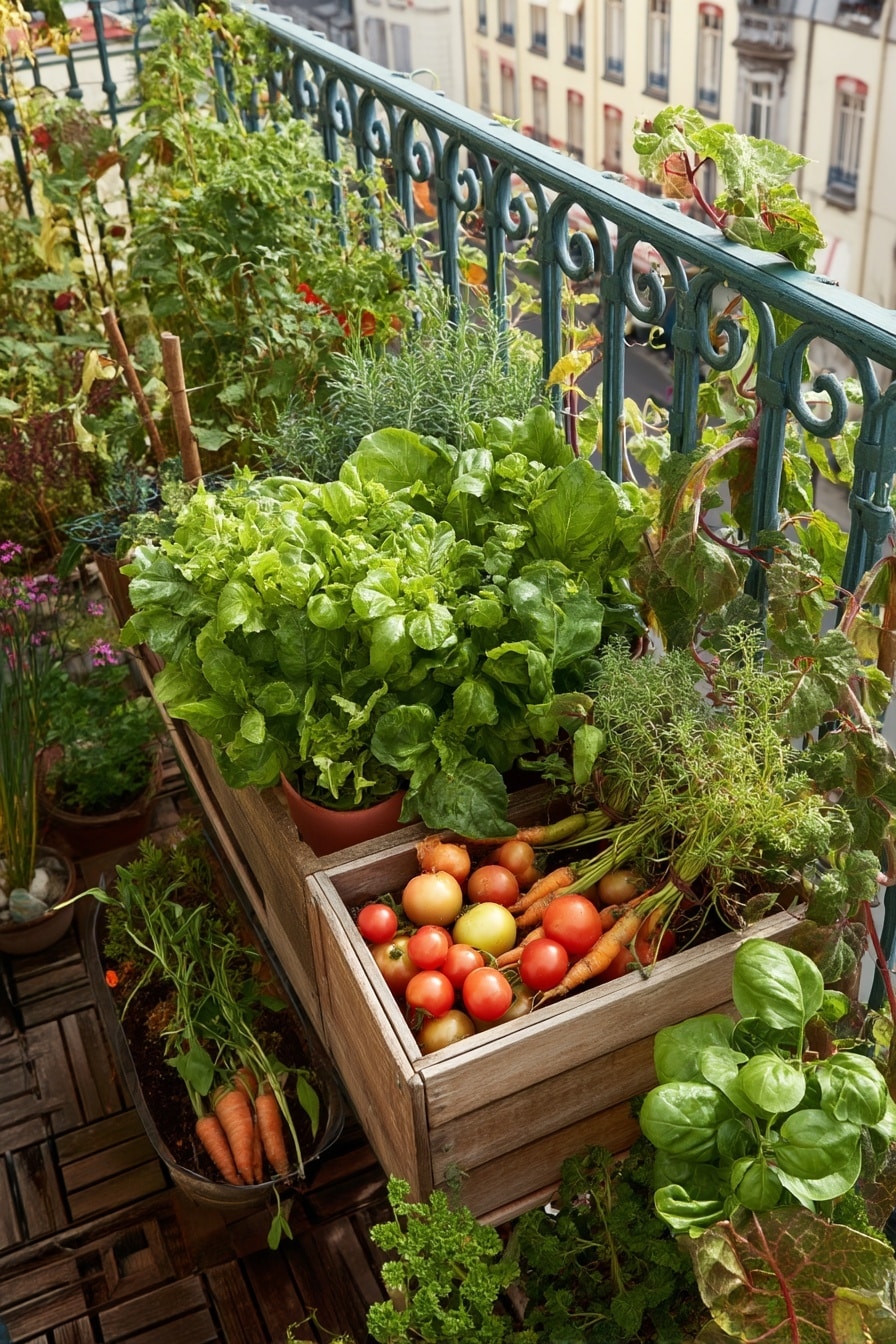
Vegetable garden projects aren’t just for those with sprawling yards — even a modest balcony can become a thriving source of fresh produce. With the right approach, you can grow delicious, homegrown vegetables just steps from your kitchen, no matter where you live.
A balcony vegetable garden brings the joy of gardening into compact urban settings. Whether you’re starting with a few pots or building a vertical setup, this guide will walk you through everything from choosing the right containers to picking the best crops for your space and climate.
Table of Contents
☀️ Environmental Conditions on Your Balcony

Before planting anything, assess the environmental factors that will directly affect your vegetable garden. Every balcony is different — sun exposure, wind patterns, and shade can all impact plant health and yield.
Start by observing how many hours of sunlight your balcony gets per day:
- 6+ hours: Great for sun-loving vegetables like tomatoes, peppers, and eggplant
- 4–6 hours: Suitable for leafy greens like lettuce, spinach, and kale
- Less than 4 hours: Focus on herbs or shade-tolerant vegetables like chives and mint
Wind is another factor. If your balcony is exposed, consider windbreaks like bamboo screens, trellises with vines, or tall planters. Also, check if rain reaches your balcony or if you’ll need to handle all watering manually.
Tip: South- or west-facing balconies tend to get the most sun — perfect for a productive vegetable garden.
🧱 Balancing Load Limits
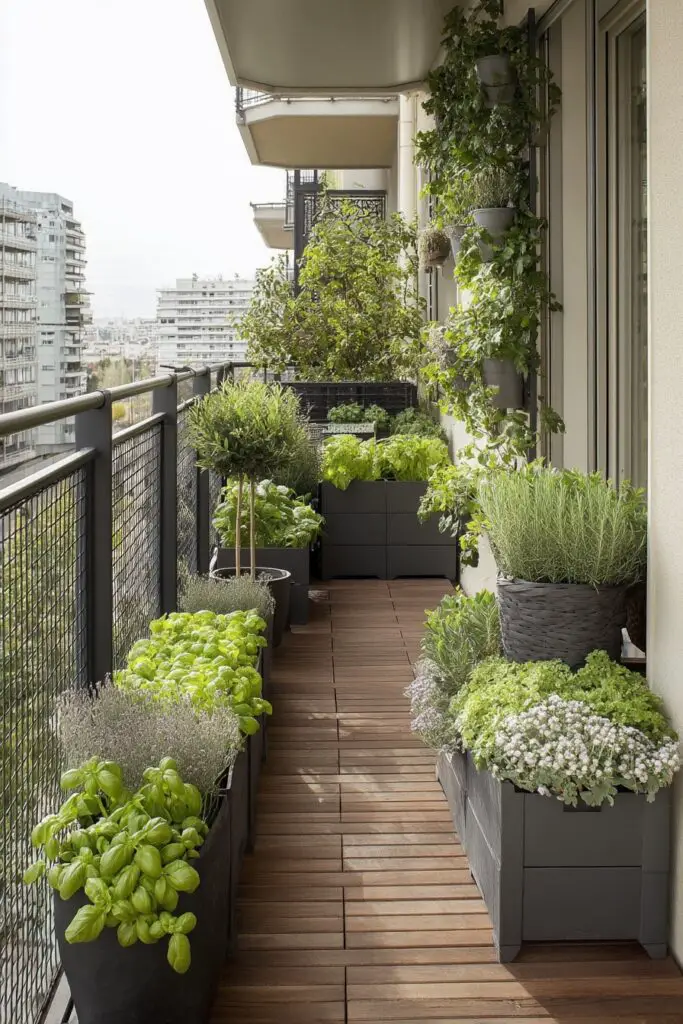
Weight matters more than you think when building a vegetable garden on a balcony. Unlike a backyard, balconies have load-bearing limits that need to be respected to ensure safety.
Large pots filled with moist soil, water, and plants can quickly become heavy — especially when grouped together. Before you start adding containers, check your building’s guidelines or consult with the property manager or engineer to understand the safe weight capacity of your balcony.
Here’s how to manage weight without compromising your garden:
- Use lightweight containers made from plastic, resin, or fabric grow bags
- Choose soil-less potting mixes (often peat- or coco coir-based) instead of heavy garden soil
- Use plant caddies with wheels to move heavy pots as needed
- Spread weight evenly across the balcony, avoiding one concentrated spot
Tip: Start small — you can always expand once you’re confident your setup is stable and safe.
🪴 Choosing the Right Containers
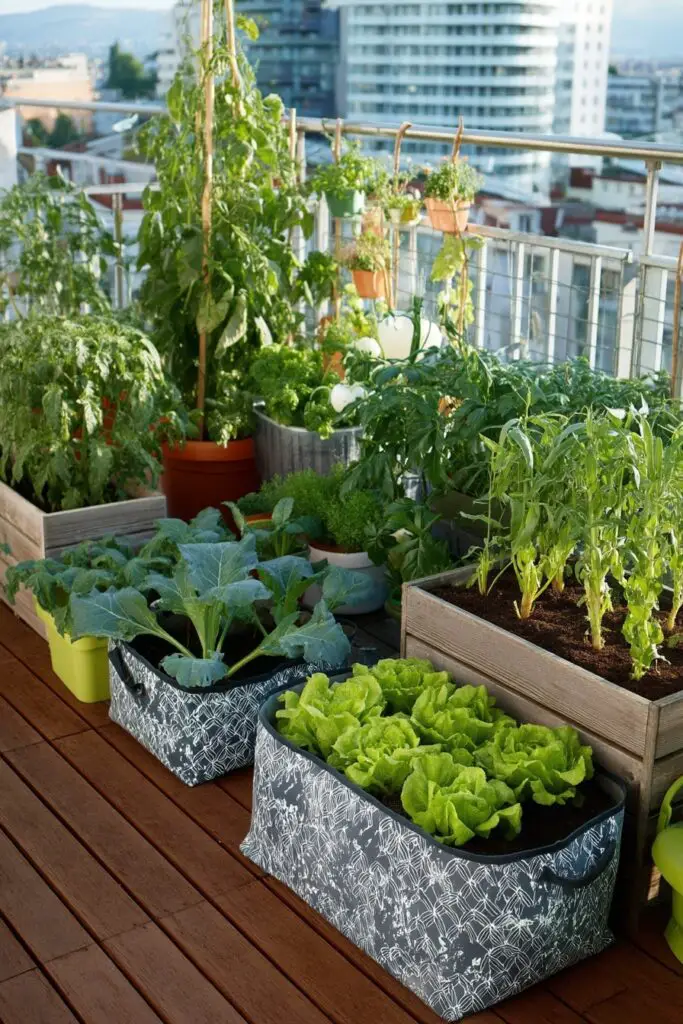
The right containers are the backbone of any successful vegetable garden on a balcony. Your plants rely on their pots not only for space to grow but also for proper drainage, insulation, and root development.
When selecting containers, consider:
- Size: Larger vegetables like tomatoes and peppers need deep pots (at least 12–18 inches), while herbs and lettuce can thrive in smaller ones
- Material: Lightweight plastic or fabric grow bags are ideal for balconies, while ceramic and terra cotta pots look great but can be heavy
- Drainage: Always choose containers with drainage holes to prevent root rot — or drill them yourself if needed
You can also use creative solutions like:
- Vertical planters or pocket walls
- Window boxes secured to railings
- Repurposed crates or buckets (as long as they’re food-safe)
Tip: Dark-colored pots heat up quickly in the sun — stick with lighter shades if your balcony gets intense sunlight.
🌱 Selecting the Perfect Soil Mix
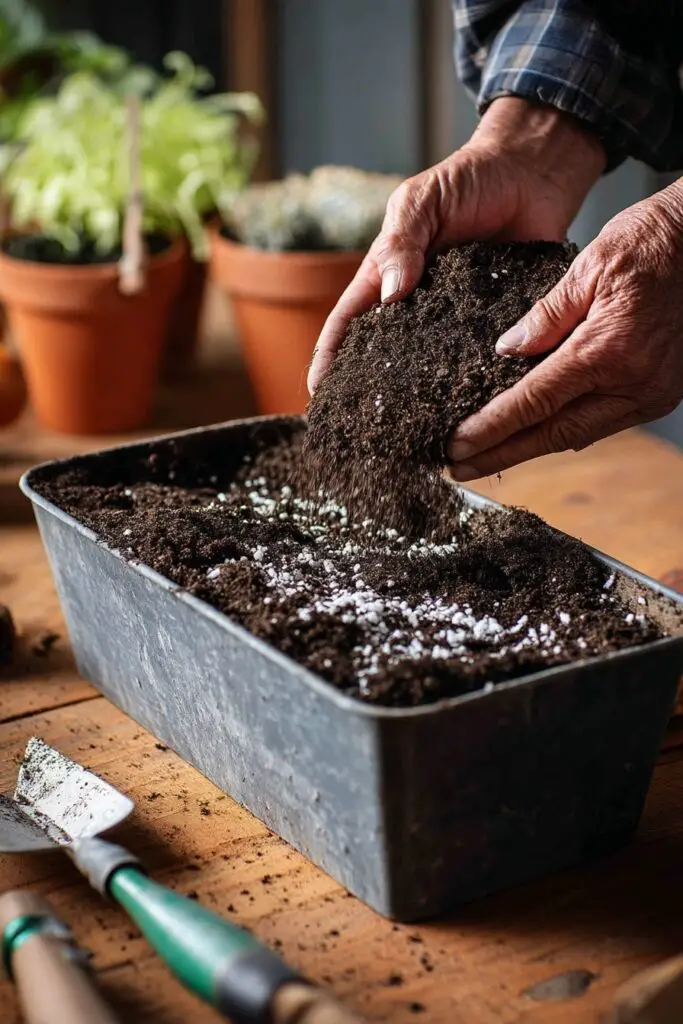
A healthy vegetable garden starts with the right soil — and in containers, what you use matters even more. Unlike in-ground beds, balcony pots need a lightweight, nutrient-rich mix that retains moisture but drains well.
Avoid using regular garden soil, which is too dense for containers and can lead to compaction, poor drainage, and root rot.
Instead, opt for a high-quality potting mix made for vegetables. Look for blends that include:
- Coco coir or peat moss for moisture retention
- Perlite or vermiculite for improved aeration
- Compost or organic matter for essential nutrients
You can also mix your own:
- 1 part coco coir or peat
- 1 part perlite
- 1 part compost
Refresh the top few inches of soil between seasons, and consider adding slow-release fertilizer or worm castings to boost fertility.
Tip: Lightweight soil not only helps plant roots — it also reduces total weight on your balcony.
🥕 Best Vegetables for Balcony Gardens

Not all veggies thrive in containers, especially when space is tight. For a productive and manageable vegetable garden on your balcony, choose plants that adapt well to pots and don’t require sprawling ground space.
Here are some of the best options:
🪴 Leafy Greens
- Lettuce
- Spinach
- Kale
These grow quickly and don’t need deep containers — perfect for shallow planters or railing boxes.
🍅 Fruiting Plants
- Cherry tomatoes
- Peppers
- Eggplants
Opt for compact or dwarf varieties and provide support like cages or stakes.
🥕 Root Vegetables
- Radishes
- Carrots (choose short or round varieties)
- Beets
Use deeper containers and loose soil for proper root development.
🌿 Herbs
- Basil
- Mint
- Parsley
- Chives
Herbs are ideal for beginners and can even share containers.
Tip: Choose a mix of fast growers and longer producers to keep your vegetable garden productive through the seasons.
🌧️ Planting and Care Techniques
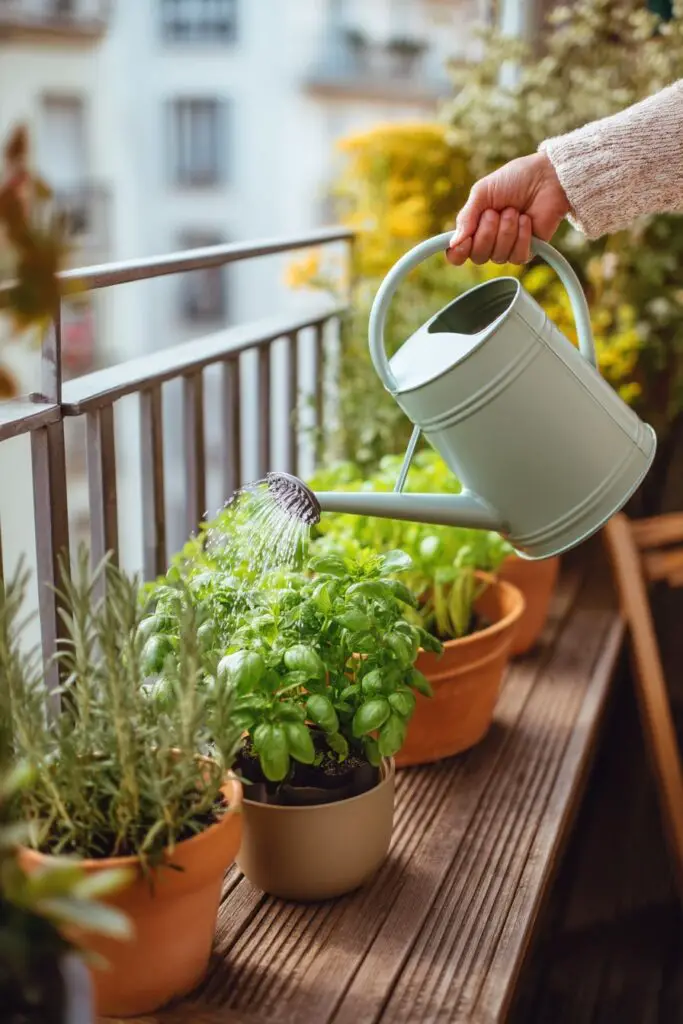
Establishing and maintaining a thriving vegetable garden on a balcony takes more than just good soil and the right plants — it also requires consistent care and thoughtful planting techniques.
Here’s how to set your garden up for success:
✅ Proper Spacing
Avoid overcrowding by following spacing guidelines on seed packets or plant labels. Overcrowded containers lead to poor air circulation and smaller yields.
💧 Watering
Balcony containers dry out faster than garden beds. Water consistently, especially in hot weather. Morning is best to reduce evaporation. Use self-watering pots or add mulch to retain moisture.
🌡️ Temperature Management
Containers heat up quickly. On hot days, move sensitive plants to shaded spots or use shade cloth. In cold weather, group containers together to retain warmth.
🍂 Pruning and Deadheading
Regularly remove yellowing leaves or spent blooms to keep plants healthy and encourage new growth.
Tip: Keep a simple watering schedule or set reminders to avoid both over- and under-watering — two of the most common container gardening mistakes.
🌼 Fertilizing Your Vegetable Garden
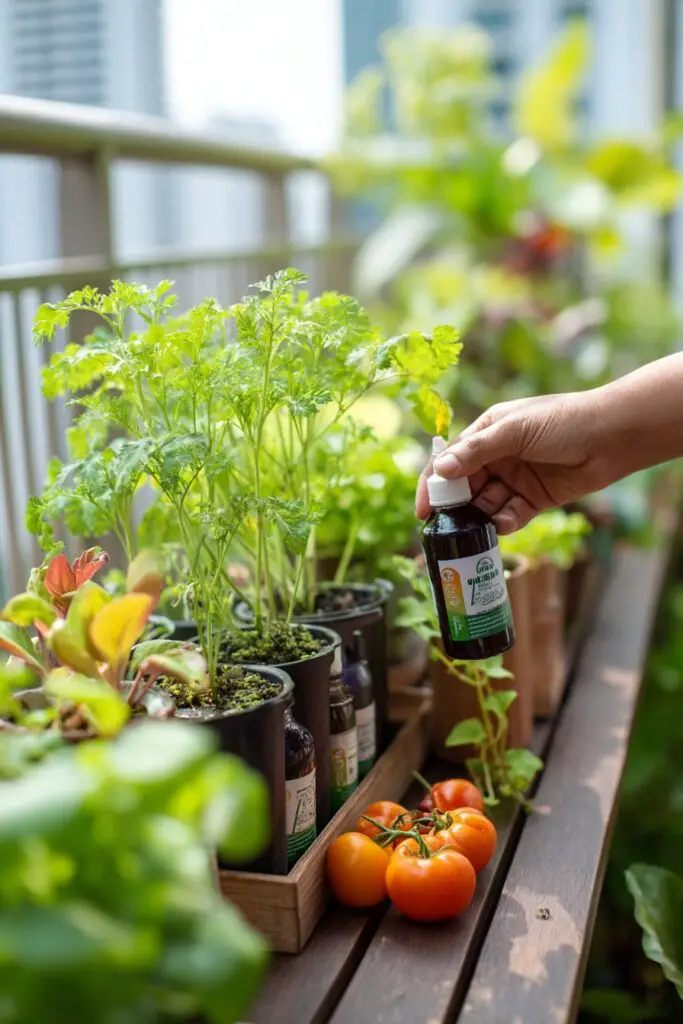
In a balcony vegetable garden, nutrients get depleted quickly since containers have a limited volume of soil. To keep your plants thriving and productive, consistent fertilizing is essential.
Here’s how to feed your plants the right way:
🌿 Choose the Right Fertilizer
- Use a balanced, slow-release fertilizer (like 10-10-10) when planting
- Supplement every 2–4 weeks with a liquid organic fertilizer like fish emulsion or seaweed extract
- For leafy greens, prioritize nitrogen-rich feeds
- For fruiting plants, choose fertilizers with more phosphorus and potassium
🌱 Don’t Overdo It
Too much fertilizer can lead to leggy growth and fewer vegetables. Always follow label directions and observe how your plants respond.
💧 Apply When Moist
Water your plants before fertilizing. Never apply fertilizer to dry soil, as it can burn roots.
Tip: Compost tea or worm casting tea can offer gentle, organic feeding — perfect for a natural approach to balcony gardening.
🐛 Pest Management in Balcony Vegetable Garden
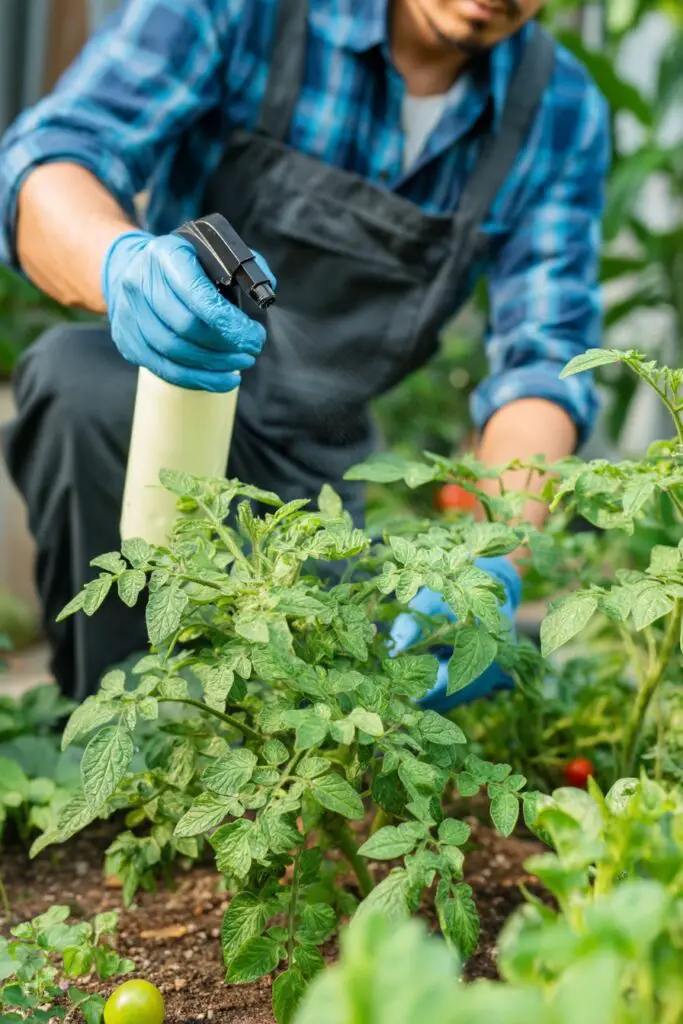
Even in a compact vegetable garden on a balcony, pests can still find their way in. The good news? Smaller spaces make it easier to spot and manage issues early before they get out of control.
Common Balcony Garden Pests:
- Aphids – tiny green or black insects on new growth
- Spider mites – leave fine webs and speckled leaves
- Whiteflies – fluttering pests under leaves
- Caterpillars or slugs – chew through leafy greens
Natural Control Methods:
- Neem oil spray – organic and safe for edible plants
- Insecticidal soap – effective against soft-bodied pests
- Hand-picking – simple but effective in small setups
- Companion planting – basil, marigold, or nasturtium can deter pests naturally
Keep your balcony clean and free of fallen leaves or debris, which can harbor insects. Regularly inspect plants — especially the underside of leaves — to catch issues early.
Tip: A healthy, well-fed plant is more resistant to pests. Proper watering and nutrition are your first lines of defense.
🧺 Harvesting Your Homegrown Veggies
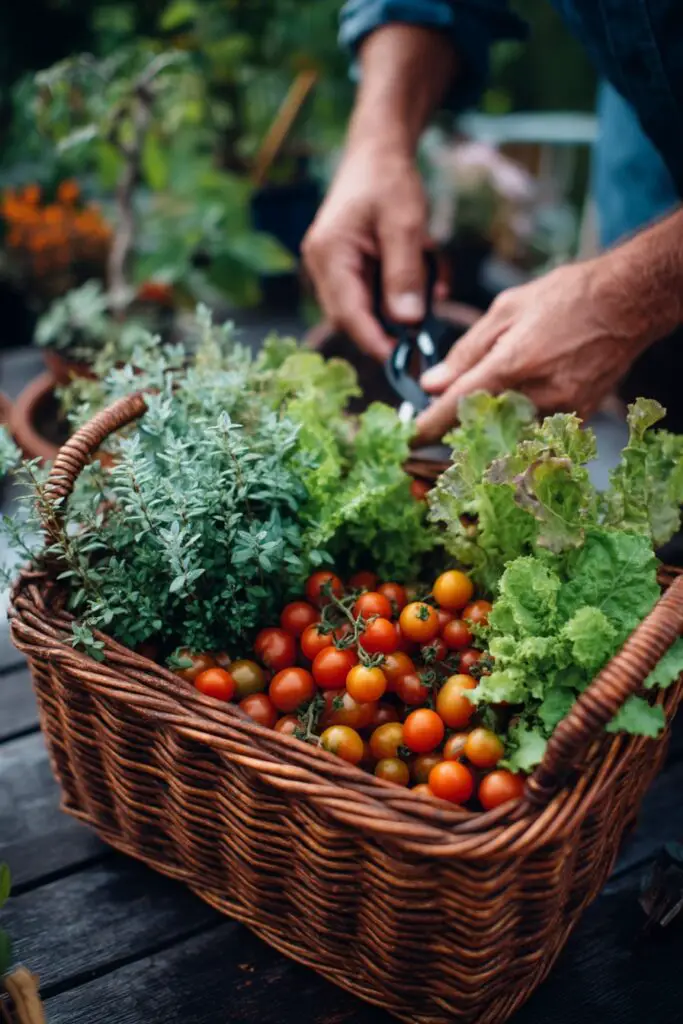
The most rewarding part of any vegetable garden is harvest time — and balcony gardens are no exception. With proper care, your compact garden can yield fresh, flavorful produce ready for your kitchen.
When to Harvest:
- Leafy greens: Pick outer leaves when they’re large enough, allowing inner ones to keep growing
- Tomatoes & peppers: Harvest when they reach full color and firmness
- Root crops: Gently dig to check size — carrots, radishes, and beets should feel firm
- Herbs: Snip early and often to encourage fuller growth
Tips for a Great Harvest:
- Use clean, sharp scissors or pruners to avoid damaging the plant
- Harvest in the morning for peak flavor and freshness
- Don’t wait too long — overripe veggies can become tough or bitter
After harvesting, you can reseed quick growers like lettuce or radishes to keep your vegetable garden productive. Continuous planting means continuous reward.
Tip: Keep a garden journal or note in your phone to track harvest dates and crop success — it’ll help you improve each season.
✅ Conclusion
A well-planned vegetable garden on your balcony can provide fresh, flavorful produce right outside your door — no backyard required. By understanding your space, choosing the right containers, and giving your plants the care they need, you can create a thriving, rewarding garden even in the smallest footprint.
Whether you’re harvesting crisp lettuce or juicy cherry tomatoes, balcony gardening brings joy, sustainability, and a daily connection to nature. Start small, stay consistent, and you’ll enjoy the fruits (and veggies) of your labor in no time.