
Pink carnation flowers are more than just a splash of color—they’re a timeless symbol of love, beauty, and thoughtfulness. These charming blooms have graced homes and celebrations for centuries, admired for their delicate ruffled petals and their rich meanings across cultures. Whether you’re gifting them or decorating your own space, pink carnations bring a touch of warmth that speaks from the heart. In this article, we’ll look at what makes pink carnation flowers so special, from their elegant appearance and heartfelt symbolism to the many ways they can brighten up your home or a loved one’s day.
Table of Contents
🌷 The Beauty of Pink Carnations

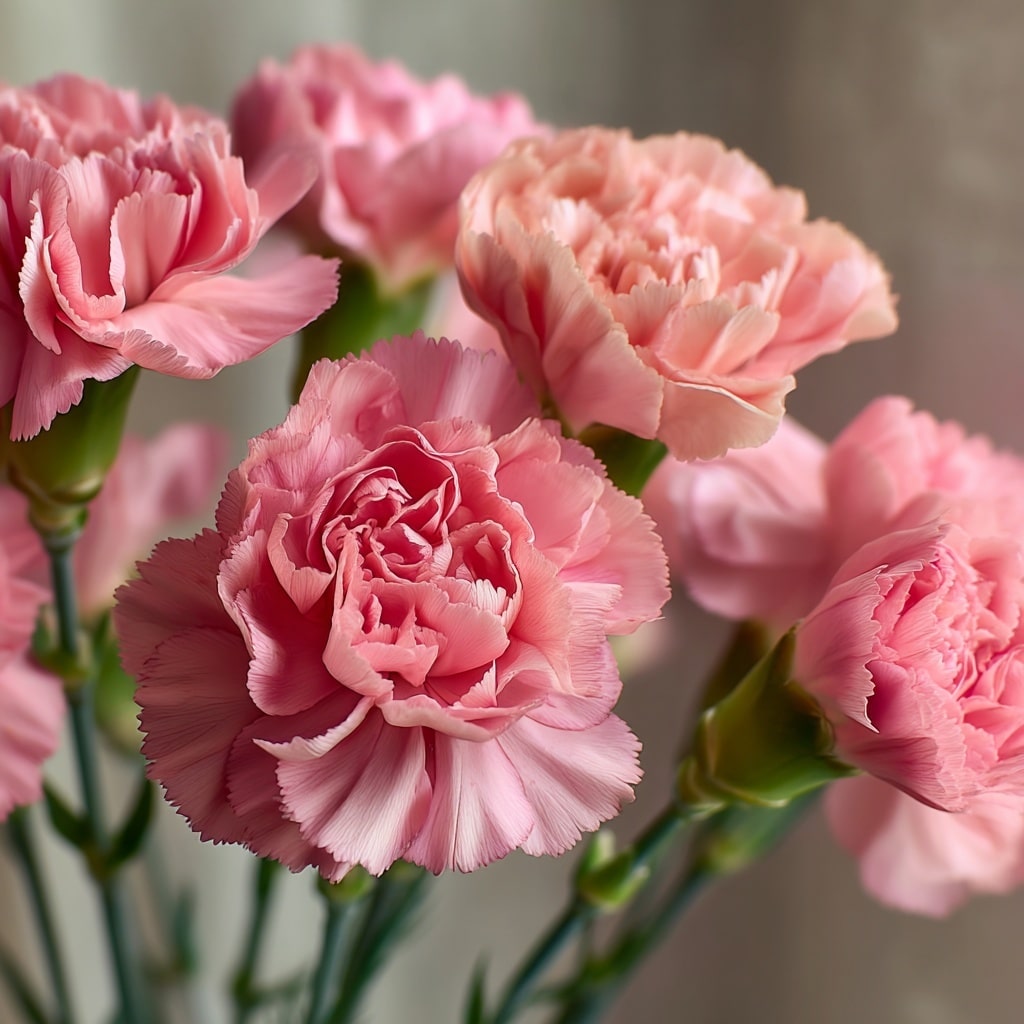
Pink carnation flowers stand out with their soft, layered petals and a graceful appearance that adds a touch of romance to any setting. Their charm lies in the variety of pink shades they offer—from the palest blush to deep fuchsia—each with its own visual and emotional appeal. This range makes them incredibly versatile, whether you’re designing a gentle bouquet or creating a bold centerpiece.
Lighter pink carnations bring a feeling of sweetness and calm. These pastel hues are often associated with tenderness and kindness, making them ideal for comforting spaces or gentle gestures. On the other hand, brighter tones like hot pink convey boldness and joy, adding energy and personality to any arrangement.
What makes pink carnations even more special is their soft, spicy fragrance that’s often compared to cloves. The scent is light yet noticeable, adding a sensory dimension that makes them as delightful to smell as they are to look at.
These flowers also have impressive vase life. Their durability means they can remain fresh and vibrant for up to two weeks, making them a practical choice for anyone who wants long-lasting beauty without the fuss. It’s no wonder pink carnation flowers are a favorite in both casual and formal floral designs—they offer elegance, fragrance, and staying power in one bloom.
🌼 The Meaning of Pink Carnations
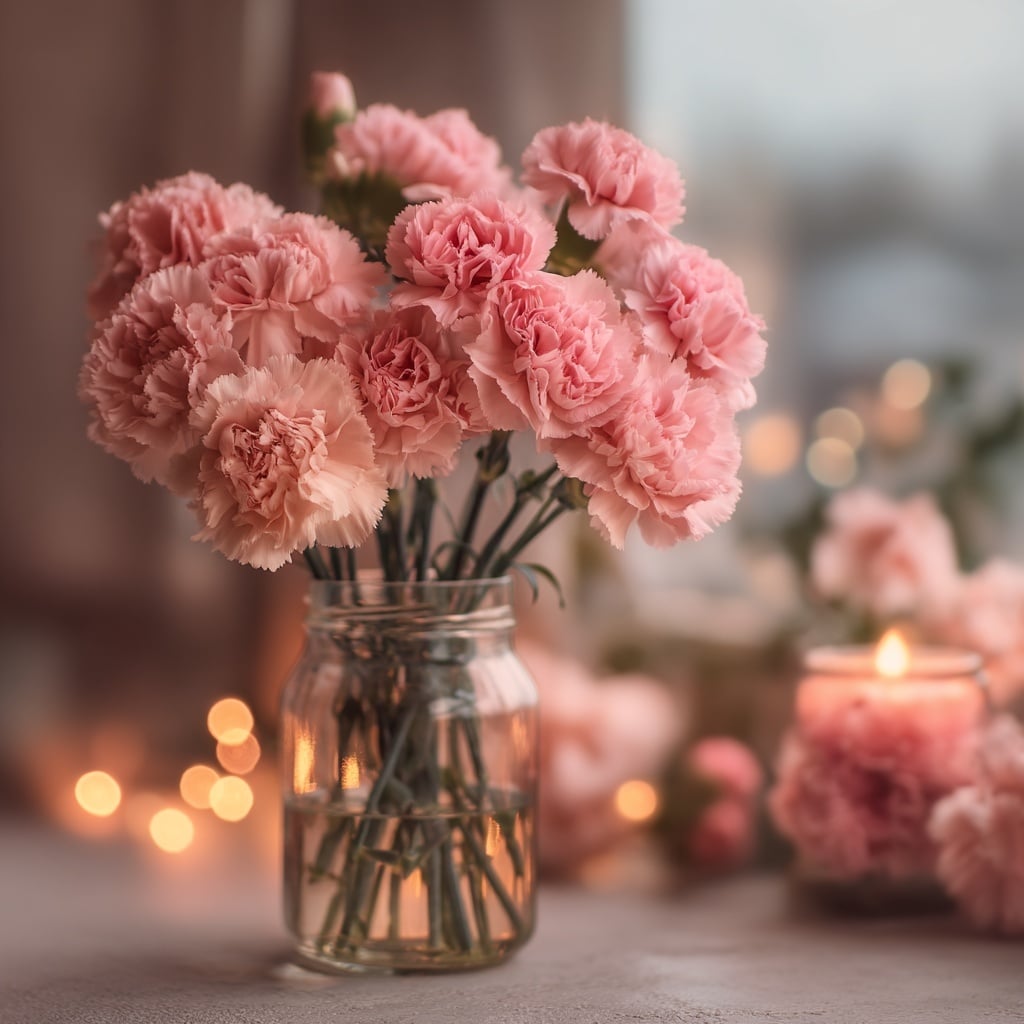
Pink carnation flowers carry layers of meaning that go far beyond their surface beauty. For centuries, they’ve been a symbol of affection, gratitude, and emotional warmth—qualities that make them one of the most meaningful blooms to give or receive.
One of the most recognized associations of the pink carnation is motherly love. This makes them especially popular for Mother’s Day arrangements, where they symbolize not just love, but also the admiration and appreciation we feel for the nurturing figures in our lives. Their gentle appearance mirrors the quiet strength and kindness often associated with mothers.
But their symbolism doesn’t stop there. Different shades of pink carnations express slightly different sentiments. Light pink carnations often represent admiration, sweetness, and innocence, making them perfect for expressing subtle affection or for marking new beginnings, like a budding friendship or a growing bond.
Deeper pinks, such as rose or hot pink, are often used to signify gratitude, enduring love, or heartfelt thanks. These rich tones are ideal when you want to say “thank you” in a way that feels both sincere and stylish.
Because of their layered meanings, pink carnations allow you to personalize a floral message with both color and intent. Whether it’s admiration, love, or thanks, there’s a pink carnation that can help say it with elegance and sincerity.
🎁 Pink Carnations for Every Occasion
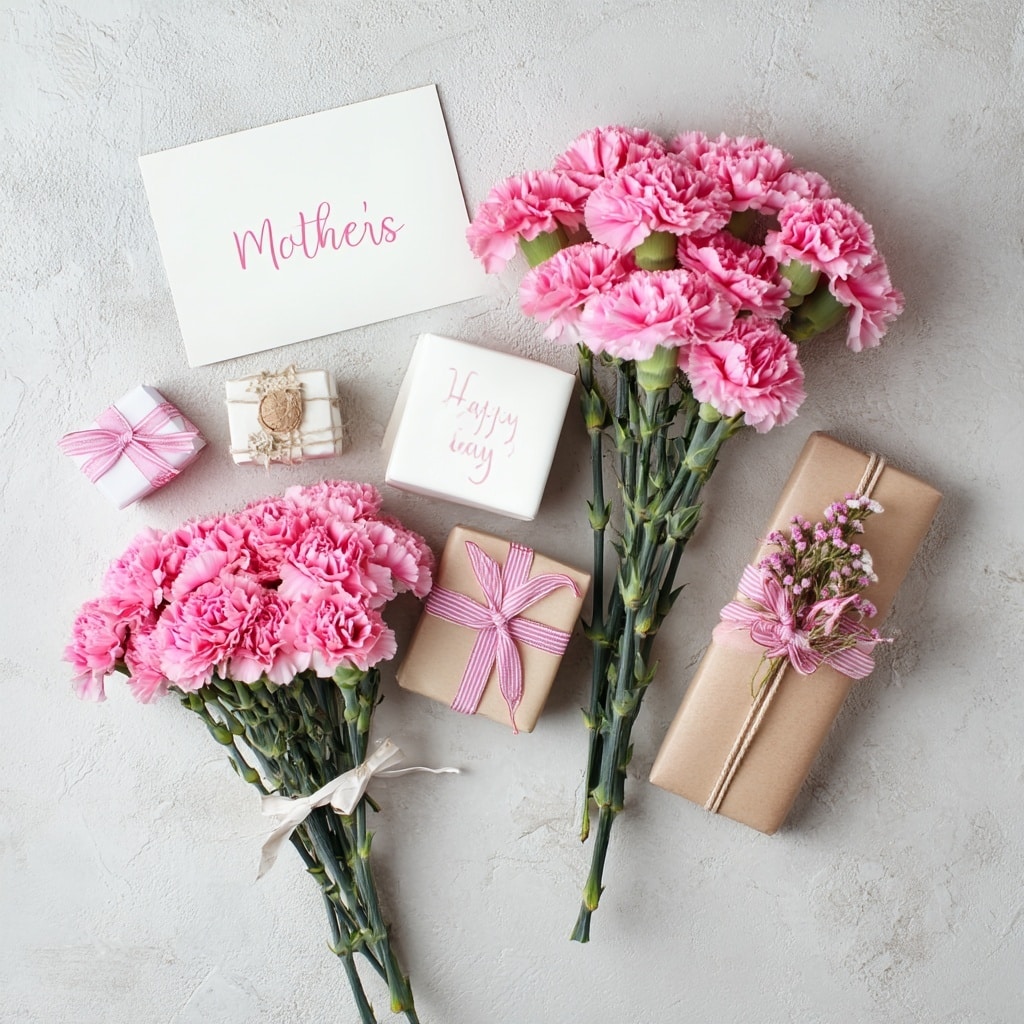
The versatility of pink carnation flowers makes them a go-to choice for just about any event or sentiment. Their wide range of pink shades and layered meanings give you the freedom to craft a bouquet that’s both beautiful and thoughtful—no matter the occasion.
💐 Ideal Occasions for Pink Carnations:
- Mother’s Day
Nothing says “I love you, Mom” quite like a bouquet of soft pink carnations. Their connection to maternal love and gratitude makes them a traditional and heartfelt gift. - Birthdays
Bright pink carnations add a festive and joyful feel to birthday bouquets. Their vibrant colors reflect happiness and positive energy, making them a cheerful surprise for friends or family. - Anniversaries
Deeper pink tones symbolize lasting affection and appreciation, making them a meaningful addition to any romantic arrangement or celebration of shared milestones. - Get-Well Wishes
With their cheerful hues and long-lasting blooms, pink carnations bring comfort and brightness to someone on the mend. Their sturdy nature also ensures they’ll look fresh in a hospital or bedside vase. - Baby Showers
Light pink carnations help create a gentle, welcoming atmosphere perfect for celebrating new life. They represent innocence and new beginnings, aligning beautifully with the joy of a baby girl’s arrival.
🌸 Pairing Ideas for Stunning Arrangements:
Pink carnations also shine when blended with other blooms. Their ruffled petals and sturdy stems make them ideal for mixed bouquets. Here are a few pairings to inspire:
- With roses: For a timeless, romantic touch
- With lilies: To add elegance and fragrance
- With daisies: For a bright and cheerful vibe
- With baby’s breath: To create a dreamy, delicate arrangement
Because they’re easy to style and have excellent vase life, pink carnations give you endless ways to craft a display that’s both personal and memorable.
🌺 A Final Look at Pink Carnation Flowers
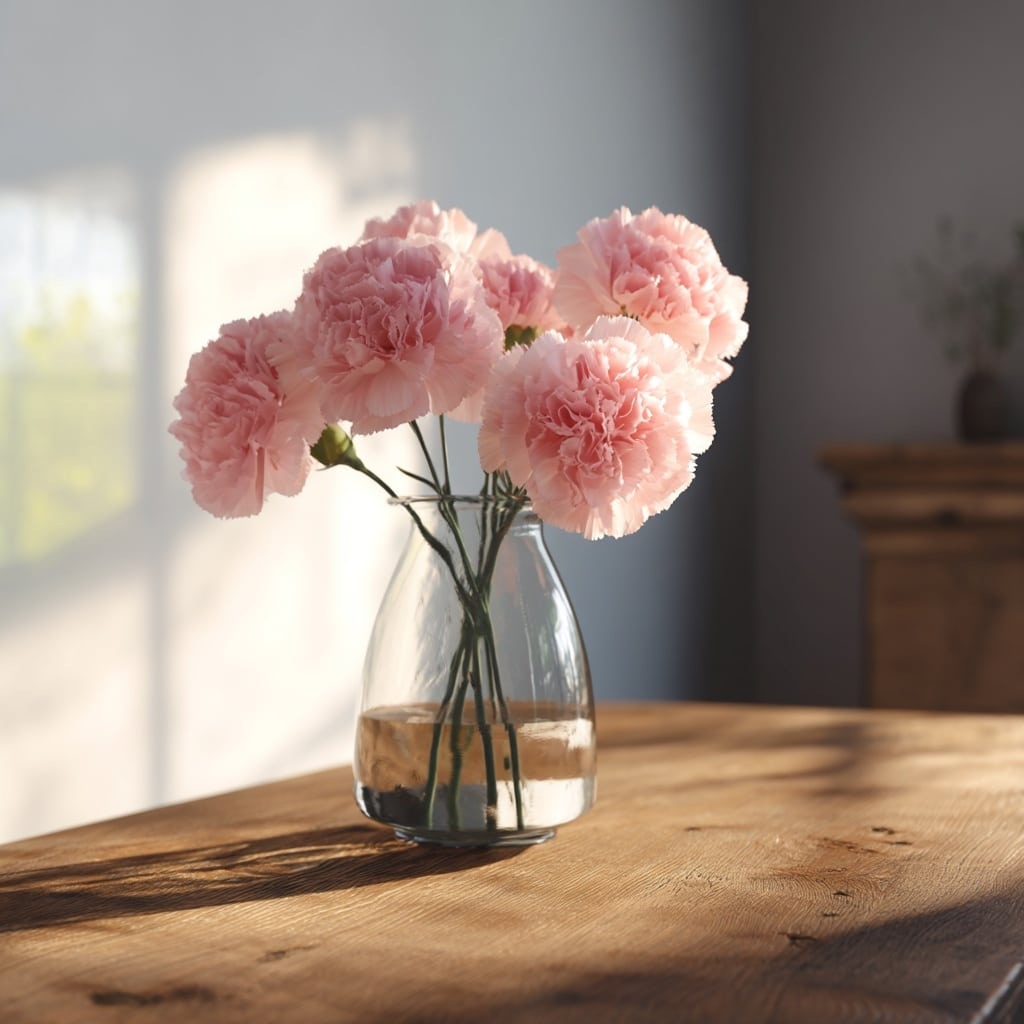
Pink carnation flowers are far more than decorative—they’re deeply expressive blooms that carry messages of love, gratitude, and joy. Their beauty lies not just in their soft, ruffled petals, but in their ability to convey heartfelt emotions through subtle color variations and gentle fragrance.
Whether you’re honoring a loved one, decorating your home, or simply brightening someone’s day, pink carnations make an excellent choice. They’re easy to care for, long-lasting, and versatile enough to suit both traditional and modern arrangements.
From soft pastels that whisper affection to bold pinks that declare admiration, pink carnation flowers speak in the quiet language of sincerity. With their lasting charm and emotional richness, they truly deserve a place in every home—and in every heart.