

Green plants are all around us, but have you ever stopped to wonder why they’re green in the first place? The answer lies in one of nature’s most important chemical processes: photosynthesis. It’s not just about how plants survive—it’s why they take on their signature green color. From the science of chlorophyll to the deeper meaning behind green hues in nature, understanding why green plants are green helps us better appreciate their beauty and role in our world. Let’s explore what makes these plants green and what that color really means
Table of Contents
Why Are Green Plants… Green?

The green color in green plants comes from a pigment called chlorophyll. This pigment plays a crucial role in photosynthesis, the process plants use to make their own food. Chlorophyll absorbs light energy from the sun—especially the red and blue wavelengths—and reflects green light. That reflection is why most plants appear green to our eyes.
Chlorophyll is found inside the chloroplasts of plant cells. It’s what allows plants to absorb energy and turn it into glucose, the fuel they use to grow and thrive. Without chlorophyll, photosynthesis couldn’t happen—and without photosynthesis, green plants wouldn’t exist as we know them.
So when you see a leafy tree or a healthy houseplant, you’re actually seeing one of the most efficient solar-powered systems on Earth in action.
Why Do Some Leaves Lose Their Green Color?
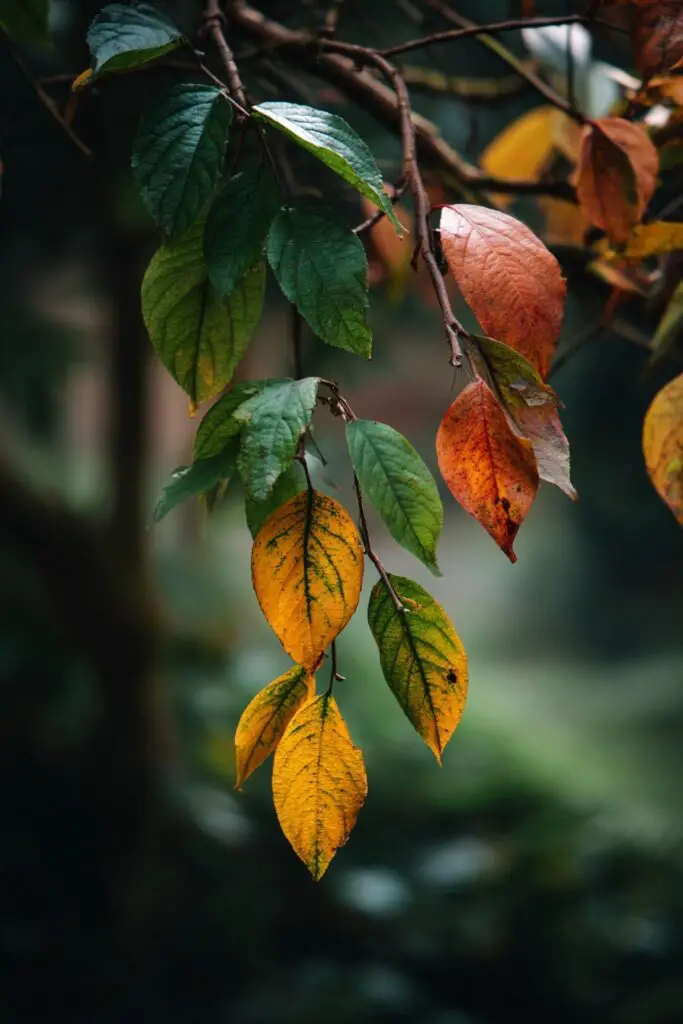
While most green plants stay green during the growing season, their leaves can change color due to several factors—some natural, others environmental. The most common reason is seasonal change, especially in deciduous trees. As fall approaches and daylight shortens, plants begin to break down chlorophyll. When the green pigment fades, other hidden pigments like carotenoids (yellow and orange) and anthocyanins (red and purple) become visible.
But it’s not just about the seasons. A loss of green color can also signal stress. Too much sun, poor watering habits, nutrient deficiencies, or pests can all cause chlorophyll to break down prematurely. When that happens, the plant may appear yellow, brown, or even spotted.
So, if your normally green plants start changing color, it might be worth taking a closer look at their care routine.
Are All Plants Green?
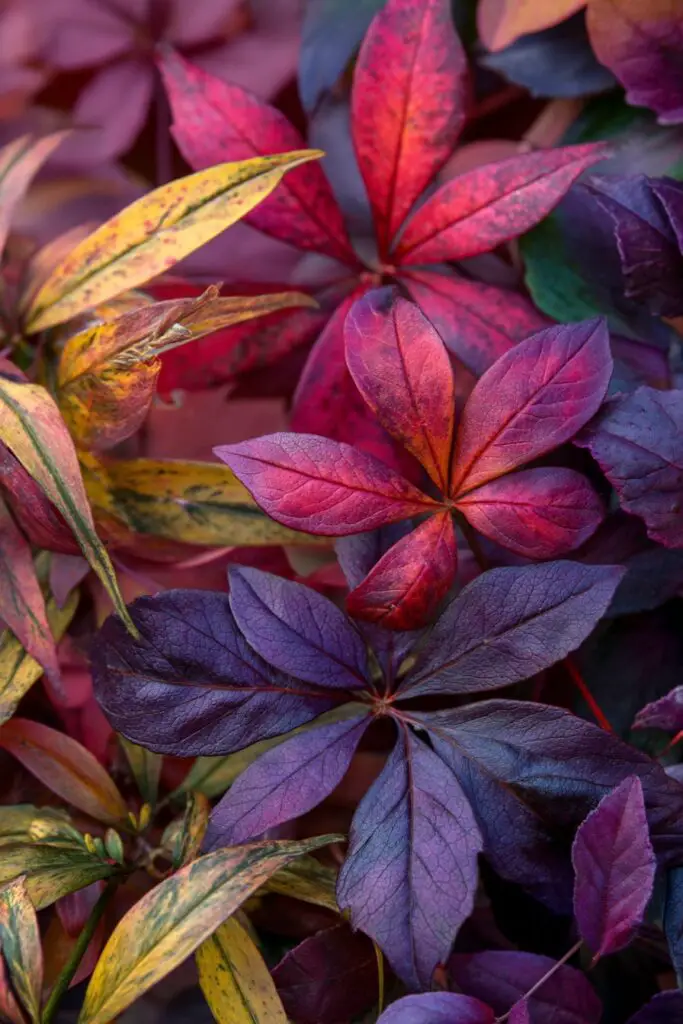
While the majority of green plants are, well, green—not all plants appear green to the eye. Some plants have deep red, purple, or even yellow leaves. In many cases, these colorful plants still contain chlorophyll, but the green pigment is masked by other dominant pigments like anthocyanins or carotenoids.
Then there are plants that lack chlorophyll entirely. These are known as heterotrophs—plants that cannot make their own food through photosynthesis. Instead, they absorb nutrients from fungi or other plants. Examples include the Indian pipe, broomrape, and phantom orchid, all of which have pale, ghostly appearances due to their lack of green pigment.
So while green plants are the norm, nature has plenty of exceptions—many of them just as fascinating and beautiful.
Why Green Is Good: Color Psychology in Plants

Beyond biology, the color green carries powerful emotional and psychological meaning. It’s no coincidence that green plants are known to promote a sense of calm, balance, and renewal. In color psychology, green is associated with growth, harmony, and restfulness, which is why it’s often used in interior spaces—from living rooms to office lobbies.
Green has a soothing effect on the eyes and mind. That’s one reason why biophilic design—bringing greenery indoors—is so popular. In small spaces, green plants can even make rooms feel larger and more open, thanks to the way cool tones like green and blue visually recede.
Whether indoors or out, green plants do more than beautify—they help create environments that support emotional well-being and reduce stress. It’s yet another reason why their color is so much more than skin deep.
Why Are Green Plants Called Producers?
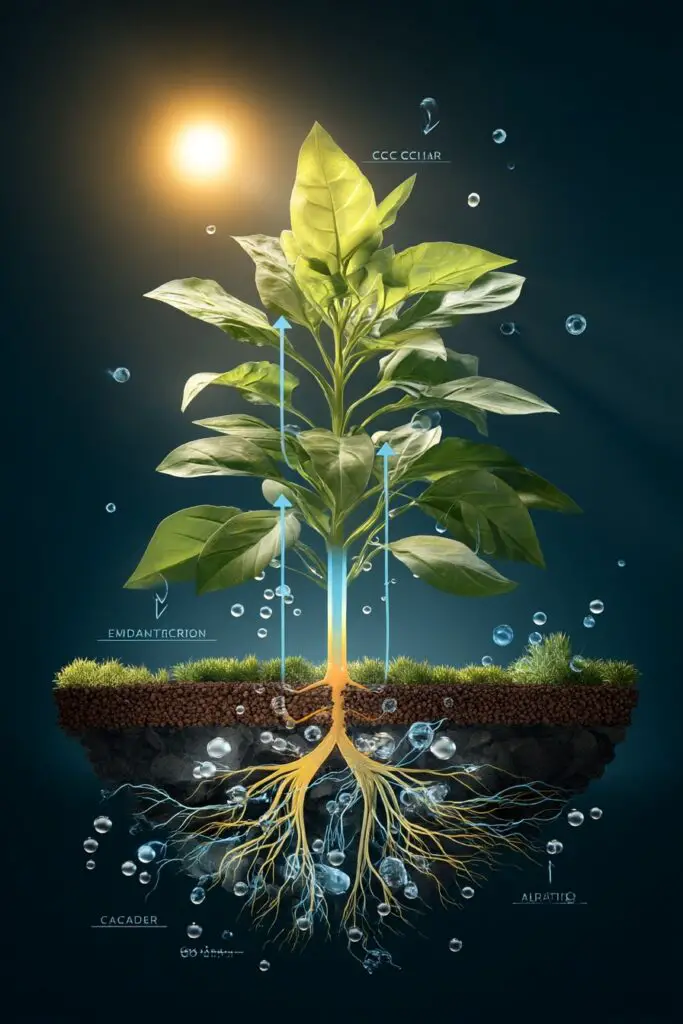
Green plants are often referred to as producers—but what exactly does that mean? In ecological terms, producers are organisms that create their own food using energy from the sun. Green plants do this through photosynthesis, a process that transforms sunlight, carbon dioxide, and water into glucose (sugar), which fuels their growth.
This ability to produce their own energy makes green plants the foundation of nearly every food chain. Without them, herbivores wouldn’t have anything to eat—and without herbivores, carnivores would have no prey. In short, green plants power life on Earth.
They also provide another essential gift: oxygen. During photosynthesis, plants release oxygen as a byproduct, making the air breathable for humans and animals. So, when we call green plants “producers,” we’re really acknowledging their vital role in supporting all life on the planet.
Conclusion
From their vibrant color to their essential function in life on Earth, green plants are more than just a pretty sight. Their color comes from chlorophyll—a pigment vital to photosynthesis—and their role as producers places them at the heart of every ecosystem. Whether they’re helping purify the air, creating food, or simply calming our minds with their natural beauty, green plants are a quiet force shaping our environment.
Understanding why green plants are green adds a layer of appreciation to every leaf and blade of grass. So next time you see a houseplant or a patch of forest, you’ll know you’re looking at one of nature’s most efficient life-makers.