
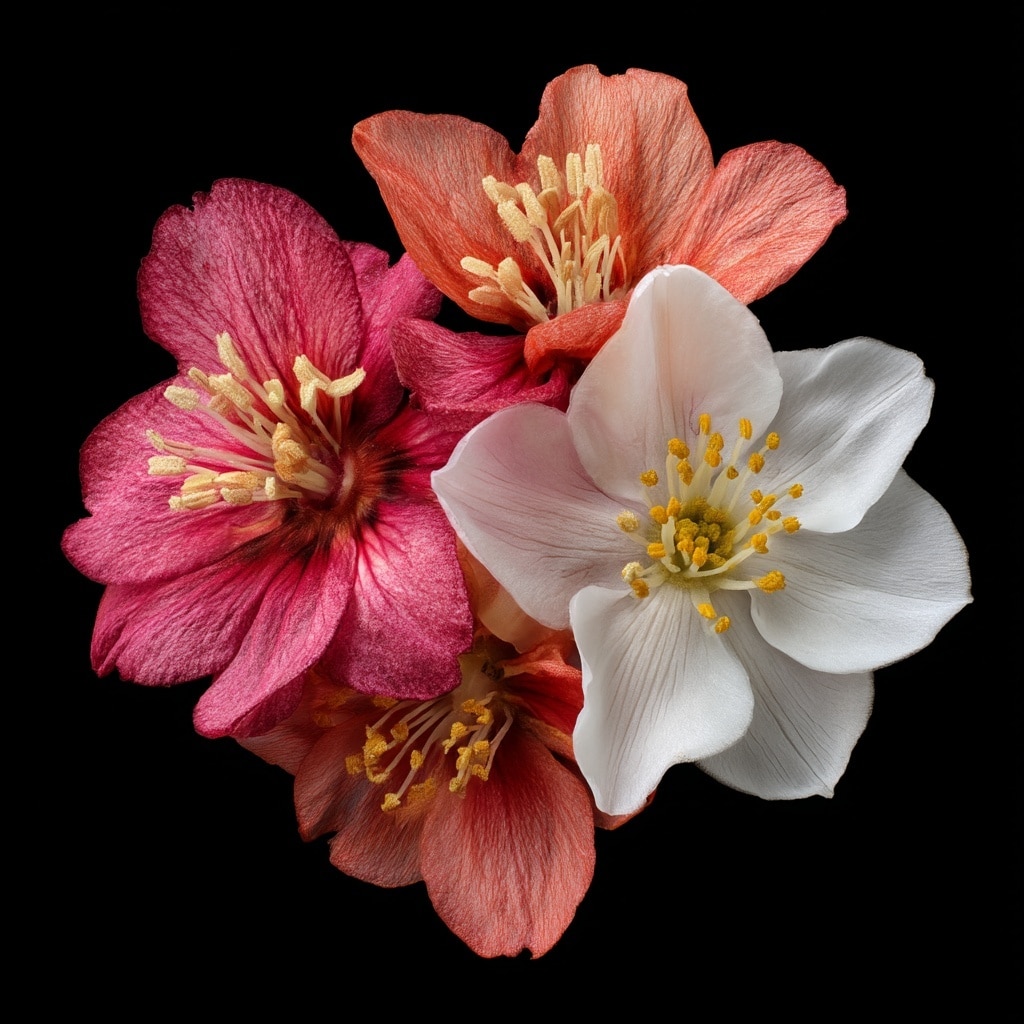
Flower types play a central role in gardening, botany, and plant identification. With over 250,000 known species of flowering plants, understanding different flower types helps gardeners, landscapers, and plant lovers appreciate how nature designs each bloom for reproduction, beauty, and survival. From complete to incomplete flowers, radial to bilateral symmetry, and monocots to dicots, each classification highlights key differences in structure and function. Whether you’re designing a vibrant flowerbed or simply curious about how petals and stamens work together, knowing your flower types makes your garden more intentional and informed.
Table of Contents
Complete and Incomplete Flowers

Understanding flower types starts with identifying whether a bloom is complete or incomplete. A complete flower contains all four essential parts: sepals, petals, stamens, and carpels (or pistils). Examples include lilies and hibiscus—flowers that showcase the full suite of floral structures in one bloom.
On the other hand, incomplete flowers are missing one or more of these parts. Oaks, elms, and willows, for instance, may lack petals or sepals, but still function effectively in reproduction. This doesn’t make them any less vital; they simply operate differently.
A closely related term is a perfect flower, which means it has both stamens (male parts) and pistils (female parts). All complete flowers are perfect, but not all perfect flowers are complete. It’s the presence of both reproductive organs—not the total number of floral parts—that earns a flower the “perfect” label.
Conversely, imperfect flowers have either stamens or pistils, but not both. These are typically seen in plants that separate male and female reproductive roles across different flowers.
🪴 Tip: Knowing whether a flower is complete, incomplete, perfect, or imperfect can help you decide which plants to pair for successful pollination in your garden.
🌸 Unisexual and Bisexual Flowers
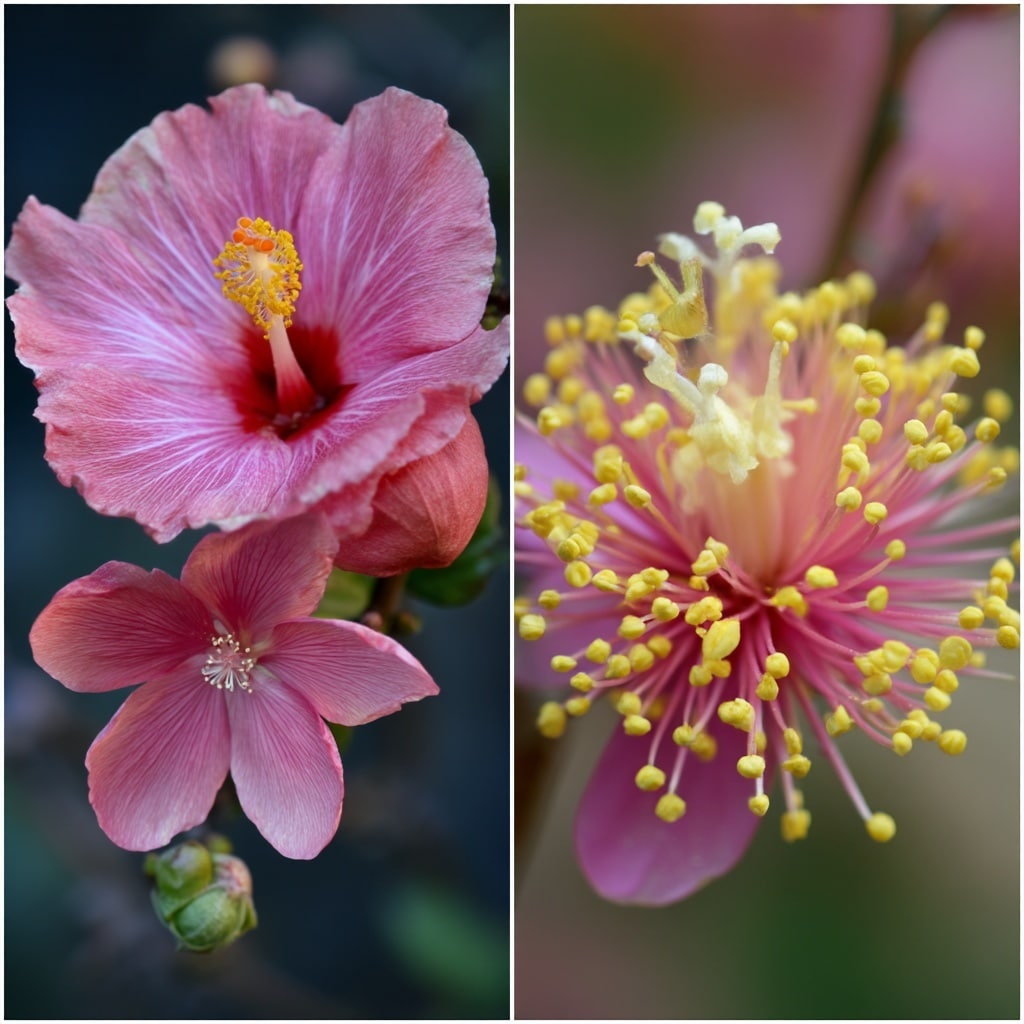
Among the many flower types, another major distinction is between unisexual and bisexual flowers. This classification is based entirely on the presence of reproductive organs.
A unisexual flower contains either stamens or pistils, but not both. If it has stamens only, it’s called staminate; if it has pistils only, it’s called pistillate. These flowers are considered imperfect because they lack one of the two key reproductive parts. Corn and walnuts are good examples—each plant produces separate male and female flowers on the same individual.
This brings us to the terms monoecious and dioecious, which describe how unisexual flowers are arranged:
- Monoecious plants bear both male and female flowers on a single plant. Corn is a classic example.
- Dioecious plants, like asparagus or willow, produce male flowers on one plant and female flowers on another. You’ll need both male and female plants in proximity if you’re hoping for fruit or seeds.
In contrast, bisexual flowers—also known as perfect flowers—contain both stamens and pistils within a single bloom. These are highly efficient for reproduction, as they can often self-pollinate or cross-pollinate more easily.
🌿 Garden Insight: Knowing if a plant is monoecious or dioecious helps you plan your layout to ensure proper pollination—especially for fruit-bearing varieties.
🌺 Superior or Inferior Ovaries
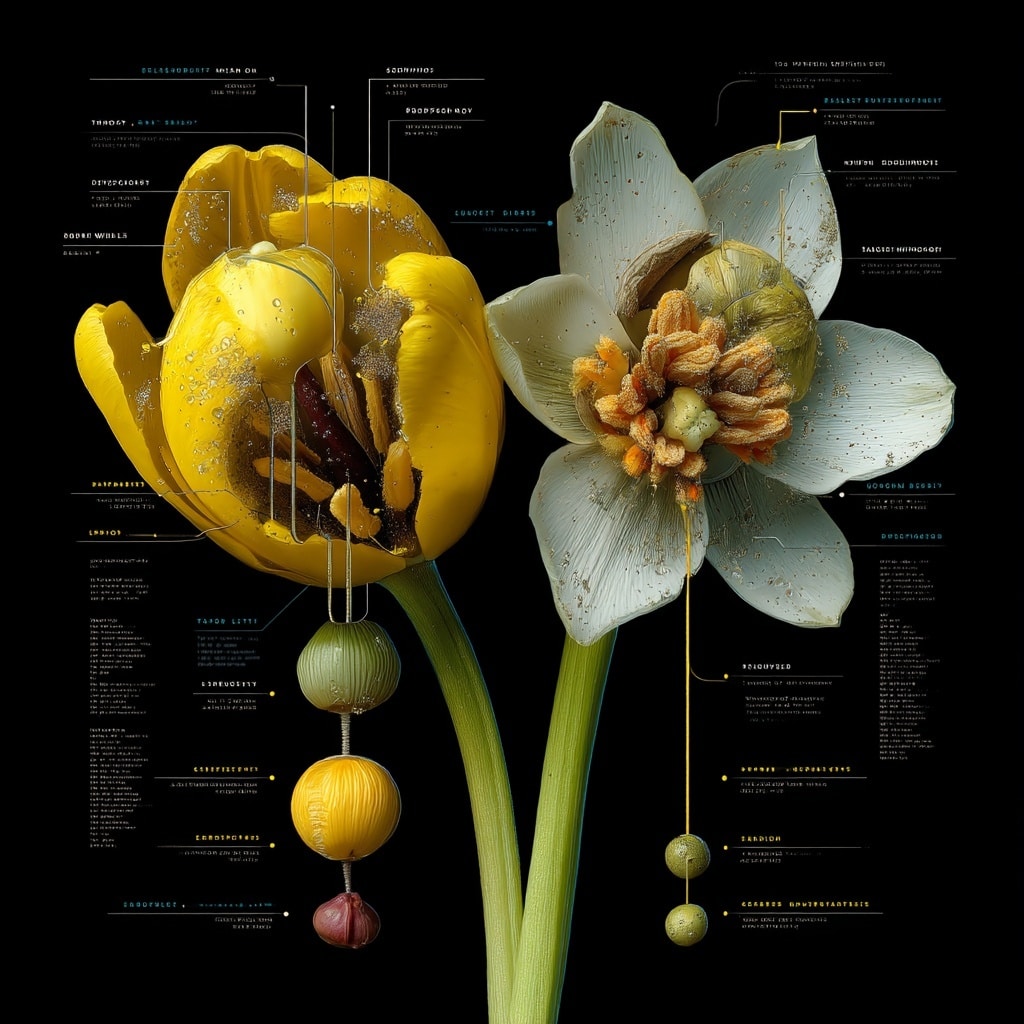
The position of the ovary in a flower is another key characteristic used to distinguish different flower types, and it plays a crucial role in how a flower develops and reproduces.
A superior ovary sits above the point where the petals, sepals, and stamens attach to the flower. Flowers like tulips and St. John’s wort have this arrangement. In these plants, the ovary is more exposed and stands on top of a structure called the receptacle.
An inferior ovary, on the other hand, is located below the attachment point of the other flower parts. This means the petals, sepals, and stamens appear to grow from the top of the ovary. Common examples include daffodils and sabatia. This placement helps protect the ovary as the flower develops.
There are also flowers with an intermediate ovary position, where the floral parts seem to attach around the middle of the ovary. Cherry, peach, and almond blossoms fall into this category, where the ovary is partially embedded in the flower’s base.
Why does this matter? Ovary position can influence fruit formation and pollination strategies—both essential factors in plant propagation and garden productivity.
🌸 Quick Tip: When choosing flowering plants for fruiting purposes, especially in edible gardens, understanding ovary positions can give you clues about fruit shape and growth habits.
Flower Types by Ovary Attachment: Hypogynous, Epigynous, and Perigynous

When classifying flower types, the attachment point of the floral parts in relation to the ovary further refines our understanding. These distinctions are subtle but important in both botanical identification and garden planning.
Hypogynous Flowers
In hypogynous flowers, the sepals, petals, and stamens are attached below the ovary. This makes the ovary superior, sitting prominently above the other flower parts. These flowers are usually simple in structure and include examples like geraniums (Pelargonium) and silene. Hypogynous flowers often develop into fruits that sit clearly above the base of the flower.
Epigynous Flowers
Epigynous flowers have sepals, petals, and stamens that seem to emerge from the top of the ovary. This makes the ovary inferior, hidden below the visible floral parts. The fusion of the floral base (called the hypanthium) creates this structure. Well-known examples include narcissus (daffodils) and dogwood (Cornus). These flowers often produce fruits with floral remnants on their ends.
Perigynous Flowers
Perigynous flowers offer a blend of both structures. The floral parts are attached to the rim of a cuplike or tubular hypanthium that surrounds—but does not fuse with—the ovary. This makes the ovary partially inferior, depending on how far it sinks into the floral base. Examples include cherry, peach, and rose. These flowers are particularly common in fruiting plants within home gardens.
For gardeners, understanding these attachment types can help with identifying unknown plants and predicting how flowers will develop into fruit.
Floral Fusion: Connation & Adnation

When examining flower types, another key characteristic is whether the flower’s parts are fused or separate. This impacts both the flower’s appearance and its reproductive function.
Connation: Fusion of Like Parts
Connation refers to the fusion of similar floral parts. For example, when petals are joined together to form a tube or bell shape—as seen in morning glories or petunias—this is connation. Similarly, fused stamens or sepals are also examples. These flowers often have a more uniform, symmetrical shape and can better guide pollinators to the reproductive organs.
When floral parts of the same type are not fused, they are described as distinct. For instance, roses have clearly separate petals that are not joined at the base, giving them a layered, open structure.
Adnation: Fusion of Unlike Parts
Adnation describes the fusion of unlike floral structures—such as stamens fused to petals. This is commonly seen in flowers like primroses and snapdragons, where the fused parts form complex shapes that attract specific pollinators.
When floral parts are not fused at all, they’re considered free, meaning each part remains separate from others. This allows for more open, varied flower forms.
Understanding connation and adnation isn’t just a botanical curiosity—it can help gardeners identify specific species and predict how flowers will behave in terms of pollination and growth.
Flower Symmetry: Regular vs Irregular
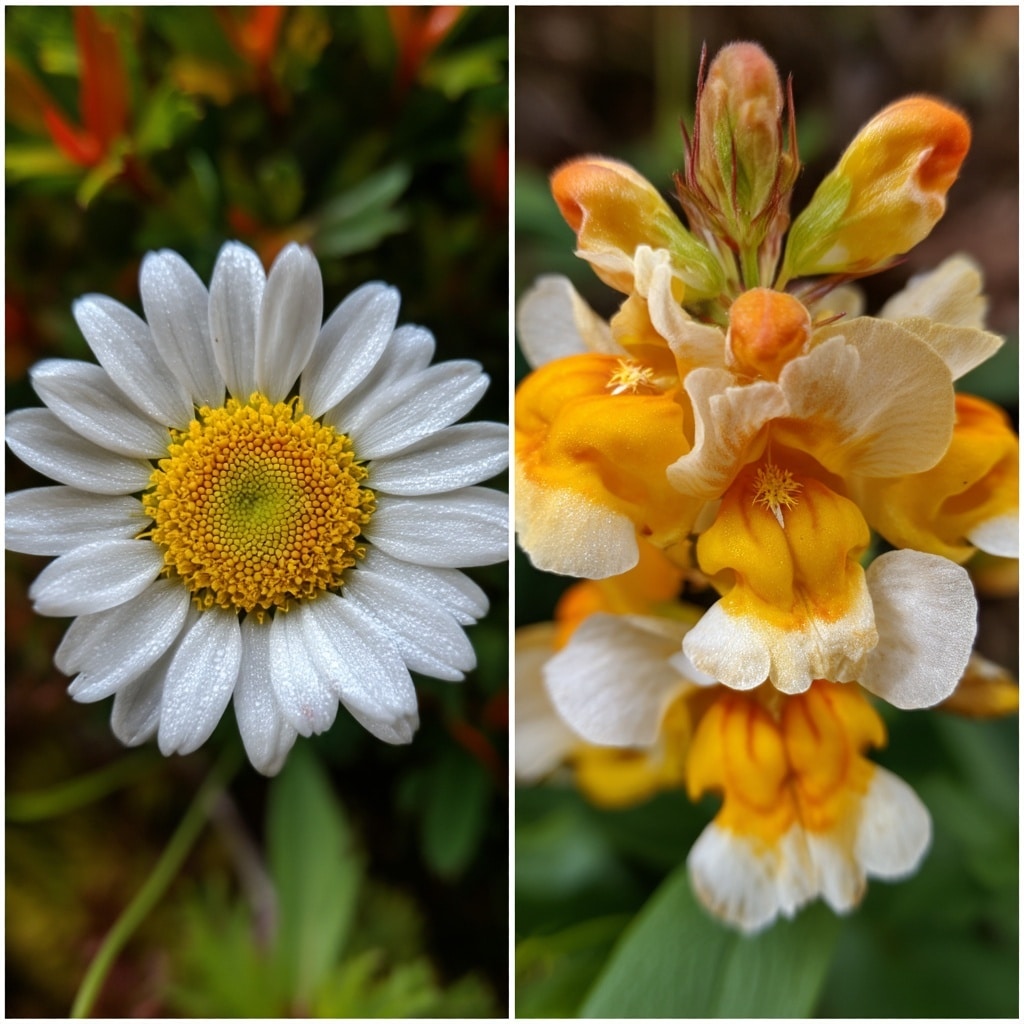
One of the most visually striking ways to classify flower types is by their symmetry. Symmetry affects how flowers interact with pollinators and how they are arranged on a plant.
Regular (Radial) Flowers
Regular flowers, also known as actinomorphic, have radial symmetry. This means the flower can be divided into two identical halves along multiple lines passing through the center. These flowers have evenly spaced petals and are often circular or star-shaped. Common examples include:
- Daisies
- Morning glories
- Stonecrop (Sedum)
Radial symmetry helps attract a broad range of pollinators, as the flower looks the same from all sides.
Irregular (Bilateral) Flowers
Irregular flowers, or zygomorphic, display bilateral symmetry—they can only be split into mirror-image halves along one single plane. These flowers often have complex shapes that guide pollinators toward the nectar while ensuring contact with the reproductive organs. Examples include:
- Snapdragons
- Peas
- Mints
Zygomorphic flowers often evolve alongside specific pollinators like bees or hummingbirds, making them more specialized.
Asymmetrical Flowers
Though rare, some flower types lack any symmetry at all. These asymmetrical flowers don’t divide evenly in any direction and typically result from mutations or very specialized evolutionary traits.
For gardeners, understanding symmetry helps in both aesthetic planning and choosing the right flowers to attract certain pollinators to the garden.
Monocots vs Dicots

When classifying flower types, it’s helpful to understand the broader categories of monocots and dicots. These two major plant groups differ not only in leaf and stem structure, but also in how their flowers are arranged and built.
Monocot Flowers
Monocots, or monocotyledons, typically have flower parts in multiples of three—like 3, 6, or 9 petals. Their floral structures are usually symmetrical and simple, making them easy to identify. Common monocot flowers include:
- Tulips
- Lilies
- Orchids
In addition to floral traits, monocots have parallel-veined leaves and fibrous root systems, which can be helpful clues when identifying plants in the garden.
Dicot Flowers
Dicots, or dicotyledons, usually feature flower parts in multiples of four or five. Their floral arrangements tend to be more varied, often with complex layering or distinct petal groupings. Examples include:
- Roses
- Sunflowers
- Peonies
Dicots typically have net-like leaf veins, taproot systems, and woody stems, which further distinguish them from monocots.
Knowing whether a plant is a monocot or dicot can guide gardeners in terms of care requirements, growth expectations, and even planting companions. Many seed packets and nursery tags will mention this classification for easier gardening success.
Inflorescence Types
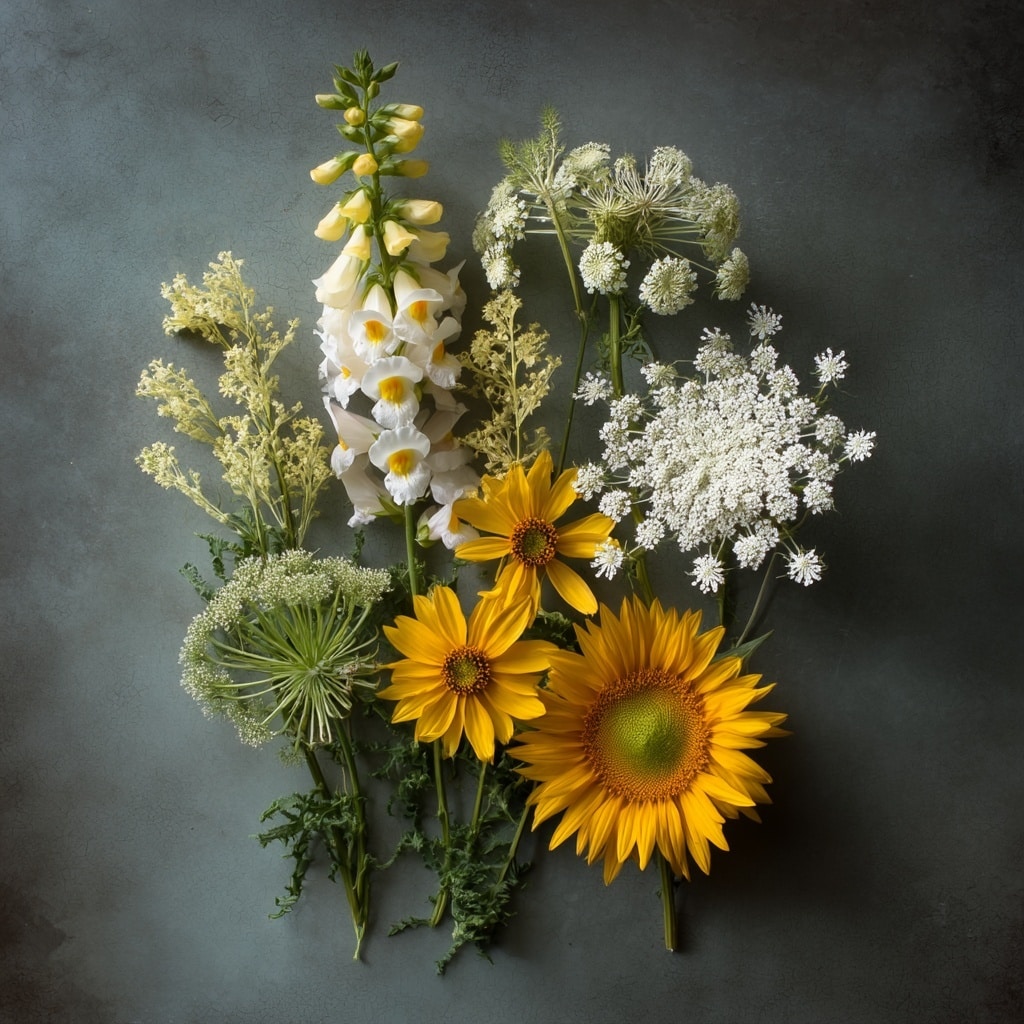
Another way to categorize flower types is by how they are arranged on the plant. This arrangement is called an inflorescence, which refers to the grouping or cluster of flowers on a stem. The structure of an inflorescence not only affects the plant’s appearance but also plays a key role in pollination.
Solitary Flowers
Some plants produce solitary flowers, meaning a single bloom grows from a stem or branch. These flowers stand alone and are often larger or more noticeable to attract pollinators. Examples include:
- Tulips
- Roses (in some varieties)
- Magnolias
Solitary flowers usually focus their energy on making a single blossom more vibrant and functional.
Clustered Inflorescences
Many plants produce clusters of flowers instead of just one. These inflorescences can be arranged in several patterns, including:
- Racemes – Flowers grow along a central stem, like in lupines or snapdragons.
- Umbels – All flower stalks arise from a single point, forming a dome or umbrella shape, as seen in Queen Anne’s lace.
- Corymbs – Lower flower stalks are longer than upper ones, so all flowers form a flat-topped cluster, like yarrow.
- Capitula (flower heads) – A dense cluster of tiny flowers that looks like a single bloom, such as sunflowers and daisies.
Understanding inflorescence types helps gardeners identify plants, anticipate blooming patterns, and even plan for attracting more pollinators.
Conclusion
Understanding the many flower types found in nature and gardens helps us appreciate the beauty and complexity of plant life. From solitary lilies to clustered sunflowers, each flower type plays a role in reproduction, pollination, and design. By recognizing features like symmetry, ovary position, floral fusion, and reproductive structures, gardeners can make better planting choices, support biodiversity, and enjoy more successful blooms. Whether you’re selecting flowers for aesthetics, pollinator support, or botanical interest, knowing their types is a practical and rewarding step in your gardening journey.