
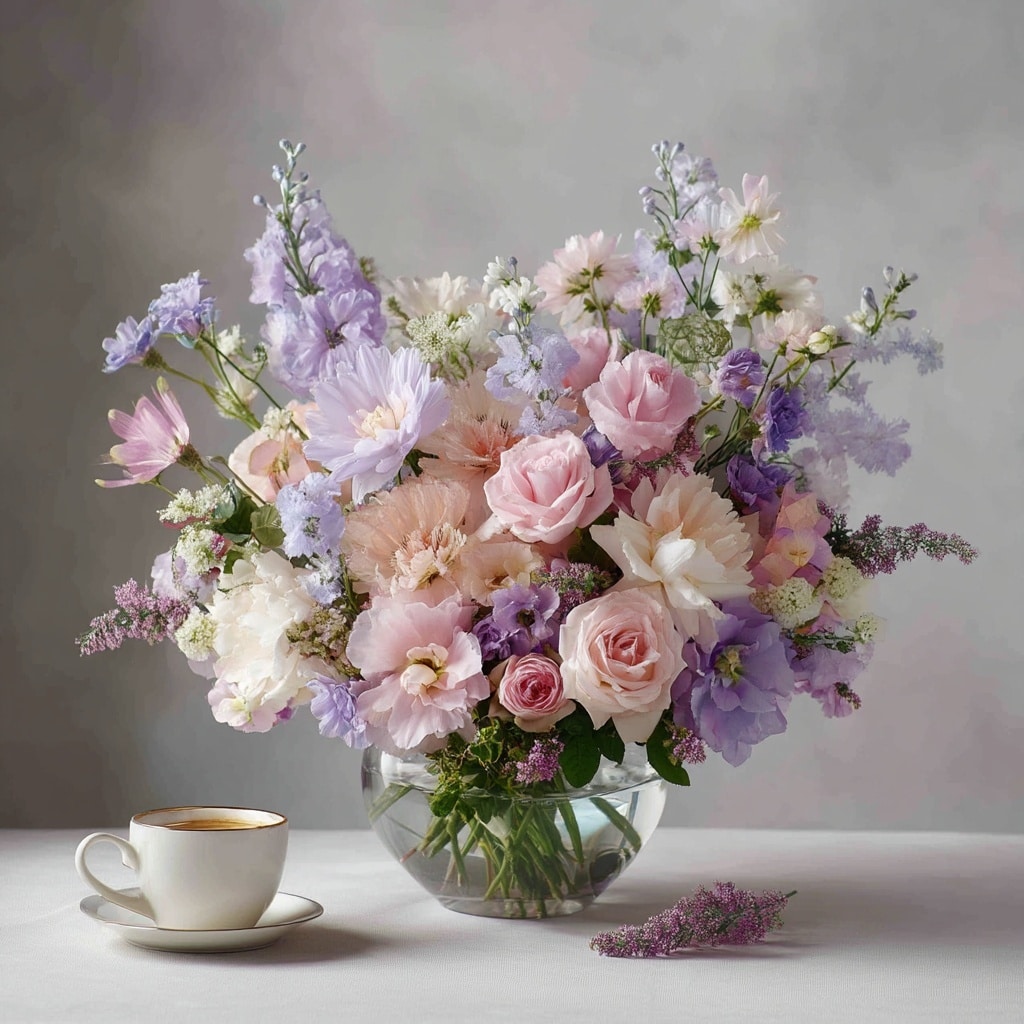
Types of flowers play a crucial role in how an arrangement looks, feels, and fits within a space or occasion. Whether you’re planning a formal dinner, decorating an office, or simply brightening up your home, the kind of flowers you choose — and how they’re arranged — makes all the difference. Understanding the various types of flower arrangements helps you create intentional, meaningful displays that reflect mood, style, and purpose. From elegant centerpieces to whimsical, loose styles, each type serves a unique function and aesthetic. In this guide, we’ll walk through the most popular floral arrangement formats, styles, and moods to help you find the perfect fit for any setting.
Table of Contents
Centerpiece

Among the most timeless and versatile types of flowers used in events and homes, centerpieces are a foundational design. These mid-sized arrangements are usually placed in the middle of a table and are crafted to complement their surroundings without obstructing conversation. Compact yet full, centerpiece arrangements can suit formal dinners, weddings, and even everyday décor. Vases typically measure four to five inches wide and are filled with a balanced mix of florals and foliage to create harmony and symmetry.
Bar Arrangement
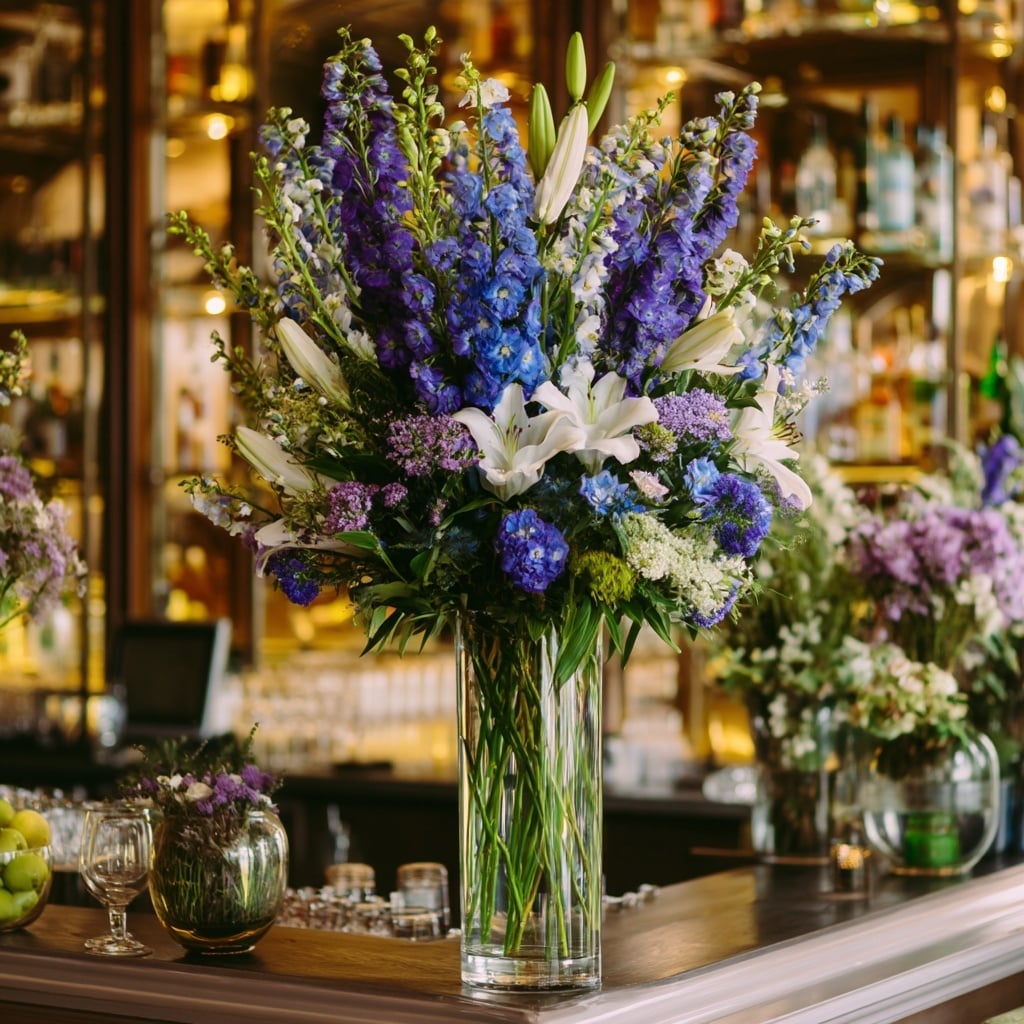
Bar arrangements are taller and more striking, designed to create visual interest in high-traffic areas like bars, entryways, or mantels. These types of flowers are arranged with height in mind—featuring blooms with long stems or structural branches. This format is ideal when you want to draw attention upward or add a touch of drama to an otherwise functional space.
Bud Vase
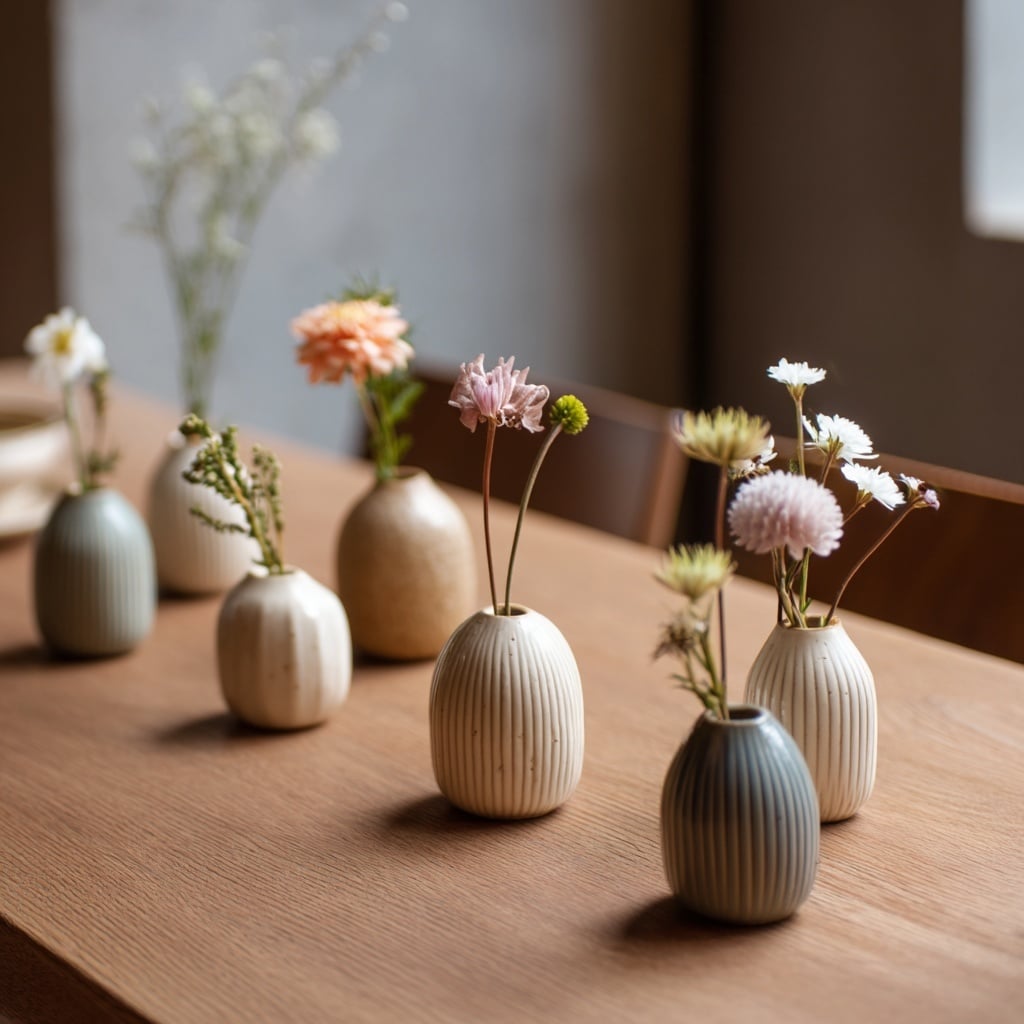
Bud vases offer a minimalist way to display flowers while still contributing to the overall ambiance. These small vases typically hold just one or two stems and are ideal for accenting larger arrangements or filling in empty spaces on shelves, small tables, or restrooms. When used in multiples, they can create a cohesive story across a space while keeping things light and uncluttered.
Long and Low
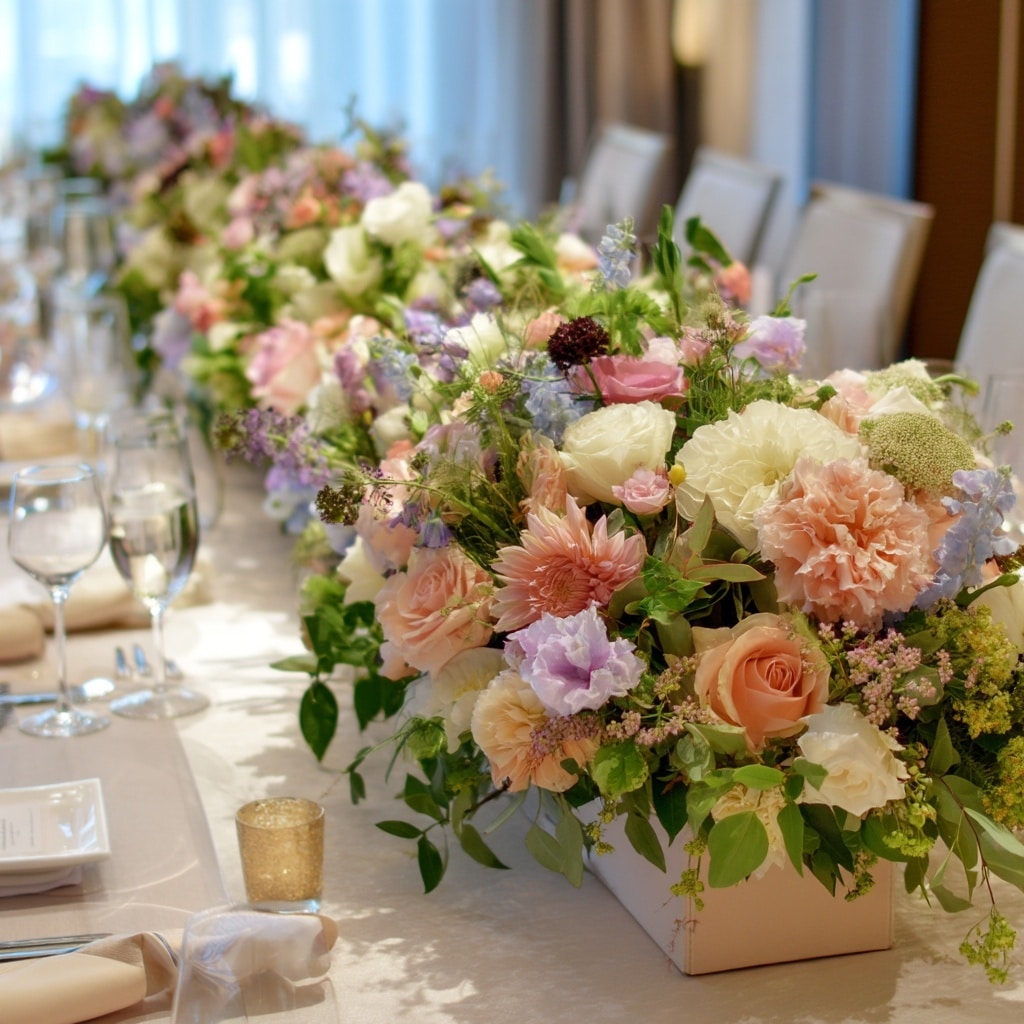
Designed for rectangular surfaces like banquet tables or window sills, long and low arrangements feature florals spread horizontally in shallow containers. These types of flowers are arranged to appear lush and full, without adding vertical height that might block views across a table. They’re especially effective for events that use shared tablescapes, allowing guests to enjoy conversation and décor simultaneously.
Styles of Arrangements
Compact
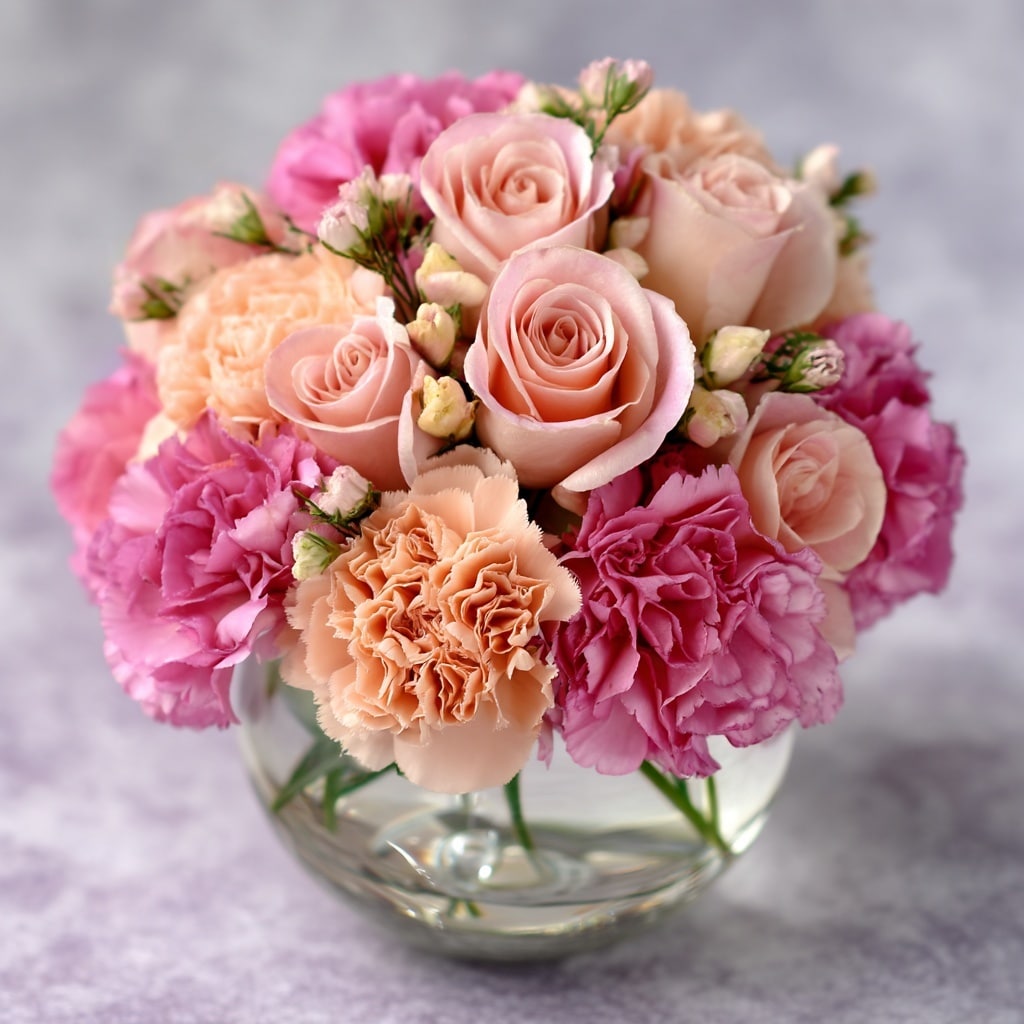
Compact arrangements use tightly clustered types of flowers trimmed to uniform height, often shaped into a dome or sphere. This clean and symmetrical style is perfect for formal events, corporate settings, or any space where balance and elegance are key. The compact design emphasizes precision, making it ideal when branding or a polished aesthetic is the priority.
Loose and Wild
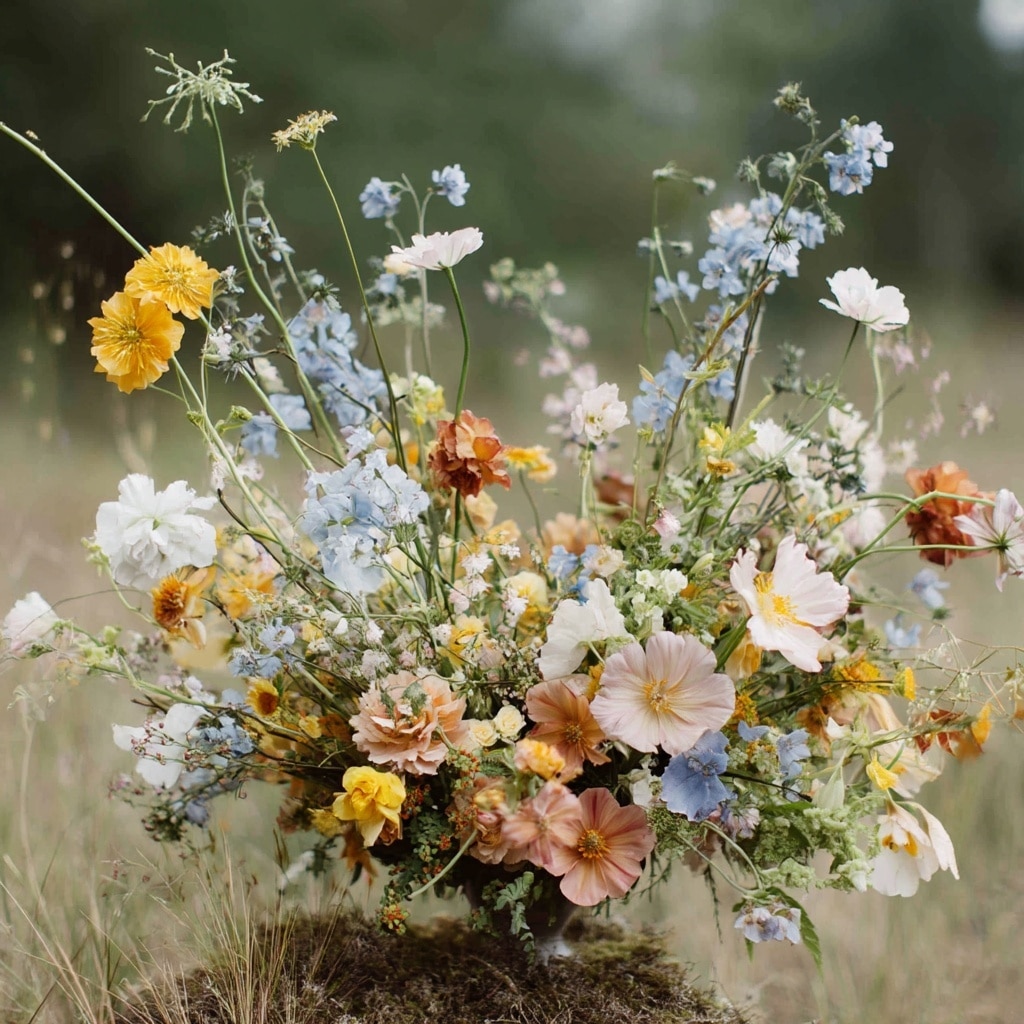
In contrast to compact styles, loose and wild arrangements embrace movement and natural flow. These types of flowers are placed at varying heights, allowing stems and greenery to spill out organically. This style is especially popular in bohemian weddings and relaxed outdoor events. It creates a sense of effortless beauty while still being thoughtfully curated.
Single Flower Type
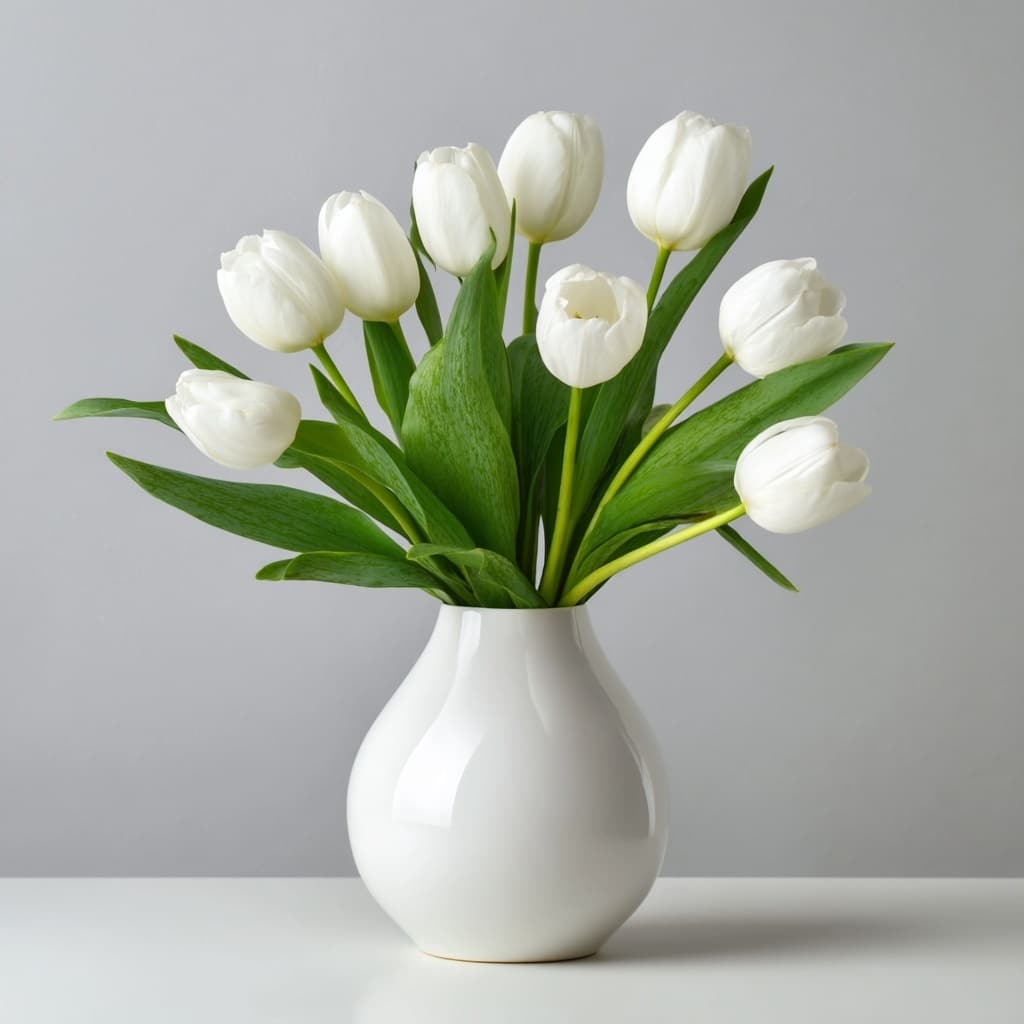
This arrangement style focuses on one specific flower variety throughout the entire display. Whether it’s all roses, hydrangeas, or tulips, using a single flower type creates a unified, cohesive look. These arrangements often feel modern and intentional, making them great for minimalist or luxury-themed events.
Minimalist
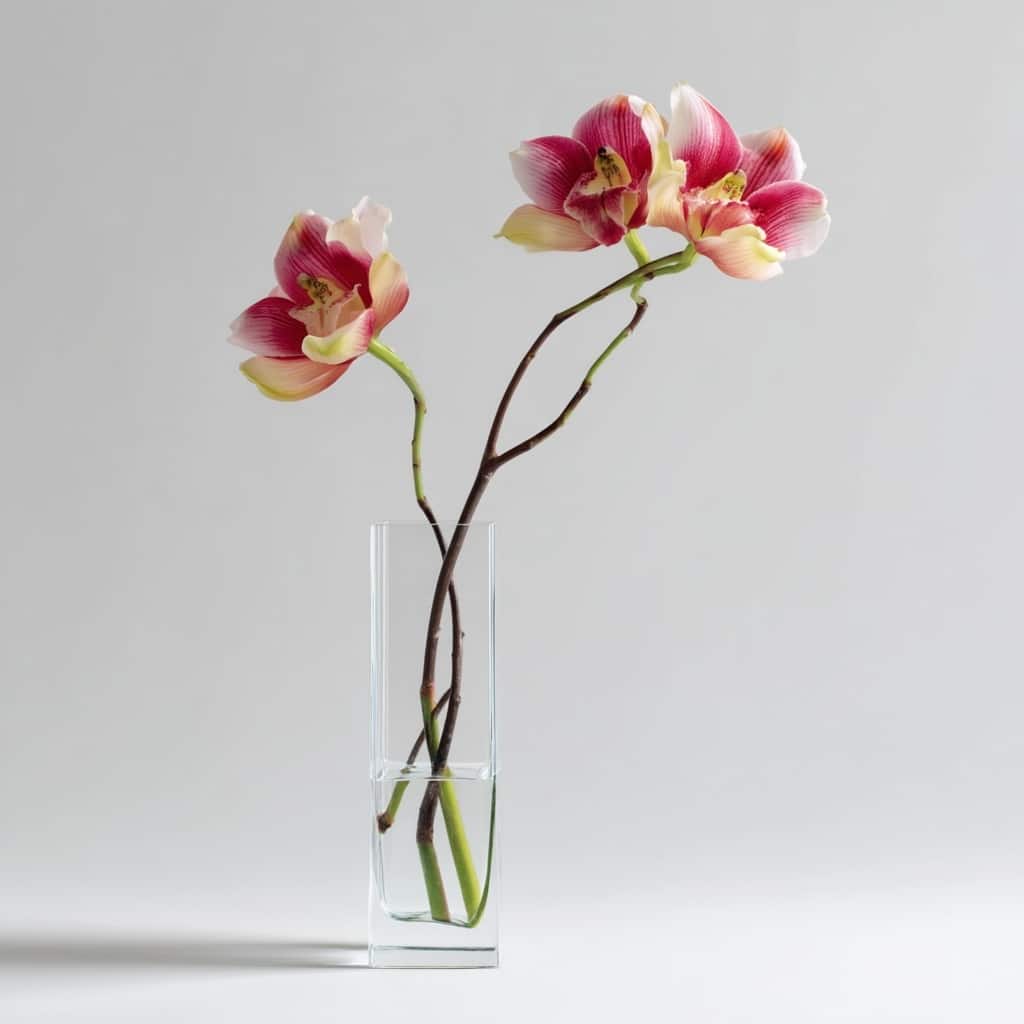
Minimalist arrangements highlight negative space and intentionality. Instead of filling a vase with blooms, these designs feature just a few carefully selected stems arranged with purpose. These types of flowers are typically chosen for their structure or symbolism and work well in modern interiors or upscale galleries where each floral element can shine on its own.
Monochromatic
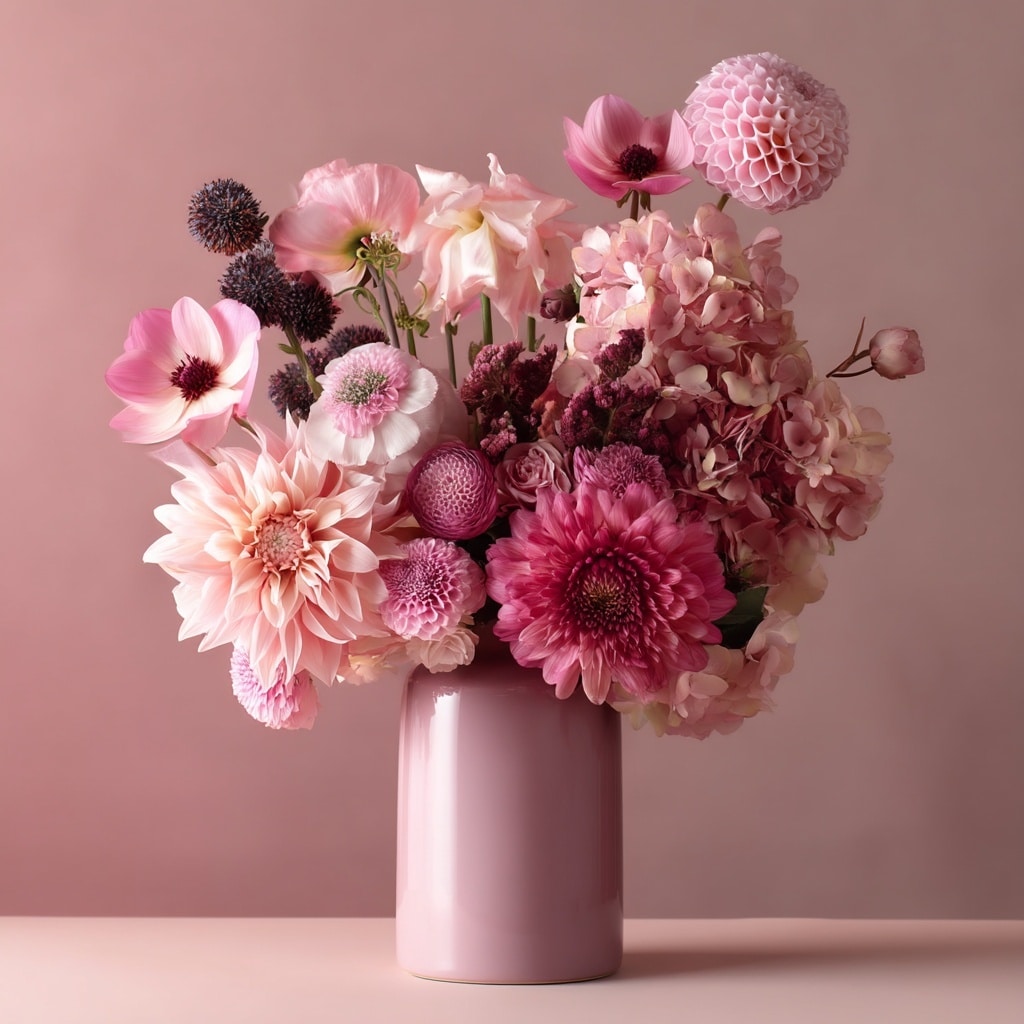
A monochromatic arrangement focuses on a single color palette, using various flower types within one hue—such as all-white, all-pink, or all-orange. This style makes a strong visual impact and is useful when trying to align with event branding, themes, or seasonal tones. Monochromatic designs offer both drama and sophistication.
Neutral
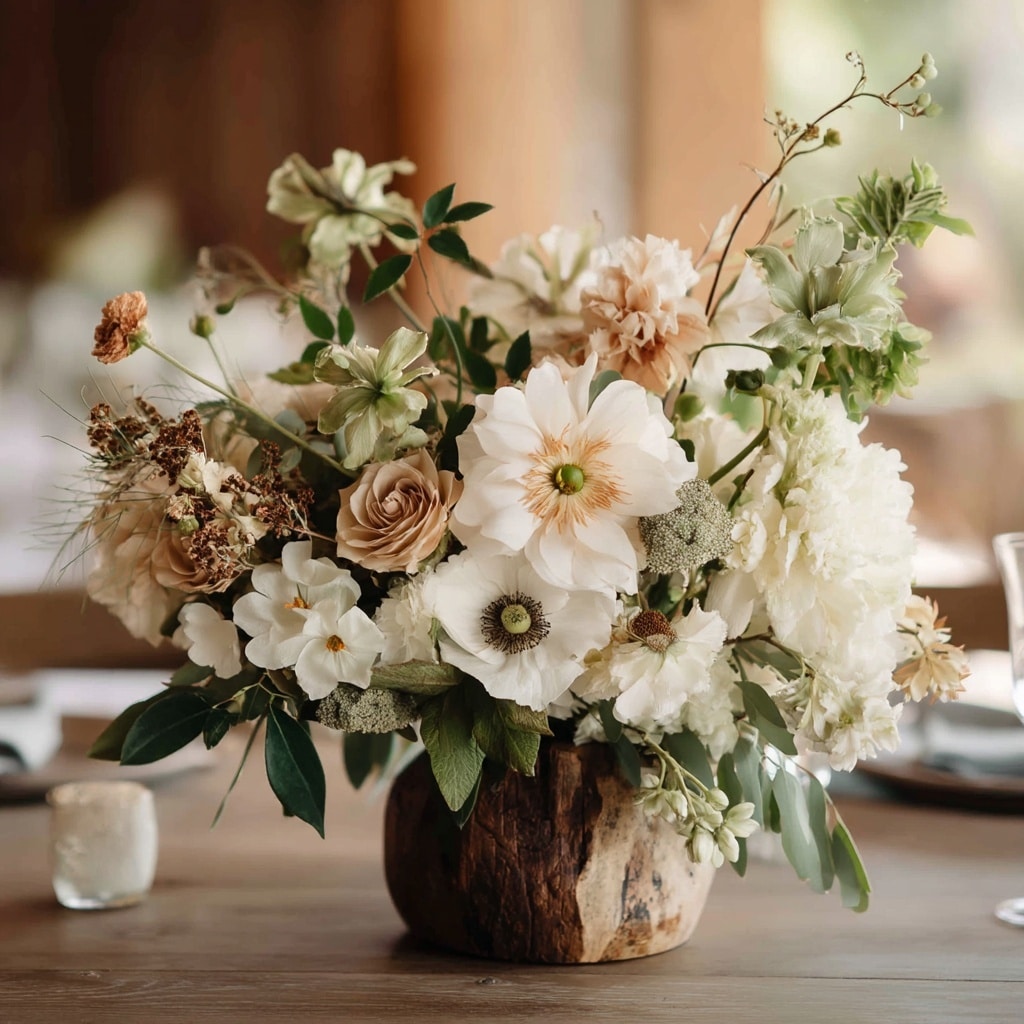
Neutral arrangements rely on muted tones like ivory, taupe, beige, green, and soft gray. These types of flowers often evoke a calm, grounded atmosphere that’s perfect for earthy, natural settings or rustic events. Neutral palettes pair well with textured containers such as wood, ceramic, or linen-wrapped vessels.
Moods of Arrangements
Corporate
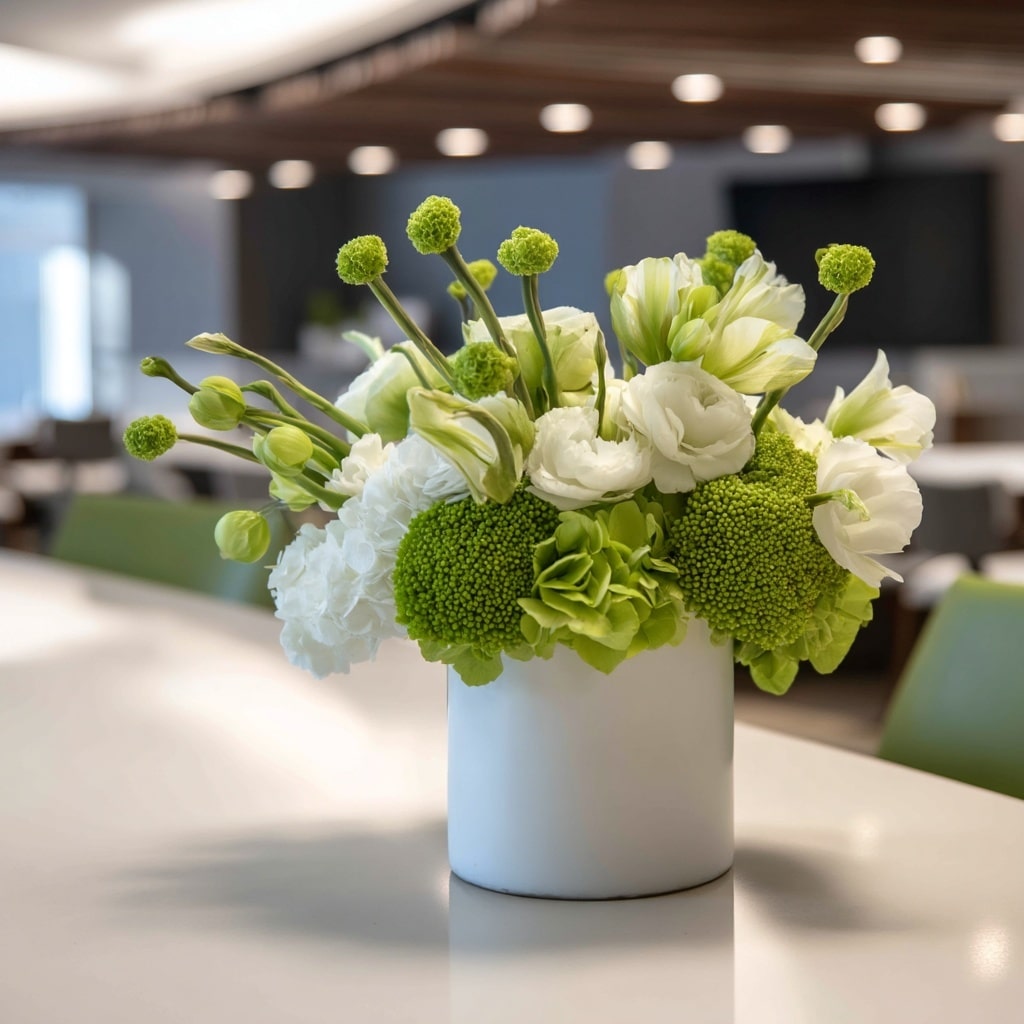
Corporate arrangements are designed to be clean, professional, and on-brand. These types of flowers are typically arranged in a structured format using bold or neutral colors that won’t distract from the purpose of the event. Ideal for conference rooms, networking events, or trade shows, corporate floral designs are functional yet visually polished. They communicate confidence, order, and intention.
Dark
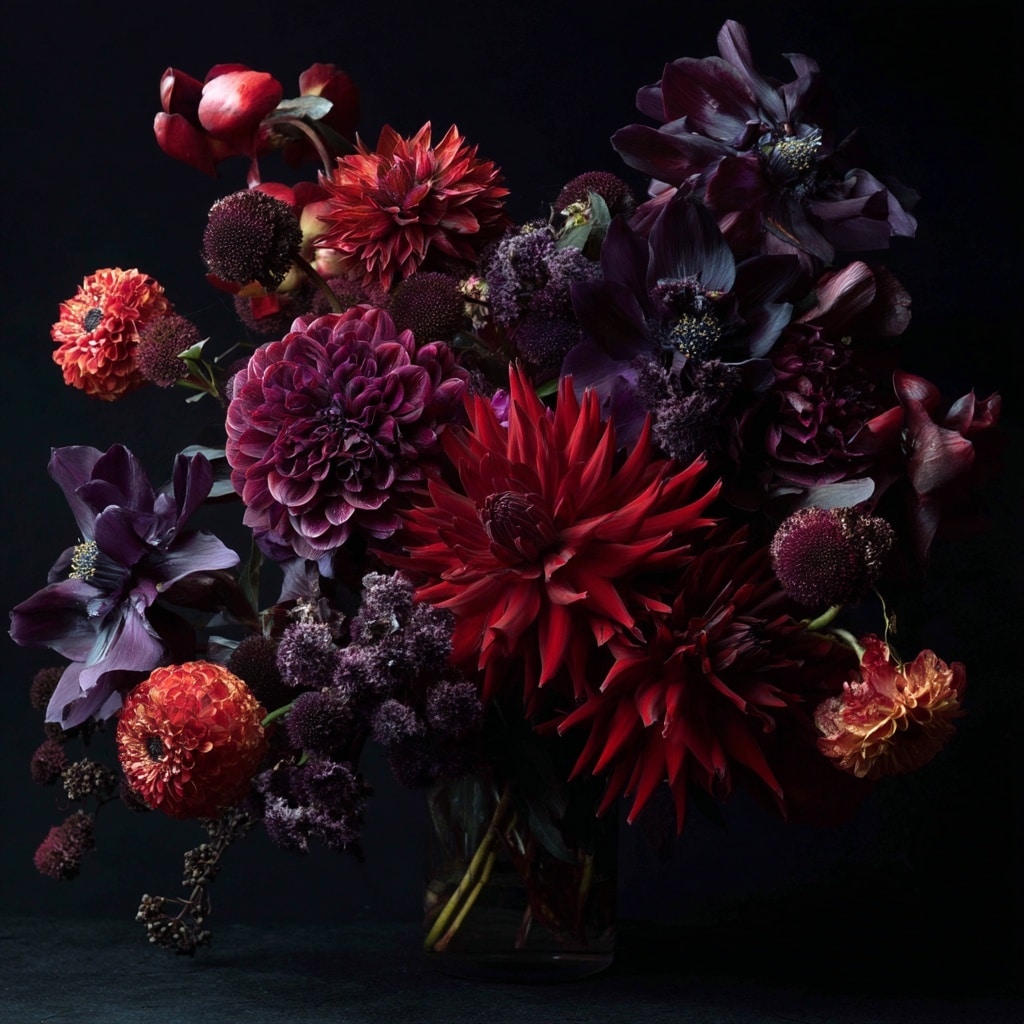
Dark arrangements use deep-colored blooms like burgundy, plum, navy, or black-centered anemones to create a bold, moody atmosphere. These types of flowers evoke drama and sophistication, perfect for evening events, luxury launches, or editorial shoots. When paired with dark foliage or matte containers, the effect is striking and unforgettable.
Feminine
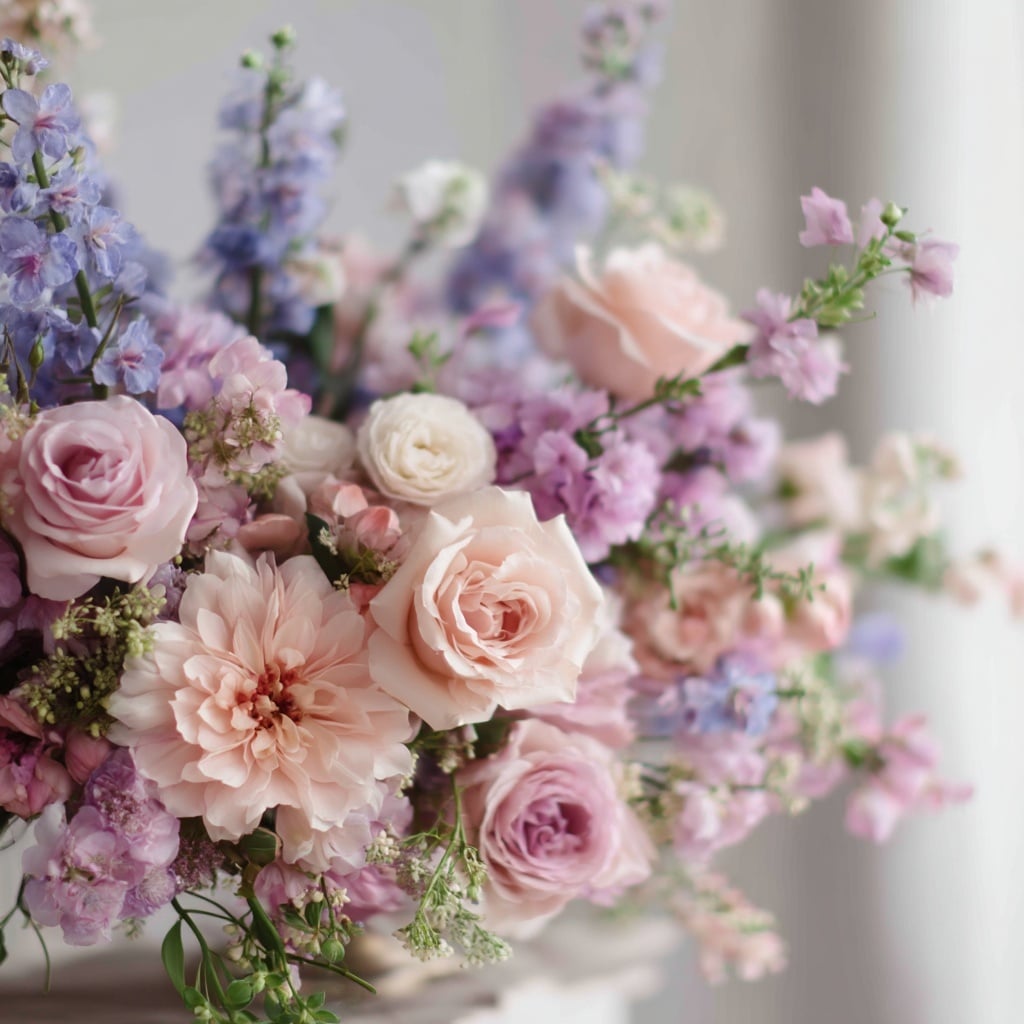
Feminine floral moods rely on softer colors—like blush, lavender, peach, and ivory. These types of flowers are often used for bridal showers, baby showers, and romantic dinners. Arranged in flowing, gentle shapes, this mood adds charm, delicacy, and warmth to any space. Complementary accents like lace or pastel ribbons can enhance the effect.
Out-of-the-Box
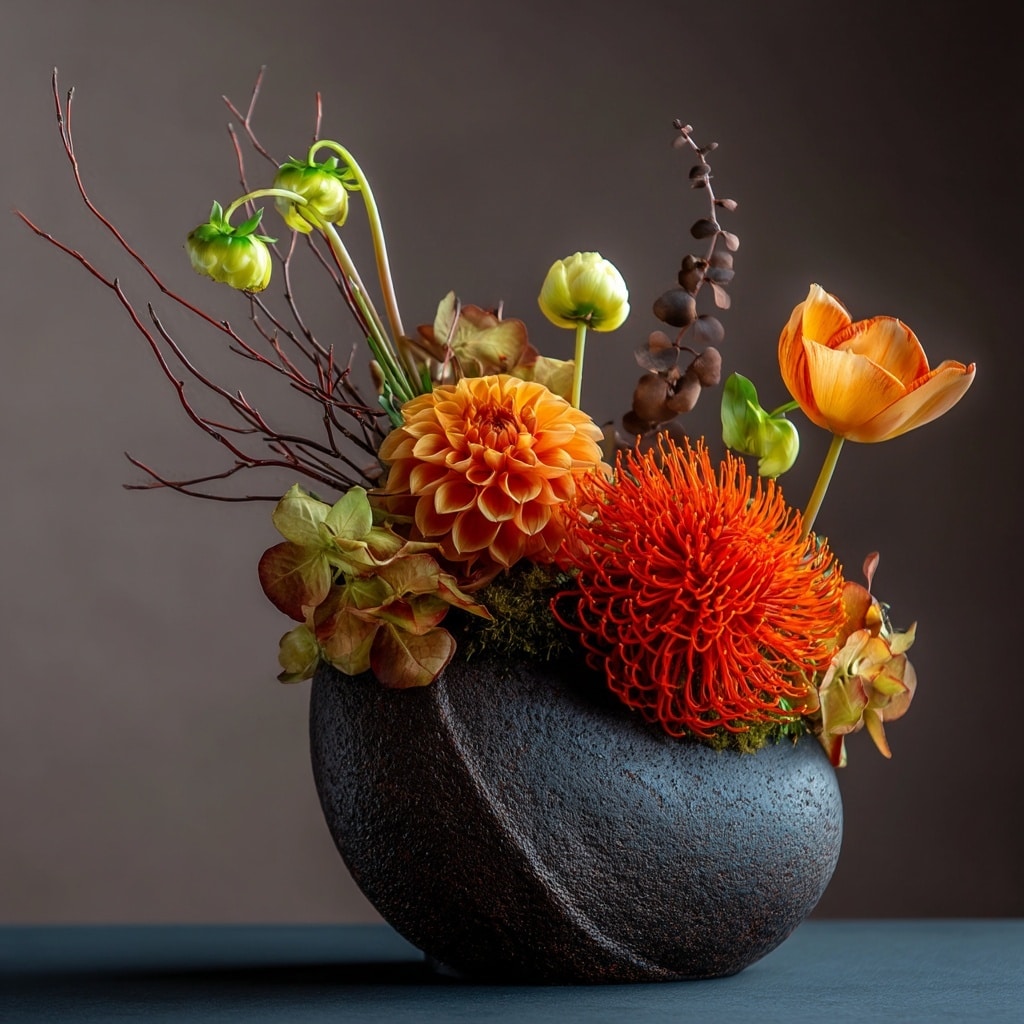
This mood is all about creativity and surprise. Out-of-the-box arrangements feature unexpected flower types, unconventional color pairings, or quirky containers. Think asymmetrical shapes, dramatic textures, or florals arranged in non-traditional vessels like geometric glass or sculptural wood. These types of flowers are perfect for brands or hosts who want to stand out and leave a lasting impression.
Romantic
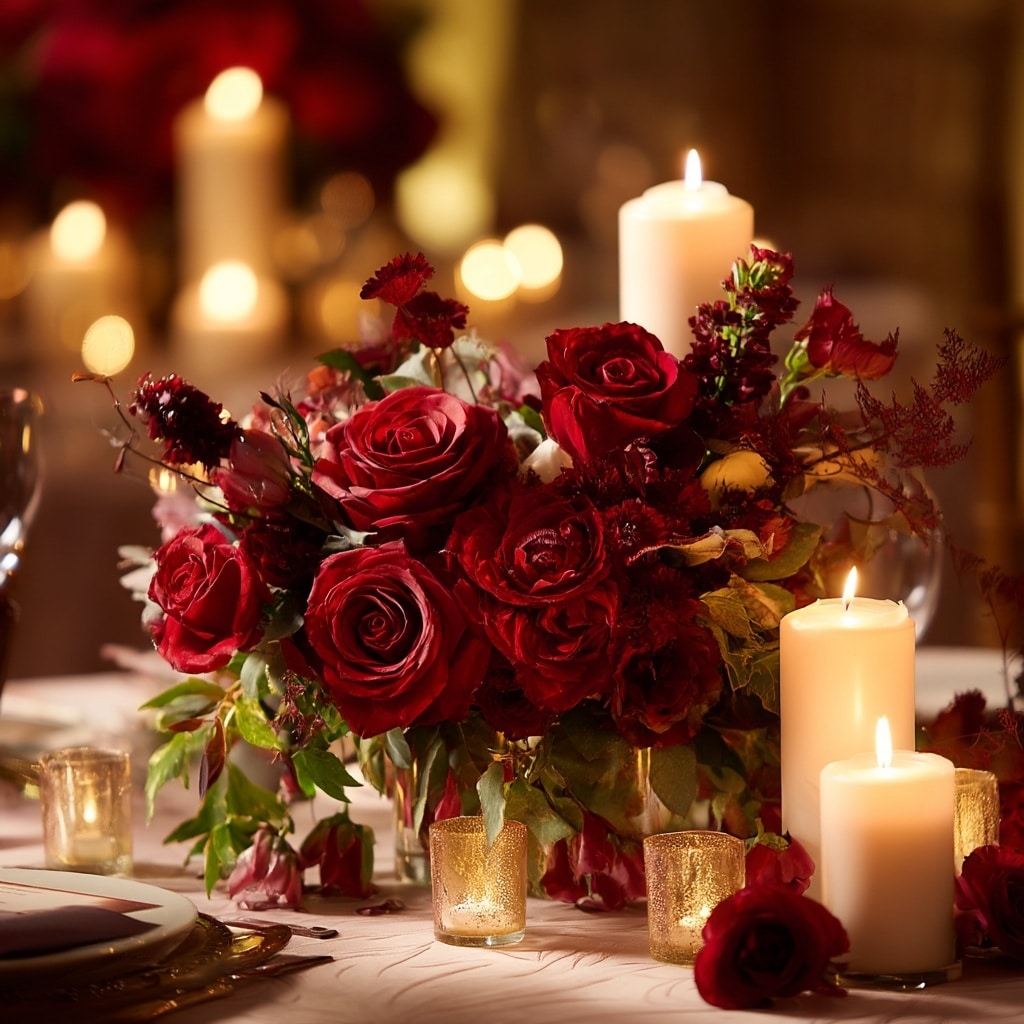
Romantic arrangements focus on softness, passion, and elegance. Commonly using colors like deep red, mauve, or creamy white, these types of flowers are arranged in lush, flowing styles that complement candlelight and cozy settings. Ideal for weddings or intimate dinners, this mood invites connection and nostalgia.
Rustic
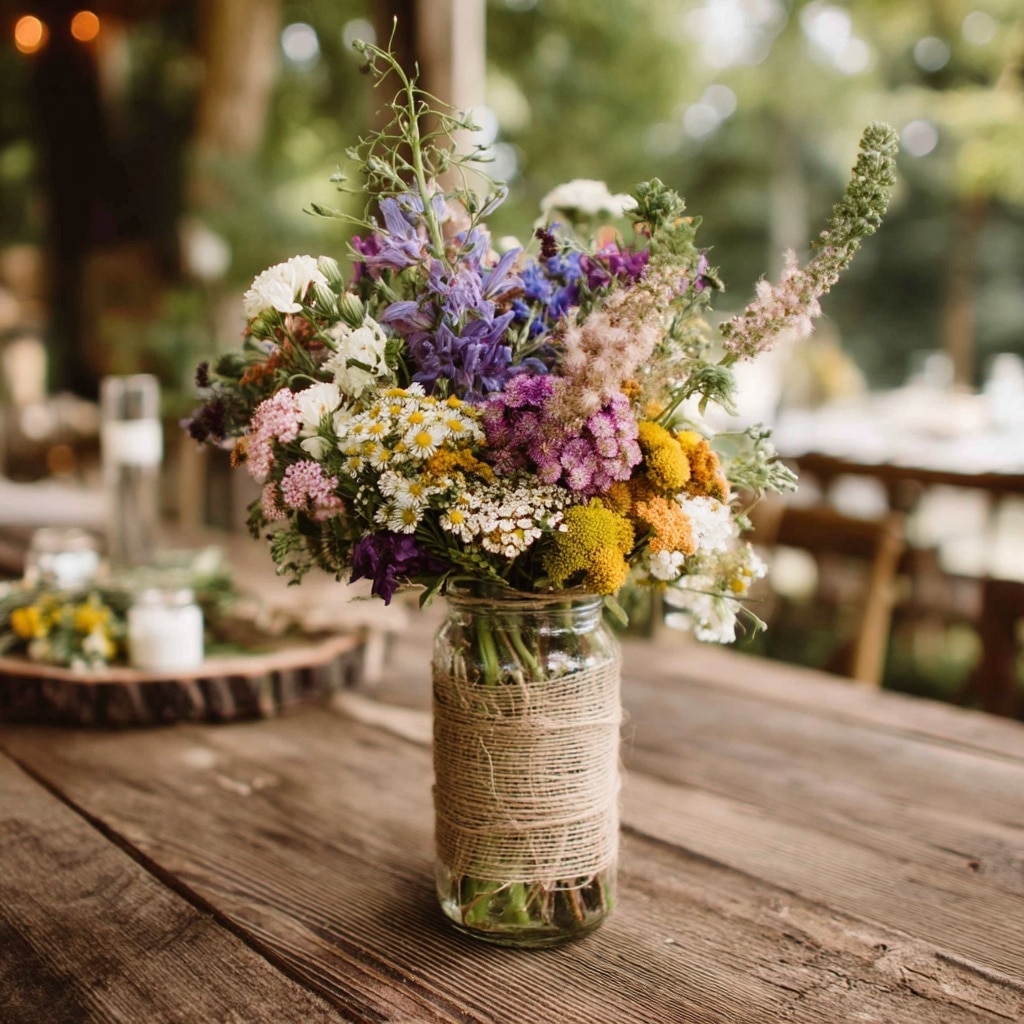
Rustic floral moods draw from nature with wild textures, organic shapes, and earthy colors. These types of flowers often include elements like eucalyptus, wildflowers, or even dried stems paired with wooden accents. Great for outdoor weddings or countryside events, rustic arrangements bring a grounded, authentic feel to any gathering.
Tropical
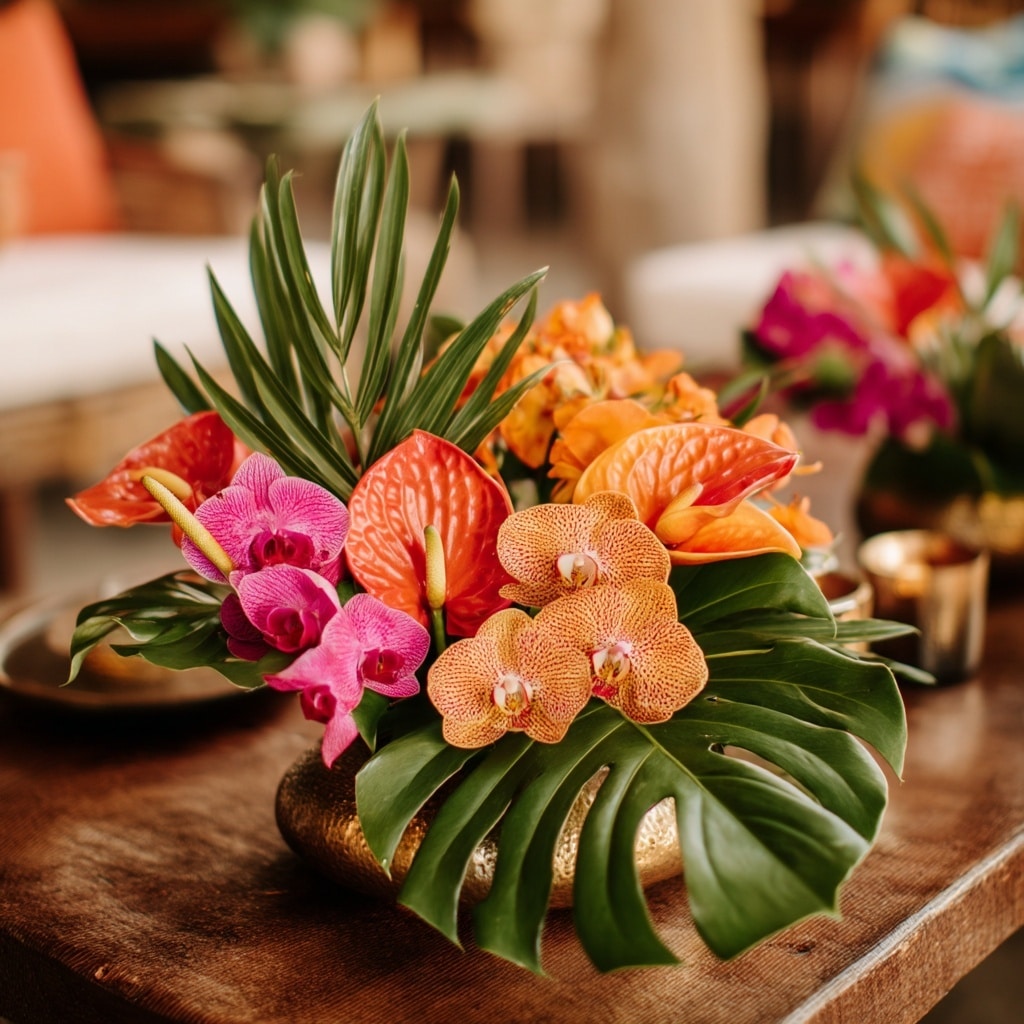
Tropical moods are bold, bright, and full of energy. These types of flowers include vibrant varieties like anthurium, birds of paradise, and orchids—often supported by broad greenery such as monstera or palm leaves. Perfect for summer parties, destination-themed events, or poolside celebrations, tropical arrangements are festive and full of life.
Conclusion
The right types of flowers can completely transform the mood, message, and meaning of any space or event. Whether you’re choosing a compact centerpiece for a corporate meeting, a lush and romantic design for a wedding, or a bold tropical display for a summer soirée, understanding the different arrangements, styles, and moods empowers you to make thoughtful floral choices. From minimal to dramatic, every floral format has a role — and selecting the one that aligns with your vision makes all the difference.
For more inspiration on seasonal blooms, garden planning, or flower care, explore other gardening articles on your site to continue growing your floral knowledge.