
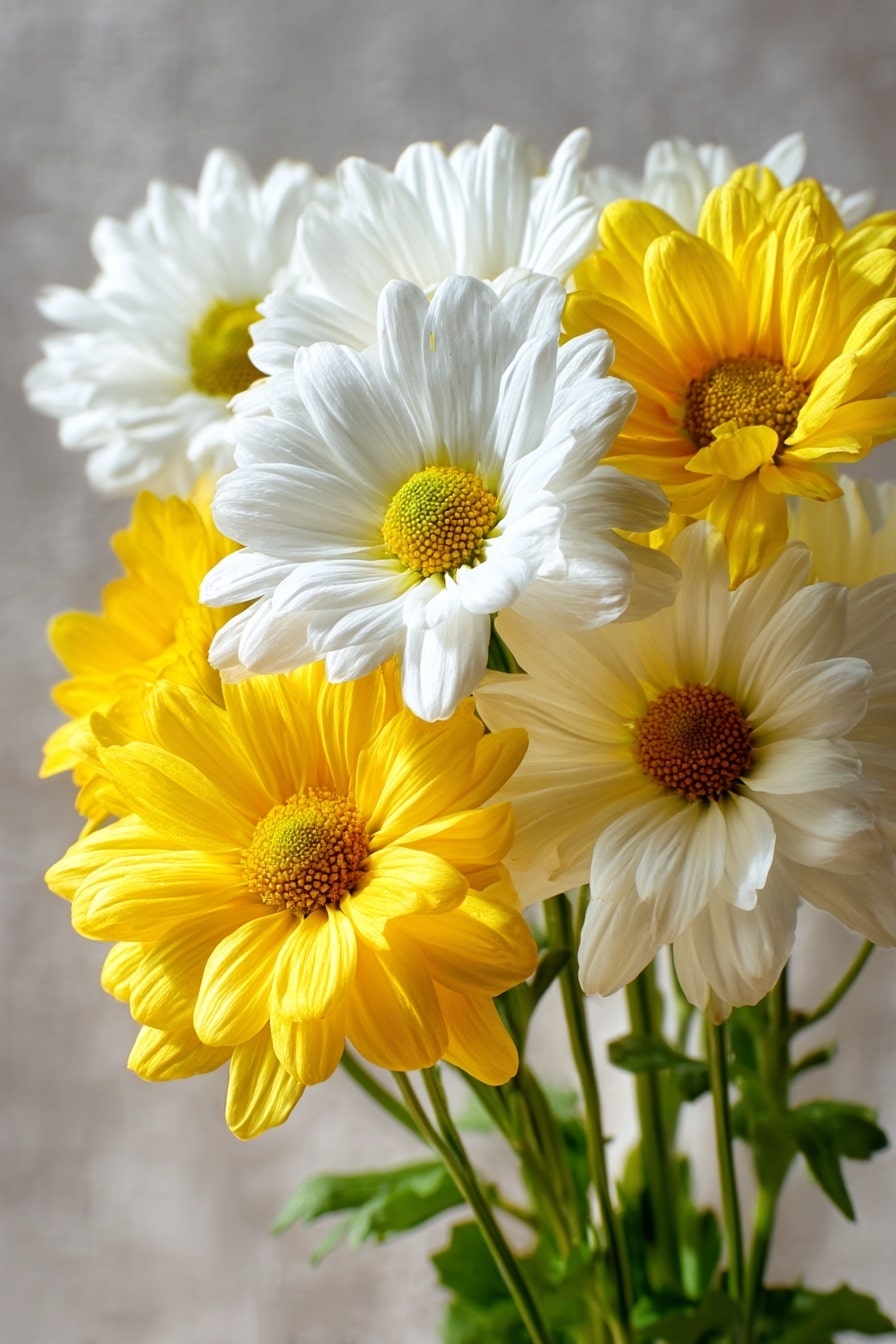
Daisy flower lovers often describe these charming blooms as small but mighty symbols of happiness, purity, and cheer. Whether growing wild in meadows or standing out in garden beds, the daisy flower brings a unique blend of simplicity and joy to any setting. With its classic white petals and golden center—or in vibrant shades like pink, orange, and red—this timeless bloom holds deep cultural, emotional, and even mythological meanings. In this article, we’ll take a closer look at the daisy flower’s meanings, explore its colorful varieties, uncover its folklore, and share tips on care and gifting.
Table of Contents
🌸 Daisy Flower Meanings

The daisy flower has long been associated with themes of innocence, purity, and new beginnings. Its bright and simple appearance mirrors these gentle qualities, making it a meaningful choice in gardens, bouquets, and symbolic gestures. In modern floral symbolism, daisies often convey feelings of happiness, cheerfulness, and youthful energy.
Historically, during the Victorian era, daisies were used in the “language of flowers” to express loyalty and discretion—giving someone a small bunch could mean their secret was safe with you. This subtle yet powerful symbolism still resonates today, especially in relationships built on trust and sincerity.
The daisy flower is also deeply tied to ideas of hope and renewal. Because it blooms in spring, it’s often seen as a symbol of fresh starts—ideal for celebrating milestones like new jobs, graduations, or the birth of a child. Its sunny center radiates positivity, making it a favorite for “feel better soon” floral gifts.
Throughout cultures and generations, the daisy flower has maintained its reputation as a messenger of positivity, making it far more than just a decorative bloom—it’s a floral embodiment of joy and grace.
🌼 Daisy Flower Symbolism by Color
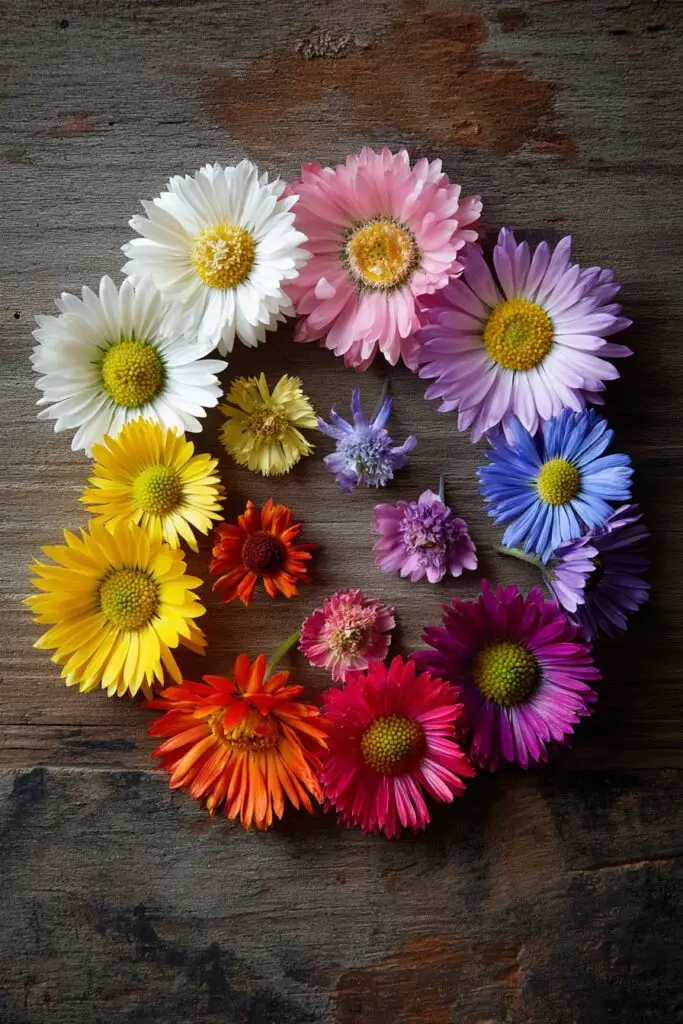
While the classic white daisy flower is well known for symbolizing innocence and purity, other hues bring unique and layered meanings. With so many color variations available today—from vivid oranges to soft pinks—the daisy flower has become a versatile messenger for a wide range of emotions and intentions.
🕊️ White Daisy Flower
The most iconic of all, the white daisy flower is a universal symbol of purity, innocence, and simplicity. Often gifted to celebrate new beginnings, white daisies are perfect for baby showers, christenings, or even as a gentle gesture of support during times of change.
☀️ Yellow Daisy Flower
Yellow daisies radiate joy, optimism, and friendship. Their sunny hue makes them ideal for sending cheerful wishes or lifting someone’s spirits. Whether it’s a casual bouquet for a friend or a “get well soon” surprise, the yellow daisy flower delivers happiness without saying a word.
💗 Pink Daisy Flower
Soft and romantic, the pink daisy flower conveys gentle love, platonic affection, and feminine energy. It’s a thoughtful pick for close friends, mothers, or anyone you deeply care for. Pink daisies are a subtle but meaningful alternative to traditional romantic blooms.
🔥 Orange Daisy Flower
Vibrant and full of life, the orange daisy flower symbolizes enthusiasm, creativity, and warmth. These daisies are great for celebratory occasions like housewarmings or promotions, where a burst of color and positive energy fits the moment.
❤️ Red Daisy Flower
The red daisy flower represents deep romantic love and passion. Whether given during an anniversary or as a bold romantic gesture, red daisies express lasting devotion and heartfelt connection.
💜 Purple Daisy Flower
Purple daisies carry messages of thoughtfulness, peace, and dignity. They also symbolize spontaneous kindness and emotional depth. These blooms are especially suited for gestures of apology or appreciation.
💙 Blue Daisy Flower
Rare and eye-catching, the blue daisy flower stands for trust, honesty, and loyalty. It’s a strong choice when you want to honor a long-standing friendship or express sincere feelings in a grounded and meaningful way.
🌍 Origins of the Daisy Flower
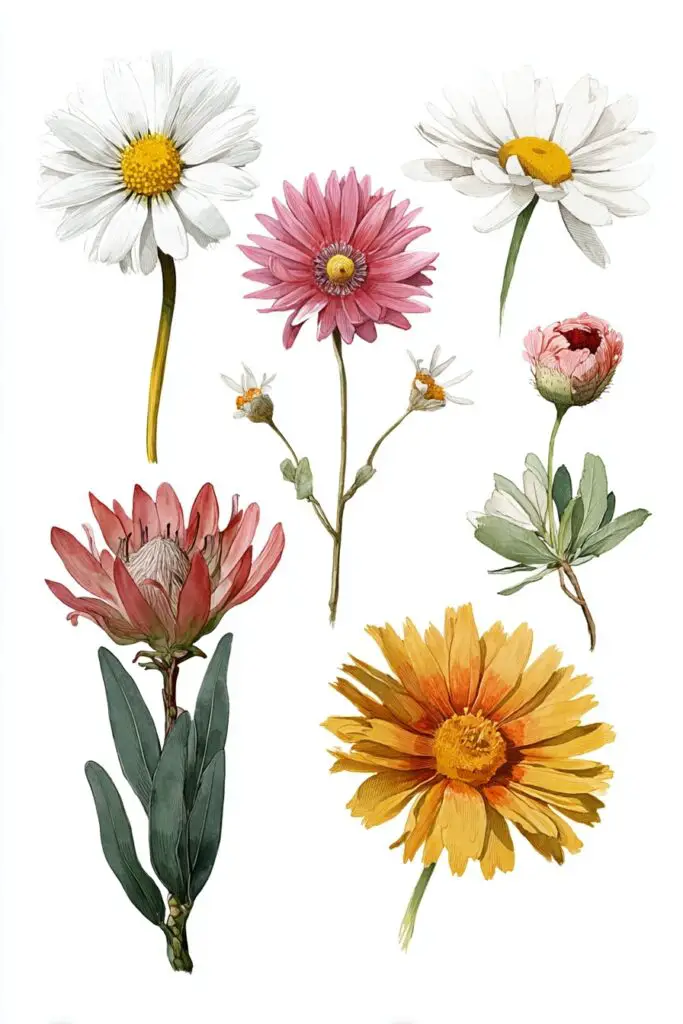
The daisy flower is far from a one-region wonder—it’s a truly global bloom with a rich botanical lineage. Different types of daisies have evolved in various climates, each adapting to its local environment and culture.
🌱 Common English Daisy (Bellis perennis)
Often seen in lawns and meadows, the English daisy is native to western and central Europe. It’s the classic white-petaled flower with a yellow center that most people picture when they hear “daisy flower.” Despite its modest appearance, it thrives in a wide range of conditions, spreading cheer across temperate regions.
🌿 Ox-Eye Daisy (Leucanthemum vulgare)
Similar in appearance to the English variety, the ox-eye daisy is native to Europe and parts of Asia. It has naturalized in North America and can often be found in wildflower meadows and roadsides, where it contributes to natural biodiversity.
🌍 Gerbera Daisy
Originating from South Africa, the Gerbera daisy flower is one of the most commercially popular varieties. With its large blooms and vibrant color options, it has become a global favorite in floral arrangements and gardens alike.
🇦🇺 Australian Paper Daisy (Rhodanthe)
This unique native species thrives in Australia’s dry, arid landscapes. Also known as the everlasting daisy or strawflower, it is admired for its longevity both in the ground and in dried floral decor. The daisy flower family’s adaptability is especially evident in this resilient species.
Each variety of daisy flower reflects the climate, soil, and traditions of its place of origin. From Europe to Africa to Australia, these blooms have been cultivated and cherished for centuries, making the
🕰️ The Meaning Behind the Name “Daisy”
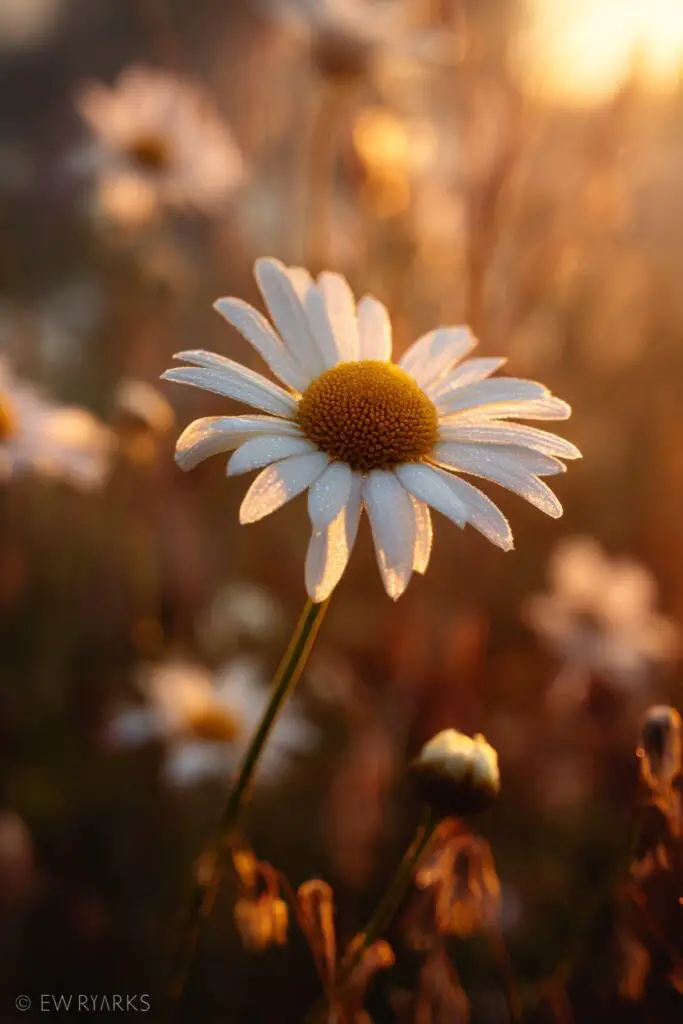
The name daisy flower has roots that stretch back to Old English, where it was originally called the “day’s eye.” This name beautifully describes the flower’s unique behavior: it opens its petals at dawn and closes them at sunset, following the rhythm of the sun. It’s this natural cycle that gave rise to the expression “fresh as a daisy,” symbolizing someone who looks rested and full of life after a good night’s sleep.
This sun-following trait is not just poetic—it’s also practical. By opening during the daylight and closing at dusk, the daisy flower protects its pollen from nighttime moisture and potential pests, ensuring better pollination during the day.
The name “daisy” reflects more than just physical traits—it captures the flower’s connection to light, renewal, and the passing of time. It’s a name rooted in everyday natural beauty, which helps explain why the daisy flower remains such a beloved bloom across cultures and centuries.
🧚 Daisy Flower in Mythology
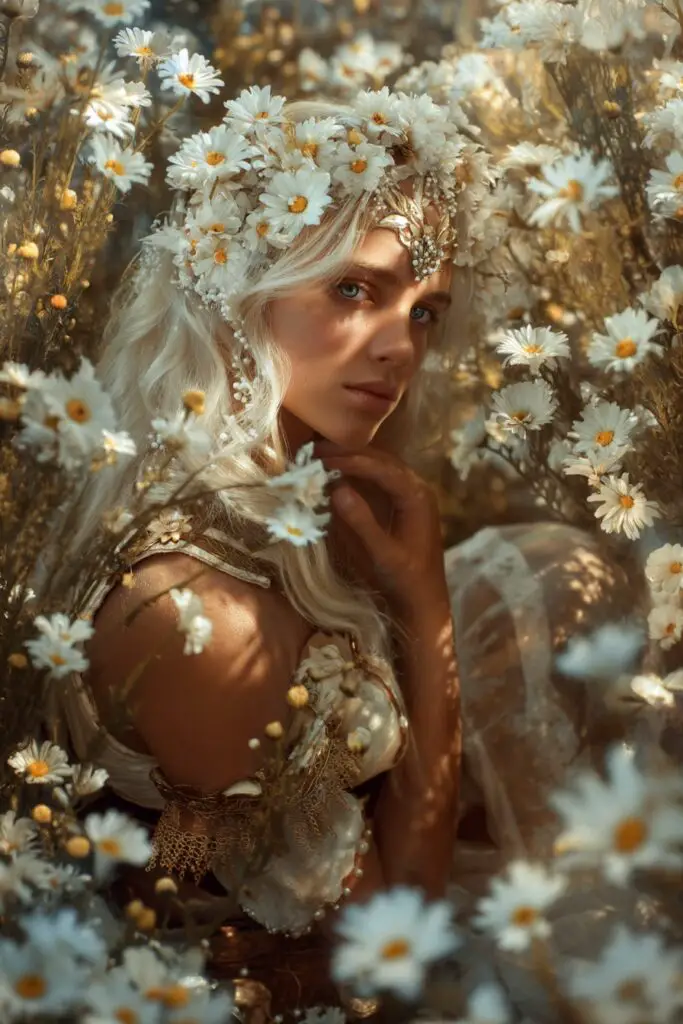
The daisy flower isn’t just a modern-day symbol of cheer and simplicity—it holds a storied place in ancient myths and legends, each adding depth to its meaning.
🌿 Celtic Mythology
In Celtic folklore, the daisy flower was believed to be a token of comfort. It was said that when a child passed away, the gods would sprinkle daisies on the earth to console grieving parents. This legend ties the flower to themes of innocence, purity, and spiritual renewal.
🛡️ Norse Mythology
To the Norse, the daisy flower was sacred to Freya, the goddess of love, fertility, and motherhood. As a result, the daisy became associated with childbirth and maternal care. It was often seen as a symbol of nurturing energy, making it a thoughtful flower for mothers or mothers-to-be.
🏛️ Roman Mythology
According to Roman legend, a nymph named Belides transformed herself into a daisy flower to escape the unwanted attention of the god Vertumnus. Her transformation gave the daisy associations with modesty and self-protection. The story highlights the flower’s ties to personal boundaries and quiet strength.
🌿 Medicinal Uses of the Daisy Flower
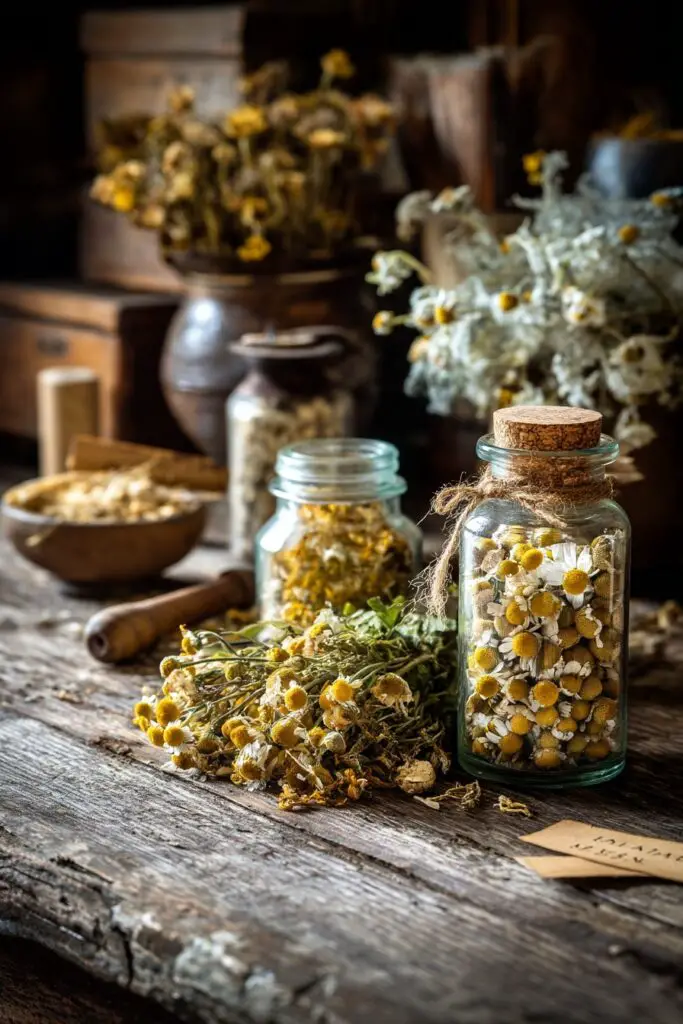
Beyond its beauty and symbolism, the daisy flower has a long history of medicinal application. Traditional healers and herbalists have turned to daisies for centuries to treat a variety of ailments, thanks to the plant’s gentle yet beneficial properties.
🏺 Historical Use
In 18th-century Europe, the daisy flower was used to treat wounds and bruises. Physicians believed it had anti-inflammatory and astringent qualities, which made it useful for reducing swelling and promoting healing. Even King Henry VIII reportedly relied on daisies to soothe eye issues, stomach discomfort, and gout.
Daisies were also prepared as herbal infusions or poultices to relieve fevers, aches, and digestive issues. Their mild nature made them a go-to remedy for everyday health complaints in both folk and formal medicine.
💊 Modern Interest
Today, while not widely used in mainstream medicine, the daisy flower still finds its place in natural health circles. Herbal teas made from dried daisy flowers are sometimes used to soothe coughs, ease inflammation, and support kidney function. Its leaves and petals are also used in salves for minor skin irritations and sore muscles.
That said, anyone considering daisy-based remedies should consult a healthcare provider first. Like any plant, it can cause allergic reactions or interact with medications.
The continued interest in the daisy flower’s healing properties highlights its value not only in gardens and bouquets, but also in wellness traditions passed down through generations.
🍽️ Is the Daisy Flower Edible?
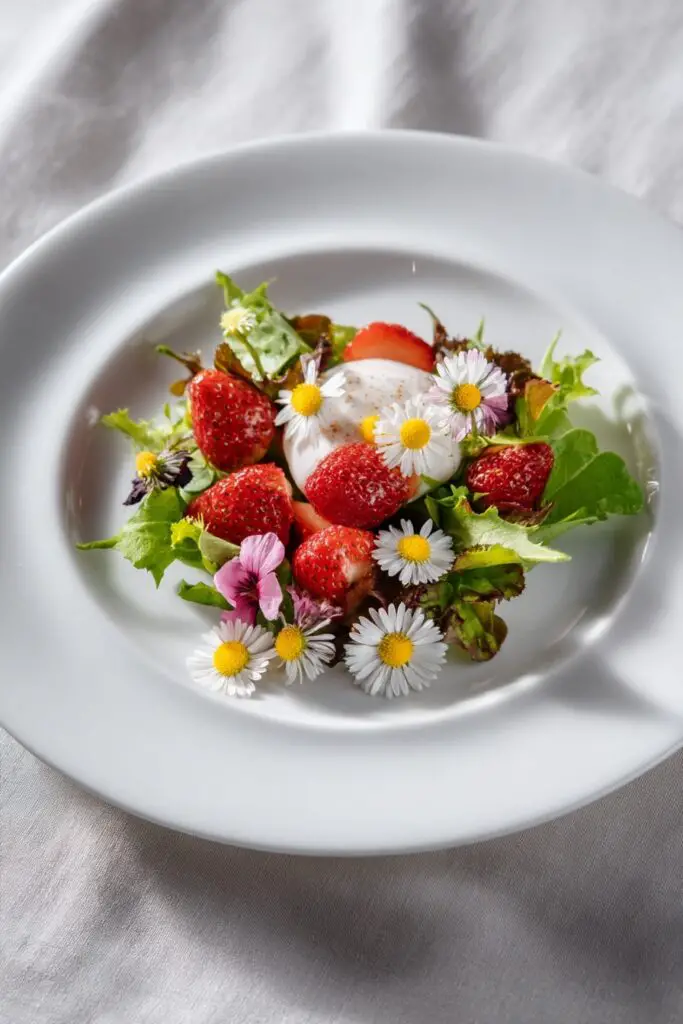
Yes, the daisy flower is not only beautiful and meaningful—it’s also edible! Certain species, especially the common English daisy (Bellis perennis), have been used in food and drink for centuries. Though small, these blooms bring a surprising amount of flavor and flair to the kitchen.
🥗 How You Can Use Daisy Flowers in Food
- Salads: Fresh petals can be sprinkled over leafy greens for a colorful and slightly peppery twist.
- Soups & Sandwiches: Whole flowers or petals can garnish both hot and cold dishes, adding a nutty, slightly bitter note.
- Teas: Dried daisy flowers can be brewed into a calming herbal tea, often used to soothe coughs or mild inflammation.
- Desserts: Use the petals as a natural cake topper or mix into homemade syrups for a floral essence.
- Floral Wine: In some cultures, daisy wine is a rare treat, crafted from fermented flower heads and sugar.
⚠️ Important Safety Note
Only edible varieties grown specifically for consumption should be used. Avoid picking daisy flowers from roadsides or using those in commercial bouquets, as they may carry pesticides or pollutants. Always ensure your blooms are pesticide-free and organically grown.
Other Edible Flowers in the Daisy Family
The Asteraceae (daisy) family includes several well-known edible flowers:
- Chamomile – Used in soothing teas
- Calendula – A colorful addition to salads and soups
- Sunflower – Known for its seeds, but young petals are also edible
- Dandelion – Entirely edible, from roots to petals
The daisy flower proves itself to be more than ornamental—it’s a unique ingredient for those who love to experiment in the kitchen with nature’s gifts.
🌼 Popular Types of Daisy Flowers
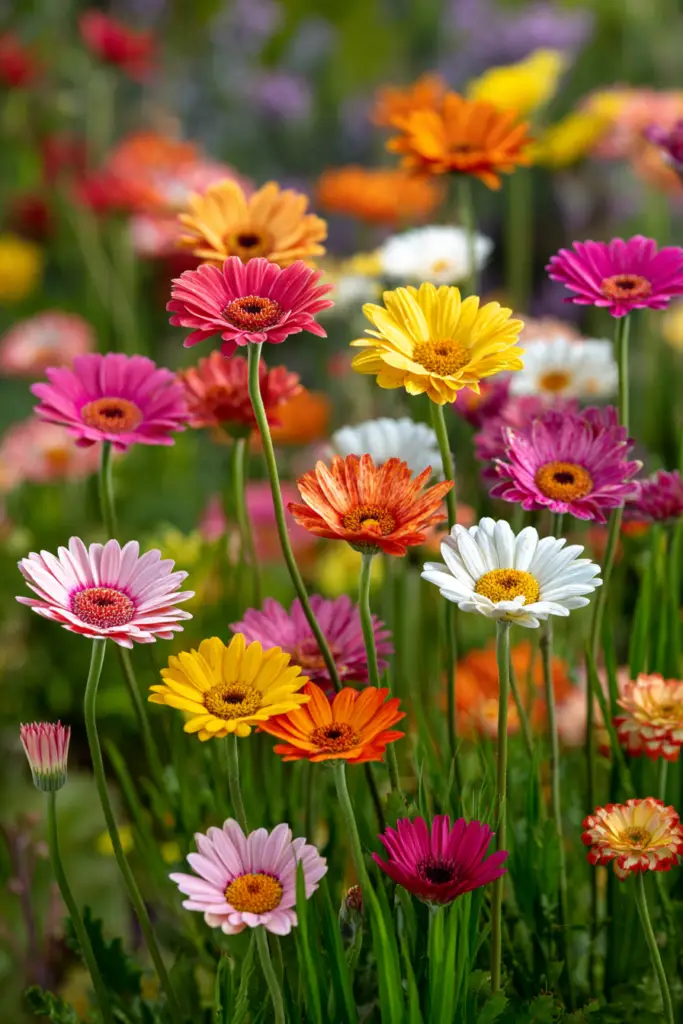
The daisy flower family is incredibly diverse, with hundreds of species found across the globe. From delicate wildflowers to bold, colorful showstoppers, there’s a daisy for every garden style and occasion. Here are some of the most popular types worth knowing:
🌸 1. Gerbera Daisy (Gerbera jamesonii)
- Origin: South Africa
- Known for: Bright, oversized blooms and bold colors
- Colors: Red, pink, orange, yellow, white, and bi-color
- Ideal for: Floral arrangements, bouquets, and cheerful home décor
Gerbera daisies are among the most loved daisy flowers worldwide. Their vivid hues and long vase life (up to 12 days) make them perfect for birthdays, “get well soon” gifts, or vibrant centerpieces.
🌼 2. Shasta Daisy (Leucanthemum × superbum)
- Origin: A hybrid developed in the U.S.
- Known for: Classic daisy look with large white petals and sunny yellow centers
- Height: Up to 3 feet (90+ cm)
- Ideal for: Borders, wildflower gardens, and pollinator-friendly spaces
With a clean, traditional daisy appearance, Shasta daisies are low-maintenance perennials that bloom generously in summer.
🌿 3. Cape Daisy (Osteospermum)
- Origin: South Africa
- Also Known As: African Daisy
- Colors: Purple, yellow, white, pink, and orange
- Features: Two-tone petals, long bloom season
- Ideal for: Containers, sunny garden beds
Cape daisies are eye-catching with their petal gradients and are popular for their drought resistance and long blooming periods.
🐝 4. Gloriosa Daisy (Rudbeckia hirta)
- Also Known As: Black-eyed Susan
- Origin: North America
- Colors: Yellow petals with a dark brown center
- Attracts: Bees and butterflies
- Ideal for: Pollinator gardens, wildflower meadows
These bold daisy flowers thrive in full sun and are a favorite for gardeners who want to support local ecosystems.
🇦🇺 5. Australian Paper Daisy (Rhodanthe chlorocephala)
- Also Known As: Everlasting Daisy or Strawflower
- Colors: Pink, yellow, white
- Texture: Papery petals that retain shape when dried
- Ideal for: Dried flower arrangements, eco-gardens
Native to Australia, this daisy is perfect for low-water gardens and makes a beautiful dried flower that lasts indefinitely.
🌱 How to Care for Daisy Flowers
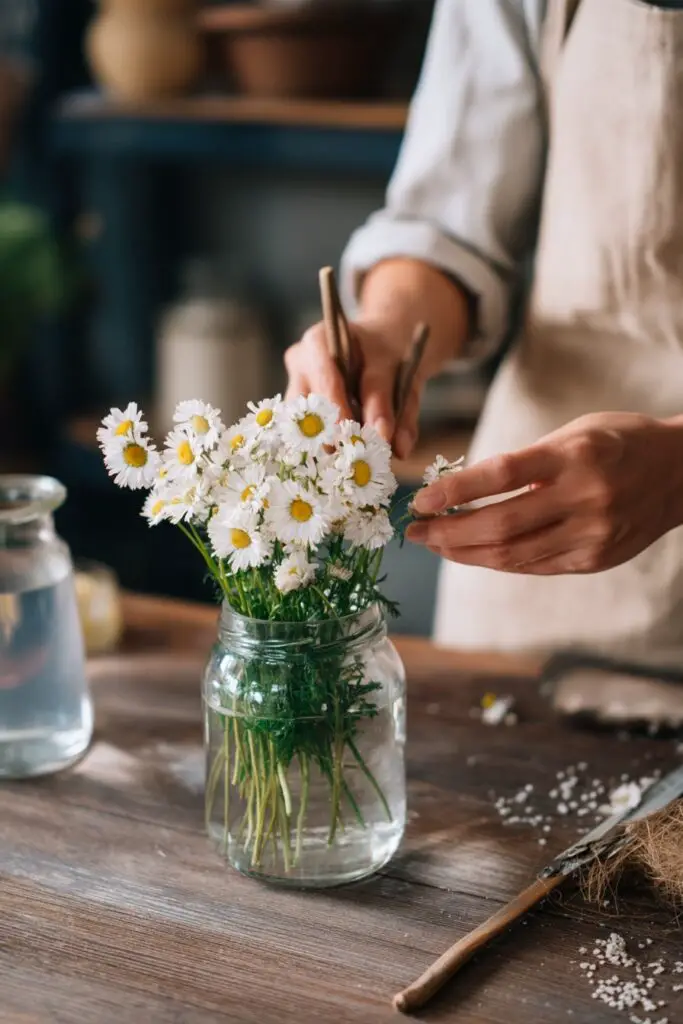
The daisy flower may look delicate, but with the right care, it’s a surprisingly resilient bloom. Whether you’re tending to garden-grown daisies or a bouquet in a vase, a few simple steps can keep these cheerful flowers thriving for days or even weeks.
🌿 For Cut Daisy Flowers (Bouquets or Arrangements)
If you’ve received or picked a bouquet of daisy flowers, follow these tips to extend their vase life up to 10–14 days:
- Trim the stems at a 45-degree angle using clean, sharp scissors or pruning shears. This increases water absorption.
- Remove leaves that would sit below the waterline to prevent bacterial growth.
- Use clean, cool water in a vase and change it every 2 days.
- Add flower food if available, or use a homemade mix of sugar, lemon juice, and a few drops of bleach.
- Re-trim the stems every 1–2 days to keep the water flowing freely.
- Keep away from direct sunlight, heat, or fruit (which emits ethylene gas that speeds up wilting).
🌻 For Garden Daisy Flowers
If you’re growing daisy flowers in the garden, here’s how to keep them blooming season after season:
- Sunlight: Full sun (at least 6 hours a day) is ideal for vibrant blooms.
- Soil: Well-drained soil is essential—daisies don’t like wet feet!
- Watering: Water moderately. Let the top inch of soil dry out before watering again.
- Deadheading: Remove spent blooms to encourage continuous flowering.
- Dividing: Every 2–3 years, divide clumps of daisies to prevent overcrowding and promote healthier growth.
- Pest control: Keep an eye out for aphids or slugs and use natural treatments if needed.
🎁 When to Gift a Daisy Flower
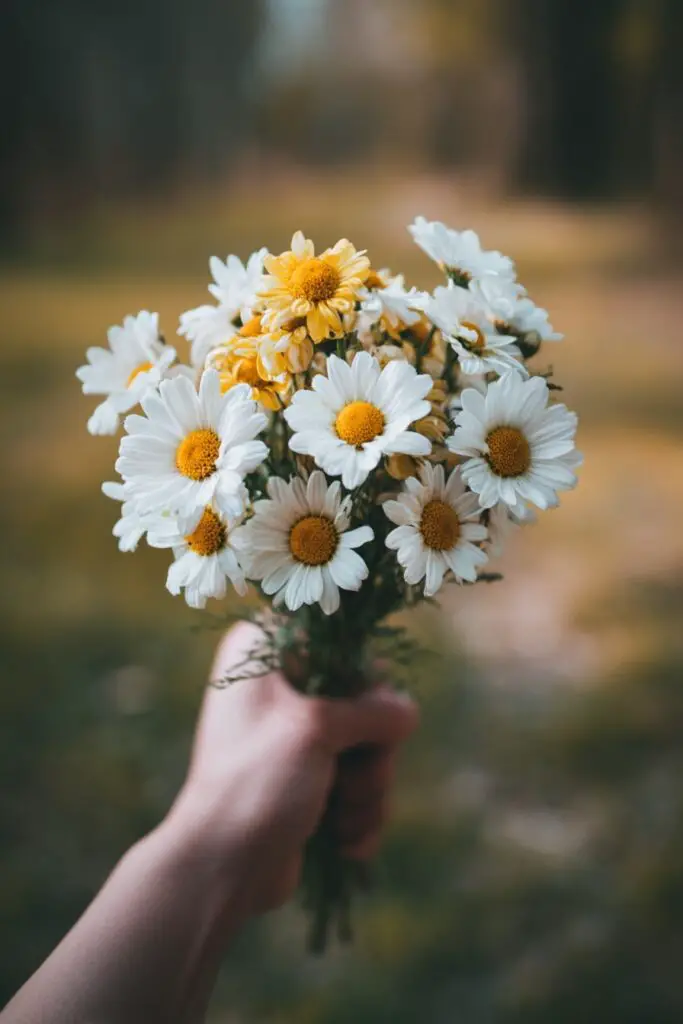
The daisy flower is more than just a pretty bloom—it’s a thoughtful gift that carries meaningful messages depending on the occasion. With its symbolic ties to joy, purity, and fresh beginnings, it suits a wide range of moments in life where words alone might fall short.
🎂 Birthdays & Birth Months
The daisy flower is the official birth flower of April, making it a perfect gift for anyone born during that month. Its cheerful presence mirrors the vibrant energy of spring and new life.
💍 Wedding Anniversaries
Daisies are traditionally associated with the 5th wedding anniversary, symbolizing faithful love and steady growth. A bouquet of daisies serves as a meaningful token of commitment and enduring affection.
👶 Baby Showers & New Beginnings
Thanks to its representation of innocence and purity, the daisy flower is a beautiful choice for welcoming a new baby or celebrating a pregnancy. It’s also fitting for other “firsts” like new jobs, moving into a new home, or starting school.
🌤️ Get-Well & Thinking-of-You Gifts
Few flowers lift the spirit like a daisy flower. Its bright face and simple elegance make it ideal for cheering up someone who’s ill or going through a tough time. Yellow or pink daisies, in particular, convey warmth and emotional support.
💐 Just Because
Sometimes, the best gifts are those without a special reason. A small bouquet of daisy flowers can be the perfect way to say “I’m thinking of you,” “I appreciate you,” or simply, “Have a great day.”
🌼 Conclusion
The daisy flower is more than a humble garden bloom—it’s a symbol of purity, joy, and timeless charm. With its rich meanings across cultures, vibrant color variations, and versatility in gifting, this flower holds a special place in both hearts and homes. Whether you’re growing it in your garden, sending it in a bouquet, or simply admiring its resilience, the daisy flower reminds us that beauty often lies in simplicity.