

Roses are more than just a classic symbol of love—they’re also a timeless favorite for home decoration, special occasions, and heartfelt gifts. But to keep roses looking fresh and vibrant beyond the first day, you’ll need more than just water in a vase. With the right care, these stunning blooms can last well over a week, filling your space with elegance and natural beauty. Whether you’re displaying a romantic bouquet or sprucing up your kitchen table, these expert-approved rose care tips will help you preserve their charm and extend their life. From proper hydration to ideal placement, every detail matters when it comes to keeping your roses at their best.
Table of Contents
1. Keep Roses Warm, Especially in Cold Weather

Cold temperatures can seriously damage roses, especially freshly cut ones. If you’re buying roses in winter or during a chilly day, be sure they’re properly wrapped before heading outdoors. Exposure to temperatures below freezing—even for a few minutes—can lead to bruised petals and premature wilting. Always transport your roses quickly from the store to a warm space, and never leave them in a cold car. A few extra precautions during transport will go a long way in preserving their freshness and preventing shock from sudden temperature changes.
2. Get Roses in Water as Soon as Possible
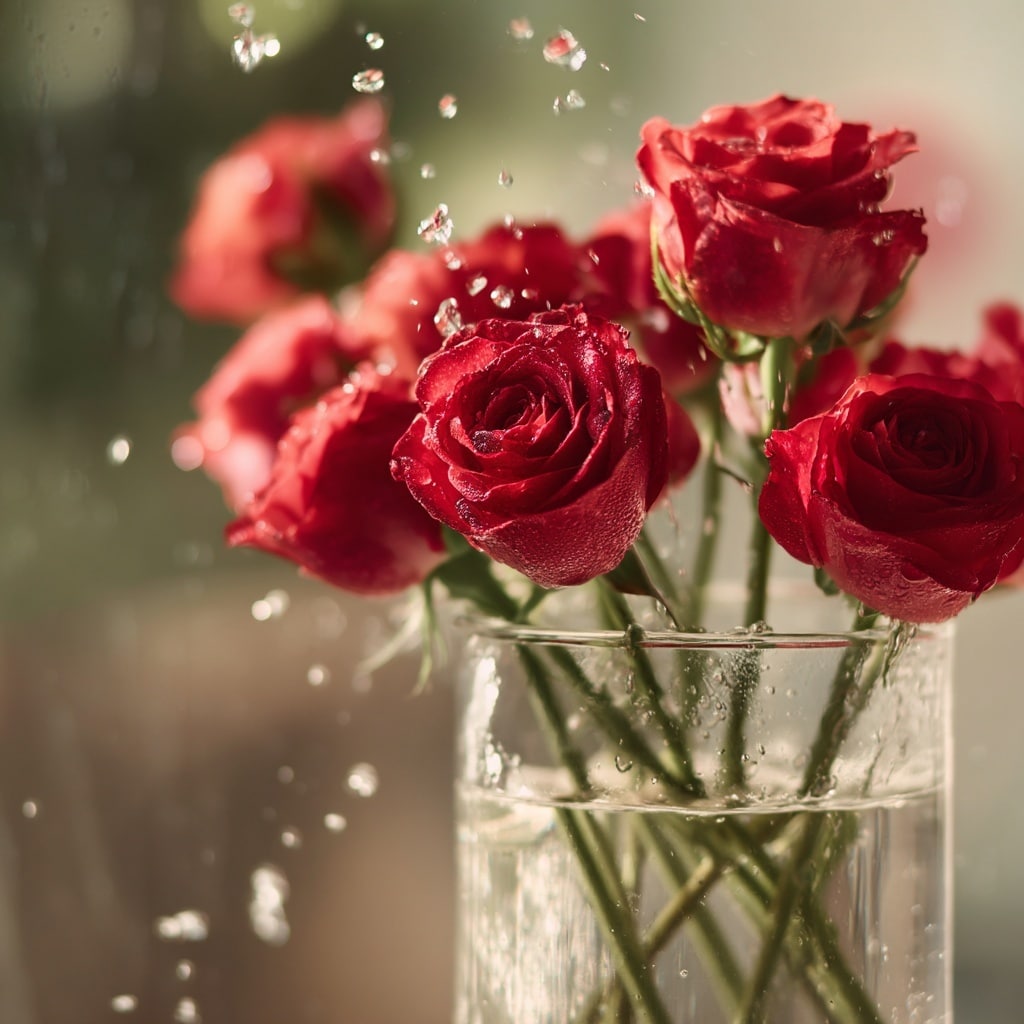
Time is critical once roses are out of water. After purchase, you typically have a window of just 1 to 3 hours—depending on the temperature—to rehydrate the stems before they begin to wilt. To keep your roses in peak condition, place them in a vase of fresh water as soon as you get home. If there’s any delay, keep them cool and shaded to slow moisture loss. The sooner they’re back in water, the better their chances of staying lush and perky for days to come.
3. Always Use a Clean Vase for Roses
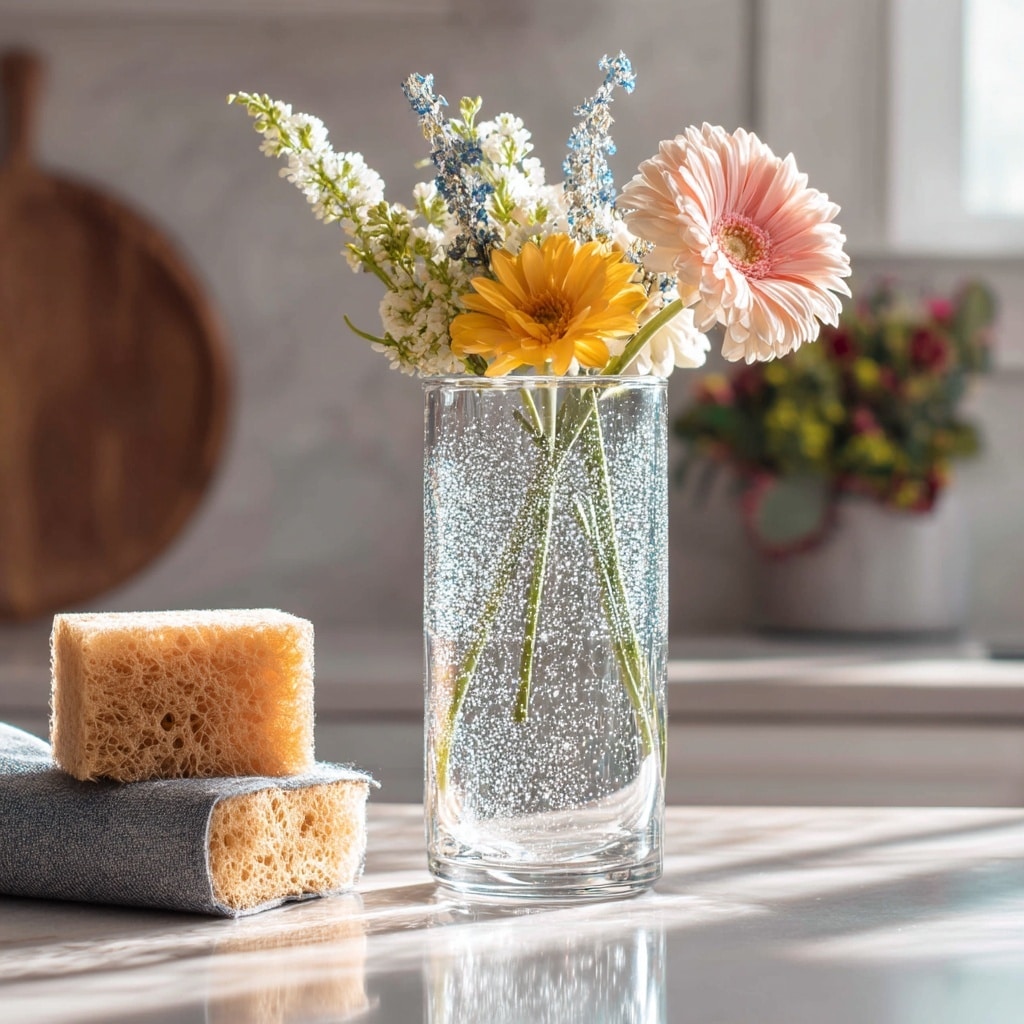
A spotless vase is essential to keeping roses healthy. Bacteria from leftover residue or dirty water can quickly clog stems and shorten the lifespan of your bouquet. Before arranging your roses, wash the vase thoroughly using hot water, a few drops of dish soap, and a splash of bleach or white vinegar to sanitize it. Rinse well to remove any cleaning residue. Starting with a clean vase helps prevent bacteria buildup in the water, keeping your roses hydrated and vibrant longer.
4. Remove Leaves That Sit Below the Waterline
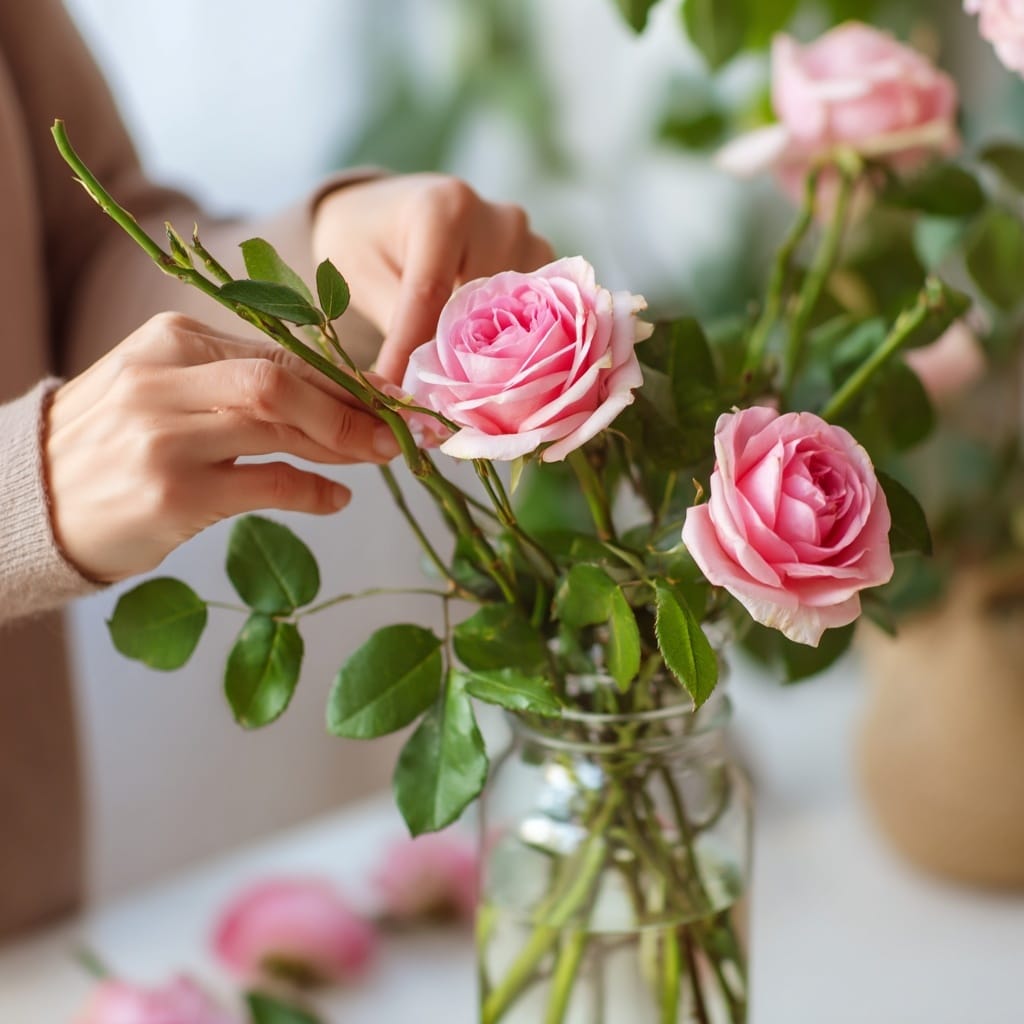
Before placing roses in the vase, take a moment to trim off any leaves that would fall below the water level. Submerged leaves break down quickly and introduce bacteria into the water, which can lead to cloudy water and wilting stems. Gently strip away any greenery that would be underwater, leaving only the clean stem submerged. This small step makes a big difference in preventing decay and helping your roses stay fresh and beautiful for longer.
5. Use the Right Amount of Water and Flower Food
To help roses thrive in a vase, getting the water-to-nutrient ratio right is key. Fill your vase about halfway to three-quarters full with cool, clean water. Then, add the flower food that usually comes with your bouquet, following the instructions on the packet carefully. Using too little food or too much water can reduce its effectiveness. If you run out, a DIY mix of one tablespoon of sugar and a tiny drop of bleach per quart of water works in a pinch. Proper nutrition keeps roses looking fresh, hydrated, and full of life.
6. Give Roses a Clean, Sharp Cut
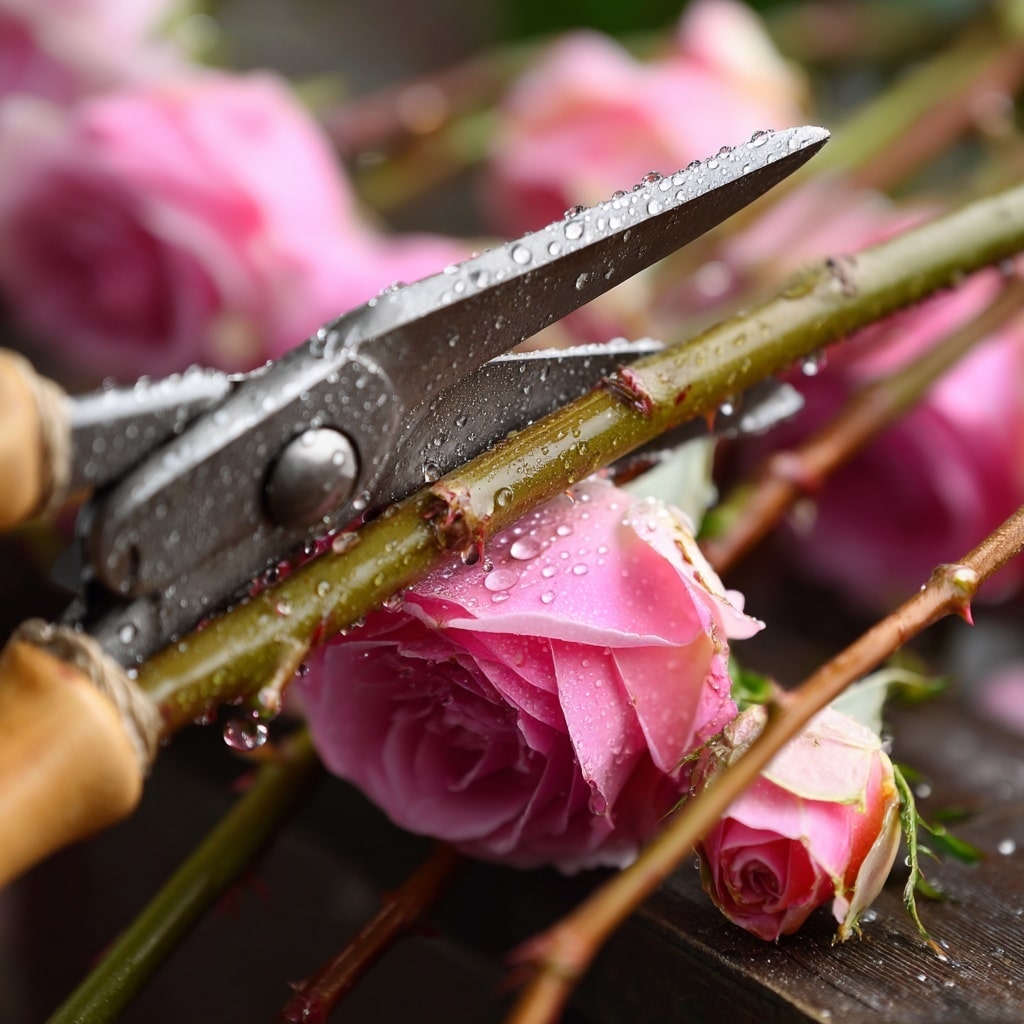
Cutting the stems properly is one of the most important steps in caring for roses. Always use a sharp knife or garden pruners—not dull scissors—to make a clean, angled cut about an inch from the bottom of each stem. This opens up the stem’s water pathways and improves hydration. After cutting, place the roses in water immediately—within 10 seconds—so the exposed stem doesn’t seal over. If you wait too long, air can enter the stem, blocking water absorption and causing drooping. A fresh, precise cut helps roses last longer and drink more efficiently.
7. Change the Water Every Day
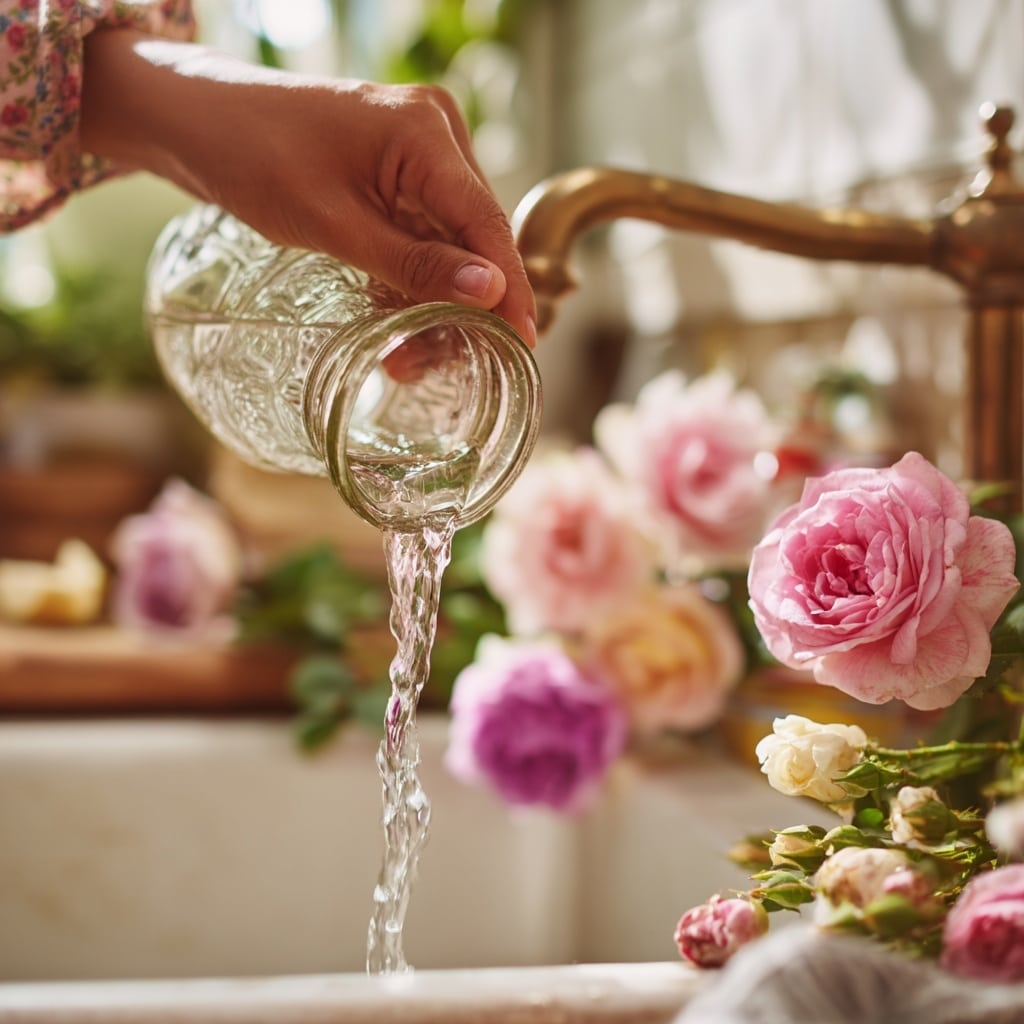
Fresh water is one of the simplest yet most effective ways to extend the life of your roses. Change the vase water daily to prevent bacterial buildup that can clog stems and reduce hydration. Each time you refresh the water, rinse the vase, add new flower food, and trim a small portion off the stem ends to keep the roses drinking well. As a general rule, if the water looks cloudy or smells off, it’s time for a change. Clean water keeps roses vibrant, upright, and fragrant for as long as possible.
8. Keep Roses Away from Heat, Sunlight, and Fruit
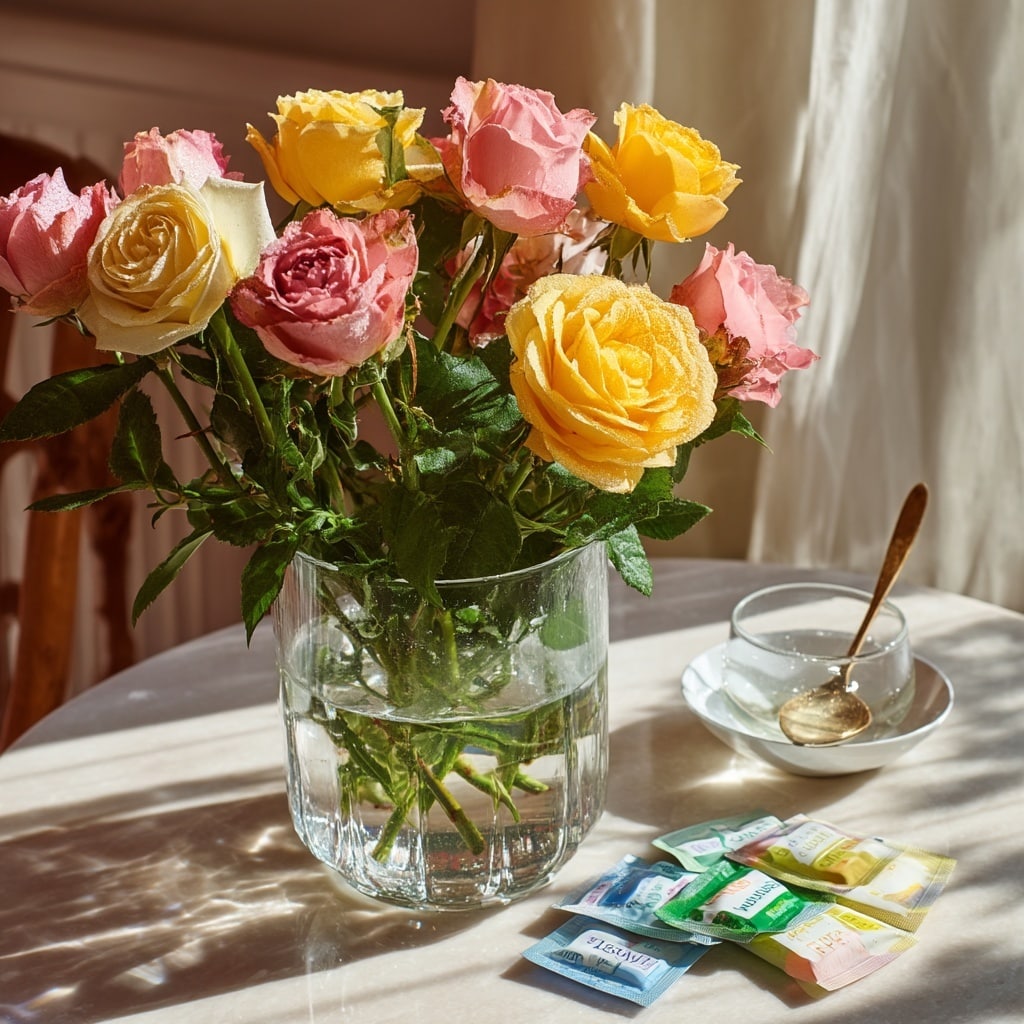
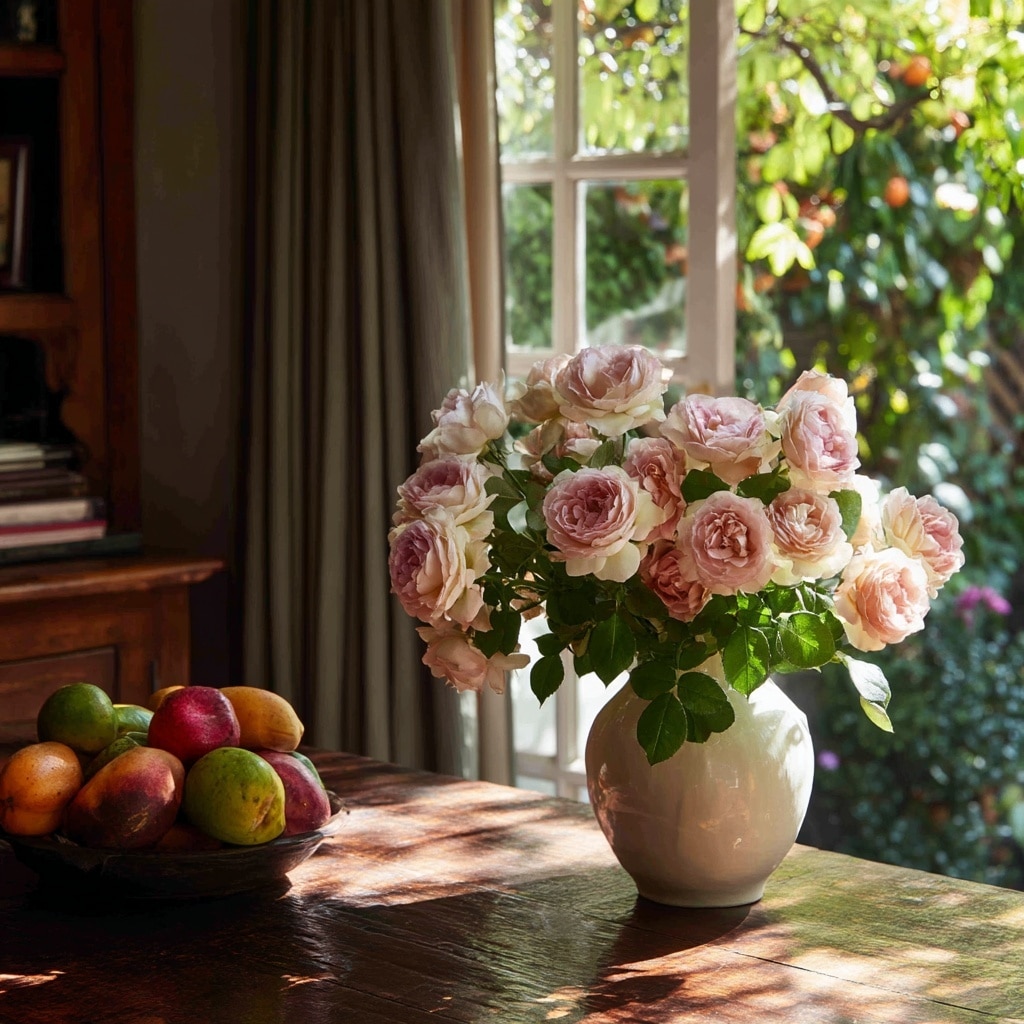
Where you place your roses can significantly affect how long they last. Avoid setting them near heat sources like radiators, appliances, or direct sunlight, as high temperatures speed up wilting. Drafty windows and air vents can also dry them out faster. Just as importantly, keep roses away from ripening fruit—especially bananas and apples—which release ethylene gas. This invisible compound accelerates aging in flowers. For best results, display your roses in a cool, shaded spot with good air circulation and minimal exposure to environmental stress.
9. Don’t Rush to Remove the Guard Petals
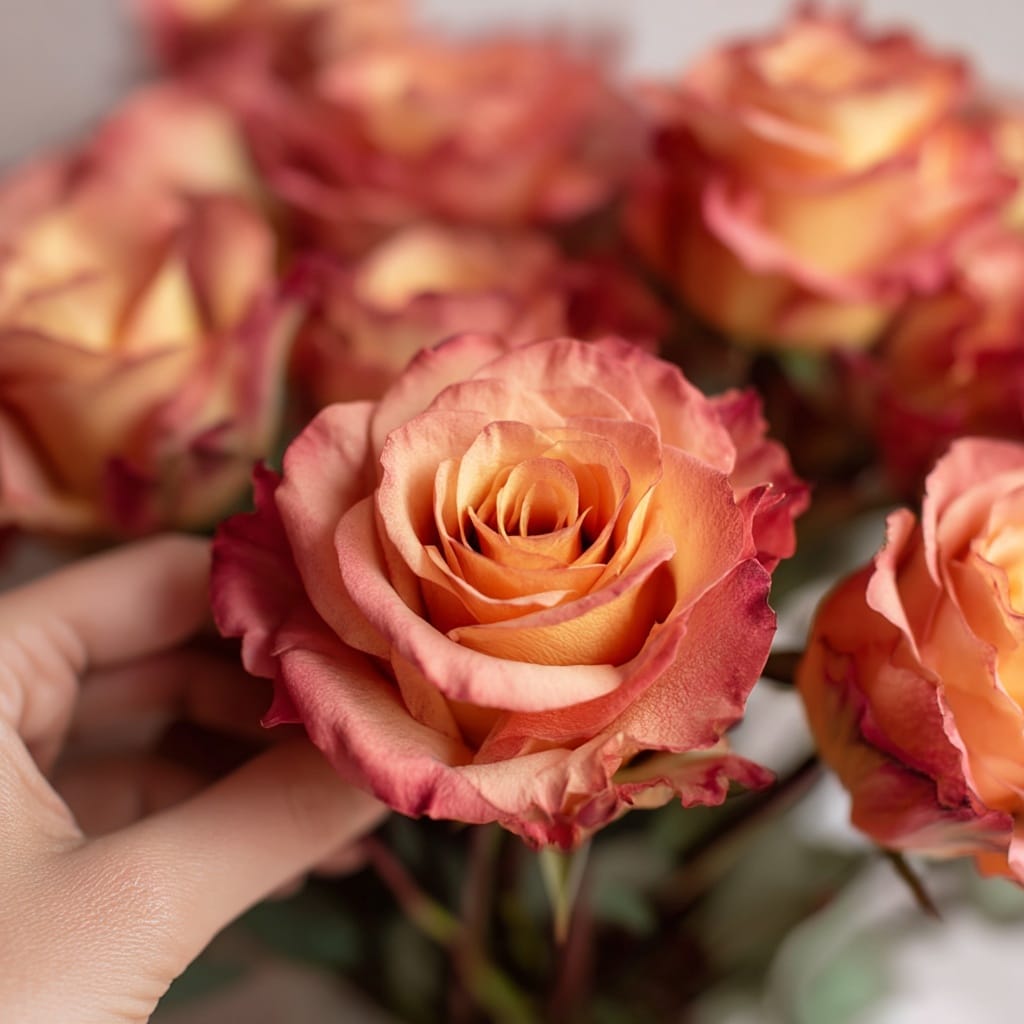
Guard petals are the outermost layers of roses that may look slightly wilted, greenish, or browned at the edges. While it’s tempting to peel them off for a cleaner look, it’s best to wait. These protective petals help shield the delicate inner blooms during transport and handling. Removing them too early can shorten the flower’s life and reduce its natural resilience. Instead, leave them intact until the day you’re arranging the roses for display or gifting. This simple patience pays off with longer-lasting, healthier blooms.
10. Watch Your Roses and Adjust as Needed
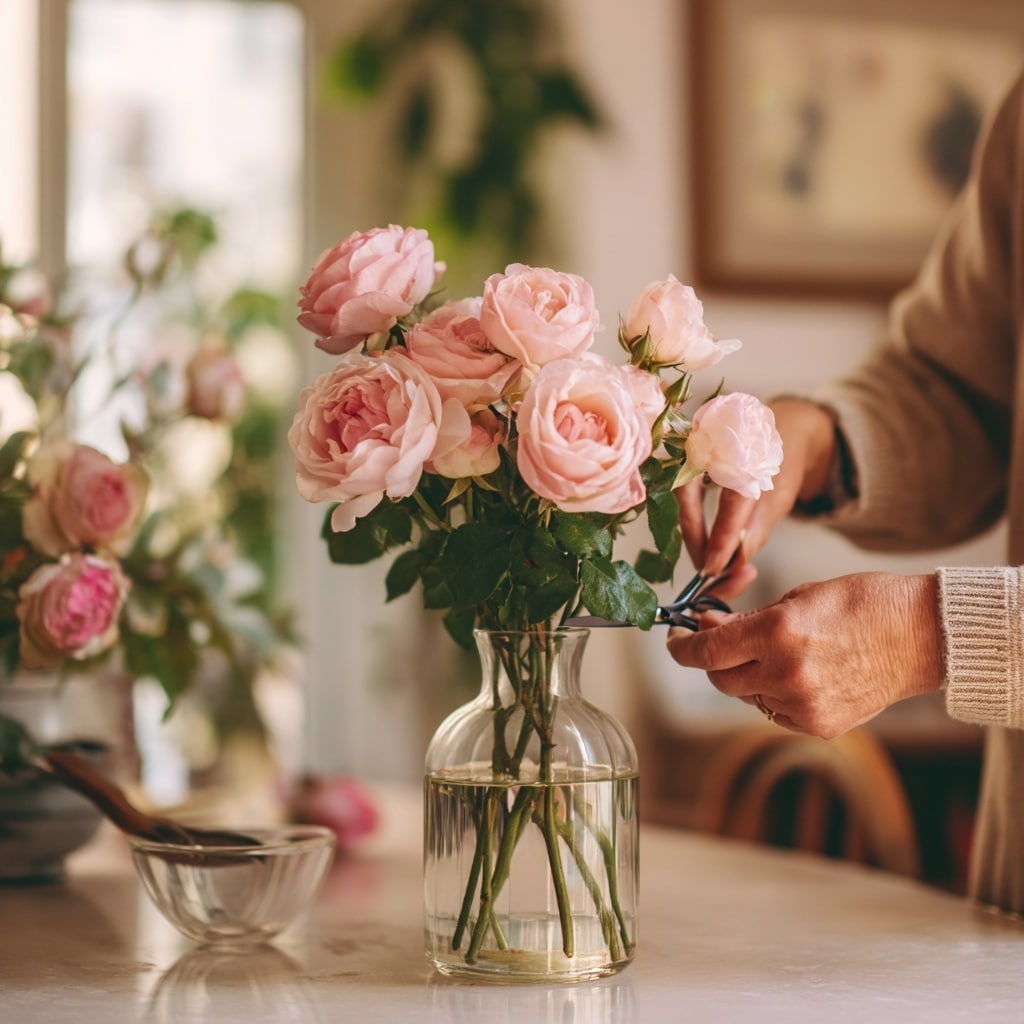
Even with perfect care, roses can change from day to day, so it’s important to monitor them closely. Most rose varieties last 5 to 7 days, but with proper attention, some can stay fresh up to two weeks. If your roses start drooping or looking dull, it’s often a sign they need a stem trim and fresh water with flower food. A quick refresh can perk them back up within a few hours. Daily maintenance helps you catch early signs of decline and gives your roses the best shot at a longer, more beautiful life.
Conclusion
With just a little daily attention, your roses can stay fresh, full, and fragrant for much longer than most people expect. From proper hydration and stem trimming to choosing the right spot in your home, each tip above plays a part in extending the beauty of your bouquet. Whether you’re caring for a special gift or decorating your home, treating your roses right ensures they stay a lasting centerpiece—not just a fleeting one.