
Fencing ideas are one of the most effective ways to create privacy while improving the overall look of your outdoor space. Whether you want to block street noise, define property lines, or build a peaceful backyard retreat, the right fence design can completely change how your yard feels and functions.
Today’s fencing ideas go far beyond basic wooden panels. Homeowners are choosing materials and layouts that balance security, durability, and visual appeal. From natural wood textures to modern horizontal layouts, privacy fencing can complement your landscaping rather than overpower it.
In this guide, you’ll find four practical fencing ideas designed to enhance privacy while matching different home styles and budgets. Each option focuses on long-term performance, curb appeal, and seamless integration with your garden design.
Table of Contents
1. Classic Wood Privacy Fence

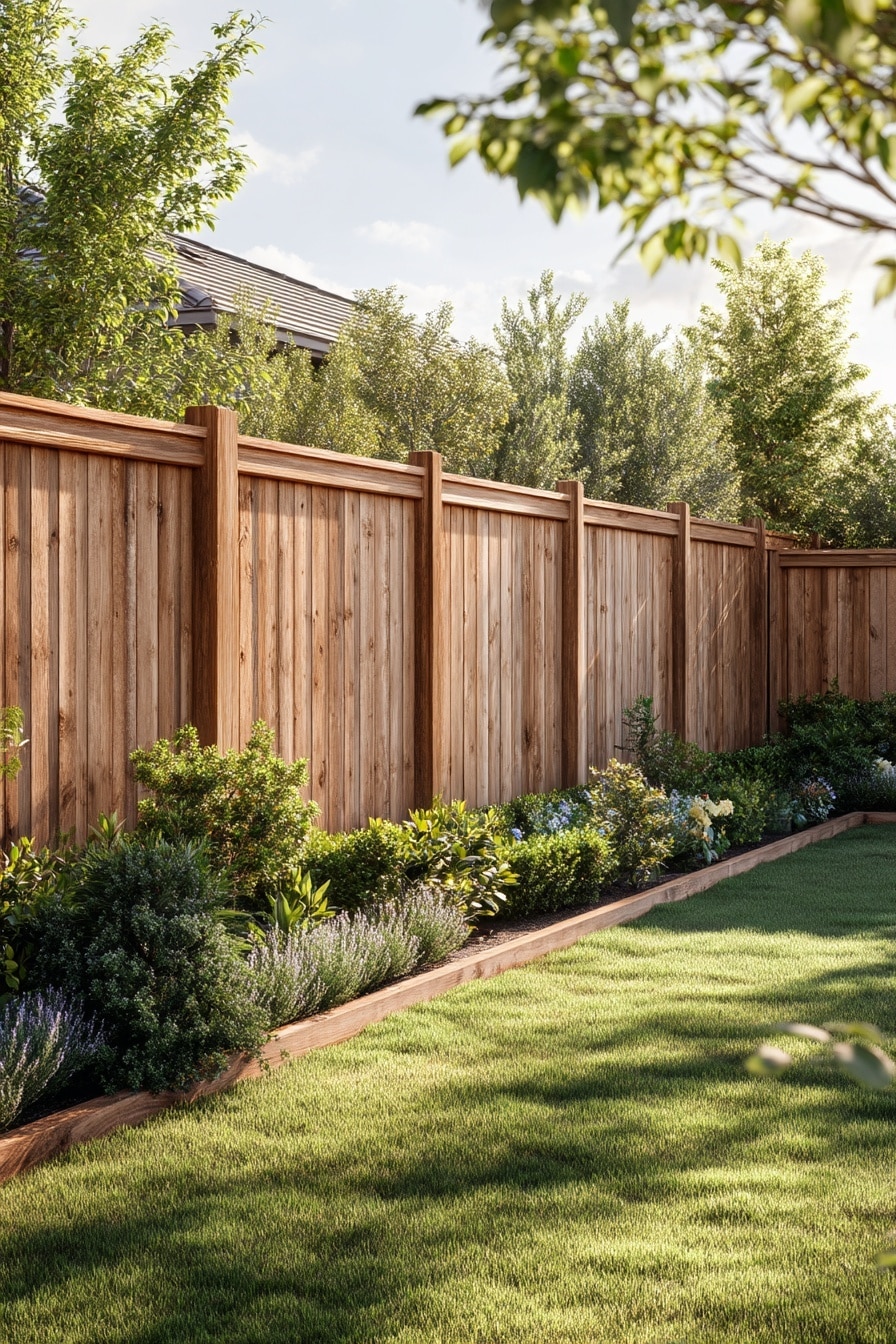
Wood remains one of the most popular fencing ideas for homeowners who want warmth, versatility, and reliable privacy. A traditional wood privacy fence typically features tightly spaced vertical boards that fully block visibility.
This style works well in both suburban and rural settings. It creates a clean boundary while still blending naturally with lawns, trees, and garden beds.
Why Wood Fencing Ideas Remain Popular
Wood fencing ideas continue to stand out for several reasons:
- Natural appearance that complements landscaping
- Customizable height and board styles
- Paint or stain options for color flexibility
- Solid barrier for maximum privacy
You can choose between cedar, pine, or redwood depending on your climate and budget. Cedar is especially valued for its natural resistance to moisture and insects.
Design Variations to Consider
Even within classic wood fencing ideas, you have room for creativity.
Board-on-Board Design
This overlapping pattern eliminates small gaps that can appear as wood shrinks over time. It increases privacy and adds subtle dimension.
Shadowbox Style
This semi-private option alternates boards on either side of the rail. It allows airflow while still limiting direct visibility.
Decorative Top Accents
Arched tops or lattice panels can soften the overall look and make the fence feel less imposing.
Maintenance and Longevity
Wood fencing ideas do require maintenance to stay in good condition. Sealing or staining every few years helps protect against moisture and sun damage.
To extend lifespan:
- Apply weather-resistant stain
- Inspect for loose boards annually
- Keep soil and mulch from resting directly against panels
When maintained properly, a wood privacy fence can last 15–20 years or more.
For a cohesive yard design, consider pairing this fence style with raised garden beds or structured planting borders. This creates a layered effect that feels intentional rather than boxed in.
2. Modern Horizontal Slat Fence
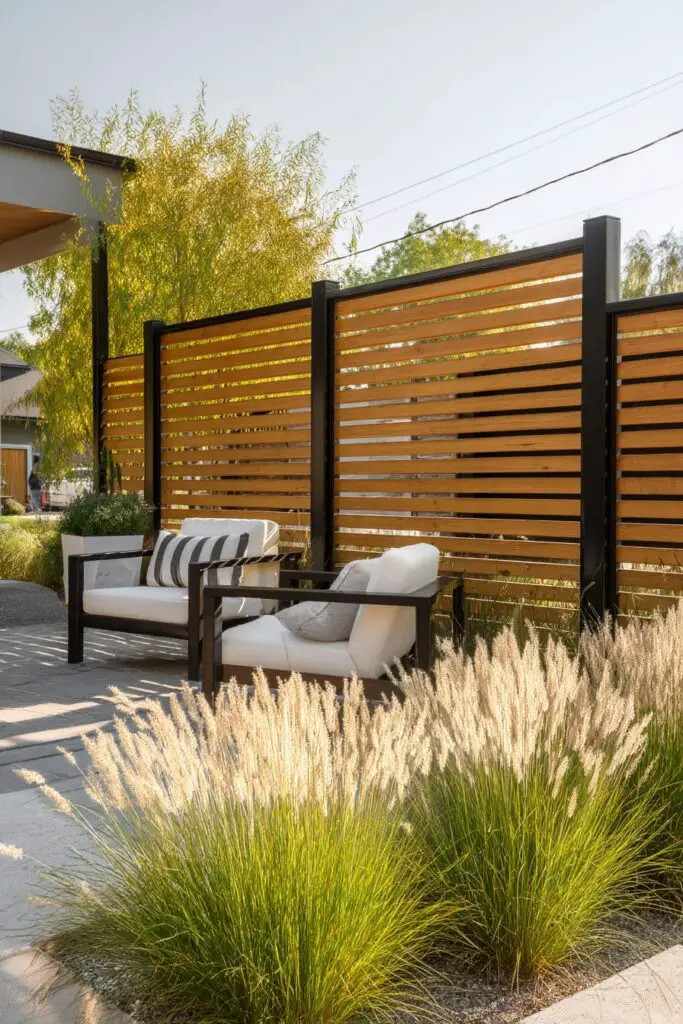
Horizontal layouts are among the most requested fencing ideas for contemporary homes. Instead of vertical boards, this design features clean horizontal lines that visually widen your yard and create a sleek architectural feel.
This style works especially well in urban and suburban settings where homeowners want privacy without a heavy or outdated appearance.
Why Horizontal Fencing Ideas Stand Out
Horizontal fencing ideas create a modern statement while still serving as a strong privacy barrier.
Key advantages include:
- Clean, streamlined appearance
- Contemporary curb appeal
- Adjustable spacing for airflow
- Works well with modern landscaping
Because the boards run side to side, they naturally guide the eye across the yard. This can make smaller outdoor spaces appear larger.
Material Options for Horizontal Fencing Ideas
You can build this fence style using several materials:
Cedar or Redwood
These woods resist moisture and insects while offering warm natural tones.
Composite Boards
Composite fencing ideas are low-maintenance and resist fading, warping, and cracking.
Mixed Materials
Some homeowners combine wood slats with black metal posts for a bold, modern look.
Spacing and Privacy Considerations
When planning horizontal fencing ideas, spacing between boards matters. Narrow gaps allow light and airflow while maintaining privacy. For full privacy, boards can be installed flush without spacing.
To enhance the design:
- Stain wood in deep walnut or charcoal tones
- Add landscape lighting along the base
- Pair with ornamental grasses or structured hedges
This type of fence complements clean-lined patios, concrete walkways, and minimal garden layouts.
3. Vinyl Privacy Fence for Low Maintenance
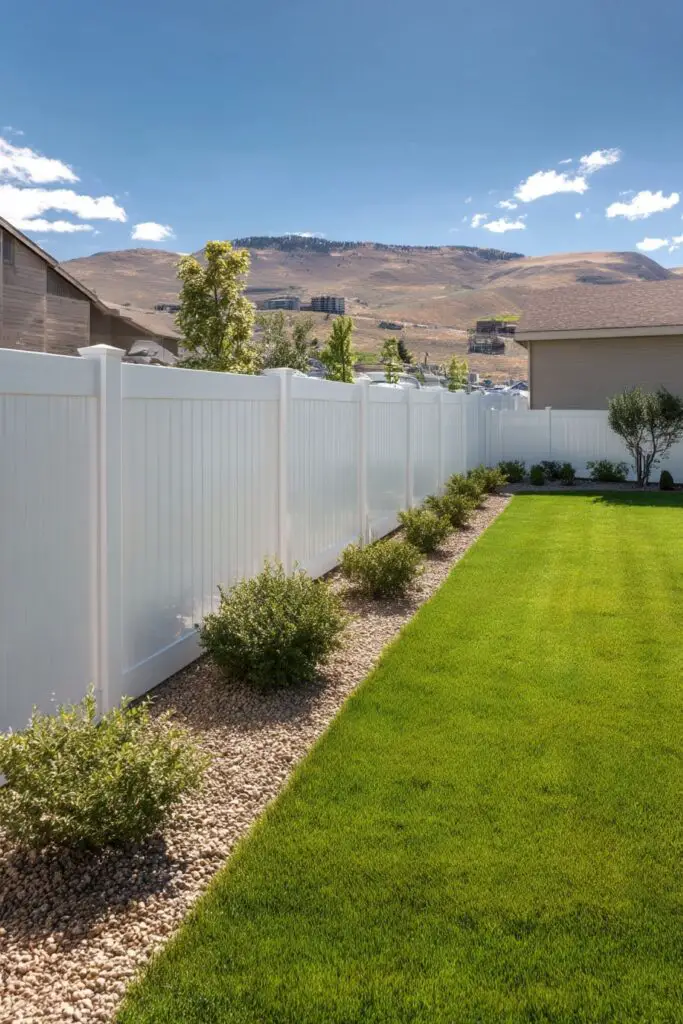
Vinyl is one of the most practical fencing ideas for homeowners who want privacy without ongoing upkeep. Unlike wood, vinyl does not require staining, sealing, or painting. It resists moisture, insects, and warping, making it ideal for various climates.
If long-term durability is your priority, vinyl fencing ideas provide a clean and consistent look year after year.
Why Choose Vinyl Fencing Ideas?
Many homeowners prefer vinyl because it combines privacy with convenience.
Key benefits include:
- No repainting or staining required
- Resistant to rot and pests
- Easy to clean with soap and water
- Uniform color throughout panels
These fencing ideas are especially useful in areas with heavy rainfall or high humidity where wood may deteriorate more quickly.
Design Options in Vinyl Privacy Fencing
Vinyl fencing ideas are no longer limited to plain white panels. Today, you can find:
- Textured finishes that mimic wood grain
- Neutral tones like tan, gray, and clay
- Decorative lattice tops
- Scalloped or arched panel styles
Some designs even incorporate subtle shadow lines to add depth without sacrificing privacy.
When Vinyl Makes the Most Sense
Vinyl fencing ideas are ideal if you:
- Prefer minimal maintenance
- Want consistent color across panels
- Live in wet or humid climates
- Need a durable solution for pets or children
Because vinyl panels are solid and structured, they also reduce outside visibility and noise more effectively than semi-private options.
To soften the look, consider planting flowering shrubs or climbing vines along the base. This helps blend the fence into your overall garden design.
4. Natural Green Privacy Fencing
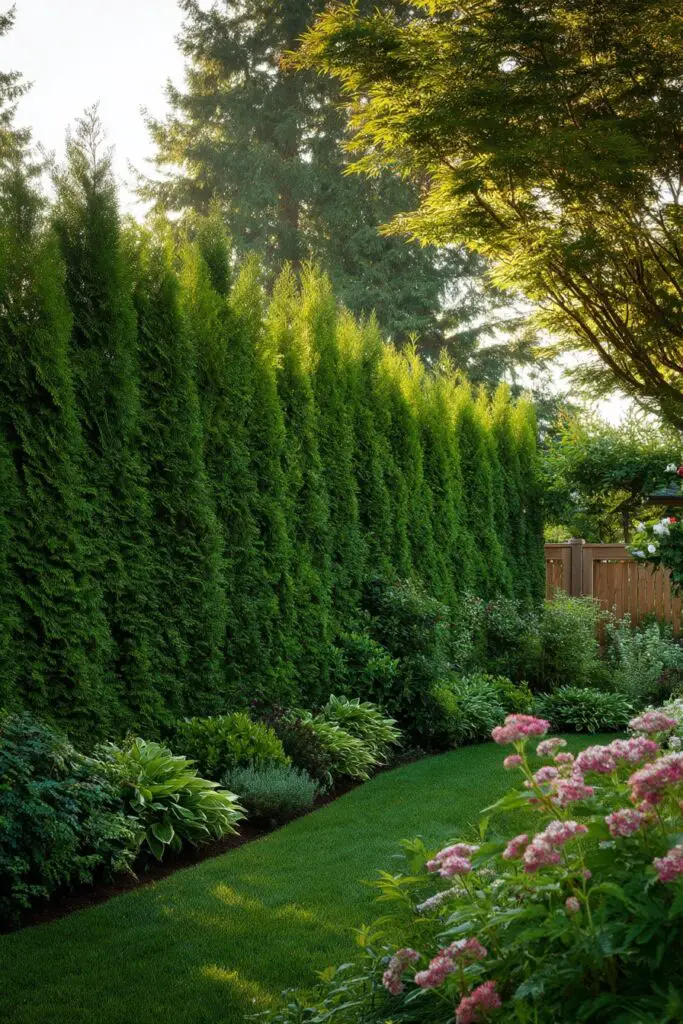
Living barriers are among the most environmentally friendly fencing ideas for homeowners who prefer a softer, organic look. Instead of installing panels or boards, this approach uses dense plantings to create privacy.
Green fencing ideas work especially well in garden-focused landscapes where plants are already a key design element.
Popular Plant Options for Privacy
When choosing living fencing ideas, select plants that grow densely and respond well to pruning.
Common choices include:
- Evergreen hedges for year-round coverage
- Fast-growing shrubs for quicker privacy
- Climbing vines trained on trellises
- Tall ornamental grasses for seasonal screening
Evergreens provide consistent structure, while flowering shrubs can add seasonal color and fragrance.
Benefits of Natural Fencing Ideas
Living fences offer more than privacy. They also:
- Improve air quality
- Reduce wind exposure
- Support pollinators
- Blend seamlessly into garden layouts
Unlike solid panels, plant-based fencing ideas create a layered landscape effect. This makes your yard feel less enclosed while still limiting visibility.
Planning for Long-Term Growth
Living fencing ideas require patience and planning.
Before planting:
- Consider mature height and width
- Leave room for root expansion
- Install irrigation if needed
- Plan regular pruning
Conclusion
Fencing ideas play a major role in shaping both the privacy and personality of your outdoor space. Whether you prefer the warmth of wood, the sleek lines of horizontal slats, the convenience of vinyl, or the natural beauty of living hedges, there is a solution to fit your yard and lifestyle.
The right fencing ideas should balance durability, maintenance needs, and visual appeal. By choosing carefully, you can create a backyard that feels secure, comfortable, and thoughtfully designed.