
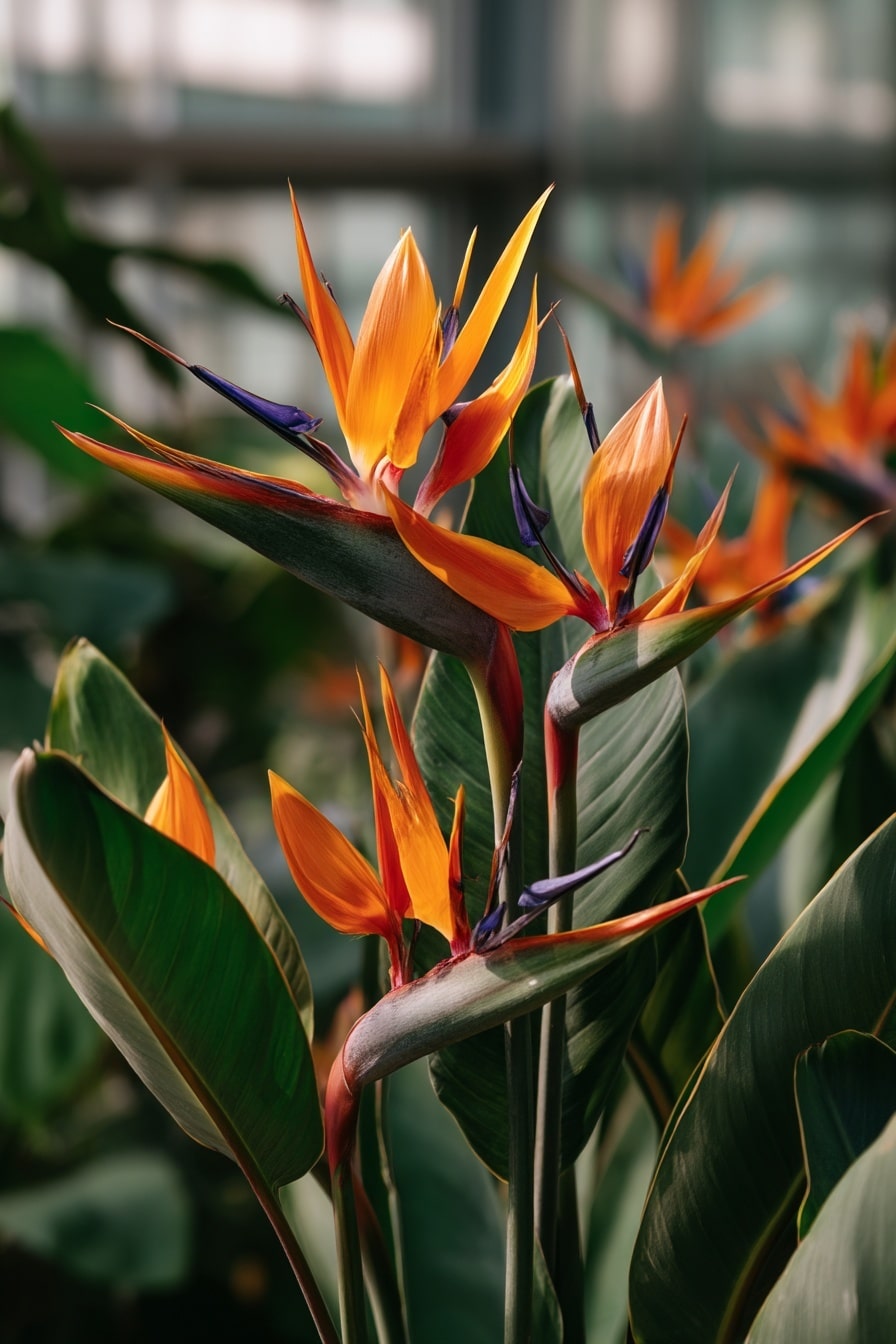
Bird of paradise plant is one of the most dramatic and elegant indoor plants you can add to your collection. With its large, glossy leaves and bold upright form, it instantly brings a lush, tropical vibe to any space. While it’s known for its striking, bird-like flowers in the wild, this plant remains a favorite among houseplant lovers even when grown without blooms.
If you’re wondering how to care for a bird of paradise plant indoors, you’re in the right place. This guide will walk you through everything you need to know — from light and watering needs to repotting, placement, and common issues — so your plant can thrive for years to come.
Table of Contents
Common Questions About the Bird of Paradise Plant

Will My Bird of Paradise Plant Ever Bloom Indoors?
It’s possible — but it takes time and the right conditions. The bird of paradise plant is native to warm, sunny environments and typically won’t flower indoors unless it’s very mature and extremely well cared for. Most plants need to be at least 4 to 5 years old before they’re even capable of blooming. While you may not see its signature orange and blue flowers at home, the plant still delivers stunning foliage that makes it well worth keeping.
Why Are the Leaves on My Bird of Paradise Plant Splitting?
Leaf splits are completely normal. In nature, the bird of paradise plant develops slits in its leaves to withstand strong winds. These natural splits help the plant stay intact rather than tear or snap in storms. Indoors, you might notice the same pattern — and it’s nothing to worry about. However, if the leaves are dry, curled, or browning, this could signal low humidity or underwatering.
When Should I Repot My Bird of Paradise?
Your bird of paradise plant likes some root space but doesn’t need frequent repotting. If you notice it’s become rootbound — meaning roots are circling the pot or pushing up from the surface — it’s time to move it to a container that’s about 5 cm larger in diameter. Spring or early summer is the best time to repot for minimal stress and better recovery.
How to Care for a Bird of Paradise Plant Indoors
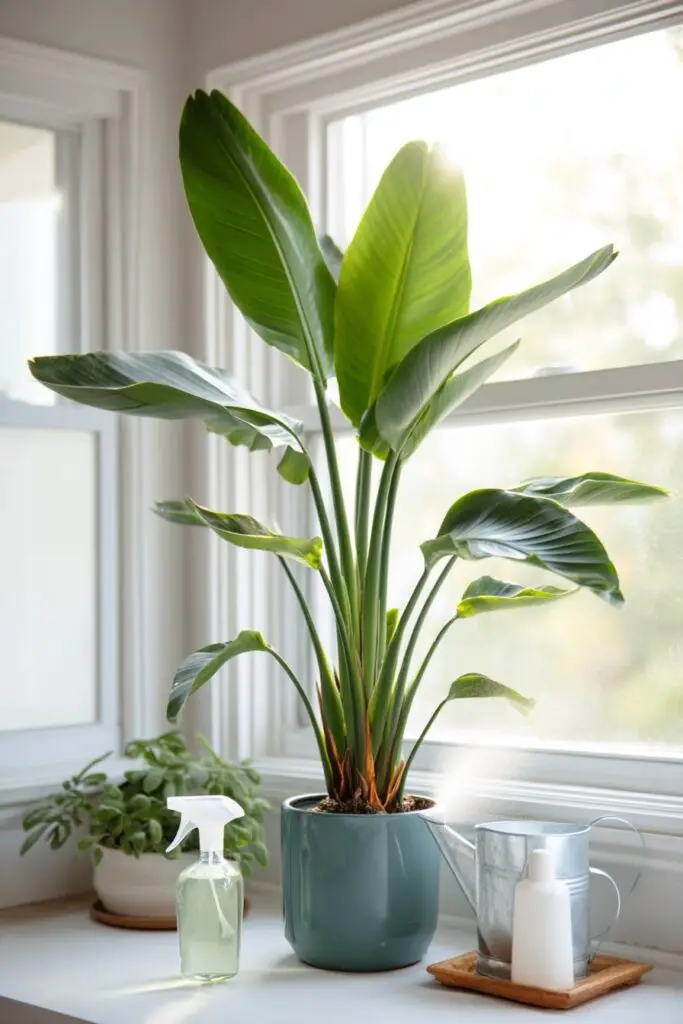
A well-maintained bird of paradise plant can become a true centerpiece in your home. While it’s considered low-maintenance for its size and drama, a few key care habits will keep it thriving year-round.
🌞 Light
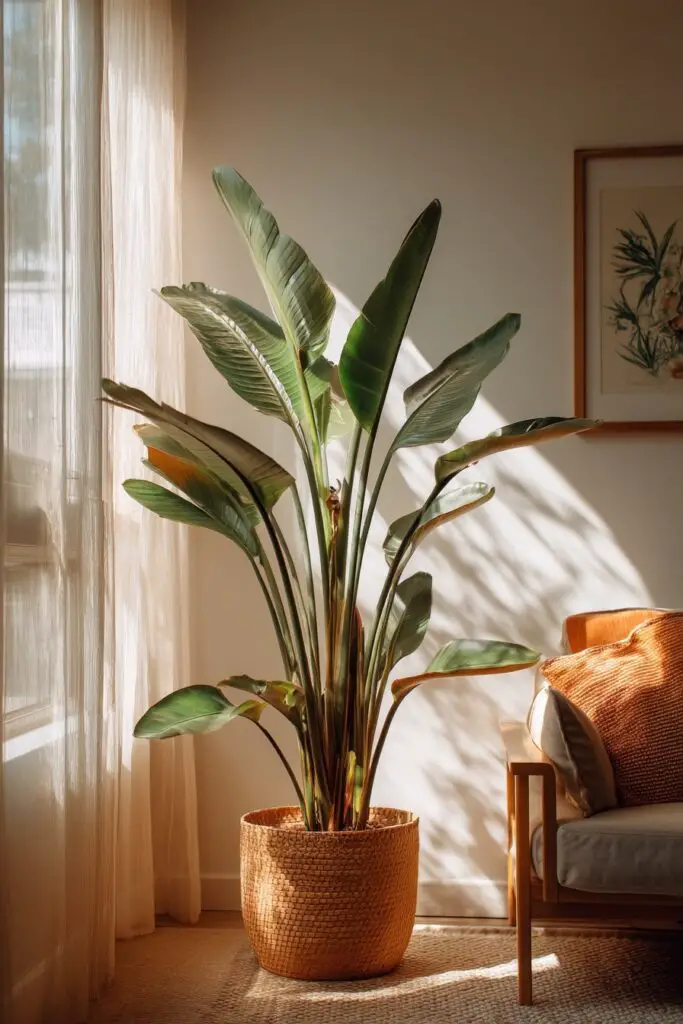
Your bird of paradise plant loves bright, direct sunlight. It performs best when placed near a south- or west-facing window, where it can soak up light for several hours a day. While it can tolerate medium light, expect slower growth and smaller leaves. Avoid placing it in dark corners — this plant needs light to stay lush and upright.
💧 Water
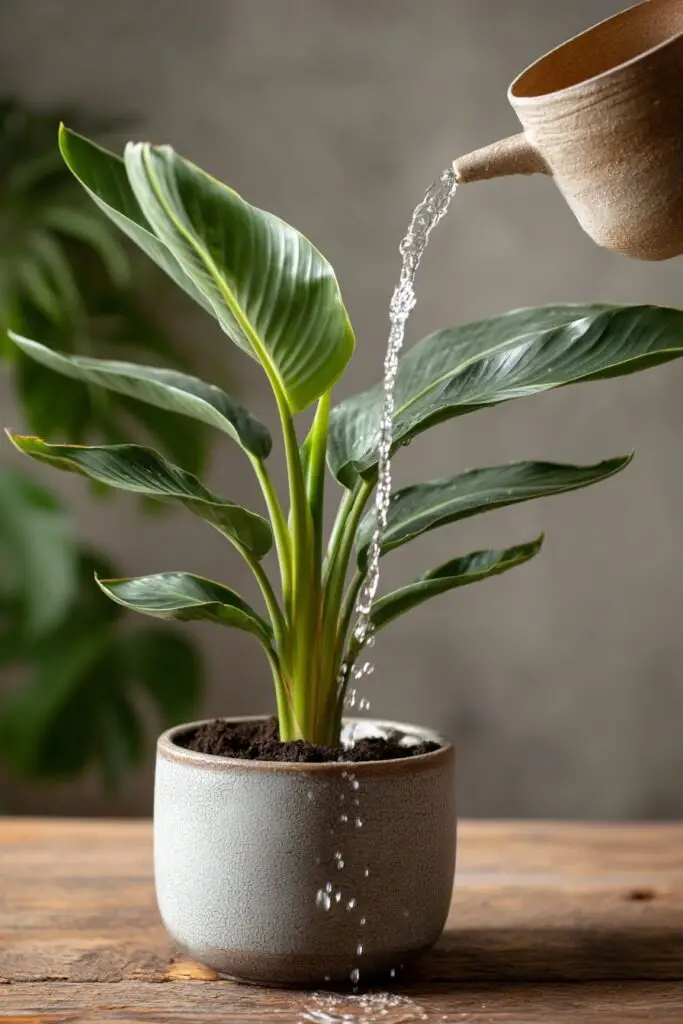
Water your bird of paradise plant once the top 2–3 inches of soil are dry. In summer, this might mean watering once a week. In winter, reduce to every 10–14 days. Use well-draining soil and a pot with drainage holes to avoid root rot.
Pro Tip: This plant prefers filtered water or water that has been left to sit overnight to allow chlorine to dissipate.
🌡️ Temperature & Humidity
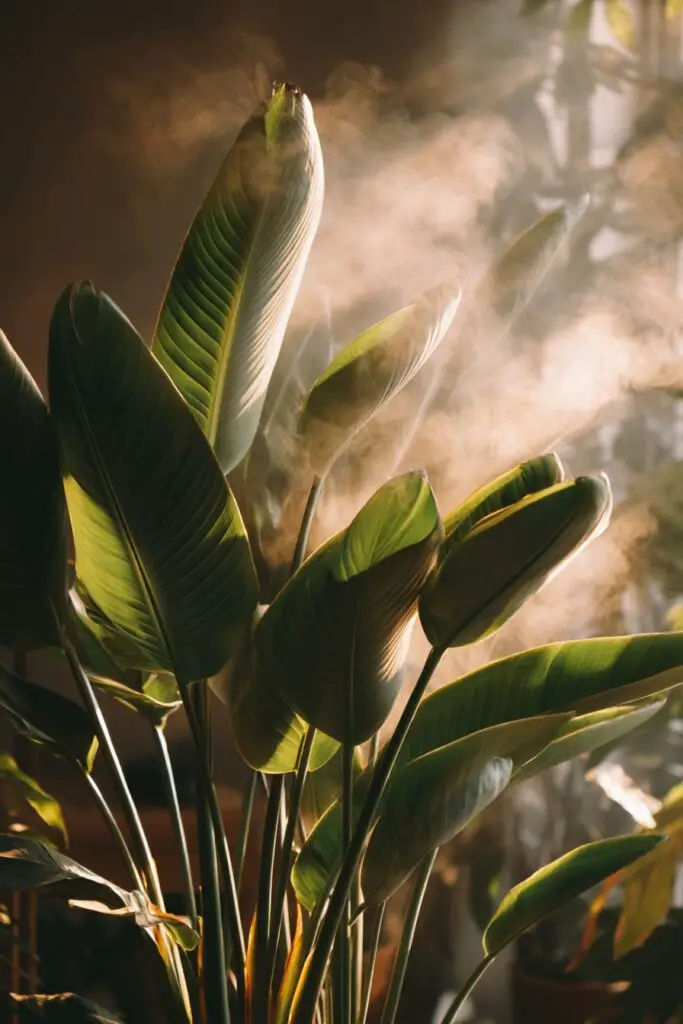
Keep your bird of paradise plant in a warm room, ideally between 18°C to 30°C (65°F–86°F). While it can adapt to average home humidity, it thrives in higher humidity. You can increase humidity by misting occasionally, using a humidifier, or placing a tray of water near the base.
🌱 Feeding
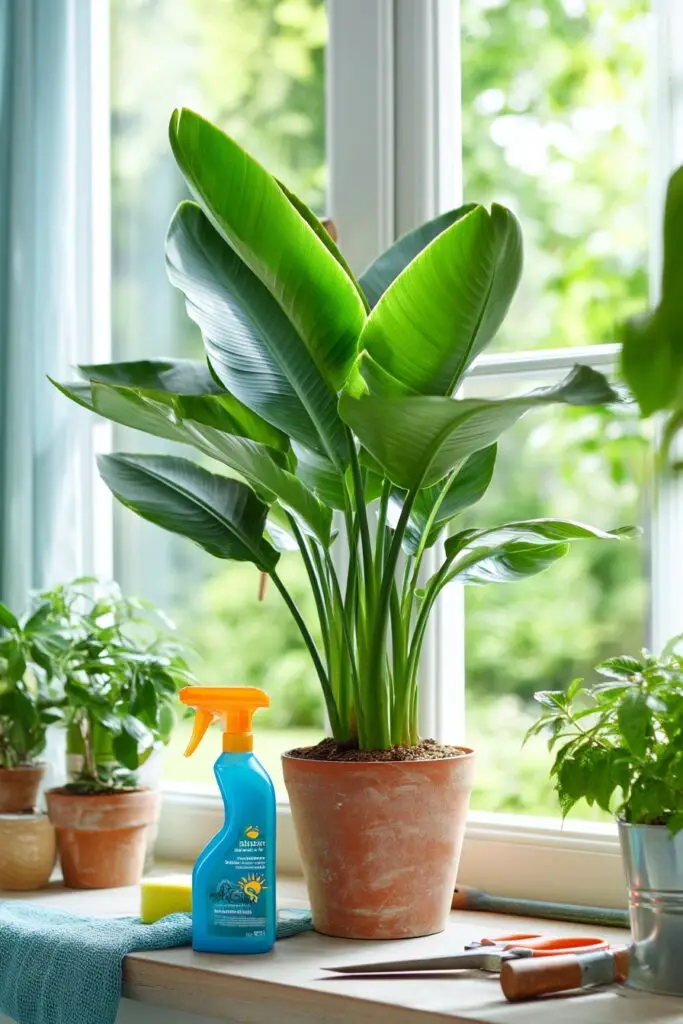
During spring and summer, feed your bird of paradise plant monthly with a balanced liquid indoor plant fertilizer. No feeding is necessary in fall or winter, when the plant’s growth naturally slows down.
🧼 Cleaning & Misting
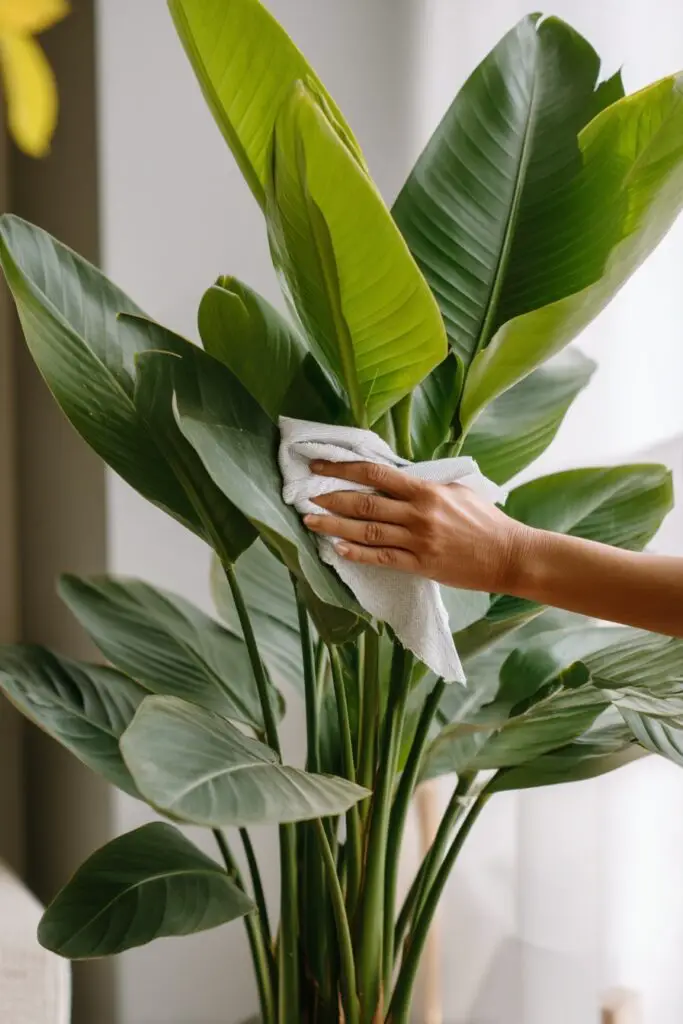
Large leaves attract dust, which can block light and slow growth. Wipe the leaves with a damp cloth every couple of weeks. Occasional misting can help boost humidity and keep foliage looking fresh and vibrant.
Best Places to Keep Your Bird of Paradise Plant Indoors
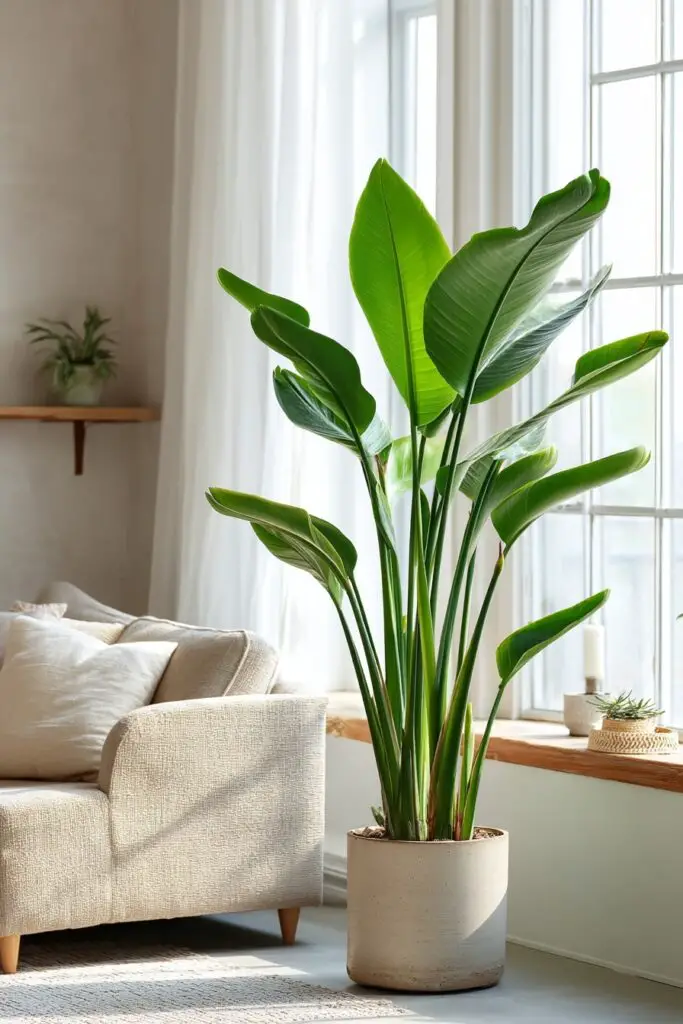
Where you place your bird of paradise plant can make a big difference in how well it grows — and how much visual impact it adds to your home.
🌞 Near a Sunny Window
The best spot for this tropical beauty is near a south- or west-facing window. Bright, direct sunlight encourages strong stems and large leaves. A living room, sunroom, or kitchen with plenty of daylight is ideal.
🪟 Avoid Drafts and Dark Corners
Keep your bird of paradise plant away from cold drafts, air conditioning vents, or radiators. These extremes can cause stress and slow growth. Likewise, avoid placing it in low-light areas where the foliage may droop or fade over time.
📐 Give It Room to Grow
This plant can reach up to 5 feet tall indoors, sometimes more with time and care. Choose a spot with ample vertical space, so the leaves have room to stretch and shine. Avoid tight corners or areas with overhead obstructions.
🪴 Great Placement Ideas:
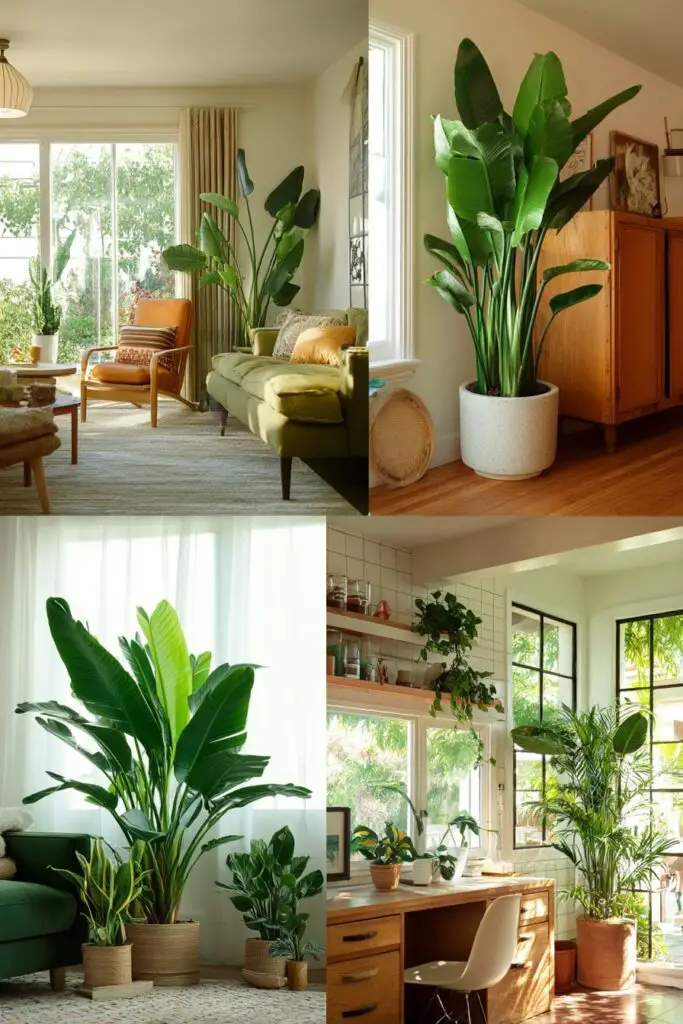
- Bright living room corner with natural light
- Sunny kitchen nook
- Office near a large window
- Open hallway with tall ceilings
- Indoor patio or conservatory
Wherever you decide to place it, be consistent with light and care — the bird of paradise plant thrives with routine and space to grow.
Conclusion
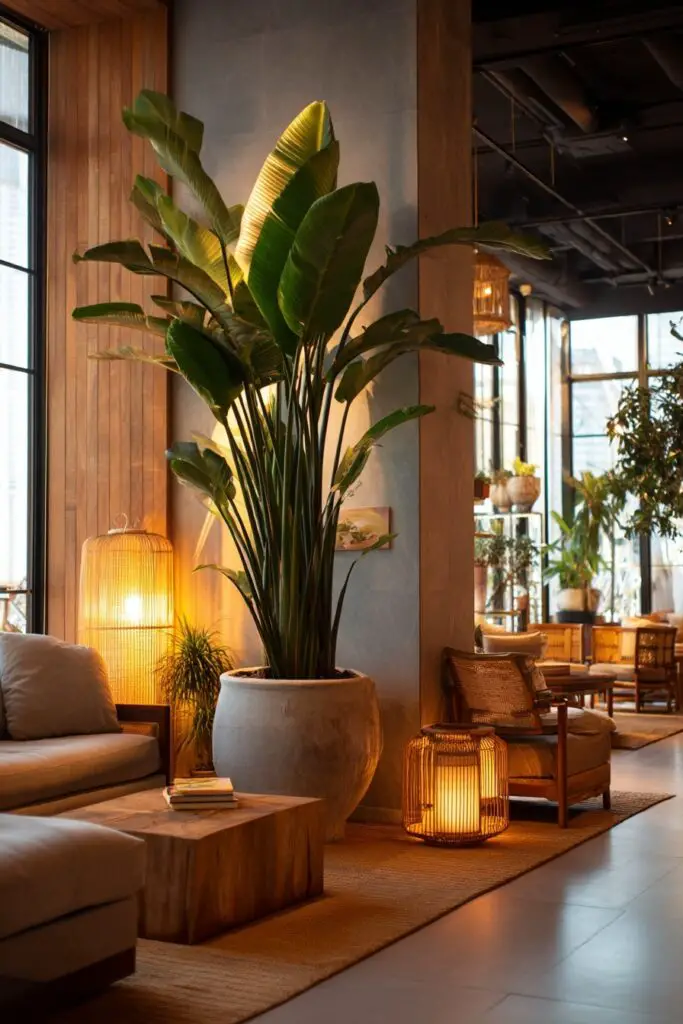
The bird of paradise plant brings elegance, bold greenery, and a touch of the tropics to any indoor space. Even if it never flowers indoors, its striking foliage and easy-care nature make it a standout choice for plant lovers at all levels.
With the right light, proper watering, and enough room to grow, your bird of paradise plant can thrive for years, adding height and personality to your home. Whether you’re styling a sunny living room or building an indoor jungle, this plant is more than just décor — it’s a living statement.