
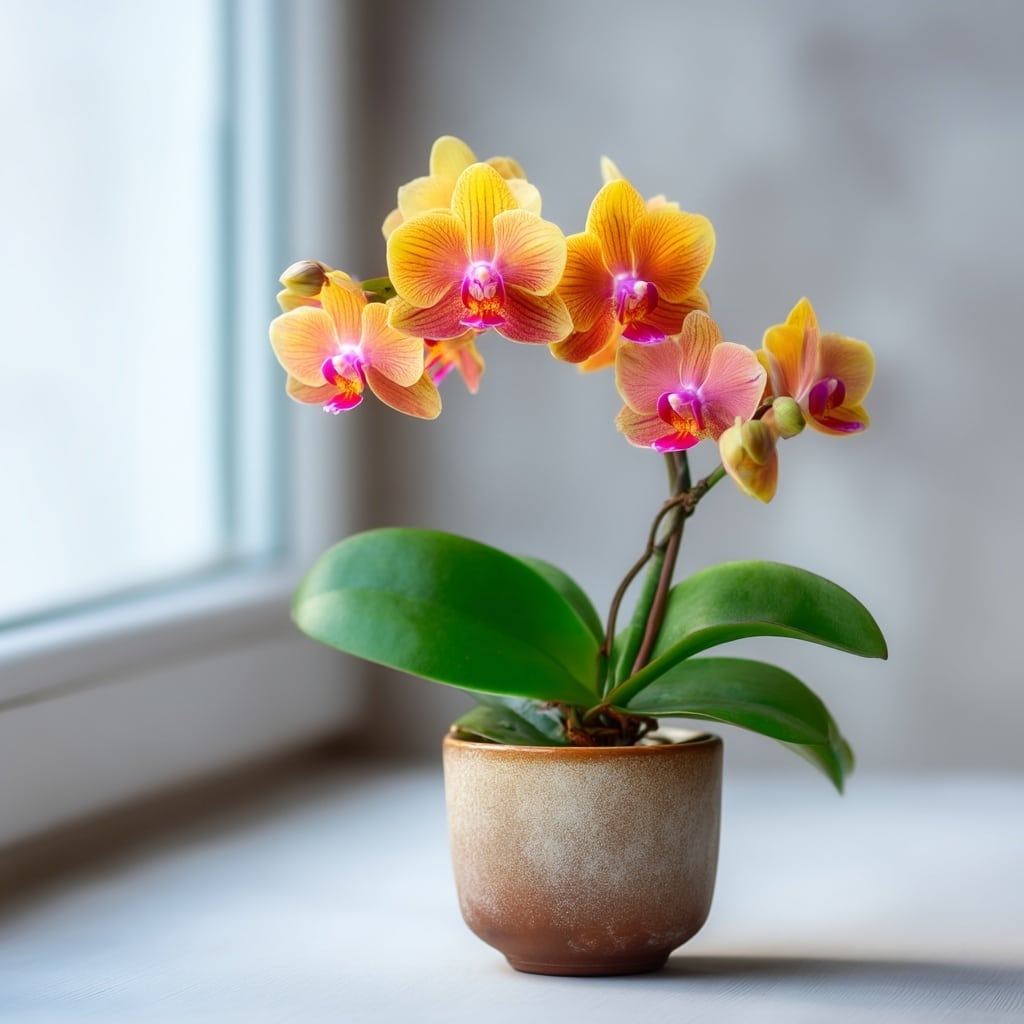
Orchid flowers are prized for their elegant, long-lasting beauty—but nothing feels more disappointing than seeing those vibrant blooms fall off too soon. Whether you’ve just brought home a blooming orchid or you’re nurturing a long-loved houseplant, sudden flower drop can leave even seasoned plant parents puzzled. Thankfully, there are clear reasons behind this issue, and with a few expert-backed tips, you can help your orchid flowers stay vibrant longer.
Table of Contents
1. Temperature Changes Can Shock Orchid Flowers

Sudden temperature fluctuations are one of the top reasons orchid flowers fall off prematurely. While it might be tempting to move your orchid into better light or a more visible spot, even a brief draft or temperature swing can cause the plant to react by dropping its blooms.
Orchids, especially phalaenopsis varieties, are sensitive to environmental shifts. When you bring a new orchid home, it’s often moving from a carefully climate-controlled nursery or store into a car, then into your home—sometimes through cold winter air or intense summer heat. That quick change in conditions stresses the plant.
To avoid shocking your orchid flowers:
- Transport orchids on mild days when possible
- Leave the cellophane wrap on until the plant has fully adjusted indoors
- Keep the plant away from vents, radiators, drafty windows, and direct hot sun
- Let it settle at room temperature before repositioning
Also, when buying an orchid, look for one with more buds than open blooms. This suggests the plant is early in its blooming cycle, giving you more time to enjoy its stunning flowers before they naturally fade.
2. Watering Mistakes Can Weaken Blooms
Finding the right watering routine is critical if you want to keep your orchid flowers from falling early. Both overwatering and underwatering can stress the plant, damage its roots, and lead to premature flower loss.
When orchids receive too much water, their roots become soggy and oxygen-starved. Over time, this leads to rot, which means the plant can no longer take up the nutrients and moisture it needs to support flowers. On the other hand, too little water causes roots to dry out, weakening the plant and leading to shriveled blooms and dropping petals.
Instead of following a strict calendar, learn to observe your orchid’s cues:
- Check the pot’s weight—if it feels light, it likely needs water
- Inspect the roots and leaves—dry or wrinkled leaves mean it’s time to hydrate
- Most orchids thrive with watering every 7–10 days, but adjust as needed for your environment
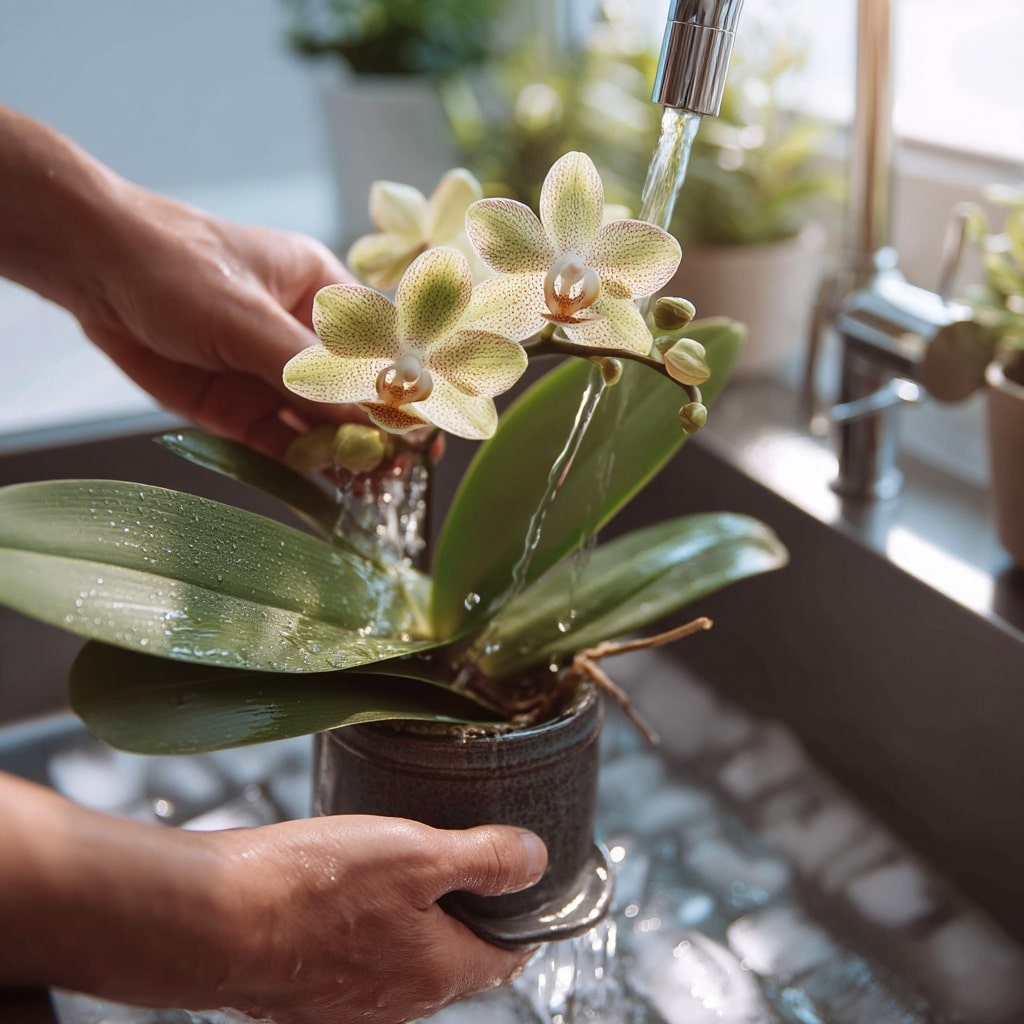
Important tip: Never water with ice cubes. This popular myth can actually shock the roots. Instead, bring your orchid to the sink and slowly run lukewarm water through the potting mix until it drains freely from the bottom. Doing this not only hydrates the roots thoroughly but also flushes away salt buildup from fertilizers that can harm your plant over time.
With consistent and careful watering, you’ll help your orchid maintain its beautiful blooms for much longer.
3. Pests and Diseases Can Cut Bloom Time Short
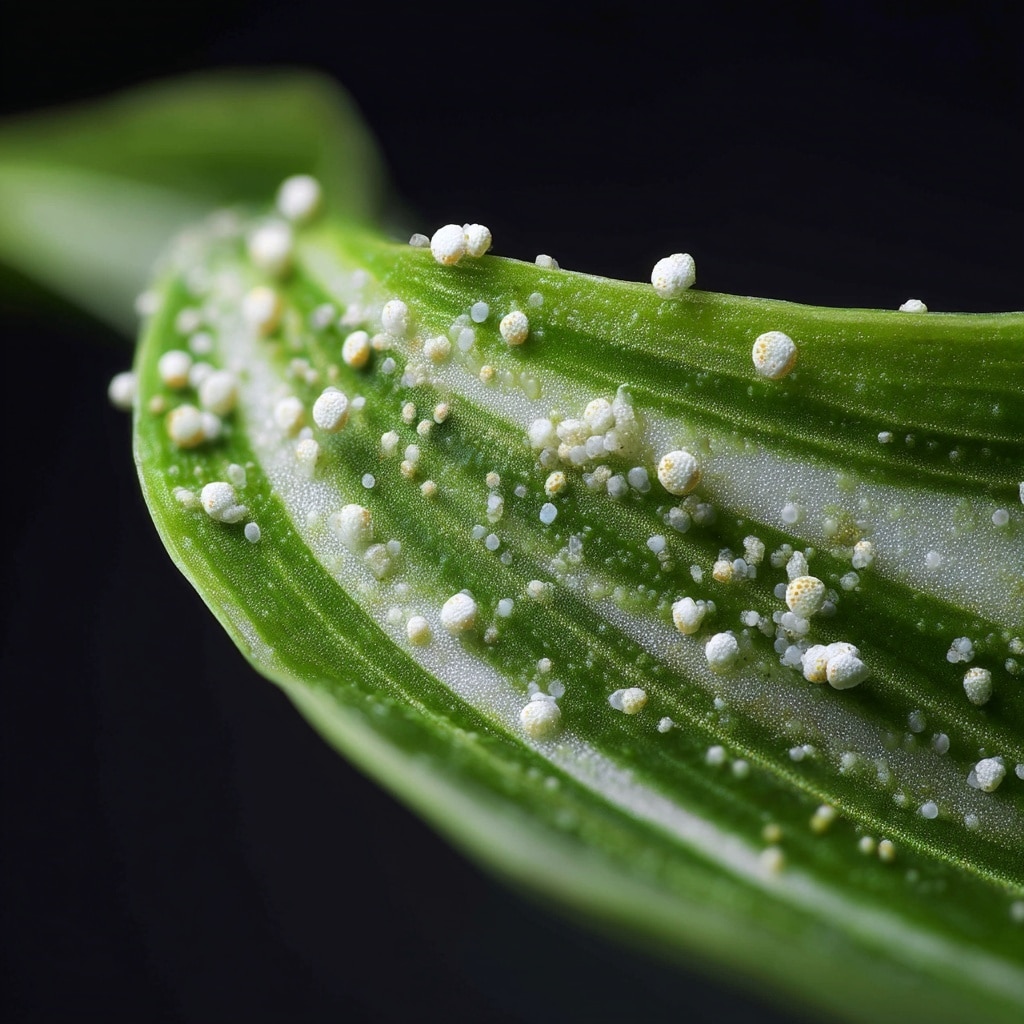
Even if you’re watering perfectly and managing temperature well, orchid flowers can still fall off early if pests or plant diseases are lurking. One of the most common culprits? Mealybugs—small, sap-sucking insects that weaken orchids by feeding on their stems, leaves, and buds.
These pests often look like little tufts of white fuzz and tend to hide on the undersides of leaves or deep in leaf joints. As they feed, they rob your orchid of the strength it needs to maintain blooms. Flowers may start wilting, buds might drop before opening, and eventually, the entire plant can decline if left untreated.
To protect your orchid from pests and disease:
- Inspect your plant every time you water, especially under the leaves
- Look for signs of white fluff, sticky residue, or black mold (a sign of mealybug activity)
- Remove bugs manually with a cotton swab dipped in diluted isopropyl alcohol
- Use neem oil or peppermint oil sprays (always follow label directions) for natural pest control
Beyond pests, fungal or bacterial infections can also cause buds to drop. Ensure proper airflow around your orchid, avoid misting the blooms directly, and always remove any dying plant parts promptly.
By staying proactive, you can stop pests and disease before they impact your orchid flowers—and enjoy longer, healthier bloom cycles.
Keep Your Orchid Flowers Blooming Longer
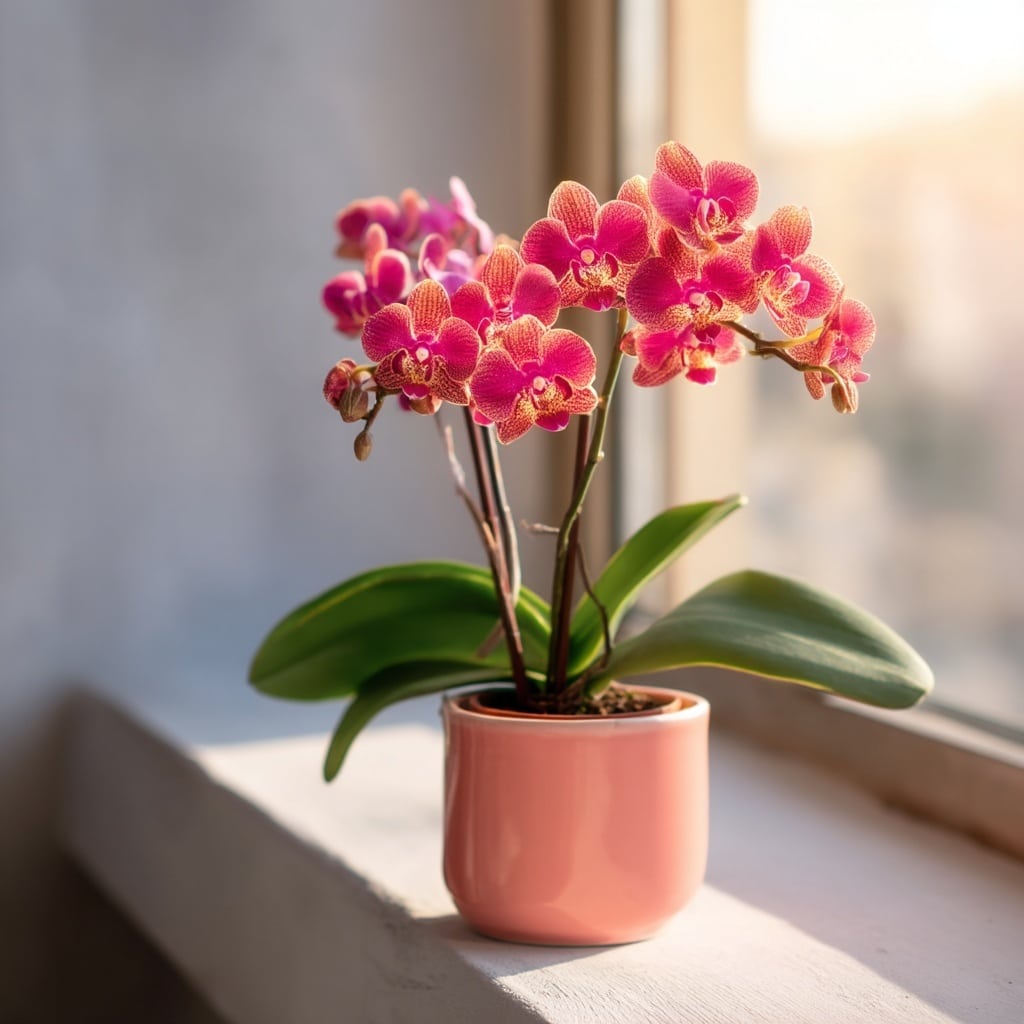
If your orchid flowers are falling off too soon, don’t panic. Most of the time, the cause is something you can easily correct with a few mindful adjustments. Sudden temperature changes, improper watering, and hidden pests are all common issues—but with a gentle touch and some observation, you can help your orchids thrive.
Keep your plant in a stable, draft-free environment, water it only when needed (never with ice), and stay alert for pests like mealybugs. A little care goes a long way in extending the life of your beautiful blooms.
Remember, healthy roots = happy flowers. Keep that balance, and your orchid flowers will reward you with a longer-lasting, vibrant display.