
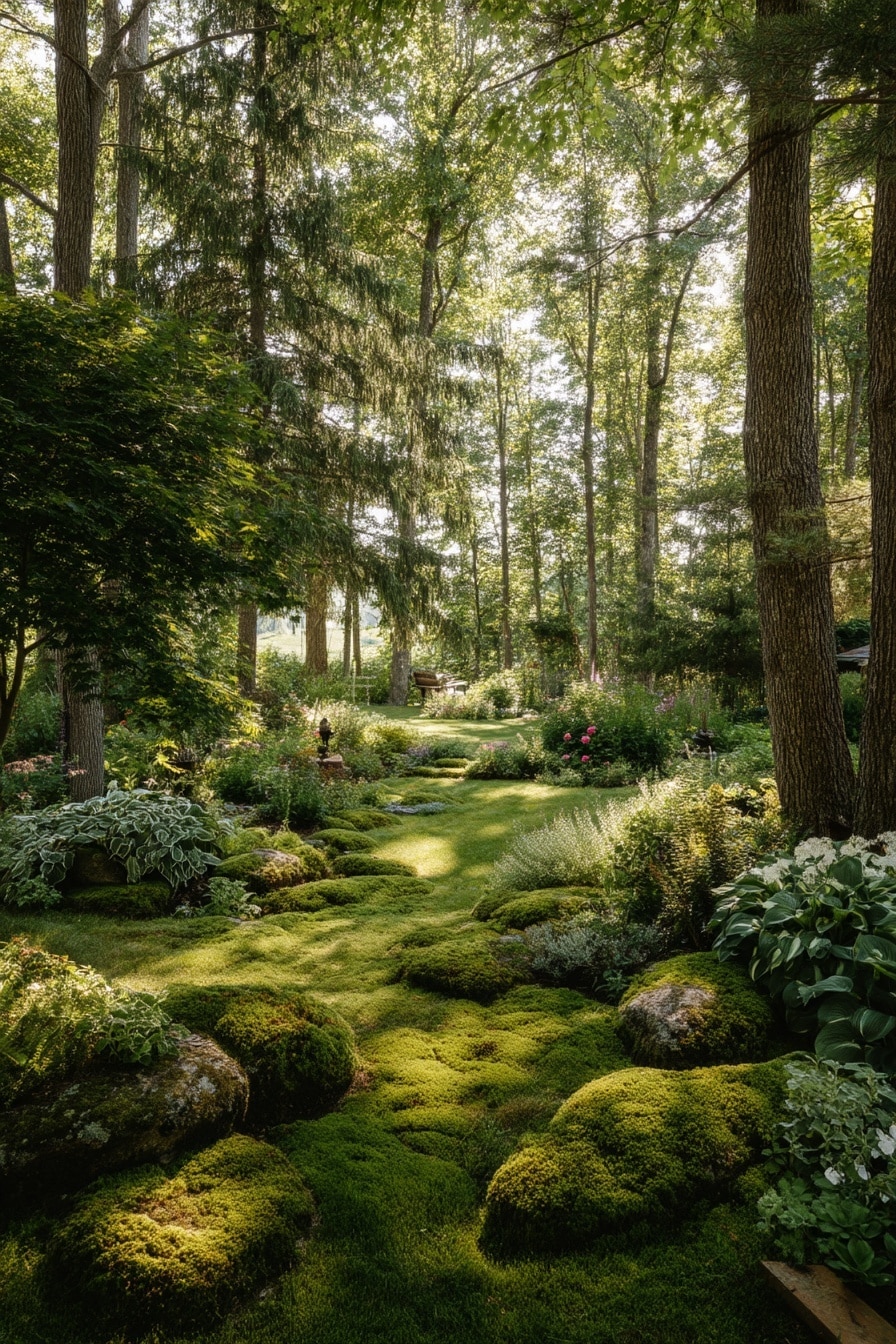
Moss garden design is quickly becoming the go-to solution for homeowners who are tired of battling patchy lawns, high water bills, and constant mowing. Soft, spongy, and vibrantly green all year round, moss offers a peaceful, natural look with almost none of the upkeep that grass demands.
Inspired by centuries-old Japanese gardening traditions, moss gardens are now gaining traction in modern yards as a low-maintenance, sustainable alternative to conventional lawns. If you’re looking for a lush, evergreen ground cover that thrives with minimal intervention, a moss garden could be your new favorite outdoor feature.
Table of Contents
What Is Moss and Where Does It Grow?

A moss garden is built on one of nature’s simplest, yet most resilient plants—moss. Unlike traditional flowering plants or turf grasses, moss doesn’t have roots. Instead, it absorbs water and nutrients directly through its leaves, allowing it to thrive in environments where other plants struggle.
Moss can grow in a wide range of places, including:
- Shady garden beds
- Damp stone paths
- Tree bases
- Compact, nutrient-poor soil
- Even rooftops and walls
While often treated as a nuisance in lawns, moss is a powerful ally in shaded or moisture-prone areas. When given the space to spread, it forms a dense, green carpet that softens hardscapes and fills gaps with texture and tranquility.
Is a Moss Garden Better Than Grass?
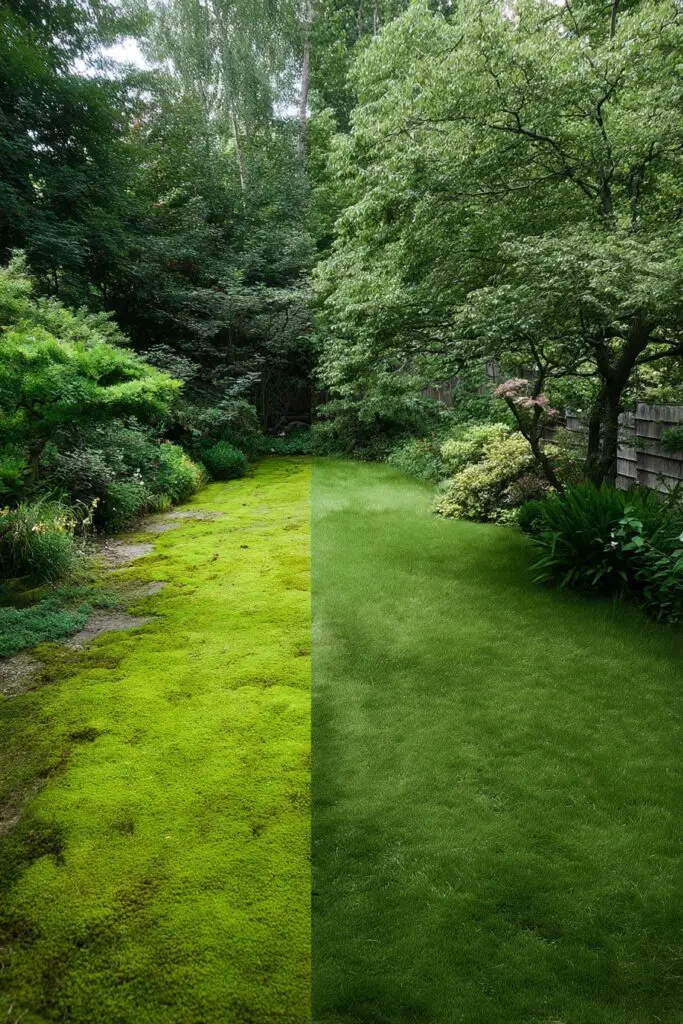
When comparing a traditional lawn to a moss garden, the differences are striking. While grass is the default in many Western landscapes, it comes with constant maintenance: mowing, watering, fertilizing, and weed control. Moss, on the other hand, offers a lush, green ground cover without any of that work.
Here’s why many gardeners now see moss as the better choice:
- No mowing required – moss stays low and dense naturally
- Thrives in poor soil and shade – unlike grass, which demands sunlight and rich soil
- No fertilizers or pesticides – moss is self-sustaining and chemical-free
- More eco-friendly – reduces water use and carbon emissions
- Visually unique – adds softness and serenity to any space
For those tired of the lawn-care cycle, a moss garden provides a peaceful, environmentally sound alternative that looks beautiful year-round.
The Environmental Benefits of Moss
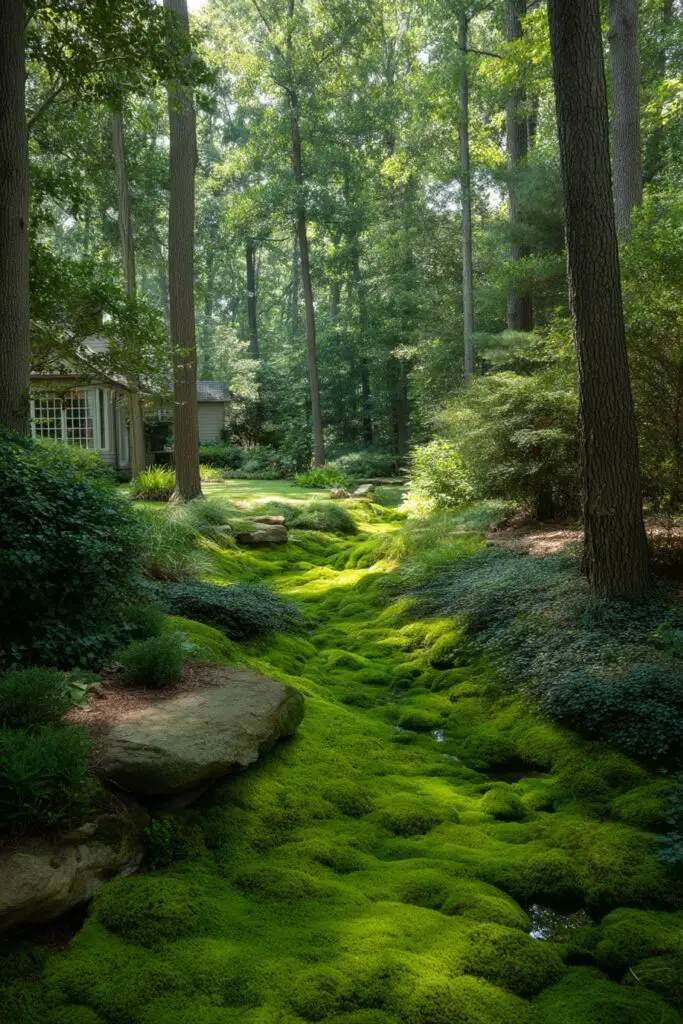
A moss garden does more than beautify your yard—it actively contributes to a healthier environment. Mosses are incredibly efficient at supporting ecological balance, making them an ideal choice for sustainable landscapes.
Why moss is a green choice:
- Air purification: Moss absorbs pollutants and fine dust particles from the atmosphere, helping clean the air around your home.
- Carbon reduction: Unlike turfgrass, moss doesn’t require fuel-burning equipment for upkeep.
- Supports biodiversity: Moss provides microhabitats for insects, frogs, and small organisms, enriching your garden’s ecosystem.
- No chemical runoff: Since moss doesn’t need fertilizers or herbicides, your garden stays toxin-free and safe for pets, kids, and wildlife.
- Water-saving: Moss uses far less water than grass and can survive dry spells without irrigation once established.
Replacing even a portion of your lawn with a moss garden can have a significant positive impact on your environmental footprint.
How to Start a Moss Garden
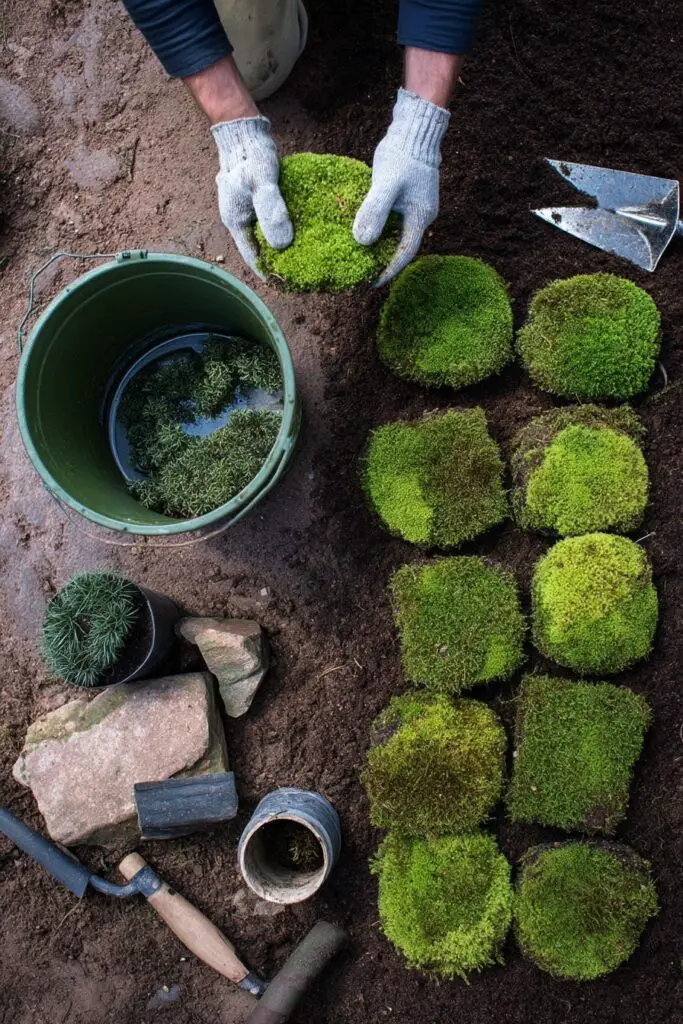
Starting a moss garden is surprisingly simple, especially when compared to laying sod or seeding grass. Moss doesn’t require tilling, fertilizing, or perfect soil—it just needs a bit of care in the beginning to establish itself.
Step-by-Step Guide to Creating a Moss Garden:
- Clear the Area
Remove grass, weeds, leaves, and debris until you have a bare soil surface. - Lightly Scratch the Soil
Use a rake or hand tool to roughen the surface. This helps the moss grip and anchor itself. - Prepare the Moss
If your moss is dry, soak it in water for a few minutes. Healthy, fresh moss can be planted directly. - Press It Down Firmly
Place the moss on the soil and press it in so it makes good contact. Walk on it gently to help it settle. - Water Thoroughly
Give the area a deep soak after planting and keep it consistently moist for 4–6 weeks while the moss establishes.
With a bit of patience, your moss garden will begin to spread, filling your yard with a velvety green layer that asks for very little in return.
Maintaining a Moss Garden
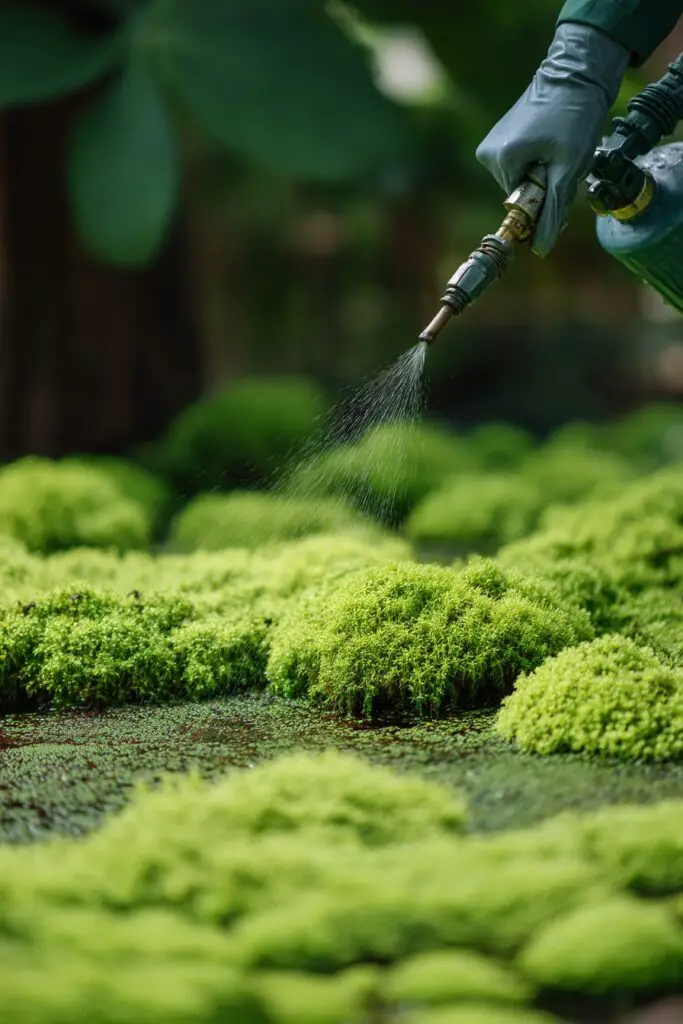
One of the biggest appeals of a moss garden is how easy it is to maintain. Unlike a traditional lawn, moss doesn’t grow tall, doesn’t need mowing, and thrives without constant attention.
Basic Moss Garden Maintenance Tips:
- No mowing needed: Moss naturally stays low—usually under 4 inches—so you can ditch the lawn mower entirely.
- Minimal watering: Once established, moss requires little water. Only dry summers or droughts may call for occasional misting.
- Skip the chemicals: Moss needs no fertilizer or pesticides. In fact, chemicals can harm it.
- Weed by hand: Regular hand-weeding is the best way to manage unwanted plants. Over time, thick moss growth will crowd out weeds.
- Clear fallen leaves: In autumn, gently remove leaves to prevent mold from forming beneath the moss.
- Watch for signs of drying: If the moss turns pale or brittle, give it a light watering to rehydrate it.
With just a few seasonal checks, your moss garden can stay lush and healthy with far less effort than a traditional lawn.
Can Moss Grow Better Than Grass?
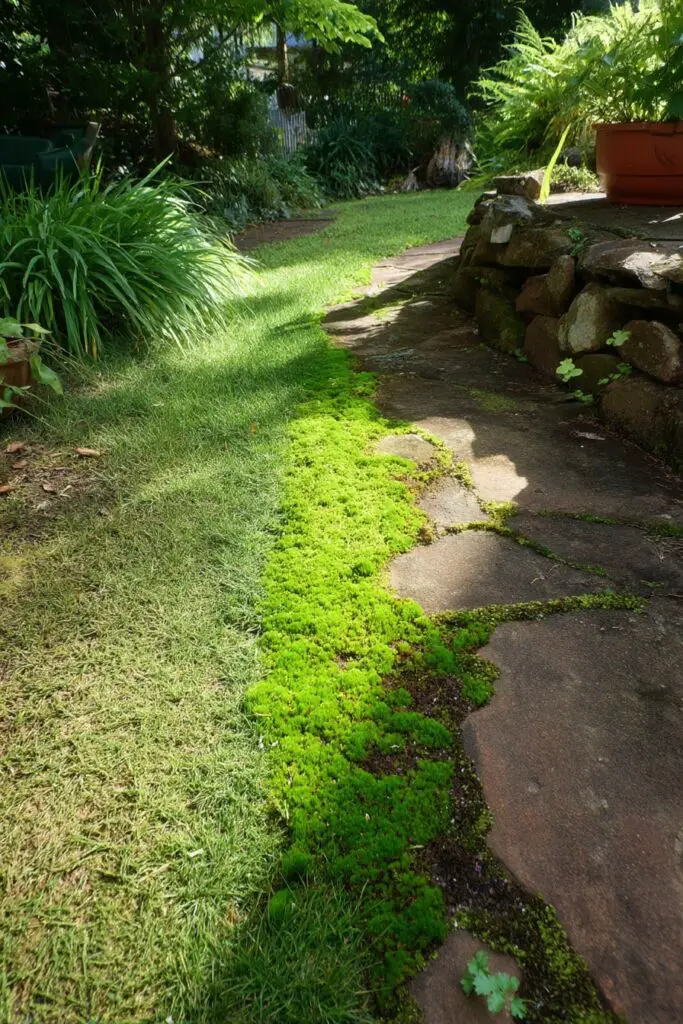
In the right conditions, a moss garden can outperform grass in both coverage and resilience. While grass often struggles in poor soil or shaded areas, moss thrives exactly where turf fails.
Here’s why moss is often the better grower:
- Adapts to poor soil: Moss doesn’t need fertile, well-aerated soil to grow. It can thrive in compacted, rocky, or even acidic ground.
- Grows in shade: Unlike most turfgrass, moss does well in low-light environments—perfect for wooded yards or shaded corners.
- Shallow roots: Moss doesn’t dig deep. It sits on the surface and spreads horizontally, forming a thick green mat.
- No need for topsoil: You don’t have to amend or enrich the soil. Just clear, dampen, and lay it down.
If you’ve struggled with patchy grass or bare spots, replacing those problem areas with moss can lead to a fuller, healthier-looking landscape without the hassle.
Can You Walk on a Moss Garden?
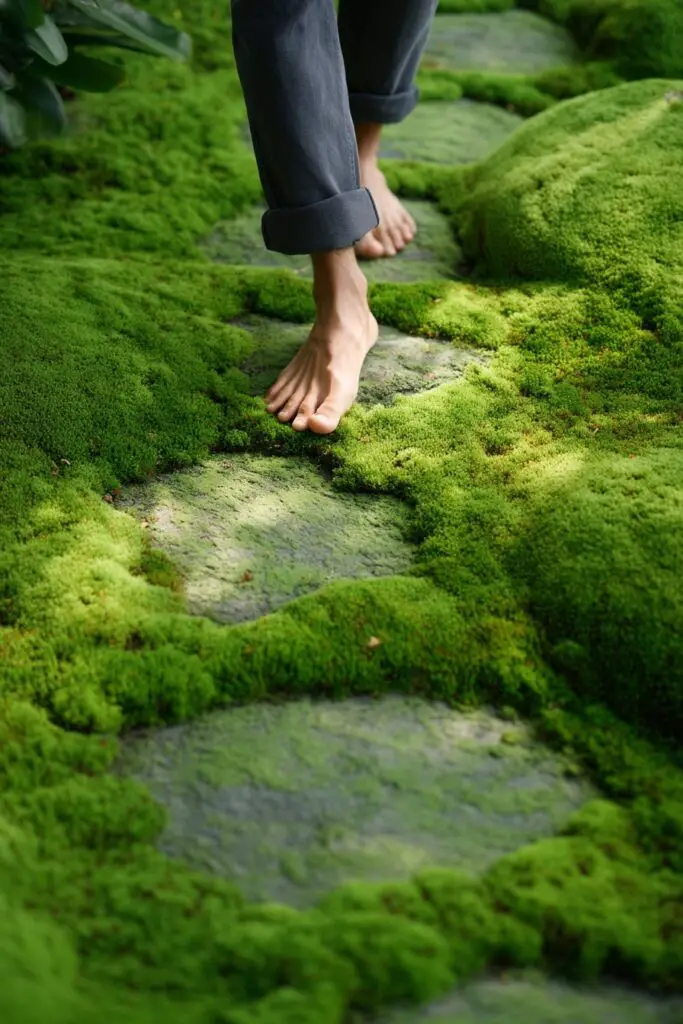
Yes, you can absolutely walk on a moss garden—in fact, gentle foot traffic can even help newly installed moss settle and root more securely.
What to Know About Walking on Moss:
- Tolerates light foot traffic: Most moss varieties are durable enough for occasional walking.
- Add stepping stones for high-use areas: To prevent wear, use natural stone or pavers along common paths.
- Feels soft underfoot: Moss has a spongy, slightly uneven texture that’s pleasant to walk on barefoot.
- Avoid heavy equipment or dragging items: Repeated pressure or dragging objects can damage the delicate surface.
While it won’t take the daily beating of a sports lawn, a moss garden is strong enough for everyday use, especially when designed with traffic flow in mind.
Do Moss Gardens Need Watering?
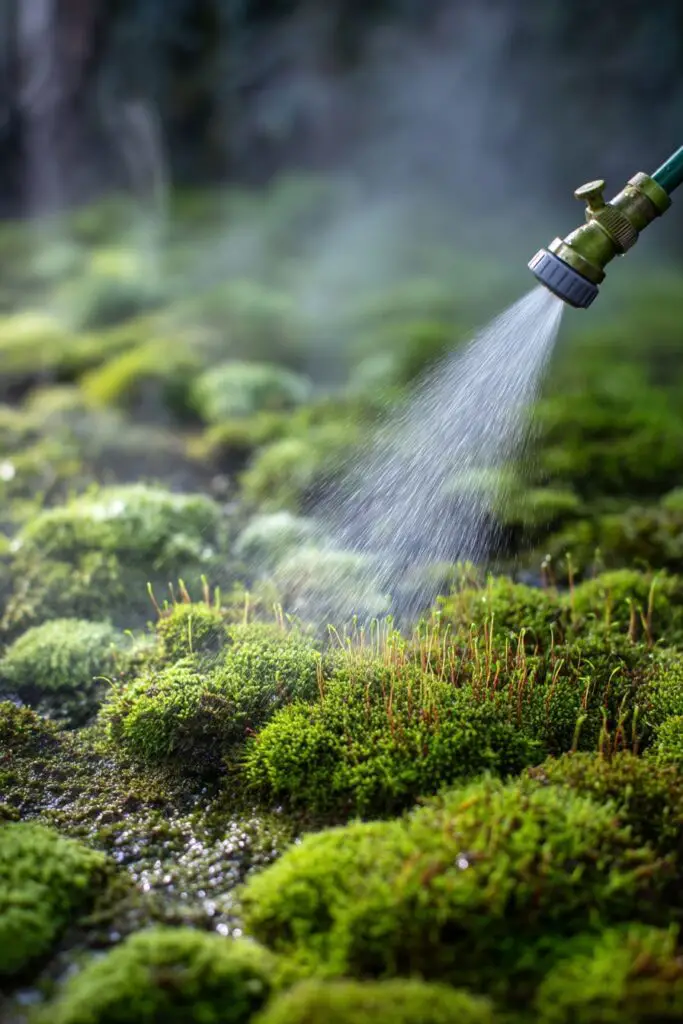
A moss garden is one of the most drought-tolerant ground covers you can plant. While it does need moisture during the early stages of establishment, mature moss is surprisingly self-sufficient.
Watering Tips for Moss:
- Initial phase (first 4–6 weeks): Keep the moss consistently moist to help it root and spread. Light, frequent watering is best.
- After establishment: Moss rarely needs supplemental watering unless you’re in a particularly dry climate or during extended droughts.
- Watch the color: Healthy moss is vibrant green. If it starts to look pale or brown, give it a light mist to rehydrate.
- Avoid overwatering: Moss doesn’t like soggy soil. Occasional misting is enough in most environments.
For those seeking a low-water landscape, a moss garden is an excellent choice that also keeps water bills in check.
Are Moss Gardens Expensive?
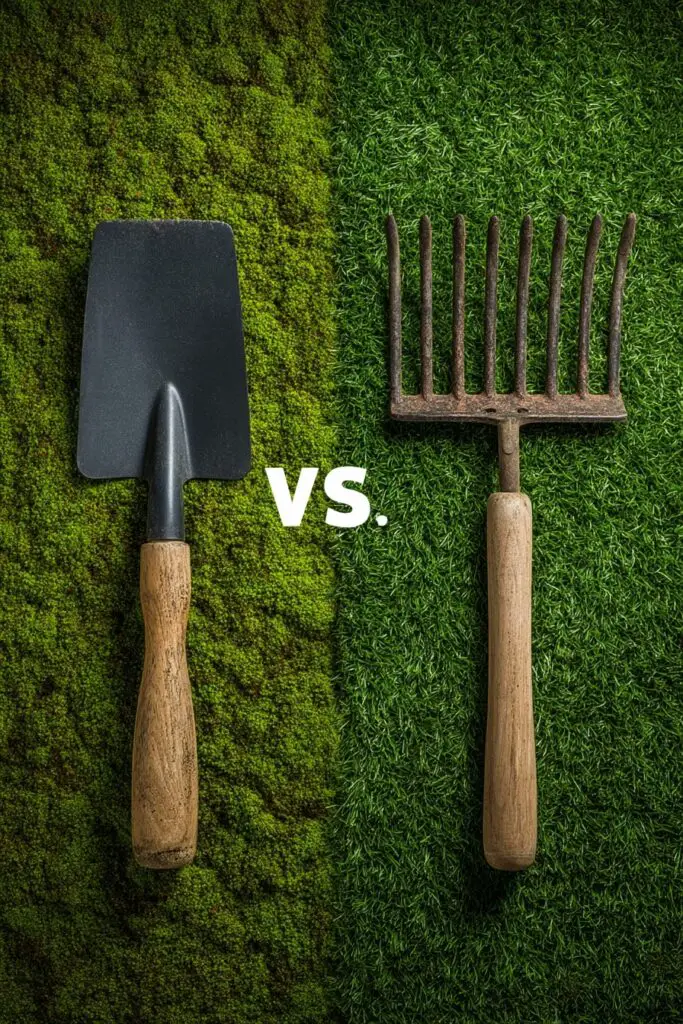
At first glance, starting a moss garden might seem costly compared to tossing down a bag of grass seed—but the long-term savings are where moss really shines.
Cost Breakdown:
- Initial cost: Purchasing moss can range from $4 to $10 per square foot, especially if you’re sourcing living mats or specialty varieties.
- Low maintenance = long-term savings: No mowing, fertilizers, herbicides, or expensive irrigation systems needed.
- Fewer tools required: Say goodbye to lawnmowers, edging tools, and sprinkler timers.
- Minimal replacements: Once established, moss is hardy and long-lasting, with few inputs required.
So while the up-front investment may be higher than grass seed, the reduced maintenance, lower water use, and increased longevity make a moss garden a smart, sustainable investment.
Conclusion
A moss garden is more than just a beautiful alternative to grass—it’s a smart, sustainable, and low-maintenance solution for modern yards. With its soft texture, deep green color, and eco-friendly benefits, moss transforms overlooked spaces into calming, natural retreats.
Whether you’re replacing a high-maintenance lawn or creating a tranquil corner in the shade, a moss garden delivers lasting beauty without the constant upkeep. It’s proof that less really can be more—especially when it comes to gardening.