
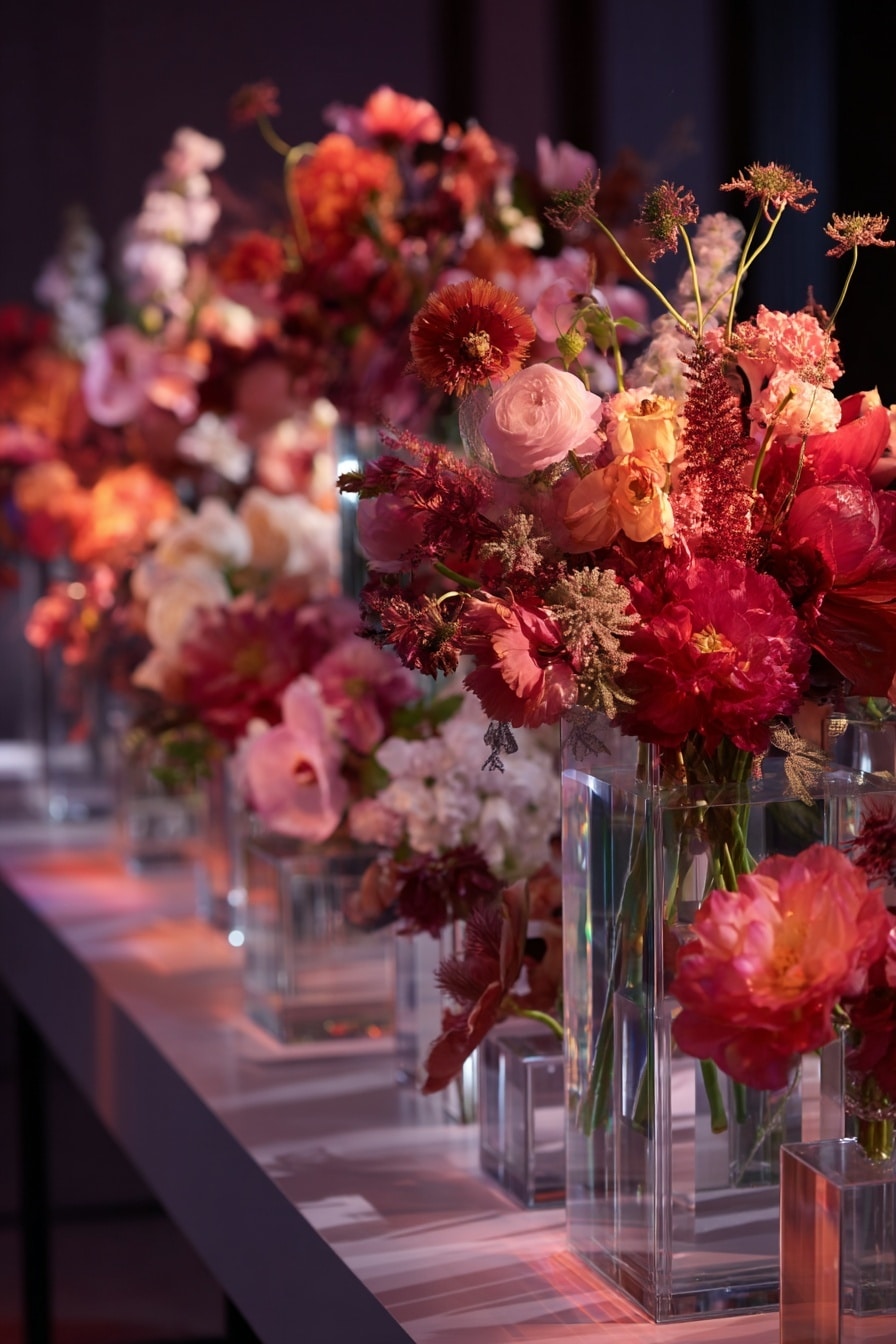
Floral design is more than arranging flowers—it’s an art form that brings beauty, emotion, and personal style into every space. Modern floral design has moved far beyond traditional bouquets, embracing minimalist lines, bold structures, and creative color choices. Whether you’re a florist looking to refresh your techniques or a home decorator seeking something fresh, mastering contemporary floral design opens up endless creative possibilities. This guide will walk you through seven modern techniques that blend simplicity with sophistication—perfect for anyone who wants to elevate their arrangements with intention and flair.
Table of Contents
🧰 1. Basics of Modern Floral Design

🎯 Key Principles
A successful floral design begins with the right foundation. Modern arrangements emphasize balance and harmony, ensuring that the composition looks appealing from every angle. Proportion and scale also matter—your flowers should feel well-suited to the size of the vase and the space they’re in. And every arrangement needs a focal point—a bloom or element that naturally draws the eye and anchors the entire design.
✂️ Essential Tools
To create clean, long-lasting floral designs, the right tools make all the difference. Sharp floral shears allow for precise cuts, helping stems absorb water more effectively. Floral foam or frogs provide support, especially for structured designs, and a variety of vases—from shallow bowls to tall cylinders—gives you flexibility to match each concept.
🎨 Developing Your Style
Finding your personal style in floral design is a journey. Start by experimenting with different flowers, shapes, and textures. Study designs that resonate with you—whether minimal, whimsical, or sculptural. Over time, your preferences will emerge, and your arrangements will begin to reflect your unique artistic voice.
🧪 2. Modern Techniques in Flower Arrangement
🌿 Ikebana-Inspired Arrangements
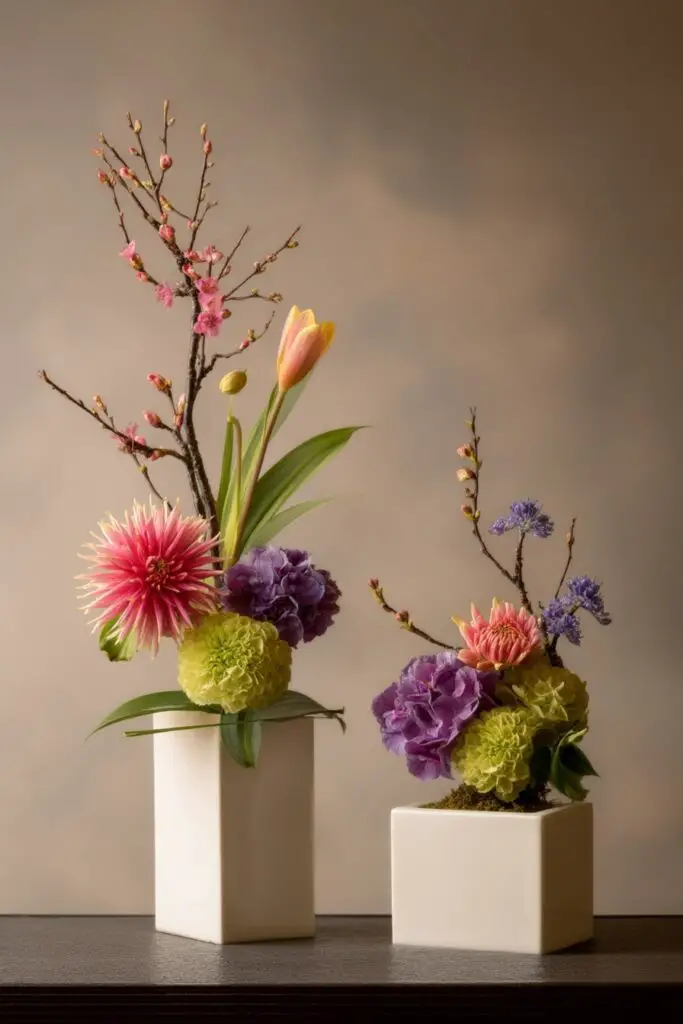
Modern floral design often draws from Ikebana, the Japanese art of flower arranging that values simplicity, shape, and balance. Two standout Ikebana techniques to try are:
- Moribana Style
This method uses shallow, wide containers with visible water, emphasizing horizontal space and natural flow. It’s ideal for creating serene, low-profile arrangements that feel calm and balanced. - Nageire Style
Designed for tall, narrow vases, Nageire arrangements highlight vertical movement and graceful lines. Stems are placed to look natural but purposeful, often arching or leaning slightly for a relaxed yet refined aesthetic.
🌍 Fusion Arrangements
Fusion-style floral design blends traditional techniques with modern flair. Think minimalist Scandinavian palettes mixed with tropical textures or classic European structure paired with wild, asymmetrical placement. These arrangements often incorporate non-traditional materials like branches, fabric, wire, or dried elements for visual contrast and depth.
🎨 Using Color Effectively
Color is a powerful tool in floral design. For bold, energetic arrangements, use contrasting colors like orange and purple or yellow and blue. For harmony and flow, opt for analogous palettes—colors next to each other on the color wheel, such as soft pinks and lavenders. Use color intentionally to express a mood, create focus, or guide the viewer’s eye through the arrangement.
🧩 3. Elements in Floral Design
➰ Line and Form
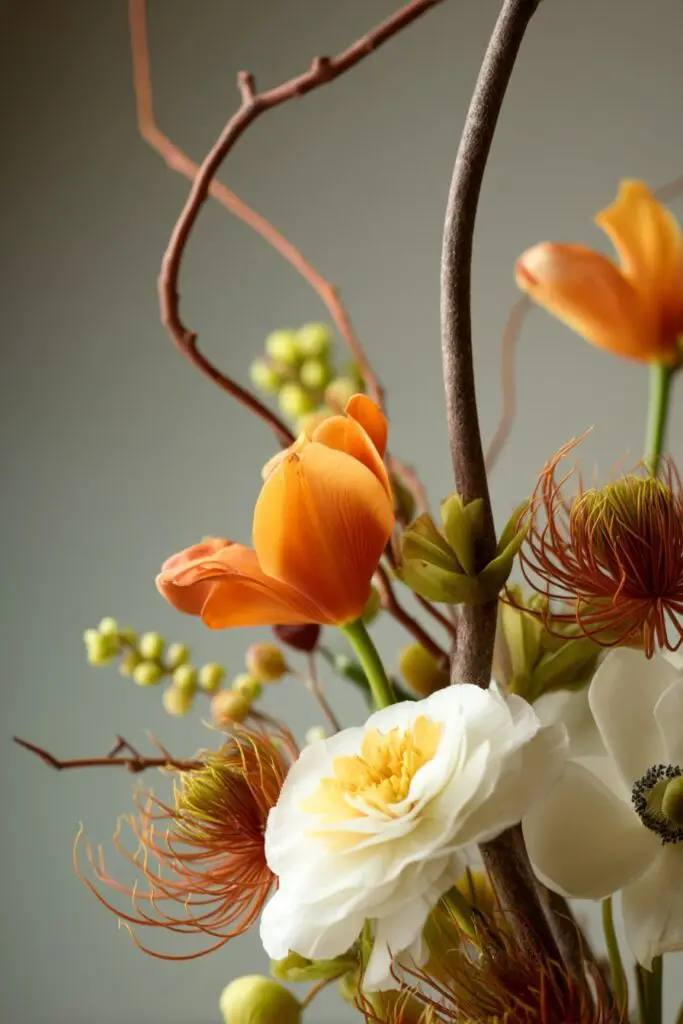
Every successful floral design starts with strong lines. Lines can be vertical, horizontal, curved, or diagonal, each creating a different mood. Vertical lines add energy and elegance, while horizontal lines suggest calm and stability. Curved lines bring movement and softness.
Form refers to the overall shape of the arrangement—like triangular, circular, or freeform. Paying attention to both line and form helps create structure and intentional flow, guiding the viewer’s eye naturally through the arrangement.
🕳️ Space Utilization
Negative space—the areas intentionally left empty—is just as important as the flowers themselves. In modern floral design, space adds clarity and lets each element shine. Overcrowding flowers can overwhelm the eye, while balanced spacing brings a sense of airiness and sophistication.
Varying height and depth adds dimension, making your arrangement visually interesting from every angle.
🧵 Texture and Pattern
Mixing textures creates visual contrast and invites closer inspection. Pair smooth petals with rough or fuzzy foliage. Use spiky elements like thistle next to soft blooms like ranunculus. You can also add patterned leaves—like variegated hosta or calathea—to break up solid blocks of color and add layers of complexity.
Texture gives a tactile richness that transforms a basic floral design into something memorable.
💖 4. Benefits of Floral Arranging
🧘 Mental Health Benefits
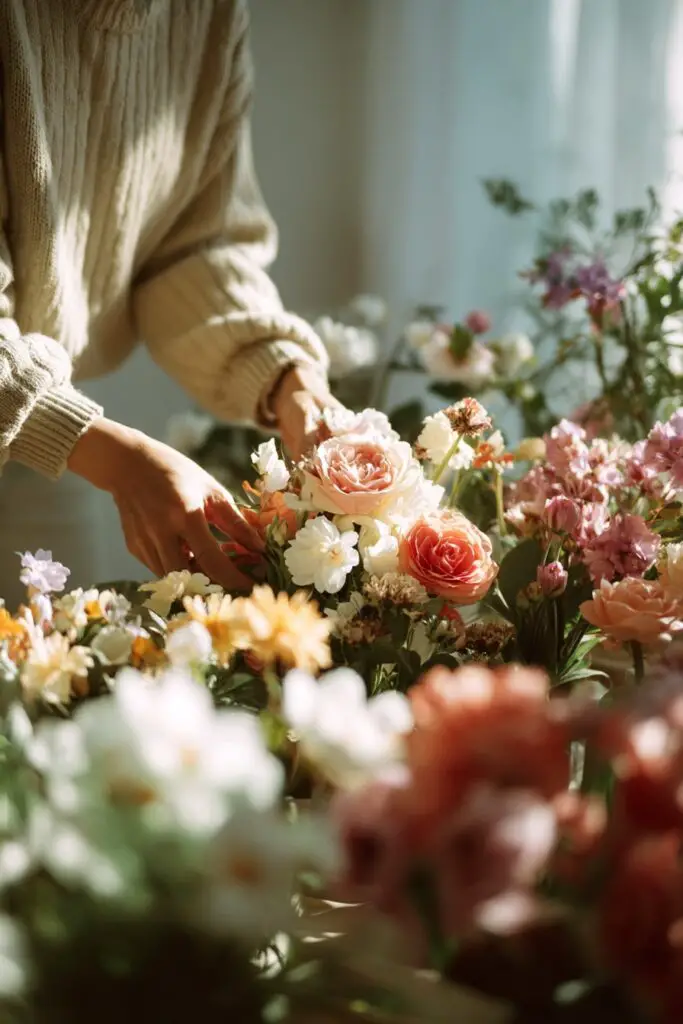
Working with flowers is more than a creative outlet—it’s a therapeutic practice. Arranging blooms encourages mindfulness, pulling your focus into the present moment. The soft textures, natural fragrances, and vibrant colors can lower stress levels and promote a sense of calm.
Many people find that regular floral design helps reduce anxiety and improves mood. Surrounding yourself with flowers—even ones you’ve arranged yourself—can lift your spirits on the toughest days.
🎨 Boosting Creativity
Floral design gives you permission to play. Each arrangement becomes a blank canvas for experimenting with color combinations, unusual shapes, or unexpected textures. There’s no single “right” way to design—just endless opportunities to express your style.
As you gain confidence, you’ll start thinking beyond the basics—mixing dried and fresh elements, bending stems, or repurposing everyday vessels into vases. Creativity blossoms through practice.
🏡 Enhancing Home Decor
Beyond the personal benefits, floral design also enhances your living space. A thoughtfully placed bouquet can brighten a dull room, soften a modern space, or bring warmth to a minimalist setting.
Designs can be matched to seasonal decor, color themes, or even your mood. And because you can change them regularly, floral arrangements become a dynamic part of your home’s identity.
🌼 5. Beginner’s Guide to Floral Design
🪻 Starting Tips
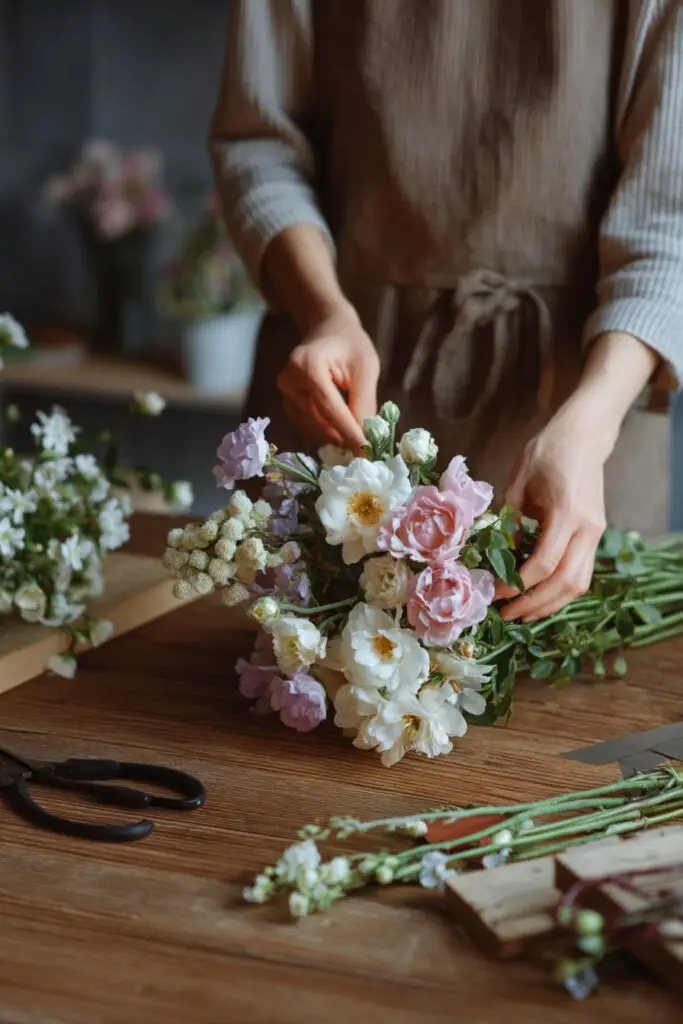
If you’re just getting started with floral design, simplicity is your best friend. Begin with small arrangements using 2–3 types of flowers and some greenery. This keeps the design process manageable while helping you understand balance and proportion.
Use clean tools, keep stems in fresh water, and trim them at an angle before arranging—these simple habits will make your flowers last longer and look better. Don’t rush. Take time to adjust placements and let your eye guide you.
🧺 Simple Arrangements to Try
Start with monobotanical designs—arrangements made with one flower variety. For example, all tulips or all carnations. This makes it easier to focus on shape and spacing without juggling clashing textures or colors.
Another great option is the “rule of three”: choose a focal flower, a filler flower, and greenery. Keep the design tight and compact in a small vase. As you get more comfortable, gradually move into asymmetrical or freestyle arrangements.
🚫 Common Mistakes to Avoid
One of the biggest beginner mistakes in floral design is using too many different flowers or colors at once. This can make an arrangement feel chaotic instead of cohesive.
Also avoid cutting stems too short too soon—once trimmed, you can’t go back. Always start longer and adjust as needed. Lastly, don’t forget hydration! Flowers fade quickly if not kept in water throughout the design process.
🌟 Conclusion: Elevate Your Space Through Modern Floral Design
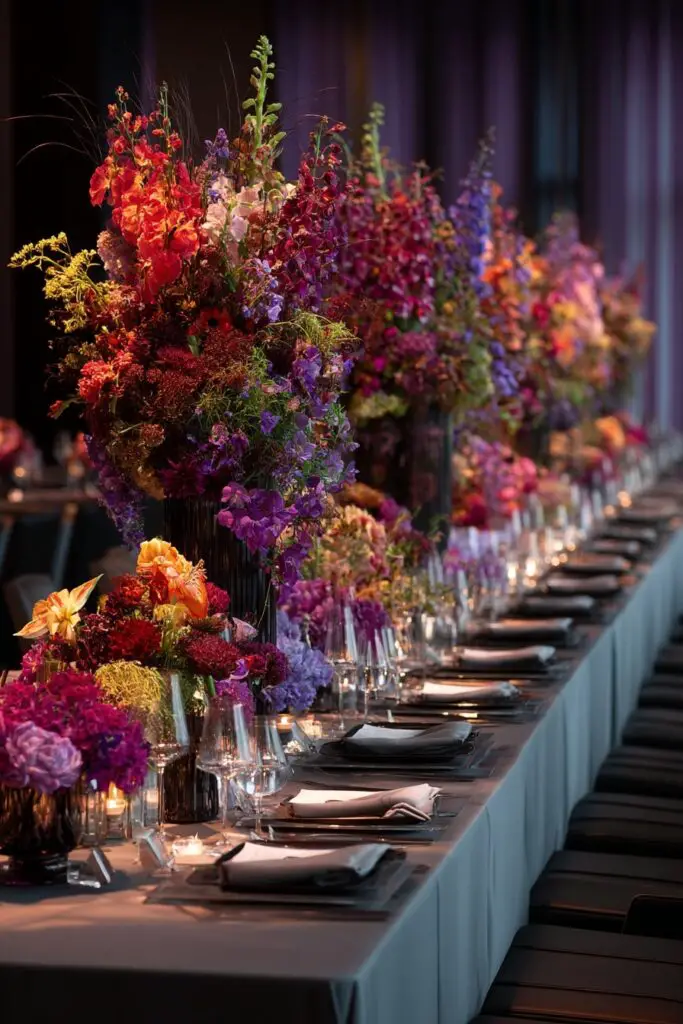
Floral design is more than arranging pretty flowers—it’s a form of expression, creativity, and self-care. Whether you’re experimenting with Ikebana styles, playing with bold textures, or simply brightening your space with fresh blooms, modern floral techniques offer endless ways to bring beauty into everyday life.
Start small, trust your instincts, and don’t be afraid to try new styles. With practice, your confidence will grow—and so will your unique design voice. Let your floral arrangements speak for you, one petal at a time.