
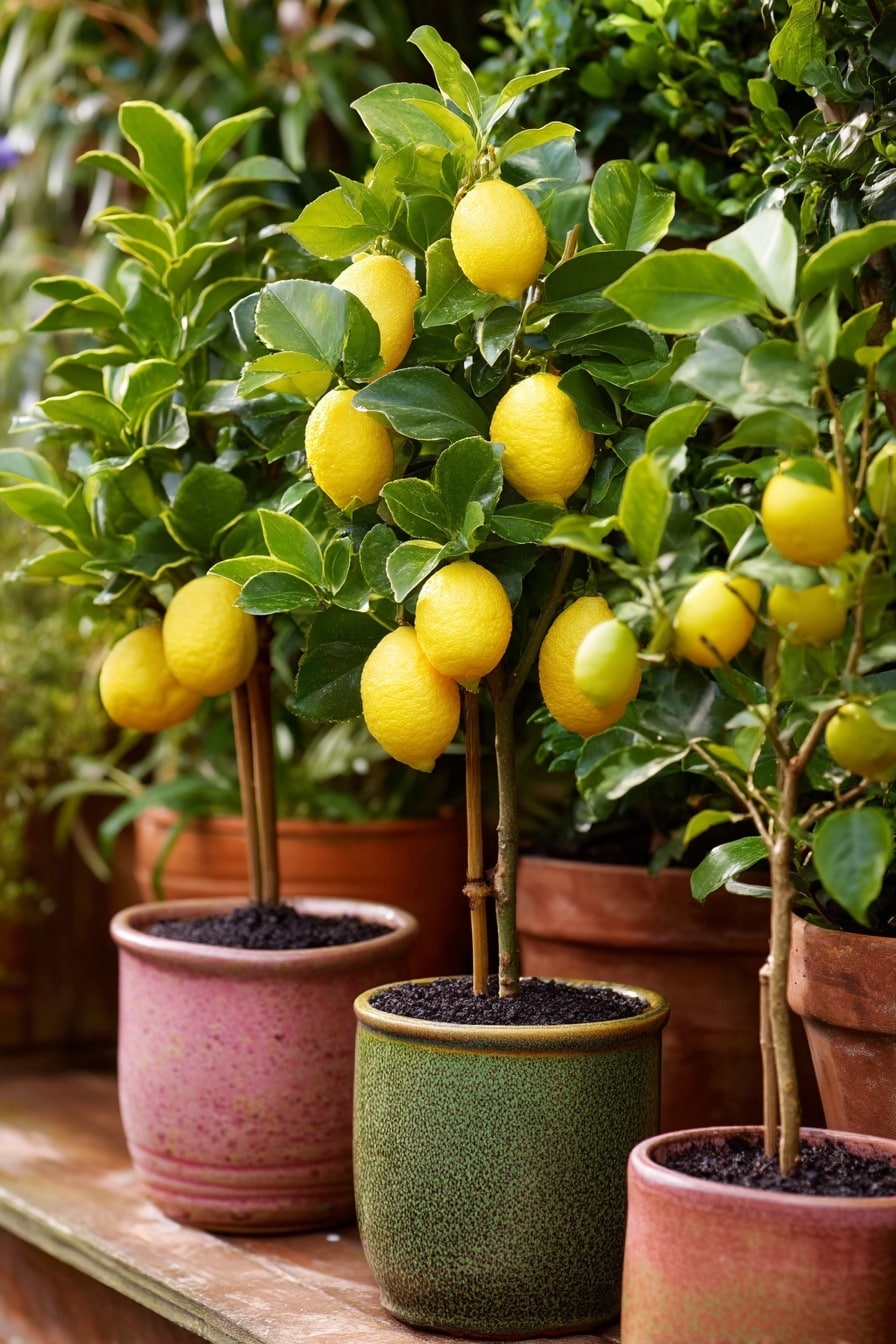
Lemon tree care is simpler than many people think—and the reward of picking sun-ripened citrus right from your backyard or windowsill is well worth the effort. Whether you live in a warm climate or plan to grow lemons indoors in a pot, learning how to grow a lemon tree successfully comes down to the right balance of sunlight, soil, water, and basic pruning. In this guide, we’ll walk you through everything from planting your first lemon tree to harvesting juicy fruits, troubleshooting pests, and choosing the best variety for your space.
Table of Contents
🌱 How to Plant a Lemon Tree

Choosing the right location is the first—and perhaps most important—step when planting a lemon tree. These citrus trees thrive in full sun, ideally getting at least 8 hours of direct sunlight daily. If you’re planting outdoors, pick a spot that’s sheltered from cold winds and has good drainage.
Lemon trees do best in warm climates, typically USDA Zones 9 to 11. In cooler zones, consider planting your lemon tree in a large container so it can be moved indoors during winter.
Dig a hole that’s twice as wide as the root ball but only as deep. Gently loosen the roots, place the tree in the hole, and backfill with a mix of native soil and compost. Water thoroughly after planting to help settle the roots.
If you’re planting in a container, choose one with ample drainage holes, and use a slightly acidic, well-draining soil mix. A lightweight citrus potting mix with perlite or sand is ideal for potted lemon trees.
🌞 Basic Lemon Tree Care
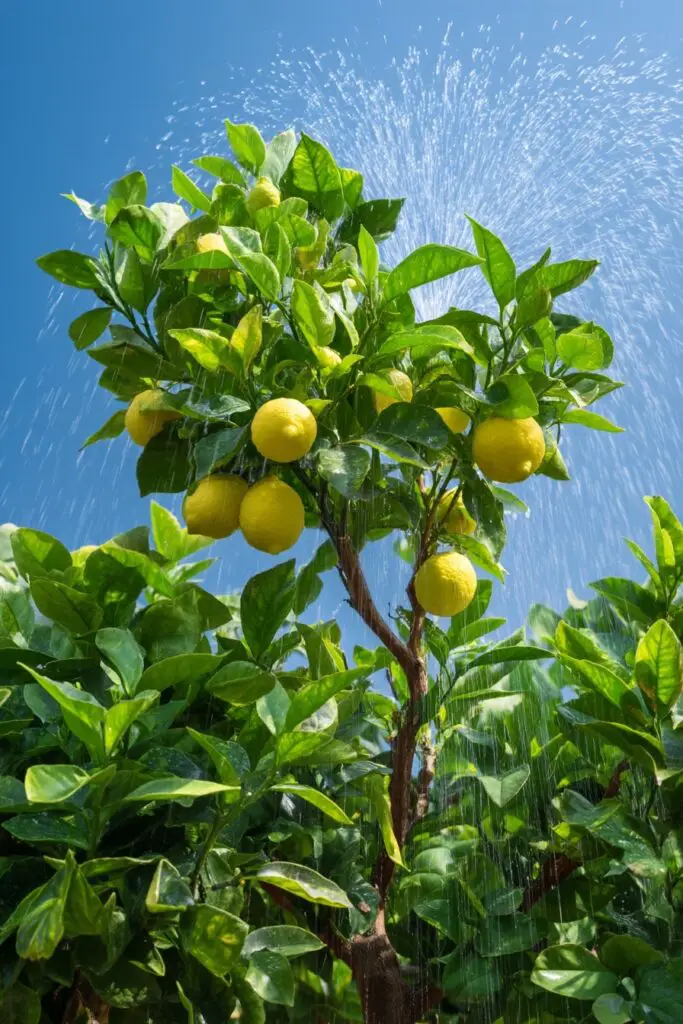
Caring for a lemon tree doesn’t require a green thumb—just consistency. Once planted, your tree will thrive with proper watering, the right light conditions, nutrient-rich soil, and occasional feeding.
💧 Water & Light Requirements
Lemon trees love the sun. For best growth and fruit production, make sure your tree receives 8 to 10 hours of direct sunlight daily. Outdoor trees should be placed in the sunniest part of your yard. Indoor trees benefit from a south-facing window or supplemental grow lights if natural light is limited.
When it comes to watering, the soil should stay evenly moist but never soggy. Overwatering can cause root rot, while underwatering may lead to yellow leaves and poor fruiting. Check the top 2 inches of soil—if it feels dry, it’s time to water.
🌱 Soil & Fertilizer Needs
Lemon trees thrive in slightly acidic, well-draining soil with a pH between 5.5 and 6.5. Poor drainage is a common reason for slow growth or root issues.
Feed your lemon tree regularly during the growing season—usually from spring through late summer—using a high-nitrogen citrus fertilizer. Look for one with micronutrients like magnesium, iron, and zinc to promote healthy foliage and fruit development. Always follow package directions and avoid over-fertilizing.
✂️ Pruning Lemon Trees
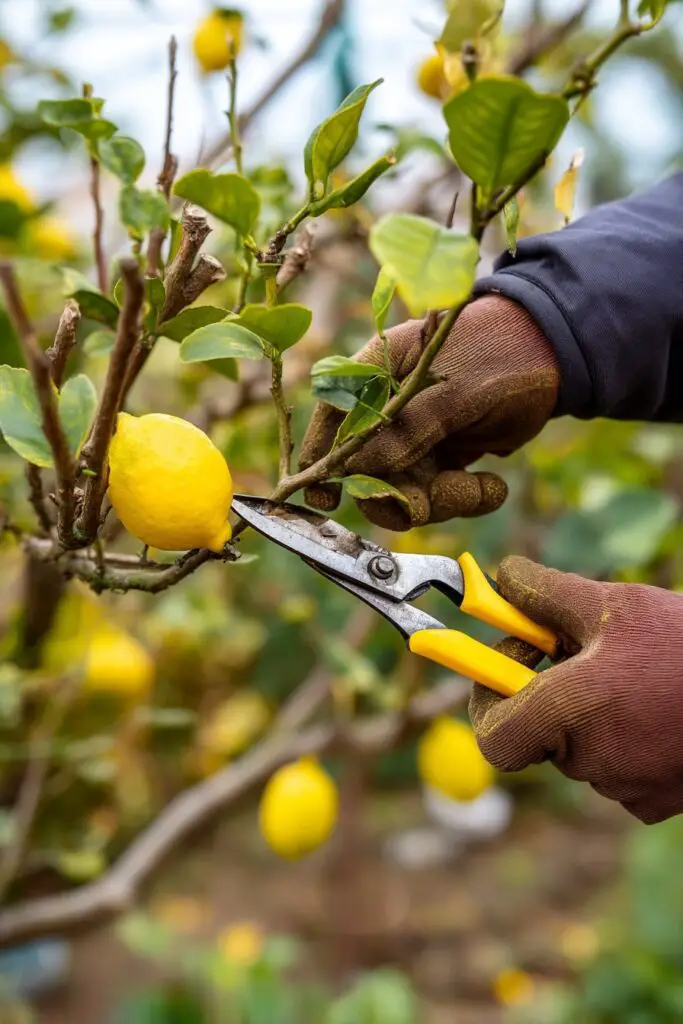
Proper pruning keeps your lemon tree healthy, shapely, and productive. While lemon trees don’t require heavy pruning like some fruit trees, a little maintenance goes a long way.
🪴 Pruning Young Lemon Trees
In the early years, focus on removing suckers—those fast-growing shoots that sprout from below the graft line. These don’t bear fruit and can drain energy from the tree. You should also clip off any water sprouts—thin, upright shoots that grow inside the canopy and crowd other branches.
🍋 Pruning Mature Trees
Once your lemon tree starts fruiting (typically around 3 to 5 years old), prune annually to remove:
- Dead, diseased, or damaged wood
- Crossing or inward-growing branches
- Branches that are too low or touch the ground
Good air circulation and light penetration are essential for reducing disease and encouraging quality fruit. Aim to prune in late winter or early spring, just before new growth begins.
Avoid over-pruning, as this can stress the tree and reduce fruit yield. Always use clean, sharp pruning shears, and make cuts at a slight angle just above a bud or branch junction.
🌿 Propagating Lemon Trees
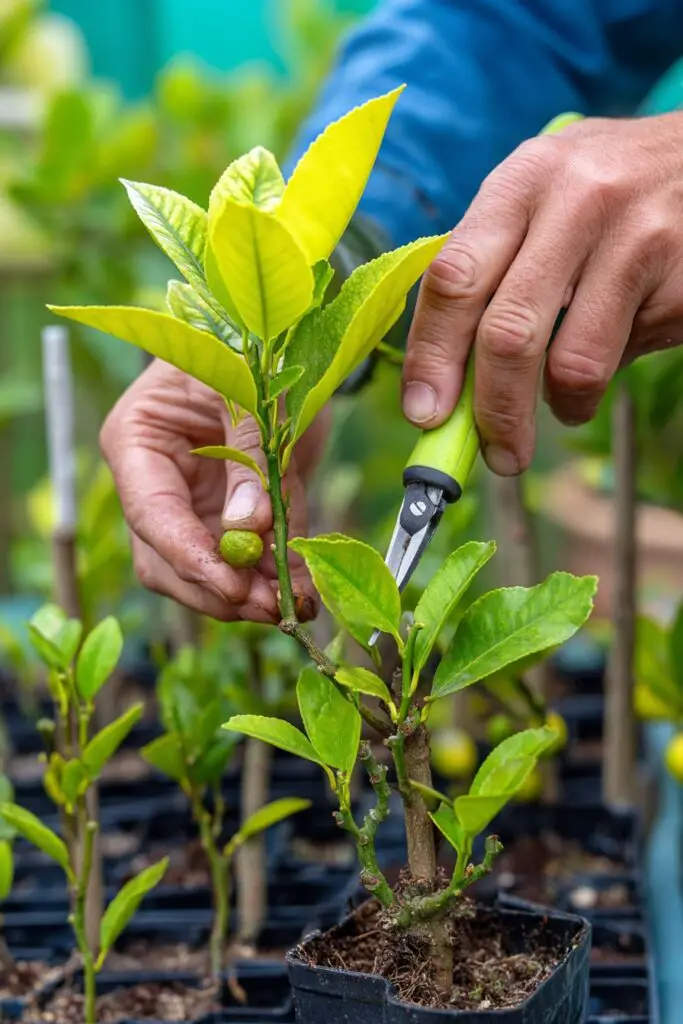
If you’ve fallen in love with growing your own lemon tree, you might be tempted to grow more. Fortunately, lemon trees can be propagated in a few different ways, depending on your goals and patience.
🌱 Grafting & Budding (Best for Reliable Results)
Most lemon trees are propagated by grafting or budding onto hardy rootstocks. This method ensures the new tree inherits all the characteristics of the parent—like fruit size, flavor, and disease resistance.
Grafting involves joining a branch (called a scion) from a mature lemon tree onto the rootstock of a compatible citrus plant. This is the most common method used by nurseries and guarantees a consistent and productive tree.
🍋 Growing from Seed (Fun, But Unpredictable)
Yes, you can grow a lemon tree from seed—but there’s a catch. Trees grown this way often don’t resemble the parent tree and may take 5–15 years to bear fruit (if they do at all). Still, it’s a fun experiment and can make a great ornamental or indoor plant.
To try it: clean a fresh lemon seed, plant it in well-draining soil, and keep it moist and warm. Germination takes 2–4 weeks.
🐛 Common Pests & Diseases
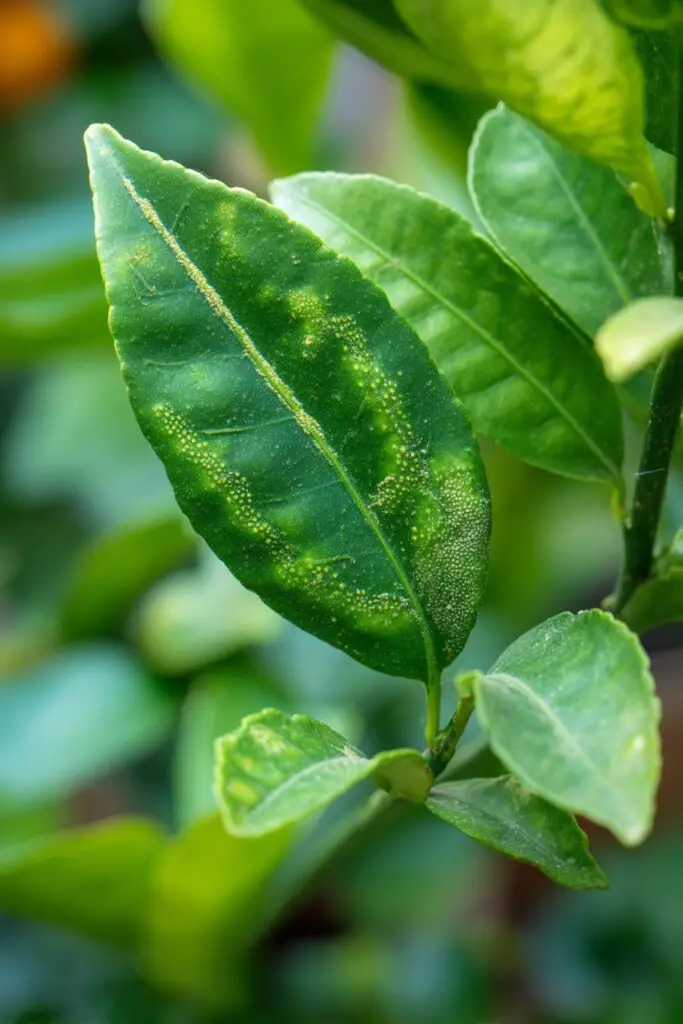
Even the healthiest lemon tree can run into issues from time to time. Knowing what to watch for—and how to respond early—can help you keep your tree thriving.
🕷️ Common Pests
- Aphids – Small green or black insects that cluster on new growth and suck plant sap. They can cause curled leaves and sticky residue (honeydew).
- Citrus Leafminer – These tiny moth larvae burrow into young leaves, leaving behind squiggly trails and distorted growth.
- Mealybugs & Scale – Both pests feed on sap and appear as white, cottony spots or small brown bumps on stems and leaves.
- Red Spider Mites – Especially common in dry conditions, these mites cause stippled, yellowing leaves and fine webbing.
Regularly inspecting leaves (top and underside) helps catch infestations early. Spray with neem oil or insecticidal soap as a natural control, and encourage beneficial insects like ladybugs.
🍄 Common Diseases
- Sooty Mold – A black, powdery fungus that grows on honeydew left by pests. It doesn’t attack the tree directly but can block light from reaching leaves.
- Citrus Canker – Causes raised, brown lesions with yellow halos on leaves and fruit. Highly contagious; prune affected areas and disinfect tools.
- Anthracnose & Brown Spots – Fungal issues that cause spotting and leaf drop, especially in wet or humid conditions.
- Lemon Scab – Leaves and fruit develop rough, corky spots; prune and remove infected plant material.
Good airflow, proper spacing, and clean pruning practices help prevent most problems before they start.
🍋 Harvesting Lemons
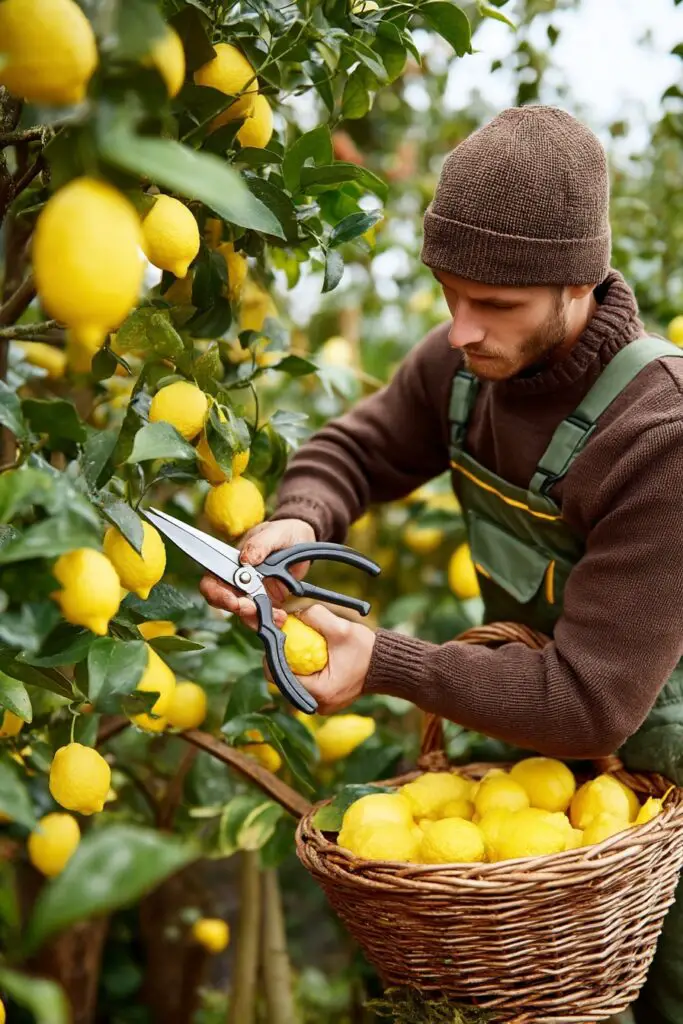
Knowing when to harvest your lemon tree is key to enjoying fruit that’s juicy, tangy, and full of flavor. Lemons don’t continue to ripen once picked, so timing matters.
🟡 When Are Lemons Ready to Pick?
Lemons are typically ready to harvest 6 to 9 months after flowering, depending on the variety and growing conditions. You’ll know it’s time when:
- The fruit is fully yellow (or nearly so—some varieties may have a slight green tint at maturity)
- Lemons feel firm but slightly soft when gently squeezed
- They’ve reached 2 to 3 inches (5–7.5 cm) in diameter
If you’re unsure, pick one and cut it open. If the juice is plentiful and the flavor is bright, the rest are likely ready too.
✂️ How to Harvest Lemons
Use clean, sharp pruners or garden scissors to snip the fruit off the tree, leaving a short stem attached. Avoid pulling or twisting, as this can damage the branch or fruit.
Check your tree regularly—lemon trees often produce multiple harvests per year, especially varieties like Improved Meyer.
Freshly harvested lemons can be stored at room temperature for up to a week or in the refrigerator for 3 to 4 weeks.
🪴 Growing a Lemon Tree Indoors
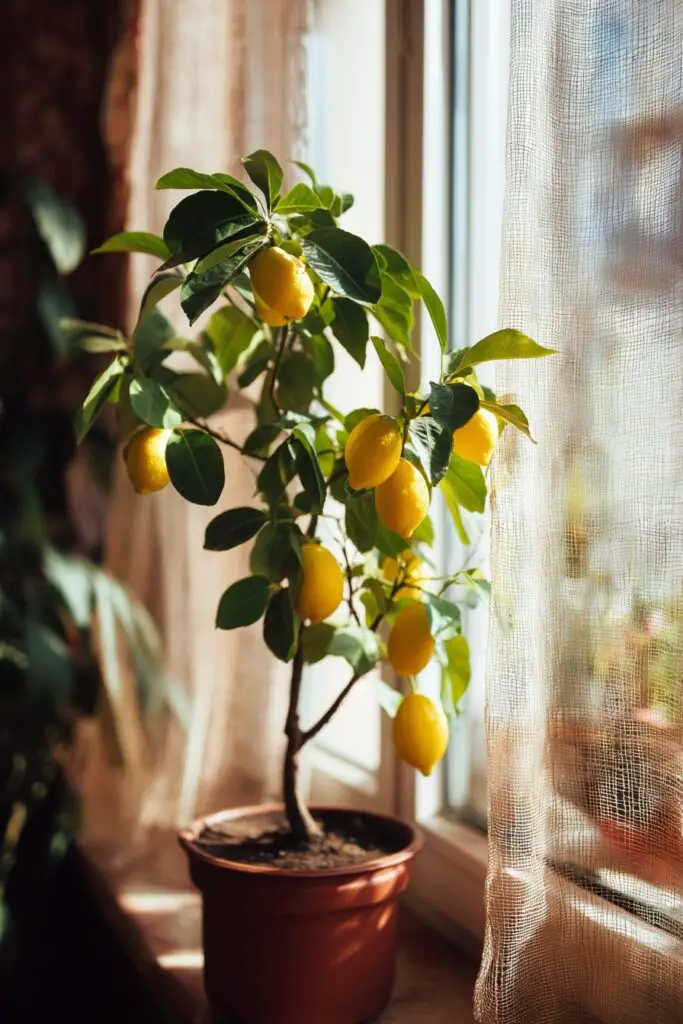
If you live in a region where winters dip below freezing, don’t worry—your lemon tree can thrive indoors with the right setup. Many gardeners enjoy year-round greenery and occasional fruit by growing lemons in containers inside their homes.
🌞 Light & Temperature
Indoor lemon trees still need 8–10 hours of bright light per day. Place your tree near a south-facing window or use a full-spectrum grow light to keep it healthy and blooming.
Lemon trees prefer consistent temperatures:
- Daytime: Around 70°F (21°C)
- Nighttime: Not below 55°F (13°C)
Avoid placing the tree near cold drafts, radiators, or heat vents, which can stress the plant.
🪴 Choosing the Right Container
Pick a container that’s at least 12–16 inches wide, has good drainage holes, and is deep enough to accommodate root growth. Use a well-draining, slightly acidic citrus potting mix for best results.
💦 Indoor Care Tips
- Water when the top inch of soil feels dry
- Mist leaves or use a humidity tray during dry winter months
- Rotate the tree regularly so it grows evenly
- Fertilize monthly during the growing season with a citrus fertilizer
Indoor lemon trees may not fruit as heavily as outdoor ones, but with care, they’ll provide beautiful foliage, fragrant blossoms, and even small harvests.
🌳 Popular Lemon Tree Varieties
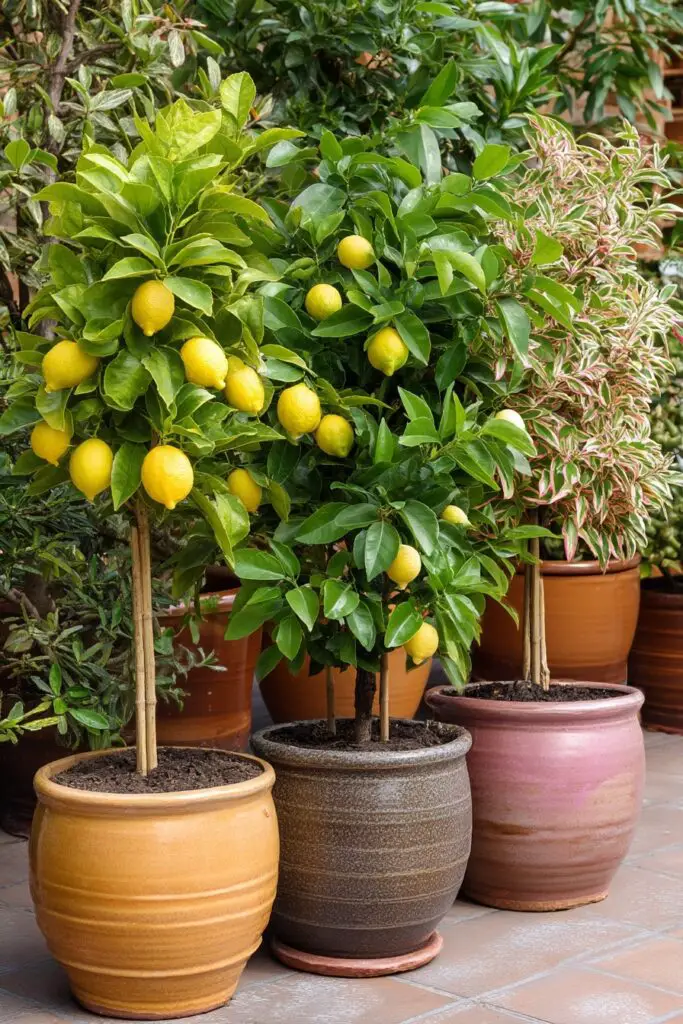
When choosing a lemon tree, the variety you select can make a big difference in flavor, size, cold tolerance, and harvest time. Here are a few of the most popular types for home gardeners:
🍋 Eureka Lemon
One of the most commonly grown lemon varieties, Eureka is known for its classic tart flavor and nearly year-round production in warm climates. It grows vigorously and is ideal for in-ground planting in USDA Zones 9–11.
- Harvest: Winter and spring
- Fruit: Medium to large, acidic
- Growth: Upright with minimal thorns
🍃 Pink Variegated Eureka
A showstopper in both taste and appearance, this variety features green-and-cream variegated leaves and lemons with pink flesh and striped rinds when immature. It’s a favorite for both ornamental and edible use.
- Best for: Gardeners who want both beauty and flavor
- Requires: Full sun and well-drained soil
🌟 Improved Meyer Lemon
A hybrid between a lemon and a mandarin orange, the Improved Meyer is beloved for its sweet, low-acid flavor and nearly year-round fruiting. It’s more cold-tolerant than traditional lemons and an excellent choice for container growing indoors.
- USDA Zones: Hardy down to Zone 8
- Ideal for: Indoor gardeners and cool climates
- Fruit: Thin-skinned, deep yellow, juicy
✅ Conclusion: Enjoy the Fruits of Your Lemon Tree
Caring for a lemon tree is a rewarding journey that brings beauty, fragrance, and homegrown citrus into your life. Whether you’re planting in a sunny yard or nurturing a tree indoors, the right combination of light, water, soil, and care can turn your lemon tree into a thriving, fruit-bearing companion.
From choosing the best variety to managing pests and harvesting at the right time, every step builds your confidence as a citrus grower. With patience and consistency, your lemon tree can provide fresh, flavorful fruit for years to come.