
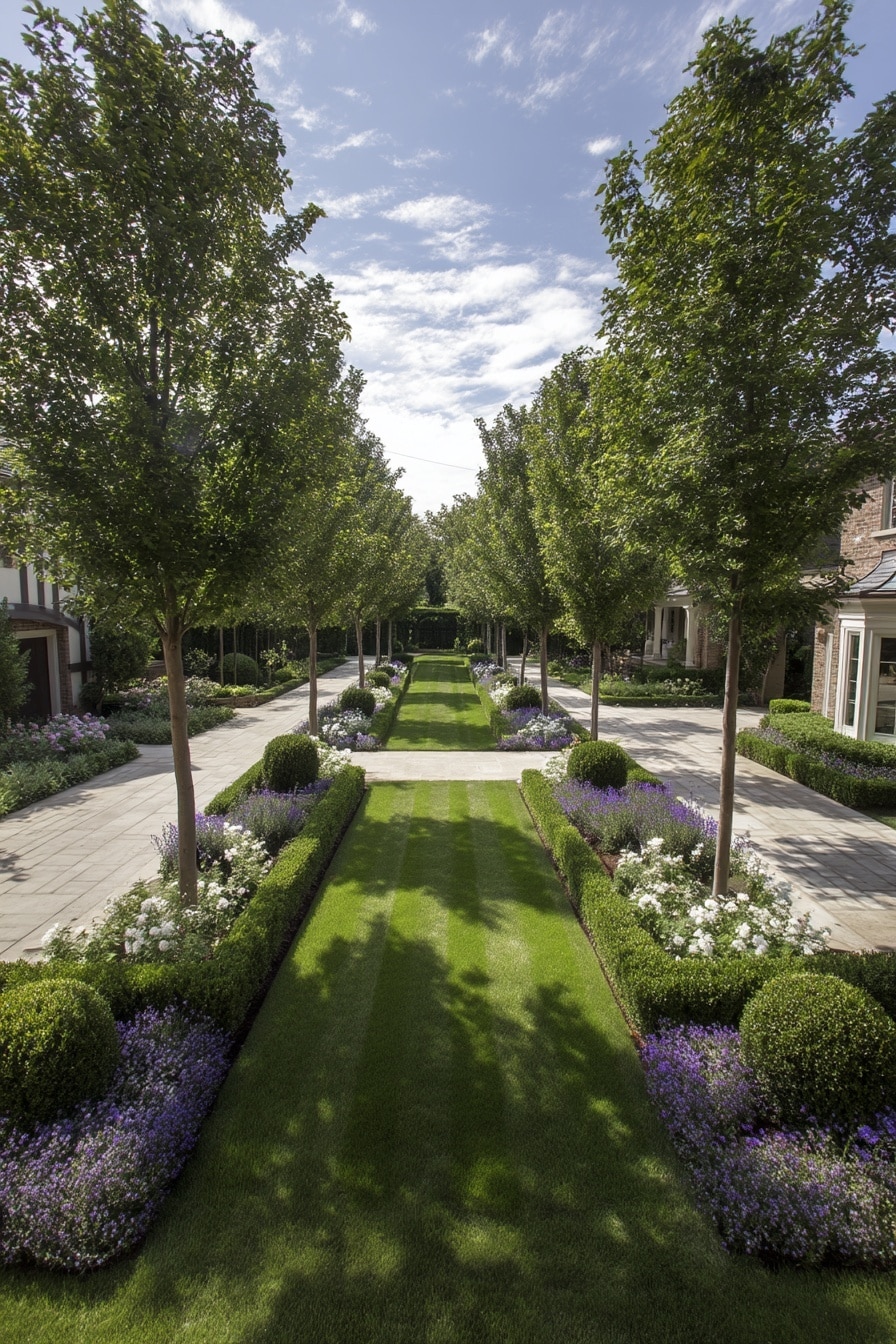
Landscape design is the art of shaping your outdoor space to be both beautiful and functional. Whether you’re working with a small backyard or an open front yard, good landscape planning creates harmony between plants, structures, and the natural environment. For beginners, understanding a few core principles can make the process feel much less overwhelming. From choosing the right elements to arranging them with balance and purpose, landscape design offers a creative path to transform your yard into a space you’ll love spending time in.
Table of Contents
6 Basic Principles of Landscape Design

A successful landscape design doesn’t happen by accident—it follows key principles that guide layout, structure, and flow. These six core ideas help you create a balanced and inviting outdoor space that feels natural and intentional.
1. Proportion
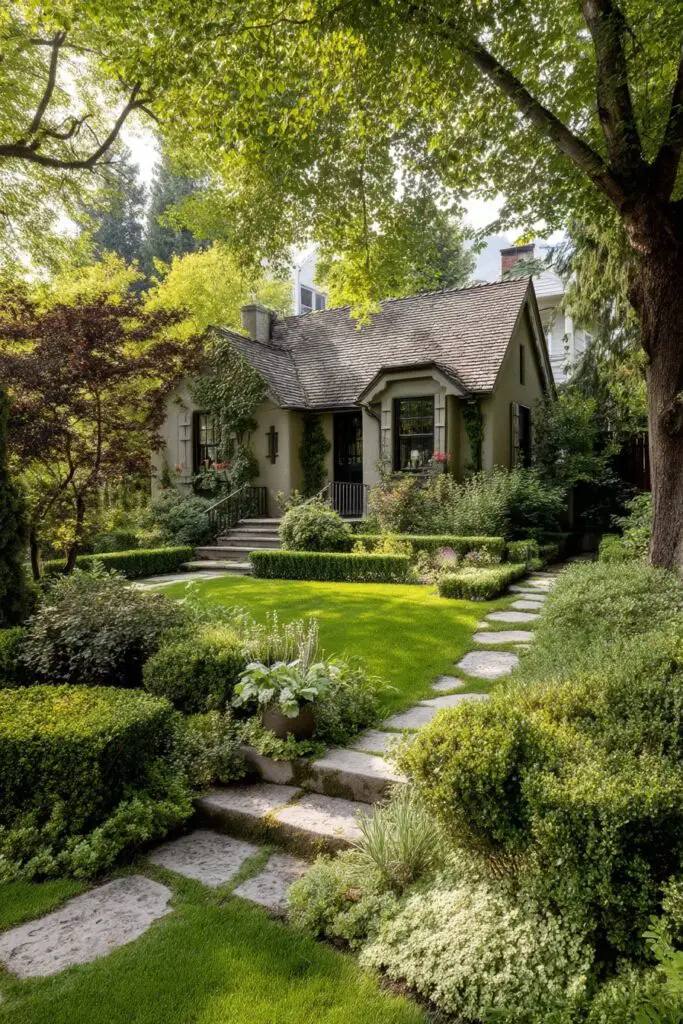
Proportion is all about size relationships. In landscape design, it means making sure each element—plants, trees, walkways, or garden beds—fits comfortably within the overall space. A large boulder might work in a spacious yard but overwhelm a small garden. Keep your features in scale with your home and surroundings to maintain visual balance.
2. Transition
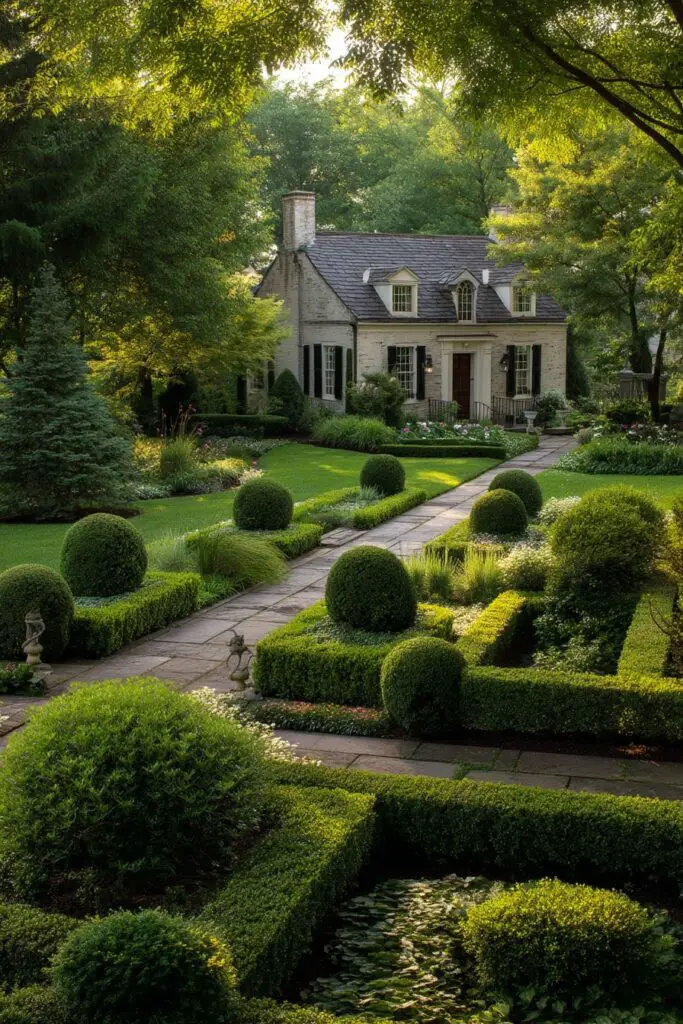
Transition helps the eye move smoothly from one part of the landscape to another. This is usually achieved by gradually changing plant height, size, or color. For example, use medium shrubs between tall trees and groundcovers to soften the shift. Avoid abrupt changes—they can make a landscape feel disconnected or crowded.
3. Unity
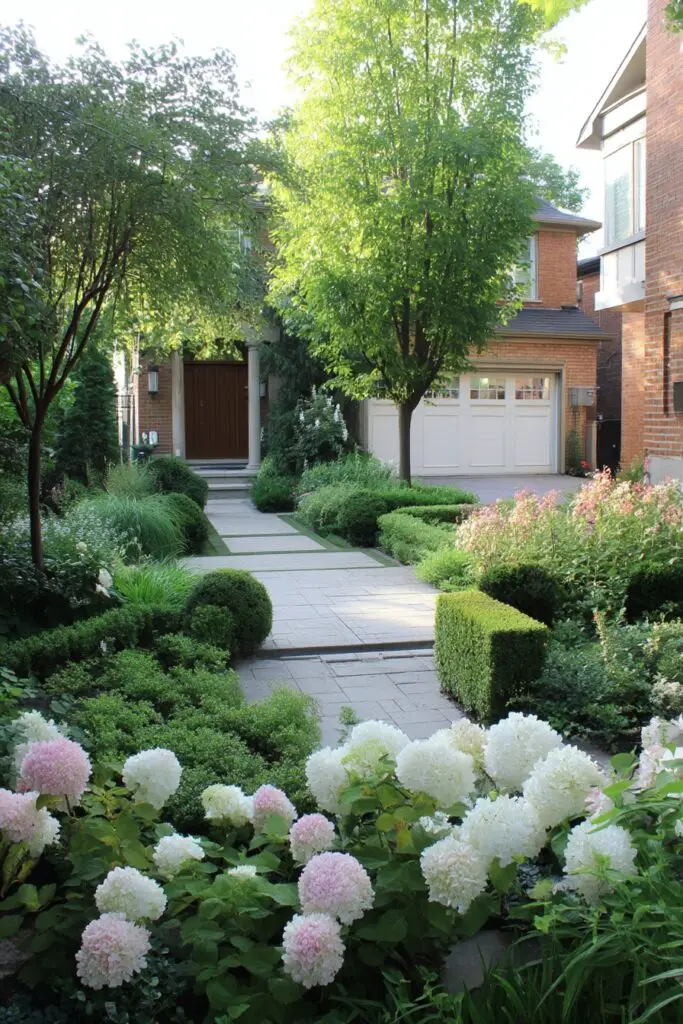
Unity ties all parts of your landscape together. This could be done through repeated plant forms, similar textures, or consistent colors. For example, using the same type of edging or mulch throughout helps unify different beds and areas. A cohesive design feels calm and well thought-out.
4. Rhythm
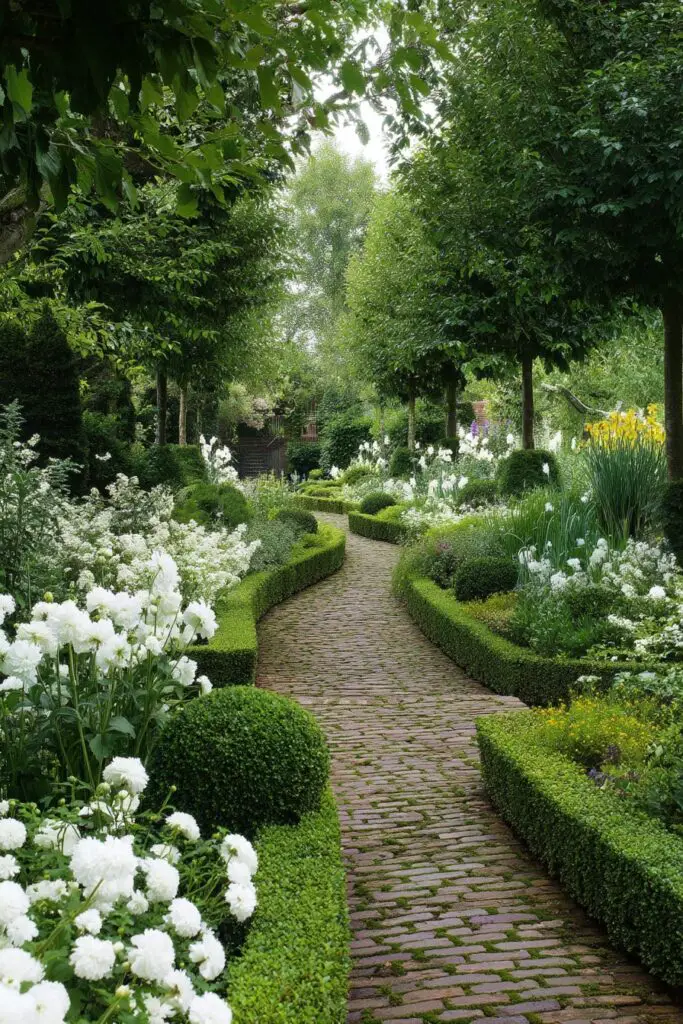
Rhythm in the landscape is created by repeating elements—like planting the same type of bush along a path or using pavers at regular intervals. This repetition leads the viewer’s eye through the space in a deliberate way. A well-paced rhythm keeps the garden visually interesting and easy to follow.
5. Balance
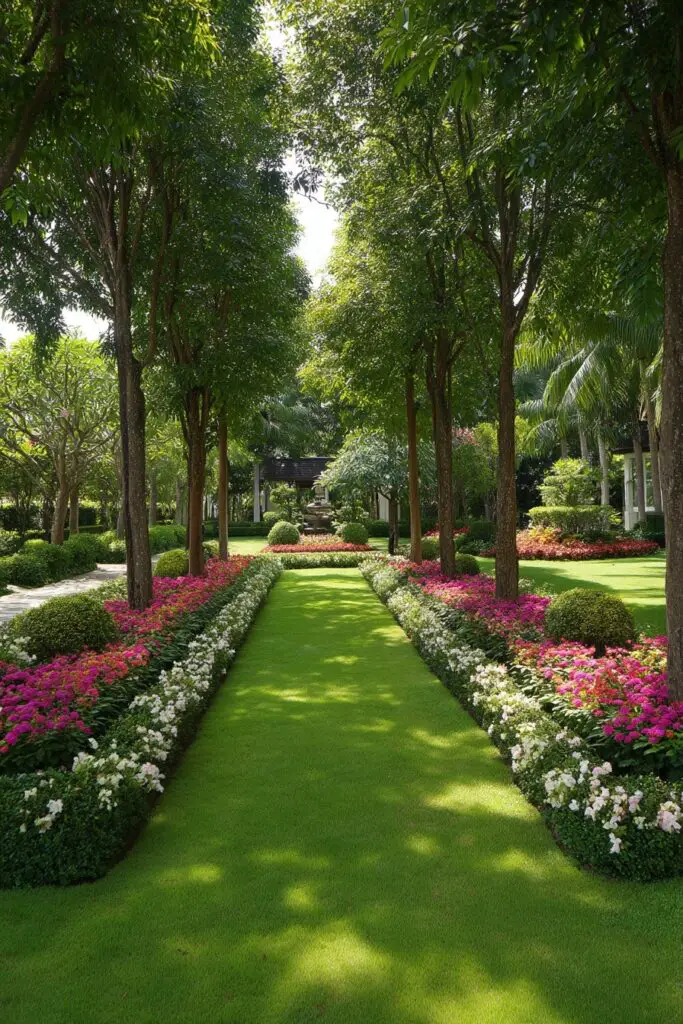
Balance gives your landscape a sense of stability. You can achieve it in two ways: symmetrically (both sides mirror each other) or asymmetrically (different elements that still feel evenly weighted). For instance, a tall tree on one side of the yard can be balanced by a grouping of shrubs on the other side.
6. Focalization
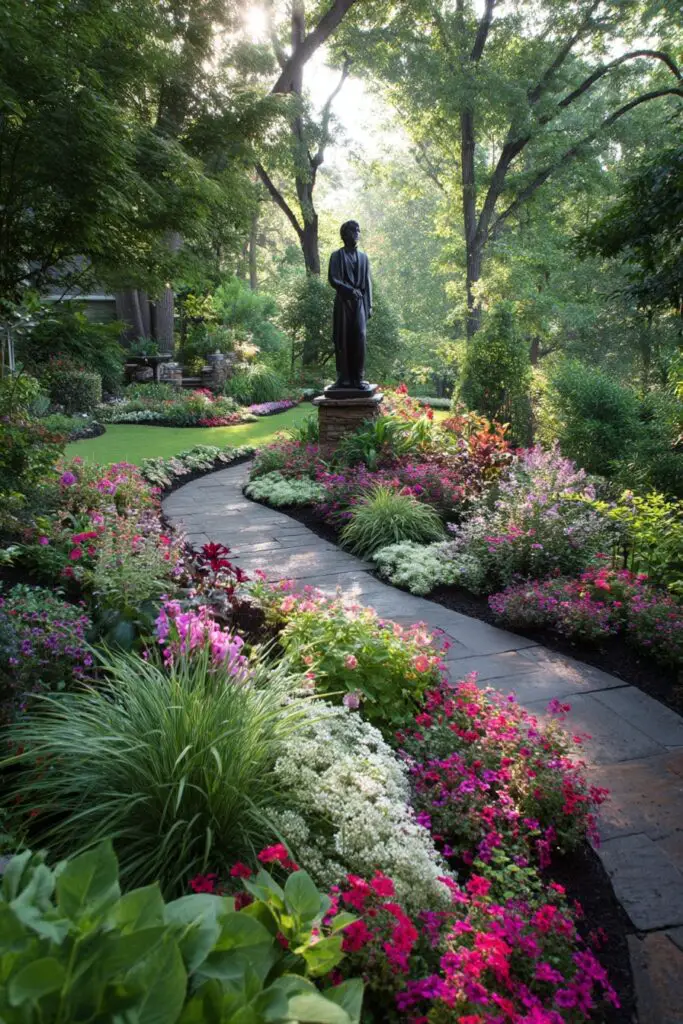
Focalization directs attention to a key feature—like a fountain, a statue, or a flowering tree. A good focal point stands out without overwhelming the rest of the landscape. Use lines, color contrast, or open space to guide the viewer’s eye toward the highlight naturally.
Types of Landscapes
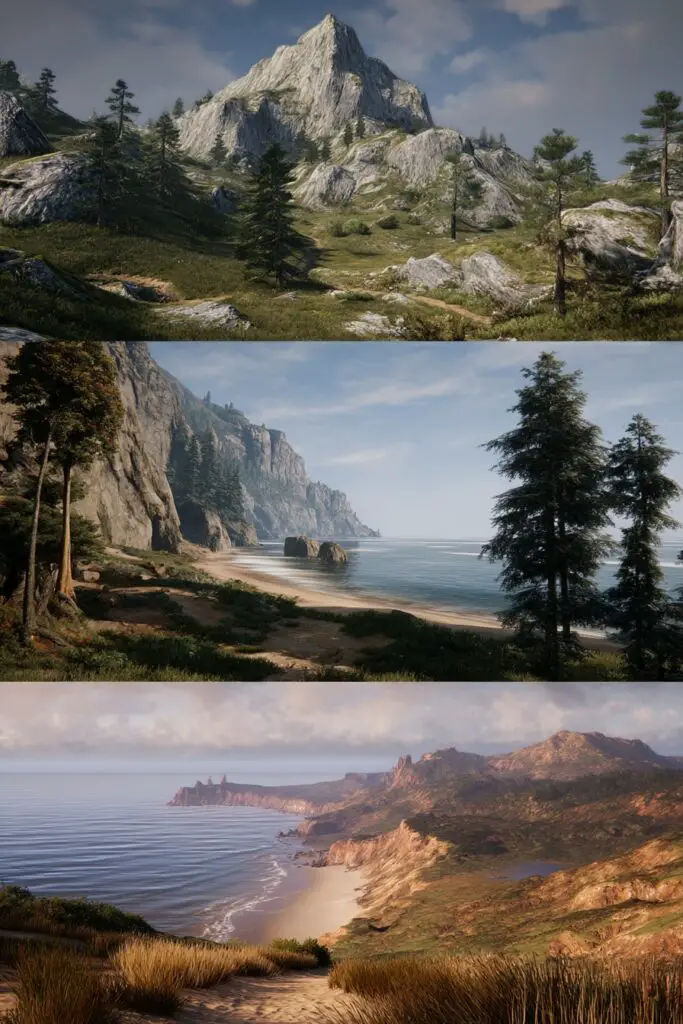
Before you start designing, it’s important to understand the type of landscape you’re working with. Your environment plays a big role in what plants will thrive and how your yard will look and function through the seasons.
Mountain Landscapes
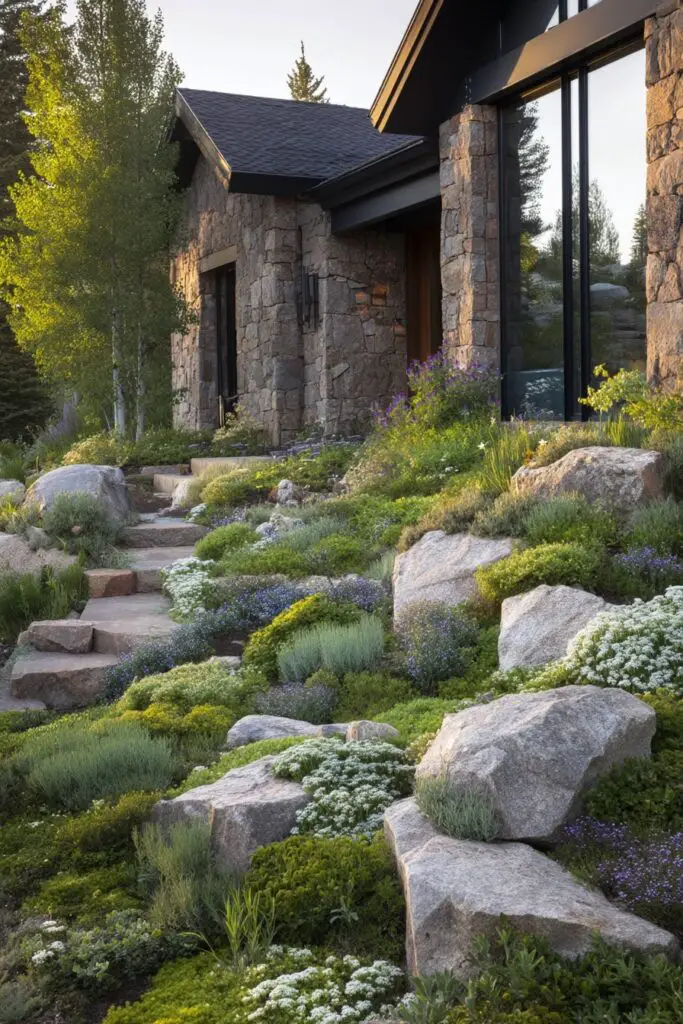
Mountain areas come with dramatic views—but also tough conditions. Steep slopes, rocky soil, and cold temperatures require hardy plants that can handle wind, erosion, and short growing seasons. Focus on native grasses, alpine flowers, and deep-rooted shrubs to create a stable and resilient mountain landscape.
Flat Landscapes
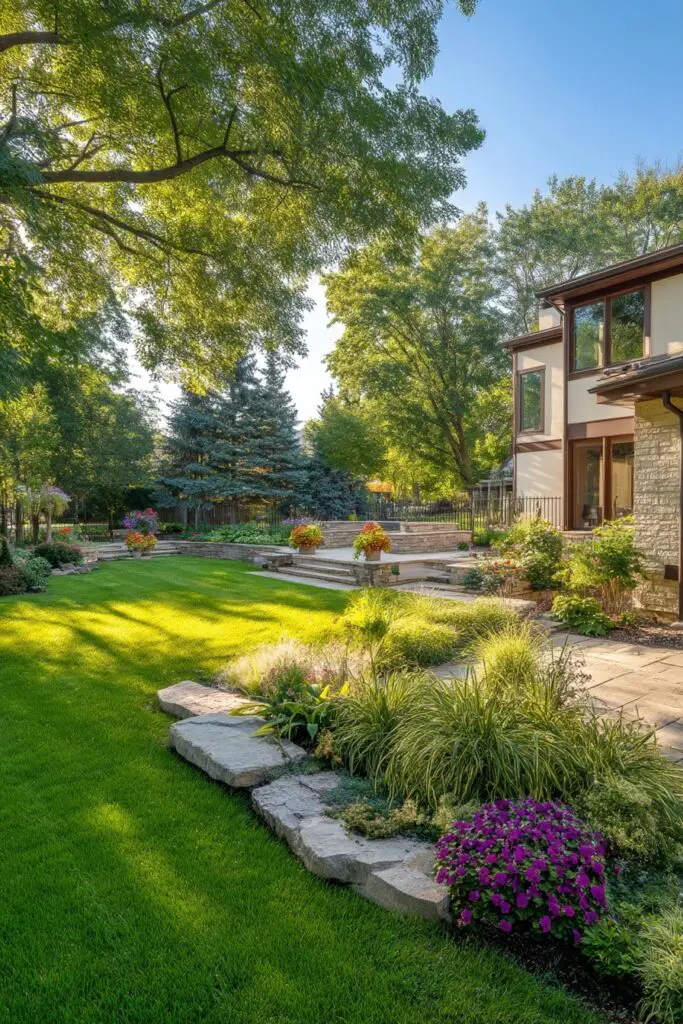
Flat yards offer open space and design flexibility but can feel plain without structure. Use trees, fences, or layered plantings to create dimension and movement. Because flat landscapes often lack natural windbreaks, choose plants that can handle sun, heat, and exposure.
Coastal Landscapes
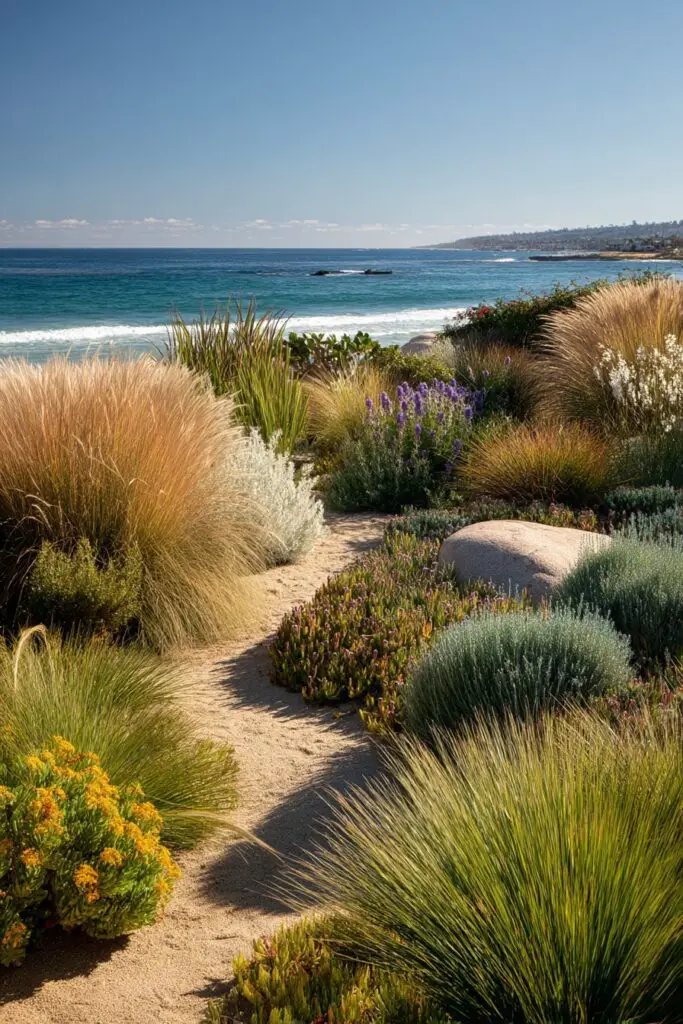
Coastal environments are beautiful but challenging. Salt spray, sandy soil, and strong winds can stress plants not adapted to the conditions. Select drought- and salt-tolerant plants, such as ornamental grasses, succulents, and coastal shrubs, to build a low-maintenance and resilient seaside landscape.
How to Design a Landscape
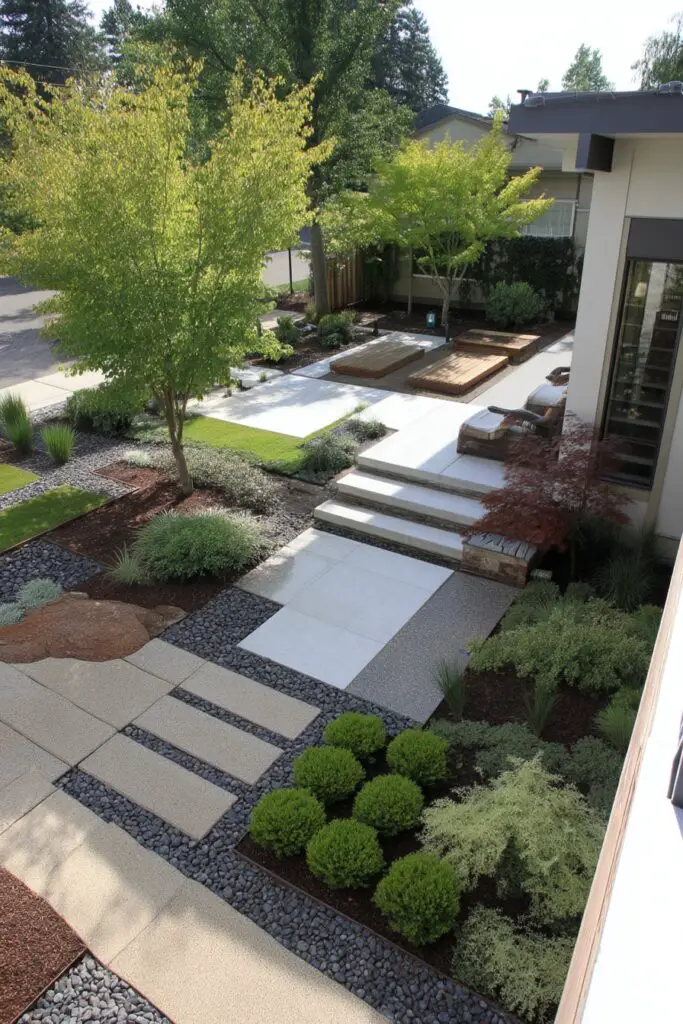
Designing a beautiful and functional landscape means combining different elements thoughtfully. Each one—color, form, texture, line, and scale—plays a role in how your yard looks and feels. Whether you’re planning a front garden or a full backyard layout, keeping these basics in mind will help your space come together naturally.
Color
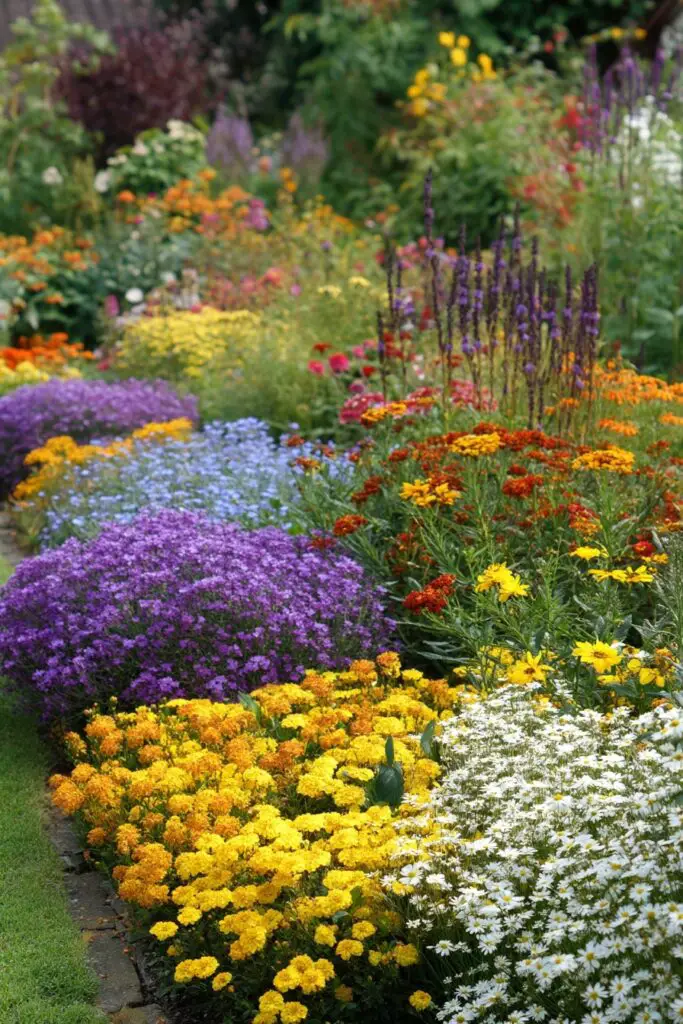
Color sets the mood of your landscape. Warm tones like red, orange, and yellow create energy and attract attention, while cool tones like blue, purple, and green offer a calming effect. You can create contrast with opposites or harmony with similar shades. Use flowers, foliage, and even hardscape materials to build a color story that fits your style.
Form
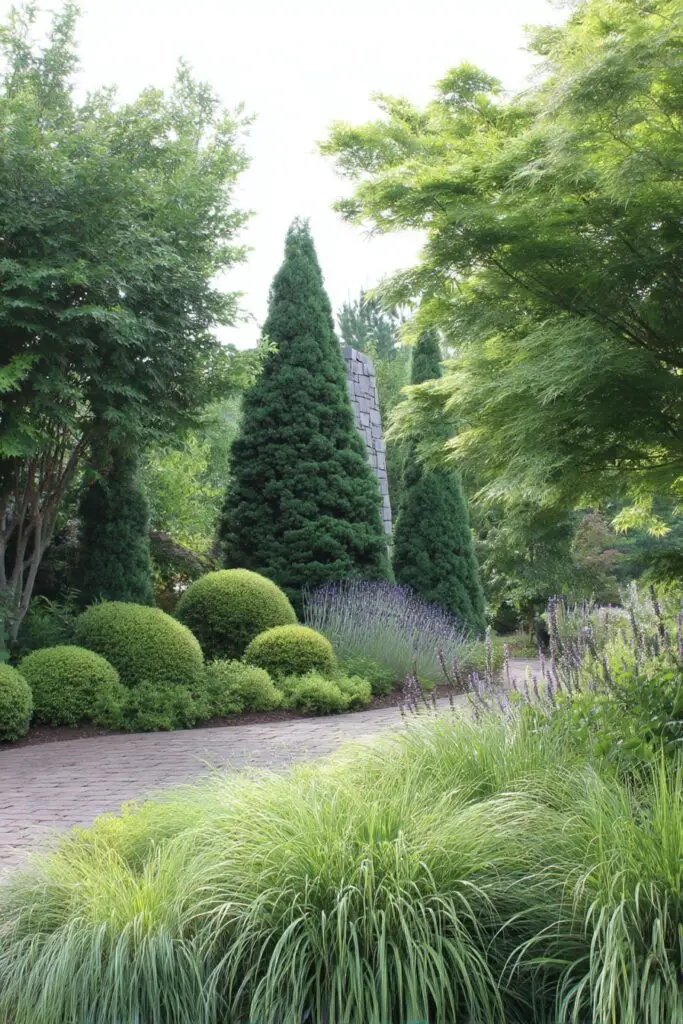
Form refers to the shape and structure of plants and features. Some trees grow tall and narrow, while others have a rounded or spreading shape. Mixing forms—upright evergreens, mounding perennials, and low groundcovers—adds interest and variety. Just remember to keep the overall composition balanced so your landscape doesn’t feel chaotic.
Texture
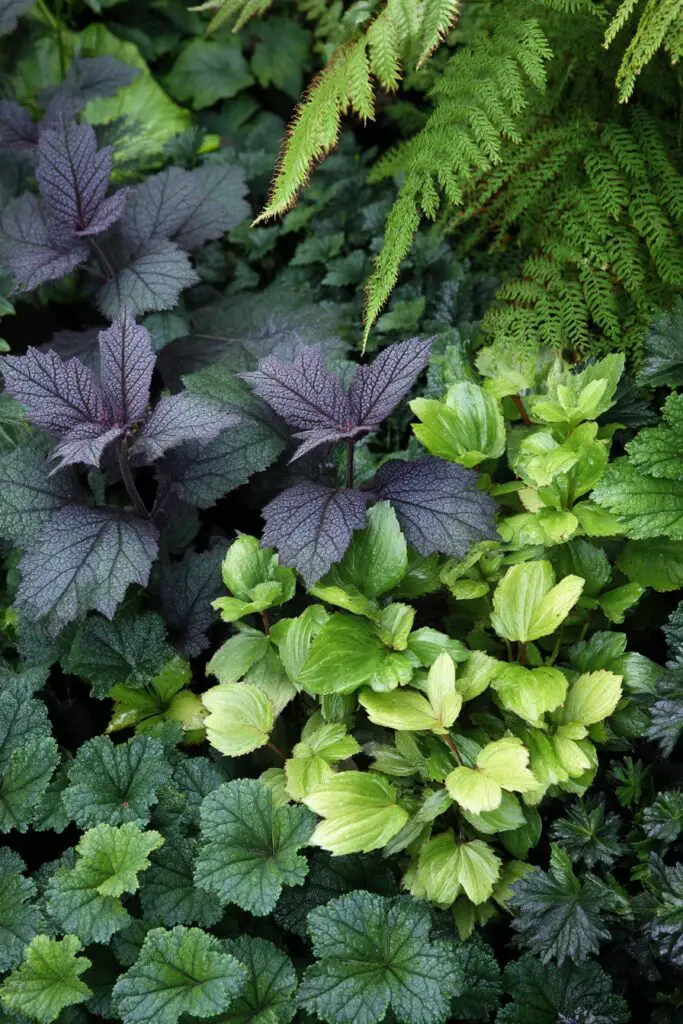
Texture comes from the surface quality of leaves, bark, and even materials like gravel or mulch. Fine textures (like ferns or ornamental grasses) feel soft and light, while coarse textures (like large-leaved hostas or stone) feel bold and grounding. Use texture to create contrast, highlight focal points, or soften transitions between areas.
Line
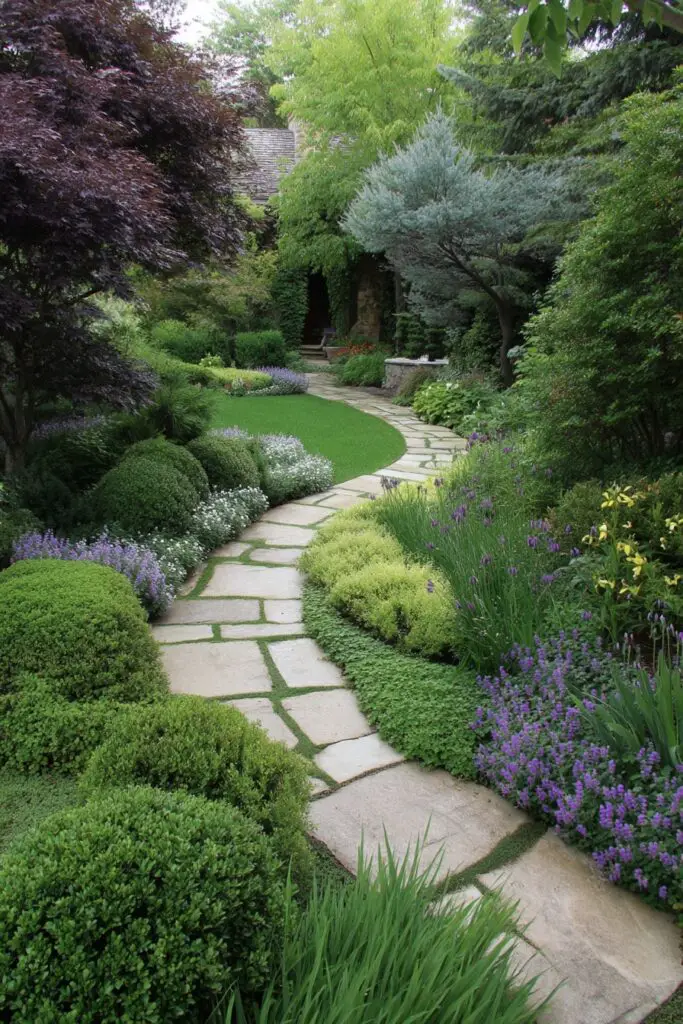
Line shapes how the eye moves through the landscape. Straight lines feel formal and structured—ideal for walkways or modern designs. Curved lines feel more natural and relaxed, great for garden beds or pathways. Think of lines not just as edges, but as visual cues that guide how people experience your yard.
Scale
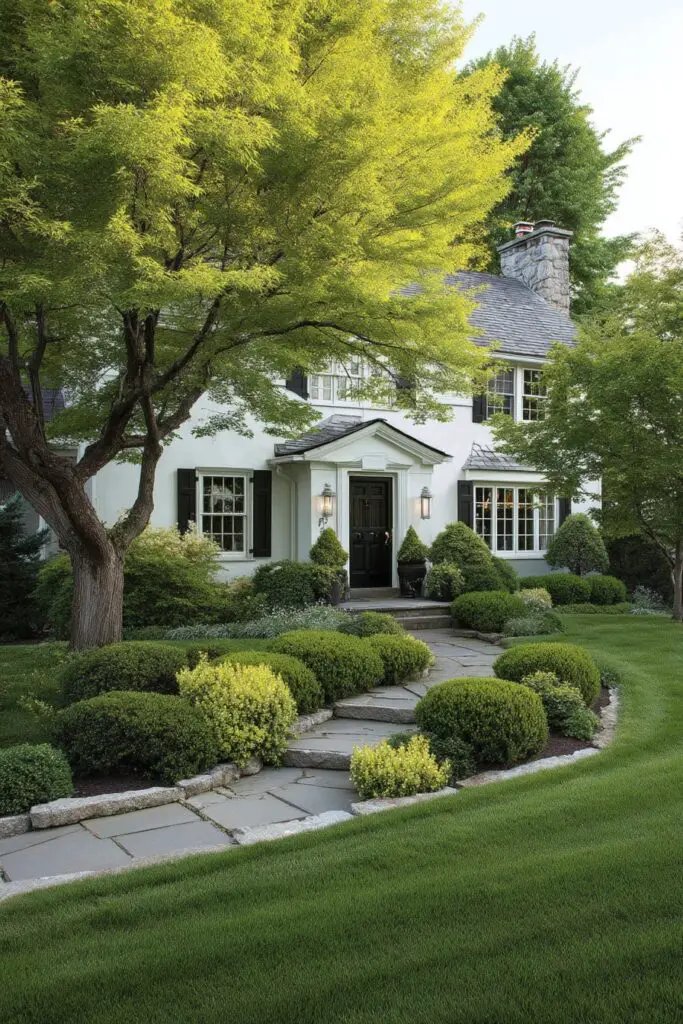
Scale is about size relationships. A small plant in front of a tall wall may feel out of place, while a large tree next to a small patio can overwhelm the space. Make sure plants, structures, and garden elements feel proportionate to each other and to your home. This helps create a more comfortable and visually pleasing landscape.
Landscape Design Costs
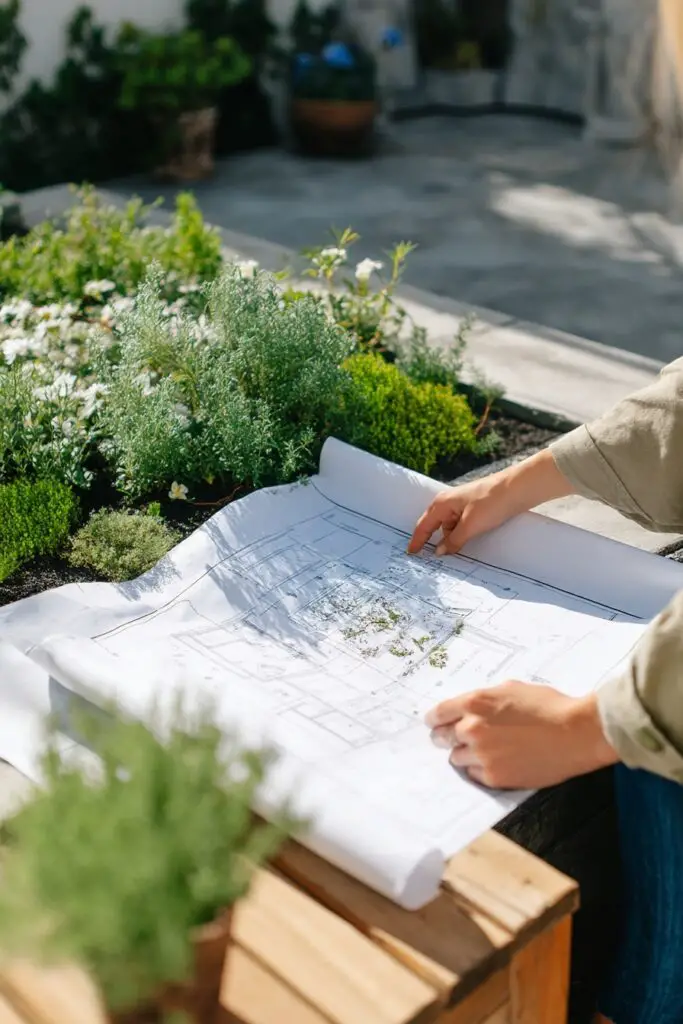
Creating a well-designed landscape doesn’t have to break the bank—but it helps to know what to expect. Costs vary depending on size, complexity, and whether you hire help or do it yourself.
If you’re planning a simple DIY project, your main expenses will be plants, mulch, soil, and any hardscape materials like pavers or edging. On average, beginners spend around $2,500 to $3,000 for a basic front or backyard upgrade.
Hiring a professional designer can add significant value, especially for larger or more complex landscapes. Landscape design services typically range from $3,000 to over $8,000, depending on scope. You’ll pay more for 3D renderings, custom plans, or full-service installation.
Ways to save:
- Choose smaller plants—they cost less and grow quickly
- Use recycled or budget-friendly materials
- Tackle one area of your yard at a time
- Take on planting and maintenance yourself
Smart planning and clear priorities will help you stay within budget while still building a beautiful, lasting landscape.
Landscape Design Inspiration & FAQs
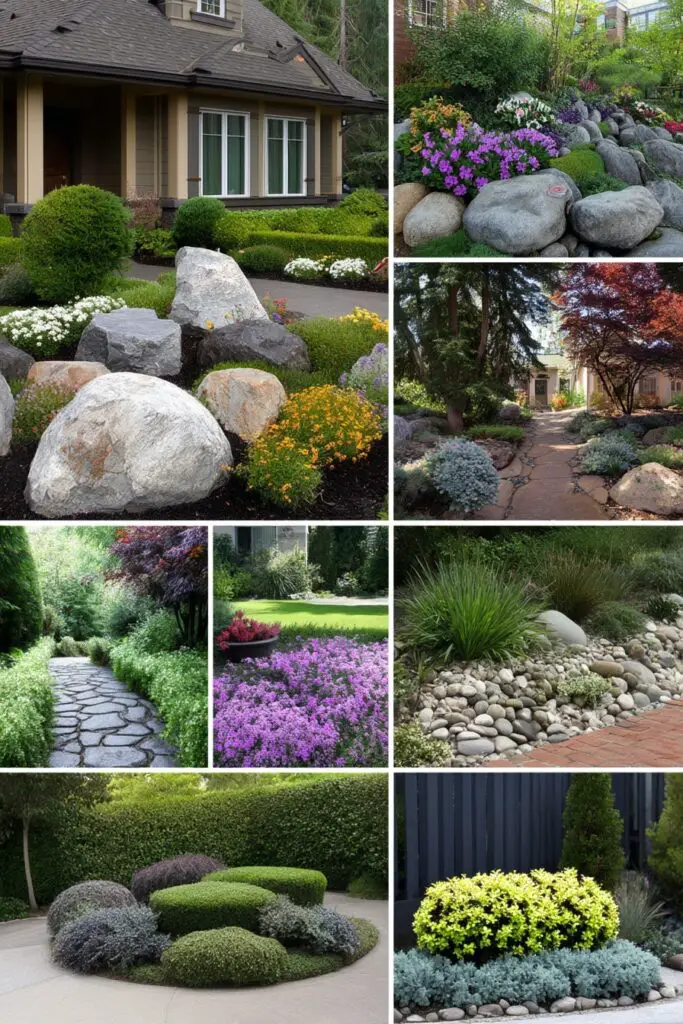
Looking at real-life examples is one of the best ways to find inspiration for your own landscape. Whether it’s a rock garden, a cozy flower bed, or a structured hedge layout, photos can spark ideas and help you define your style.
Explore designs that match your region and climate. For example:
- Rock gardens work well in dry or sloped areas
- Layered flower beds add color and texture to flat yards
- Hedge borders create privacy and shape outdoor spaces
When reviewing pictures, take note of plant types, layout, and color combinations. This helps you visualize how similar ideas might fit your space.
FAQ: Getting Started with Your Landscape
How do I start designing my landscape?
Begin by measuring your space and drawing a simple sketch. Include existing features like fences, trees, or driveways. This gives you a starting point to plan new additions.
Are there tools or apps for landscape design?
Yes—free and paid options like iScape, SketchUp, or PRO Landscape offer templates and drag-and-drop features. Some services even provide expert reviews or consultations.
Can I become a landscape designer without formal training?
Absolutely. Many designers start by learning through books, hands-on practice, or online courses. A degree can help, but creativity and knowledge of the basics are key.
🌿 Conclusion
Starting a landscape design project may feel intimidating at first, but by focusing on key principles—like balance, color, and proportion—you can create a yard that looks beautiful and feels cohesive. Whether you’re working with a coastal view, a flat suburban lawn, or a shady mountain retreat, thoughtful planning makes all the difference. With the right mix of creativity and structure, your landscape can become a space that brings lasting enjoyment and curb appeal for years to come.