
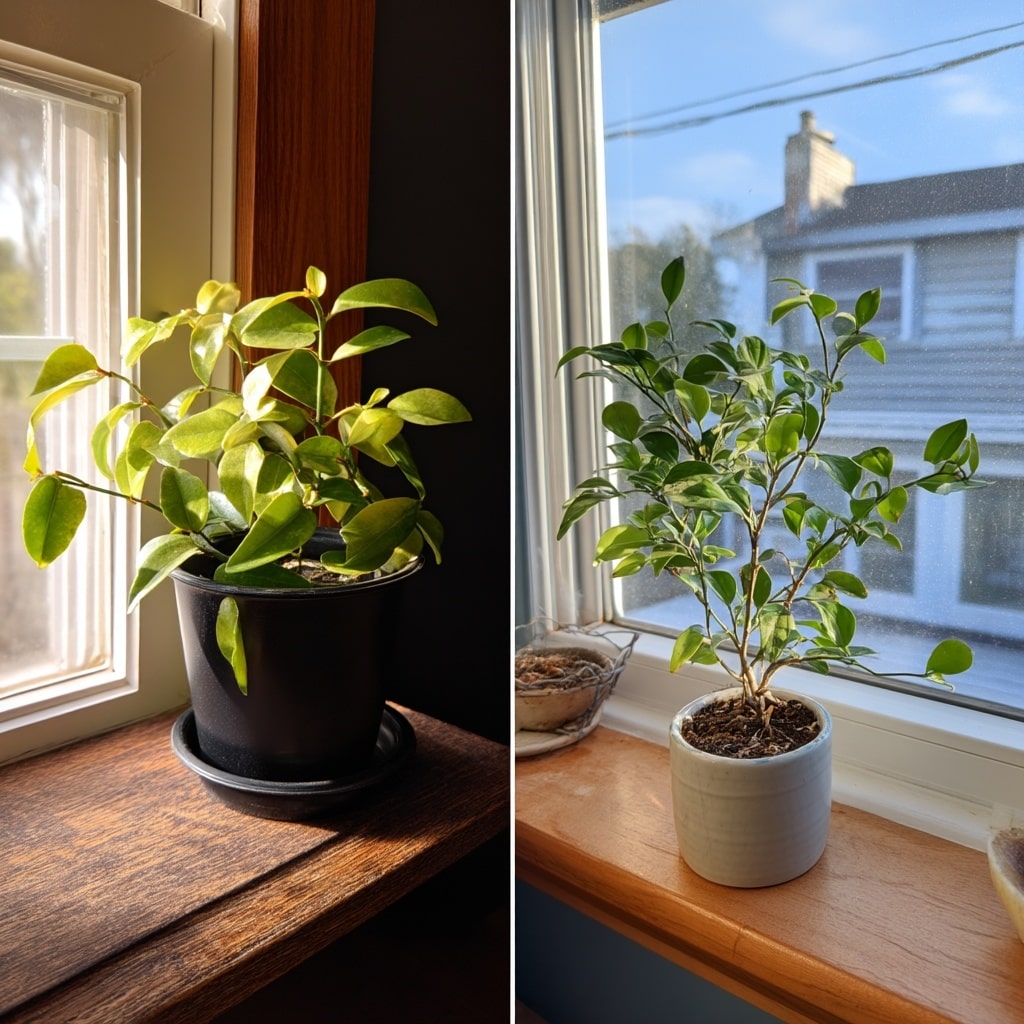
The hoya plant is one of the most rewarding houseplants for both new and seasoned plant lovers—but it’s also one of the most misunderstood. With their thick, waxy leaves and sweet-smelling flowers, Hoyas often get lumped into general care routines that don’t suit their unique needs. Despite their reputation for being low-maintenance, caring for a hoya plant can quickly go sideways if you fall into a few common traps.
Whether you’ve just brought home your first cutting or you’re nursing a full-blown obsession with dozens of varieties, avoiding a handful of frequent care mistakes can make a huge difference. After years of growing these tropical beauties, I’ve learned—sometimes the hard way—what helps them thrive and what quietly sets them back.
Table of Contents
1. Treating Every Hoya Plant the Same

One of the biggest mistakes hoya owners make is assuming that all varieties require identical care. In reality, the hoya plant family is massive—boasting over 500 species, hybrids, and cultivars that span a wide range of native environments across Asia and Australia.
Some Hoyas come from steamy rainforests and crave humidity and warmth. Others originate from cooler, drier regions and prefer less frequent watering. What works for one variety might stress out another.
A good rule of thumb: Thicker-leaved Hoyas (like Hoya carnosa) tend to store more water and tolerate dry spells. Thin-leaved varieties (like Hoya bella) need more consistent moisture and humidity. Don’t assume your entire collection wants the same routine.
If you’re growing multiple species, take time to research each one’s background. Matching your care to their natural habitat will go a long way in keeping your hoya plants healthy and happy.
2. Using the Wrong Potting Mix
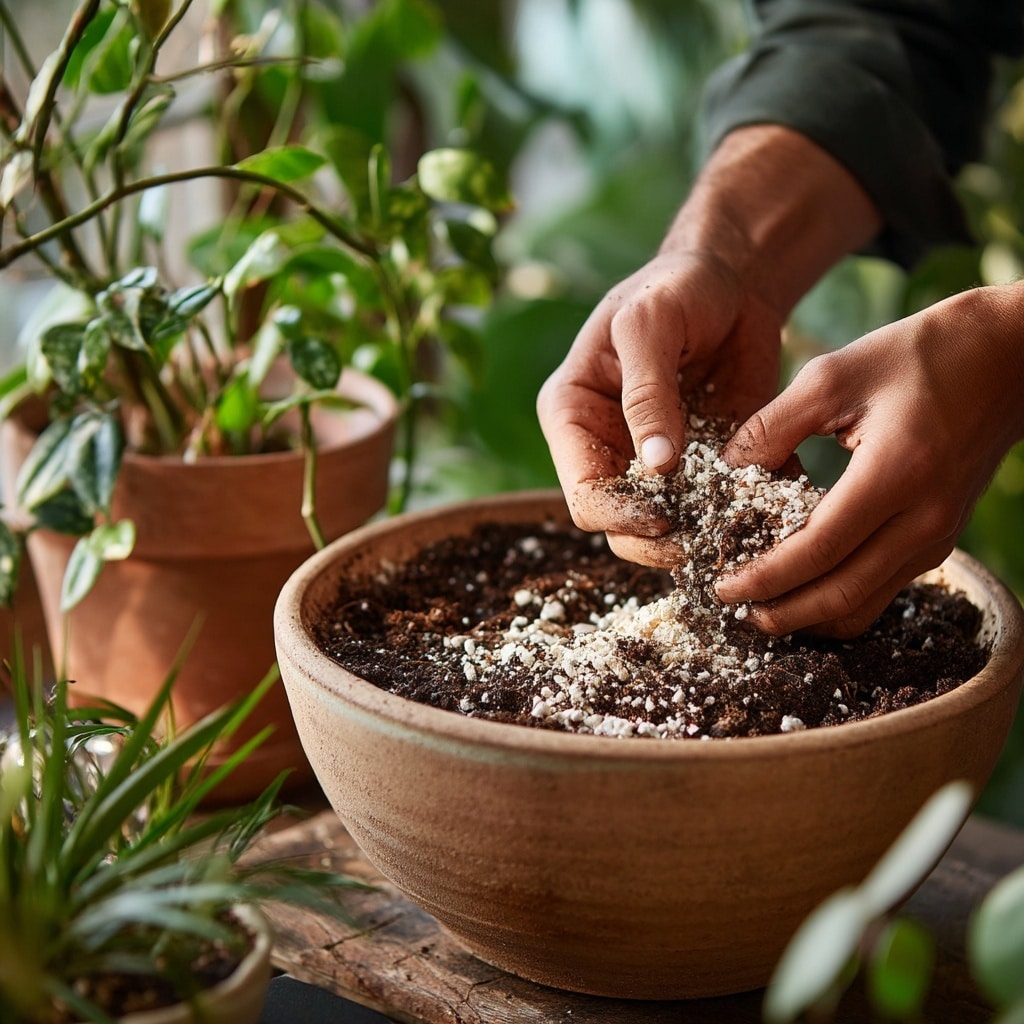
The right soil can make or break a hoya plant. Even if your variety prefers a bit more moisture, what it doesn’t want is wet, compacted soil that lingers for days. A poorly draining mix is one of the fastest ways to cause root rot—and unfortunately, once the roots start to rot, recovery can be tough.
Many new plant parents grab a standard cactus or succulent soil and assume it’s good enough. The truth? Most commercial mixes still hold too much water unless amended.
Instead, aim for a light, airy, and fast-draining blend. A solid base might include:
- Coco coir or orchid bark for structure
- Perlite for drainage
- Activated charcoal to prevent buildup
- Pine bark or pumice for airflow
Some hoya lovers even experiment with semi-hydroponic setups like LECA or straight pine bark. There’s no one “perfect” mix—but if water sits in the pot for long after watering, it’s time to rethink your substrate.
Healthy roots are the foundation of a thriving hoya plant, and that starts with soil that breathes.
3. Overwatering Your Hoya Plant
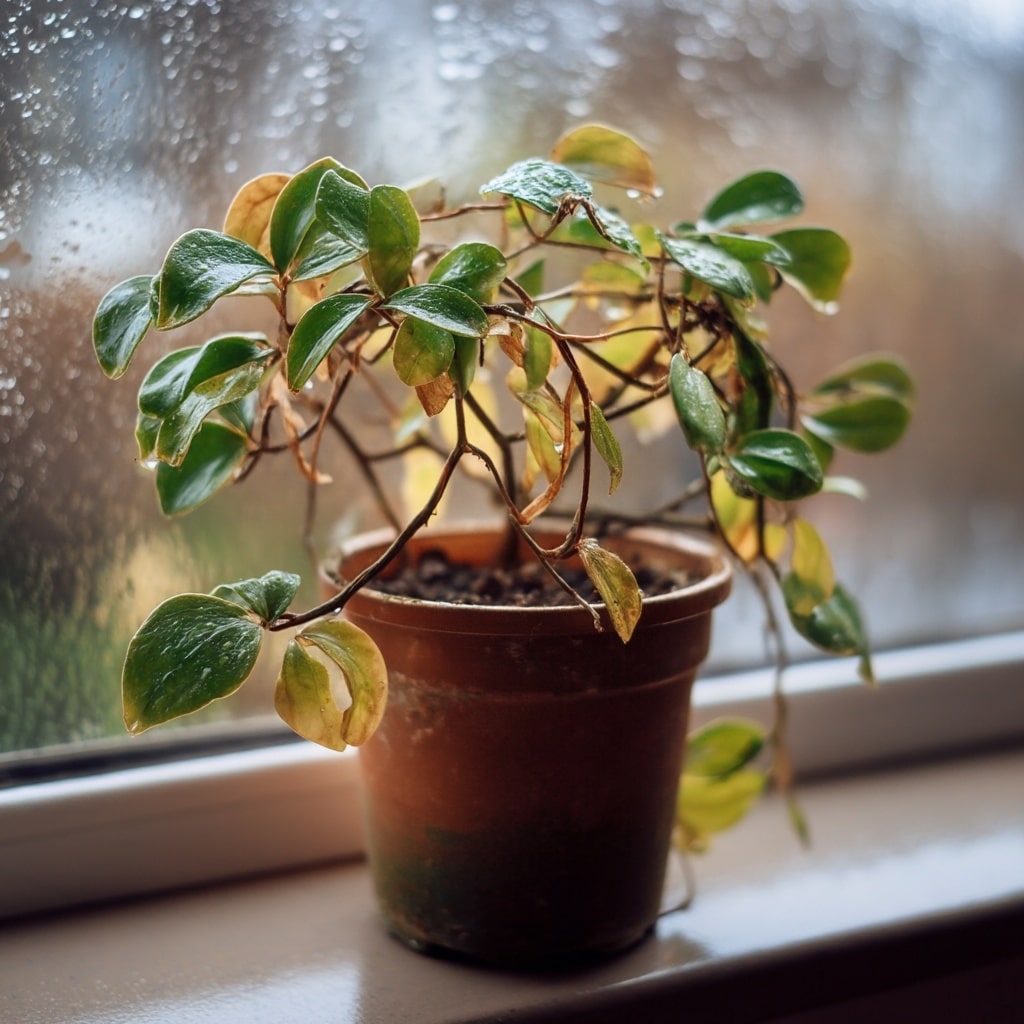
If there’s one mistake that almost every hoya grower makes at some point, it’s overwatering. Even species that prefer slightly moist soil are surprisingly sensitive to having “wet feet.” The hoya plant evolved in conditions where water drains quickly—think mossy tree branches and loose, airy forest floors.
Overwatering doesn’t always mean watering too frequently. It can also result from:
- Soil that retains too much moisture
- Pots that are too large and hold excess water
- Lack of drainage holes
- Letting the plant sit in a water-filled saucer
To protect your hoya’s roots, let the top few inches of soil dry out before watering again. Smaller pots are usually better—they help prevent soggy conditions and may even encourage blooming in mature plants.
And remember: a slightly thirsty hoya plant will bounce back more easily than one suffering from rot.
4. Skipping Humidity and Airflow
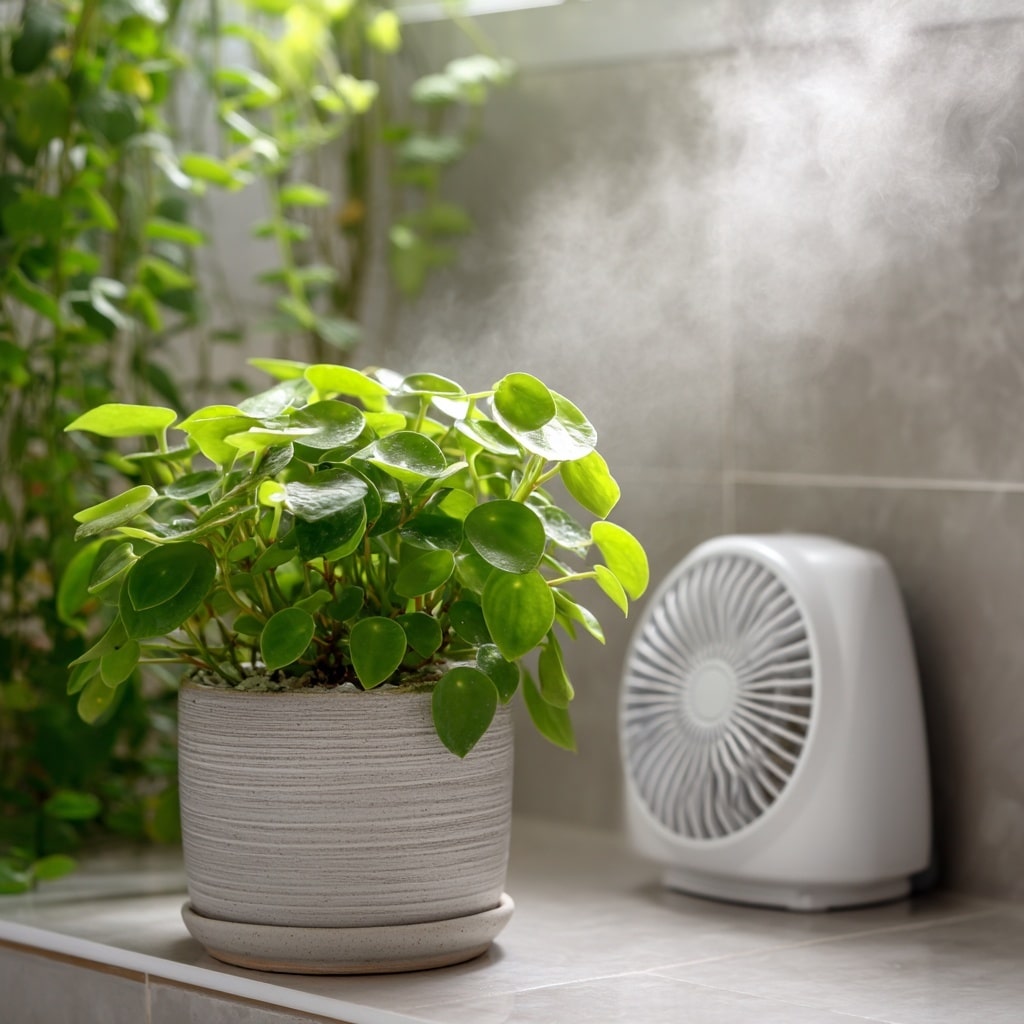
One of the most overlooked needs of the hoya plant is humidity. Many new growers treat Hoyas like succulents—dry air, low moisture, and minimal fuss. But in reality, most Hoyas come from tropical or subtropical environments where the air is warm and heavy with moisture.
Without enough humidity, growth can stall and new leaves may never emerge. For species like Hoya kerrii variegata, extra humidity can mean the difference between slow survival and steady growth.
Boosting humidity can be simple:
- Use a room humidifier
- Group plants together (but not too tightly)
- Place trays of water nearby (without touching the pot)
- Grow in a greenhouse cabinet or bathroom with filtered light
But humidity alone isn’t enough. Without airflow, excess moisture can encourage fungal issues. Avoid cramming your plants together—give each hoya plant breathing room, and consider using a small fan for gentle circulation, especially in closed environments.
5. Not Giving Your Hoya Plant Enough Light
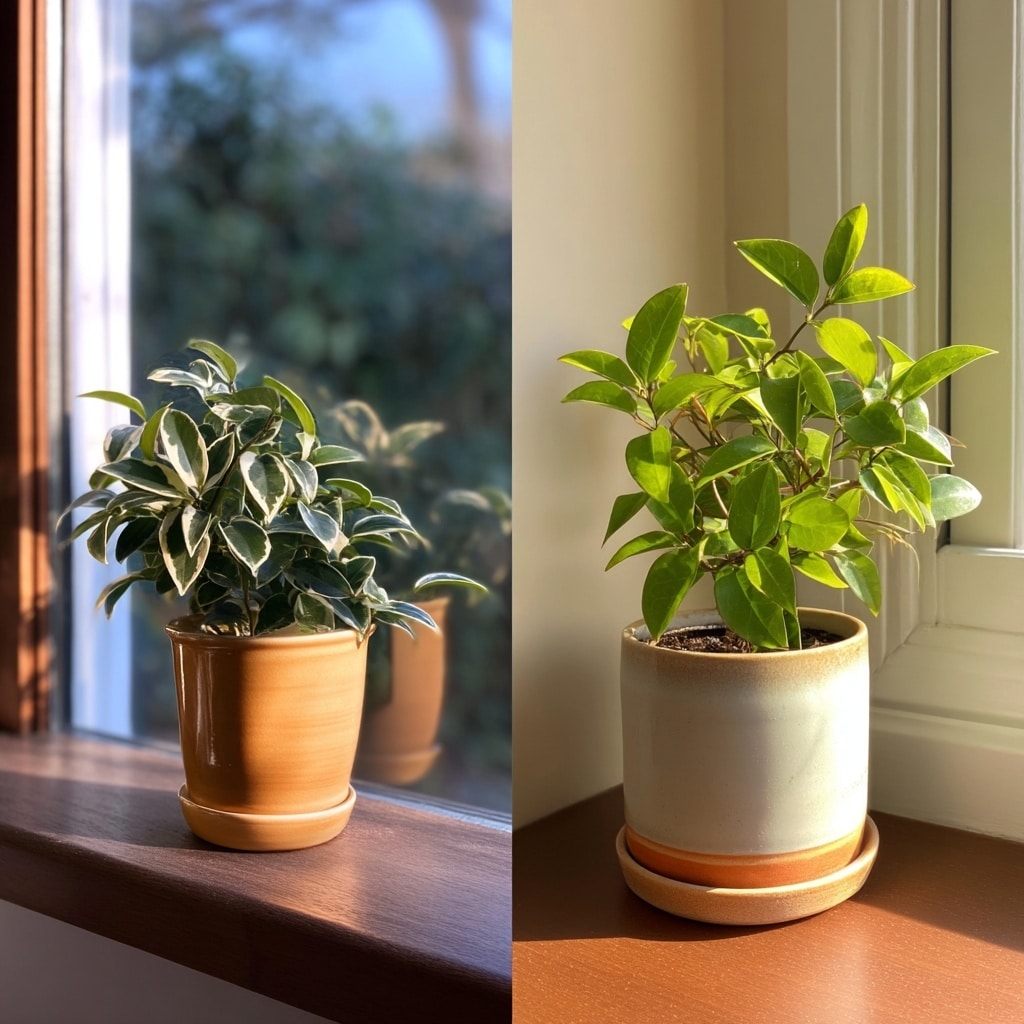
One of the most common misconceptions is that the hoya plant thrives in low light. It’s easy to assume this because of their thick, succulent-like leaves—but in reality, Hoyas love bright, indirect light, and many species won’t grow—or bloom—without it.
In their native habitats, Hoyas climb trees to reach dappled sunlight. That means placing your plant in a dim corner or on a shaded shelf is a recipe for slow growth and disappointment.
Ideal lighting setups include:
- A south- or west-facing window with sheer curtains
- A grow light setup (T5 HO lights are a favorite among indoor growers)
- Bright but indirect outdoor light (avoid harsh midday sun)
If you notice pale or yellowing leaves, it could be too much direct sun. But if growth is leggy, sparse, or nonexistent, your hoya plant is likely begging for more light.
Light also helps keep the soil from staying damp too long—a hidden bonus for preventing root issues.
Conclusion
Caring for a hoya plant isn’t complicated once you understand what it truly needs. By avoiding these five common mistakes—assuming uniform care, using poor soil, overwatering, ignoring humidity, and providing too little light—you’ll set your plants up for long-term success.
Whether you’re nurturing a single specimen or managing a growing collection, tailoring your care to each plant’s preferences makes all the difference. With the right balance of light, airflow, moisture, and attention, your Hoyas will reward you with healthy growth and maybe even those coveted blooms.
Happy growing!