
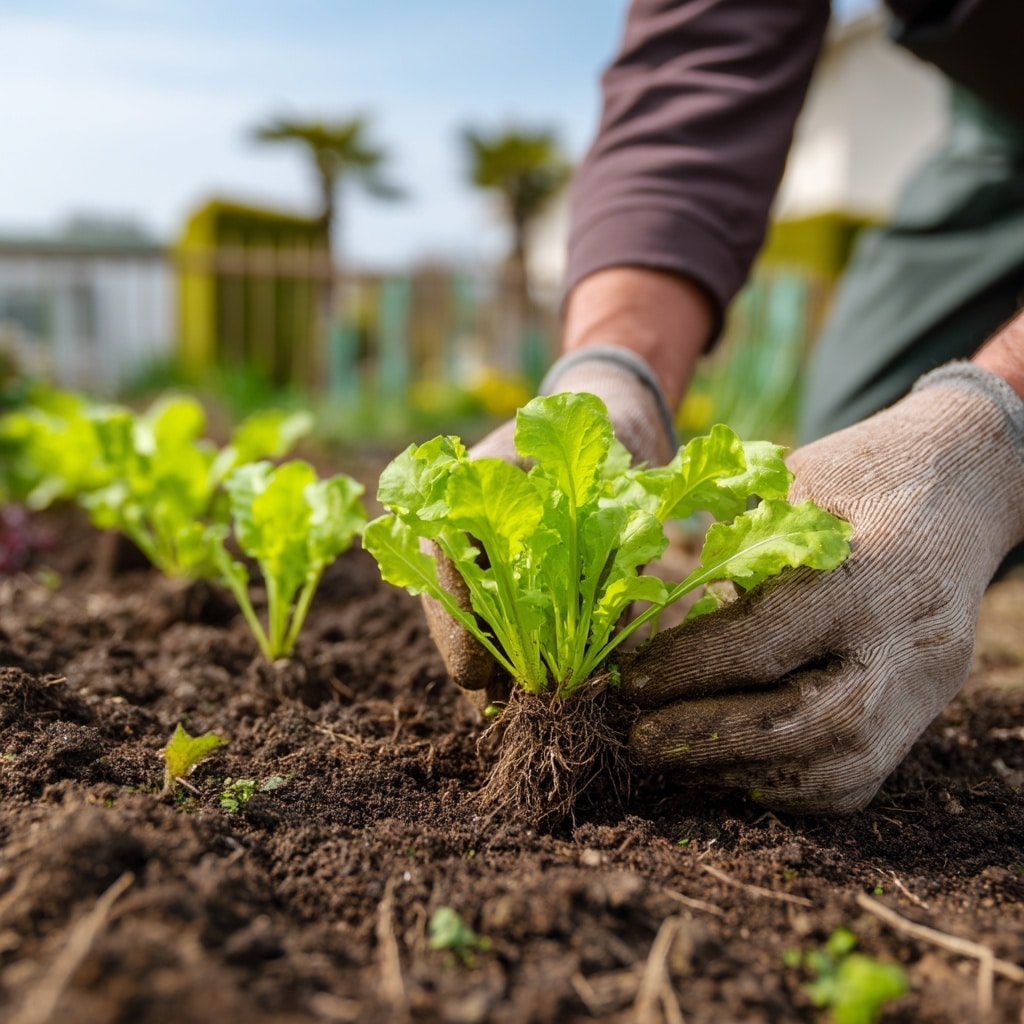
How to start vegetable seeds indoors is one of the best skills a gardener can master, especially if you’re eager to get a jump on the growing season. Starting seeds inside allows you to grow strong, healthy seedlings long before outdoor conditions are ideal — and it’s surprisingly simple once you have the right system in place.
Whether you’re hoping to save money, grow rare varieties, or simply enjoy the process of nurturing life from soil and seed, seed starting indoors offers control, satisfaction, and a great head start on your harvest. With a little planning and the right setup, even small indoor spaces can produce thriving transplants ready to hit the ground running when the weather warms.
Table of Contents
🌱 Why Start Seeds Indoors?

Starting seeds indoors isn’t just for seasoned gardeners — it’s one of the most effective ways to get ahead, especially if you live in an area with a short or unpredictable growing season. By giving your plants a head start, you’ll set yourself up for healthier crops, earlier harvests, and better overall yields.
Here are the key reasons why seed starting indoors is a game-changer:
✅ 1. Extend Your Growing Season
Indoor seed starting lets you begin the growing process weeks — even months — before your outdoor garden is ready. This gives your plants time to mature and produce more during the season.
✅ 2. Save Money on Plants
Buying nursery transplants can get expensive fast. Growing your own from seed is much more affordable, especially when planting a full garden. One packet of seeds can yield dozens of plants for a fraction of the cost.
✅ 3. Better Variety Choices
When you start seeds yourself, you’re not limited to the few varieties stocked at local garden centers. You can choose heirlooms, organic strains, or specialty veggies that suit your climate and taste.
✅ 4. Healthier, Stronger Seedlings
You control the soil, light, water, and temperature. That means fewer pests, no mystery chemicals, and a better environment for germination and growth.
✅ 5. Faster Harvest
Plants started indoors are already growing strong when the last frost ends. That head start can mean harvesting vegetables several weeks earlier than direct-sown plants.
🗓️ When to Start Seeds Indoors
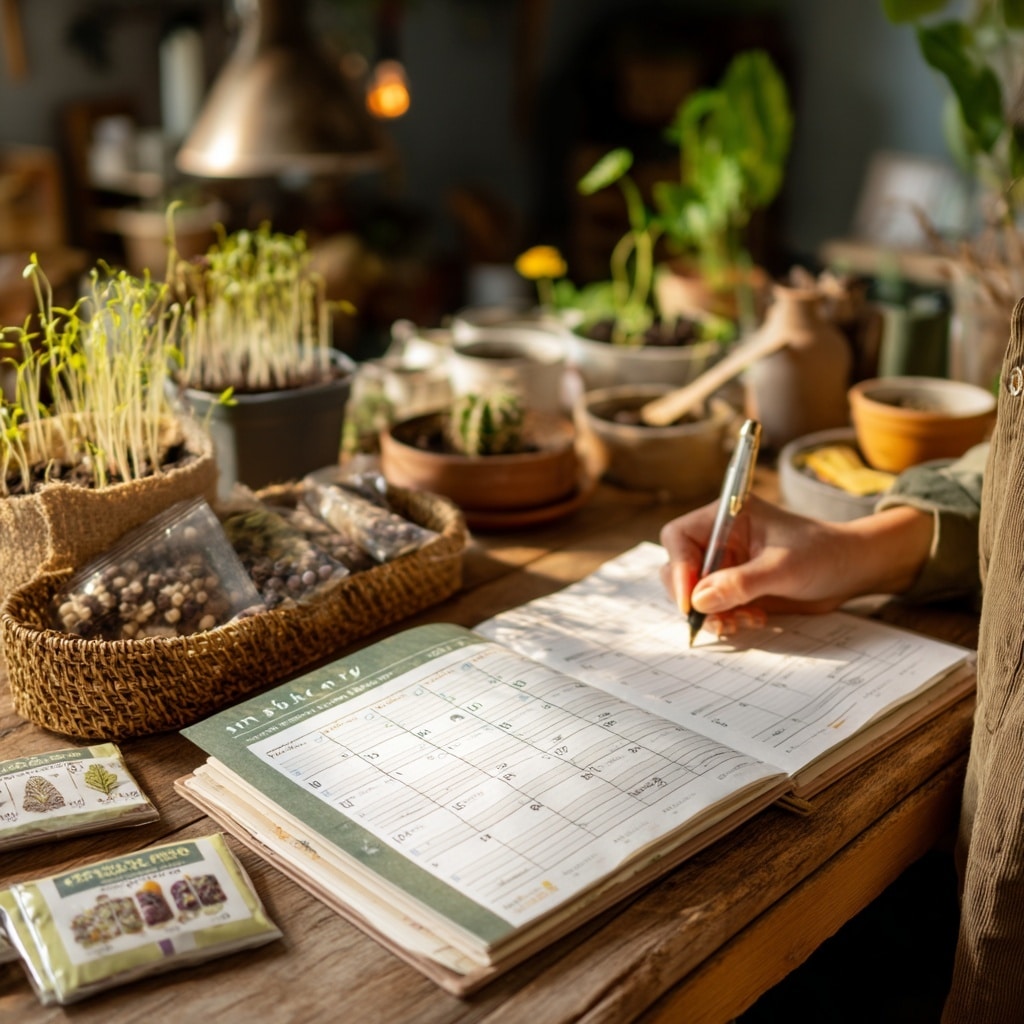
Timing is one of the most important parts of seed starting indoors. Starting too early can leave you with root-bound plants and nowhere to transplant them. Too late, and you miss out on the head start that indoor growing offers.
📌 General Rule:
Start most vegetable seeds 6–8 weeks before your area’s last expected frost date.
You can find your average last frost date through:
- Local extension offices
- Online frost date calculators
- Gardening apps or seed packet guides
🧪 Flexibility for Advanced Gardeners
Some gardeners, especially in colder zones, start seeds 10–12 weeks early, particularly for slow-growers like peppers, onions, or brassicas. In these cases, plan to repot seedlings into larger containers as they grow to prevent stunted roots.
🌡️ Watch the Weather
If you’re in a warm zone (like USDA 8b or higher), your seed-starting window may begin as early as January or February. In colder zones, March is typically a good starting point.
🧰 What You Need to Start Seeds Indoors
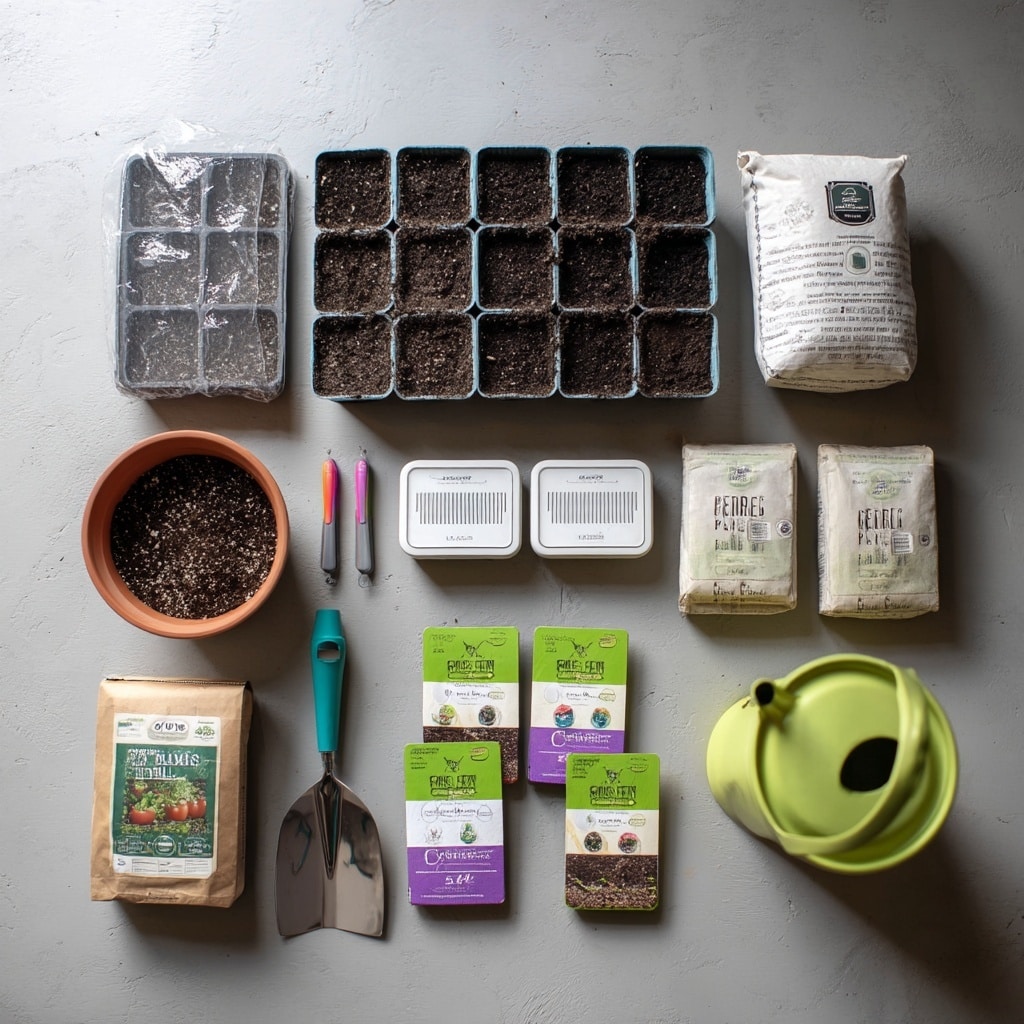
Setting up for seed starting indoors doesn’t have to be complicated or expensive. In fact, you can use many household items to create a perfectly functional seed-starting station. That said, having the right tools can make a big difference in germination rates and seedling health.
🪴 1. Containers
You can use:
- Seed trays with individual cells
- Plug flats with drainage holes
- Recycled materials like egg cartons, yogurt cups, or paper pots
Just make sure each container drains well and is deep enough for root development.
🌱 2. Seed Starting Mix
Avoid regular garden soil — it’s too heavy and may contain pests or diseases. Instead, use:
- A sterile seed starting mix (light, fluffy, and fast-draining)
- Or a homemade mix of peat moss or coconut coir, vermiculite, and compost
Bonus tip: Pre-moisten the mix before filling your trays for even moisture distribution.
💡 3. Light Source
Seeds need 12–16 hours of light daily to grow strong and avoid becoming leggy.
Options include:
- Sunny windowsills (south-facing works best)
- LED grow lights or fluorescent shop lights suspended a few inches above seedlings
- Avoid incandescent bulbs — they give off heat and little usable light
🌡️ 4. Warmth for Germination
Most seeds germinate best between 65–75°F. Use:
- A seedling heat mat for consistent bottom heat
- A warm room away from cold drafts
🏷️ 5. Labels and Markers
Trust us — you won’t remember which tray holds which seed in a week. Use:
- Craft sticks, plant labels, or masking tape and marker
Keep it simple but visible.
🚿 How to Start Seeds Indoors: Step-by-Step
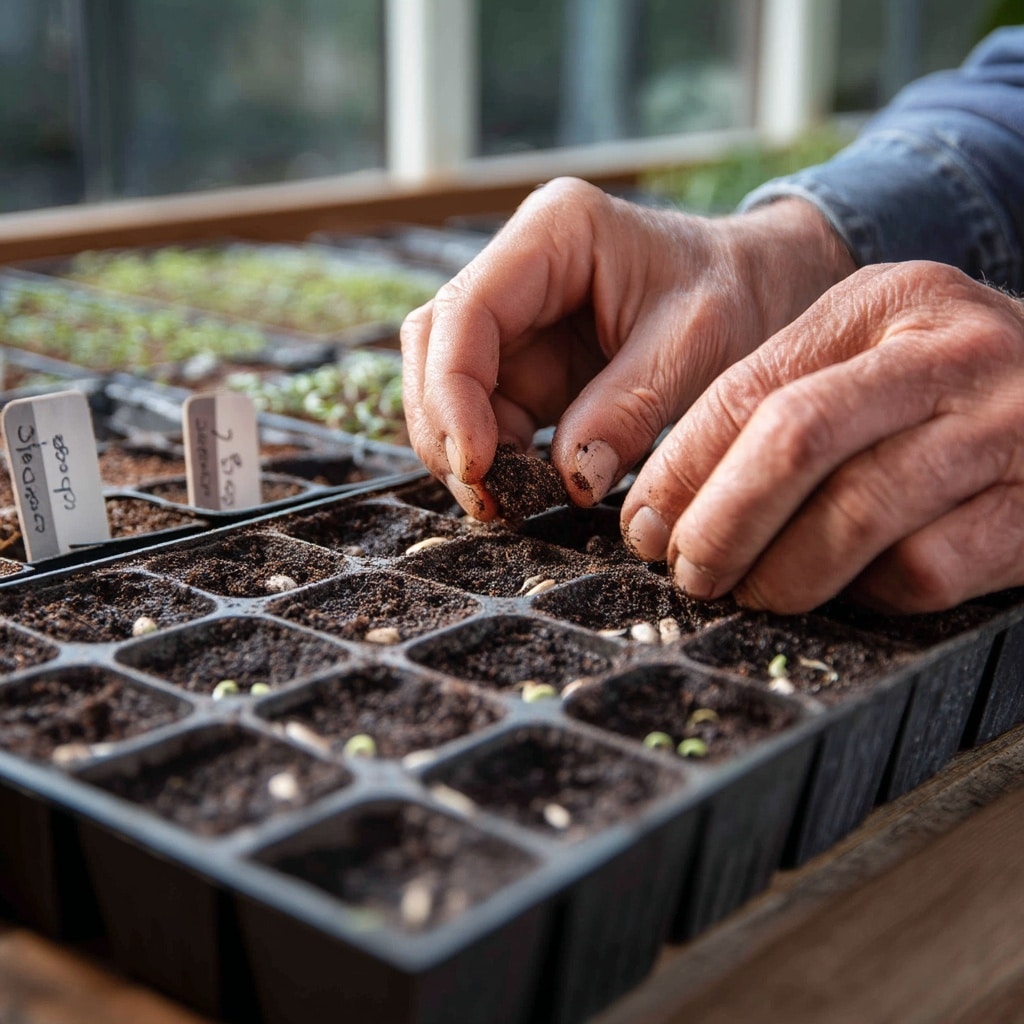
Now that you’ve got your setup ready, it’s time to get your hands in the soil. Seed starting indoors is simple when you follow a few key steps that encourage strong, healthy seedlings from day one.
🔢 Step 1: Fill Containers with Pre-Moistened Mix
Lightly dampen your seed starting mix before filling your trays or containers. This ensures even moisture and better seed-to-soil contact.
📏 Step 2: Plant at the Right Depth
Check your seed packet — every seed has a recommended planting depth. As a general rule:
- Tiny seeds: surface-sown or lightly covered
- Medium/large seeds: ¼” to ½” deep
Tip: Plant two seeds per cell, then thin out the weaker one later.
🏷️ Step 3: Label Everything
Use plant markers or masking tape to label each type. This saves a lot of confusion later when seedlings start looking alike.
💧 Step 4: Water Gently
Water from the bottom up by placing trays in a shallow pan of water. Let the soil soak up moisture through the drainage holes. Avoid heavy top watering, which can displace seeds.
🌞 Step 5: Provide Light Immediately
Place trays under grow lights or in a sunny window as soon as seeds are planted. Even before sprouting, light helps keep the soil temperature stable.
🌡️ Step 6: Maintain Warmth and Humidity
Use a plastic dome, clear lid, or plastic wrap to trap moisture and warmth. Remove the cover once seedlings sprout to allow airflow and prevent mold.
✂️ Step 7: Thin Seedlings
Once your seedlings grow their first true leaves, snip the weaker one at the base to avoid crowding. Never pull it out — that can damage roots.
🥦 Best Seeds to Start Indoors
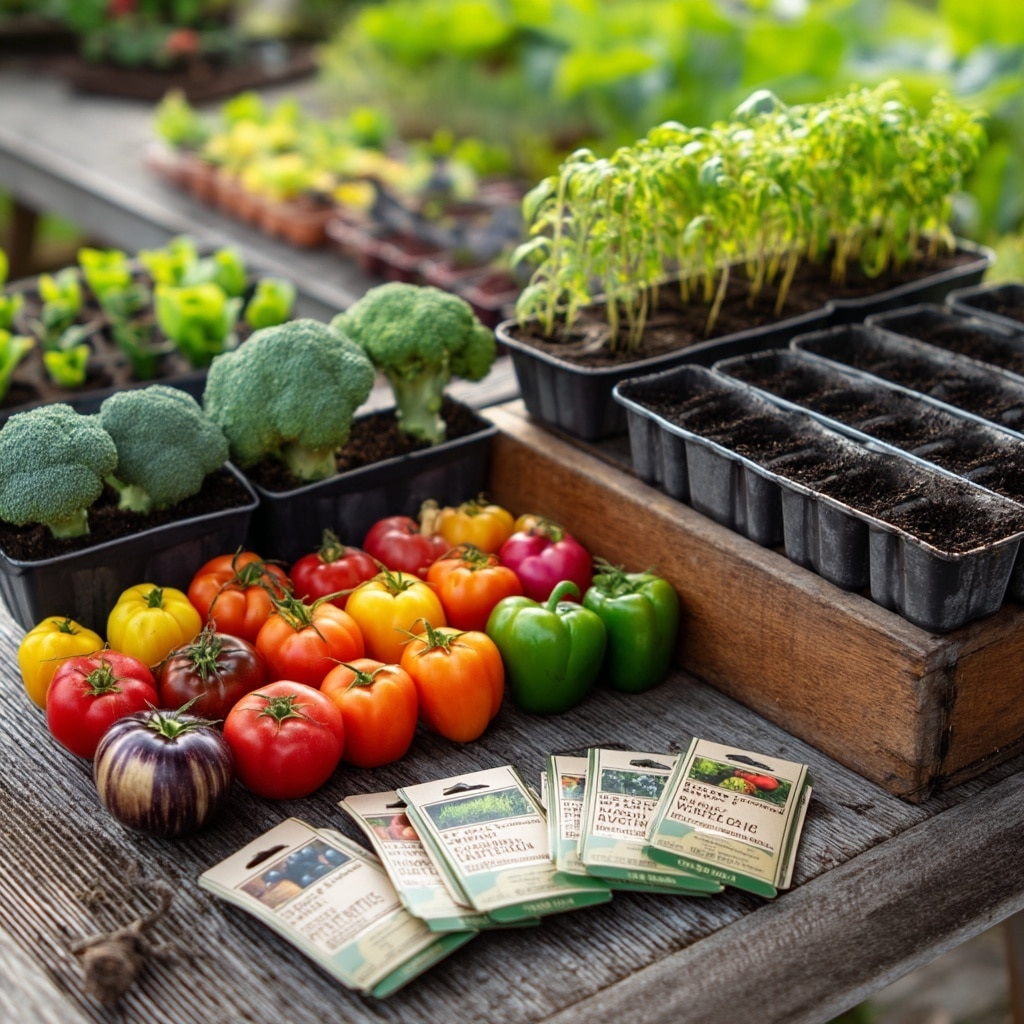
While seed starting indoors can work for many vegetables, some crops thrive with this early head start more than others. These plants either need a long growing season or struggle when sown directly into the garden. Here’s a breakdown of top-performing vegetables to start inside.
🥬 Cruciferous Vegetables (Brassicas)
These cool-weather crops grow slowly and are sensitive to heat — making them ideal candidates for early indoor sowing.
- Broccoli
- Cauliflower
- Cabbage (red and green)
- Brussels sprouts
Tip: Start seeds about 8 weeks before your last frost. Keep them cool (60–70°F) during germination and early growth. Use plastic covers to retain humidity until sprouts appear, and thin seedlings for stronger development.
🍅 Summer Vegetables
Heat-loving vegetables don’t tolerate cold soils well and need a long season to mature. Starting them indoors gets you to harvest faster.
- Tomatoes
- Peppers
- Zucchini
- Cucumbers
- Melons
Tip: Start 6–8 weeks before the last frost. Use larger pots or repot as they grow. Keep them warm with a heat mat (above 70°F), and remove plastic covers once sprouted. These plants benefit greatly from hardening off before transplanting.
🍆 Eggplant
Eggplant can be tricky outdoors but thrives when started indoors.
- Start seeds 8–10 weeks before your last frost
- Soak seeds in warm water for 24 hours before planting to improve germination
- Eggplant loves heat — use a warm location and plenty of light
🌶️ Peppers
Peppers are slow to grow and need heat to thrive, making them a perfect indoor-start candidate.
- Keep soil temps around 75°F
- Provide strong light and bottom heat
- Be patient — germination can take 10–14 days
🌿 Peas (Optional)
While peas are often direct-sown, you can start them indoors if you’re careful.
- Start 4–6 weeks before your last frost
- Transplant gently to avoid disturbing the delicate root system
- Use biodegradable pots if possible to minimize root disturbance
Not every crop loves being started indoors — root vegetables like carrots and beets, for example, do best when direct-sown. But for the varieties above, indoor starting can make all the difference.
🌤️ Hardening Off Seedlings
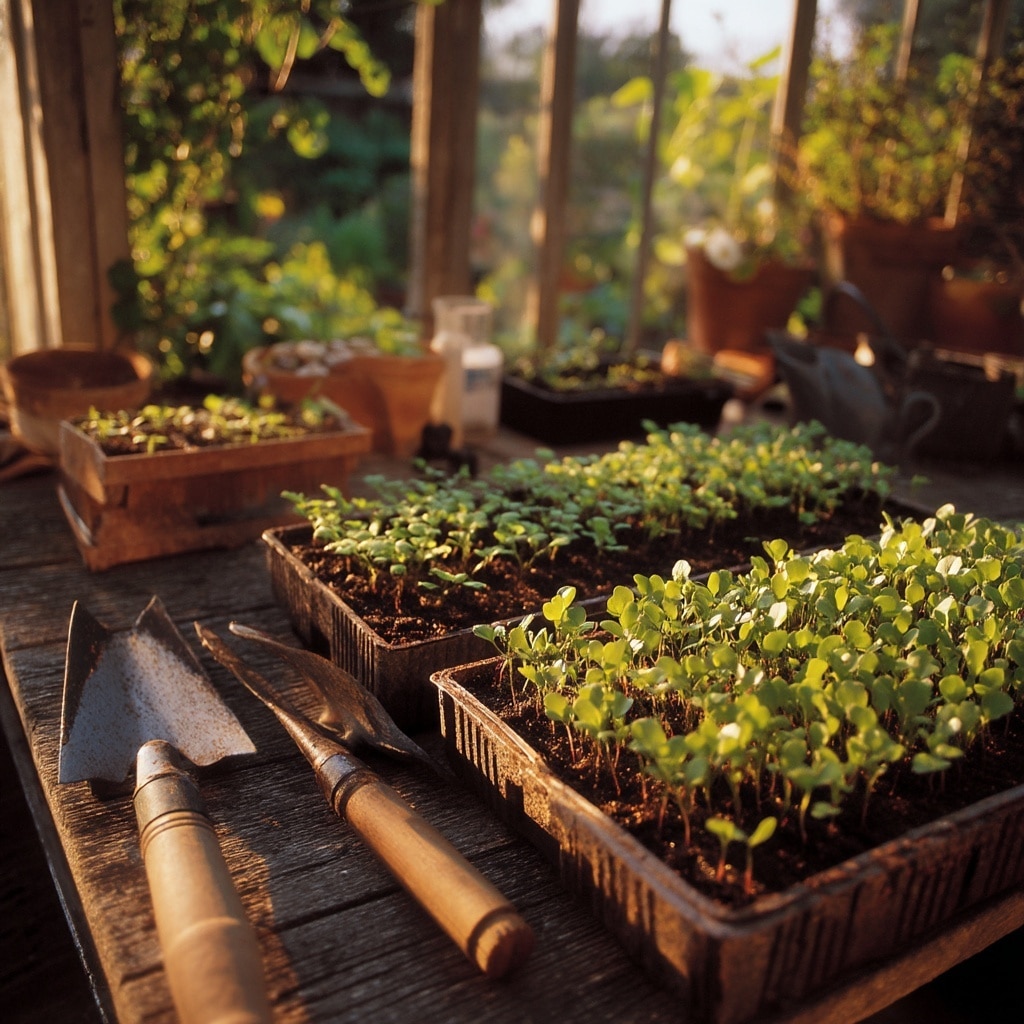
After weeks of nurturing your seedlings under lights or in a cozy windowsill, it’s tempting to get them straight into the garden — but don’t rush it. Without a proper transition, even the healthiest plants can go into shock from sudden exposure to sun, wind, and fluctuating temperatures.
This process is called hardening off, and it’s a crucial final step in seed starting indoors.
🕒 Start a Week Before Transplanting
Begin hardening off your seedlings 7–10 days before you plan to move them permanently outdoors. This gives them time to adapt gradually to outdoor conditions.
🌬️ Simulate Wind and Movement
To strengthen stems and prepare for breezes, you can:
- Run your hand gently over the seedlings once or twice a day
- Use a small fan on a low setting for short periods
This encourages stronger, sturdier growth.
☀️ Gradual Outdoor Exposure
Follow this schedule:
Day 1: Place seedlings in a shady, sheltered outdoor spot for 1–2 hours
Day 2–3: Increase time to 3–4 hours, still in partial shade
Day 4–5: Move them into morning sun for 4–6 hours
Day 6–7: Give them full sun exposure for most of the day
Be sure to bring them indoors at night until temperatures are consistently above 50°F.
🌡️ Know Which Plants Need It Most
- Warm-weather crops like tomatoes, peppers, and eggplant must be hardened off
- Cool-season crops (like brassicas and peas) are more resilient but still benefit from a shorter hardening period
Taking the time to harden off your seedlings properly helps prevent transplant shock and ensures a much smoother transition to life in the garden.
🌱 When to Transplant Seedlings
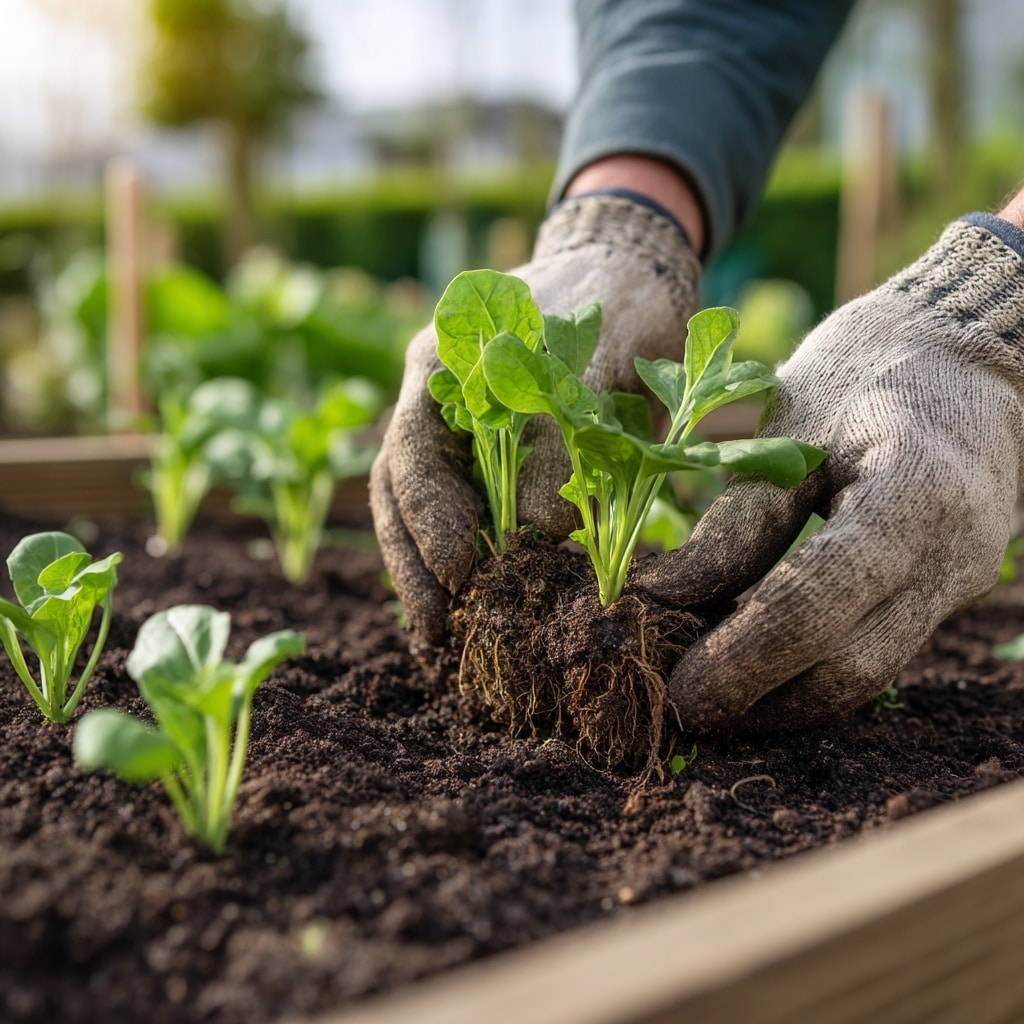
After all your hard work seed starting indoors, the last major step is getting your plants into the garden. But timing is everything — transplant too early and risk frost damage, too late and your seedlings may outgrow their containers.
Here’s how to know your plants are ready, and how to give them the best start outside.
🌡️ 1. Check the Weather and Soil Temperature
- Warm-season crops (like tomatoes, peppers, cucumbers) should only go out after the last frost and when soil stays above 60°F consistently.
- Cool-season crops (like cabbage, broccoli, peas) can be transplanted earlier, as long as soil is at least 50°F and not waterlogged.
Tip: A cheap soil thermometer can save you from losing entire trays of transplants to a surprise cold snap.
🌿 2. Seedling Maturity Matters
Even if the weather is perfect, your plants should be mature enough to handle the change.
Look for:
- 2–3 sets of true leaves (not just the first sprout leaves)
- A strong, thick stem
- Roots that hold the soil together but aren’t circling the pot or poking out excessively
🧑🌾 3. Transplanting Tips for Success
- Water deeply a few hours before transplanting to reduce stress
- Transplant in the evening or on a cloudy day to avoid shock from strong sun
- Dig a hole slightly deeper than the seedling pot and gently remove the plant, keeping the root ball intact
- Firm the soil gently around the base and water thoroughly
🚫 Don’t Skip Hardening Off
Even mature seedlings can fail if moved straight from inside to garden beds. Always complete the hardening off process (see previous section) before transplanting.
With proper timing and gentle handling, your indoor-started seedlings will settle into their outdoor home quickly and reward you with faster growth and better harvests.Conclusion
Seed starting indoors gives you more than just a head start — it offers control, variety, savings, and satisfaction. With just a little preparation, you can grow strong, healthy seedlings that are perfectly timed for your climate and ready to thrive in your garden.
From choosing the right containers and soil mix to timing your transplants and hardening off with care, every step of the process supports a more successful harvest season.
Whether you’re growing tomatoes, broccoli, or peppers, starting from seed is a rewarding way to deepen your connection with your garden — right from your kitchen table or sunny windowsill.