
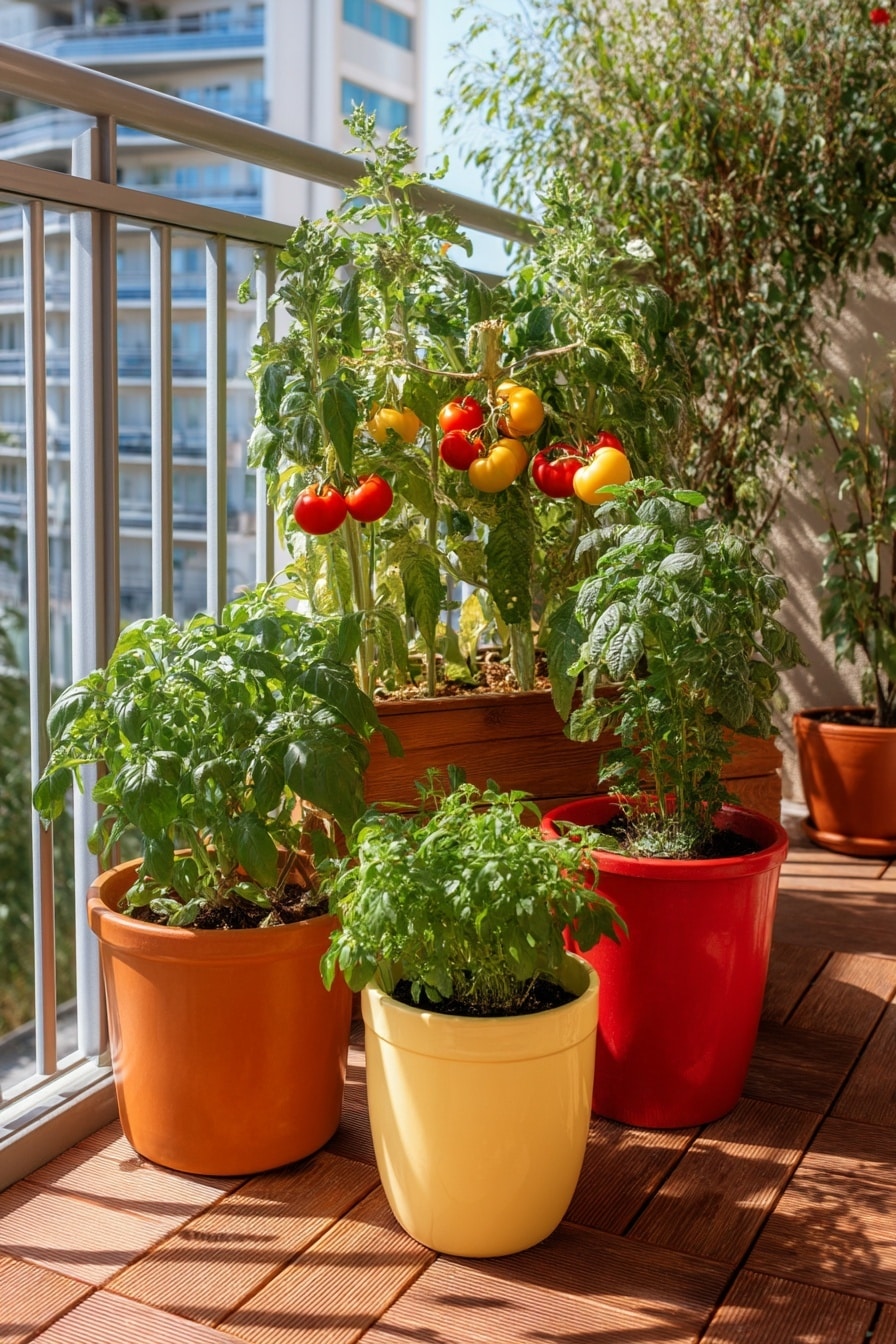
Vegetable garden success begins with a bit of planning, a touch of patience, and a lot of joy. Whether you’re dreaming of juicy tomatoes, crisp lettuce, or sweet carrots, starting your own vegetable garden is easier than you think—and incredibly rewarding. With just a few simple steps, even first-time gardeners can grow fresh, healthy produce right in their backyard or balcony. From picking the perfect spot to harvesting your homegrown bounty, this guide will walk you through everything you need to get your vegetable garden growing strong.
Table of Contents
🌞 1. Pick the Perfect Spot for Your Vegetable Garden

Choosing the right location for your vegetable garden sets the foundation for a productive season. Most vegetables need at least 6 to 8 hours of full sunlight each day, so find a sunny spot that isn’t blocked by trees, fences, or buildings.
Also, think about convenience. A garden that’s easy to reach will get the attention it needs—whether it’s watering on a hot day or picking fresh herbs while cooking. If it’s too far from the house or hard to access, it might get overlooked.
Check your soil too. Avoid areas where water pools after rain, and look for soil that drains well. While rich, dark soil is ideal, don’t worry if yours isn’t perfect. You can improve it with compost or organic amendments before planting.
Finally, try to choose a flat area to prevent erosion or water runoff. Raised beds or containers are a great option if your yard is sloped or has poor soil.
🥕 2. Choose What to Grow in Your Vegetable Garden
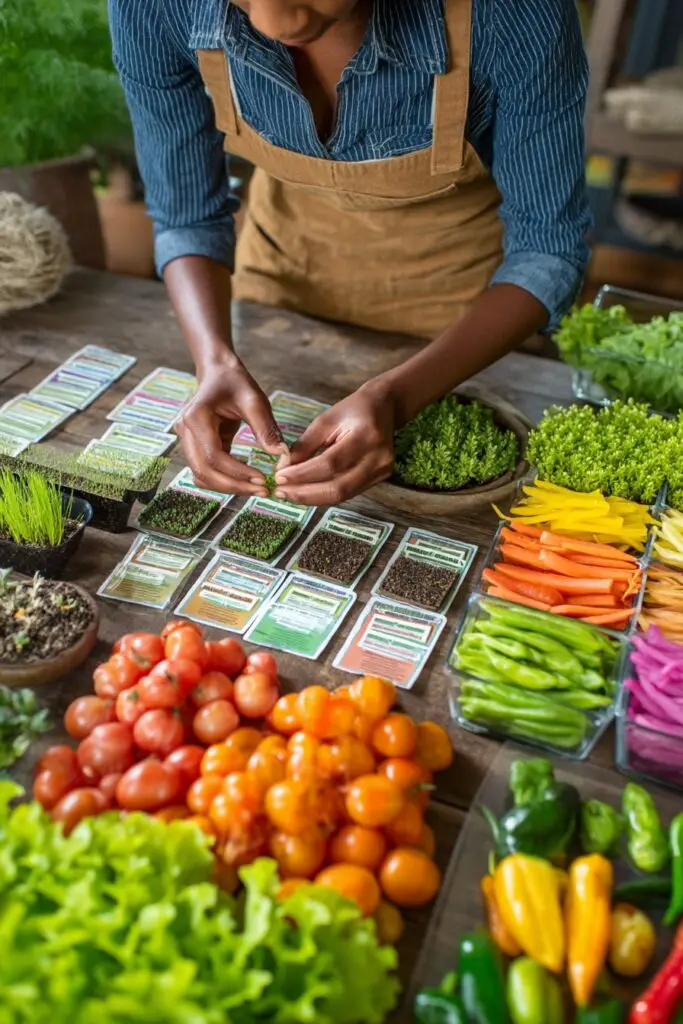
This is where your vegetable garden starts to take shape—by deciding what to plant. Start with vegetables your household actually enjoys eating. There’s no sense in growing eggplant if no one at home wants to eat it.
If you’re short on space, choose crops that offer a high yield in small areas, like lettuce, spinach, radishes, or cherry tomatoes. For beginners, easy-to-grow favorites include zucchini, green beans, and salad greens.
Take time to understand plant types, too. Some vegetables, like carrots and beets, grow underground. Others, like cucumbers and beans, climb or sprawl. Knowing this helps you make better use of space.
Also, think about your local growing season. Leafy greens thrive in cooler weather, while peppers and squash prefer heat. Check your USDA Hardiness Zone or local extension service to find out what grows best in your area.
Keep things realistic—don’t overcrowd your vegetable garden. Overplanting leads to competition for sunlight, water, and nutrients, and can cause plants to underperform.
📐 3. Design Your Vegetable Garden Layout
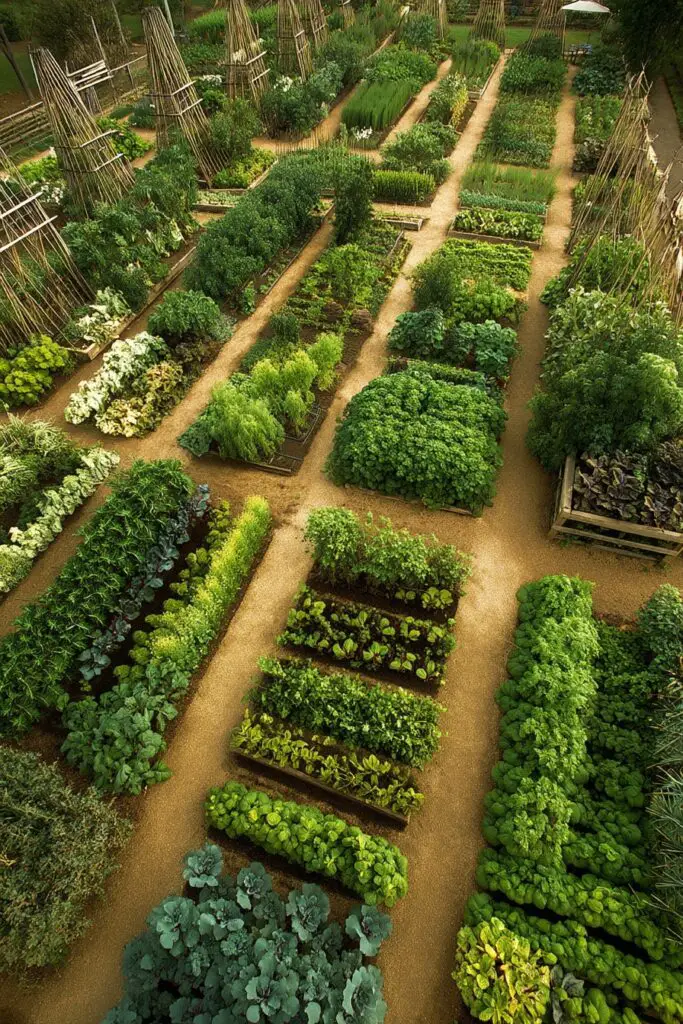
A well-planned vegetable garden layout can save you time, water, and effort all season long. Before you start digging, sketch out a simple garden plan based on the space available and the crops you want to grow.
Group vegetables by their sunlight, water, and spacing needs. Place taller plants like corn or tomatoes on the north or west side so they don’t cast shade on shorter crops. Low-growing vegetables such as lettuce and onions should be placed where they get full sun.
Leave enough room between rows or beds for walking, watering, and harvesting. Paths help prevent soil compaction and make your garden easier to manage. A width of 18 to 24 inches is usually enough for comfortable access.
Consider raised beds if your native soil is poor or if drainage is an issue. They warm up faster in spring, drain better, and reduce weed pressure. You can also install drip irrigation or soaker hoses early on to make watering more efficient.
Even if your focus is function, your vegetable garden can still look beautiful. Use symmetry, borders, or companion plants like marigolds to create visual interest.
🌿 4. Grow More Vegetables in a Small Space
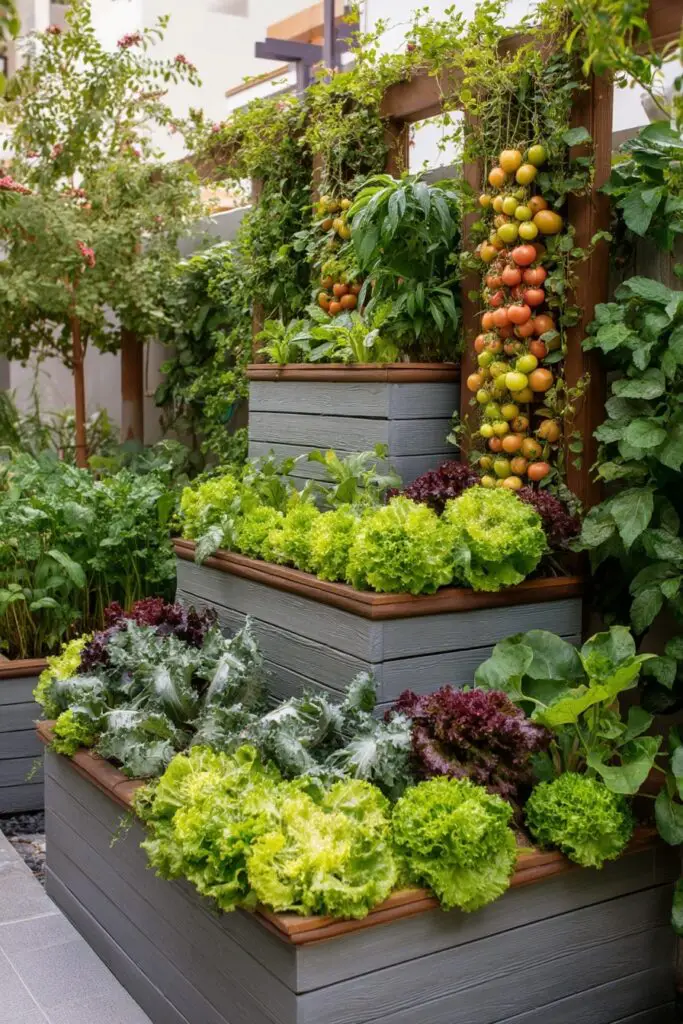
Even if you only have a small yard—or just a patio—you can still grow a productive vegetable garden. Smart planning and strategic planting can help you get the most from limited square footage.
Start with compact or dwarf varieties that are bred specifically for small spaces. Bush beans, patio tomatoes, baby carrots, and mini bell peppers are great options that don’t skimp on flavor.
Take advantage of vertical space. Train climbing vegetables like peas, cucumbers, and pole beans to grow up trellises or fences. This saves ground space while boosting air circulation, which helps prevent disease.
Practice succession planting to extend your harvest. For example, once your early-season lettuce or radishes are done, replace them with heat-loving crops like peppers or basil.
You can also grow vegetables more densely using square-foot gardening methods. Just be sure to feed the soil well and thin seedlings properly to avoid overcrowding.
Mix fast growers with slow ones to keep your garden full and productive without overwhelming any one area.
🪴 5. Grow Vegetables in Containers
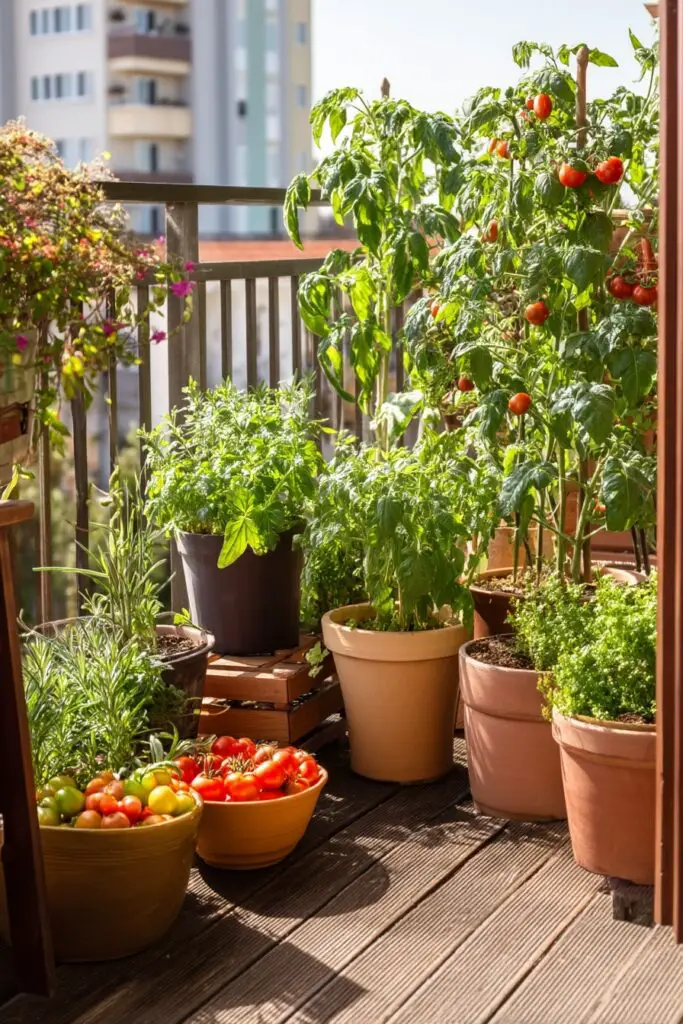
If ground space is limited—or if you just want a flexible setup—growing a vegetable garden in containers is a smart solution. Nearly any vegetable can thrive in a pot with the right care and conditions.
Choose containers with good drainage. Most vegetables don’t like wet feet, so make sure excess water can escape easily. Use quality potting mix—not garden soil—as it’s lighter and better suited for containers.
Sunlight is still key. Place your pots where they’ll get at least 6 hours of full sun. The beauty of containers is that you can move them as needed to chase the sun or shield plants from harsh weather.
Watering is critical. Container-grown vegetables dry out faster than those in the ground, especially during hot spells. Check moisture daily and be ready to water more often.
Stick to compact crops when possible. Leafy greens, radishes, herbs, peppers, and bush tomatoes all grow well in pots. You can even trellis vining plants like peas or cucumbers in larger containers.
And don’t forget: raising vegetables in containers can also help deter pests and reduce the need for weeding.
🌱 6. Tend Your Vegetable Garden Regularly
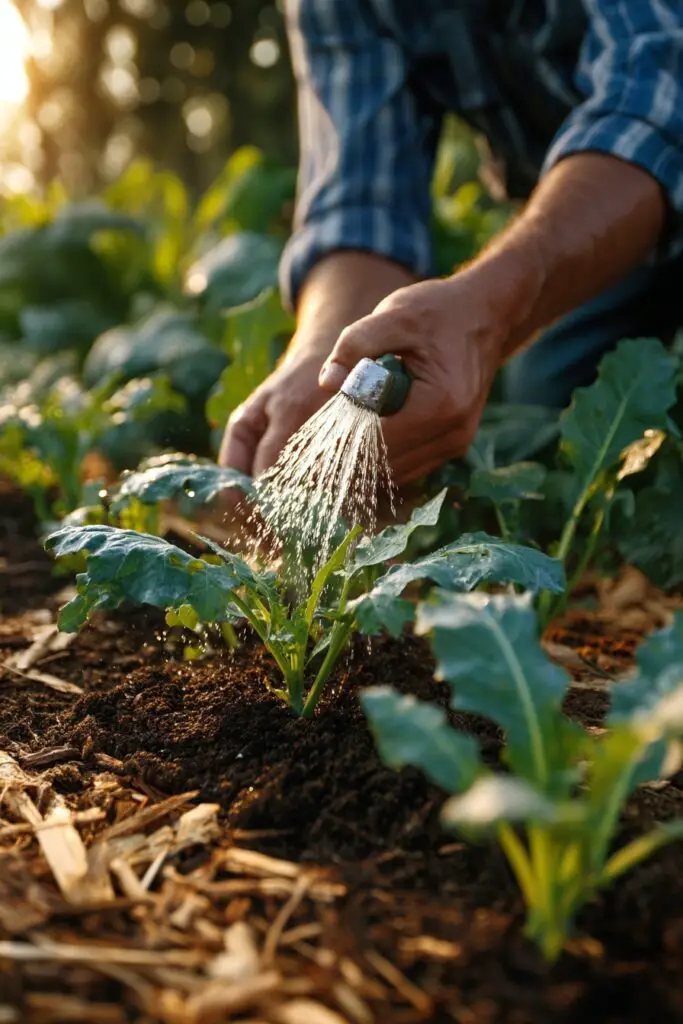
A thriving vegetable garden needs consistent care—especially once your plants are in the ground and growing. Regular attention ensures your vegetables stay healthy and productive all season long.
Start by establishing a watering routine. Most vegetables need about 1 inch of water per week, either from rainfall or irrigation. Water early in the day to minimize evaporation and reduce the risk of fungal diseases.
Keep an eye on weeds. They compete with your vegetables for nutrients, water, and sunlight. Mulching with straw, shredded leaves, or compost helps retain moisture and suppress weeds naturally.
As your plants grow, some will need staking or support. Tomatoes, peas, and beans especially benefit from cages or trellises that keep them upright and off the soil.
Harvest often and at the right time. Picking vegetables promptly encourages plants to keep producing, and it also improves flavor. Wilted greens or overripe squash aren’t nearly as satisfying as fresh-picked perfection.
Lastly, make notes as you go. Tracking what works (and what doesn’t) can help you improve your vegetable garden year after year.
🐛 7. Control Pests Naturally and Effectively
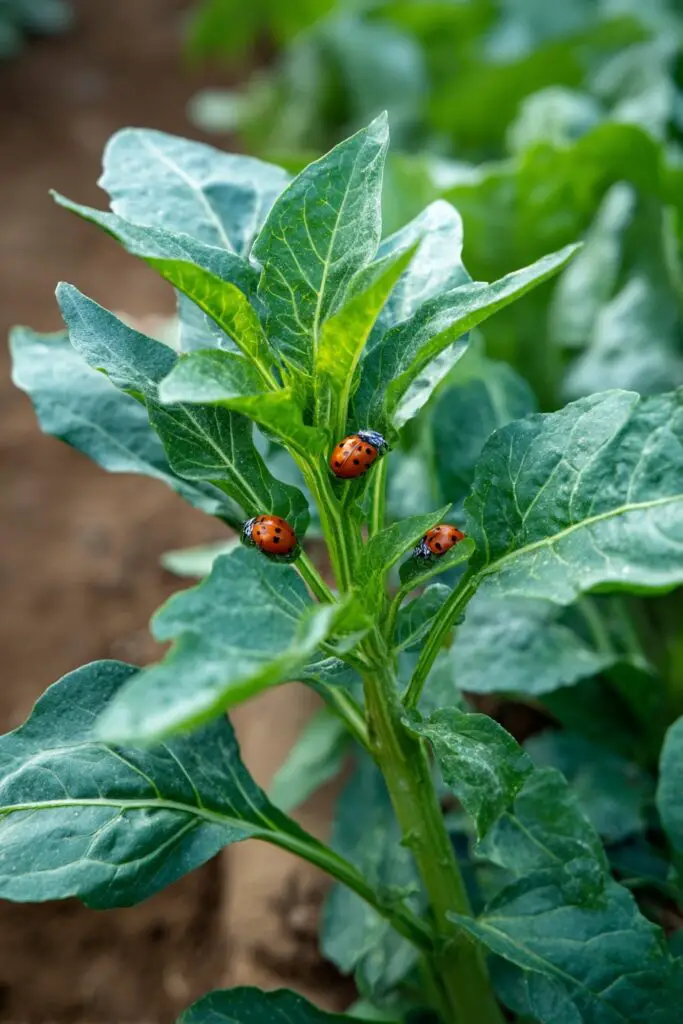
Pests are an inevitable part of every vegetable garden, but with the right approach, you can keep them under control without resorting to harsh chemicals.
Start by monitoring your plants regularly. Flip leaves, check stems, and look for signs like holes, wilting, or discoloration. The earlier you spot a problem, the easier it is to manage.
Encourage natural predators like ladybugs, lacewings, and birds. These allies feed on common garden pests and help keep populations in check. You can attract them by planting flowers like dill, marigold, or alyssum nearby.
Use physical barriers when needed. Row covers, netting, or collars around young seedlings can prevent insects and animals from damaging crops before they get established.
Try handpicking larger pests like tomato hornworms or beetles—surprisingly effective and safe for your plants.
If you choose to use sprays, opt for organic options like neem oil or insecticidal soap. Apply in the early morning or evening to protect pollinators, and only treat affected areas.
Keeping your garden clean—removing fallen leaves or spent plants—also reduces places for pests to hide and breed.
🧺 8. Harvest and Preserve Your Vegetables
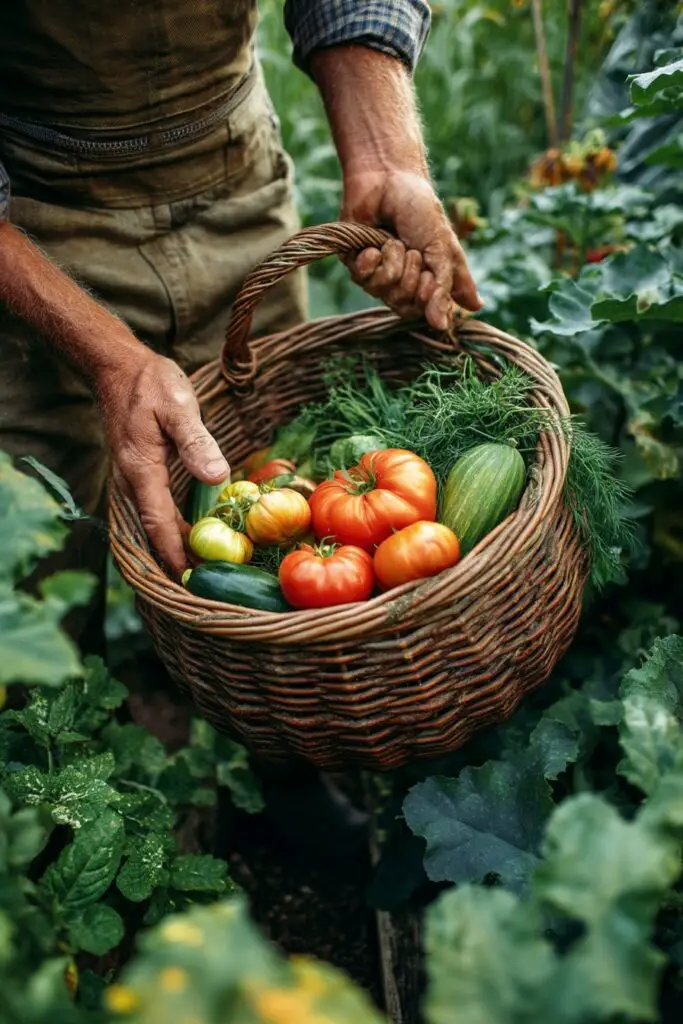
The most satisfying part of growing a vegetable garden is enjoying the harvest—but timing is everything. Picking vegetables at their peak ensures the best flavor, texture, and nutrition.
Check each crop’s maturity window. For example, green beans are most tender when young, while tomatoes should be fully colored and slightly soft to the touch. Overripe vegetables can become tough, bitter, or stop the plant from producing more.
Use clean, sharp scissors or garden shears to avoid damaging plants when harvesting. Be gentle, especially with fragile crops like herbs or leafy greens.
Don’t worry if your harvest is more than you can eat right away. Many vegetables are easy to preserve through freezing, drying, or canning. For example:
- Blanch and freeze beans, corn, or chopped zucchini
- Air dry herbs like oregano, basil, or thyme
- Can tomatoes into sauces or salsas for winter use
Label everything with the date and variety—future you will be thankful when pulling frozen veggies or dried herbs from storage.
Preserving your harvest allows you to enjoy the fruits of your vegetable garden long after the growing season ends.
🌾 Conclusion: Growing Your Own Vegetable Garden Is Worth It
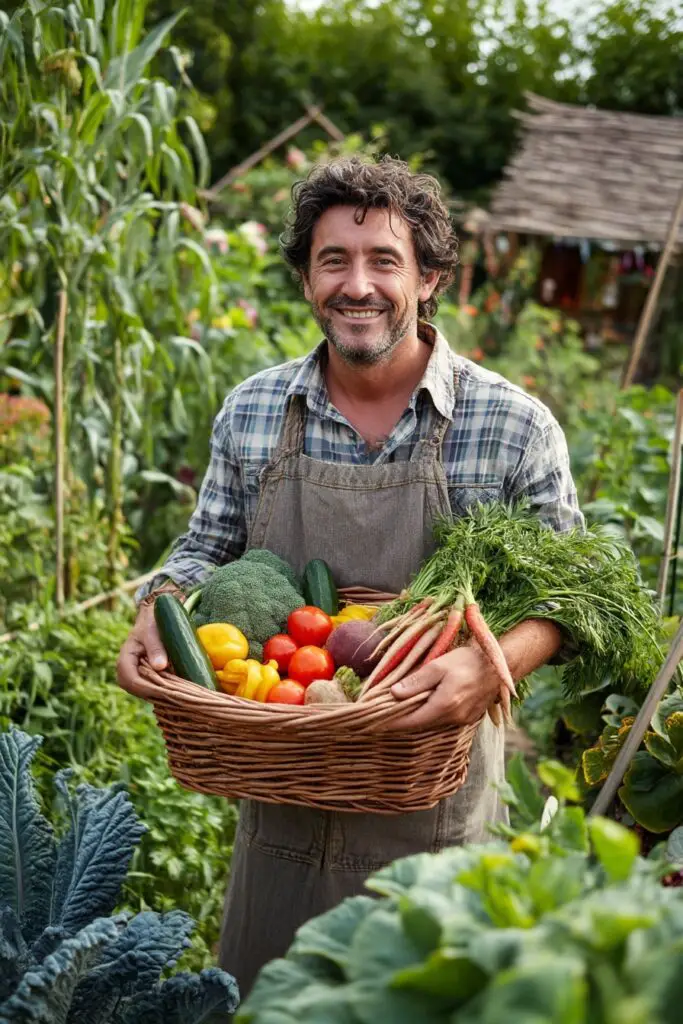
Starting a vegetable garden is one of the most rewarding ways to connect with your food, your environment, and your health. With just a bit of planning and regular care, even beginners can enjoy fresh, homegrown vegetables all season long.
From choosing the right location to harvesting and preserving your produce, every step brings you closer to self-sufficiency—and a tastier plate. Whether you’re working with a small patio or a full backyard, your vegetable garden can thrive with time, attention, and a little love.
So roll up your sleeves and get started—your future harvest is waiting.