
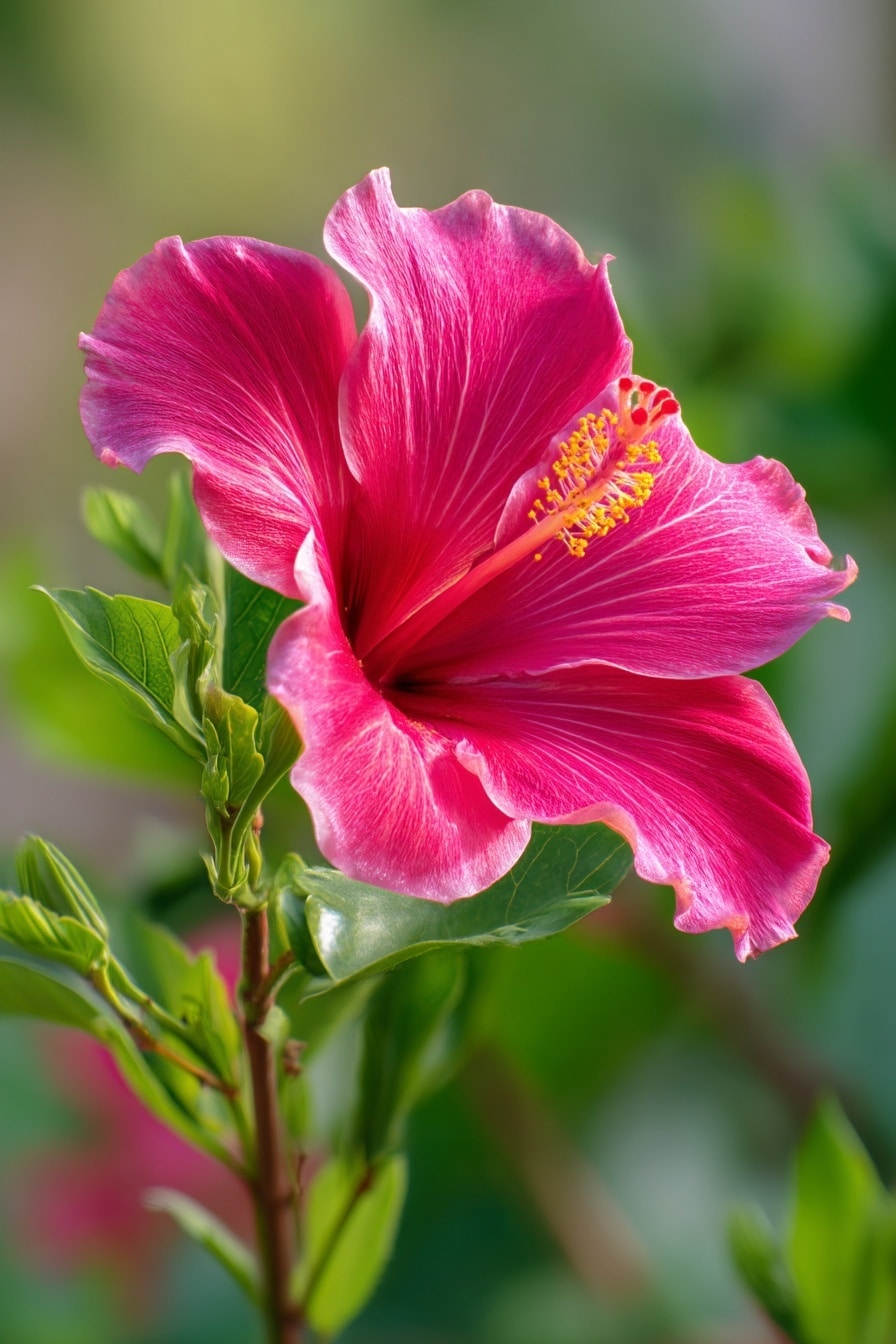
Hibiscus flower care begins with understanding the unique beauty and versatility of this tropical showstopper. Whether you’re growing it for its oversized blooms, pollinator appeal, or edible qualities, the hibiscus plant adds instant vibrancy to gardens big or small. Found in both hardy and tropical varieties, it thrives in a range of climates with the right approach.
In this guide, you’ll learn everything you need to know to successfully plant, grow, and care for hibiscus flower—from selecting the right type to mastering soil prep, pruning, and troubleshooting yellowing leaves. With a few expert-backed techniques, your hibiscus can flourish year after year, producing stunning blooms and a healthier garden ecosystem.
Table of Contents
What Is a Hibiscus Flower?

The hibiscus flower is known for its bold, trumpet-shaped blooms and lush foliage, making it a favorite in both tropical and temperate gardens. Scientifically classified under Hibiscus spp., this plant belongs to the mallow family (Malvaceae), which also includes okra and hollyhock.
Its large, colorful flowers often range in hues from vibrant red to soft pink, sunny yellow, white, and even deep purple. Some varieties feature single blooms, while others display dramatic double-layered petals. A signature feature is the prominent stamen that juts from the center, giving the flower a tropical, exotic look.
Hibiscus can grow as woody shrubs, herbaceous perennials, or even annuals, depending on the species and climate. While tropical types thrive in USDA Zones 9–10, hardy varieties like rose mallow and rose of Sharon grow well in Zones 3–8, returning each year after winter dormancy.
Aside from their striking appearance, hibiscus flowers offer ecological benefits. They attract bees, butterflies, and hummingbirds—playing a key role in pollinator-friendly gardens. This blend of beauty and function makes the hibiscus a reliable choice for gardeners of all levels.
Culinary Uses of the Hibiscus Flower
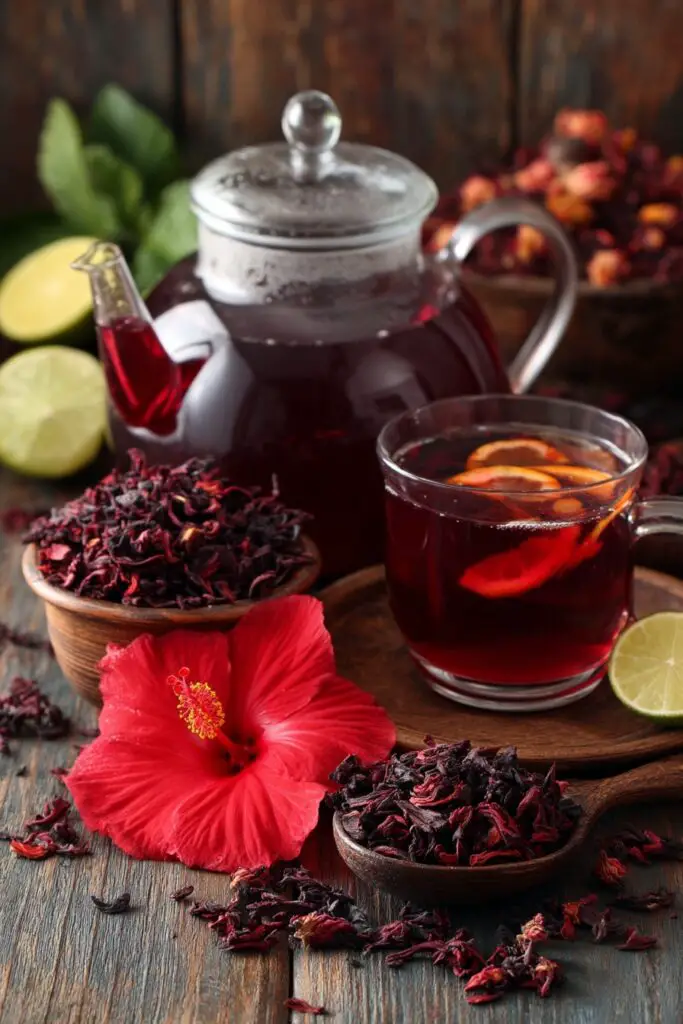
Beyond its visual appeal, the hibiscus flower has long been valued for its culinary versatility. In many cultures, different parts of the hibiscus plant—especially the flower calyces and leaves—are harvested for food, drinks, and natural remedies.
One of the most well-known uses is hibiscus tea, made by steeping dried hibiscus petals in hot water. The resulting drink is naturally tart, rich in antioxidants, and often enjoyed both hot and iced. The Roselle variety (Hibiscus sabdariffa) is especially prized for its deep red calyces, which give the tea its vibrant color and zingy flavor.
In some cuisines, hibiscus is added to salads, jams, or even stir-fries. Young leaves from roselle and cranberry hibiscus varieties can be sautéed or tossed raw, offering a mildly tangy taste that pairs well with ginger, citrus, and herbs.
Thanks to its vitamin C content and bold color, the hibiscus flower is also used in syrups, jellies, and candied desserts. If you’re growing edible varieties, be sure they’re organically maintained and free from pesticides.
Types of Hibiscus Flowers: Tropical vs. Hardy Varieties
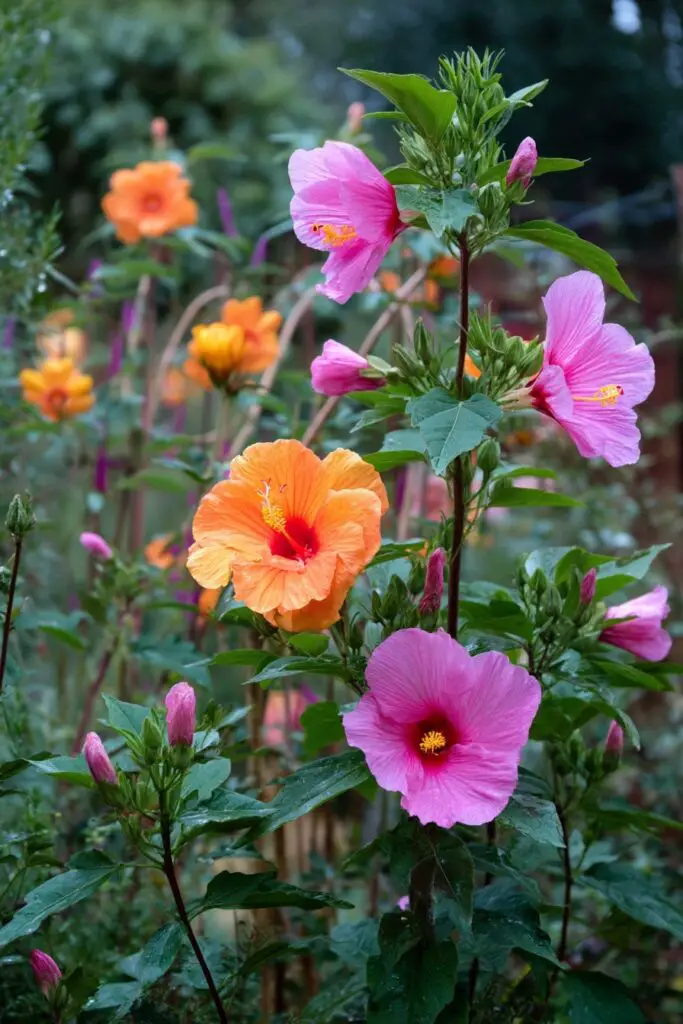
When choosing a hibiscus flower for your garden, understanding the difference between tropical and hardy types is key. Each offers stunning blooms, but their care needs and climate tolerance vary greatly.
🌴 Tropical Hibiscus (Hibiscus rosa-sinensis)
These are the classic, vibrant blooms often seen in warm, coastal climates. Tropical hibiscus thrives in Zones 9–10, where they can be grown outdoors year-round. In cooler climates, they’re often treated as annuals or grown in containers and brought indoors for winter.
- Appearance: Glossy green leaves, large flowers in bold shades (red, orange, yellow, pink)
- Ideal for: Poolside containers, tropical-themed gardens, bright indoor spaces
- Care tip: Requires warmth, humidity, and consistent watering
Popular varieties include Chinese hibiscus and roselle hibiscus, which is also used for culinary purposes.
❄️ Hardy Hibiscus (e.g., Rose Mallow, Rose of Sharon)
Perfect for gardeners in Zones 3–8, hardy hibiscus can survive winter temperatures and return each spring. These perennials are tough but still produce flowers that rival tropical types in size and color.
- Rose Mallow (Hibiscus moscheutos): Massive dinner-plate blooms, often in white, pink, or red. Great for moist soil and full sun.
- Texas Star (Hibiscus coccineus): Tall with striking, star-shaped crimson flowers.
- Rose of Sharon (Hibiscus syriacus): Shrub-like with many bloom colors; tolerates drier soils and urban conditions.
Choose the variety that fits your climate, soil, and aesthetic goals—and always check the plant tag or seed packet for zone recommendations and spacing needs.
How to Plant and Grow Hibiscus Flowers
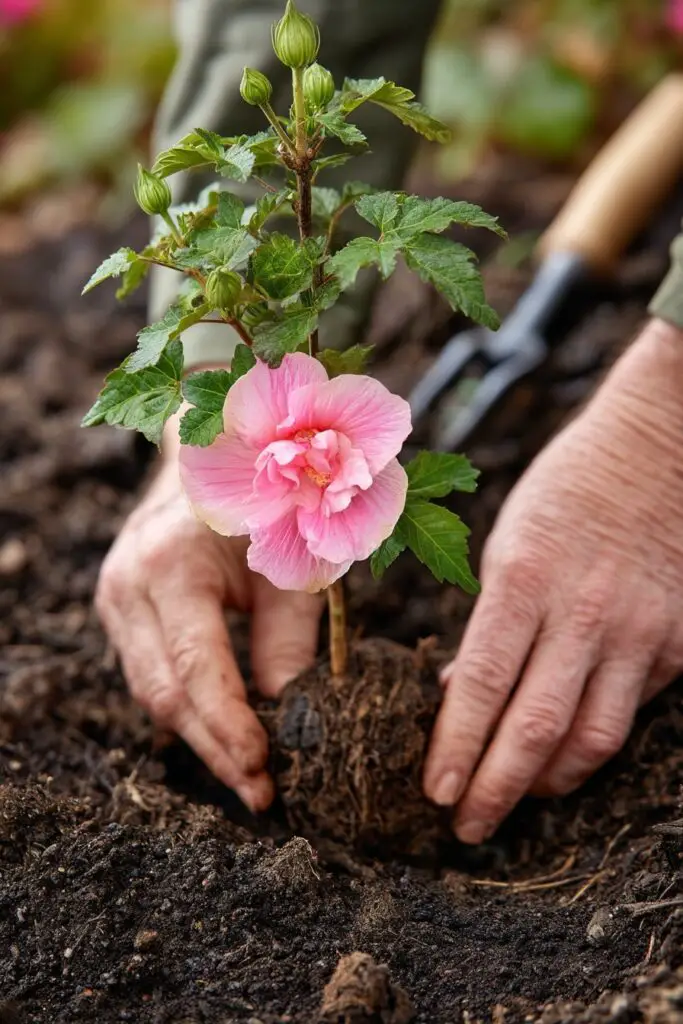
Growing a healthy hibiscus flower starts with the right foundation—soil, sun, and space. Whether you’re planting in the ground or in containers, these steps will help your hibiscus thrive from day one.
🌱 Starting from Seed or Nursery Plants
- Hardy hibiscus, roselle, and cranberry varieties can be grown from seed. Soak seeds overnight or nick the outer shell with a knife to improve germination.
- Tropical hibiscus grows slowly from seed, so it’s best to buy starter plants from a nursery.
If you’re planting seeds indoors, use a heat mat to maintain soil temperatures around 75–80°F.
🌿 Preparing Soil
All hibiscus flowers prefer moist, well-draining soil enriched with organic matter. Before planting:
- Loosen the soil to improve drainage
- Mix in compost, leaf mold, or peat moss
- Avoid heavy clay or sandy soil without amendment
☀️ Choosing the Right Location
- Full sun is ideal for most hibiscus varieties
- Hardy types (like rose of Sharon) can handle part shade, especially in hot climates
- Protect tropical hibiscus from strong winds and extreme heat
Spacing depends on the variety, but most hibiscus plants need 3–6 feet between them to allow for airflow and growth.
🌼 How to Plant
- Dig a hole twice as wide and slightly deeper than the root ball.
- Fill halfway with water and allow it to soak in.
- Gently loosen the root ball and set the plant in place.
- Backfill with soil and press lightly to remove air pockets.
- Water thoroughly and keep the soil consistently moist while the plant establishes.
🪴 Growing in Containers
Dwarf hibiscus, rose mallow, and rose of Sharon work beautifully in pots. Use a large container with drainage holes and rich potting soil. Keep the soil evenly moist, and fertilize regularly for continued blooming.
Container hibiscus thrives near pools, patios, or balconies, adding tropical flair to even the smallest spaces.
How to Care for a Hibiscus Flower
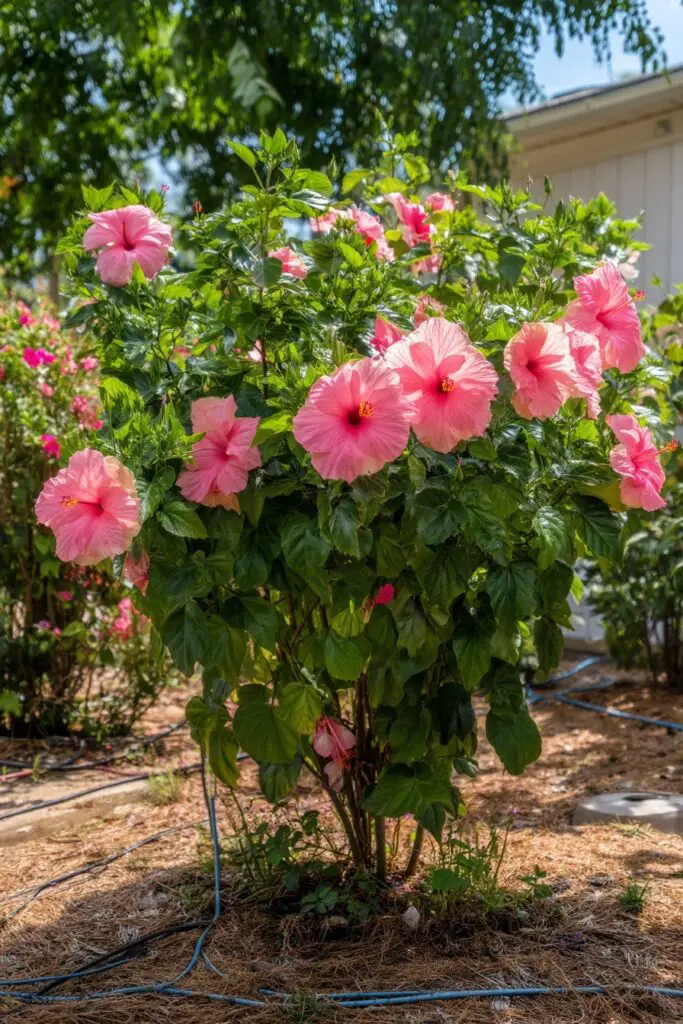
Once planted, proper care ensures your hibiscus flower continues to thrive season after season. From fertilizing to pest control, here’s how to keep your plants in top shape.
🌸 Fertilizing Hibiscus
Hibiscus plants are heavy feeders, especially when grown for their flowers. Use a balanced fertilizer that’s low in nitrogen and higher in phosphorus and potassium (like 5-10-10 or similar).
- Tropical varieties benefit from regular feeding every 2–3 weeks during the growing season.
- Hardy varieties often need less, especially if planted in rich soil. For native landscaping, fertilizer may not be necessary at all.
Always follow label directions and avoid overfeeding, which can lead to leaf growth at the expense of flowers.
🍂 Mulching and Moisture Control
Apply 2–3 inches of organic mulch (like bark or leaf mold) around the base of your hibiscus to:
- Conserve soil moisture
- Suppress weeds
- Protect roots from temperature swings
In winter, mulch is especially important for hardy hibiscus to survive freezing temperatures.
🐛 Pests and Disease Management
Common pests include:
- Japanese beetles: Hand-pick or trap
- Aphids: Spray with insecticidal soap or neem oil
- Spider mites: Look for webbing or stippled leaves and treat early
Hibiscus flowers are generally resistant to most diseases, but monitor for leaf spot, rust, and blight. Remove affected leaves and ensure good air circulation.
✂️ Pruning Tips
Prune perennial hibiscus in late winter or early spring before new growth appears. Remove:
- Dead stems
- Weak or crossing branches
- Spent flower heads (for tropical types) to encourage new blooms
Regular pruning not only improves shape but also encourages a fuller plant with more flowers.
Why Hibiscus Leaves Turn Yellow (And How to Fix It)
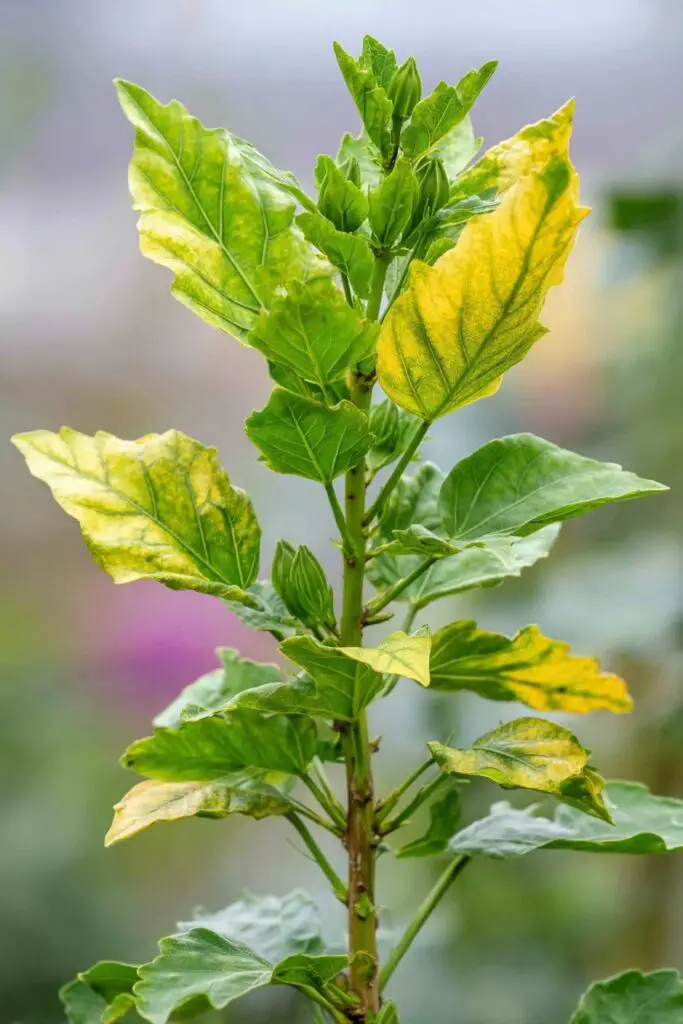
Even a well-tended hibiscus flower may show yellow leaves from time to time. This is the plant’s way of signaling stress. Fortunately, most causes are easy to diagnose and treat with a few small adjustments.
🍁 Seasonal Changes
During early spring or fall, yellowing leaves are often natural. As temperatures shift, hibiscus may shed older leaves to make way for new growth. If the plant is otherwise healthy, no action is needed.
💧 Overwatering or Underwatering
Hibiscus loves moisture—but not soggy roots.
- Too much water can lead to root rot. Look for yellowing lower leaves and mushy soil. Let the soil dry slightly between waterings.
- Too little water causes wilting and yellow tips, especially during heatwaves. Water deeply and consistently.
Stick your finger into the soil to check for proper moisture levels.
☀️ Sunlight Stress
While hibiscus flowers thrive in full sun, intense afternoon heat can scorch leaves, especially in hotter zones. If leaves are yellow with white patches, offer some afternoon shade.
On the other hand, low light—especially when hibiscus are overwintered indoors—can lead to yellowing and leaf drop. Ensure they get bright, indirect sunlight indoors.
🌿 Nutrient Deficiency or pH Imbalance
Mottled or pale yellow leaves (rather than solid yellow) often point to nutrient deficiencies, especially nitrogen or iron. Apply a balanced fertilizer if the plant hasn’t been fed.
If you’ve already fertilized, poor soil pH might be blocking nutrient uptake. A quick soil test can reveal imbalances. Avoid guesswork—adjust pH only based on actual test results.
🕷️ Spider Mites and Pests
Tiny spider mites may cause leaves to turn yellow, curl, and feel sticky underneath. Treat with neem oil or insecticidal soap, and spray early in the morning or evening to protect pollinators.
✅ How to Help Your Hibiscus Recover
- Adjust one variable at a time: light, water, fertilizer, etc.
- Monitor new growth: if it’s green and strong, the issue is resolving.
- Remove damaged leaves to redirect energy into healthy parts of the plant.
Yellowing is often reversible with a little detective work and consistency in care.
Conclusion
Growing a hibiscus flower successfully isn’t difficult—when you understand its needs, it can reward you with stunning blooms and vibrant foliage year after year. Whether you choose a hardy variety for perennial color or a tropical type for bold summer displays, hibiscus adds beauty, wildlife interest, and even edible potential to your garden.
By choosing the right species, planting in healthy soil, staying on top of care routines, and responding quickly to yellowing leaves, you can enjoy a thriving hibiscus that feels right at home in your landscape.