
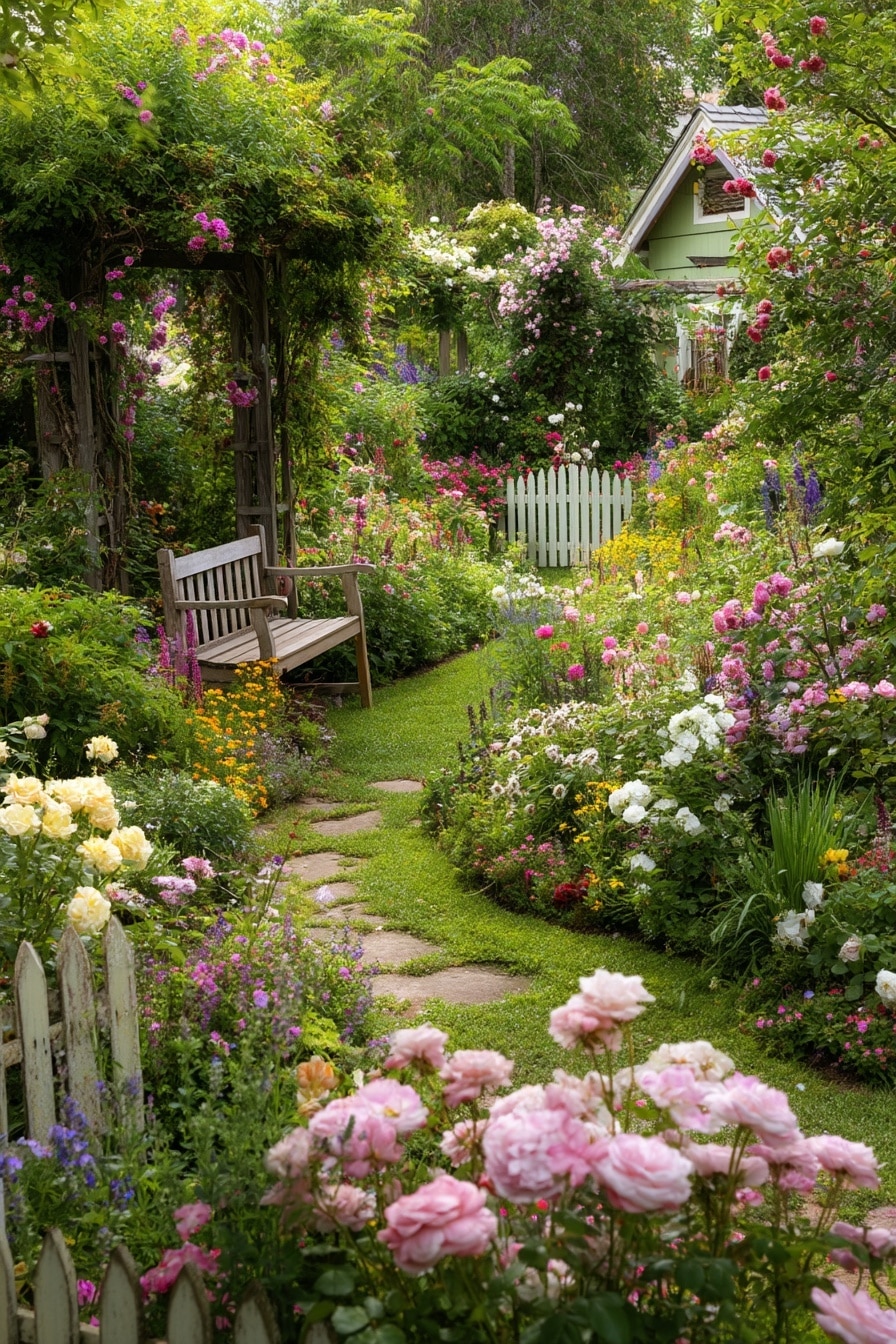
How to plan a cottage garden isn’t just about planting flowers—it’s about creating a space that feels timeless, relaxed, and full of personality. With their dreamy mix of blooms, winding paths, and vintage charm, cottage gardens offer a peaceful retreat right in your own backyard. Whether you’re starting from scratch or refreshing an existing space, knowing how to design each layer—plants, layout, and décor—makes all the difference. In this guide, we’ll walk you through five simple steps that landscaping pros rely on to bring that whimsical, overflowing beauty to life—without the fuss.
Step 1: Plan the Layout with Purpose

A well-thought-out layout is the foundation of any successful cottage garden. Instead of rigid, geometric lines, aim for a more organic and free-flowing design. Think curved borders, meandering paths, and cozy nooks that invite exploration.
Start by sketching your garden space. Identify sunny and shaded areas, access points, and where you’d like paths to lead. Landscaping experts often recommend using materials like reclaimed brick, gravel, or natural flagstone to form informal walkways that blend seamlessly with the garden’s rustic character. These materials not only age beautifully but also provide excellent durability through changing weather conditions.
Leave generous space between paths and planting areas—this not only gives plants room to grow but makes garden maintenance more manageable. If your space is small, use winding paths to create the illusion of depth and distance. This kind of thoughtful layout instantly captures the charming, slightly wild aesthetic of a classic cottage garden.
Step 2: Choose the Right Plants for Lasting Beauty
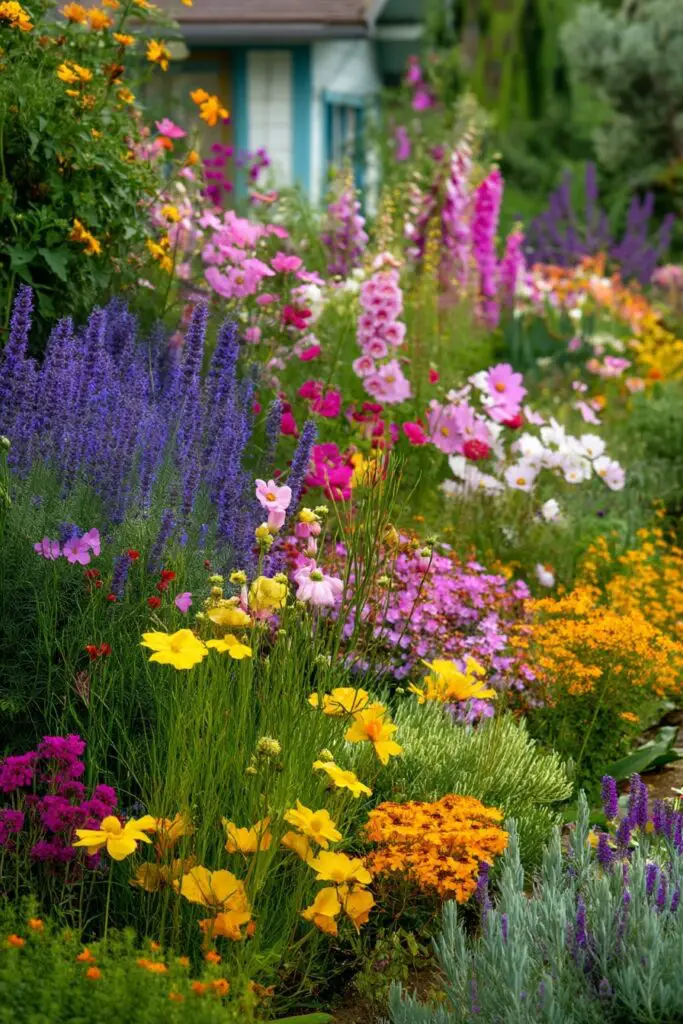
Selecting the right mix of plants is essential when learning how to plan a cottage garden that feels lush and alive year-round. A classic cottage garden blends structure with spontaneity—combining perennials for stability and annuals for bursts of seasonal color.
Start with a base of hardy perennials like lavender, foxgloves, peonies, and catmint. These plants return each year, building a reliable framework for your garden. Then fill in the gaps with cheerful annuals such as cosmos, sweet peas, or zinnias to keep things fresh and colorful from spring through fall.
A signature of cottage gardens is their layered planting style. Place taller blooms like delphiniums or hollyhocks towards the back or center, medium-height varieties in the middle, and low growers such as creeping thyme or alyssum at the front. This layering adds dimension and creates that full, overflowing look.
Don’t stress about perfection—embrace a little chaos. Let plants spill over pathways, self-seed naturally, and mix textures freely. Just be sure to give each plant enough room to grow, and group them by light and water needs to keep things thriving without constant care.
Step 3: Layer Plants for Depth and Texture
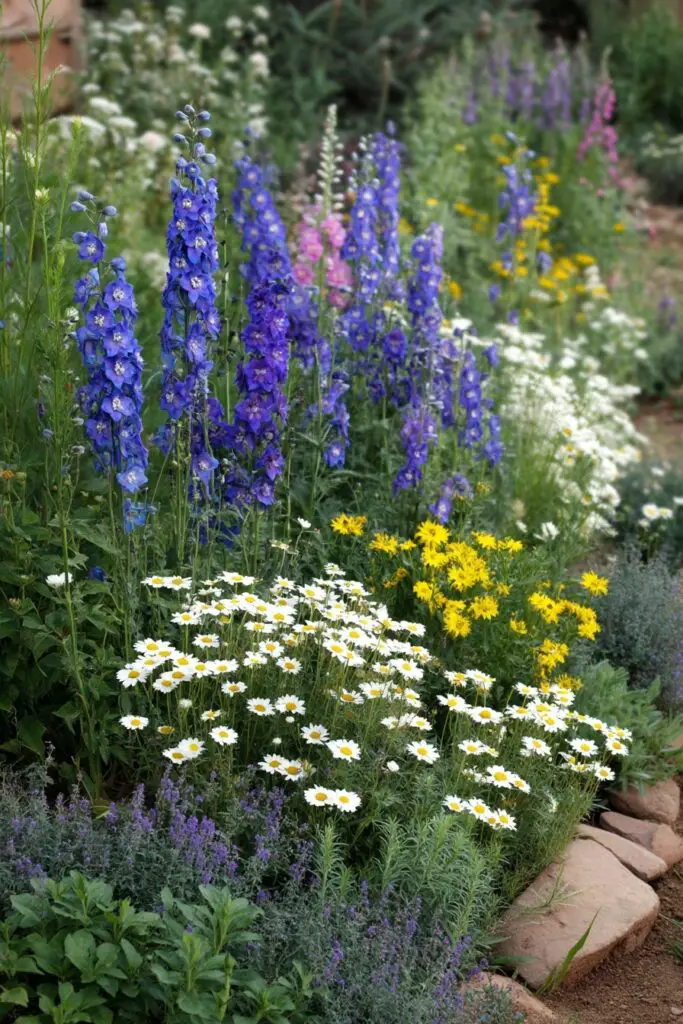
One of the most visually striking features of a cottage garden is its natural sense of depth. Layering plants by height and texture is a simple technique that gives your garden a lush, immersive feel without looking too staged.
Begin by placing tall plants—like lupines, delphiniums, or even climbing roses—at the back of borders or along fences and trellises. In front of those, add medium-height fillers like echinacea, daisies, or coreopsis. Finish with a front layer of low-growing groundcovers such as thyme, alyssum, or violas that soften the edges and trail over walkways.
Vary the foliage as well as the flowers. Mix fine, airy textures like feverfew with bolder leaves from plants like lady’s mantle. This contrast adds richness to the overall design and keeps the garden visually engaging even between blooms.
For healthy growth, make sure your soil is well-draining and enriched with organic compost. Before planting, check your USDA hardiness zone and choose varieties that are suited to your local climate. This ensures your cottage garden stays vibrant from season to season without constant replanting.
Step 4: Add Hardscaping and Decor That Feels Timeless
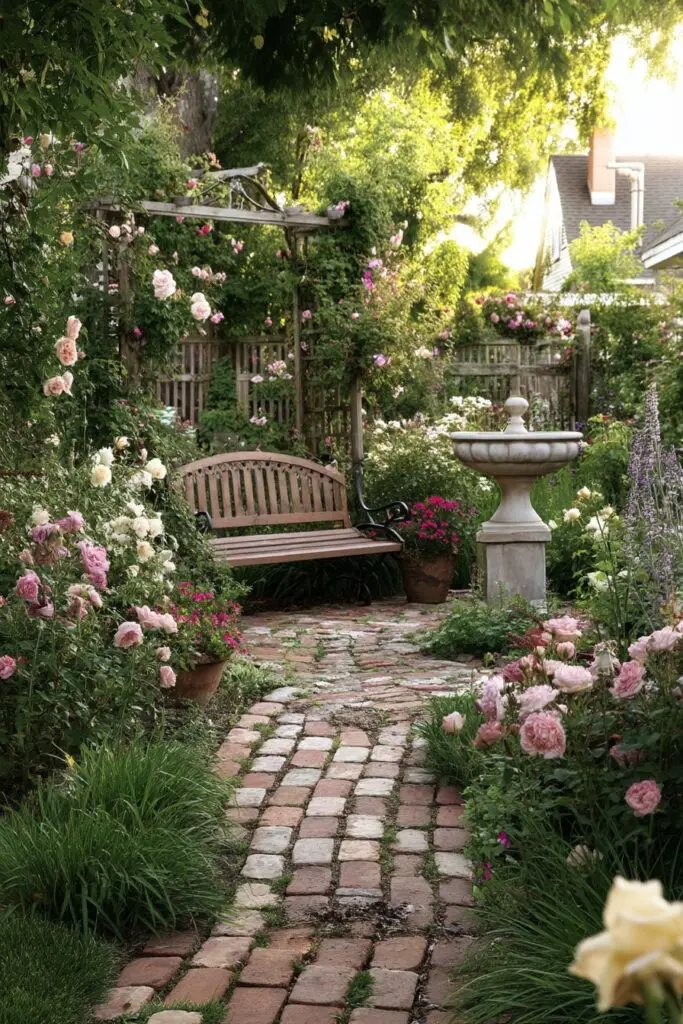
Once your plants are in place, it’s time to add the rustic charm that truly defines a cottage garden. Hardscaping and vintage-style decor bring structure, personality, and focal points to the space without disrupting its soft, natural look.
Start with natural materials like wood, stone, and wrought iron. Curved trellises, wooden arches, and picket fences can help support climbing plants like sweet peas or roses while adding romantic vertical interest. For paths, try reclaimed brick, gravel, or weathered stepping stones to enhance that aged, storybook atmosphere.
Incorporate garden elements that double as both decorative and functional. A stone birdbath, iron bench, or aged water fountain creates visual anchors and gives visitors a place to pause and take in the view. These elements don’t have to be expensive—vintage finds or repurposed materials often work best.
If space allows, create cozy zones like a seating nook tucked behind tall blooms or a bistro set beneath an arbor. This adds charm and encourages you to actually spend time in your garden—not just admire it from afar.
These thoughtful details ground your garden and make it feel like it’s been there forever—an essential part of every well-loved cottage garden.
Step 5: Finish with Greenery and Natural Accents
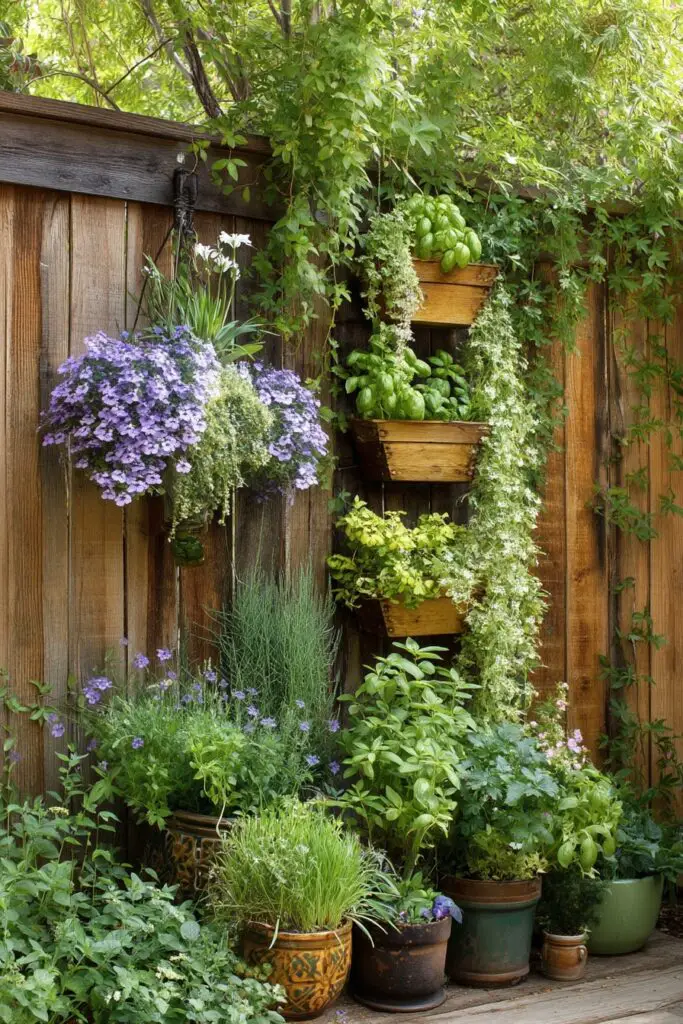
To complete your cottage garden, it’s all about the finishing touches—those smaller, green details that make the space feel full of life and layered with charm. Even if your flower beds are brimming, there’s always room to add softness and movement with fresh greenery.
Use potted herbs, ferns, and small shrubs to fill in empty corners, borders, or patio edges. These add structure and keep your garden looking lively between bloom cycles. Hang basket planters filled with trailing ivy, lobelia, or nasturtiums from fences, porches, or shepherd’s hooks for extra vertical appeal.
Vertical gardening also works well in tight spaces. Try mounting planters or wall baskets on fences, or grow climbing plants like clematis and morning glory to cover bare walls and create a lush, immersive backdrop.
These green accents not only enhance the look of your cottage garden, they serve a purpose—herbs for cooking, vines for privacy, and foliage for seasonal interest.
Even a few added plants can turn an ordinary spot into a whimsical haven. The key is to keep the garden feeling like an extension of nature: slightly imperfect, beautifully abundant, and always welcoming.
Conclusion
Creating a cottage garden doesn’t require a massive budget or a professional crew—just a bit of planning and a love for natural beauty. By focusing on layout, plant selection, layering, rustic decor, and finishing greenery, you can build a backyard that feels both enchanting and personal.
Whether your space is large or small, these five steps will help you design a garden that’s low-maintenance, timeless, and always in bloom. Take it slow, enjoy the process, and remember—charm grows best when things aren’t too perfect.