
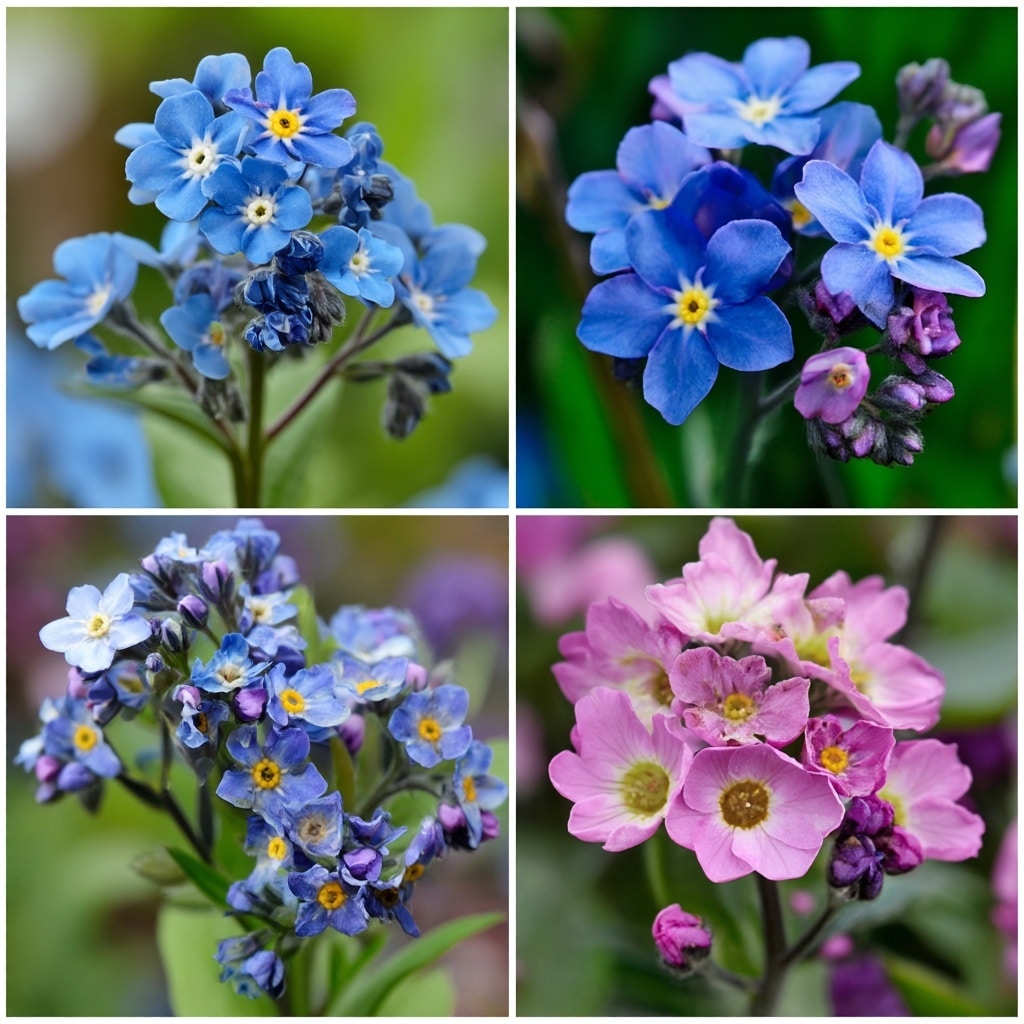
Forget me not flowers are a timeless favorite in cottage gardens, known for their delicate sky-blue blooms and sentimental charm. Despite their dainty appearance, these resilient plants are easy to grow, often reseeding themselves and coming back year after year with minimal effort. Whether tucked along a garden path or spilling over the edges of a shady container, forget me nots bring soft color and a touch of nostalgia wherever they grow.
Gardeners love them not just for their looks but for the meaning behind them—symbols of remembrance and enduring affection. With the right care and growing conditions, these sweet flowers can become a reliable highlight in your spring and early summer garden.
Table of Contents
Quick Facts About Forget-Me-Not Flowers

Here’s a snapshot of what you need to know before planting forget me not flowers in your garden:
- Botanical Name: Myosotis sylvatica (Woodland Forget-Me-Not)
- Common Names: Forget-me-not, scorpion grass
- Plant Type: Biennial (can reseed and behave like a perennial)
- Mature Size: 6–12 inches tall, 6–9 inches wide
- Hardiness Zones: USDA Zones 3–8
- Bloom Time: Mid-spring to early summer
- Sun Requirements: Partial shade to full sun (morning sun preferred)
- Soil Needs: Moist, well-draining soil (sandy, loamy, or clay); pH 6.0–8.0
- Water Needs: Consistent moisture; not drought-tolerant
- Native Region: Europe and parts of Asia
- Special Features: Reseeds easily, attracts pollinators, deer-resistant
Species Overview of Forget-Me-Not Flowers
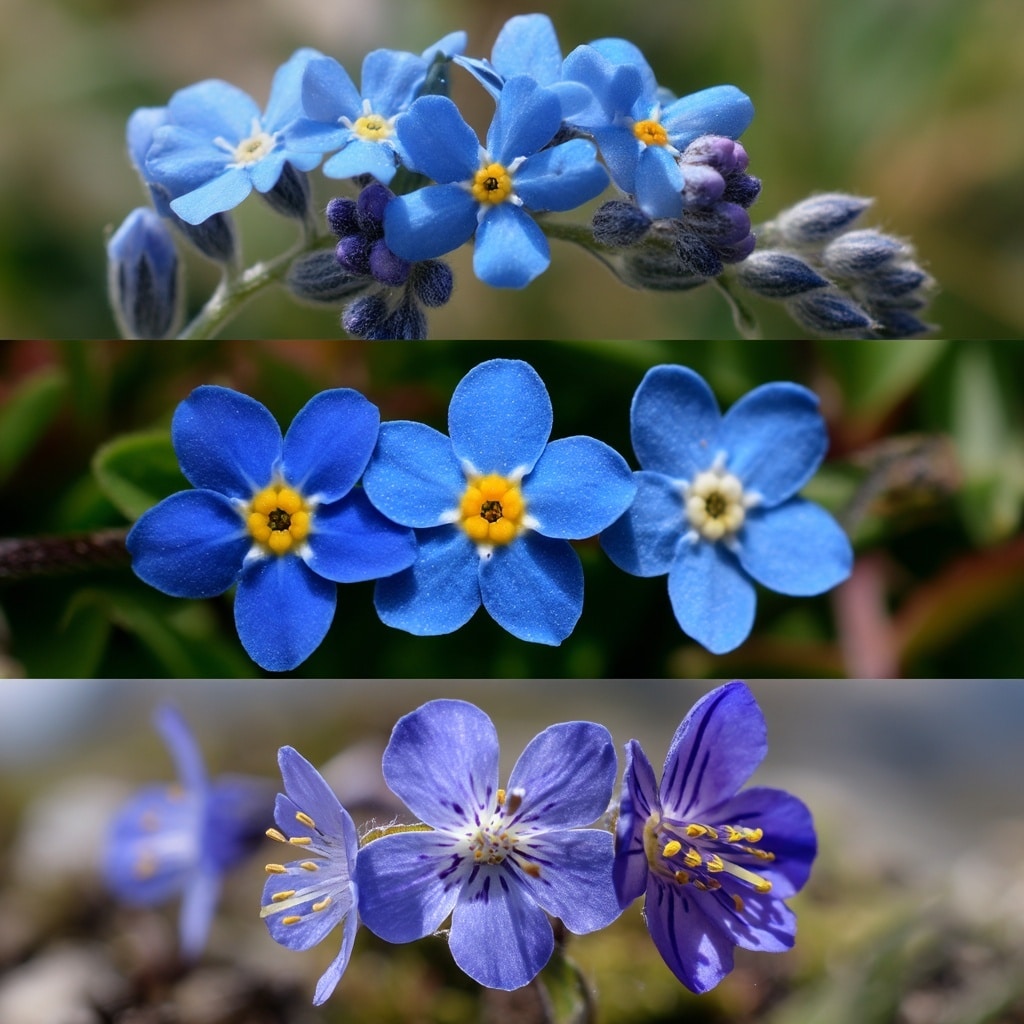
Although the name “forget me not flowers” commonly refers to Myosotis sylvatica, there are around 100 species in the Myosotis genus. Most of these charming plants are native to temperate regions of Europe and Asia, with a few species adapted to alpine conditions or naturalized in parts of North America, New Zealand, and Australia.
The most widely grown species in home gardens include:
Myosotis sylvatica (Woodland Forget-Me-Not)
This is the most popular variety among gardeners. It’s a cool-season biennial often grown as a self-seeding annual or short-lived perennial. Native to Europe and parts of South Asia, M. sylvatica thrives in woodland settings and shaded beds. It’s loved for its low-growing form and vivid blue blossoms.
Myosotis scorpioides (Water Forget-Me-Not)
Often found near ponds or streams, this species prefers wetter soils and can become invasive in some areas. It’s also known as “true forget-me-not” and features similar blue flowers but grows best in consistently moist conditions.
Myosotis asiatica (Alpine Forget-Me-Not)
A hardy species suited to high elevations and rocky soil. Native to Alaska and parts of the Pacific Northwest, it’s the state flower of Alaska and an excellent option for rock gardens or cooler climates.
⚠️ Note: In some regions, especially parts of North America and Australia, M. sylvatica and M. scorpioides are considered invasive. Always check local guidelines before planting.
These different species may vary in habitat preferences, but they share similar care needs, making them easy to mix and match in your garden.
The History and Symbolism of Forget-Me-Not Flowers

Forget me not flowers have long captured the imagination with their soft blue petals and sentimental name. Rooted in folklore, the most enduring legend tells of a knight who, while picking flowers along a riverbank, was swept away by the current. As he threw the bouquet to his beloved, he shouted, “Forget me not!”—giving the flower its unforgettable name.
Throughout history, these blooms have symbolized remembrance, love, and loyalty. In the Victorian language of flowers, they were often included in bouquets to represent true love and faithful connection. Today, they’re still used in memorials, awareness campaigns, and remembrance gardens around the world.
In addition to their emotional meaning, forget me nots also play a part in national and cultural traditions. For example, Myosotis asiatica is Alaska’s official state flower, chosen for its hardy beauty and connection to memory.
Whether you grow them for their charm or their symbolism, these flowers never fail to stir a sense of tenderness and timeless beauty in the garden.
How to Grow Forget-Me-Not Flowers
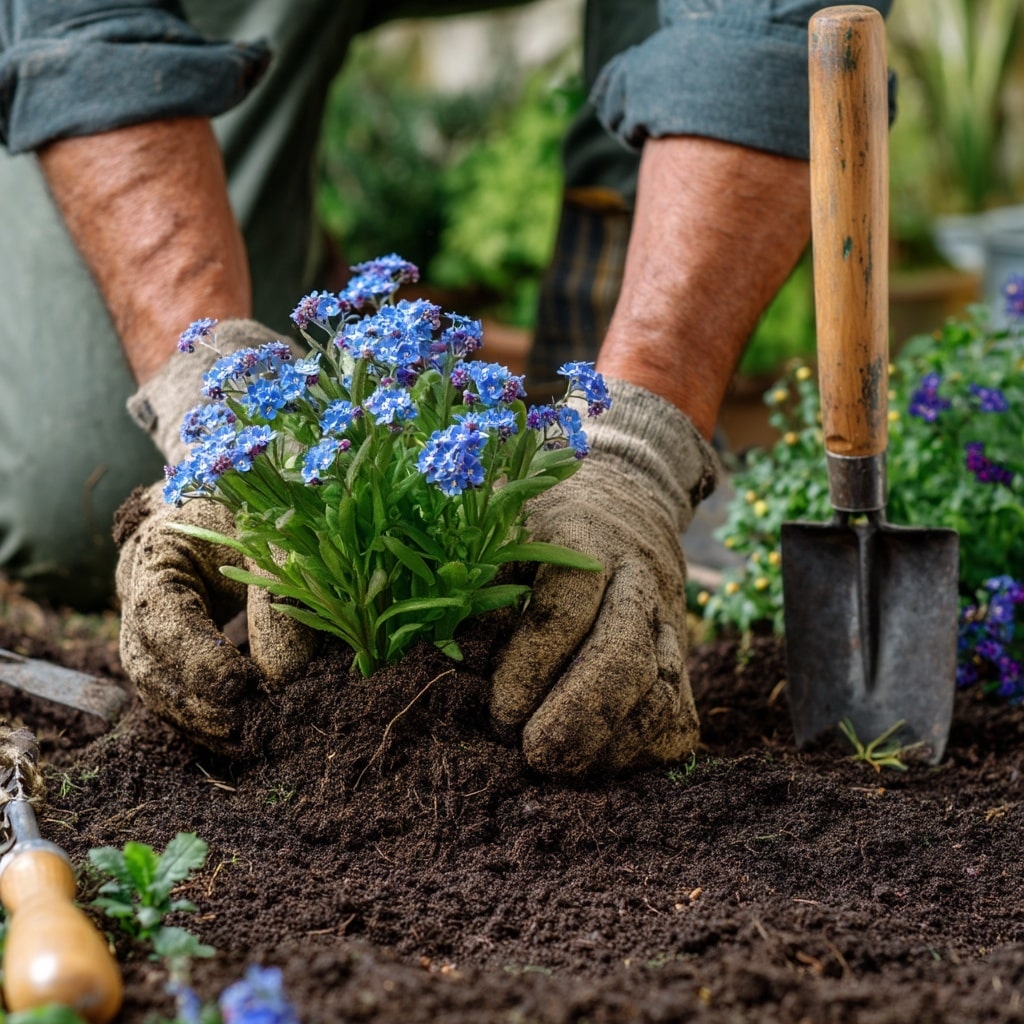
Growing forget me not flowers is refreshingly simple, even for beginner gardeners. These low-maintenance plants reward you with clouds of tiny blooms each spring and can naturalize in garden beds with little effort. To help them thrive, here’s what they need:
Light Requirements
Forget me not flowers do best in partial shade to full sun. In cooler climates, they can tolerate more sunlight, but in hot regions, it’s wise to protect them from intense afternoon rays. Dappled sunlight or morning sun with afternoon shade will promote strong growth and prevent leaf scorch.
Soil Preferences
These flowers aren’t picky but perform best in moist, well-draining soil with plenty of organic matter. They’ll tolerate sandy, loamy, or even clay soil, as long as it drains well. Ideal pH ranges from slightly acidic to slightly alkaline (6.0 to 8.0).
For poor soils, mixing in compost can improve texture and fertility.
Temperature and Humidity
Forget me nots are hardy in USDA Zones 3–8. They prefer cooler weather, making them ideal for spring bloomers. High humidity is beneficial, especially during their flowering period. In hot, dry areas, plant them where they’ll stay shaded and moist to prevent early dormancy.
Watering Needs
Consistent moisture is essential, especially while the plants are blooming. Keep the soil evenly moist, similar to a well-wrung sponge. Avoid waterlogged conditions, as forget me nots are prone to root rot.
Mulching around the base helps retain moisture and keep roots cool. During dry spells, a deep soak once or twice a week will go a long way.
Fertilizing
Most forget me not flowers don’t need much fertilizer if planted in rich soil. However, in nutrient-poor conditions, you can feed them with a balanced or bloom-boosting fertilizer (5-10-10 NPK) once a month in spring and early summer.
Avoid overfeeding—too much nitrogen will promote leafy growth at the expense of flowers.
Growing Forget-Me-Not Flowers in Containers
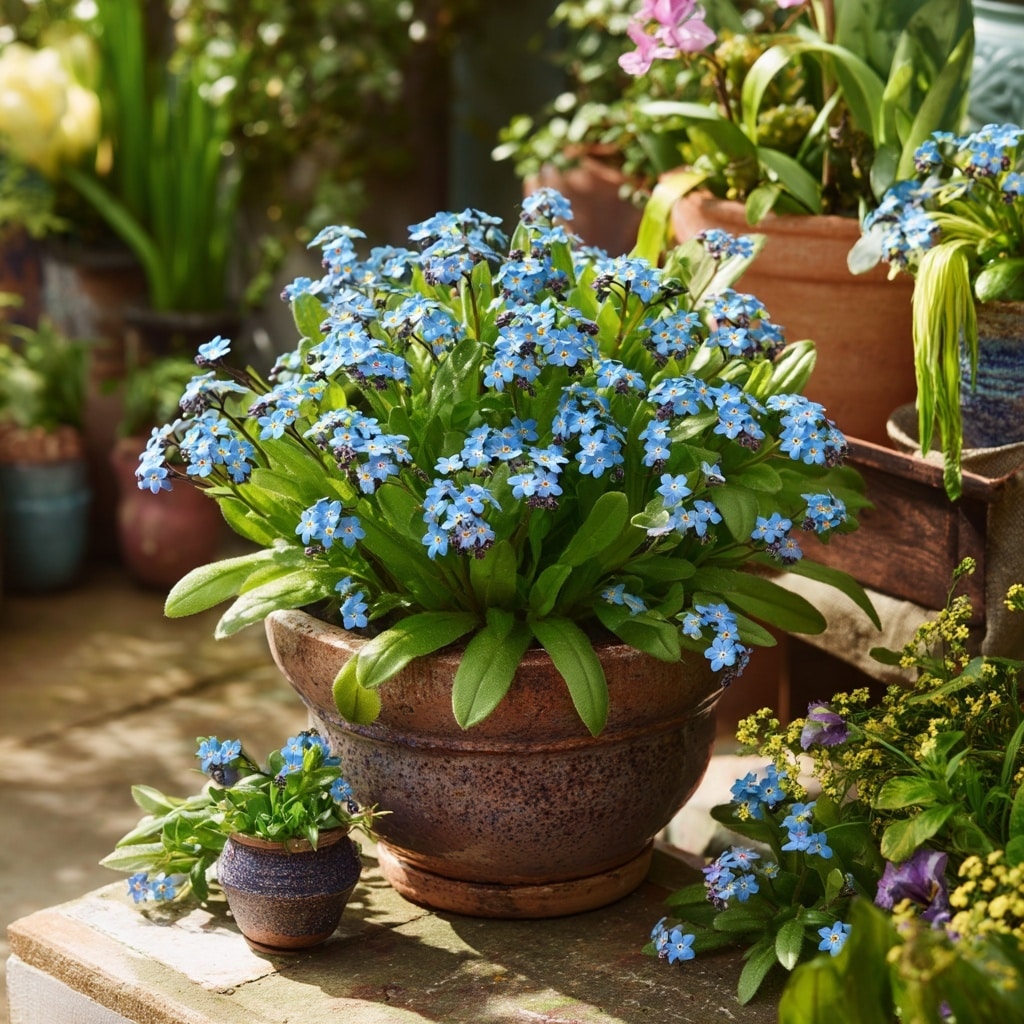
If you’re short on garden space or want to brighten up a patio or balcony, forget me not flowers are excellent candidates for containers. Their compact size, soft texture, and colorful blooms make them ideal for mixing with other spring plants or standing alone in charming clusters.
Choosing the Right Container
- Use pots or planters with good drainage holes to prevent root rot.
- A shallow to medium-depth container is usually sufficient, as these plants have relatively small root systems.
- Choose a container material that keeps soil cool and moisture-retentive—terra cotta, plastic, or glazed ceramic all work well.
Potting Mix and Setup
- Fill the pot with a well-draining, moisture-retentive potting mix. You can add a bit of compost to enrich the soil.
- Place the container in a spot that gets morning sun and afternoon shade, especially in warmer regions.
Watering and Maintenance
- Container-grown forget me nots dry out more quickly than those in the ground. Check soil moisture daily, especially during warm spells.
- Water when the top inch of soil feels dry, but avoid letting water pool at the bottom.
- Apply a diluted liquid fertilizer every 4–6 weeks during the growing season if the soil lacks nutrients.
Design Tips
- Use forget me nots as trailing fillers in mixed spring containers with tulips, pansies, or miniature daffodils.
- Combine different colored cultivars for a pastel “cloud” effect in a single pot.
- For small balcony gardens, group several containers together to create a mass of blooms that attracts pollinators.
With proper care, container-grown forget me not flowers can bloom beautifully and reseed themselves if left undisturbed.
Popular Cultivars of Forget-Me-Not Flowers
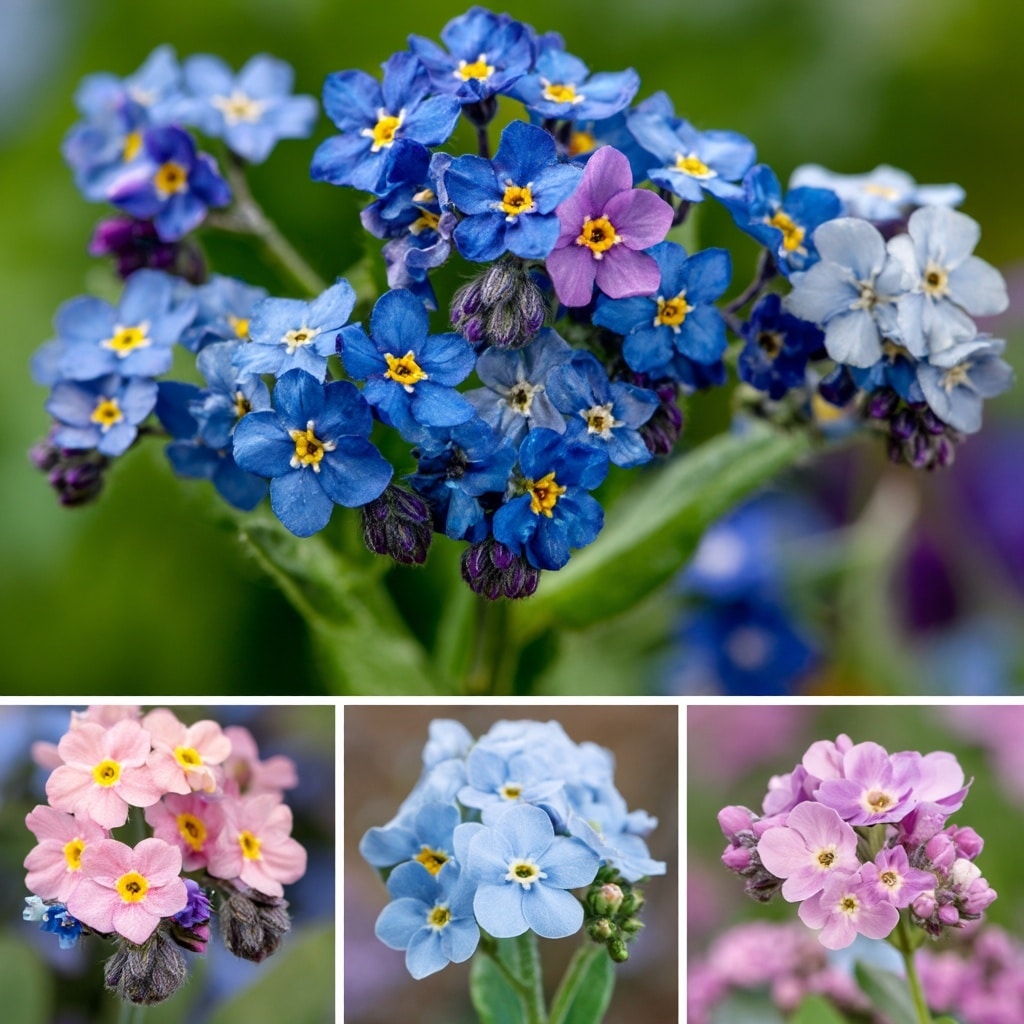
While the classic sky-blue version is the most recognized, forget me not flowers are available in several charming cultivars that vary in color, size, and bloom time. Choosing the right variety lets you customize your garden or container displays for even more visual appeal.
‘Victoria Blue’
A favorite among traditional gardeners, ‘Victoria Blue’ offers deep, vivid blue flowers with bright yellow centers. This compact variety grows around 6–8 inches tall and is perfect for edging paths or filling in between spring bulbs. It blooms early and often reseeds reliably.
‘Bluesylva’
This member of the Sylva series produces bright blue flowers and has a slightly more spreading growth habit. ‘Bluesylva’ is ideal for ground cover and works well in cottage gardens or woodland settings.
‘Snowsylva’
For a twist on the usual blue palette, ‘Snowsylva’ offers clusters of clean white flowers with yellow centers. It pairs beautifully with blue or pink cultivars and adds brightness to shaded areas.
‘Victoria Pink’
Want something unexpected? ‘Victoria Pink’ has small pink blossoms with soft white centers. This compact grower blooms early and works well in both containers and borders.
Mixed Color Blends
Many seed companies offer mixed packets featuring blue, pink, and white cultivars. These are ideal for gardeners who want a soft, blended look or who are unsure which color will suit their space best.
🛒 Look for seeds or starter plants at reputable garden centers or online retailers. When possible, choose cultivars labeled as non-invasive in your region.
These cultivated varieties of forget me not flowers allow you to go beyond the traditional blue while still enjoying the same delicate blooms and easy care.
Maintenance Tips for Forget-Me-Not Flowers
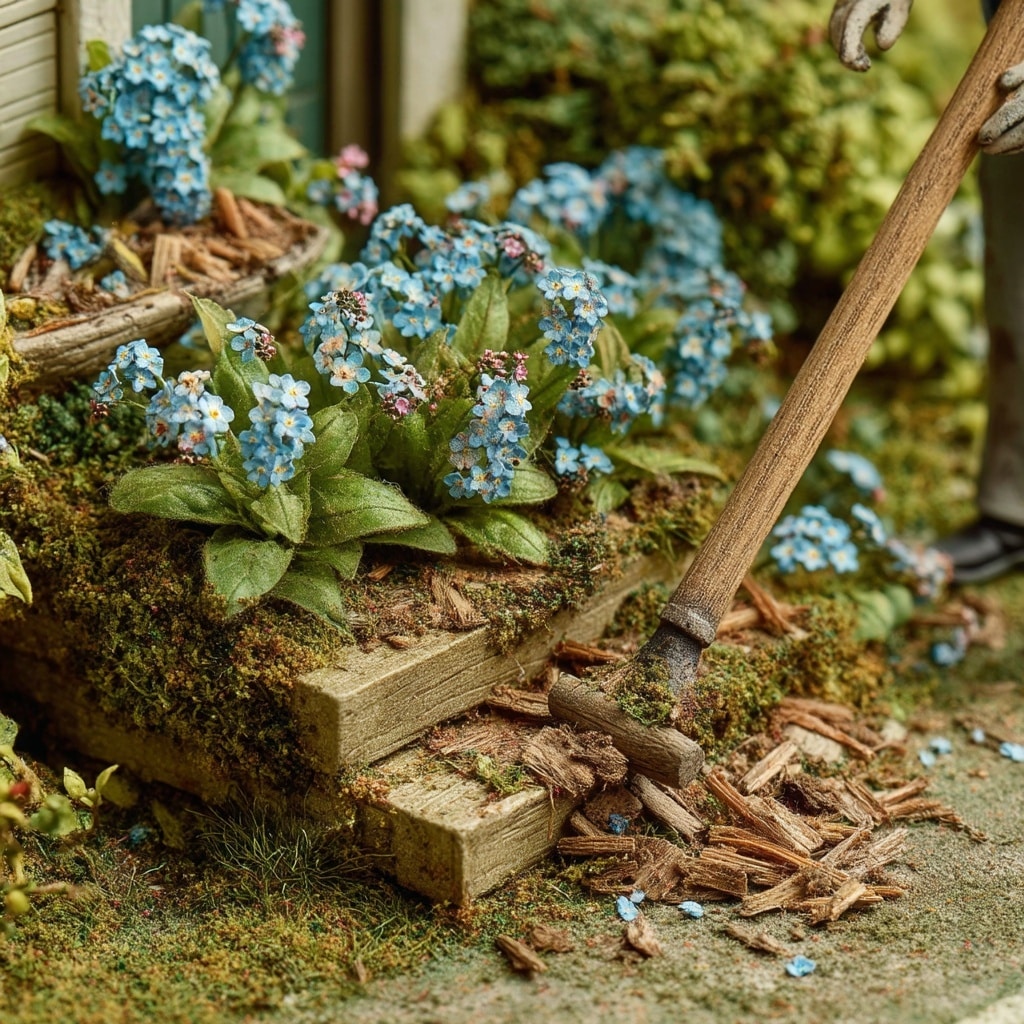
Once established, forget me not flowers require little upkeep, but a bit of seasonal care can help manage their growth and keep your garden tidy. These charming bloomers can spread quickly through self-seeding, so thoughtful maintenance ensures they don’t take over areas where they’re not wanted.
Deadheading and Controlling Spread
Forget me nots are prolific self-seeders. While this can be a bonus for naturalized or cottage gardens, it can lead to unwanted patches if left unchecked.
- Deadhead spent flowers before they go to seed if you want to limit their spread.
- In early summer, remove faded plants to make space for other annuals or perennials.
- Seedlings that sprout in fall or spring can be transplanted to more desirable locations.
Dividing Older Plants
Although most varieties are biennial, some can survive a bit longer, especially in cooler zones. For those that do:
- Divide clumps every 2–3 years in early fall or just after flowering in spring.
- Carefully dig up the plant and gently pull the root ball apart by hand.
- Replant divisions at least 4–6 inches apart to prevent crowding.
Light Pruning
Forget me nots don’t require formal pruning, but you can trim back leggy or yellowing growth in midsummer. This tidies up the plant and encourages stronger regrowth, especially if you’re aiming for reseeding or overwintering.
Mulching and Soil Care
- Apply a light layer of mulch around the base of plants to retain moisture and suppress weeds.
- After a heavy rain or warm spell, check for soggy conditions and improve drainage if needed to avoid root issues.
By following these simple steps, you’ll keep your forget me not flowers looking their best without much fuss.
Propagating Forget-Me-Not Flowers
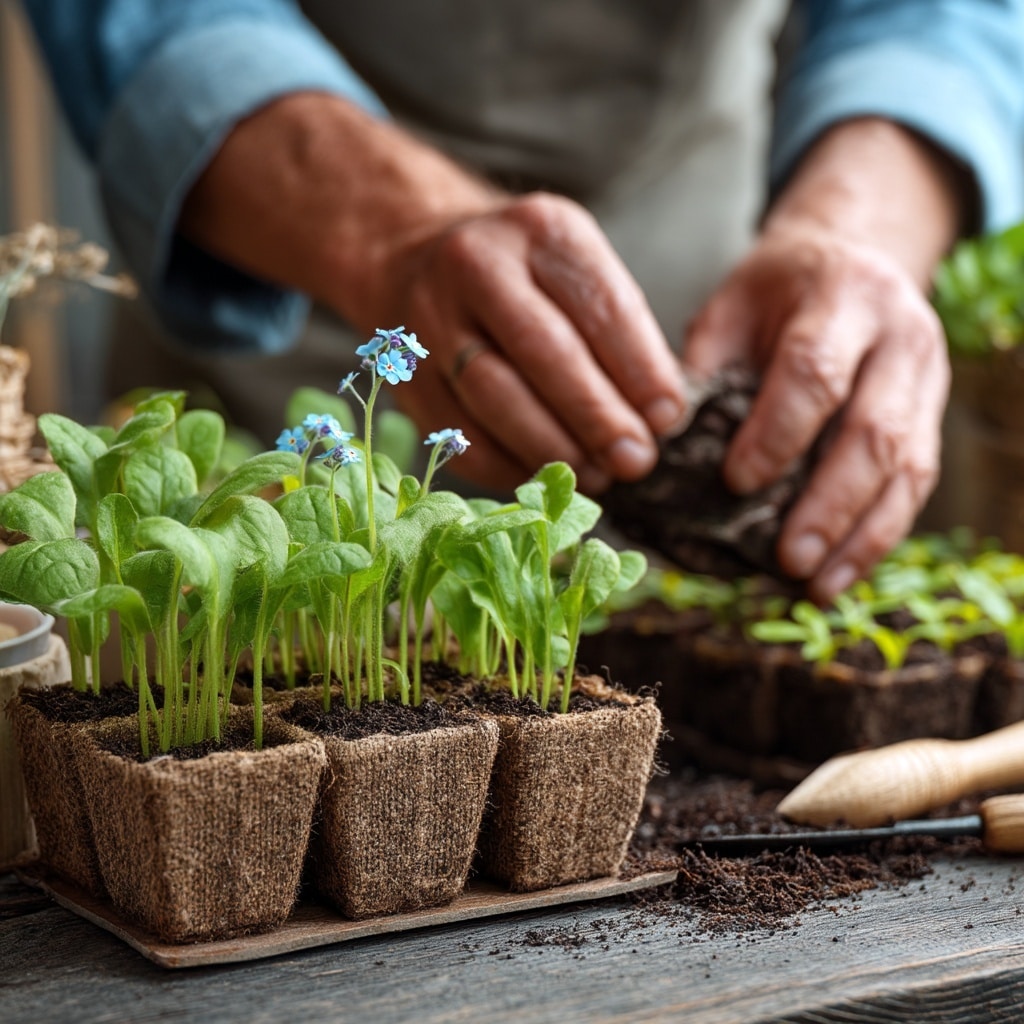
Propagating forget me not flowers is one of the easiest ways to keep your garden full of their cheerful blooms year after year. These plants multiply naturally, but you can also take a hands-on approach using seed, division, or transplanting.
From Seed
Most gardeners let forget me nots self-seed, but collecting and sowing seeds yourself gives more control over where and how they grow.
How to grow from seed:
- Direct sow outdoors in late summer or early fall. Lightly rake and water the soil, then sprinkle seeds on the surface — they need light to germinate.
- For early blooms, you can also start seeds indoors 8–10 weeks before the last frost. Use moist, sterile seed-starting mix in shallow pots.
- Keep the seeds at 64–68°F (18–20°C) in darkness until they sprout in about 2–3 weeks.
- Water from below to avoid disturbing seeds and reduce risk of damping off.
- Harden off seedlings before planting outdoors.
New plants grown this way will typically bloom the following spring, and once established, they’ll often return year after year on their own.
By Division
Some forget me not plants, especially those that behave like short-lived perennials, can be divided.
To divide:
- Wait until spring after flowering, or do it in early fall when temperatures are cooler.
- Dig up the entire clump and gently separate the root sections by hand.
- Replant divisions 4–6 inches apart in moist, shaded soil.
- Water thoroughly after replanting and mulch lightly.
Division is ideal for refreshing older plants and expanding your garden with healthy clones of your favorite varieties.
Transplanting Nursery Starts or Seedlings
If you’re buying starts from a garden center or growing seedlings indoors:
- Choose a partially shaded area with well-draining, moist soil.
- Water the root ball well before transplanting.
- Dig a hole just large enough for the root ball, loosen the base, and plant at soil level.
- Water thoroughly and apply a light mulch to retain moisture.
With gentle handling and regular watering, transplant shock is minimal and plants will settle in quickly.
Common Pests and Diseases of Forget-Me-Not Flowers
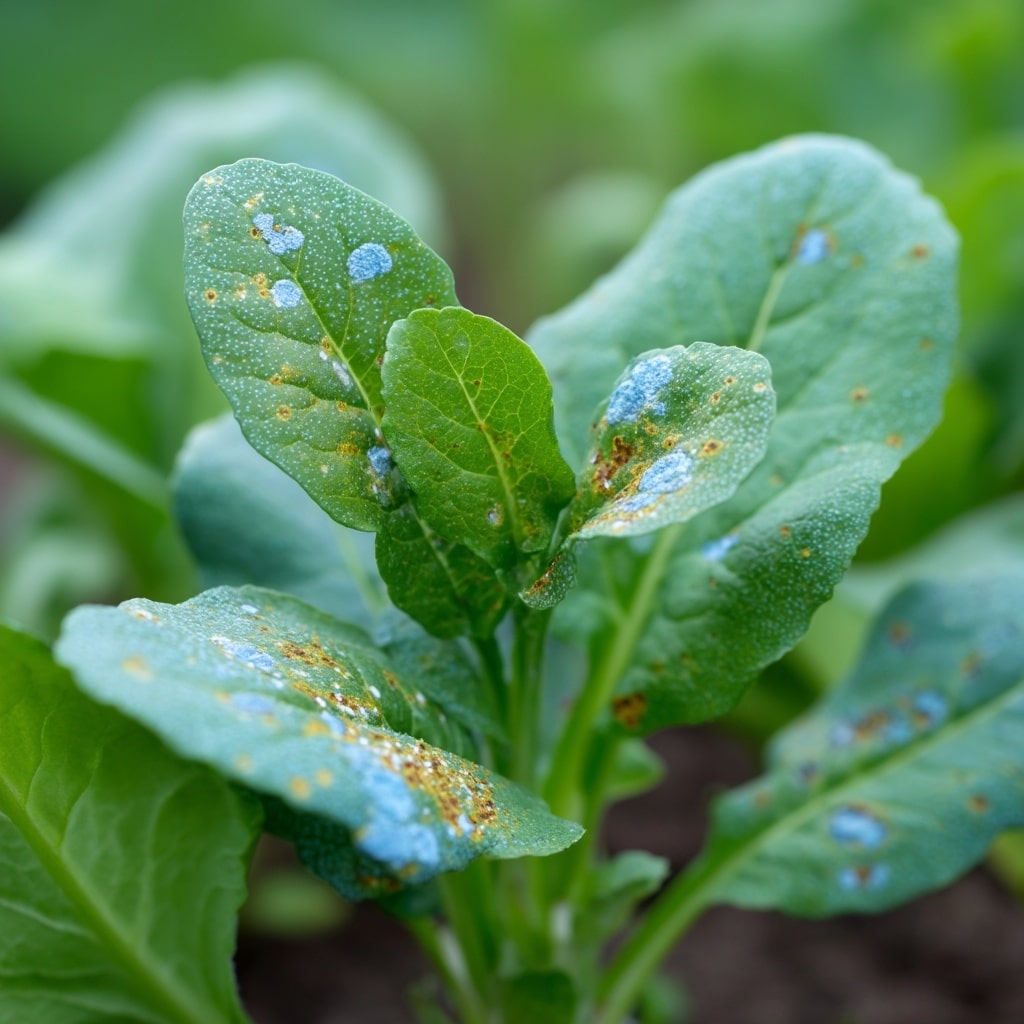
While forget me not flowers are generally low-maintenance and resilient, they aren’t immune to a few common problems. Most issues can be managed easily with good garden hygiene and preventive care.
Powdery Mildew
Symptoms: A white, powdery coating on leaves and stems, often in humid or crowded conditions.
Prevention & Treatment:
- Ensure good air circulation by spacing plants properly.
- Water at the soil level instead of overhead.
- Remove and discard infected leaves.
- Use an organic fungicidal spray (like neem oil) if needed.
Rust
Symptoms: Small orange, brown, or yellow spots (pustules) on the undersides of leaves.
Prevention & Treatment:
- Avoid overhead watering.
- Prune out affected leaves early.
- Dispose of infected material (don’t compost).
- Apply a sulfur-based fungicide if the problem persists.
Crown Rot
Symptoms: Wilting, discolored, or collapsing plants due to rotting at the base.
Cause: Overwatering or poor drainage leads to fungal infection.
Prevention:
- Plant in well-draining soil and never let soil stay soggy.
- Avoid mulching too closely to the base of plants.
- Remove and destroy severely affected plants to prevent spread.
Slugs and Snails (Occasionally)
Symptoms: Ragged holes in leaves or slime trails.
Prevention:
- Hand-pick slugs in the evening.
- Use crushed eggshells or organic slug bait around plants.
By staying on top of watering practices and plant spacing, you’ll avoid most of these problems and enjoy a healthy, thriving patch of forget me not flowers.
Best Landscape Uses for Forget-Me-Not Flowers
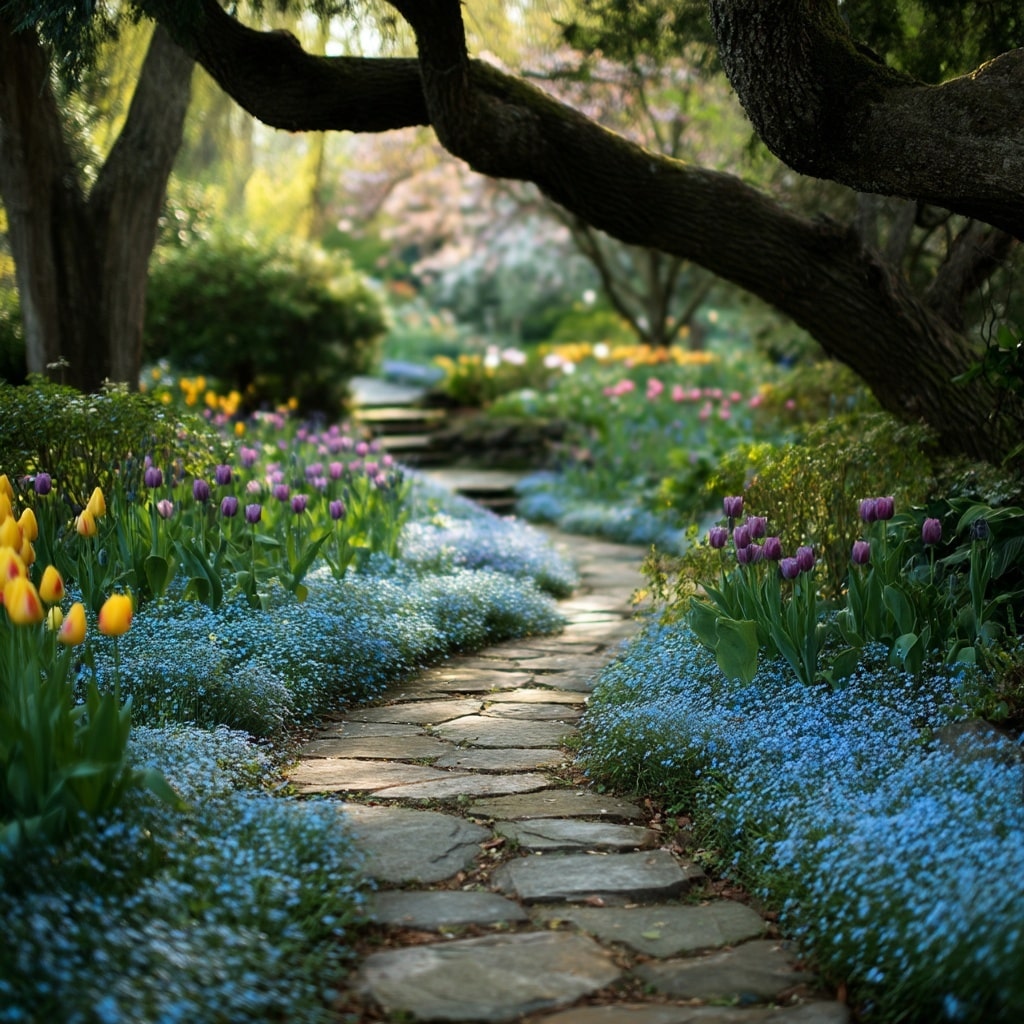
With their soft color and naturalistic charm, forget me not flowers are one of the most versatile plants for spring and early summer gardens. Whether you’re working with a shady corner or a sunny border, these adaptable blooms can enhance almost any garden style.
Garden Beds and Borders
Plant forget me nots along the front of perennial beds or as an underplanting beneath taller spring bulbs like tulips and daffodils. Their low height and dense growth habit make them perfect for:
- Edging garden paths
- Filling gaps in mixed borders
- Creating a soft blue “carpet” under trees or shrubs
Ground Cover
In partially shaded areas, especially woodland gardens, forget me nots can spread naturally to form a charming ground cover. Their self-seeding nature makes them ideal for creating a naturalized look in:
- Shady banks or slopes
- Under deciduous trees
- Between paving stones or garden stepping paths
💡 Tip: For a layered effect, combine forget me nots with shade-lovers like hostas, ferns, or bleeding hearts.
Container Gardens
Forget me nots thrive in containers, making them a great choice for patios, balconies, or small-space gardens. Use them as:
- A filler in spring-themed pots with tulips or pansies
- A soft trailing plant in window boxes
- A standalone feature in rustic terracotta pots
Wildlife & Pollinator Gardens
Forget me not flowers attract bees, butterflies, and other beneficial pollinators in early spring, when few other flowers are blooming. Include them in:
- Pollinator-friendly beds
- Bee gardens
- Wildflower borders
With minimal effort, these delicate blooms bring visual harmony, wildlife value, and seasonal interest to almost any landscape.
Conclusion
Forget me not flowers offer more than just a pretty face—they’re easy to grow, resilient, and rich with meaning. Whether you’re planting a wildflower-inspired bed, adding color to shady corners, or filling containers with spring cheer, these blooms are a timeless choice. With proper care, they’ll return year after year, quietly weaving themselves into the fabric of your garden.