
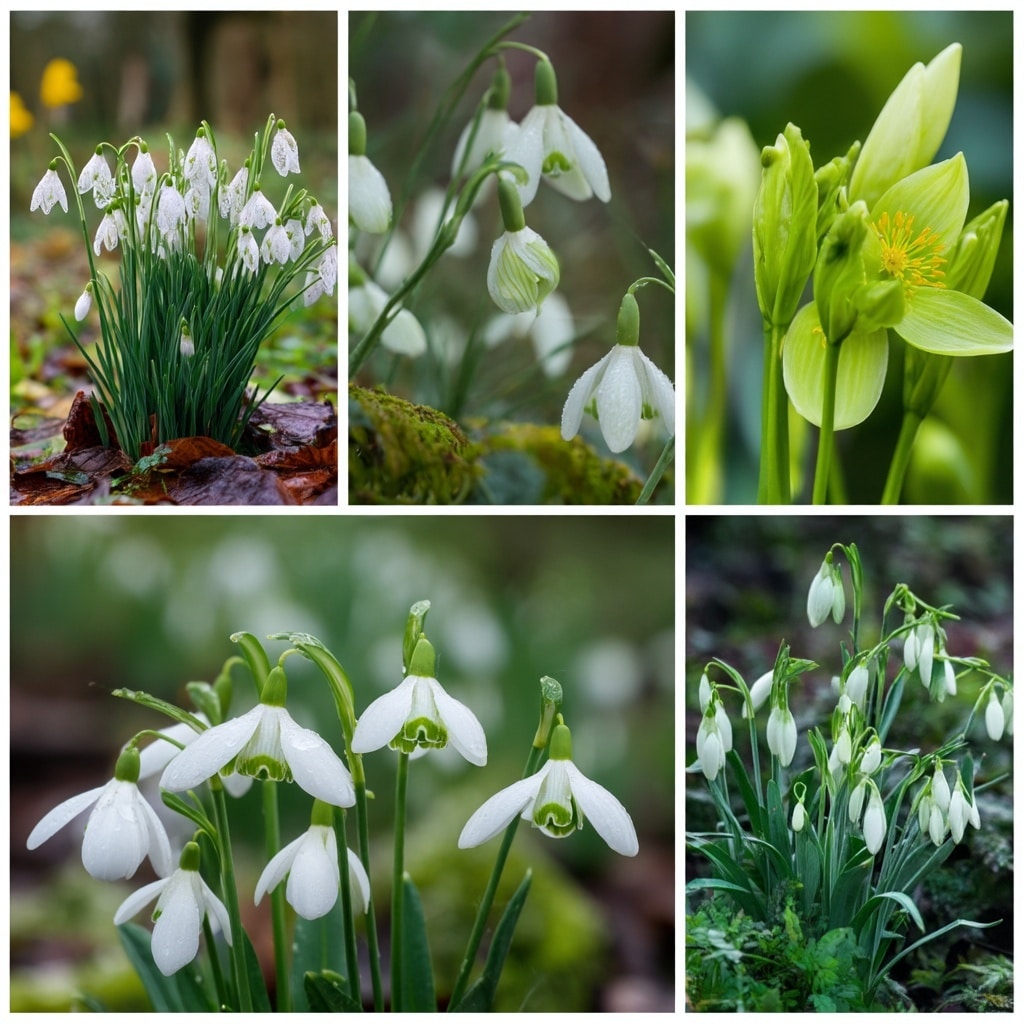
Snowdrop flower is one of the first cheerful signs that winter is ending and spring is near. Popping up through frozen ground or melting snow, these delicate, bell-shaped blooms bring elegance and resilience to any garden. Despite their fragile look, snowdrops are remarkably tough, low-maintenance, and pest-resistant — making them an ideal choice for beginner gardeners and seasoned landscapers alike.
Whether tucked beneath trees or lining a shady border, snowdrop flower bulbs multiply over time, creating a natural carpet of blooms. In this guide, you’ll learn how to plant, care for, and enjoy snowdrops year after year — without fuss or frustration.
Table of Contents
Snowdrop Flower Planting & Basic Care Tips

Growing the snowdrop flower is refreshingly simple. These hardy little bulbs don’t ask for much — just the right location, decent soil, and a touch of seasonal awareness.
Here are the key planting and care basics:
- Plant in fall: Set the bulbs about 3 inches deep, spacing them closely in clusters of 15 to 25 for the best visual effect.
- Use loose, well-draining soil: Snowdrop bulbs hate soggy roots. Add compost or leaf mold to improve texture and drainage.
- Water appropriately: In cooler climates, rainfall and snowmelt are usually enough. In warmer areas, water during dry spells.
- Let them naturalize: Once settled, snowdrops spread naturally — returning stronger each year with little effort on your part.
Because they bloom so early, they’re perfect for spaces under deciduous trees where spring light filters through before the leaves return.
Light, Soil & Watering Needs of Snowdrop Flower
Light Requirements
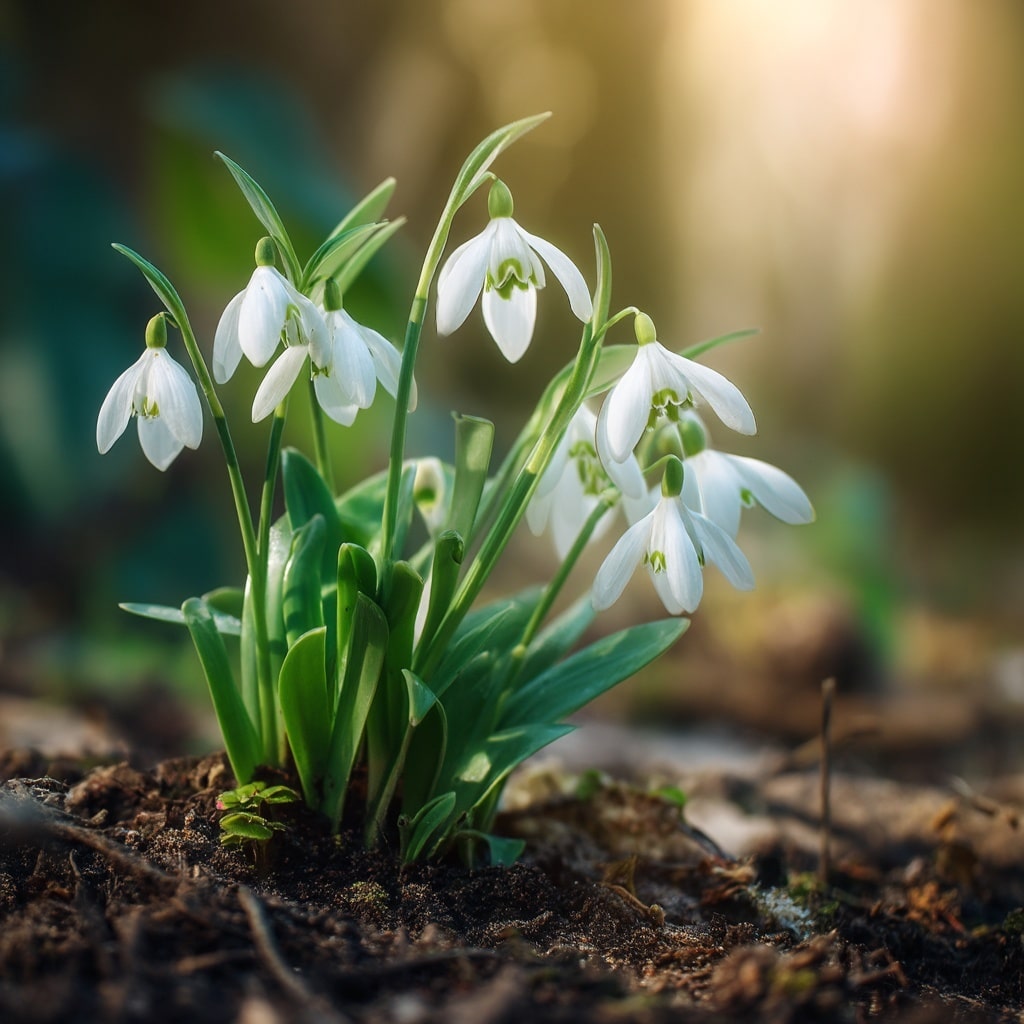
The snowdrop flower blooms before most trees have leafed out, making it ideal for partially shaded spots under deciduous canopies. While it thrives in full sun, especially during early spring, it’s equally happy in light to moderate shade once trees fill in. This makes snowdrops a clever choice for underused garden areas that receive dappled sunlight.
Soil Conditions
Snowdrops prefer loose, humus-rich soil that drains well. They struggle in heavy clay or constantly wet soil, which can rot the bulbs. If needed, improve drainage by mixing in compost, sand, or leaf mold before planting.
Watering Tips
These flowers typically don’t need much extra water.
- In cool climates, snowmelt and spring rain are usually enough.
- In warmer zones, check the soil weekly and water lightly if it feels dry.
Once established, snowdrop bulbs are fairly drought-tolerant during their dormant period in summer.
Temperature, Humidity & Fertilizing Snowdrop Flower
Temperature & Climate Suitability
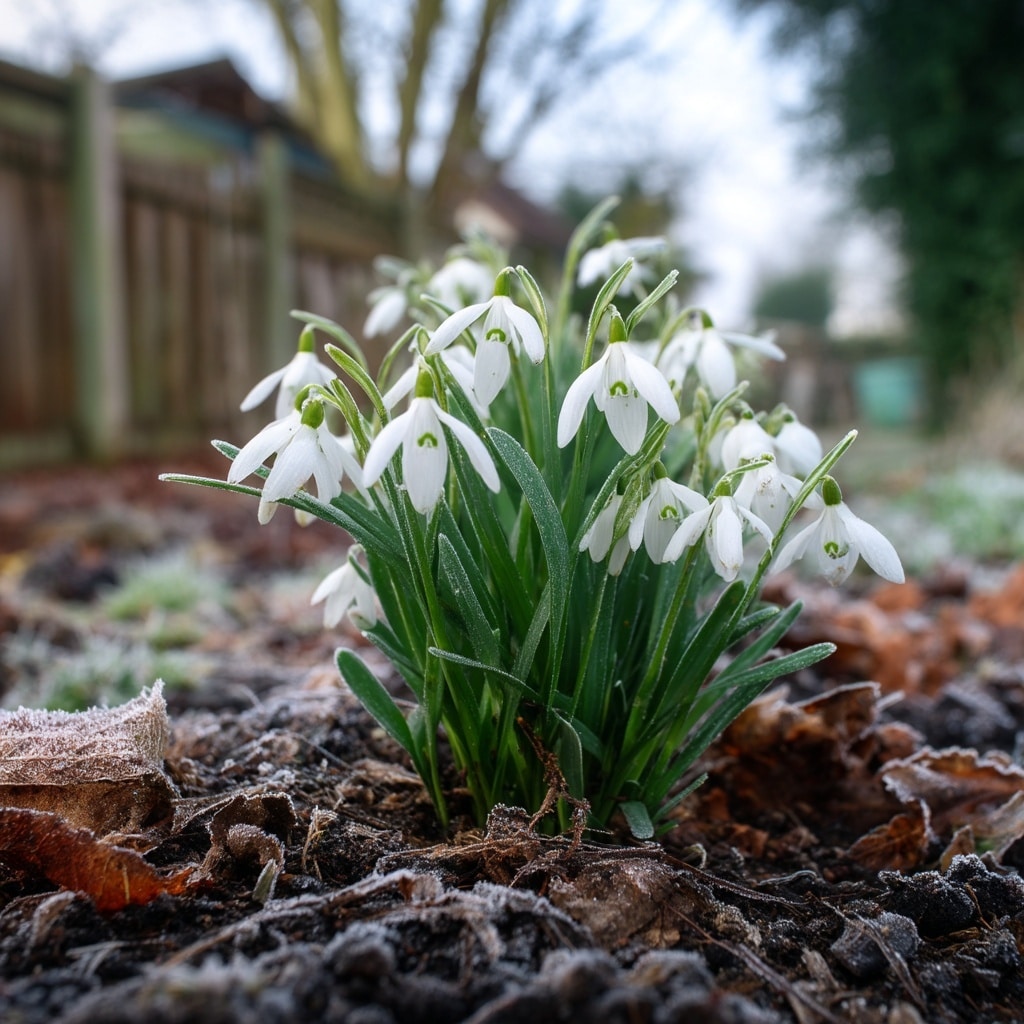
The snowdrop flower thrives in cooler climates and doesn’t tolerate heat or high humidity well. It’s ideal for USDA zones 3 to 7, where winters are cold and springs are crisp.
In southern zones (closer to Zone 7), snowdrop bulbs may weaken over time due to heat stress. In these regions, plant them in shadier areas with good airflow to keep soil cool.
Humidity Considerations
These bulbs dislike high humidity, which can promote fungal problems in wet soils. Good drainage and proper spacing help reduce excess moisture and keep plants healthy.
Fertilizing Snowdrops
Snowdrops aren’t heavy feeders, but a little support goes a long way.
- Add bulb fertilizer or bone meal at planting time.
- Top-dress with compost or leaf mold in late fall for nutrient support before winter.
- Avoid over-fertilizing, as too much nitrogen can encourage foliage over flowers.
With these basics, your snowdrop flower bulbs will return reliably each year, often with more blooms than the last.
Popular Snowdrop Flower Varieties to Grow
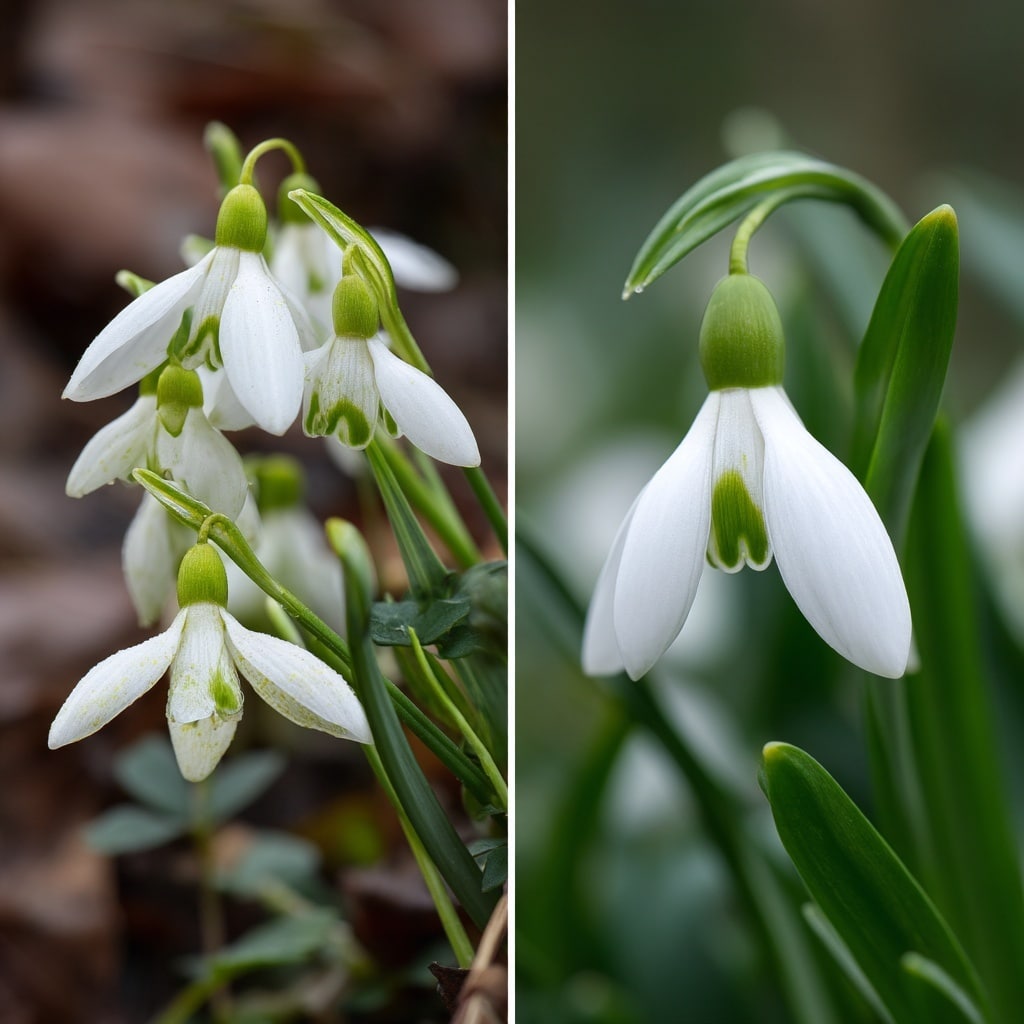
The snowdrop flower belongs to the Galanthus genus, but a few close relatives in the Leucojum group are often included in snowdrop-style plantings. If you’re starting a collection or choosing bulbs for the first time, here are some standout options to consider:
🌱 Galanthus nivalis
The classic common snowdrop, growing 4 to 6 inches tall. It blooms early and naturalizes easily — ideal for mass planting.
🌱 Galanthus elwesii
Also known as the giant snowdrop, this variety grows up to 10 inches tall and features broader, more prominent leaves. Great for slightly bolder displays.
🌱 Galanthus nivalis ‘Flore Pleno’
A double-flowered form of the common snowdrop, adding a fuller look with layered petals.
🌱 Galanthus nivalis ‘Viride Apic’
Notable for its green-tipped inner petals, offering a unique twist on the classic white bloom.
🌱 Leucojum vernum
Often called the spring snowflake, it resembles a taller snowdrop but blooms a bit later and carries a faint scent.
🌱 Leucojum aestivum
Known as the summer snowflake, this variety blooms later than true snowdrops (mid-spring) and produces several flowers per stem.
Each variety brings its own character to the early garden. Mixing types with staggered bloom times ensures weeks of color during the gray tail-end of winter.
Pruning & Post-Bloom Snowdrop Flower Care
No Pruning Needed
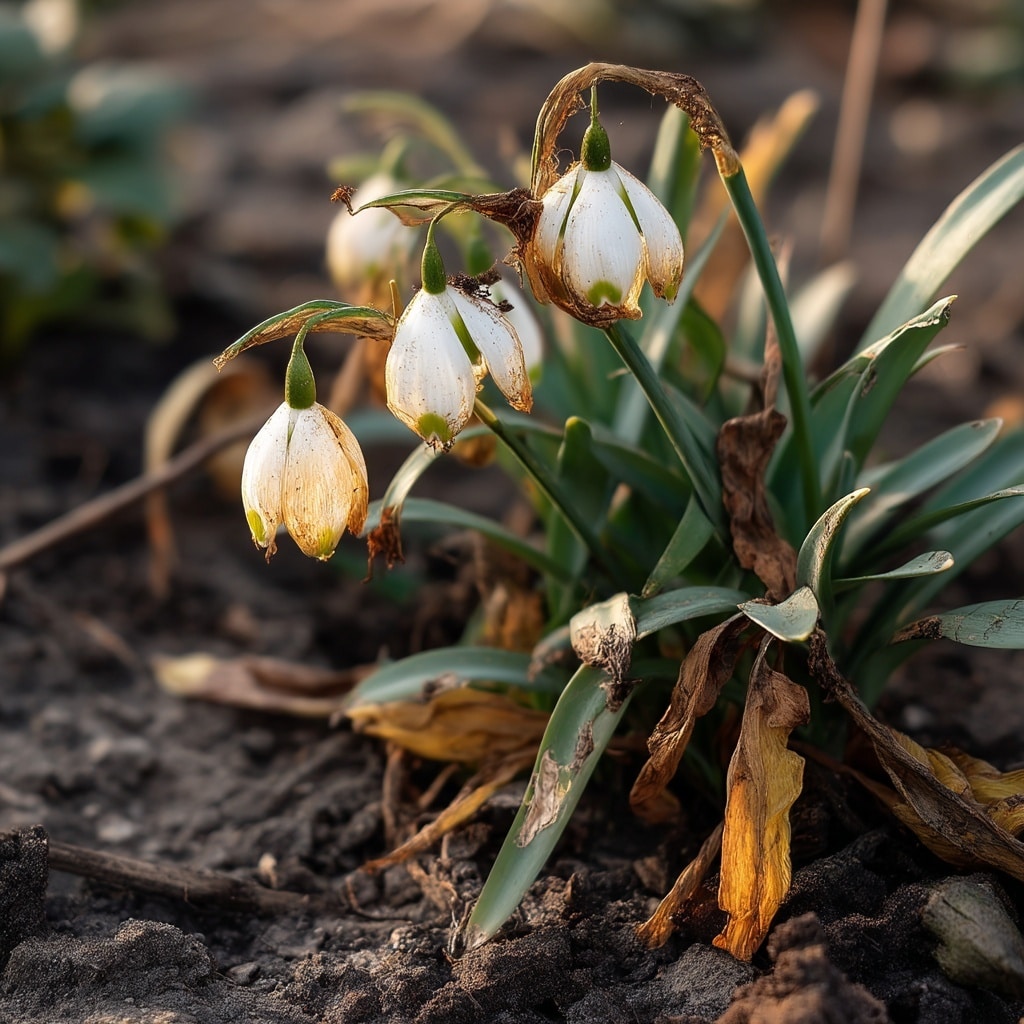
One of the best things about the snowdrop flower is its low-maintenance nature. There’s no need to deadhead or trim. After blooming, allow the leaves to remain untouched. These green blades are still photosynthesizing — sending nutrients back to the bulb for next year’s growth.
Let the Foliage Fade Naturally
Don’t cut back snowdrop leaves until they have fully yellowed and begun to wither. Premature removal can weaken the bulb and result in fewer flowers the following year.
You can let the fading foliage:
- Break down naturally, returning nutrients to the soil
- Or gently remove it by hand once it’s dry and limp
If snowdrops are growing in a visible area, consider companion planting with low-growing perennials like hostas or ferns to hide yellowing leaves later in spring.
How to Propagate Snowdrop Flower Successfully
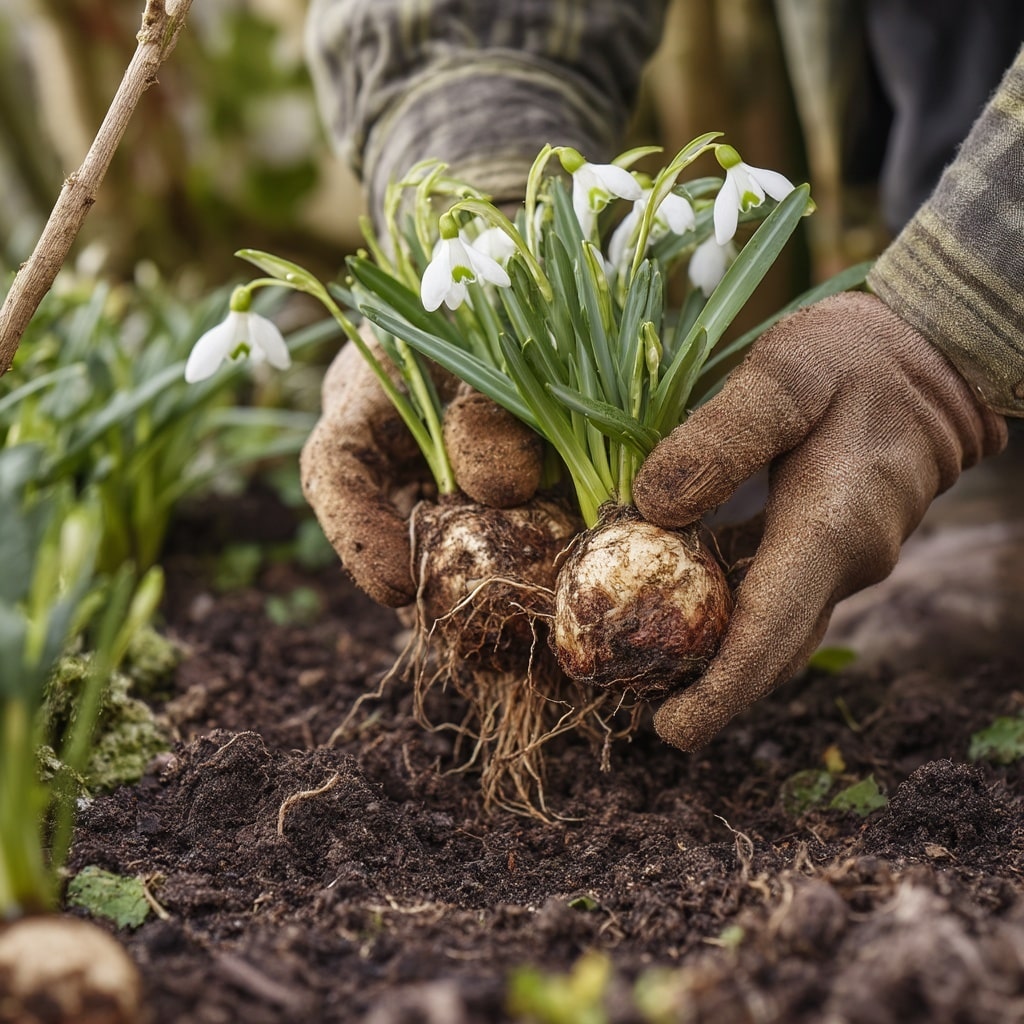
The easiest way to expand your snowdrop flower patch is by dividing the bulbs — not from seed. These flowers multiply naturally over time, often forming beautiful colonies with no help. But if you want to give them a boost or relocate them, here’s how to do it properly.
Propagation by Division
- Wait until after blooming, while the foliage is still green (usually early to mid-spring).
- Carefully lift a clump of snowdrops using a spade, keeping the roots intact.
- Gently separate the bulbs, avoiding damage.
- Replant immediately at the same depth in well-draining soil.
- Water lightly to help them settle.
This method, known as “lifting and dividing in the green,” is highly effective. The bulbs don’t experience a long dry dormancy, so they adapt more quickly to new locations.
Can You Grow Snowdrop Flower from Seed?
Technically, yes — but it’s slow and unreliable. Seed-grown snowdrops can take 3–5 years to bloom. Most gardeners skip this and stick with bulb propagation, which is faster, easier, and more dependable.
Snowdrop Flower Hardiness, Pests & Seasonal Care
Cold-Hardy and Built for Winter
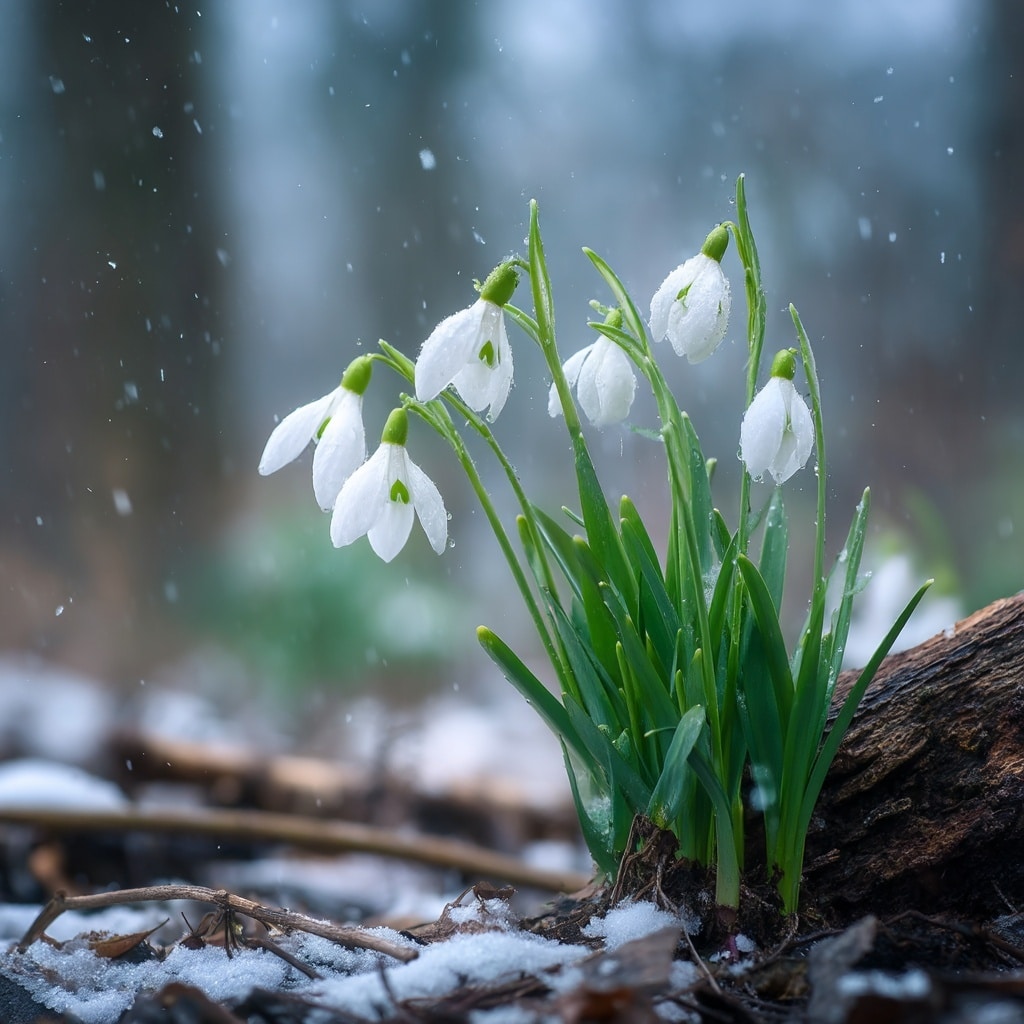
The snowdrop flower is naturally adapted to cold climates. These bulbs thrive in USDA hardiness zones 3 to 7, where winters are long and snowy. You won’t need to lift or protect them — just plant once and let nature do the rest.
They even bloom while snow is still on the ground, which makes them one of the earliest floral signs of spring.
Pest and Disease Resistance
One of the reasons snowdrop flowers are so easy to grow is their impressive pest resistance.
- Deer and rabbits avoid them due to their toxicity
- Rodents rarely damage them
- Moles may disturb bulbs accidentally, but they don’t eat them
- No major diseases typically affect snowdrops
This natural resistance makes snowdrops an excellent low-maintenance choice, especially in gardens plagued by hungry wildlife.
Do You Need to Overwinter Them?
Not at all. Snowdrops are truly perennial and don’t need any special overwintering care in zones 3–7. They’ll survive freezing temperatures underground and reemerge in late winter, year after year.
If you live in a warmer zone, they may weaken over time due to heat stress. In that case, provide partial shade and moisture-retaining mulch to help keep soil temperatures down.
Snowdrop Blooming Cycle & Flower Description
When Do Snowdrop Flowers Bloom?
The snowdrop flower is one of the earliest bloomers of the year. Depending on your location, it may emerge as early as February or March — often while snow still lingers on the ground. The blooms typically last several weeks, gradually fading by mid-spring.
Planting different snowdrop varieties can extend the blooming window, especially when combining early and mid-season types.
What Do They Look (and Smell) Like?
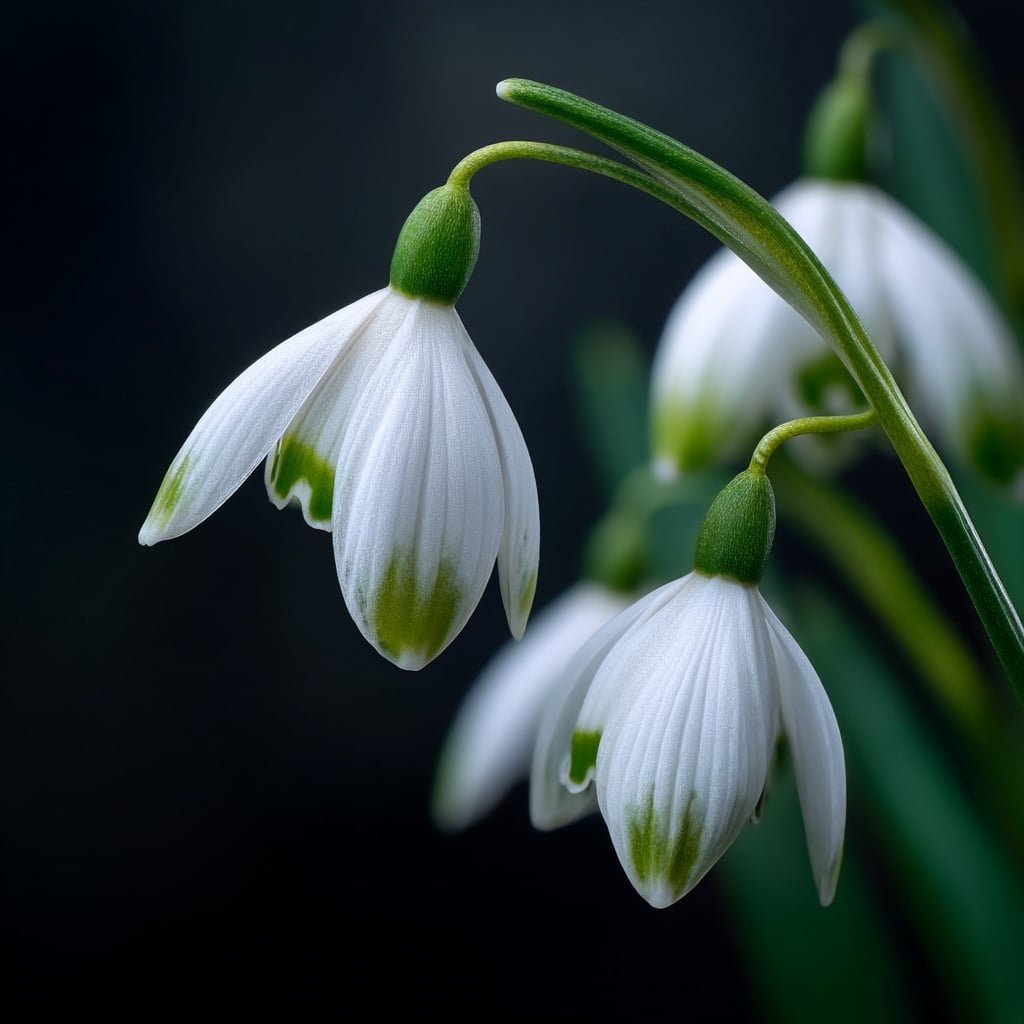
Snowdrop flowers are small but striking, usually just 4 to 10 inches tall. Each plant produces a single white flower shaped like a teardrop that nods downward from a slender green stem.
- Outer petals are longer and arch gracefully
- Inner petals are smaller, often marked with green tips
- The scent is subtle — a light, creamy almond fragrance
Their modest beauty shines best when planted in clusters or drifts, where the white blooms create a soft, snowy carpet effect.
Caring for Snowdrop Flower After Blooming
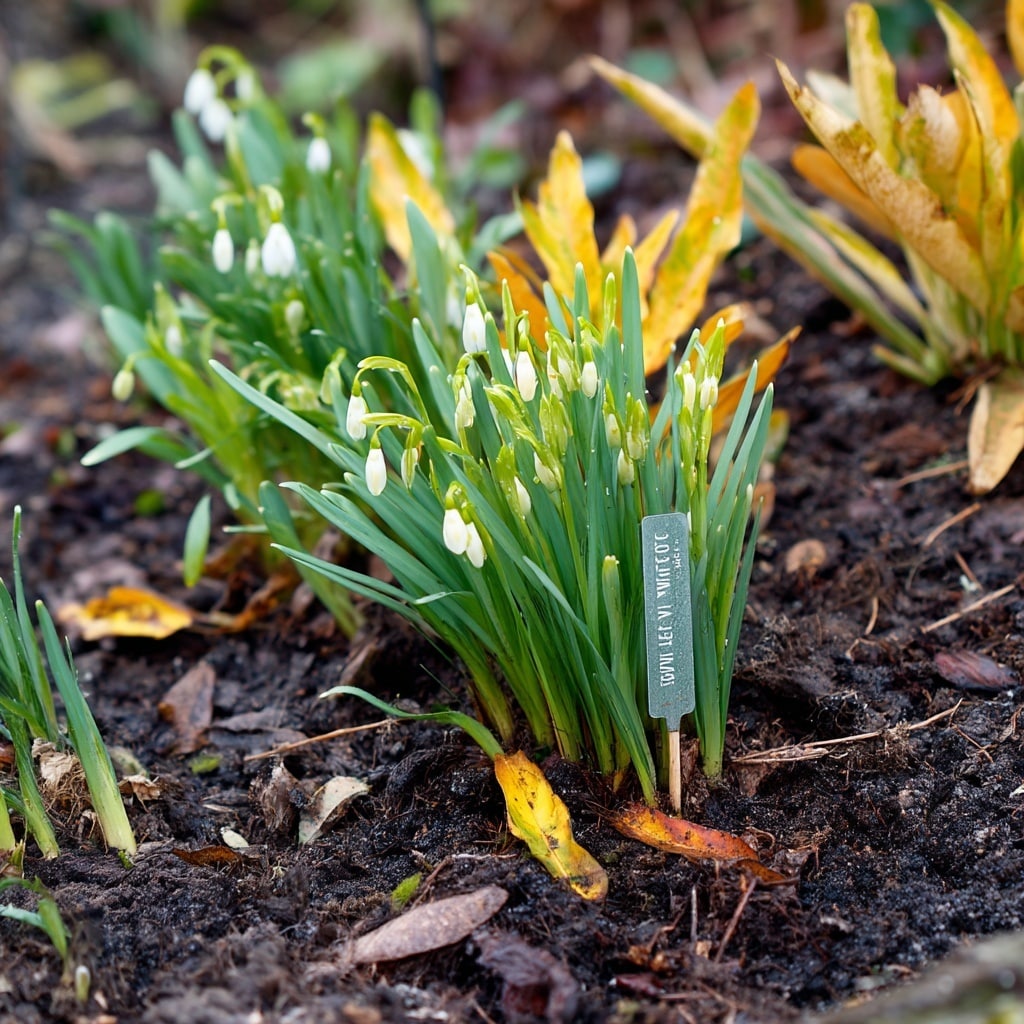
After the snowdrop flower fades, resist the urge to tidy up too soon. The leaves are still working hard to recharge the bulb for next year.
Here’s what to do:
- Let the foliage yellow naturally before removing it
- Avoid disturbing the soil — bulbs go dormant but remain underground
- Consider placing a plant label or marker so you don’t accidentally dig them up
- If desired, mulch lightly in fall with compost to support next season’s growth
With minimal effort, snowdrops will reward you each year with dependable, delicate blooms that signal spring’s return.
Conclusion
The snowdrop flower may be small, but it makes a big impact when winter is still hanging on. Its early blooms, effortless care, and resistance to pests make it a favorite among gardeners who want to add beauty to shady or underused areas.
Whether you’re planting a quiet woodland corner or a front-yard focal point, snowdrops will return each year with more charm than the last — no special treatment required. Just plant, wait, and let nature handle the rest.