
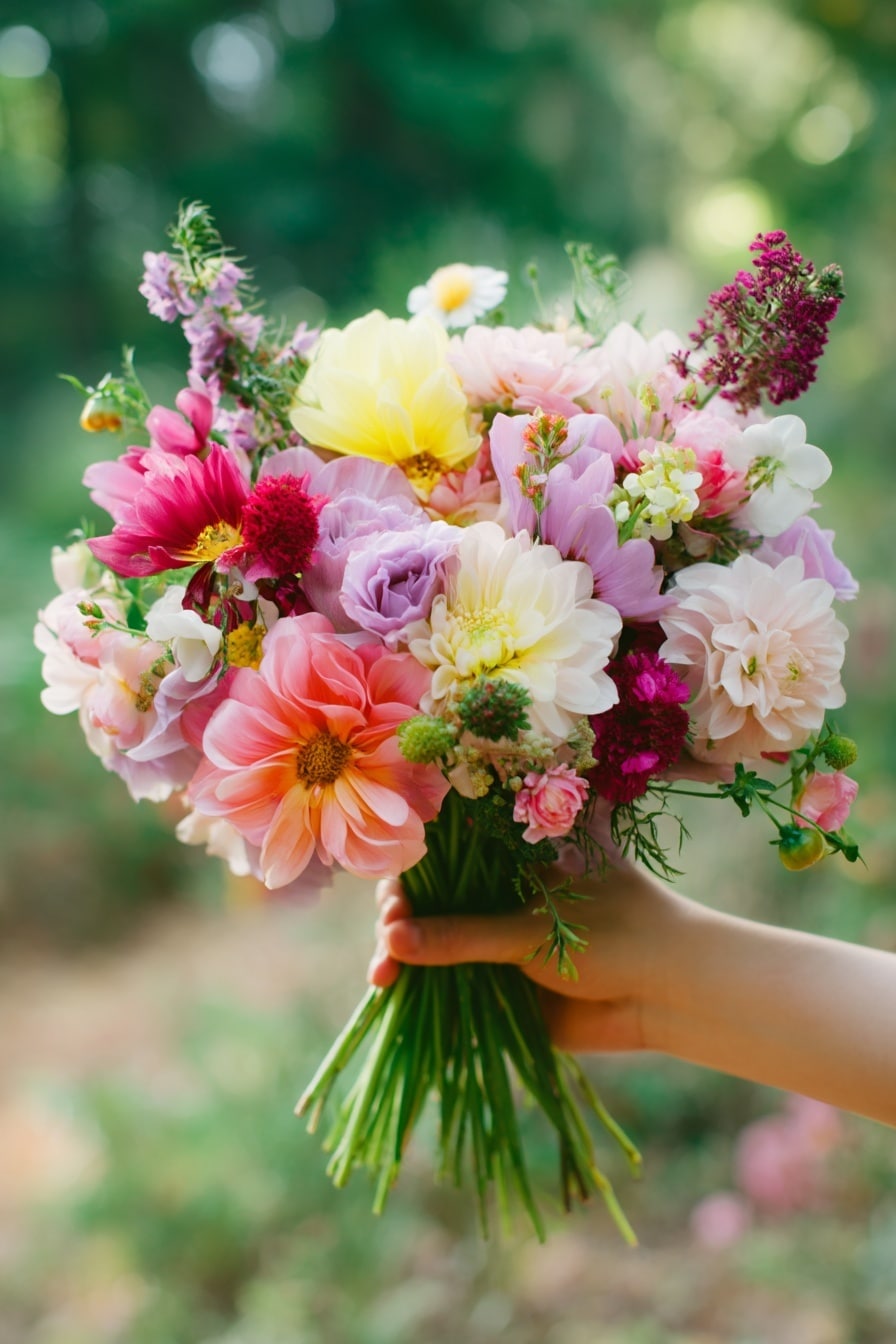
Cut flower garden enthusiasts know there’s nothing more satisfying than walking into your yard and harvesting fresh blooms for your home. A cut flower garden is a dedicated space designed not just for beauty, but for continual harvest. Unlike traditional flower beds meant to be admired from a distance, this type of garden is built for regular snipping, arranging, and enjoying indoors.
By growing your own bouquets, you’re reducing waste, cutting out transport emissions, and embracing a more sustainable, hands-on way to enjoy florals. Whether you’re starting with a sunny patio or a backyard plot, building a cut flower garden is one of the most rewarding projects any gardener can take on.
Table of Contents
🌿 What Is a Cut Flower Garden?

A cut flower garden is a growing space designed with one goal in mind: producing an ongoing supply of flowers you can harvest for indoor arrangements. Think of it less as a show garden and more as a working garden—much like a vegetable patch, but for blooms. Every plant is chosen and placed to maximize stem production, vase life, and harvestability.
Unlike ornamental flower beds that focus on aesthetics and structure, a cut flower garden is all about function. Blooms are meant to be picked regularly, encouraging new growth and keeping production going throughout the season. It’s a system built for abundance, not restraint.
While it can still be beautiful, its main job isn’t to look perfect—it’s to give you armfuls of flowers week after week.
☀️ Where to Plant a Cut Flower Garden
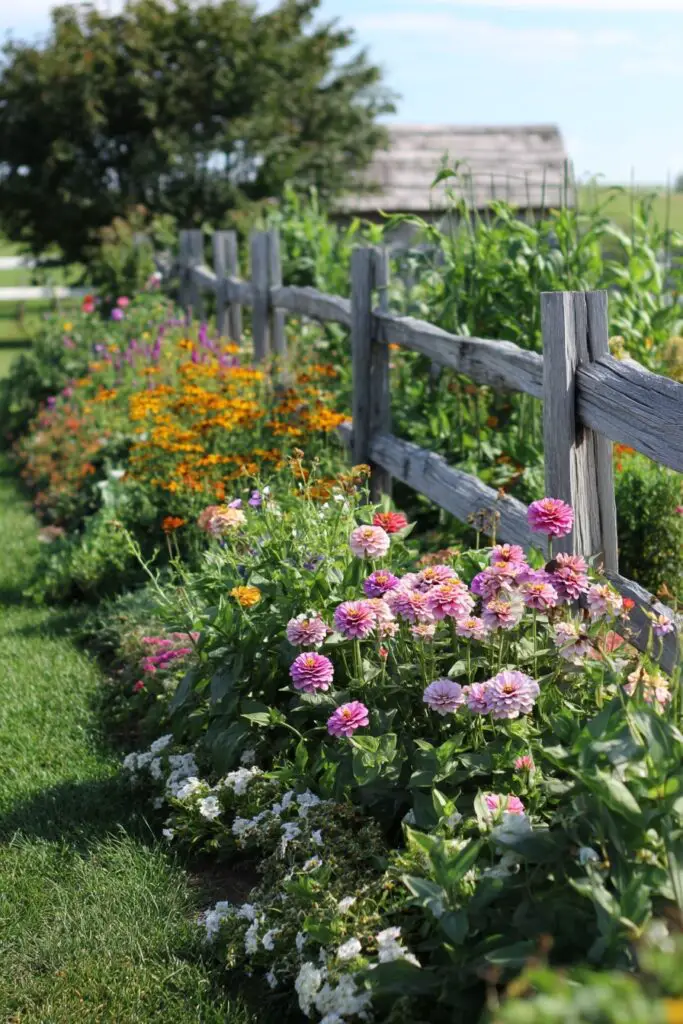
Location is everything when it comes to a successful cut flower garden. Most flowering plants thrive in full sun, so choose a spot that receives at least six hours of direct sunlight daily. This exposure ensures strong stems, vivid colors, and repeat blooms throughout the season.
Beyond sunlight, protection from harsh wind is just as important. Gusty conditions can damage tall flower stalks and accelerate moisture loss. Position your garden near a natural windbreak like a fence, hedge, or wall if possible.
If you’re working with limited outdoor space, don’t worry—a cut flower garden can still thrive in containers. Many popular cut flowers, such as cosmos or dwarf zinnias, adapt well to pots placed on sunny decks or balconies.
Finally, consider your soil. Some flowers prefer dry, sandy conditions, while others thrive in rich, loamy soil. Understanding your plants’ needs will help you group them wisely and reduce unnecessary maintenance later on.
🛠️ How to Set Up a Cut Flower Garden
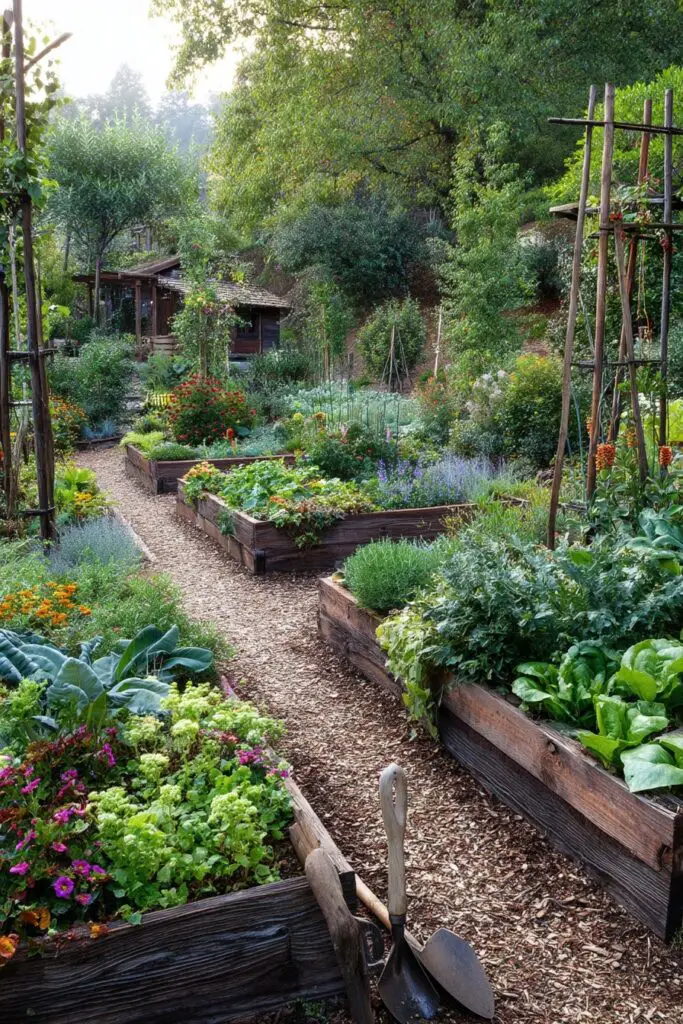
Designing a cut flower garden isn’t about symmetry or showy borders—it’s about practicality and performance. The layout should make it easy to plant, maintain, and harvest your blooms all season long.
📏 Bed Shape & Spacing
Opt for narrow rectangular beds instead of wide, sprawling ones. This allows you to reach all your plants without stepping on the soil. A good rule of thumb is to keep beds no wider than 3 to 4 feet. Leave walking paths between each bed wide enough for a wheelbarrow or garden cart—about 18 to 24 inches.
🪴 Raised Beds for Accessibility
If you want to make maintenance and harvesting easier on your back, build raised beds. They improve drainage, define planting areas, and help prevent soil compaction.
🌼 Separate Annuals & Perennials
To keep things organized and simplify seasonal tasks, group annuals and perennials separately. Annuals can be replaced each year, while perennials will return season after season with minimal effort.
🚿 Water Access
Be sure to place your garden within easy reach of a water source. Cut flowers often require regular watering, especially during dry spells, so consider installing a drip irrigation system or keeping hoses nearby.
An efficiently planned cut flower garden saves time, increases yield, and makes the experience more enjoyable—whether you’re harvesting a handful of blooms or building full bouquets.
📐 How Big Should a Cut Flower Garden Be?
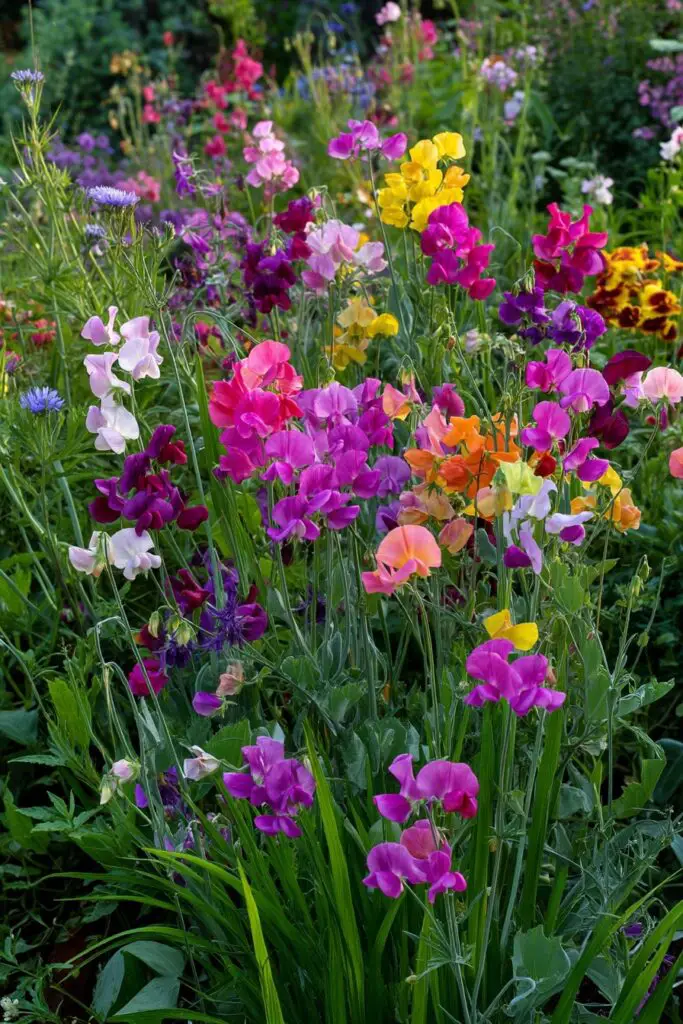
A cut flower garden doesn’t need to be massive to be productive. In fact, even a modest 3-by-6-foot bed can yield dozens of stems if planned well. The key is to focus on plant density and bloom frequency, not square footage.
If you’re tight on space, grow vertically. Vining plants like sweet peas, climbing nasturtiums, or even miniature clematis can be trained up trellises or netting to maximize yield in a small footprint.
When space is more generous, aim to scale up by adding more beds, not making individual beds larger. Narrow beds remain easier to manage and harvest from without compacting the soil.
You can also tuck cut flower rows into existing vegetable gardens, allowing both to thrive together. Interplanting marigolds, calendula, or nasturtiums can add color and serve as pest deterrents, making your garden not just beautiful but balanced.
So whether you’re working with a few square feet on a balcony or a full backyard plot, a cut flower garden can be tailored to fit your available space—and still bloom abundantly.
🥕 Can You Grow Cut Flowers in a Vegetable Garden?
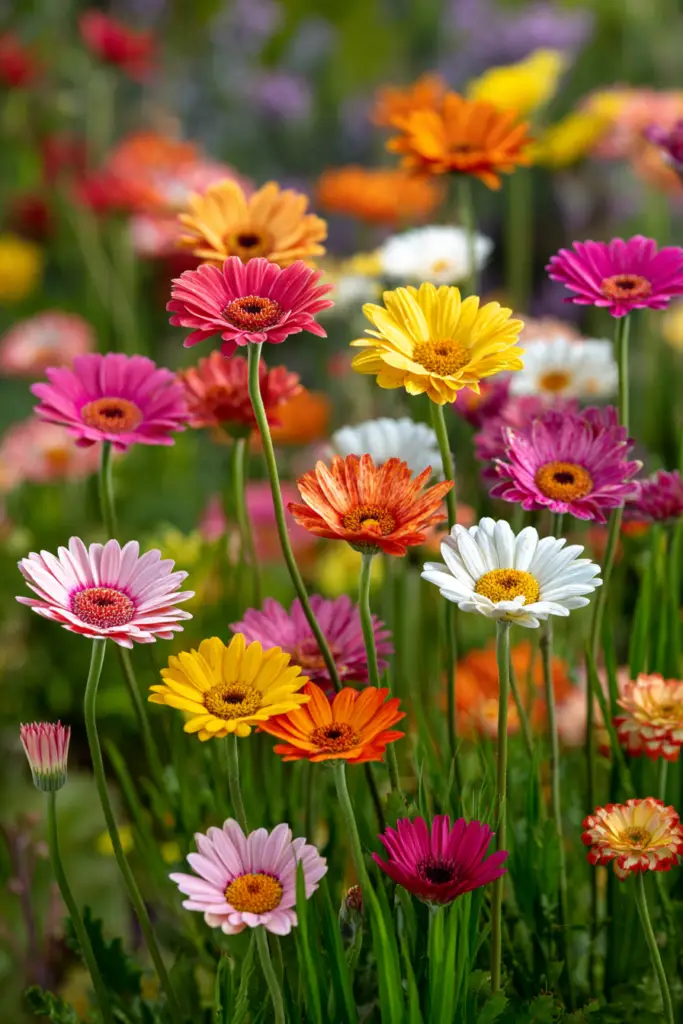
Absolutely! Integrating a cut flower garden into your vegetable beds isn’t just possible—it’s beneficial. Many flowers and vegetables share similar growing needs, and their partnership can enhance both health and harvest.
🌼 Natural Pest Control
Certain flowers, like marigolds and calendula, act as natural defenders by repelling pests like nematodes, squash bugs, and aphids. Planting these near tomatoes, cucumbers, or beans can help keep your crops healthy without the need for chemicals.
🐝 Pollinator Power
Flowers attract bees, butterflies, and other pollinators, which can increase fruit and vegetable production. Including blooms like cosmos, sunflowers, or zinnias in your beds supports a thriving ecosystem.
🎨 Visual Appeal
Let’s not forget aesthetics. Mixing flowers into vegetable rows turns your garden into a vibrant, colorful space. You’ll be harvesting not just food, but armfuls of blooms for indoor enjoyment.
Just make sure to match plants with similar water, light, and soil requirements. That way, your flowers and vegetables will grow in harmony—feeding your table and filling your vases at the same time.
🌷 What Makes a Good Cut Flower?
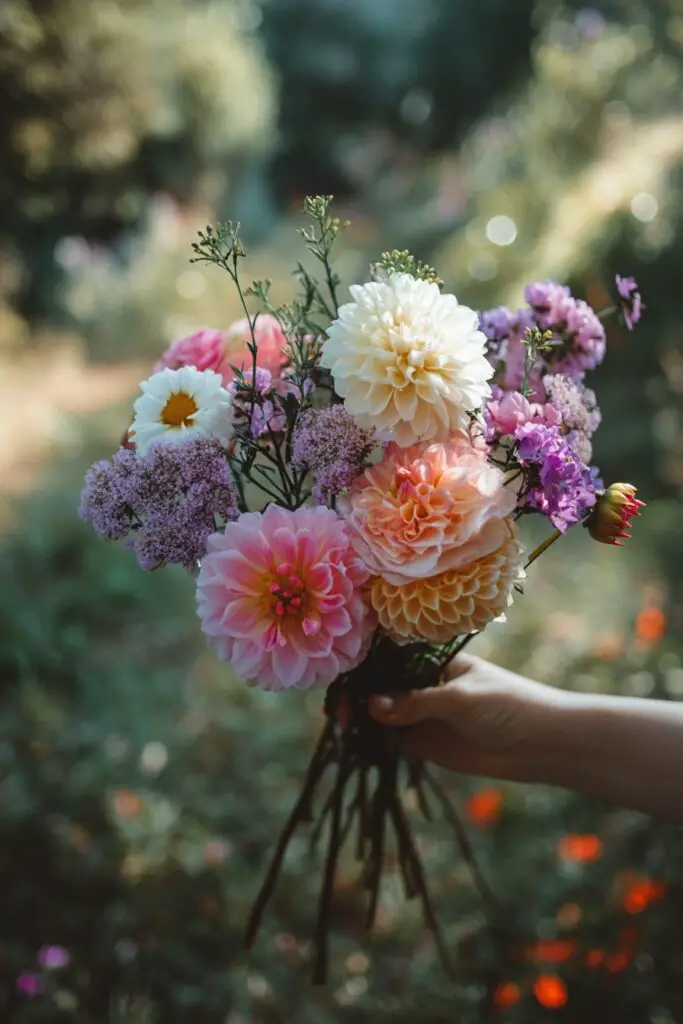
Not all flowers are created equal when it comes to the vase. A truly successful cut flower garden includes plants that are not only beautiful, but also productive, durable, and long-lasting once picked.
🏗️ Strong Stems
Look for flowers with sturdy stems that can support themselves in arrangements without drooping. These stems also hold up better during harvest and transport.
⏳ Long Vase Life
Some blooms fade quickly once cut, while others last over a week. Zinnias, chrysanthemums, sunflowers, and alstroemeria are great examples of long-lasting cut flowers that stay vibrant in water.
🔁 Continuous Blooming
Choose varieties that offer repeat flowering. Cut-and-come-again plants like cosmos, snapdragons, and dahlias reward regular harvesting with even more blooms throughout the season.
🎨 Variety of Colors & Forms
Think about the types of arrangements you want to make. Include flowers in a mix of shapes (spikes, rounds, umbels) and colors to create balanced, interesting bouquets.
🌸 Fragrance
While not essential, scented flowers like sweet peas, lavender, and garden roses can elevate your floral designs with layers of aroma.
By selecting plants with these traits, your cut flower garden will produce stems that are not only plentiful but also practical and pleasing from garden to vase.
🎨 Cut Flower Garden Design Tips
Designing a cut flower garden goes beyond planting pretty blooms. A well-planned garden will give you consistent harvests, diverse arrangements, and blooms from spring through fall. Here are some expert tips to guide your design:
🌼 Plan for All Seasons
Grow a mix of spring bulbs, summer annuals, and late-season perennials to keep your vases full year-round. Add winter interest with shrubs like winterberry or branches with colorful stems.
🌱 Include Cut-and-Come-Again Flowers
Maximize yield by planting varieties that regrow after each cut, such as zinnias, cosmos, and snapdragons. These are especially useful in small spaces where every stem counts.
📆 Stagger Your Planting
For blooms that don’t rebloom, practice succession planting—sow seeds every few weeks to extend harvests. This method is perfect for annuals like sunflowers and calendula.
🌺 Mix Flower Shapes & Textures
Avoid flat, one-dimensional bouquets. Combine spiky blooms (like salvia), rounded forms (such as dahlias), and airy fillers (like yarrow) for depth and visual balance.
🎨 Use Complementary Colors
Create impactful arrangements by grouping harmonizing hues. Pair opposites like purple and yellow, or stick with monochromatic tones for a more elegant, cohesive look.
🌿 Don’t Forget Foliage
Half your garden should be devoted to greens and fillers, such as dusty miller, amaranth, or even herbs like rosemary. These add volume, structure, and contrast to your bouquets.
🌸 Add Native Flowers
Native blooms like black-eyed Susans or bee balm are low-maintenance and pollinator-friendly. They also blend beautifully into both formal and wild-style arrangements.
🌟 6 Favorite Flowers for a Cut Flower Garden
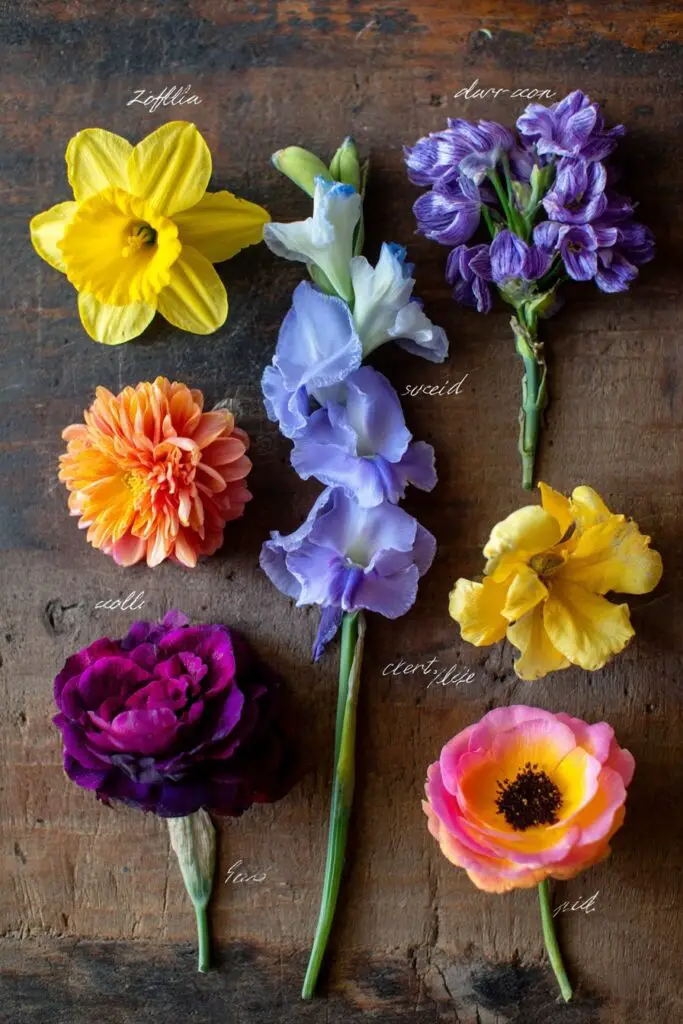
Every cut flower garden benefits from a mix of showstoppers and workhorses—plants that bloom abundantly, last long in a vase, and bring color and character to every arrangement. Here are six favorites gardeners love to grow and cut:
1. 🌼 Daffodil (Narcissus)
- Type: Bulb
- Bloom Time: Early to mid-spring
- Zones: 4–8
- Daffodils are among the first blooms of the year, bringing bright yellows and whites to your early spring bouquets. Harvest when buds are still closed for the longest vase life.
2. 🌸 Zinnia (Zinnia elegans)
- Type: Annual
- Bloom Time: Late spring to frost
- Zones: All (as annuals)
- These are cut-and-come-again champions with bold colors and various bloom shapes. The more you cut, the more they bloom—perfect for non-stop summer bouquets.
3. 🌿 Sweet Pea (Lathyrus odoratus)
- Type: Annual
- Bloom Time: Early spring to early summer
- Zones: Best in cool climates
- Known for their ruffled petals and irresistible fragrance, sweet peas add scent and softness to arrangements. Grow them vertically to save space.
4. 🌾 Gladiolus (Gladiolus hortulanus)
- Type: Bulb
- Bloom Time: Early summer to frost
- Zones: 8–10 (or grow as annuals)
- With tall, spiky blooms and bold colors, glads are dramatic additions to taller floral designs. Plant corms in succession for ongoing harvests.
5. 🌹 Rose (Rosa spp.)
- Type: Shrub
- Bloom Time: Spring through summer
- Zones: 4–11 (varies by type)
- Hybrid tea roses and long-stemmed varieties are ideal for cutting. Their strong fragrance and structured blooms add elegance to any bouquet.
6. 🌻 Black-Eyed Susan (Rudbeckia spp.)
- Type: Perennial
- Bloom Time: Midsummer to frost
- Zones: 3–9
- These cheerful wildflowers are drought-tolerant, low-maintenance, and bloom heavily—making them a reliable staple in any cut flower garden.
🌼 Conclusion
Starting a cut flower garden is one of the most rewarding ways to bring life, color, and fragrance into your home—straight from your backyard. With the right location, smart planning, and a thoughtful mix of plants, even small spaces can yield a season-long supply of fresh blooms. From early-spring daffodils to late-summer zinnias, your garden can become a personal flower shop that never closes.
Whether you’re arranging a vase for the kitchen table or gifting a homegrown bouquet, a cut flower garden ensures beauty is always within reach—one snip at a time.