
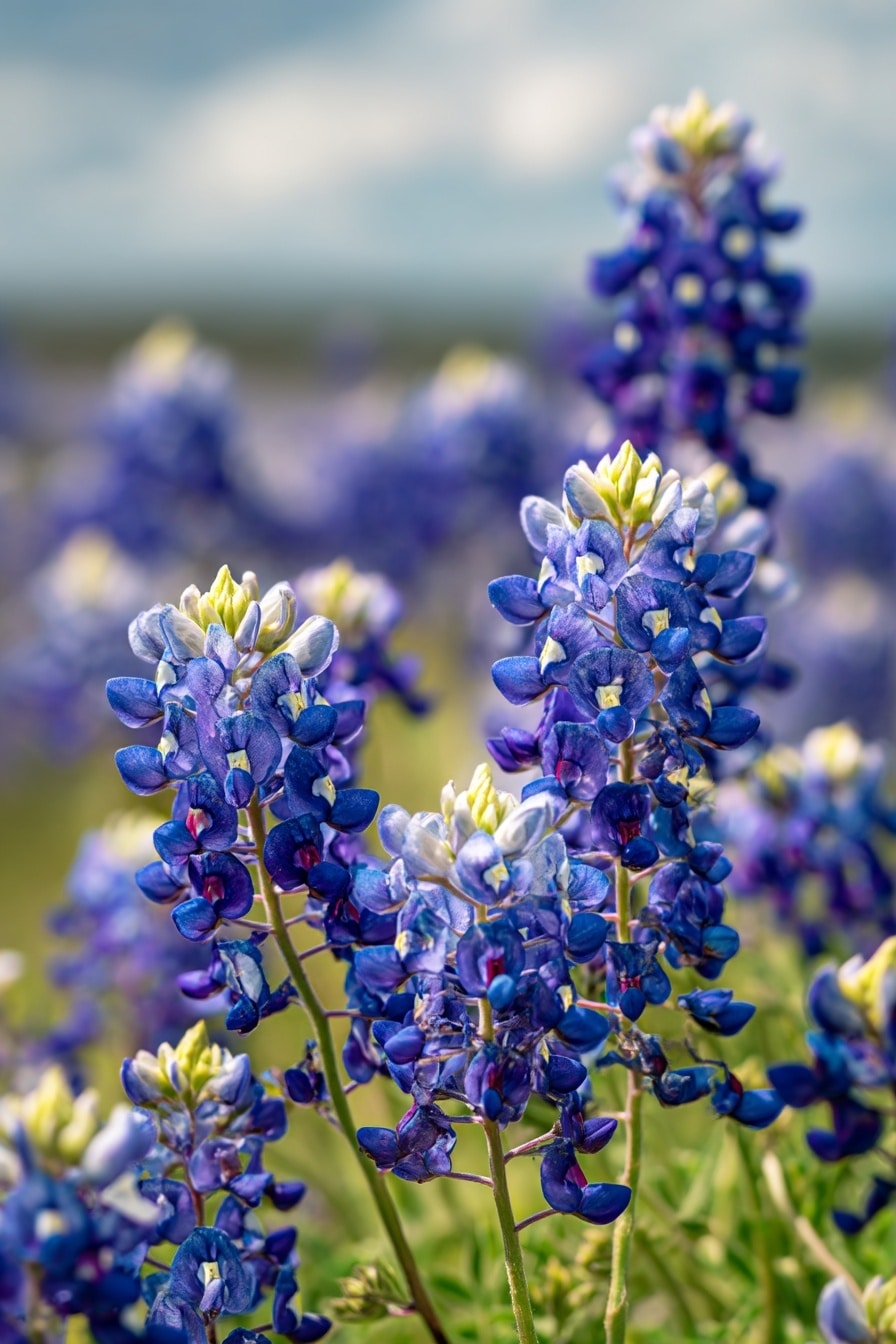
Bluebonnets are among the most recognizable wildflowers, known for their vibrant blue color and ability to transform open spaces into stunning seasonal displays. If you’re planning to grow bluebonnets in your garden, timing and proper care play a major role in achieving healthy blooms.
Growing bluebonnets successfully requires understanding their natural growth cycle, soil preferences, and planting methods. With the right approach, these hardy flowers can thrive with minimal maintenance while adding a striking visual impact to your landscape.
Table of Contents
Understanding Bluebonnets and Their Growth Cycle

Bluebonnets are cool-season annuals that follow a unique growth pattern. Knowing this cycle is essential for successful planting.
Natural Growth Pattern
- Seeds germinate in fall
- Plants develop roots during winter
- Blooms appear in spring
This cycle allows bluebonnets to establish strong roots before flowering.
Why Timing Matters
Planting bluebonnets at the wrong time can lead to weak growth or no blooms. Following their natural cycle ensures better results and fuller flowering.
When To Plant Bluebonnets
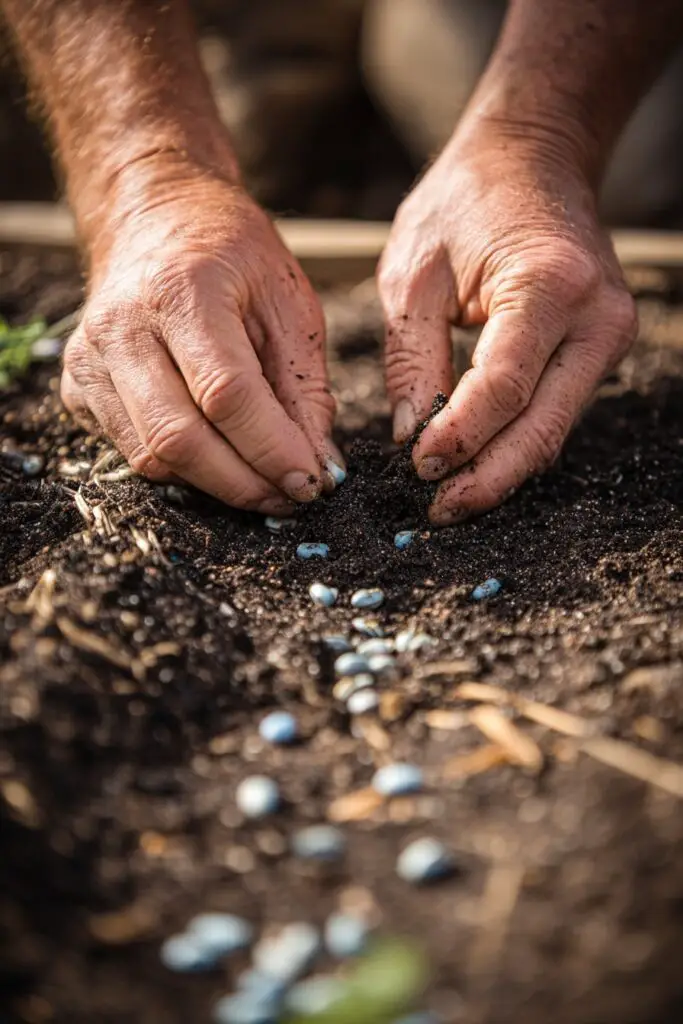
Timing is the most important factor when growing bluebonnets.
Best Planting Time
- Late summer to early fall
- Ideally before the first frost
- Gives roots time to establish
Planting during this period allows bluebonnets to grow steadily through cooler months.
Climate Considerations
- Mild winters are ideal
- Avoid planting too late in cold regions
- Ensure seeds get enough sunlight
Adjust your planting schedule based on your local climate conditions.
How To Prepare Soil for Bluebonnets
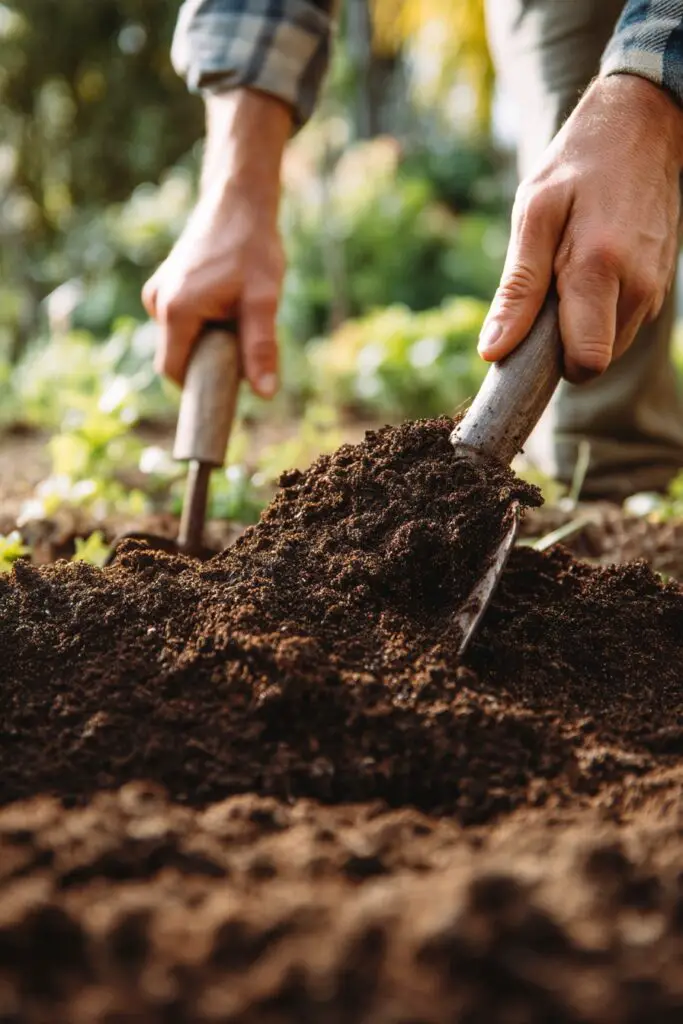
Bluebonnets prefer specific soil conditions that support healthy growth.
Soil Requirements
- Well-draining soil
- Slightly alkaline pH
- Low to moderate fertility
Heavy or waterlogged soil can harm bluebonnets.
Soil Preparation Tips
- Loosen soil before planting
- Remove weeds and debris
- Avoid adding too much fertilizer
Bluebonnets thrive in less fertile soil, so keep amendments minimal.
How To Plant Bluebonnets Seeds

Proper planting techniques improve germination and growth.
Step-by-Step Planting
- Lightly scarify seeds to improve germination
- Scatter seeds evenly across the soil
- Press seeds gently into the ground
- Water lightly after planting
Avoid burying seeds too deeply, as they need light to germinate.
Spacing Tips
- Allow space for spreading
- Avoid overcrowding
- Thin seedlings if necessary
Correct spacing helps bluebonnets grow evenly and stay healthy.
Caring for Bluebonnets in the Garden
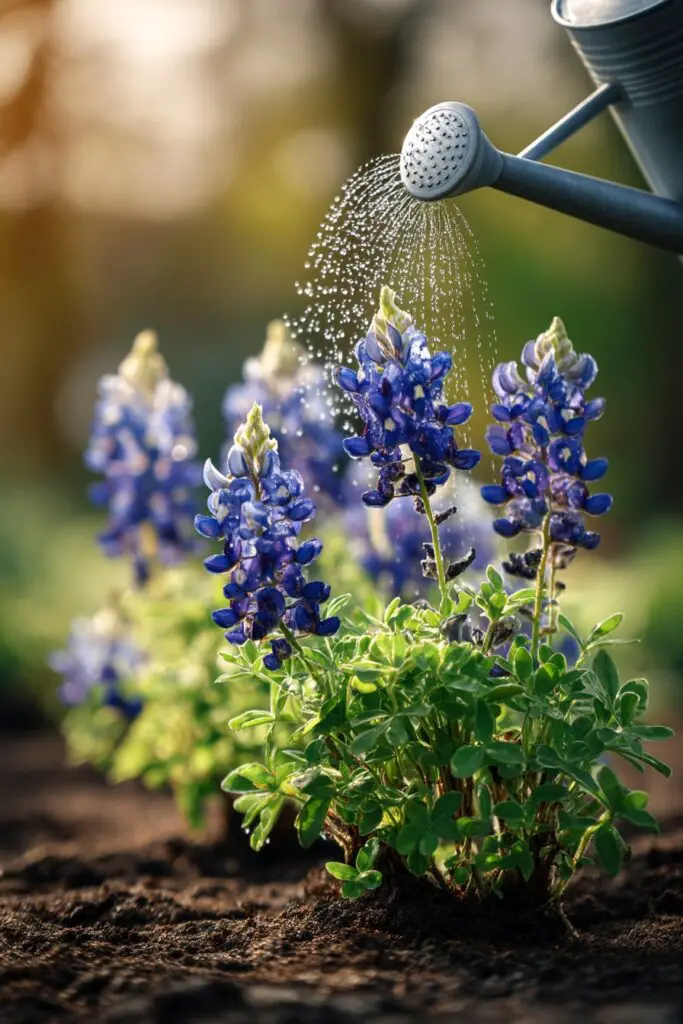
Bluebonnets are low-maintenance but still need basic care.
Watering Needs
- Water lightly during establishment
- Reduce watering once established
- Avoid overwatering
These plants are drought-tolerant once mature.
Sunlight Requirements
- Full sun is best
- At least 6–8 hours daily
- Avoid shaded areas
Adequate sunlight encourages strong blooms.
Common Problems and How to Avoid Them
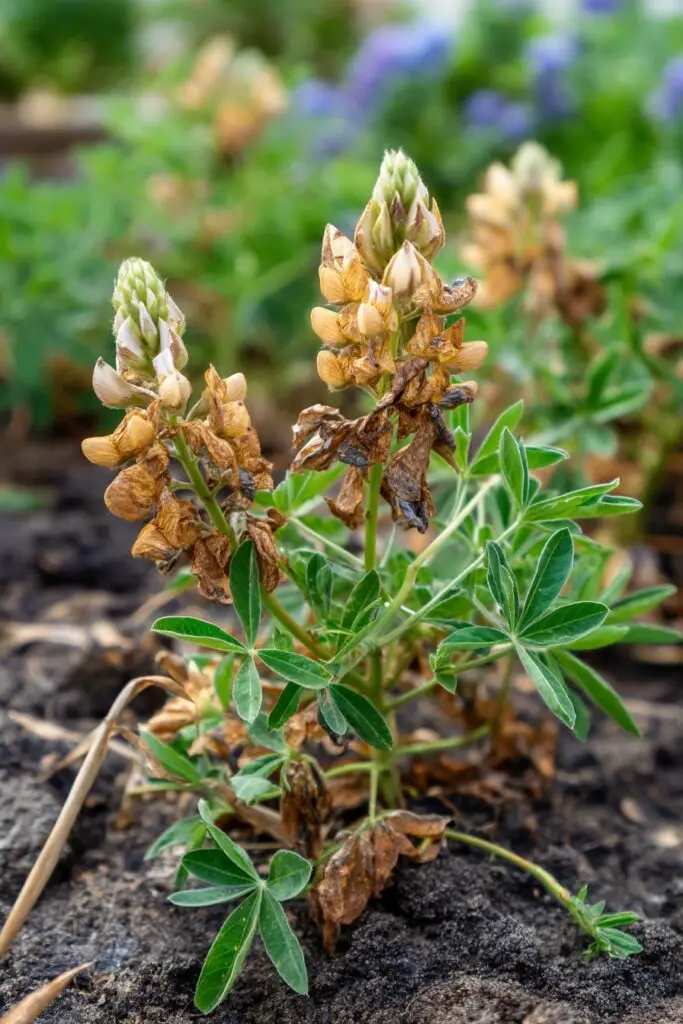
Even hardy plants like bluebonnets can face challenges.
Common Issues
- Poor germination
- Overwatering
- Lack of sunlight
- Heavy soil conditions
Prevention Tips
- Plant at the right time
- Use well-draining soil
- Avoid excessive watering
- Ensure full sun exposure
Taking preventive steps helps maintain healthy bluebonnets.
Conclusion
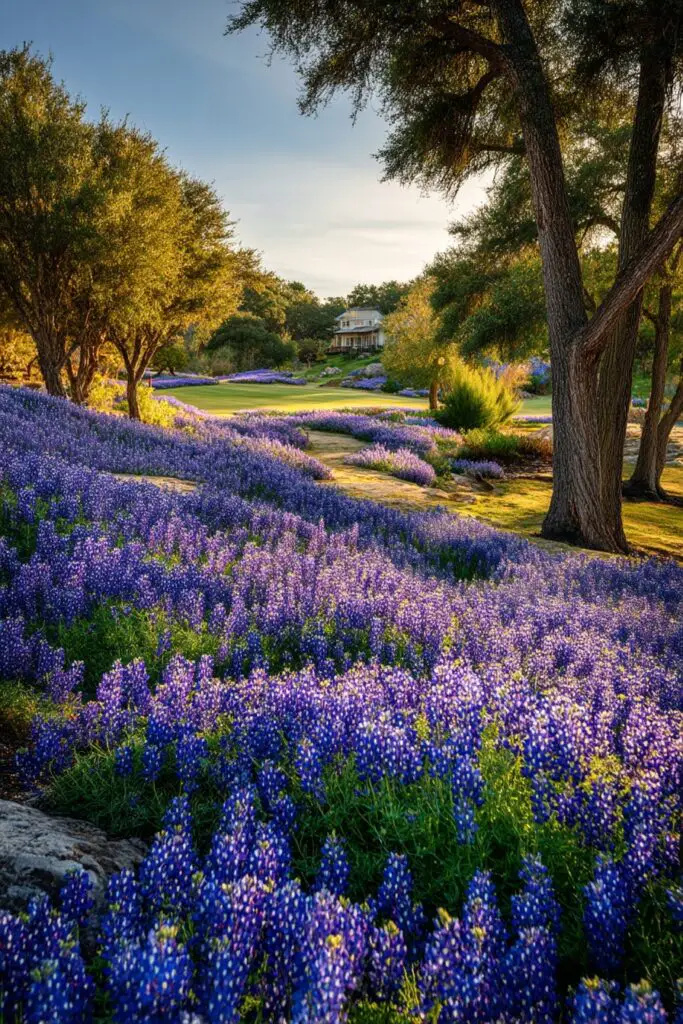
Bluebonnets are a beautiful and resilient addition to any garden when planted and cared for correctly. By understanding their growth cycle, planting them at the right time, and providing proper soil and sunlight conditions, you can enjoy vibrant blooms each spring. With minimal effort, bluebonnets can create a natural and eye-catching display in your outdoor space.