
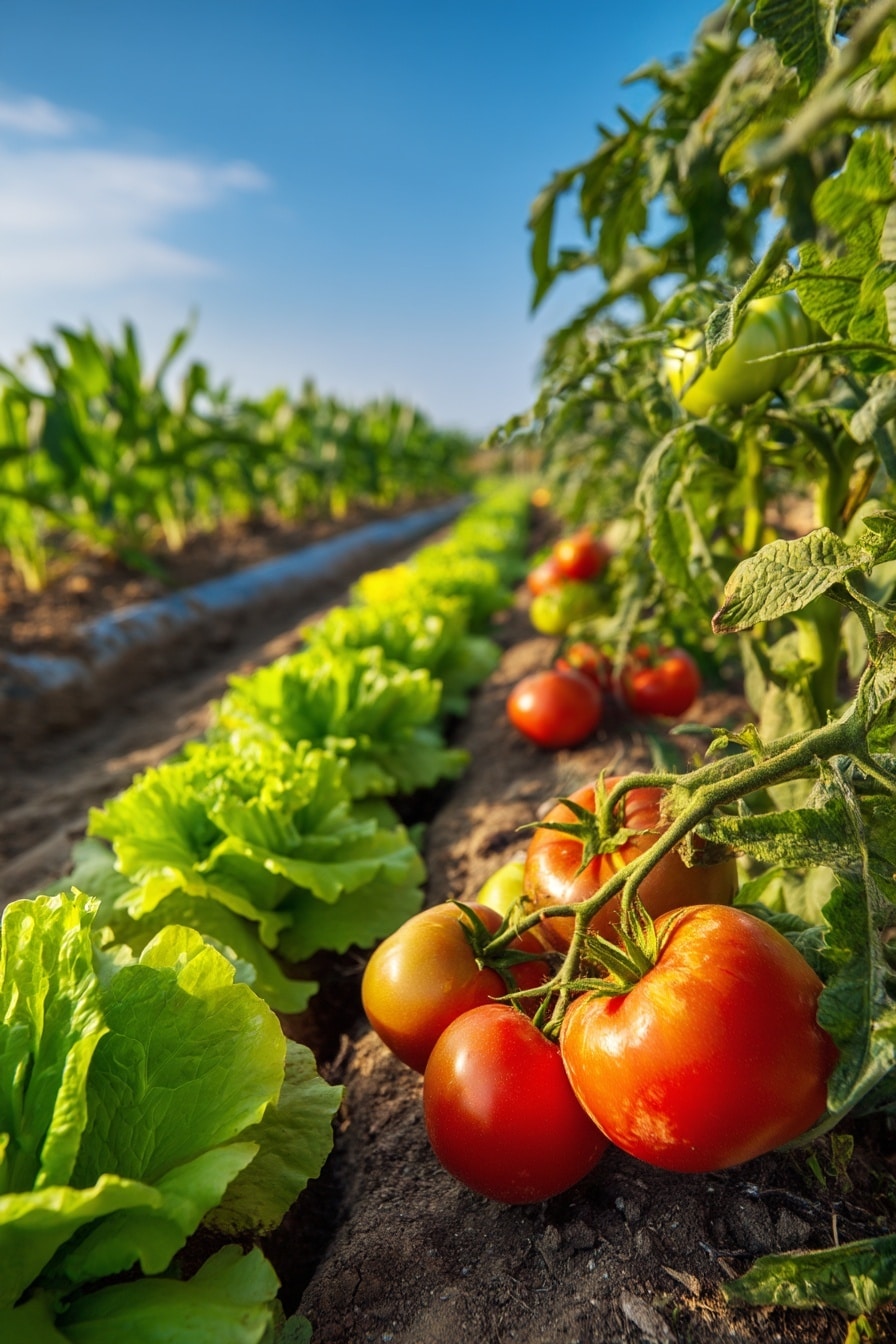
A well-planned vegetable garden layout can make all the difference in the health and productivity of your plants. If you’re eager to start growing your own food, understanding how to design the perfect vegetable garden layout is key to achieving a thriving garden. Whether you’re working with a small balcony or a large backyard, a thoughtful layout ensures your plants get the right amount of sunlight, space, and water they need to flourish.
Table of Contents
1. Understand Light and Space Requirements

When planning your vegetable garden layout, the first step is to consider light and space requirements. Most vegetables need at least 6–8 hours of sunlight each day, so choose a location in your garden that receives ample sunlight. For instance, tomatoes and peppers thrive in full sun, while leafy greens like spinach and lettuce can tolerate some shade. Make sure to account for the height and spread of each plant, leaving enough space for growth without overcrowding.
2. Incorporate Companion Planting
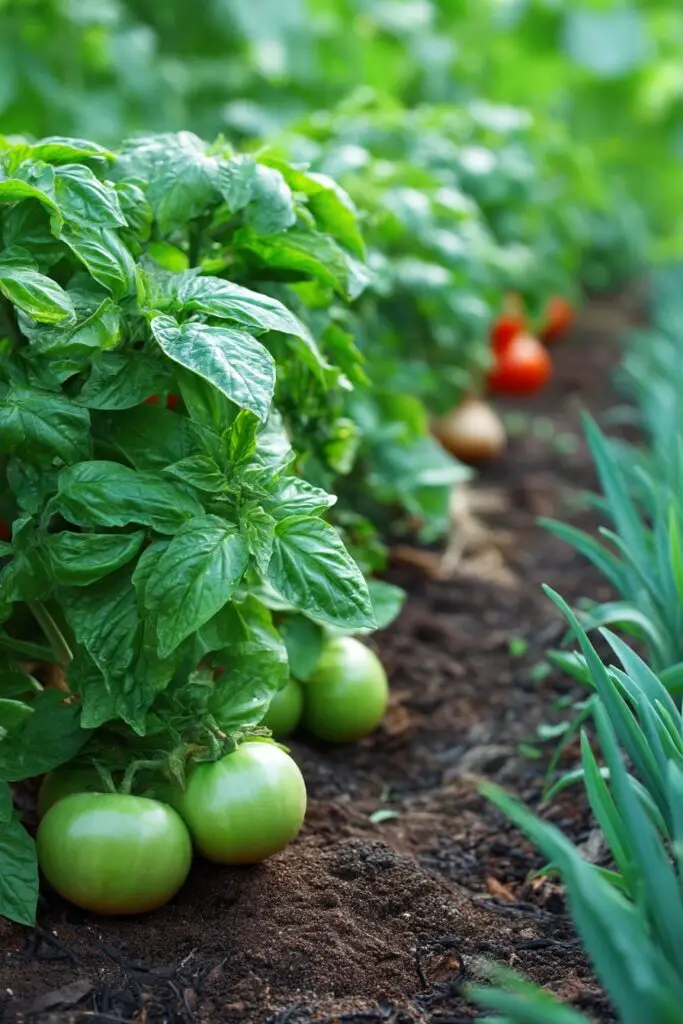
One of the most effective strategies to enhance your vegetable garden layout is companion planting. By placing certain plants next to each other, you can promote healthier growth, deter pests, and improve yields. For example, tomatoes grow well with basil and onions, but they should be kept away from cabbage and fennel. Companion planting helps create a harmonious garden ecosystem, maximizing space and productivity while minimizing the need for chemical interventions.
3. Try Raised Bed Gardening
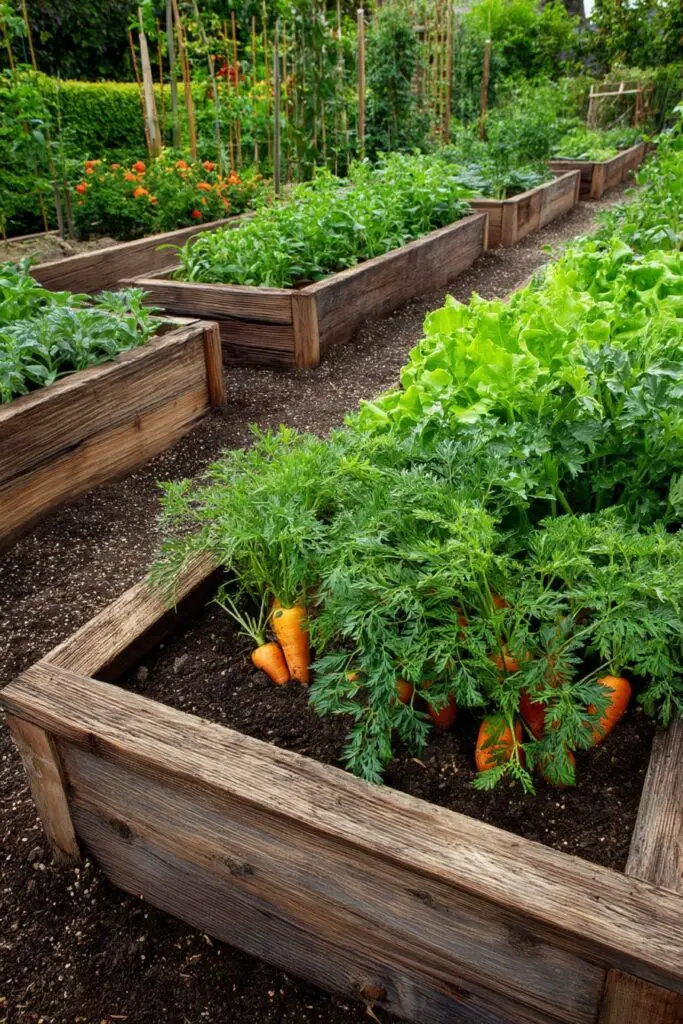
If you’re limited on space or have poor soil, raised bed gardening can be a game-changer. Raised beds improve drainage, prevent soil compaction, and make it easier to control soil quality. They also provide an organized and efficient way to design your vegetable garden layout. Raised beds can be as simple as wooden frames filled with nutrient-rich soil, and their height allows for easier access while gardening. This layout works especially well for small to medium-sized gardens.
4. Experiment with Vertical Gardening
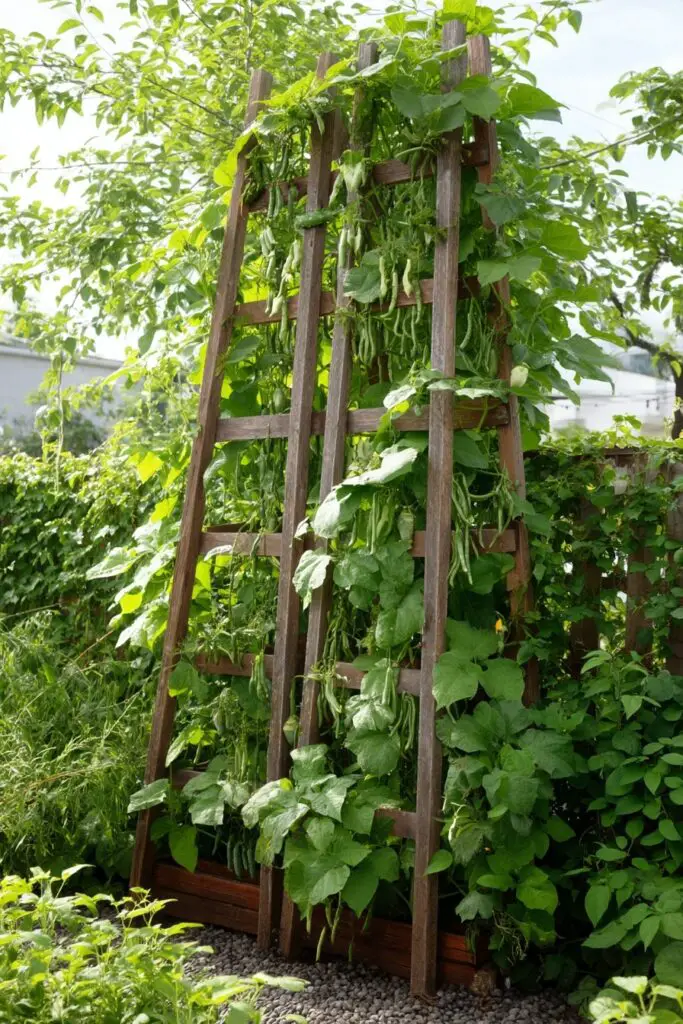
For those with limited space, vertical gardening offers a creative solution. By using trellises, vertical planters, or hanging baskets, you can grow vining plants like cucumbers, tomatoes, and beans upwards rather than outwards. This saves valuable ground space and allows you to grow more in a small area. Vertical gardening is not only space-efficient but also visually appealing, adding height and texture to your garden design.
5. Explore Square Foot Gardening
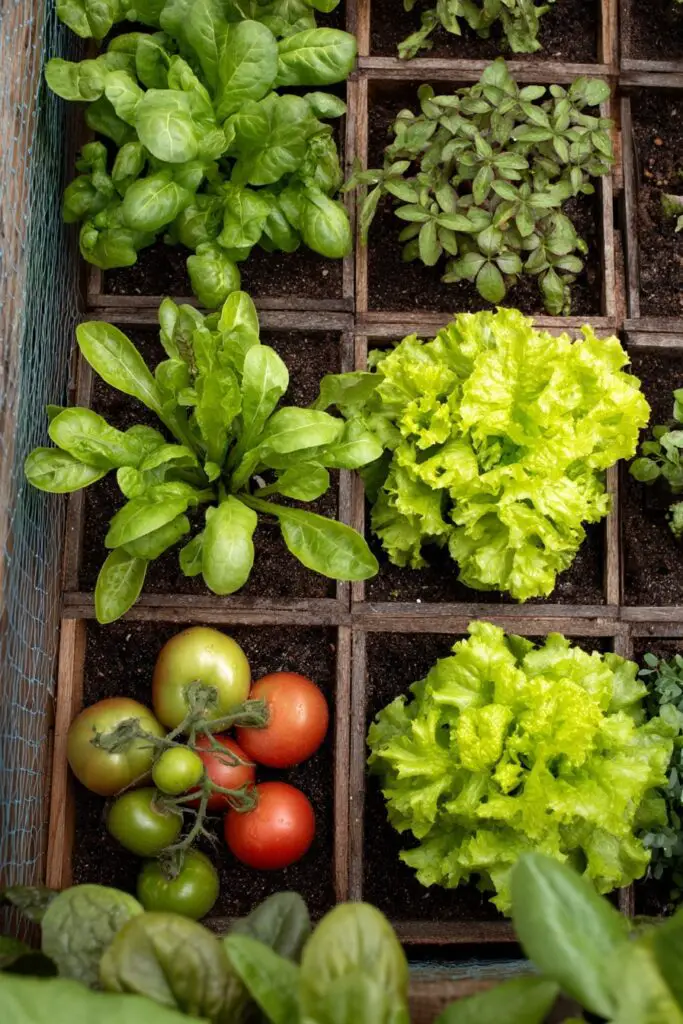
Square foot gardening is a popular and efficient method for maximizing space. By dividing your garden into small, manageable squares (typically 1 foot by 1 foot), you can plant specific numbers of crops according to their size. This layout helps avoid overcrowding, promotes healthier growth, and ensures you use every inch of your garden effectively. It’s ideal for smaller gardens or those who want to grow a variety of vegetables in a compact space.
Conclusion
Designing the perfect vegetable garden layout requires a bit of planning, but the results are well worth the effort. By understanding the light and space requirements of your plants, incorporating companion planting, using raised beds, experimenting with vertical gardening, and trying square foot gardening, you’ll create an efficient and productive garden that can thrive year after year. Take the time to experiment with different layouts to find the one that works best for your space and gardening goals. Happy gardening!