
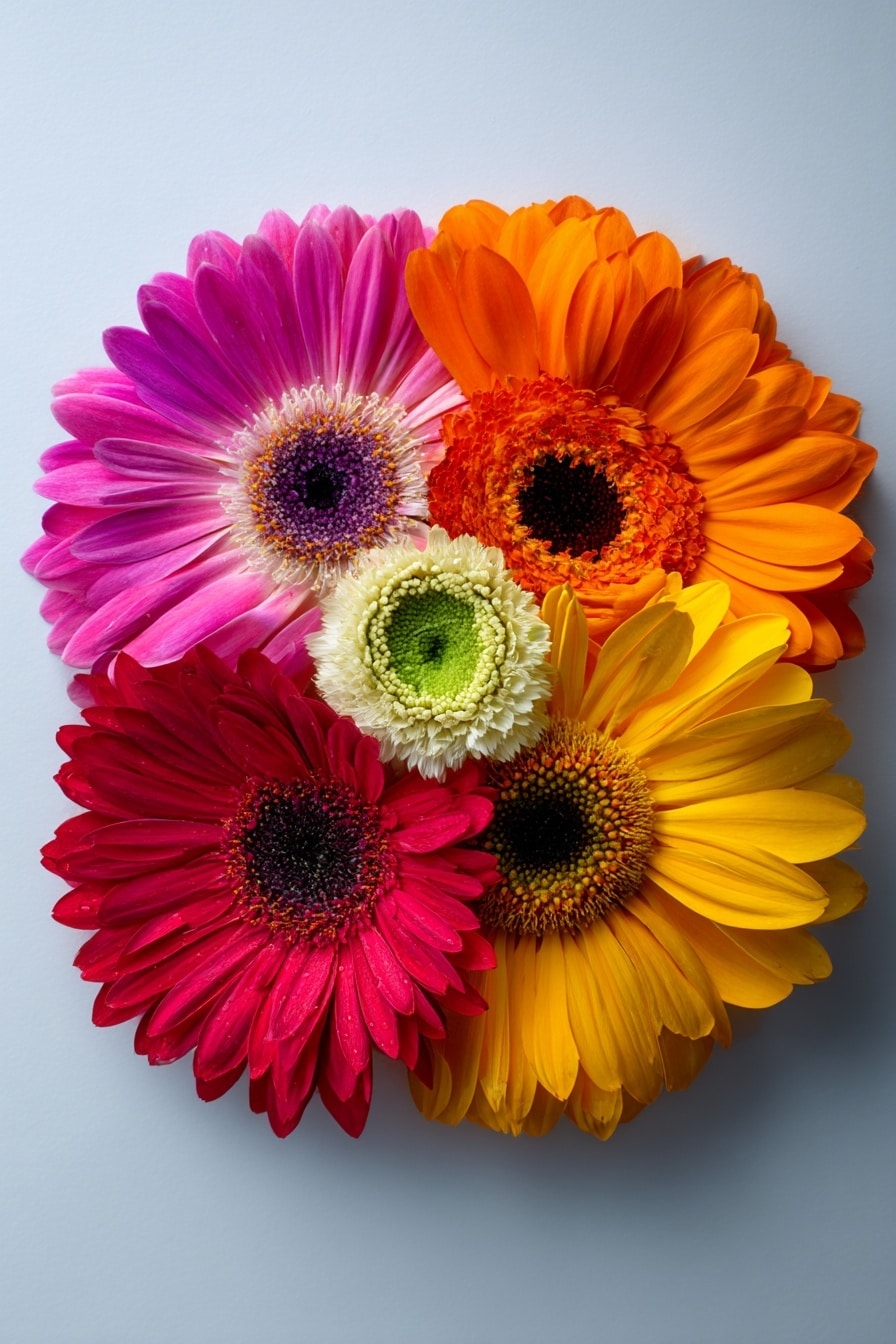
Gerbera daisy is a popular flowering plant cherished for its cheerful blooms and vibrant colors. From sunny yellows to bold pinks and fiery oranges, gerbera daisies brighten up gardens, patios, and even indoor spaces. Whether you’re planting them in the ground or keeping them in pots, knowing how to properly care for your gerbera daisy will ensure healthy plants and longer-lasting flowers.
Native to South Africa, these daisy-like blooms are part of the Asteraceae family. Gardeners love them not only for their looks but also for their relatively easy maintenance. However, a few key care tips can make a big difference in the longevity and vibrancy of your plants.
Table of Contents
🌞 Choosing the Right Location

Gerbera daisies thrive when given the right amount of sunlight. They love bright, indirect light and benefit from some morning sun. But intense afternoon sun, especially in hot climates, can cause wilting or scorched leaves.
Sunlight Tips:
- Outdoors: Choose a spot that gets morning sun and afternoon shade.
- Indoors: Place near a south or east-facing window with filtered light.
Avoid placing them in locations where they receive harsh, direct sunlight for extended hours, particularly during peak summer.
🌱 Best Soil for Gerbera Daisies
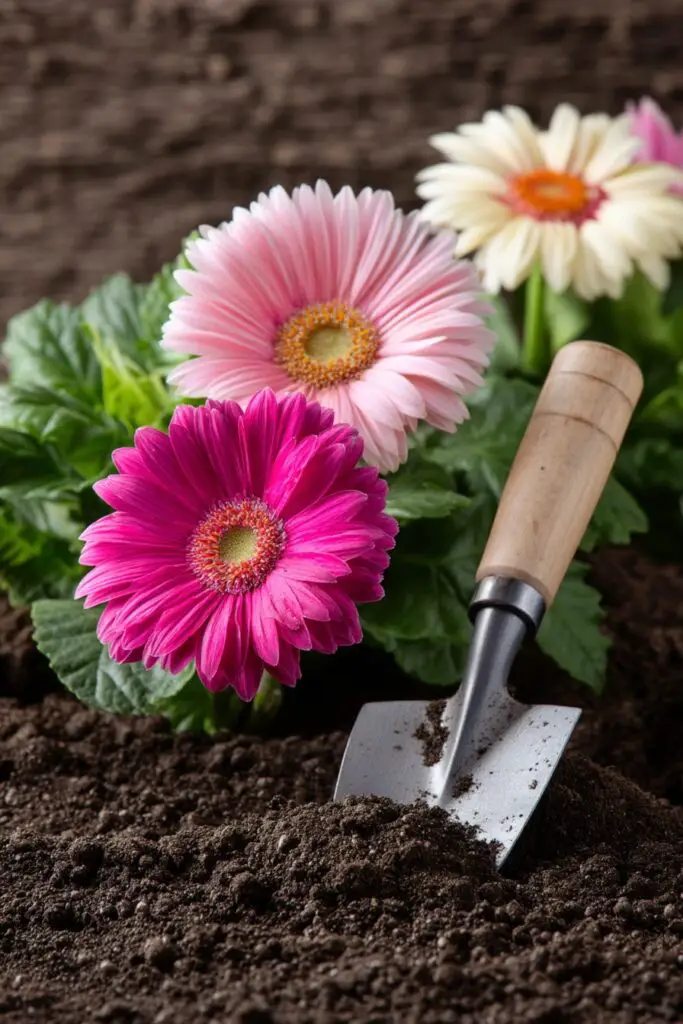
The right soil makes all the difference. Gerbera daisies dislike soggy conditions, so well-draining soil is essential. A mix that’s light and slightly acidic helps prevent root rot and promotes strong root development.
Ideal Soil Mix:
- Loamy or sandy soil
- pH level between 5.5 and 6.5
- Add perlite or coarse sand to improve drainage
If planting in containers, make sure the pot has good drainage holes.
💧 Watering Gerbera Daisies the Right Way
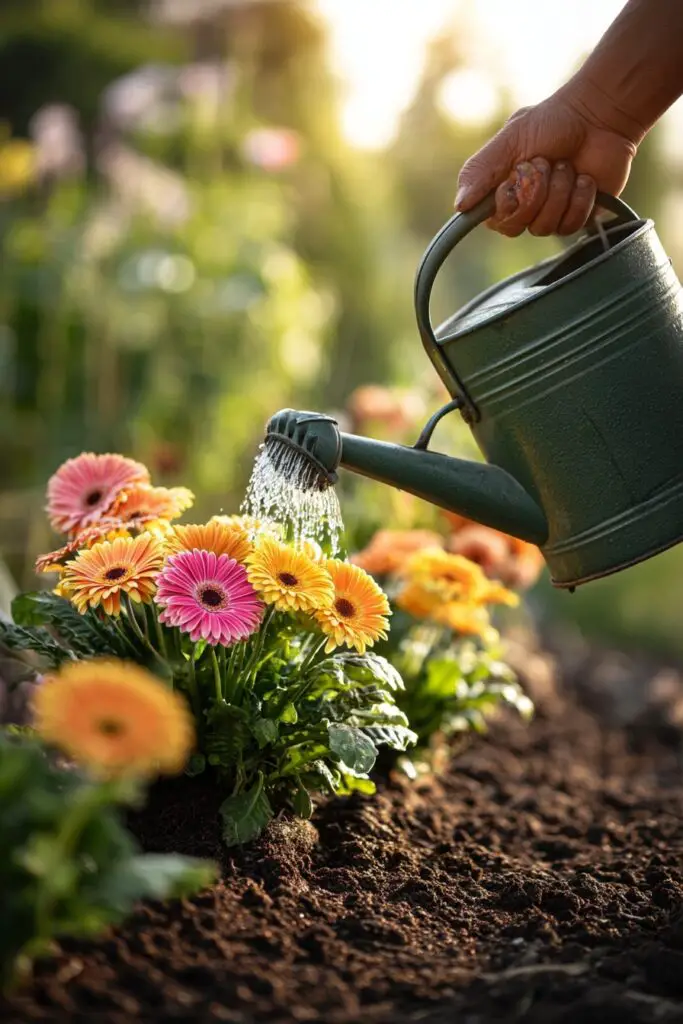
Proper watering is crucial for a thriving gerbera daisy. These plants are sensitive to overwatering, which can quickly lead to root rot. On the flip side, letting them dry out too much can cause wilting and stress.
Watering Tips:
- Water when the top inch of soil feels dry
- Avoid watering directly onto the crown (the base of the plant)
- Use a soaker hose or watering can to deliver water at the soil level
- Empty saucers under pots to prevent standing water
During hot weather, you may need to water more frequently. In cooler months, reduce watering to avoid moisture buildup.
🌿 Fertilizing for Healthy Blooms
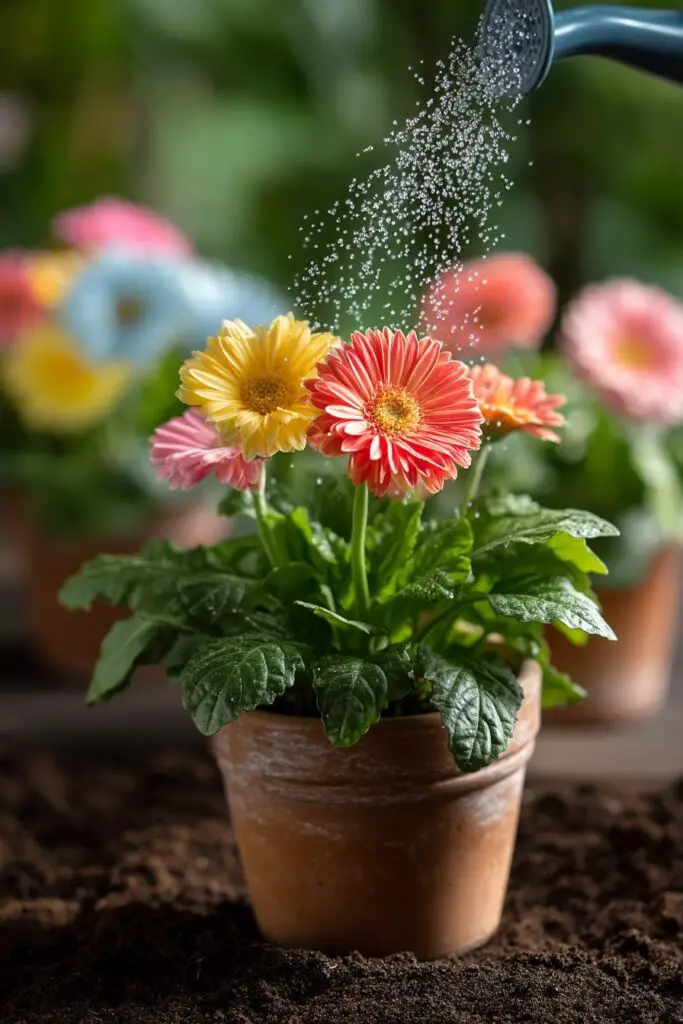
Feeding your gerbera daisy with the right fertilizer encourages more flowers and lush foliage. However, too much fertilizer—especially nitrogen-heavy types—can lead to excessive leaf growth and fewer blooms.
Fertilizer Recommendations:
- Use a balanced, water-soluble fertilizer (10-10-10 or 20-20-20)
- Apply every 2 to 3 weeks during the growing season
- Avoid overfeeding in the fall and winter months
Organic options like compost tea or fish emulsion can be beneficial if you’re aiming for natural plant care.
✂️ Deadheading and Pruning
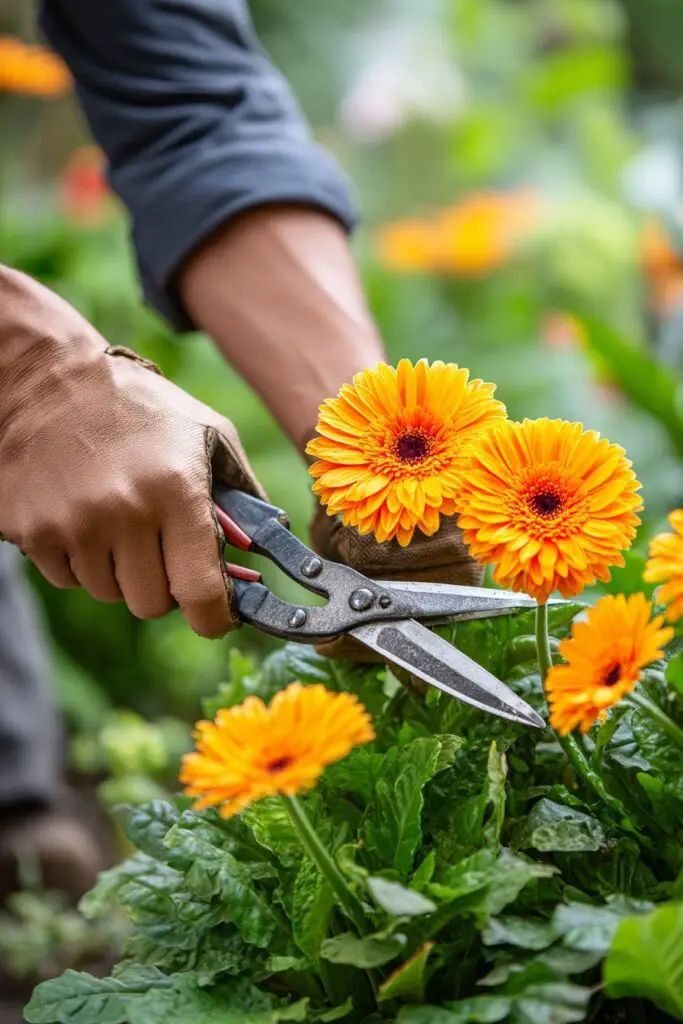
Removing spent flowers and damaged leaves helps redirect energy into new growth and keeps your gerbera daisy looking neat. This process is called deadheading.
How to Deadhead:
- Use clean scissors or snips
- Cut stems at the base, not just below the flower
- Remove yellowing or damaged leaves regularly
Routine pruning improves air circulation, which reduces the chance of fungal issues, especially in humid environments.
🐛 Common Pests and Problems
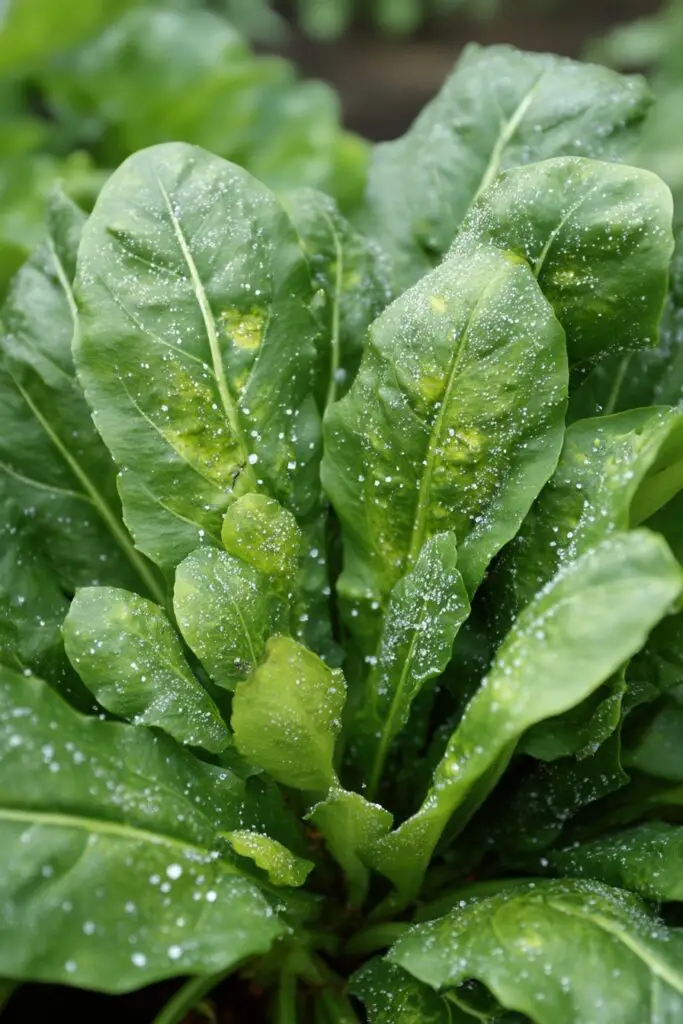
Even with the best care, your gerbera daisy may face a few challenges. Thankfully, most issues can be managed with quick action and regular observation.
🌿 Pests to Watch For
Several common garden pests are attracted to the lush leaves and vibrant blooms of gerbera daisies. The key is to catch infestations early.
Common culprits:
- Aphids: Tiny insects that suck sap and distort new growth
- Spider mites: Create fine webbing and cause stippled or discolored leaves
- Whiteflies: Small flying pests that leave behind sticky residue
- Thrips: Tiny bugs that can damage petals and spread plant viruses
Solutions:
- Spray plants with neem oil or insecticidal soap
- Use a gentle stream of water to wash pests off the foliage
- Introduce beneficial insects like ladybugs or lacewings if growing outdoors
🍄 Diseases to Prevent
Gerbera daisies are also prone to a few fungal and bacterial diseases, especially when airflow is poor or soil stays wet.
Watch out for:
- Powdery mildew: White, powdery coating on leaves
- Crown rot: A mushy, decaying base, often caused by overwatering
- Leaf spot: Brown or black blotches on leaves
- Botrytis blight: Gray mold on flowers and stems in humid conditions
Prevention Tips:
- Water at the soil level to keep leaves dry
- Avoid overcrowding plants
- Remove affected foliage quickly
- Improve airflow by thinning surrounding plants
Healthy plants are less likely to suffer from serious disease, so consistent care is your best defense.
🏡 Growing Gerbera Daisies Indoors vs. Outdoors
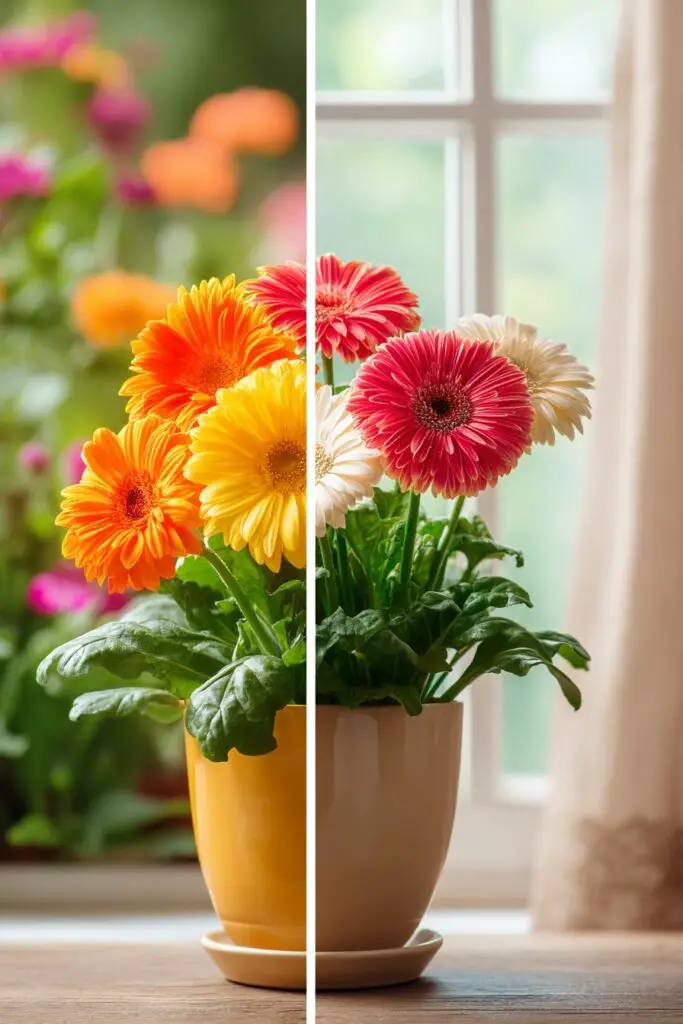
Whether you’re keeping your gerbera daisy on a sunny windowsill or planting it in garden beds, understanding the differences in care between indoor and outdoor growing helps your plants thrive.
🌼 Outdoor Gerbera Daisies
Outdoors, gerberas make excellent bedding plants or container additions. They bloom throughout the warmer months and attract butterflies.
Tips:
- Plant in spring after the last frost
- Use mulch to retain moisture and control weeds
- Protect from excessive rain to avoid fungal issues
In zones 8–11, they can be grown as perennials. In colder climates, treat them as annuals or overwinter indoors.
🪴 Indoor Gerbera Daisies
Indoors, gerbera daisy plants bring bright color to windowsills and tables. They need more attention to lighting and air circulation.
Tips:
- Place near a bright window with filtered sunlight
- Turn the pot regularly to encourage even growth
- Use a humidifier or pebble tray if your home is very dry
- Avoid drafts and sudden temperature changes
Indoor gerberas may not bloom as frequently as outdoor ones, but they still offer beautiful bursts of color when properly cared for.
🍂 Seasonal Care Guide
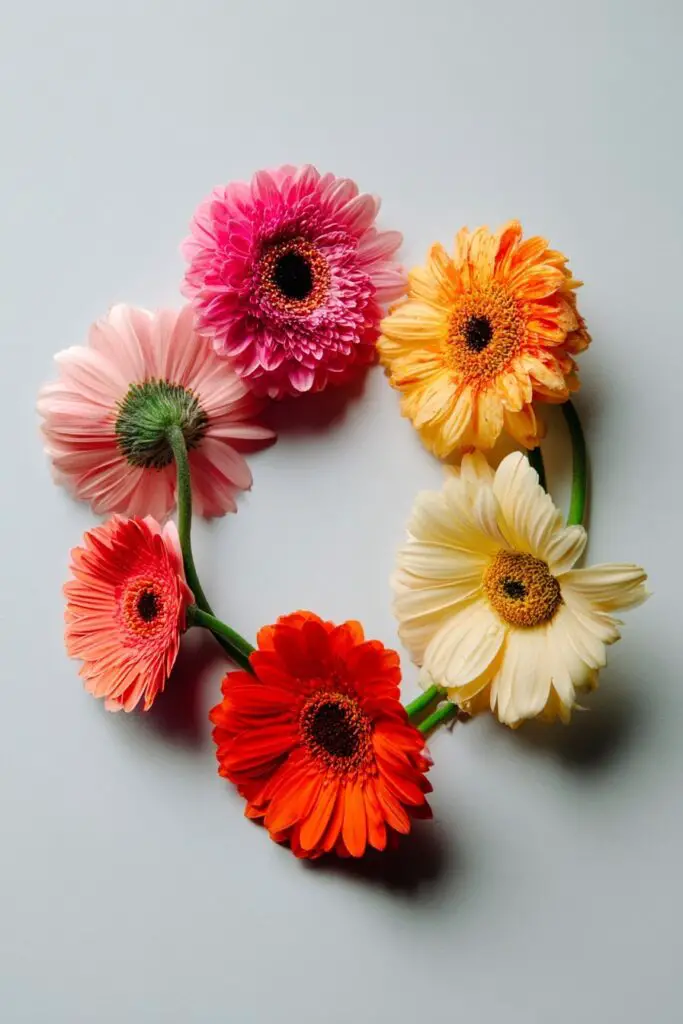
Spring
- Begin feeding and watering as growth resumes
- Repot if roots have outgrown their container
Summer
- Deadhead spent blooms regularly
- Check for pests during warm, humid weather
Fall
- Reduce feeding
- Bring potted plants indoors before frost
Winter
- Water sparingly
- Keep plants in a cool, bright location indoors
With a little seasonal attention, your gerbera daisy will reward you with vibrant blooms year after year.
✅ Conclusion
The gerbera daisy is more than just a pretty face—it’s a cheerful, easy-to-care-for flower that suits both garden beds and containers. With the right mix of sun, well-draining soil, and regular maintenance, you’ll enjoy vivid blooms for months. Whether you’re a beginner or a seasoned gardener, adding gerbera daisies to your plant list is always a bright idea.