
Garden beds are one of the easiest ways to grow vegetables, even if you’re short on space. Whether you’re working with a backyard, balcony, or small courtyard, raised garden beds help you control soil quality, improve drainage, and reduce weeds—all while keeping things neat and organized. They also make gardening more accessible, minimizing the need to bend or kneel. From repurposed materials to compact tiered designs, there are creative garden bed ideas for every style, budget, and growing need. If you’re ready to boost your harvest and make the most of your space, these raised garden bed ideas will help you get started.
Table of Contents
1. Paint Your Garden Beds for a Fresh Look

One of the easiest ways to personalize your garden beds is with a fresh coat of paint. This simple DIY upgrade can brighten up your growing space, especially if you’re working with plain wooden boxes or crates. Choose outdoor-safe paint in colors that complement your home or garden style—think soft pastels for a cottage vibe, or bold black for a sleek modern look.
Painting also helps protect the wood from the elements, extending the life of your garden beds. Just be sure to use non-toxic, plant-safe finishes, especially if you’re growing edible crops. It’s a low-cost way to make your garden feel intentional and polished, even in tight urban spaces.
2. Mix Edibles with Tropical Plants in Raised Beds
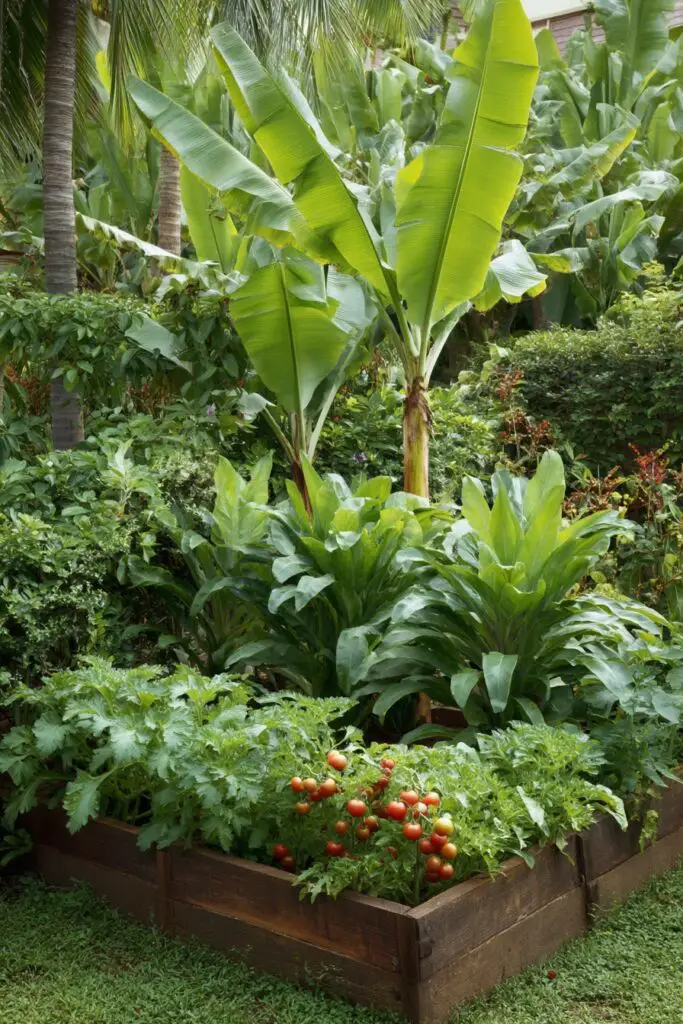
Combining edibles with tropical plants is a bold and beautiful way to elevate your garden beds. It’s not just for aesthetics—many vegetables, like tomatoes and peppers, naturally thrive in warm, humid environments and pair surprisingly well with tropical companions like banana plants or canna lilies.
This planting style works particularly well in raised beds, where soil conditions and drainage can be easily managed. Use the structure of the bed to create visual layers—place tall, leafy tropicals at the back and cluster sun-loving veggies toward the front. The result is a lush, vibrant space that’s both productive and ornamental.
It’s a smart solution for gardeners who want to make the most of limited space without sacrificing style.
3. Turn One Garden Bed Into a Mini Wildlife Garden
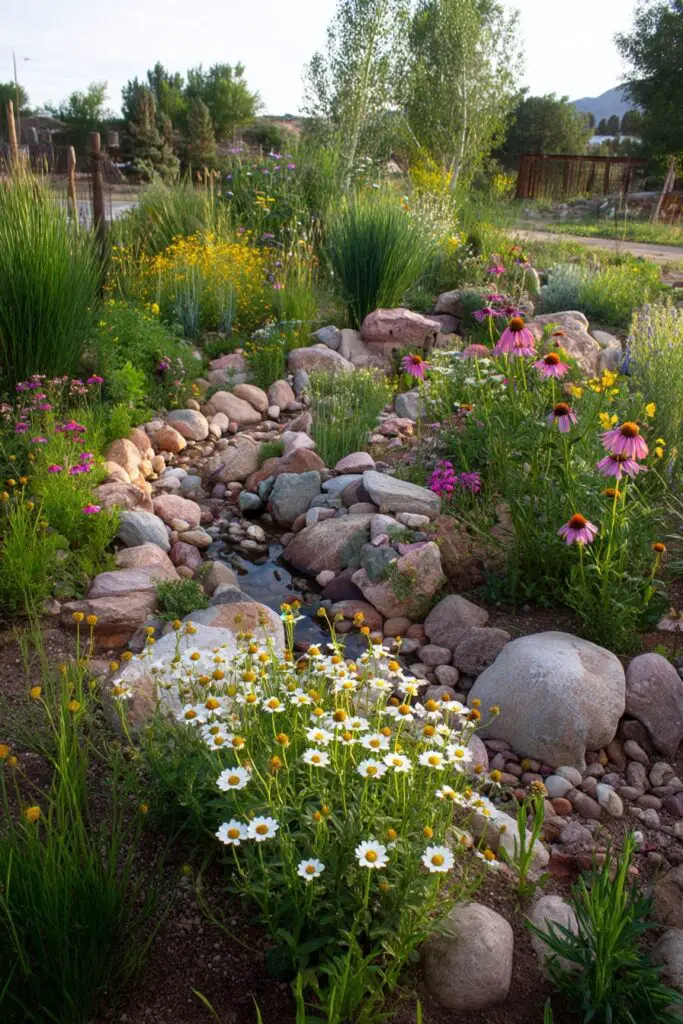
If you’re looking to bring more life into your yard, transforming one of your garden beds into a mini wildlife garden is a simple and rewarding idea. By dedicating just one raised bed to pollinator-friendly plants, native grasses, or even a small water feature, you can create a welcoming habitat for bees, butterflies, and birds—even in compact spaces.
To get started, choose nectar-rich flowers like coneflowers, lavender, or bee balm. Add rocks or a small log pile for shelter, and avoid pesticides to keep the space safe for beneficial insects. If you’re feeling ambitious, line the bed and create a tiny pond for frogs or dragonflies.
This idea not only supports local ecosystems but adds a natural, whimsical touch to your garden.
4. Build Curved Steel Garden Beds for Style and Strength
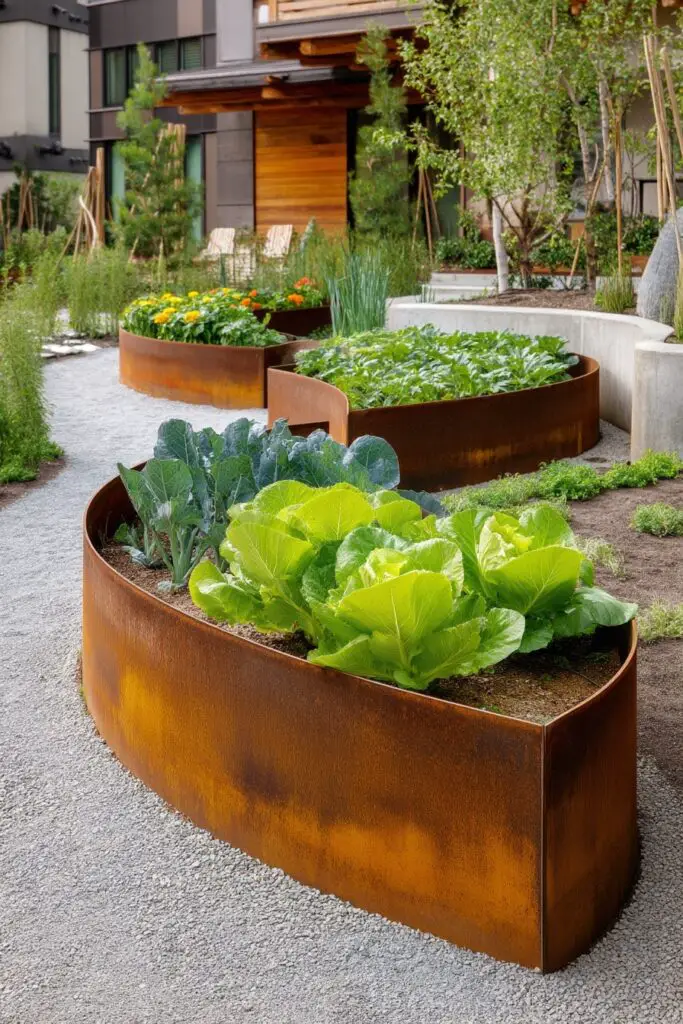
Curved steel garden beds offer a sleek, modern alternative to traditional wooden boxes—and they’re built to last. Steel is a durable material that weathers beautifully over time, developing a rich, rustic patina while standing up to moisture and heat. If you’re after a more architectural look, curved lines help soften harsh edges and add flow to your garden layout.
You can purchase pre-fabricated steel edging or sheets, bend them into shape, and anchor them into the ground to form custom beds. These beds are ideal for compact areas, as the curves can be designed to fit unusual corners or narrow spaces.
They’re not just strong—they’re stylish, and they’ll make your vegetable patch stand out with minimal effort.
5. Add Dividers for Better Crop Control in Small Garden Beds
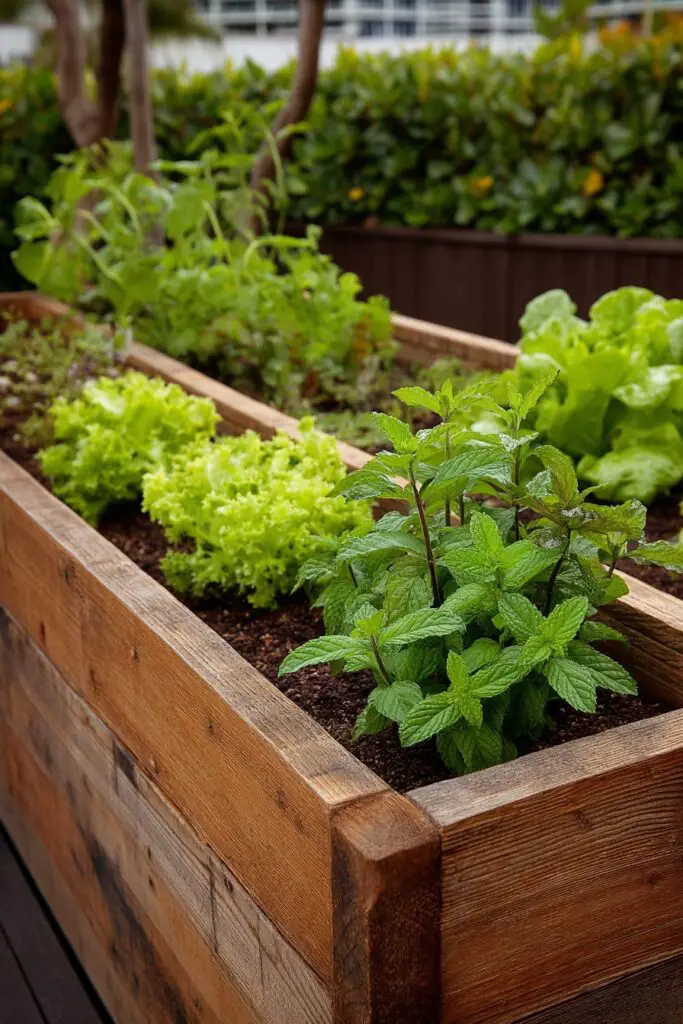
When working with limited space, it’s important to keep your garden beds organized—especially if you’re growing multiple crops in the same bed. Adding simple dividers helps prevent aggressive plants from taking over and makes it easier to manage soil conditions for different vegetables.
Wooden planks, metal strips, or even repurposed tiles can be used to section off areas within a single raised bed. This is especially useful when growing herbs like mint, which can quickly spread and crowd out neighboring plants. Dividers also make crop rotation easier season to season, helping to maintain healthy soil.
It’s a small upgrade that adds big benefits to your garden’s layout, function, and overall appearance.
6. Choose a Shape That Maximizes Access and Movement
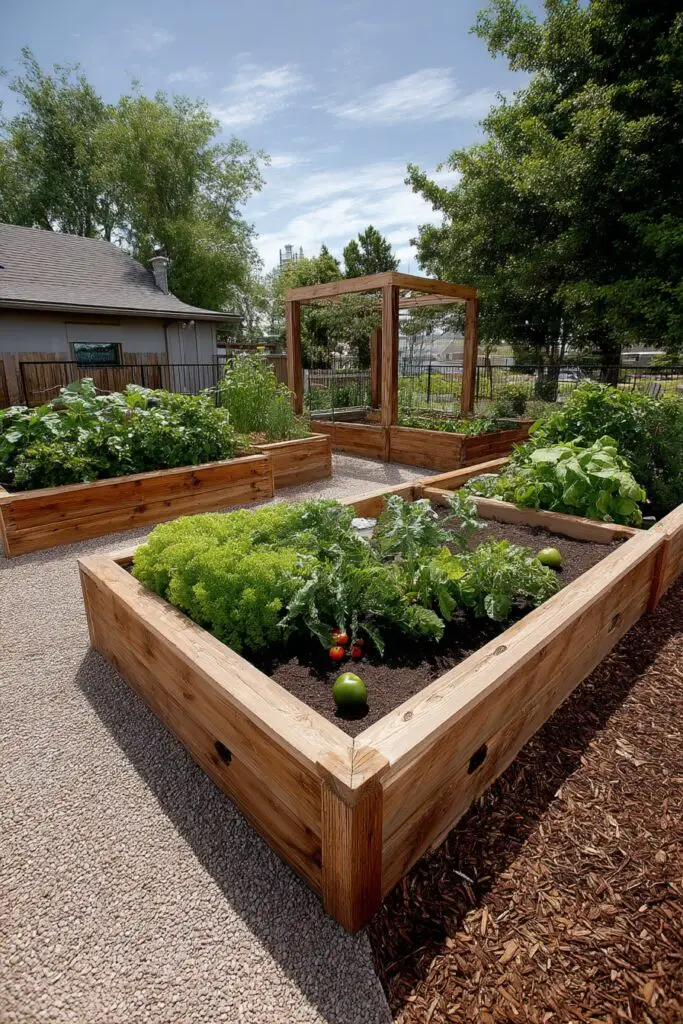
The shape of your garden beds can make a big difference in how easy they are to use—especially in small or crowded spaces. A clever design like a U-shape or horseshoe allows you to reach every plant without stepping into the bed, making planting, watering, and harvesting much more comfortable.
These shapes are ideal for square or rectangular yards where you want to maximize planting space without compromising access. Some pre-made raised bed kits come with built-in gates or open walkways, offering even more convenience—especially if you have pets to keep out.
With a thoughtful layout, your beds can be both productive and easy to maintain, no matter how compact your garden might be.
7. Use Rattan or Wicker Baskets for a Rustic Garden Bed Look
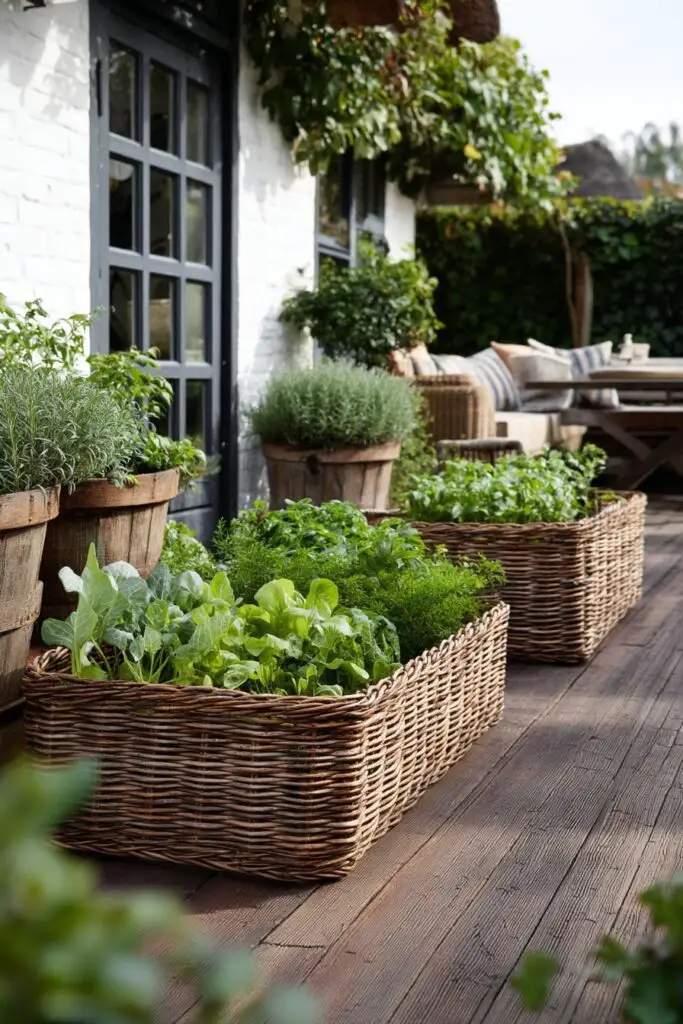
For gardeners who love a cottage-style or farmhouse aesthetic, woven baskets make charming alternatives to traditional garden beds. Using sturdy rattan or wicker containers as raised beds adds rustic character and is especially fitting for patios, balconies, or small backyard corners.
To ensure durability, opt for synthetic, weather-resistant rattan that can handle outdoor conditions without breaking down. Line the inside with landscape fabric or a plastic liner (with drainage holes) to protect the basket and retain soil. You can also frame the top with wood to reinforce the structure and give it a polished finish.
These baskets are ideal for herbs, leafy greens, or flowers—and they’re easy to move or swap out seasonally.
8. Install Raised Garden Beds Inside a Greenhouse
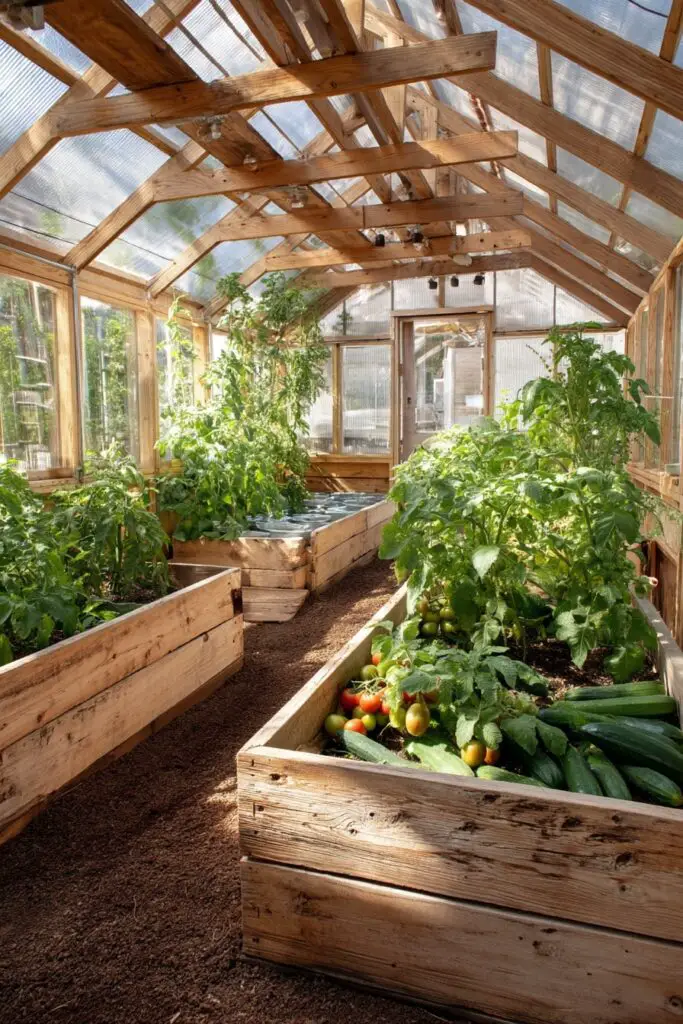
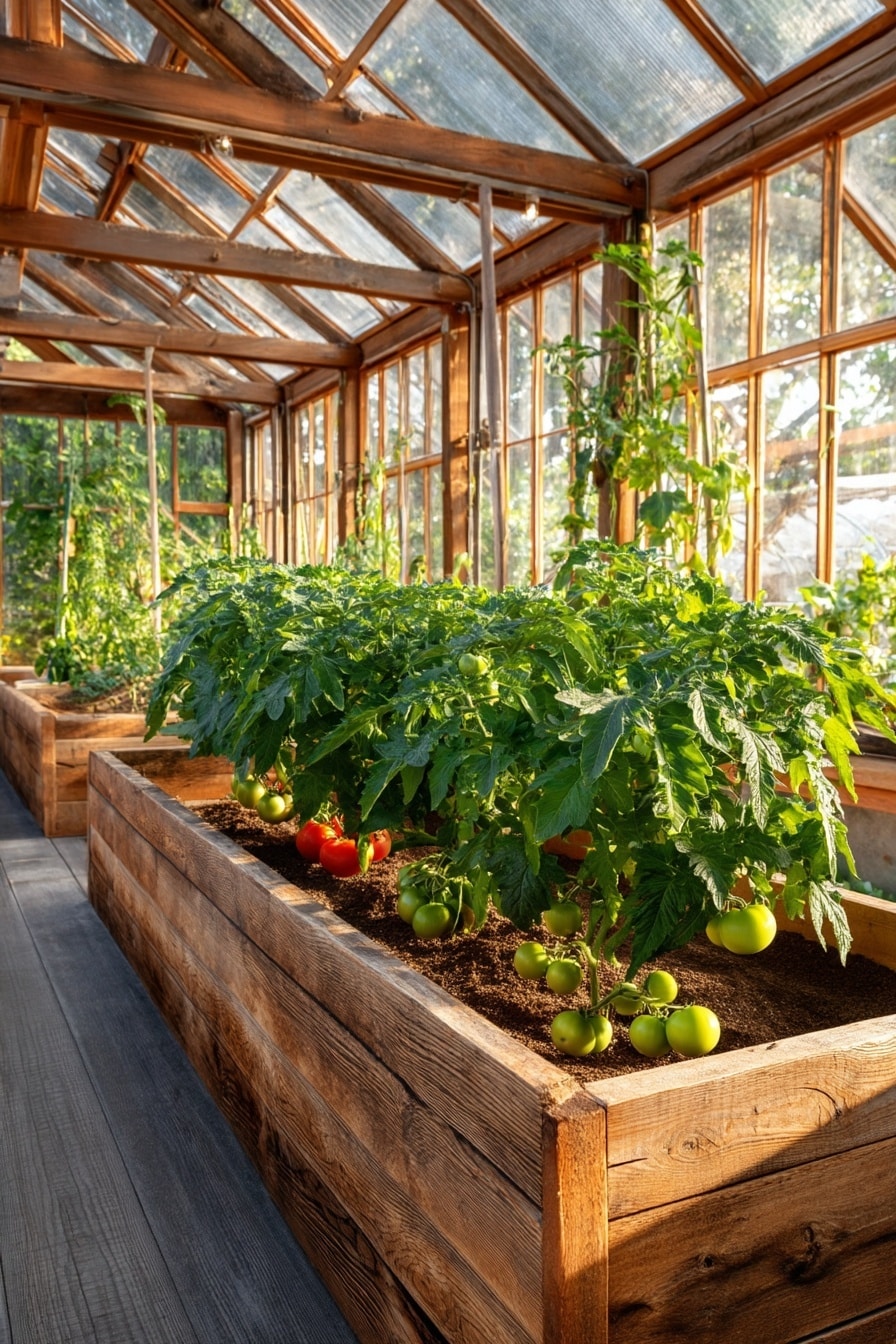
Pairing a greenhouse with raised garden beds is a smart strategy for extending your growing season and protecting delicate crops. Inside a greenhouse, raised beds warm up faster in early spring and maintain consistent moisture—ideal for vegetables like tomatoes, peppers, and cucumbers that thrive in controlled environments.
Even in a small greenhouse, you can build shallow beds along the perimeter or under windows to maximize space and sunlight. Natural wood or galvanized steel works well for the frames, and you can combine planting areas with benches or potting shelves for added functionality.
This setup makes it easy to manage your crops while staying out of the elements—a win-win for year-round gardening.
9. Build a Pyramid Garden Bed to Maximize Vertical Space
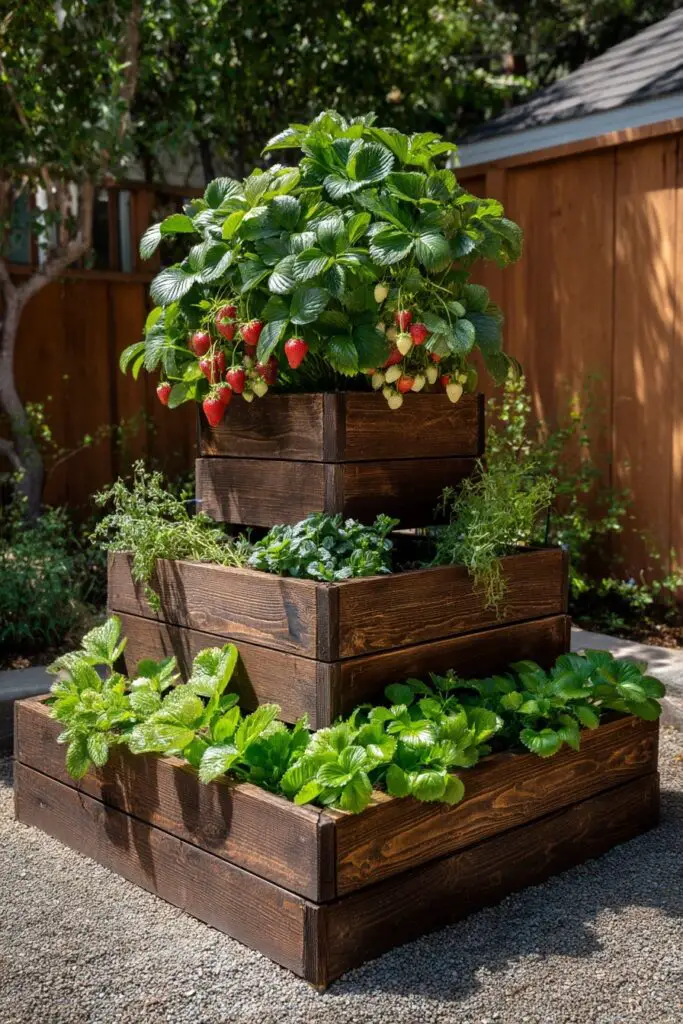
If you’re tight on ground space but still want a productive harvest, pyramid-style garden beds are a smart and eye-catching solution. These tiered beds let you grow more in less square footage by stacking layers upward—ideal for crops like strawberries, lettuce, or herbs that don’t need deep roots.
Pyramid beds can be built from wood, metal, or even repurposed materials, and they work beautifully on patios, decks, or compact backyards. Each level is easy to reach, which makes planting, pruning, and harvesting less of a chore. Plus, the height adds dimension and visual interest to your garden.
This vertical approach offers both form and function—perfect for maximizing yield in small spaces.
10. Repurpose an Old Bathtub into a Raised Garden Bed
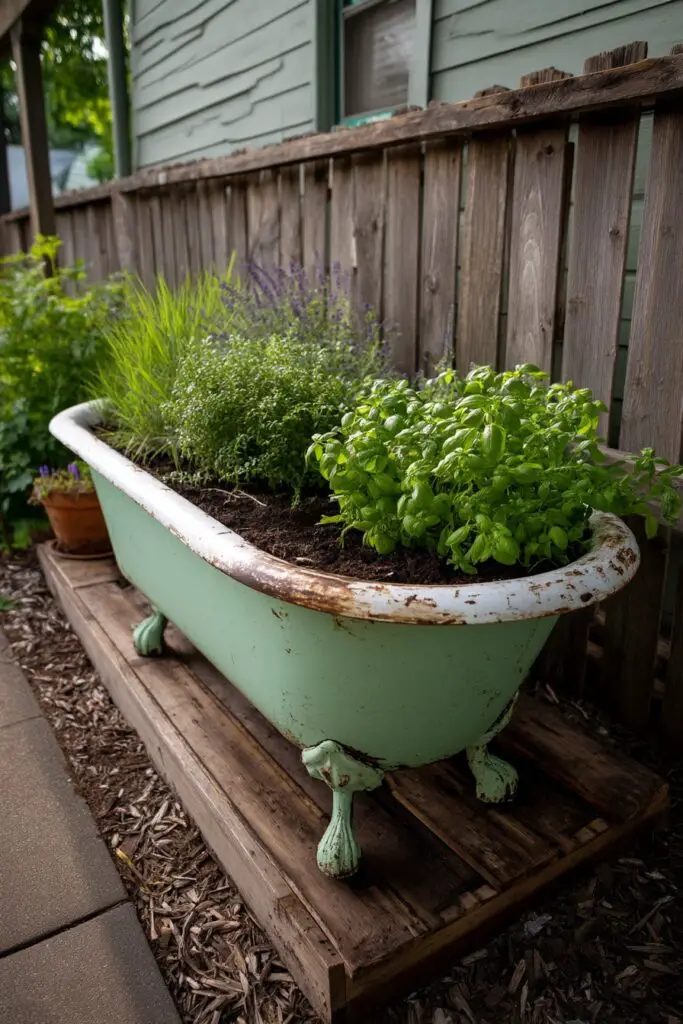
For a creative and eco-friendly twist, turn an old bathtub into one of your raised garden beds. Cast iron and acrylic tubs make excellent planters—they’re deep, durable, and already designed to hold moisture. You don’t even need to drill drainage holes if you add a layer of gravel or use well-draining soil.
To enhance the look, you can paint the tub with exterior-safe paint or surround it with wood or stone cladding. This not only blends the tub into your garden design but also helps insulate it from extreme temperatures.
It’s a quirky yet functional idea that gives new life to an old fixture—and adds instant character to your vegetable patch.
Conclusion
Raised garden beds are more than just a solution for growing veggies in small spaces—they’re a chance to get creative with design, materials, and layout. Whether you’re building from wood, steel, baskets, or even a vintage bathtub, there’s a raised bed style for every garden size and skill level. With a little planning and personality, your garden beds can be both beautiful and bountiful—making growing your own food easier and more enjoyable than ever.