
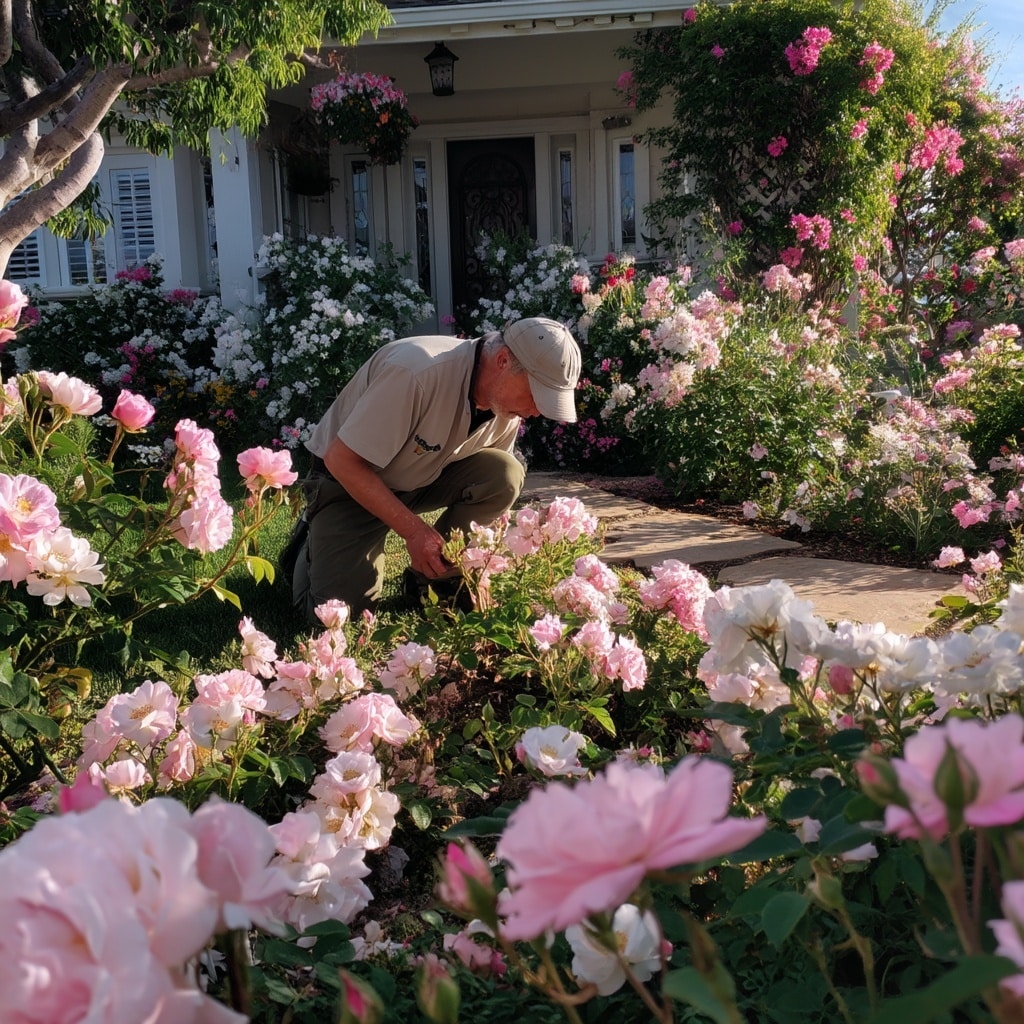
A well-planned rose garden can completely transform the look of your front yard, offering vibrant color, soft fragrance, and year-round charm. Whether you’re working with a spacious lawn or a compact entryway, roses bring timeless elegance and warmth to any space. With so many varieties available—each with unique shapes, colors, and growing habits—there’s a style for every gardener and climate.
This guide shares 15 beautiful and practical rose garden ideas to inspire your front yard makeover. From raised beds to romantic climbing roses, you’ll find simple, expert-backed ways to highlight the beauty of roses while keeping maintenance manageable.
Table of Contents
1. Assessing Your Front Yard Space

Before planting a rose garden, it’s important to understand your front yard’s natural layout and growing conditions. Roses thrive in sunlight—ideally six or more hours of direct exposure each day—so observe how the sun moves across your space. Look for areas that receive consistent morning light, which is gentler and helps dry moisture off leaves, reducing the risk of disease.
Soil type is another critical factor. Roses prefer well-draining soil rich in organic matter. If your yard has heavy clay or sandy soil, you may need to amend it with compost to improve both drainage and nutrient content. A simple soil test can tell you a lot about pH and fertility.
Also consider existing features like walkways, porches, or driveways. Symmetrical layouts with roses flanking your front steps can create a formal, balanced look. For a more casual feel, try curved flower beds with clusters of roses planted in natural groupings. The key is to work with your yard’s structure to create a welcoming design that complements your home’s architecture.
2. Choosing the Right Rose Varieties
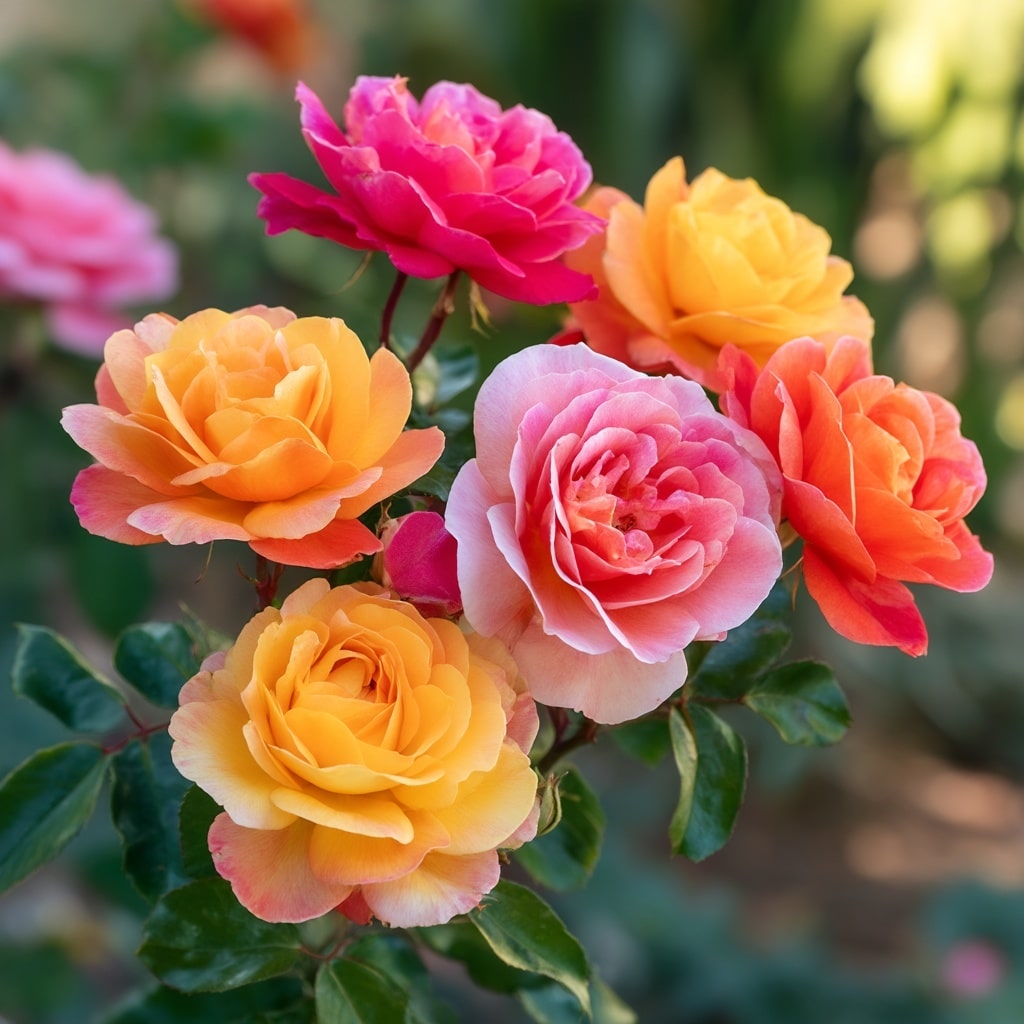
Selecting the right types of roses can make or break your rose garden—especially if you’re aiming for beauty without constant upkeep. Not all roses are created equal. Some varieties are ideal for beginners, while others require a bit more experience and attention.
If you’re new to growing roses, look for disease-resistant varieties like Knock Out® roses, Drift® roses, or Easy Elegance®. These are bred to be low-maintenance and bloom repeatedly throughout the season. They’re perfect for busy gardeners who still want impressive results.
Want large, dramatic blooms? Hybrid Tea roses offer classic, high-centered flowers, often used in bouquets. However, they may need extra care and protection in extreme weather. For a lush, full look, shrub roses and David Austin® English roses give you clusters of blooms with an old-world charm and strong fragrance.
Before purchasing, check your local USDA hardiness zone and choose roses suited to your climate. Some thrive in hot, dry areas, while others handle cold winters better. Don’t forget to consider bloom color and fragrance too—both play a big role in creating the mood of your front yard rose garden.
3. Mixing Roses with Perennials and Annuals
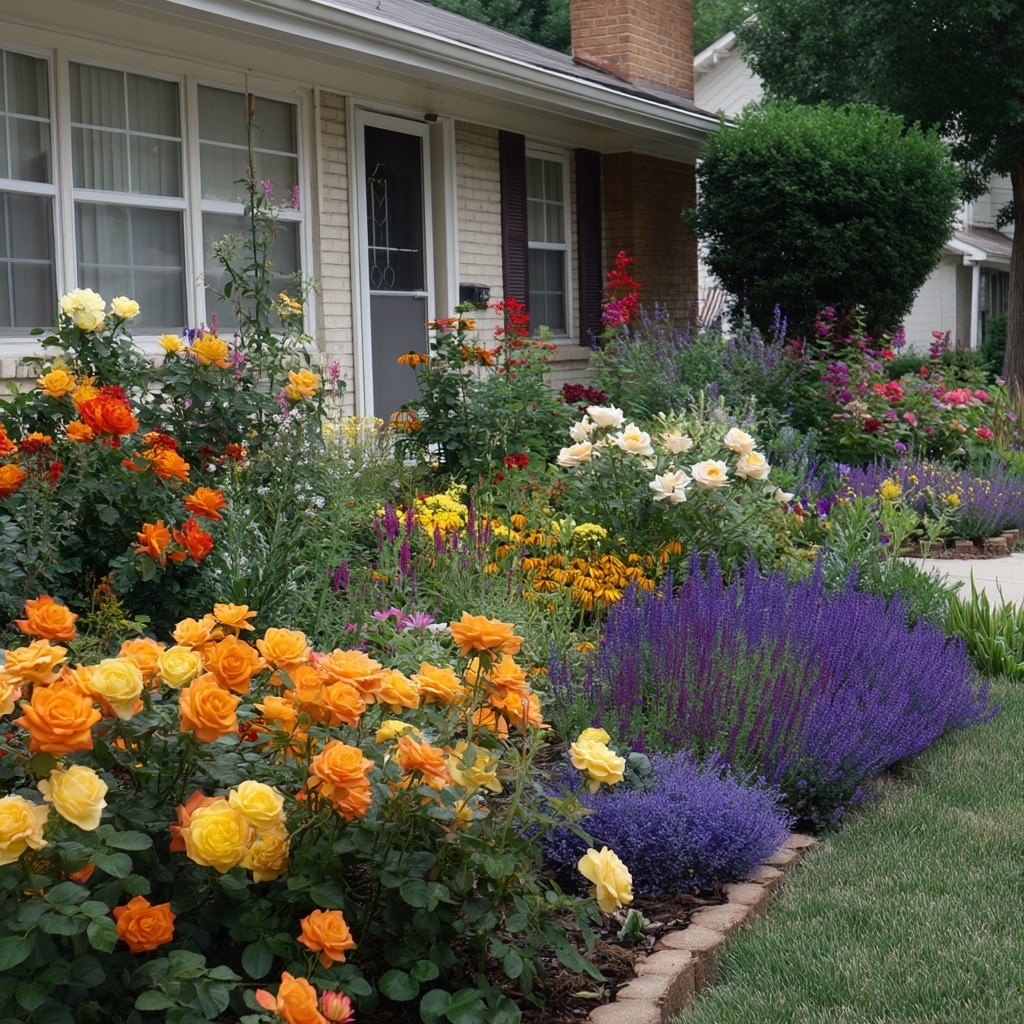
While a pure rose garden can be stunning, blending roses with other flowers adds depth, color variation, and seasonal interest. Companion planting also supports better garden health by attracting pollinators and deterring pests.
Try pairing roses with perennials like lavender, salvia, or catmint. Their cool-toned purples and blues contrast beautifully with warm rose hues like pink, red, or yellow. These perennials not only look great but also help repel pests and attract bees and butterflies.
Annuals—like petunias, marigolds, and alyssum—are perfect for filling gaps between roses. They provide constant blooms throughout the season and can be swapped out easily to refresh your garden’s look each year.
Use height and layering to your advantage. Place taller rose varieties toward the back of the bed, medium-height perennials in the middle, and low-growing annuals near the edge. This structure creates a full, balanced appearance that keeps your front yard looking dynamic and well-designed.
4. Raised Bed Rose Gardens
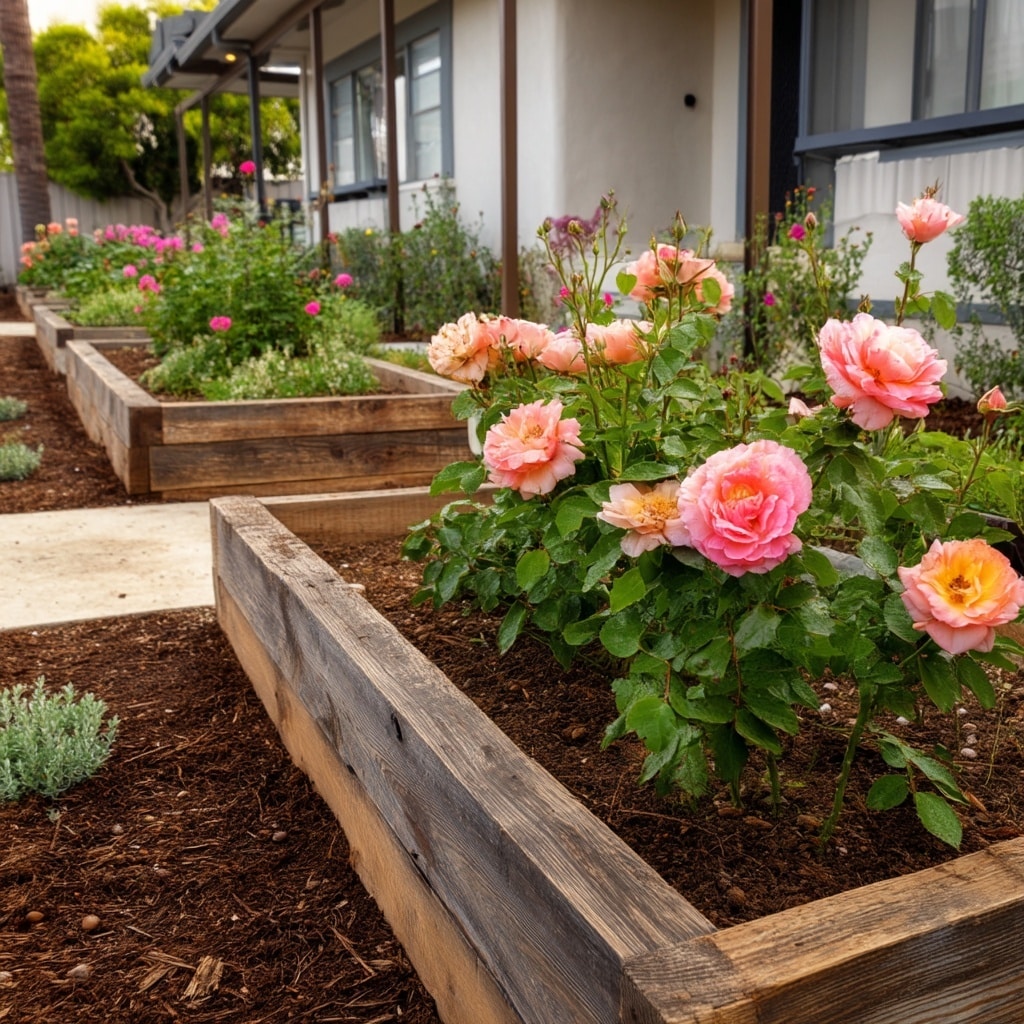
A raised bed can elevate your rose garden both literally and aesthetically. If your front yard has poor soil drainage or compacted earth, building raised beds allows you to control the growing environment more effectively—perfect for healthy rose roots.
Raised beds also make gardening easier on your back and knees. You won’t need to bend as much for pruning or weeding, which is especially helpful if you spend a lot of time in the garden. Construct beds using wood, brick, or stone that complements your home’s exterior. Be sure to leave enough space between beds or along pathways for airflow and easy access.
Fill the beds with a rich mix of compost, well-rotted manure, and quality topsoil to give your roses a nutrient-rich base. You can even incorporate slow-release organic fertilizers directly into the soil.
Want to take it a step further? Add decorative touches like solar-powered path lights, trellises, or edging with groundcover plants such as creeping thyme. Raised beds don’t just solve soil issues—they also create a polished, structured look that draws the eye and boosts curb appeal.
5. Incorporating Climbing Roses on Trellises
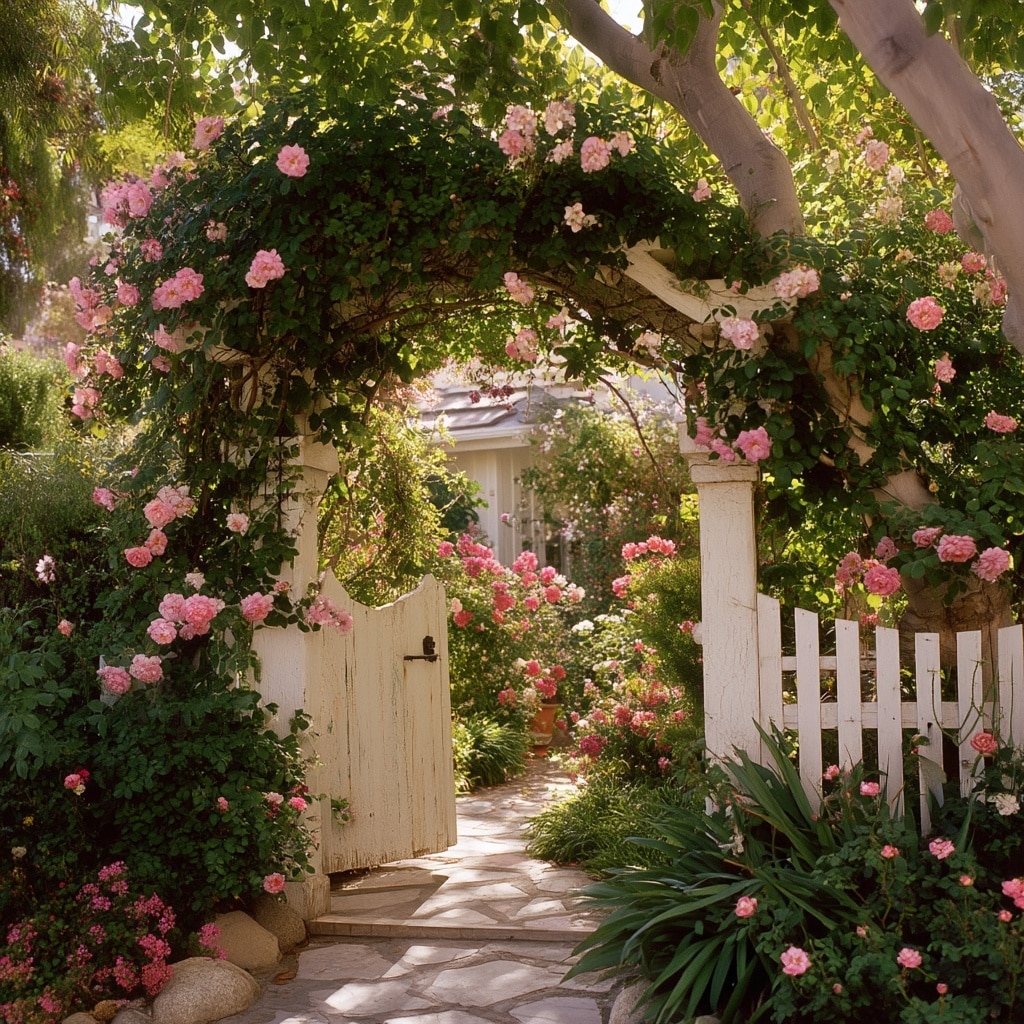
If you’re looking to add vertical interest to your rose garden, climbing roses are the way to go. These vigorous growers bring romance and structure to your front yard, especially when trained over trellises, arbors, fences, or walls.
Position a trellis near your front entry, walkway, or porch to create a dramatic floral frame that instantly boosts curb appeal. For a more classic look, install an arch over a path or gate and let climbing roses like ‘New Dawn’, ‘Cecile Brunner’, or ‘Don Juan’ cascade down in soft waves of petals.
Climbing roses need support and guidance, especially in the first couple of years. Tie flexible canes to your structure loosely with soft twine, and encourage horizontal growth where possible—this results in more blooms along each stem.
Pruning is important to maintain shape and promote repeat flowering. Remove weak or tangled canes in early spring, and trim back spent blooms to encourage new buds.
Not only do climbing roses offer a stunning vertical element, but they also help soften hard architectural lines, making your home feel more welcoming and timeless.
6. Using Hedges and Borders for Structure
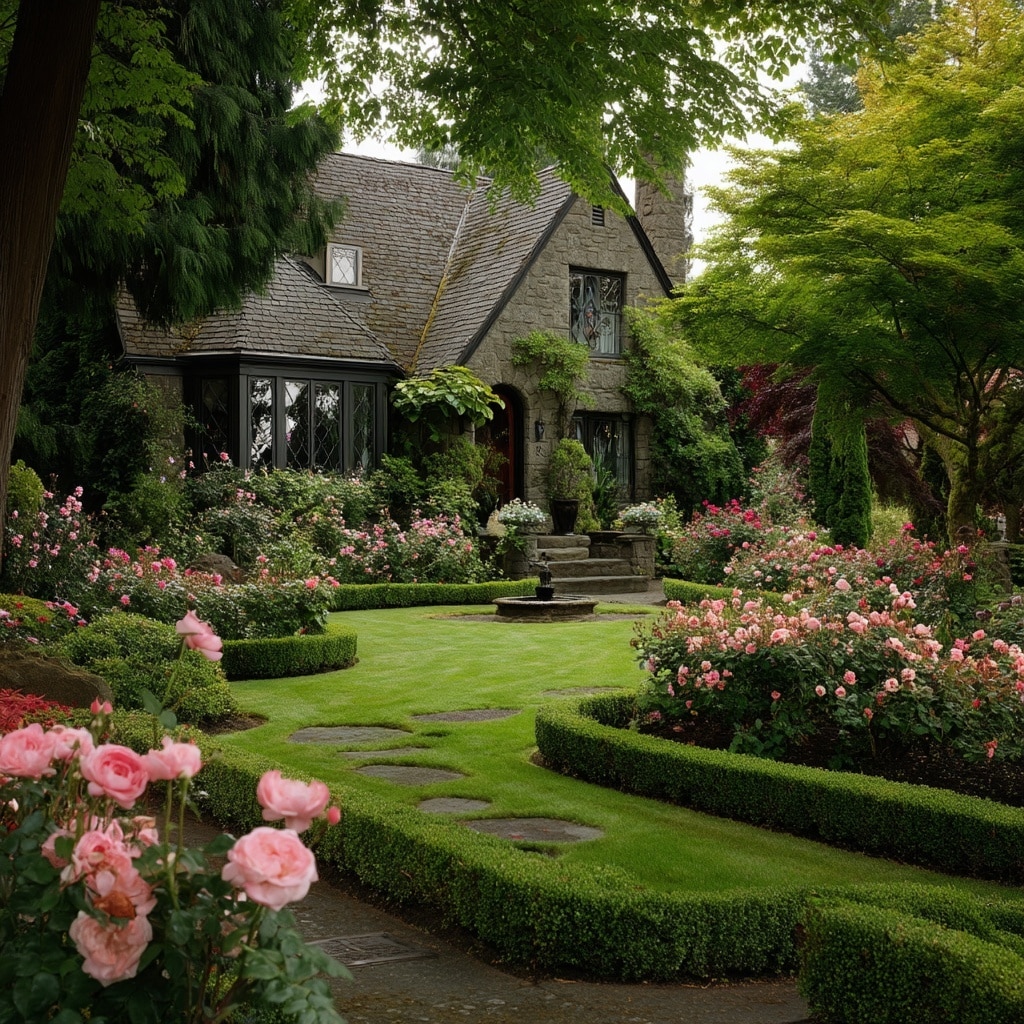
While roses may be the stars of your rose garden, structural elements like hedges and borders play an essential supporting role. They help organize your front yard layout, provide visual contrast, and keep your garden looking tidy year-round—even when the roses aren’t in bloom.
Low hedges made of boxwood, dwarf privet, or compact yew can create formal garden “rooms” or define the edge of a rose bed. Their evergreen foliage frames rose blooms like a picture, highlighting their color and form. Hedges also guide the eye across the landscape, creating a sense of rhythm and flow.
If you prefer a softer look, border plants like ornamental grasses, creeping thyme, or sweet alyssum offer subtle color and texture without overshadowing your roses. These low-growing plants work especially well along pathways or the front edge of garden beds.
Beyond looks, these elements are practical, too. Hedges offer wind protection, and dense borders can help keep weeds out while retaining soil moisture.
Incorporating these design elements ensures your rose garden has both flair and function—structured, yet still bursting with natural beauty.
7. The Cottage Garden Aesthetic
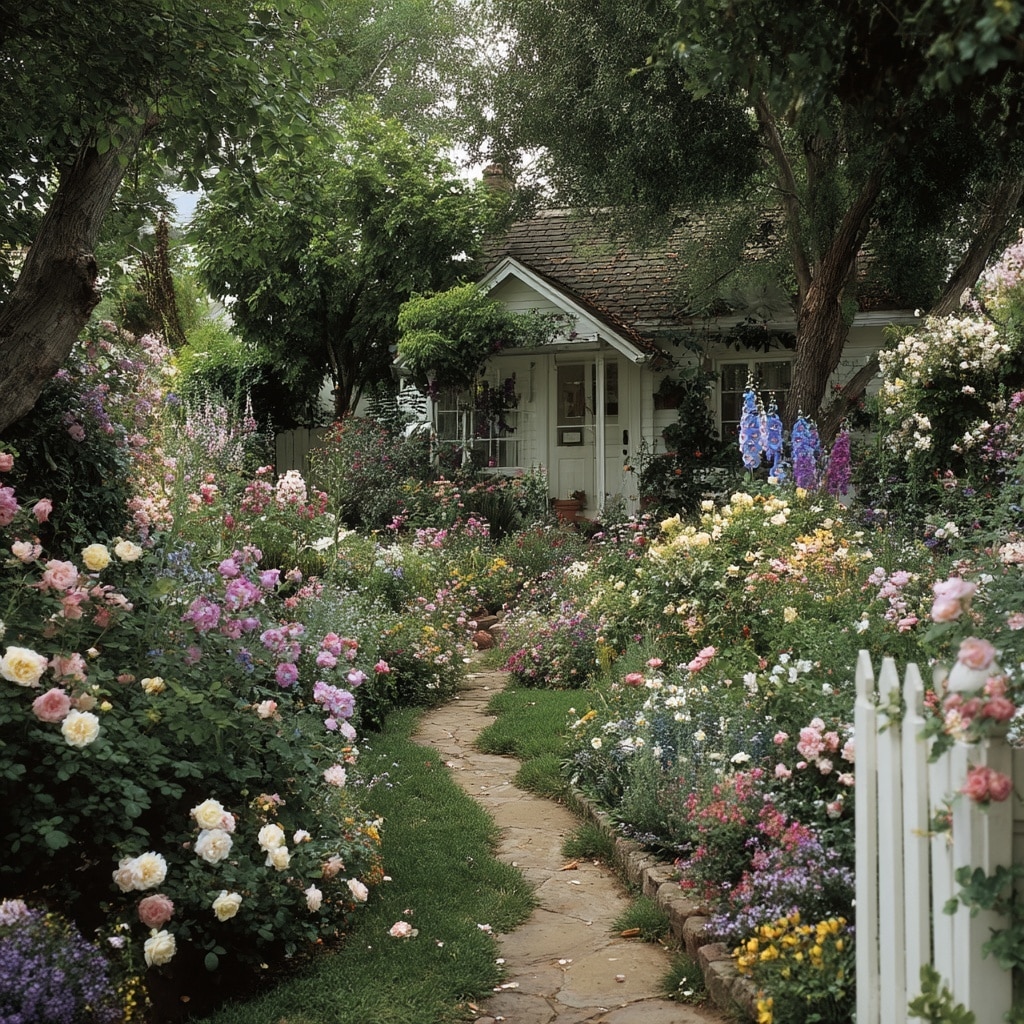
If your style leans more romantic and free-spirited, a cottage-style rose garden might be your perfect match. This charming approach embraces abundance, softness, and a slightly wild feel—far from rigid lines or manicured perfection.
Start with fragrant, old-fashioned rose varieties like David Austin® roses or Bourbon roses, known for their full, ruffled blooms. Let them mingle freely with nostalgic perennials such as delphiniums, hollyhocks, foxgloves, and cosmos. The mix of heights, textures, and colors creates a lush, layered look that feels like it’s been growing naturally for years.
Paths in a cottage rose garden tend to be winding and narrow, often made from gravel, reclaimed brick, or stepping stones. This informal layout invites slow strolls and quiet moments of admiration.
Don’t be afraid to let your roses lean over fences or climb up rustic trellises. Add quirky touches like a vintage bench, antique watering can, or a birdbath nestled among the blooms. Imperfection is part of the charm.
With a cottage garden, your front yard becomes a storybook escape—cozy, colorful, and completely personal.
8. Pathways and Walkways Flanked by Roses
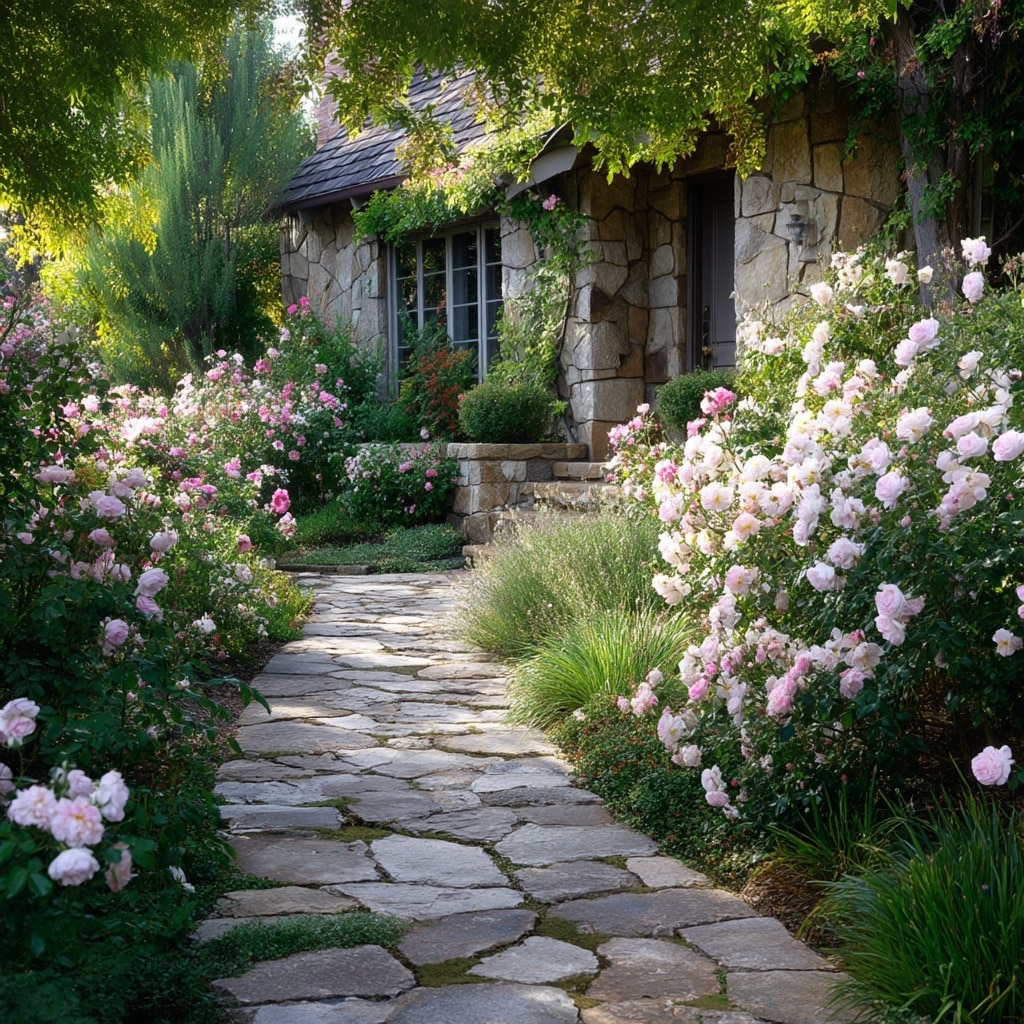
Few things make a stronger first impression than a walkway lined with roses. Framing your front path with rose bushes turns an ordinary entrance into a stunning, flower-filled experience. It’s a classic design technique that gives your rose garden an elegant, welcoming vibe.
Start by choosing compact or moderately sized rose varieties that won’t overwhelm the path—think Floribunda roses, shrub roses, or dwarf hybrids. Plant them in evenly spaced rows on either side of a walkway for a balanced, formal look, or stagger them for a more relaxed, cottage-style effect.
Pair your roses with edging plants like dwarf lavender, boxwood, or creeping groundcovers to soften the edges and add variety in texture. Consider using gravel, brick, or stone for the path itself to create contrast and help highlight the roses even more.
For added flair, include solar-powered lights or lanterns along the path. These not only illuminate your roses at night but also enhance safety and curb appeal.
A rose-lined walkway doesn’t just look beautiful—it also greets visitors with gentle fragrance and color, making every arrival feel special.
9. Container Roses for Small Front Yards
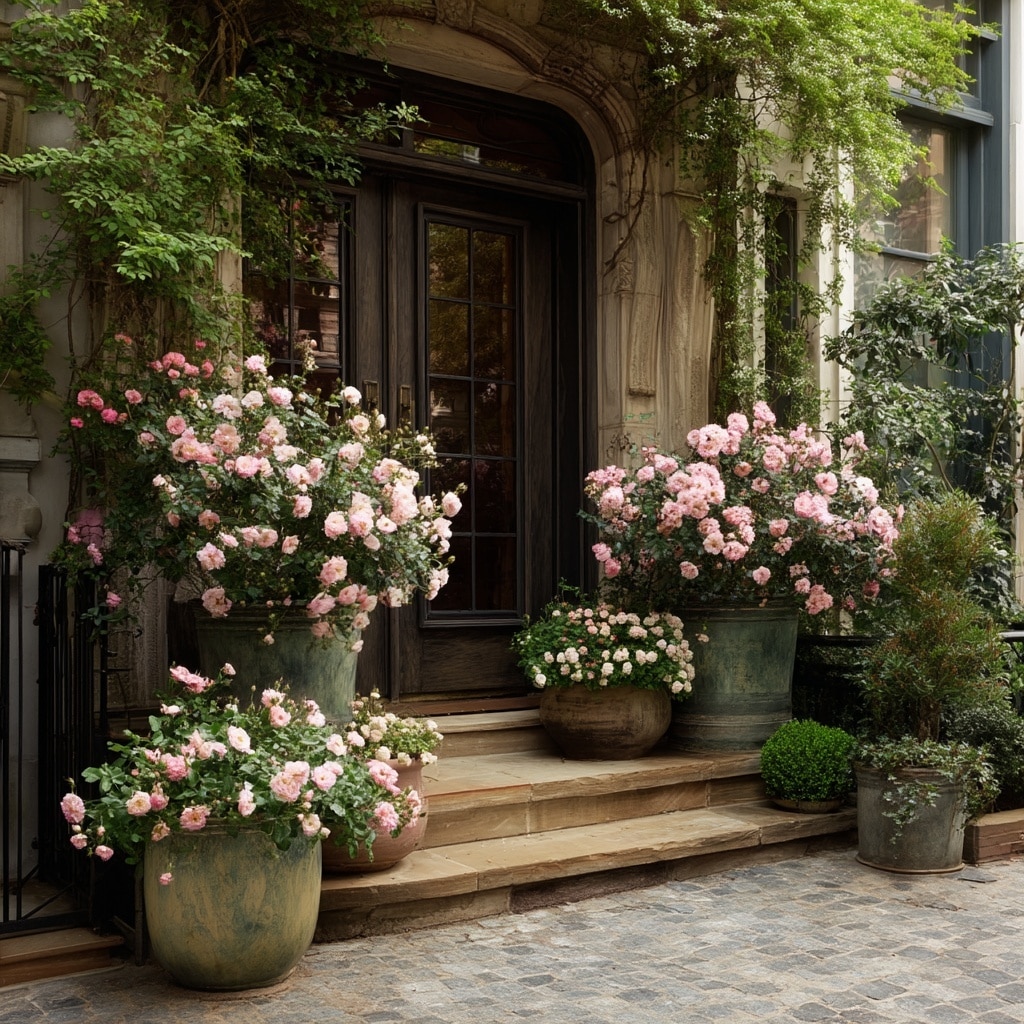
Even if you’re working with a compact space, a beautiful rose garden is still within reach. Container gardening is an excellent option for front yards with limited planting areas, paved surfaces, or shaded spots where you need flexibility.
Choose dwarf or miniature rose varieties that are well-suited to containers, such as ‘Petite Knock Out’, patio roses, or groundcover roses. These compact plants still offer impressive blooms and fragrance, but with a manageable size perfect for pots.
Use containers that are at least 14–18 inches in diameter with proper drainage. Terracotta, glazed ceramic, or lightweight composite planters work well, depending on your style and climate. Arrange containers on your porch, steps, or in clusters near your walkway for a lush, layered effect.
Container roses require a bit more attention—especially when it comes to watering and feeding—but they offer incredible flexibility. You can move them around to chase the sun or redesign your layout seasonally without digging.
With the right setup, container roses can make a small front yard feel just as grand and inviting as a sprawling garden.
10. Color Coordination for Maximum Impact
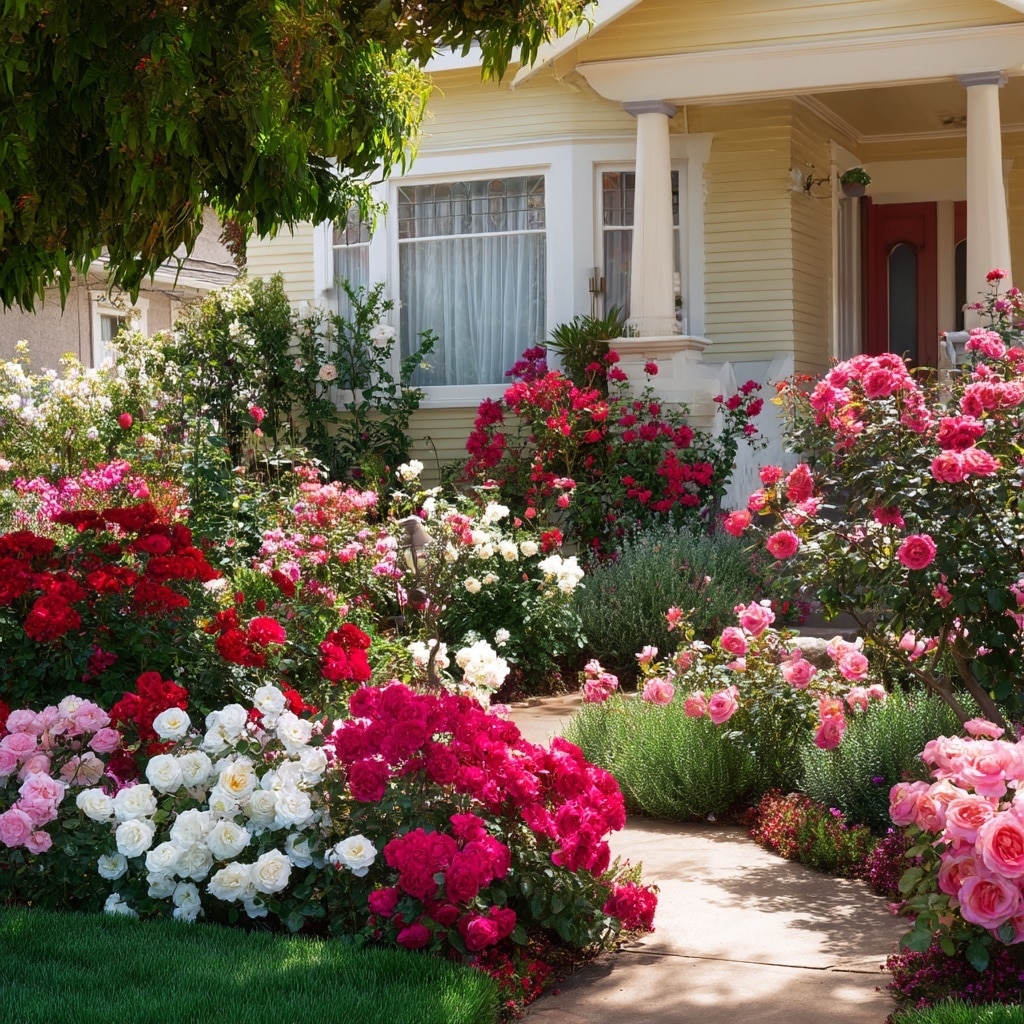
Color can make or break the visual appeal of your rose garden—especially when it’s front and center for guests and passersby. Thoughtful color planning not only enhances curb appeal but also sets the mood for your entire outdoor space.
If you’re after a calm, sophisticated look, try a monochromatic palette. Stick with varying shades of a single color, like blush, deep pink, and soft peach. This creates visual harmony and makes your garden feel cohesive and peaceful.
Prefer something bold and eye-catching? Use contrasting colors like red and yellow, or orange and purple. Just be careful not to overload the space—limit yourself to two or three dominant tones and use greenery to balance the vibrancy.
For an especially striking effect, consider coordinating rose colors with your home’s exterior paint, door color, or trim. For example, white roses look timeless against a dark-colored home, while warm-toned roses can echo earthy brick or terracotta siding.
Also factor in foliage. Gray-green leaves, like those of sage or artemisia, can soften strong rose tones. Rich green hedges provide a neutral backdrop that makes blooms pop.
When color is used purposefully, your rose garden becomes more than just a collection of flowers—it becomes a carefully curated front-yard statement.
11. Low-Maintenance Rose Garden Techniques
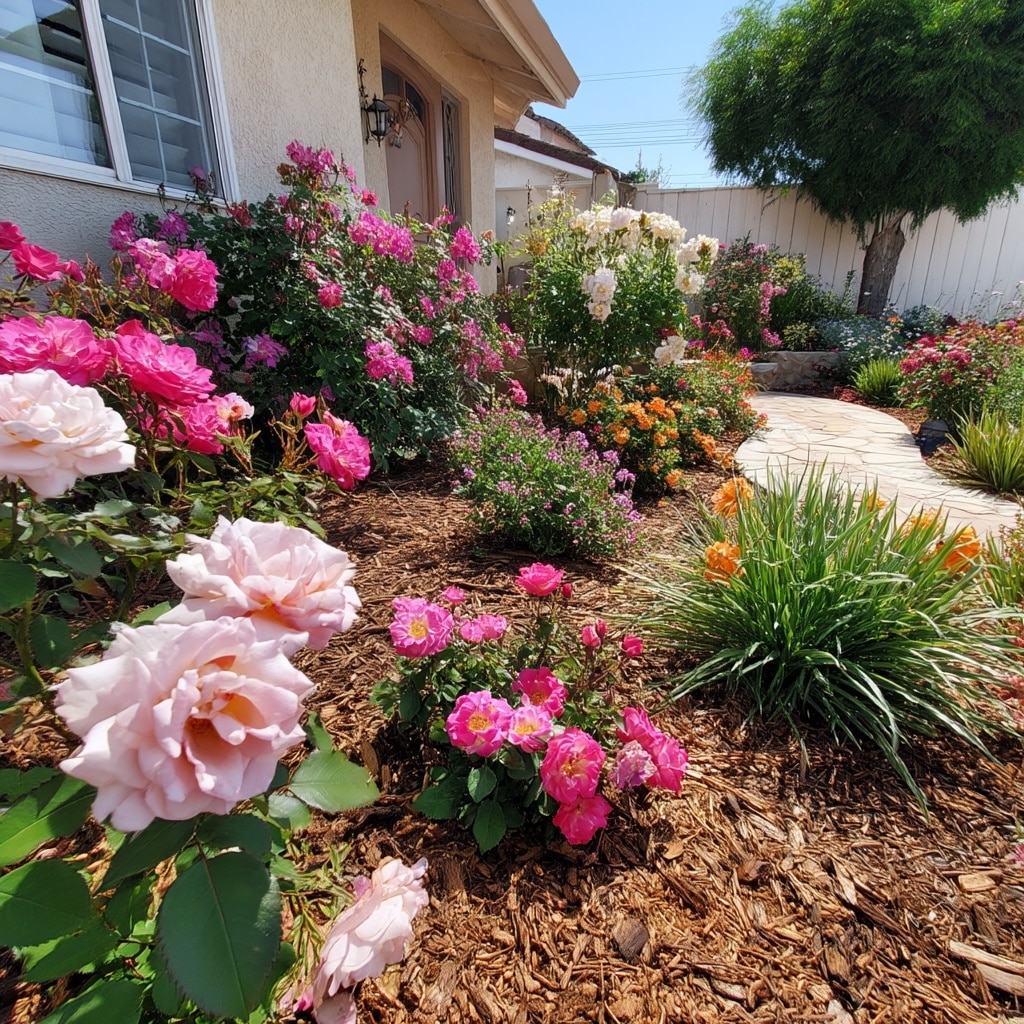
Creating a stunning rose garden doesn’t have to mean endless hours of pruning, feeding, and fussing. With a few smart strategies and the right plant choices, you can enjoy a beautiful front yard filled with roses—without making it a full-time job.
Start by selecting disease-resistant varieties like Knock Out®, Home Run®, or Carefree Beauty®. These roses are bred to thrive with minimal intervention and are more resistant to common problems like black spot and powdery mildew.
Apply a thick layer of mulch (2–3 inches) around the base of your rose bushes to retain moisture, regulate soil temperature, and suppress weeds. Organic mulches like shredded bark or compost also improve soil quality over time.
Install a drip irrigation system or soaker hoses to deliver water directly to the root zone. This saves water and helps prevent fungal diseases caused by overhead watering.
Deadheading—removing spent blooms—can be done quickly with pruning shears every couple of weeks to encourage more flowers. But many modern varieties re-bloom without constant trimming.
With these low-effort methods in place, you’ll spend less time maintaining your roses and more time enjoying their beauty.
12. Seasonal Care and Maintenance
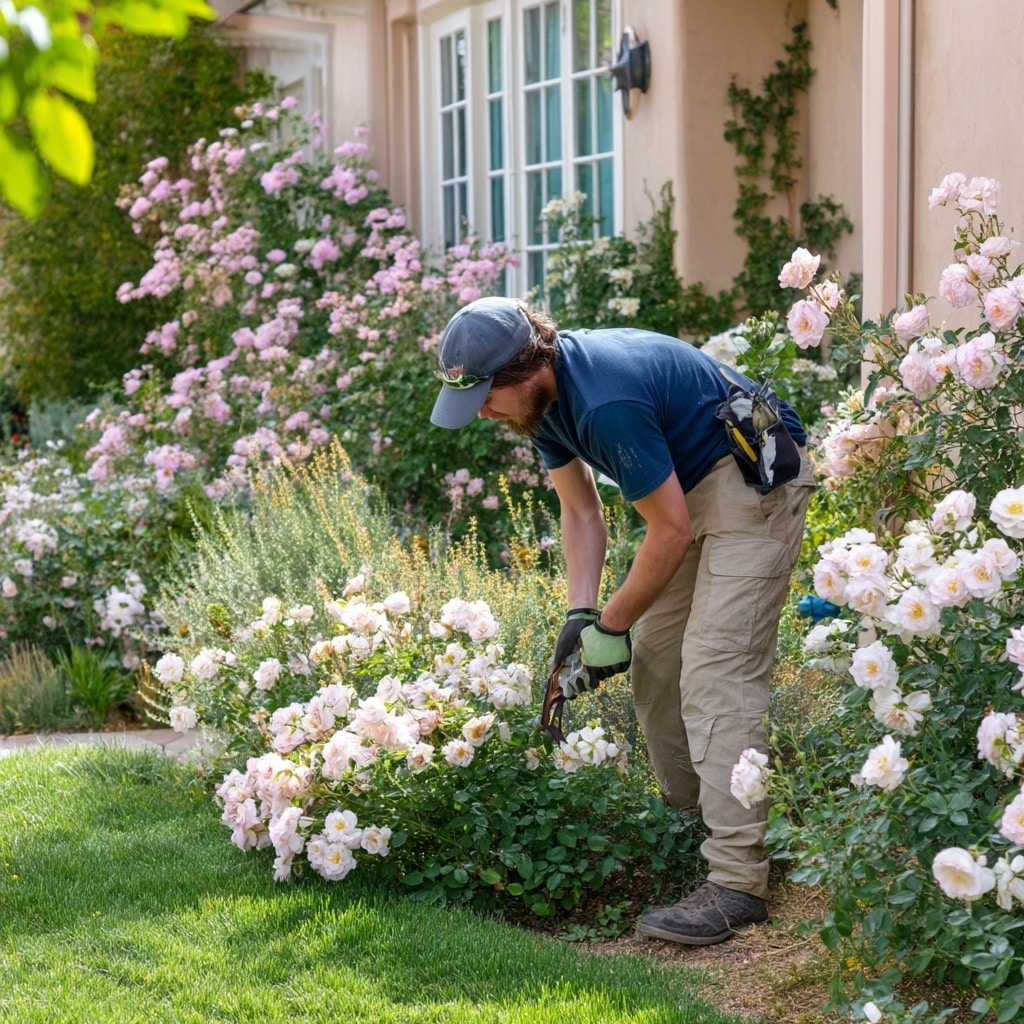
For a thriving rose garden, a little attention in each season goes a long way. Roses respond well to routine care timed with the natural cycles of growth, bloom, and dormancy.
Spring
This is the most important season for prep. As new growth appears, prune back dead or damaged canes to shape your plants and encourage healthy shoots. Feed with a balanced fertilizer to support lush foliage and early blooms.
Summer
Keep roses hydrated—especially during hot, dry spells. Water deeply at the base in the early morning to prevent disease and minimize evaporation. Deadhead spent blooms regularly to promote continuous flowering. Watch for pests like aphids or spider mites, and treat them with insecticidal soap or neem oil if needed.
Fall
Ease off on fertilizing in late summer to allow plants to begin hardening off for winter. Allow hips (rose seed pods) to form if you prefer a more natural look. Light pruning can tidy the garden, but avoid heavy cuts this late in the year.
Winter
In colder zones, protect your rose roots with a thick mulch layer, straw, or even rose collars filled with leaves. For grafted roses, ensure the graft union is buried or covered to prevent winter damage.
By aligning your care routine with the seasons, your roses will reward you with healthier growth and more abundant blooms year after year.
13. Enhancing Soil Quality for Vibrant Blooms
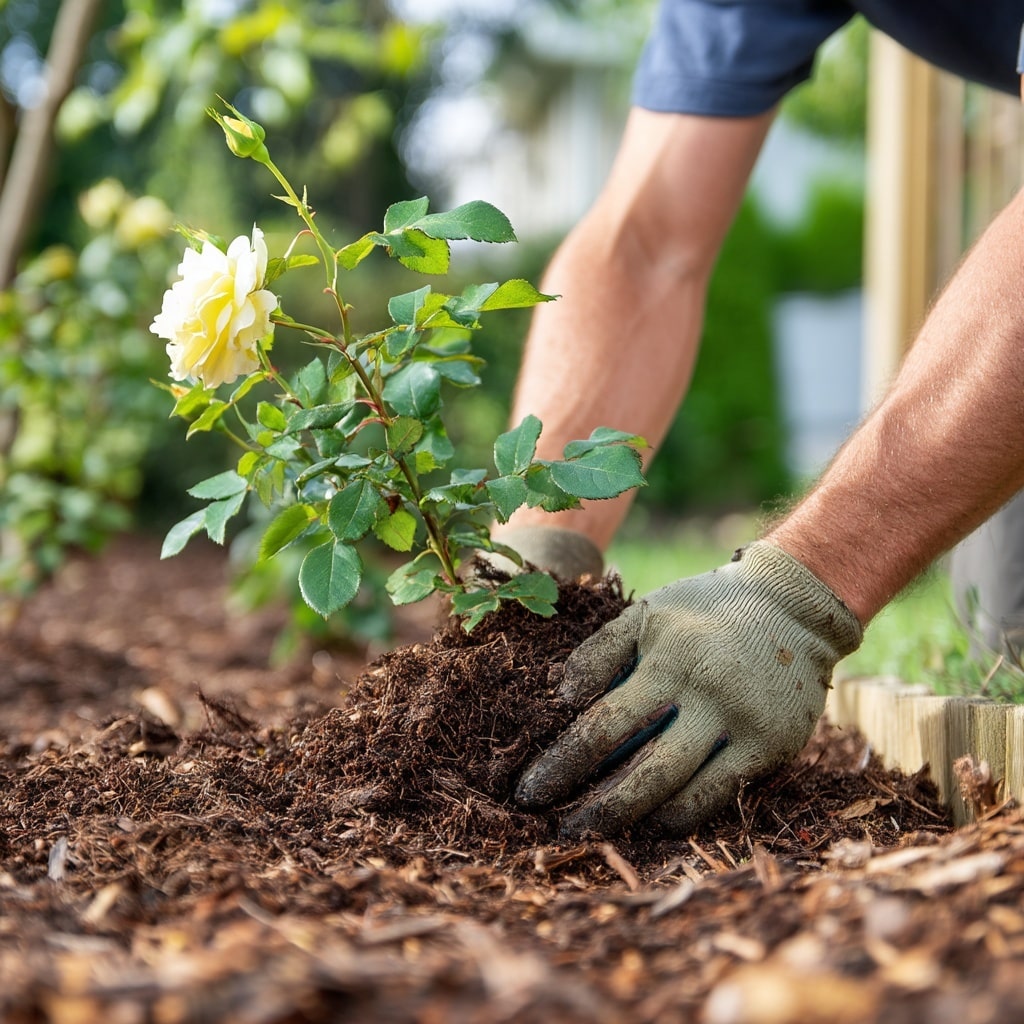
Behind every lush rose garden is healthy, nutrient-rich soil. Roses are heavy feeders and thrive in well-draining earth that’s packed with organic matter. Improving your soil now can make a big difference in the color, size, and frequency of blooms.
Start by loosening the soil to a depth of 12–18 inches before planting. Mix in compost, aged manure, or leaf mold to boost fertility and improve texture. These organic materials also enhance water retention without creating soggy conditions that can lead to root rot.
It’s worth doing a soil pH test too—roses prefer slightly acidic soil, typically between 6.0 and 6.5. If your soil is too alkaline, adding sulfur or pine needles can help. If it’s too acidic, agricultural lime can raise the pH to the ideal range.
In areas with clay soil, amend generously with compost and coarse sand to improve drainage. Sandy soil, on the other hand, may need additional organic matter to retain moisture and nutrients.
Healthy soil leads to stronger root systems, fewer pest problems, and more stunning blooms. Think of it as the foundation your entire rose garden is built on.
14. Fertilizers and Natural Pest Control
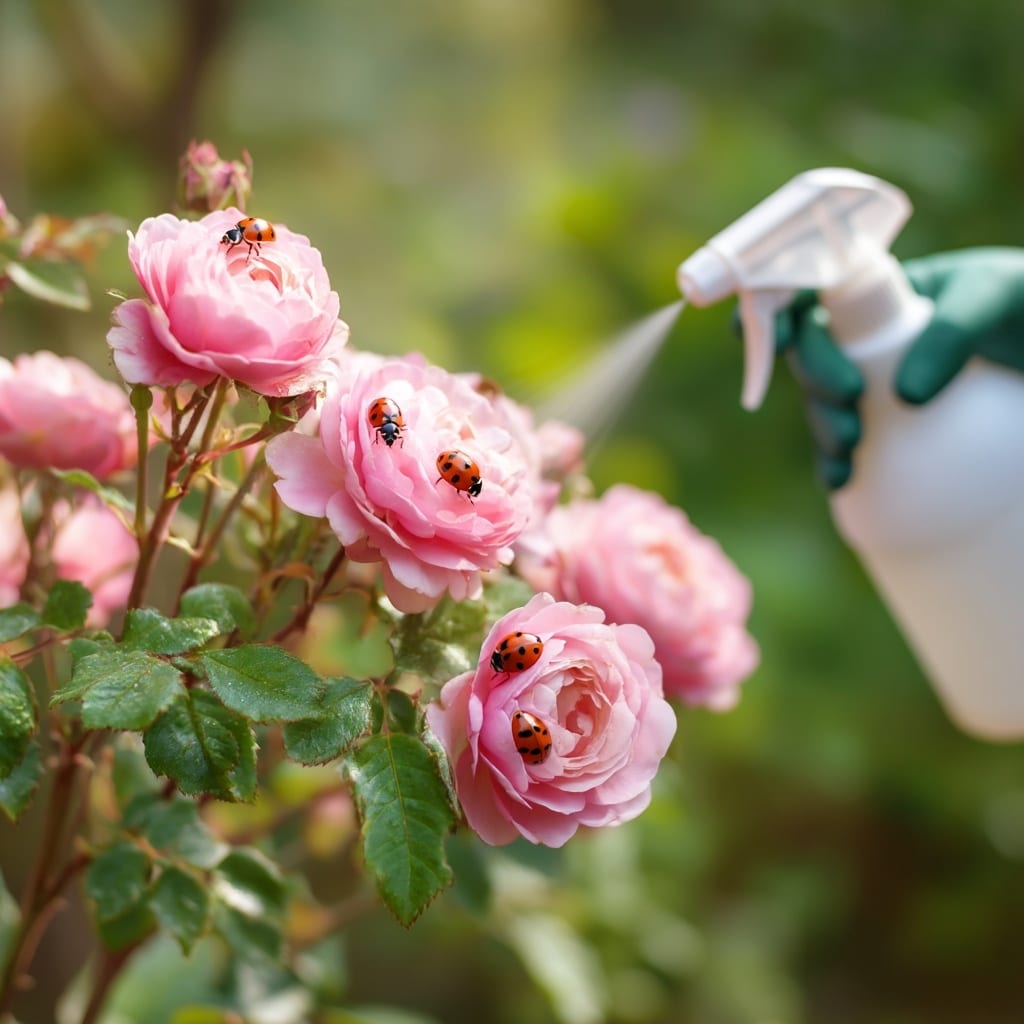
To get the most out of your rose garden, it’s important to feed your plants and protect them—without going overboard with chemicals. Roses are hungry by nature, and pests tend to find them irresistible. But with a balanced, organic approach, you can keep your roses healthy and blooming beautifully.
Start with a slow-release granular fertilizer early in the season to provide a steady supply of nutrients. Look for blends formulated specifically for roses, often labeled “rose food” with a balanced NPK ratio (Nitrogen, Phosphorus, Potassium). In midseason, you can supplement with liquid feedings like compost tea, seaweed extract, or fish emulsion for an added boost.
For pest control, skip the harsh sprays. Instead, use natural remedies like neem oil, insecticidal soap, or a homemade solution of water with a few drops of dish soap. These options are effective against aphids, spider mites, and other common rose pests without harming pollinators.
Encourage beneficial insects—like ladybugs and lacewings—by planting companion herbs such as basil, chives, and rosemary. These not only help deter unwanted bugs but also add fragrance and charm to your garden.
A healthy, well-fed rose is naturally more resilient. Combine proper nutrition with eco-friendly care, and your garden will thrive in a way that’s both beautiful and sustainable.
15. Final Styling and Personal Touches
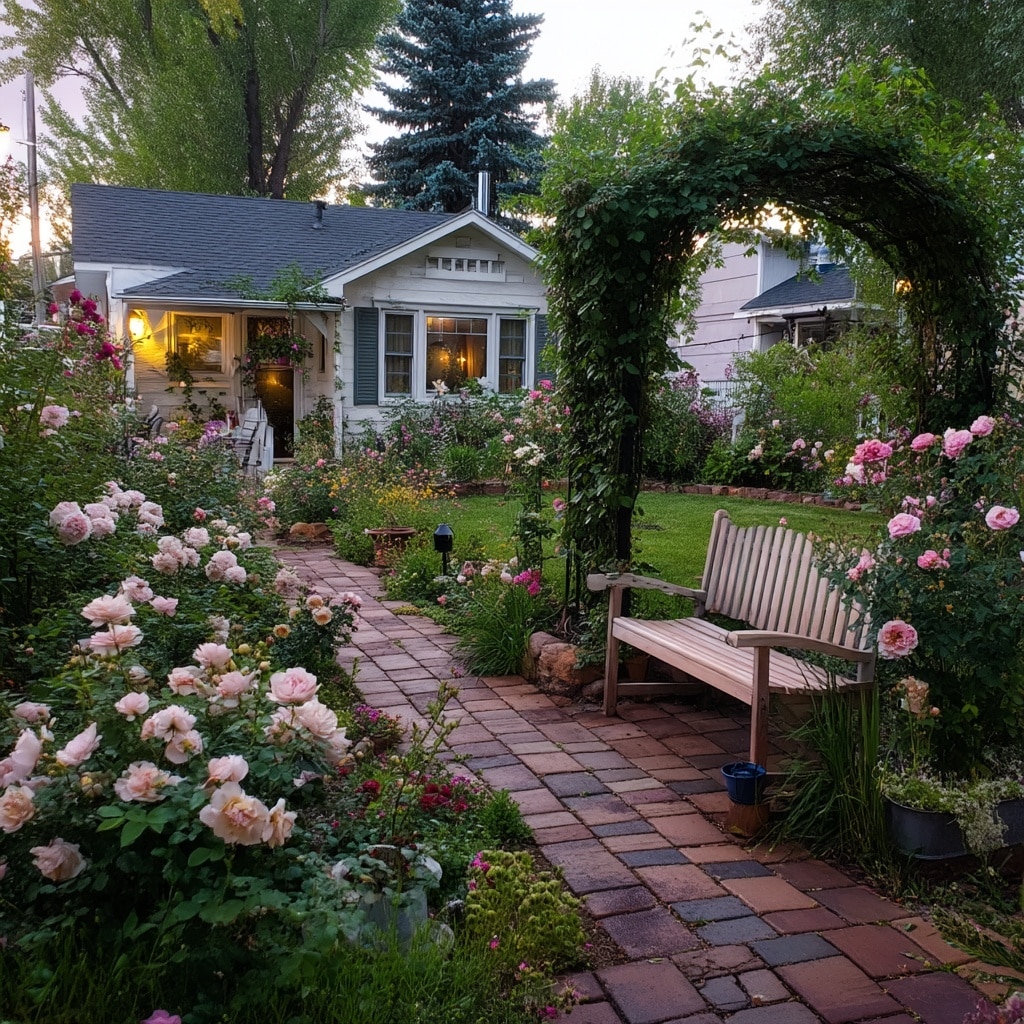
Once your rose garden is blooming and thriving, it’s time to make the space feel truly yours. Styling adds character and turns a beautiful garden into a personal statement—something that reflects your taste, home, and lifestyle.
Start with structural features like a rose-covered arbor, wrought iron trellis, or a charming garden bench near your front entrance. These elements add depth and function, inviting visitors to pause and admire the view.
For evening ambiance, install warm-toned landscape lighting to softly illuminate roses and highlight walkways. Solar-powered lanterns or spotlights can make your front yard look just as magical after sunset.
Consider adding decorative accents such as vintage watering cans, stone planters, or even custom signs with your family name or a favorite garden quote. These little details bring warmth and personality to the space.
Don’t forget the power of symmetry and repetition. Matching planters on either side of a doorway or rose beds mirrored along a path can tie your entire garden together.
Your front yard rose garden isn’t just about plants—it’s a living, evolving welcome mat for your home. The finishing touches are what make it unforgettable.
Conclusion
A thoughtfully designed rose garden in your front yard offers more than just visual appeal—it adds fragrance, charm, and a sense of welcome to your home. Whether you prefer the formal elegance of symmetrical beds or the laid-back whimsy of a cottage-style garden, roses offer unmatched beauty and versatility.
With the right planning, low-maintenance techniques, and creative styling, anyone can enjoy a thriving front yard filled with vibrant blooms. Remember, a rose garden isn’t just about flowers—it’s about expressing your style and creating a space that brings daily joy.
So grab your gloves, choose your favorite varieties, and start transforming your front yard into a showstopping rose-filled sanctuary.