
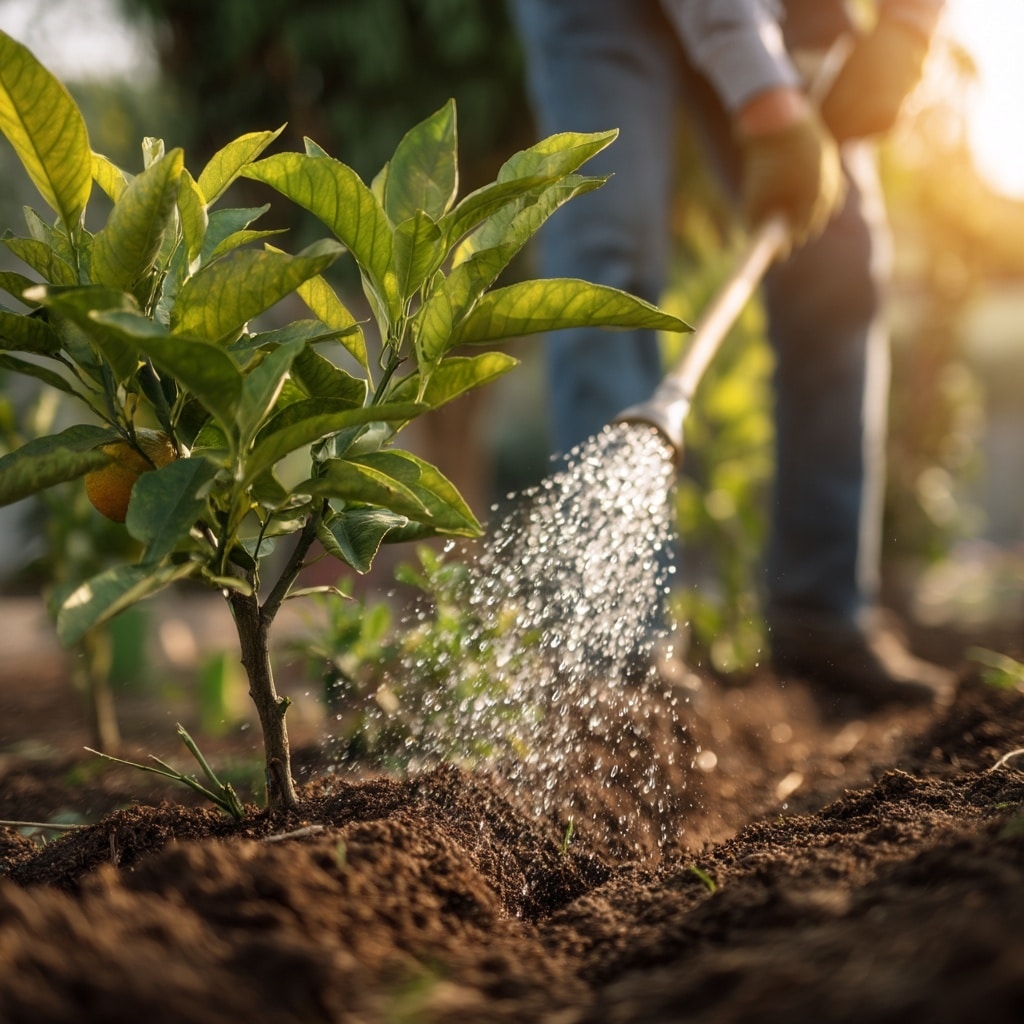
Orange tree care is more than just watering and hoping for the best — it’s a mix of timing, nutrients, and environmental awareness that helps your citrus thrive. Whether you’ve just planted your first sapling or you’re nurturing a backyard grove, understanding how to care for an orange tree can make the difference between sparse yields and juicy, sweet harvests. From managing water schedules to choosing the right fertilizer and knowing when to harvest, caring for an orange tree requires attention and consistency.
Table of Contents
Watering Your Orange Tree the Right Way

Providing your orange tree with the right amount of water is one of the most critical steps to ensure healthy growth and fruit production. Newly planted trees are especially thirsty and should be watered up to twice a week to keep the soil consistently moist — not soggy. Creating a raised soil ring around the base can help retain moisture where it’s needed most: the root zone.
As your tree matures, its water needs shift. Most mature orange trees require around 1.5 inches of water weekly, though this varies depending on your region’s rainfall and the depth at which your tree was planted. Too much water can dilute the fruit’s flavor, while too little may cause leaves to wilt and fruit to drop prematurely.
A general rule: water more frequently in spring to support active growth, and scale back in autumn as the tree prepares for dormancy. Consistent, deep watering helps your orange tree develop strong roots — the foundation for a fruitful harvest.
Choosing the Right Fertilizer for Orange Trees
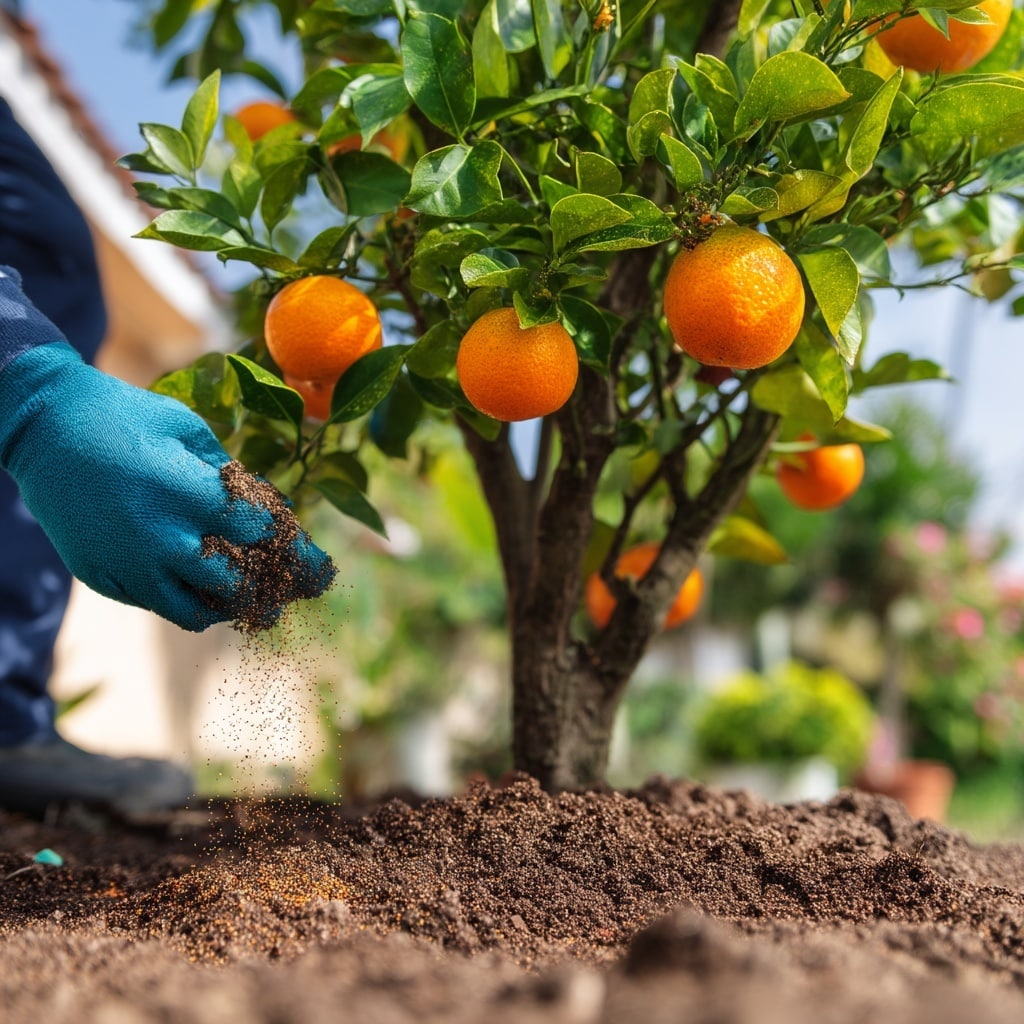
Feeding your orange tree the right nutrients plays a key role in fruit quality and overall plant health. The most important element is nitrogen, which promotes leafy growth and supports the production of juicy, edible oranges. For young trees, a high-nitrogen fertilizer is especially beneficial during the first year to help establish strong growth.
Balanced fertilization also means including phosphorus and potassium, along with essential micronutrients like magnesium, zinc, and iron. Each nutrient supports different aspects of your tree’s development — from root strength to fruit sweetness.
Keep in mind:
- Nitrogen-rich fertilizer = more oil in peels and better fruit production
- Potassium = can reduce peel oil, but improves fruit firmness
- Soil testing = helps identify what your tree may be lacking
Apply fertilizer evenly around the drip line of the tree, avoiding direct contact with the trunk. Feed your orange tree three times a year: early spring, mid-summer, and early fall for best results.
Smart Pruning Techniques for Orange Tree Health
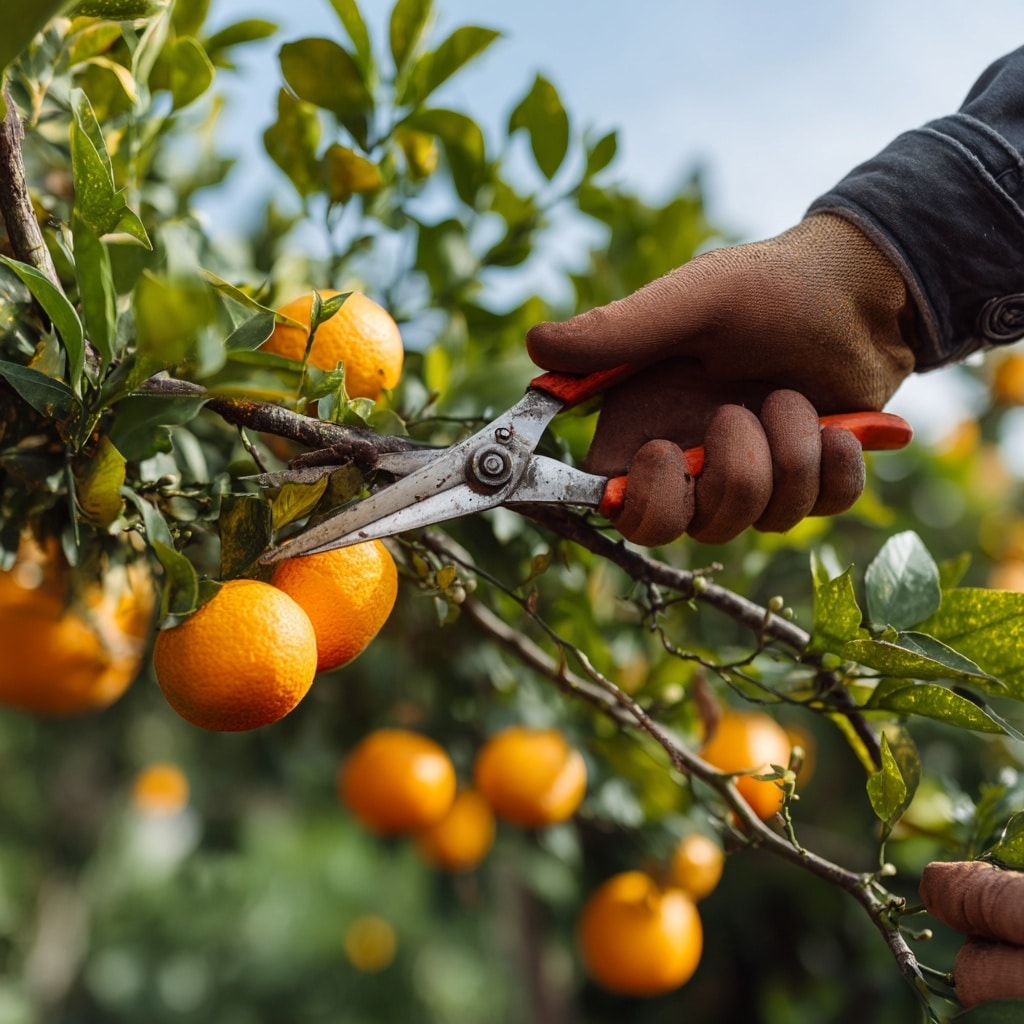
Pruning your orange tree correctly not only improves its appearance but also enhances airflow, light penetration, and fruit quality. While orange trees generally require minimal pruning, strategic cuts can prevent disease and boost productivity.
Start by removing:
- Any dead or damaged branches
- Crossing or rubbing limbs that may cause wounds
- Branches that touch the ground, which can attract pests and rot
Some gardeners also thin out interior branches to allow more sunlight and air into the tree’s center — a technique that helps reduce the risk of mold and improves fruit ripening.
You can prune an orange tree at any time of the year, but it’s best to do so after harvest. This minimizes stress on the tree and ensures that you’re not trimming away next season’s fruit. Always use clean, sharp tools to make smooth cuts and avoid tearing the bark.
The Best Time to Harvest Oranges
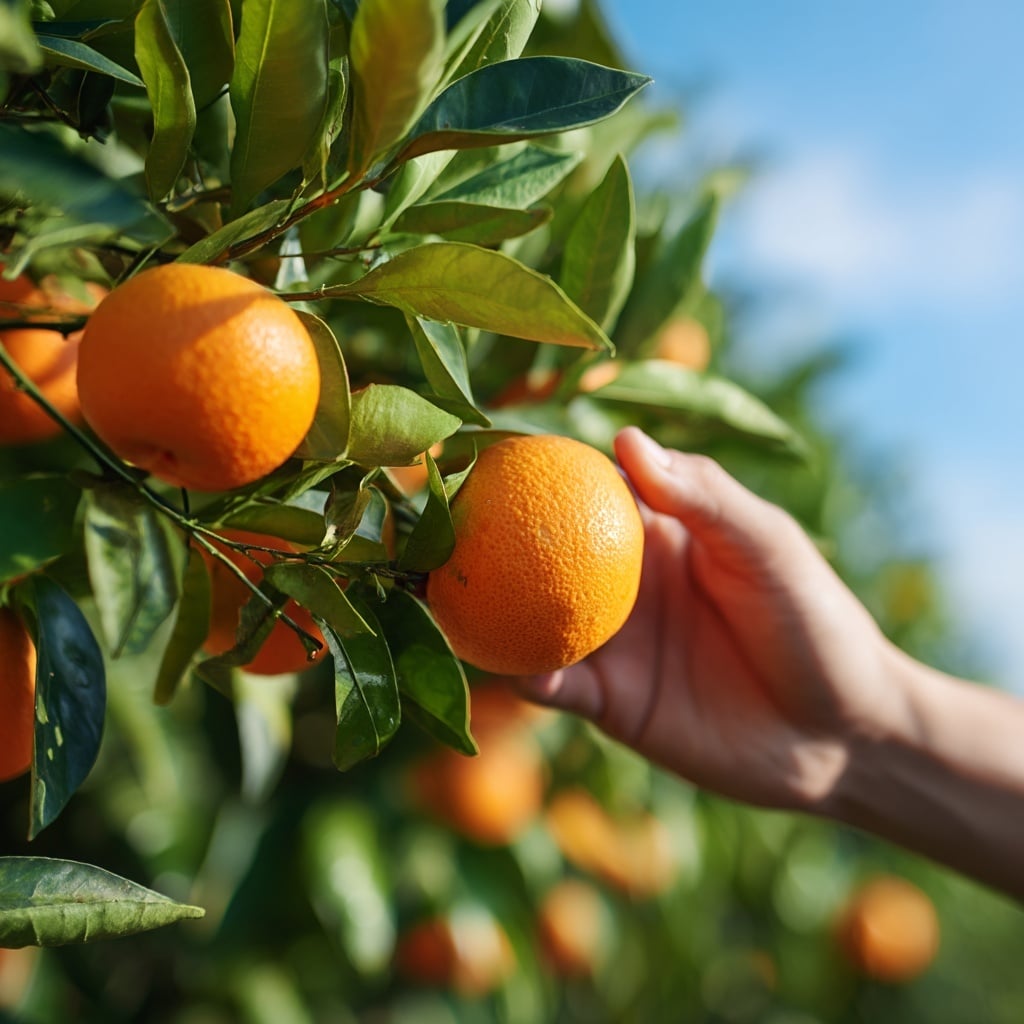
Knowing when to pick fruit from your orange tree can mean the difference between a sweet, juicy orange and one that’s bitter or dry. While the fruit may begin to change color in the fall, color alone isn’t a reliable sign of ripeness. The best way to know if your oranges are ready? Taste them.
Most orange varieties are ripe and ready for harvest in the winter months. Harvesting too early leads to sour, underdeveloped fruit, while waiting too long can cause the oranges to lose moisture and become overly dry.
Important tips:
- Sample a few fruits before picking a large batch
- Avoid harvesting during or right before a freeze — citrus can be damaged by cold weather
- Gently twist or clip the fruit from the tree to prevent branch damage
Once harvested, oranges won’t ripen further off the tree, so timing is everything when it comes to preserving the best flavor.
Conclusion
Caring for an orange tree doesn’t have to feel overwhelming — with the right balance of water, nutrients, pruning, and timely harvesting, your tree can produce flavorful fruit year after year. Whether you’re managing a single backyard citrus or an entire garden grove, consistency is key. Stay attentive to your tree’s seasonal needs and don’t hesitate to adjust your care based on weather and soil conditions. With patience and the right care routine, your orange tree will thrive.