
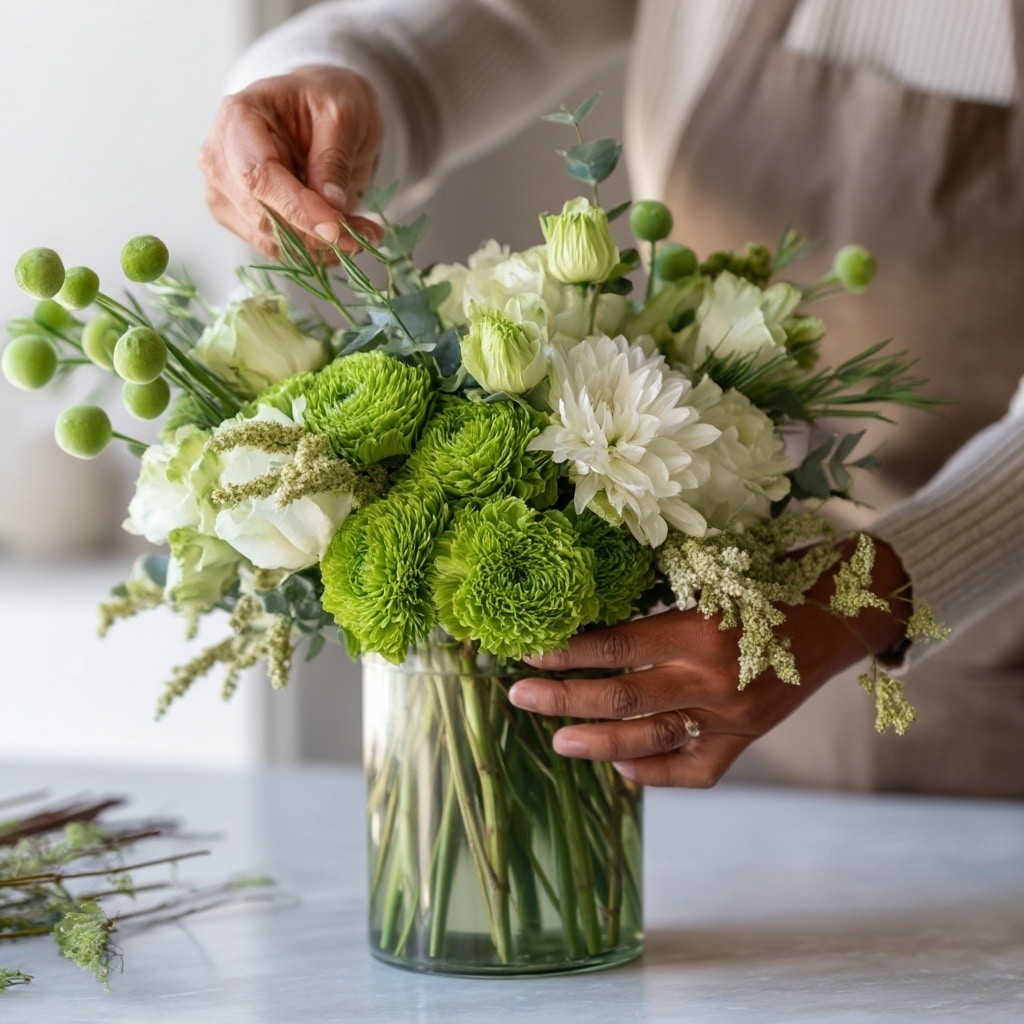
Floral design is more than arranging pretty flowers—it’s a creative process that blends color, shape, texture, and movement into something that feels alive. Whether you’re picking up floristry as a hobby or planning to launch your own floral business, learning the core principles of arrangement can help you avoid the common frustrations beginners face. Instead of feeling stuck or unsure where to start, you’ll be able to approach every bouquet or centerpiece with confidence and clarity.
In this beginner-friendly guide, we’ll walk you through simple yet powerful techniques that form the foundation of great floral design. From choosing your flowers and greenery to placing each stem with intention, these tips will help you craft arrangements that look effortlessly balanced and professionally styled—no matter your experience level.
Table of Contents
The Basics of Creating a Floral Arrangement

Floral design becomes far less intimidating when you break it down into four key steps. By following a thoughtful process, you can consistently create arrangements that feel balanced, intentional, and beautiful. Whether you’re designing for a dinner party or crafting a bouquet just for fun, this structure will give your creativity a clear direction.
Here’s the foundation of every successful floral design:
1. Conceptualize the Design
Before you snip a single stem, take a moment to envision the final piece. What do you want it to look and feel like? Is your design soft and romantic, or bold and architectural? Consider the purpose of the arrangement—will it be a delicate centerpiece for an intimate gathering or a dramatic showpiece for an event?
Clarifying your vision helps guide every decision that follows, from flower selection to color palette and shape.
2. Choose Your Ingredients
The flowers and greenery you select each play a specific role in the design. More on this in the next section, but for now, understand that variety is key. A combination of textures, sizes, and shapes adds visual interest and depth. You’ll want to choose a mix of:
- Large statement blooms
- Smaller supporting flowers
- Airy, movement-based elements
- Sturdy greenery for structure
Selecting the right mix ensures your arrangement doesn’t fall flat or feel visually chaotic.
3. Define a Color Palette
Color has a huge impact on the mood of your floral design. Do you want the piece to feel calming, vibrant, playful, or elegant? Sticking to a clear palette will keep the overall look harmonious.
Even if you’re working with only a few flower types, you can use color theory to build balance and cohesion. More on the different color strategies is coming up later.
4. Arrange Your Flowers
This is where your vision comes to life. Start by placing your greenery to set the shape and dimensions. Then, layer in flowers from large to small—beginning with focal blooms, followed by filler and detail flowers.
Each placement should feel intentional. Keep stepping back, observing from different angles, and adjusting as needed. You’re not just putting flowers in a vase—you’re building a story through design.
Conceptualizing the Design
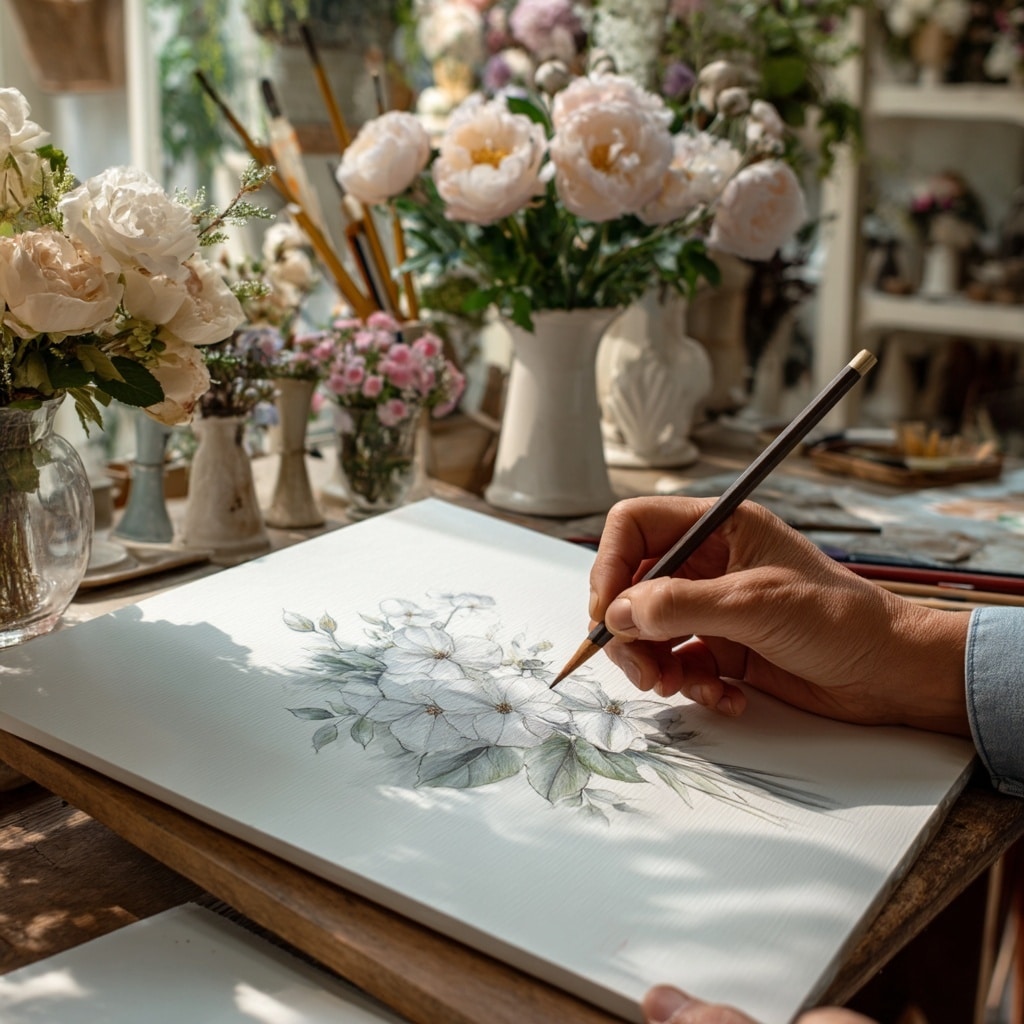
Every great floral design starts with a vision. This early planning phase is where creativity meets intention. Rather than rushing into arranging stems, take time to decide what you want the finished piece to express.
Visualize the Final Arrangement
Ask yourself:
- What feeling or atmosphere am I trying to create?
- Is this design meant to be romantic, wild and natural, minimal, or bold?
- Where will the arrangement be displayed?
- What size and shape will work best for that space?
Your answers will help guide every step moving forward.
For example, a whimsical, airy bouquet may call for looser spacing and delicate flowers with movement. A formal event centerpiece might need a symmetrical, more compact shape with rich, layered textures.
Consider the Shape and Scale
Shape plays a huge role in how your floral design is perceived. Some popular shapes include:
- Round or dome-shaped – clean and classic
- Asymmetrical – modern and dynamic
- Horizontal – ideal for long tables
- Crescent – dramatic and elegant
Size matters too. A large foyer arrangement should make a statement, while a small table piece should enhance—not overwhelm—the space.
Think of your floral design like a sculpture. You’re building something with structure and balance. When you have a clear visual in mind, it becomes much easier to choose the right ingredients and place each element with purpose.
Choosing Ingredients for Your Floral Design
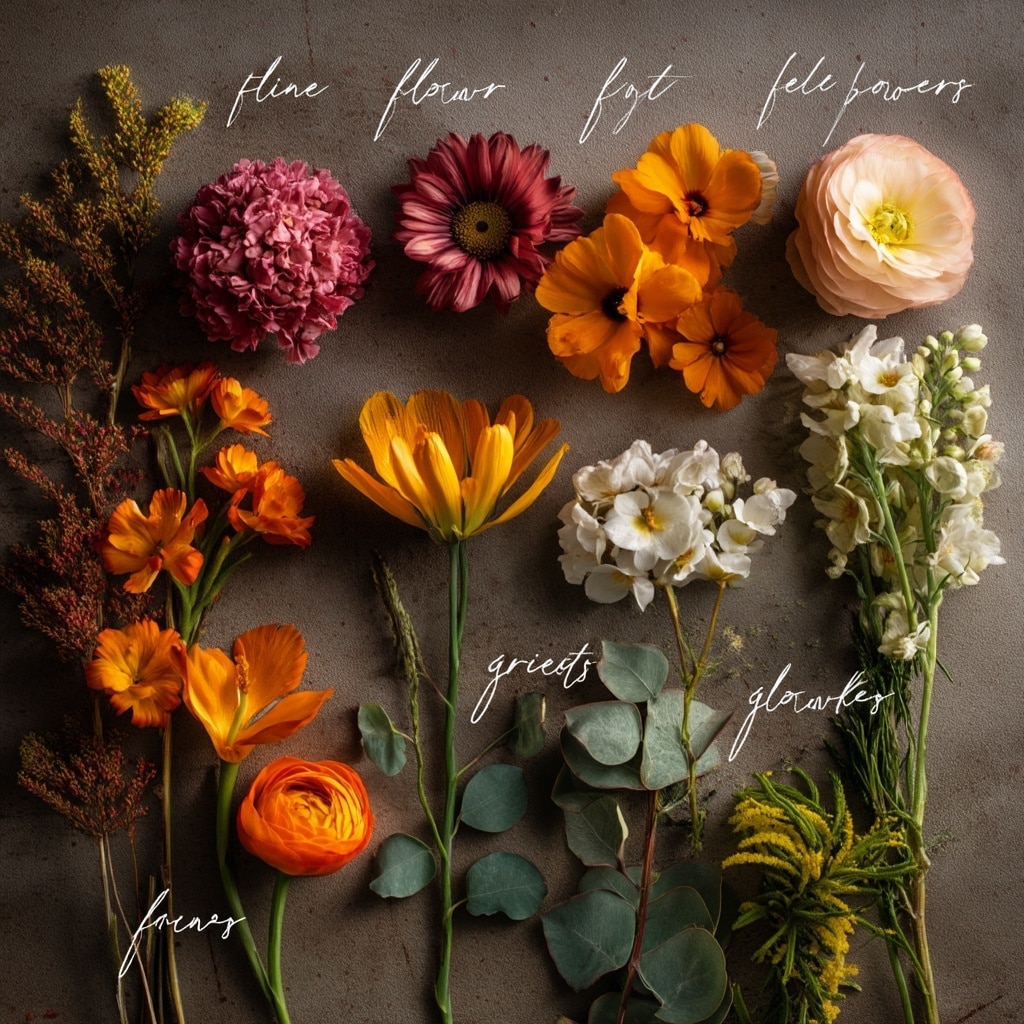
Once your design concept is clear, it’s time to choose the flowers and foliage that will bring it to life. Each type of floral ingredient plays a specific role in the overall composition. Using a mix of these elements creates dimension, movement, and balance in your arrangement.
1. Focal Flowers
These are the stars of your arrangement—the big, eye-catching blooms that draw attention. Typically round and full, focal flowers anchor the design and give the viewer’s eye a place to rest.
Examples:
- Garden roses
- Peonies
- Dahlias
- Hydrangeas
Use them sparingly but strategically, placing them where you want to create the most visual impact.
2. Line Flowers
Line flowers help define the shape and direction of your arrangement. Their tall, vertical nature adds height and structure, and they can guide the viewer’s eye across the design.
Examples:
- Snapdragons
- Delphinium
- Foxglove
- Gladiolus
They’re often placed after greenery and before focal flowers to create a framework for your design.
3. Filler Flowers
These medium-sized blooms support and surround the focal flowers, adding bulk, texture, and color throughout the piece. They help blend the elements together without stealing the spotlight.
Examples:
- Spray roses
- Carnations
- Waxflower
- Statice
Choose fillers that match your palette but vary slightly in shape or tone for a natural, organic look.
4. Detail Flowers
Also known as “floaters,” these are delicate, airy blooms that add movement and elegance. Their whimsical nature softens the arrangement and brings it to life.
Examples:
- Sweet peas
- Butterfly ranunculus
- Cosmos
- Scabiosa
Add detail flowers last, allowing them to sit above or slightly outside the main structure for a light, fluttery effect.
5. Greenery
Greenery is your foundation. It provides structure, fills gaps, and helps define the silhouette of your arrangement. You can use it to hide mechanics like floral foam or chicken wire and to establish movement and flow.
Examples:
- Eucalyptus
- Ruscus
- Ferns
- Olive branches
Mix different shades and textures to avoid a flat or one-dimensional look.
🔍 Ingredient Selection Tips:
- Aim for contrast in textures and bloom sizes.
- Choose ingredients that reflect your original design vision.
- For lush, garden-style arrangements, lean on full focal blooms and loose greenery.
- For a light and airy design, choose more delicate filler and detail flowers.
The more variety you introduce (without overwhelming the piece), the more dynamic and interesting your floral design will be.
Determining Your Color Palette
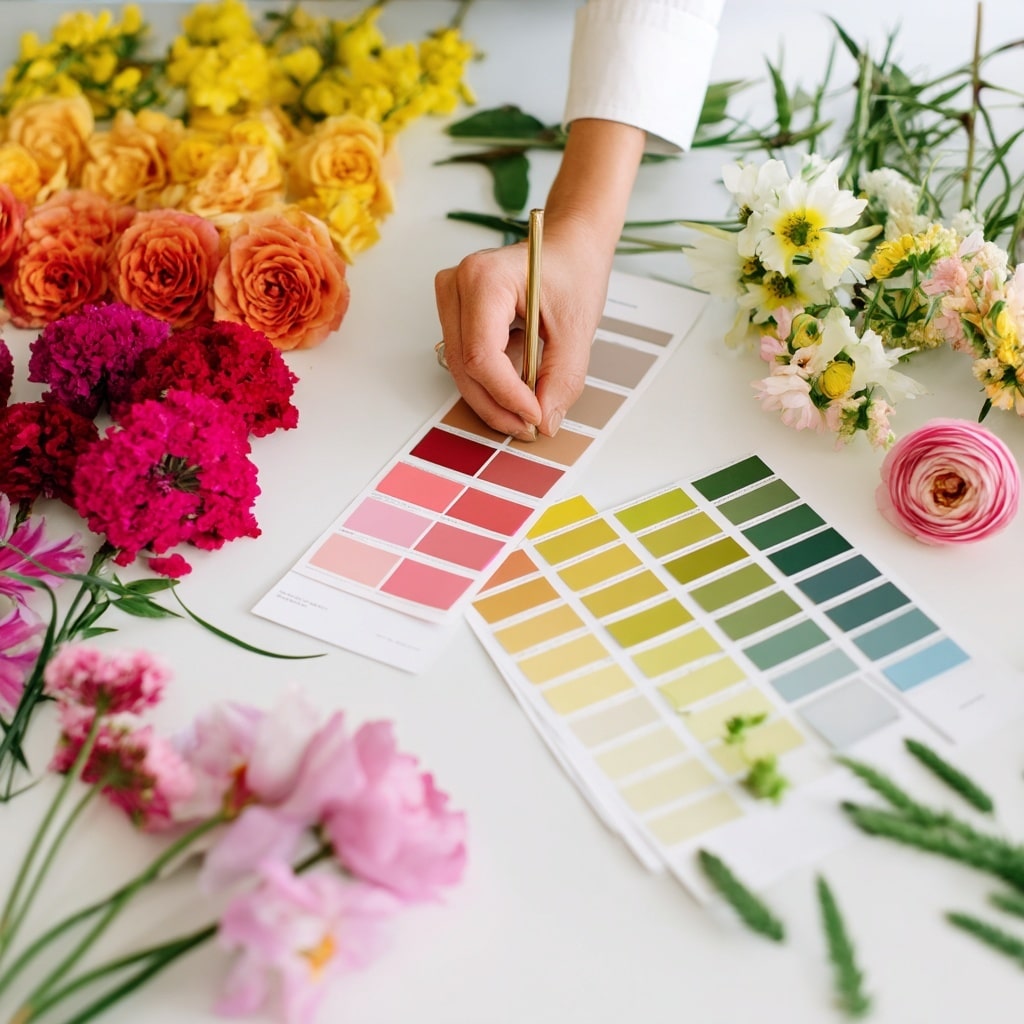
Color isn’t just about aesthetics—it sets the entire mood of your floral design. Whether you’re aiming for calm and cohesive or bold and dramatic, a well-thought-out palette ensures your arrangement feels intentional and balanced.
Before choosing specific blooms, consider the emotional tone you want to convey. Then, build a palette that supports that mood, using basic color theory to guide your decisions.
1. Monochromatic Colors
Monochromatic designs use multiple shades and tones of a single hue. Though simple in concept, this approach allows you to play with texture and form to add interest.
Example:
An all-white bouquet can still feel layered and rich when combining fluffy peonies, spiky snapdragons, and soft lisianthus. Or try a range of pinks from blush to raspberry for a romantic tone.
🟢 Best for: Sophisticated, minimal, or tone-on-tone designs.
2. Analogous Colors
These are colors that sit next to each other on the color wheel (like yellow, yellow-orange, and orange). They naturally harmonize and are easy to work with.
Example:
Peach garden roses, coral ranunculus, and yellow-centered daisies create a warm, sunset-like palette.
🟢 Best for: Soft, natural, or seasonal designs.
3. Complementary or Near-Complementary Colors
Opposite colors on the wheel (like purple and yellow) create contrast and energy. Near-complementary palettes are slightly less intense but still visually interesting.
Example:
A bouquet of soft peach and blush tones accented with sprigs of pale blue or lavender adds just enough contrast to catch the eye.
🟢 Best for: Bold, modern, or editorial looks.
4. Color Saturation
Stick to a specific intensity—like all pastels, all jewel tones, or all earthy/muted hues—for consistency. This is especially helpful when using multiple colors that aren’t naturally related.
Example:
Pair dusty rose, sage green, and soft plum for a muted palette that still feels cohesive.
🟢 Best for: Layered, moody, or vintage-inspired arrangements.
🔍 Pro Tips for Color Success:
- Include bridging flowers when your main colors are far apart. For instance, coral can bridge the gap between pink and yellow.
- Don’t forget foliage color—green isn’t just green. Some leaves have a silver, blue, or golden tint that can subtly shift your palette.
- Start with a hero bloom you love, then build your palette around its undertones.
When your colors are balanced and thoughtfully chosen, your floral design feels complete—even before the first stem is placed.
Placement of Blooms
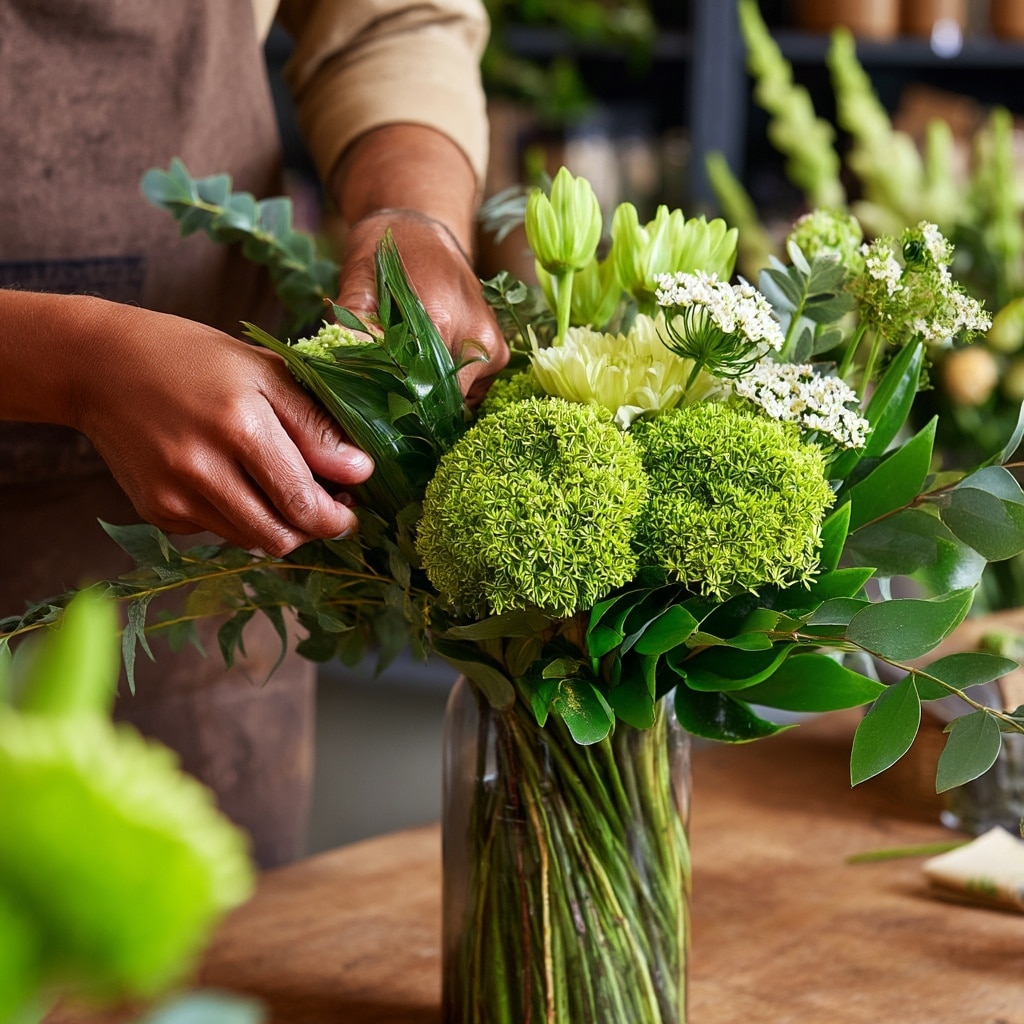
This is the moment when your floral design begins to take shape. Thoughtful flower placement is what separates a flat or messy arrangement from one that feels full, intentional, and alive. With your ingredients chosen and your color palette defined, you can now start assembling with confidence.
Follow a layered approach to create shape, depth, and natural movement.
1. Start with Greenery
Begin by placing your greenery to define the overall shape and structure of the piece. Greenery acts as a framework—it sets the boundaries of height and width while hiding any floral mechanics like foam, tape, or a chicken wire base.
Don’t aim for perfection here. Let some stems drape, some stand tall, and others create interesting curves. This sets a more natural tone from the start.
2. Add Line Flowers
Next, introduce line flowers to emphasize your shape and extend the visual movement. These vertical or arching stems help guide the eye and create flow. Space them out so they don’t feel stiff—allow each one to stand with its own character.
Use line flowers to:
- Stretch the design’s height or width
- Create symmetry or asymmetry
- Carry color toward the edges
3. Place Focal Flowers
Now place your focal flowers—the heart of your design. These larger blooms draw attention, so choose their positions carefully. Cluster a few in strategic spots to create balance and visual rest.
Tip: Always work in odd numbers when grouping focal flowers—it feels more natural to the eye.
Position them at different depths:
- Some deeper inside the greenery
- Others pushed forward for drama
- A few slightly off-center for organic movement
4. Fill in with Filler and Detail Flowers
With your shape established and the statement blooms in place, begin filling the gaps. Use filler flowers to bridge focal blooms and reinforce your palette. Then, layer in detail flowers toward the end—they float, dance, and breathe life into the design.
Let the most delicate flowers extend a little beyond the others. This creates dimension and mimics how flowers grow in nature.
Conclusion
Floral design doesn’t have to feel intimidating. With a clear process and an understanding of how to work with shape, color, and movement, you can create stunning arrangements that reflect your personal style. Whether you’re crafting a bouquet for a friend or dreaming of building your own flower business, starting with the fundamentals makes all the difference.
Remember: be patient with yourself, trust your eye, and most importantly—enjoy the process. Every stem you place brings you closer to discovering your voice as a floral designer.