
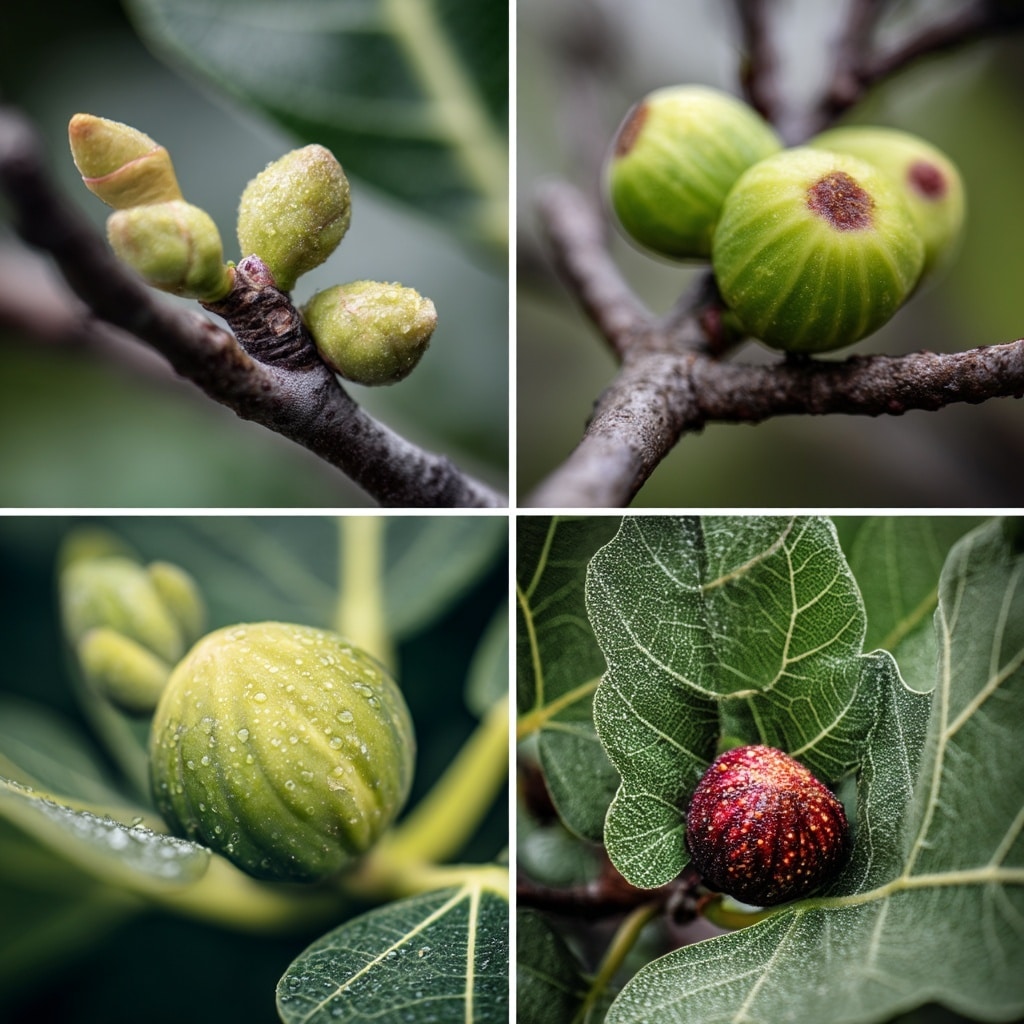
Fig tree cultivation is one of the most rewarding experiences a gardener can have. Whether you’re growing them in a pot on a sunny patio or nurturing a mature tree in your backyard, fig trees offer beauty, shade, and delicious fruit with minimal fuss. But to truly thrive, your fig tree needs the right balance of sunlight, water, pruning, and seasonal care. This guide walks you through everything you need to grow a productive and healthy fig tree year after year.
Table of Contents
Choosing the Right Location and Soil

A fig tree thrives in a warm, sheltered position with full sun for most of the day. These Mediterranean natives crave heat and light, which encourages fruit ripening and helps the tree produce sweeter, more abundant figs.
Ideal Sunlight Conditions
- Position your fig tree against a south- or west-facing wall to reflect heat.
- Ensure the spot receives at least 6–8 hours of direct sun daily.
- Protect from strong winds, especially in cooler climates.
Best Soil for Fig Trees
- Well-draining soil is essential. Fig trees dislike soggy roots.
- A loamy soil enriched with organic compost or well-rotted manure supports root health.
- Slightly alkaline to neutral pH (around 6.0–7.0) is ideal.
Container vs Ground Planting
- In colder regions, grow fig trees in large pots so they can be moved to shelter during harsh winters.
- In warmer zones, planting in the ground allows deeper roots and stronger growth.
Tip: Consider restricting the roots (e.g., with paving slabs or a root barrier) when planting in the ground — this can boost fruit production by encouraging the tree to focus energy on fruiting rather than leaf growth.
Watering and Feeding Your Fig Tree
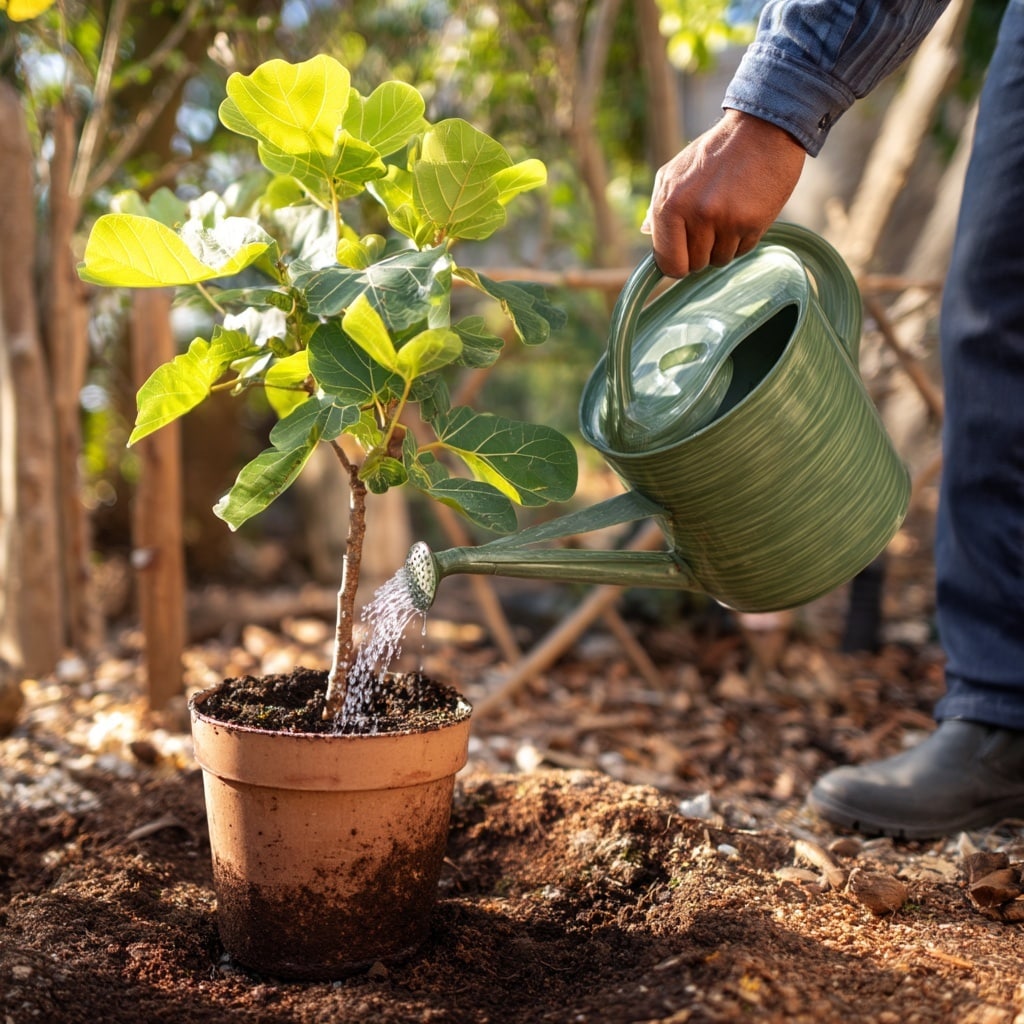
A well-cared-for fig tree will reward you with luscious fruit and healthy growth, but getting the watering and feeding schedule right is key. Too much water can rot the roots; too little can cause fruit drop or stunted growth.
Watering Guidelines
- During the growing season (spring to early autumn), water regularly, especially in dry spells.
- For potted fig trees, check soil moisture daily in summer—water when the top inch feels dry.
- Reduce watering in autumn and winter when the tree enters dormancy.
- Avoid waterlogging. Always ensure containers have proper drainage holes.
Feeding Schedule
- Apply a balanced liquid fertiliser (such as 10-10-10) every 2–4 weeks from early spring to mid-summer.
- Stop feeding after July to avoid stimulating new growth that won’t harden before winter.
- In early spring, mulch around the base with compost or well-rotted manure to enrich the soil naturally.
- For container-grown trees, consider a slow-release fertiliser in addition to liquid feeds.
Quick Tip: Yellowing leaves or lack of fruit may signal nutrient deficiency or overwatering. Adjust care accordingly and check drainage.
Pruning and Training Your Fig Tree
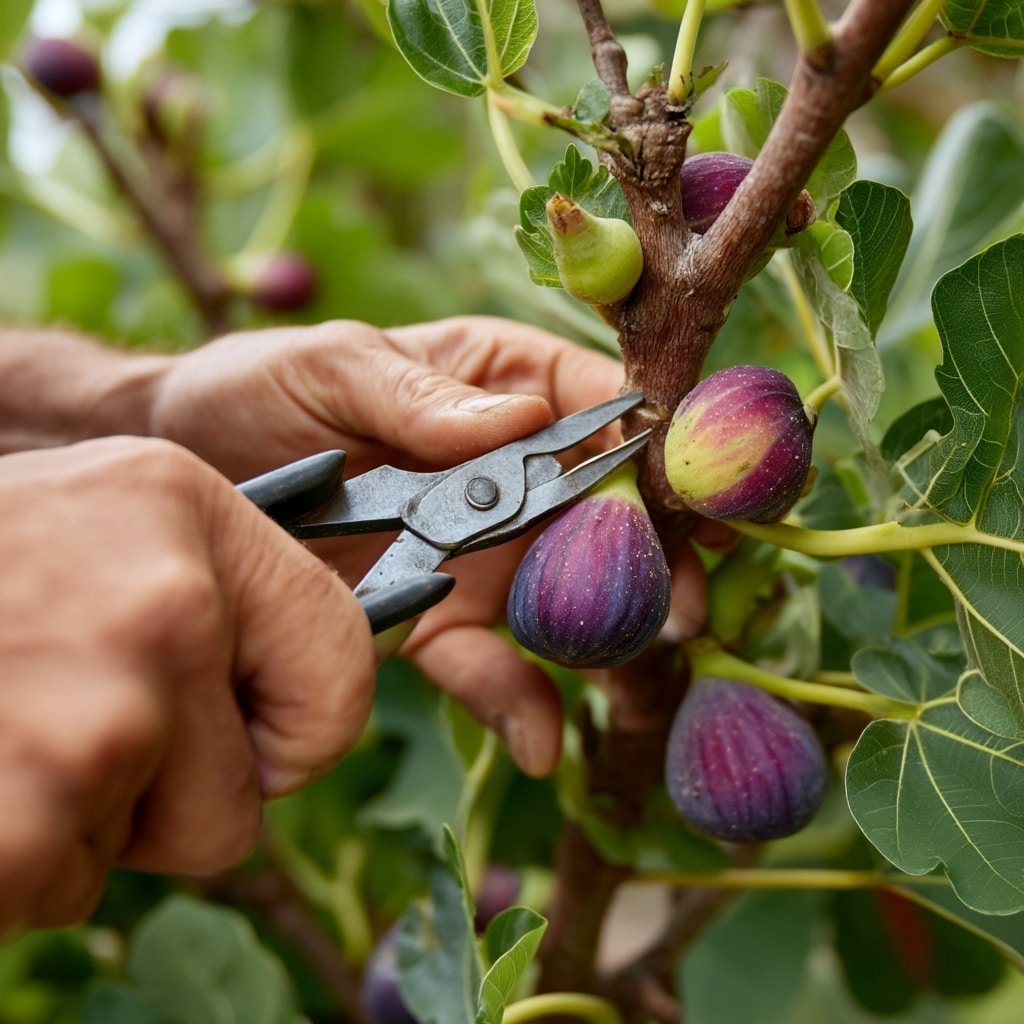
Pruning a fig tree isn’t just about shaping—it’s essential for maximizing fruit production, improving airflow, and keeping the tree manageable in size. Fig trees produce fruit on new growth, so proper pruning directly influences next season’s harvest.
When to Prune
- Winter (Dormant Season): Light structural pruning to maintain shape and remove dead or crossing branches.
- Summer (After Fruiting): Thin out overcrowded areas and trim new shoots to control size and promote airflow.
How to Prune a Fig Tree
- Start by removing any dead, diseased, or damaged wood.
- Cut back vigorous vertical shoots to encourage lateral branching.
- Maintain an open “goblet” shape to allow sunlight to reach the center of the canopy.
- In the first year, prune hard to build a strong framework. After that, prune lightly but consistently.
Training Tips for Better Yield
- Fan-training against a wall is ideal for limited spaces and better sun exposure.
- In pots, use a central leader system and limit height to make maintenance easier.
Remember: Always use clean, sharp tools when pruning to reduce disease risk. And don’t be afraid to prune—fig trees respond well and often grow back more vigorously.
Common Pests and Problems
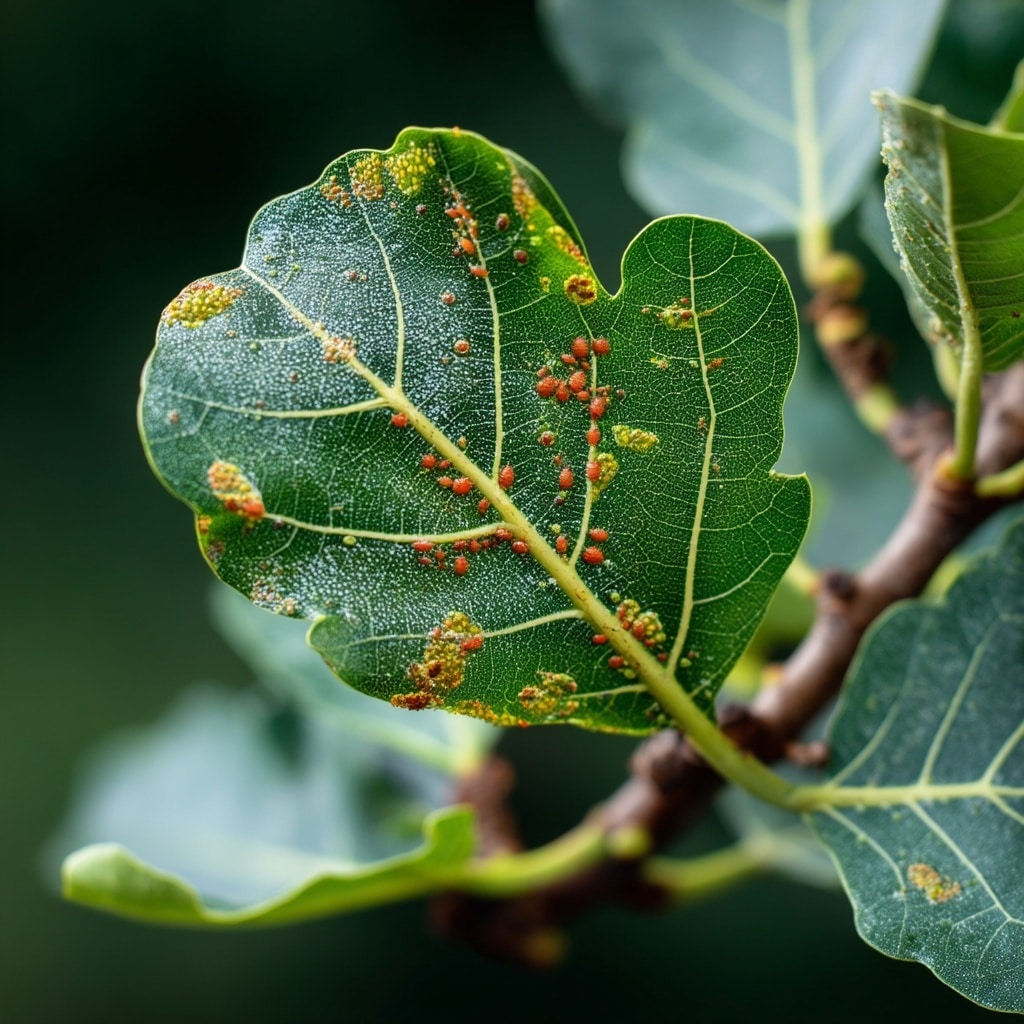
Even a well-tended fig tree can occasionally run into trouble. Knowing what to look for and how to respond quickly can make all the difference between a healthy harvest and a disappointing season.
Common Pests
- Scale insects: These sap-sucking pests often appear as small, shell-like bumps on stems or leaves. Remove them with a damp cloth or use horticultural oil.
- Aphids: Clusters of small green or black bugs that gather on new growth. Spray with soapy water or introduce natural predators like ladybirds.
- Red spider mites: These thrive in hot, dry conditions and cause leaf speckling. Increase humidity or spray with miticide if infestations persist.
Fungal and Environmental Issues
- Fig rust: Yellow to orange spots on leaves, often caused by humidity. Remove infected leaves and improve air circulation.
- Fruit drop: Can be caused by irregular watering or overfeeding. Stick to a steady care routine.
- Frost damage: In colder climates, young fig trees can suffer from frostbite. Wrap with fleece or move pots to shelter during freezing nights.
Preventative Measures
- Regularly inspect your fig tree for signs of trouble.
- Keep the area around the base weed-free to avoid pests hiding.
- Avoid overwatering and overcrowding to minimize fungal issues.
Tip: A stressed fig tree is more vulnerable to pests and disease, so maintain consistent care for strong natural resistance.
Harvesting and Overwintering Your Fig Tree
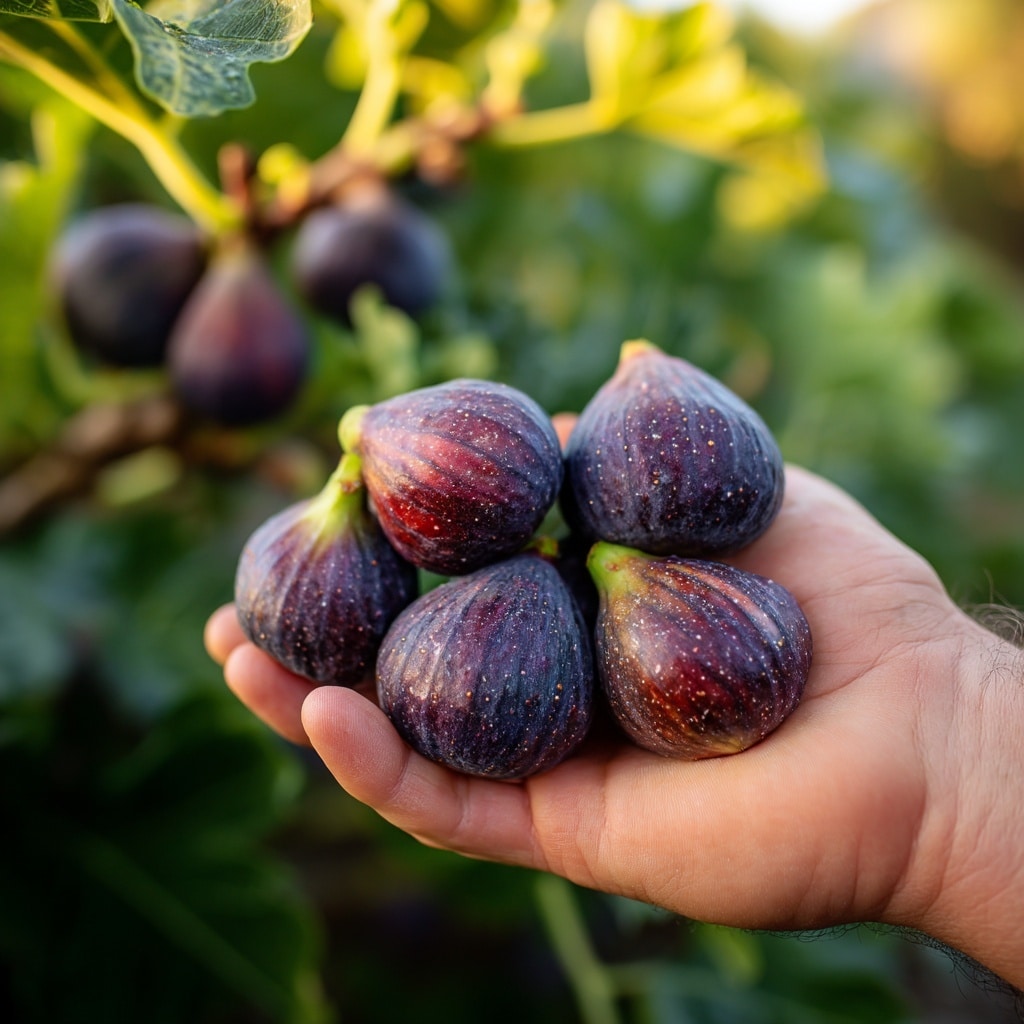
Knowing when to harvest figs and how to protect your fig tree in winter ensures a steady supply of sweet fruit and long-term tree health.
When and How to Harvest Figs
- Figs are ripe when they become soft, slightly wrinkled, and hang down from the stem.
- A ripe fig should feel heavy, yield slightly to touch, and may even ooze a drop of syrup.
- Don’t wait too long—overripe figs can split or fall.
- Use scissors or gently twist to pick without damaging the stem.
Harvest Timing by Region
- In the UK and cooler climates: expect one main crop from late August through September.
- In warmer zones: a breba crop (early figs on old wood) may ripen in early summer, with the main crop later.
Overwintering Your Fig Tree
- In the ground: Mature fig trees can tolerate frost down to -10°C (14°F), but young trees benefit from insulation.
- Mulch around the base with straw or compost.
- Wrap trunks or branches in horticultural fleece or hessian if hard frost is forecast.
- In pots: Move to an unheated greenhouse, shed, or garage once leaves drop in autumn.
- Water sparingly—just enough to stop the roots from drying out.
- Avoid feeding during dormancy.
Tip: Fig trees need a cool dormant period to fruit well the following year, so avoid keeping them in a heated indoor space all winter.
Propagation Methods for Fig Trees
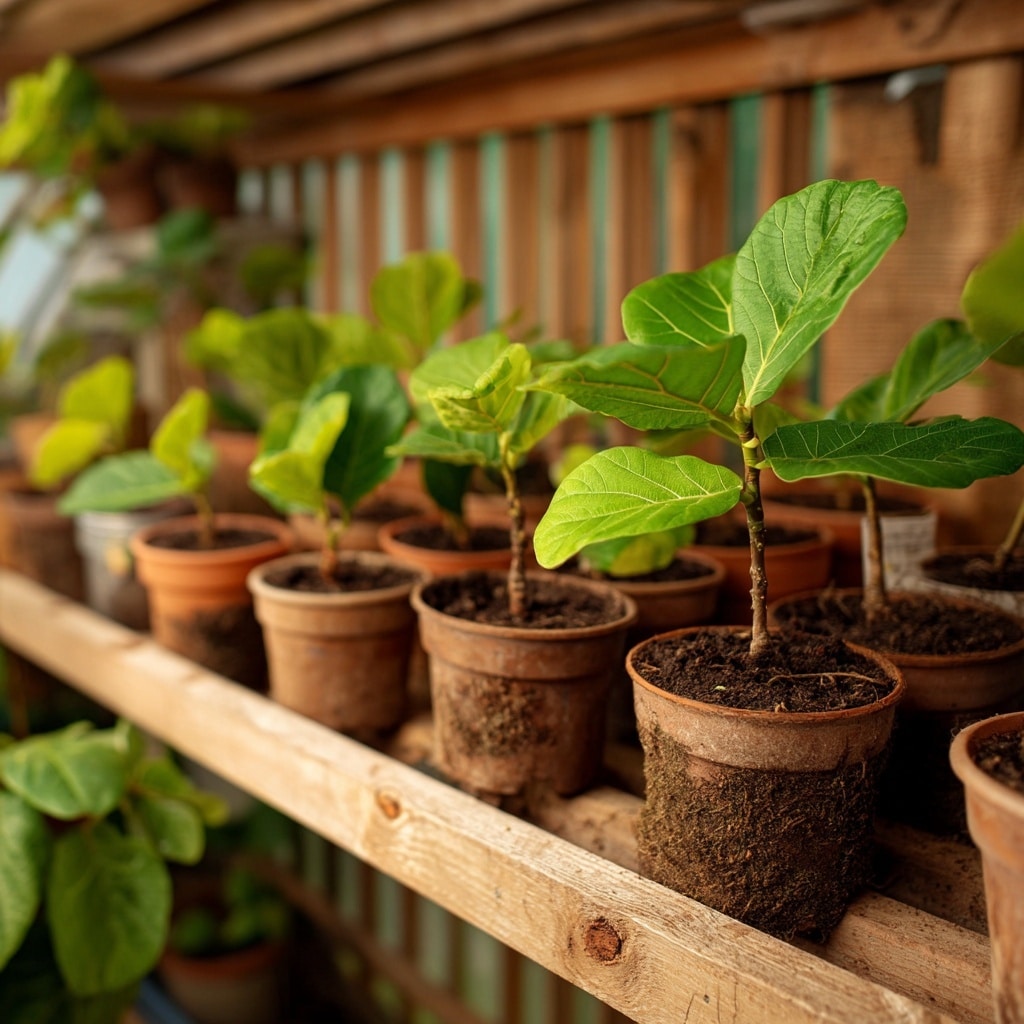
Propagating a fig tree is easy, rewarding, and often more successful than starting from seed. The most common and reliable method is hardwood cuttings, but layering and air layering also work well.
1. Propagation by Hardwood Cuttings
- Take 20–30 cm (8–12 inch) cuttings from mature, leafless wood in late winter.
- Each cutting should have 3–4 leaf nodes.
- Plant into pots filled with free-draining compost, burying two-thirds of the cutting.
- Keep in a cool, frost-free spot. Roots will form by spring.
- Once growth appears, pot on or plant out after frost risk passes.
2. Propagation by Layering
- Bend a low-growing branch to the ground in spring or early summer.
- Gently wound a section of the stem, pin it down, and cover with soil.
- Keep moist. Roots usually form within a few months.
- Once rooted, sever from the parent and replant in autumn or the following spring.
3. Air Layering (Advanced Method)
- Make a small cut in a healthy branch and wrap with damp sphagnum moss.
- Cover in plastic wrap and secure both ends tightly.
- Roots will grow in the moss after several weeks.
- Cut below the rooted area and plant in a container.
Tip: Always use sharp, clean tools and label your cuttings with the variety if you’re growing more than one type.
Fig Tree Seasonal Care Calendar
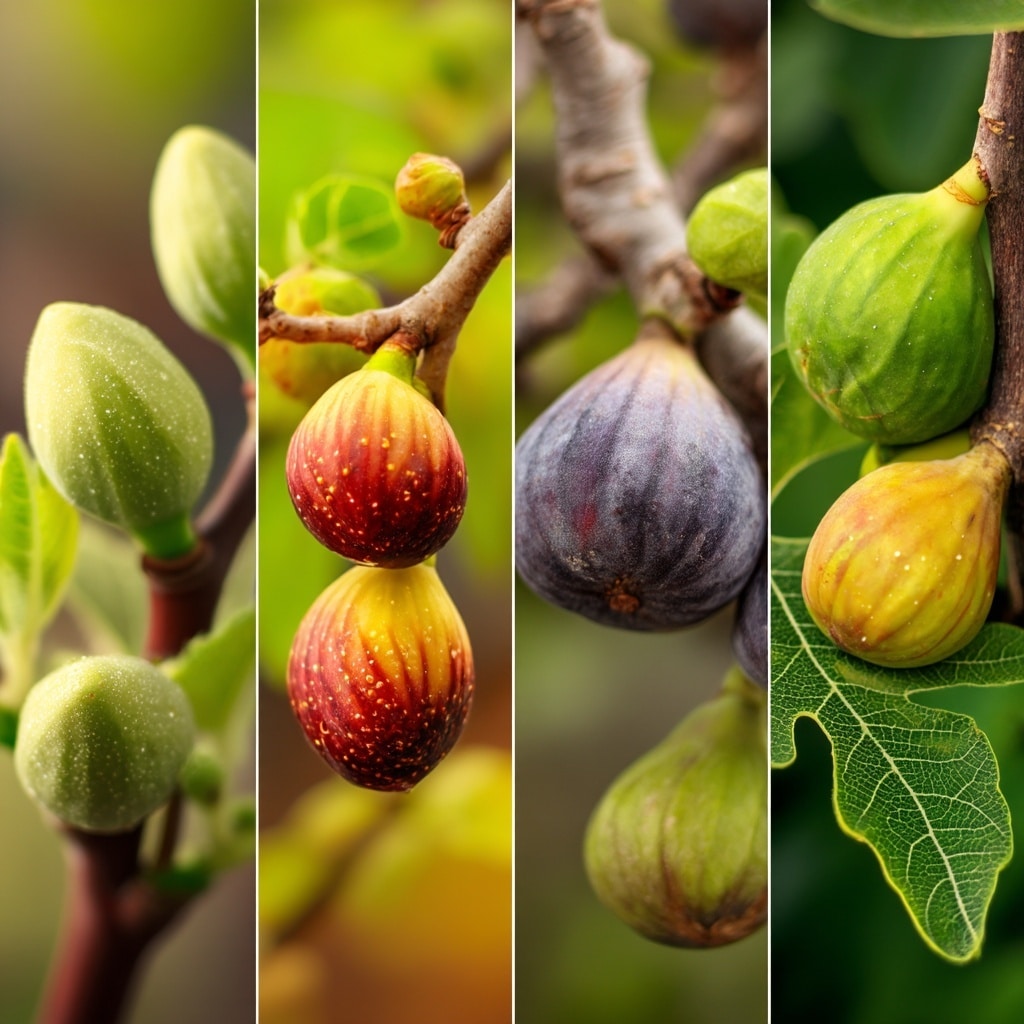
Use this simple seasonal breakdown to stay on top of your fig tree care. Timely tasks will encourage healthier growth, better fruiting, and fewer problems.
🌱 Spring (March–May)
- Uncover outdoor trees or bring potted figs out of storage.
- Begin regular watering as growth resumes.
- Apply a balanced fertiliser every few weeks.
- Check for signs of pest activity and remove any winter-damaged branches.
☀️ Summer (June–August)
- Water deeply and consistently, especially in heat or drought.
- Thin out fruit if overcrowded to allow the largest ones to mature.
- Light pruning after harvest encourages air circulation.
- Monitor for aphids and spider mites.
🍂 Autumn (September–November)
- Harvest figs when soft, drooping, and sweet-smelling.
- Cut back any excessive new growth.
- Reduce watering as the tree slows down.
- Start preparing potted figs for winter storage.
❄️ Winter (December–February)
- Move container figs to a frost-free but unheated area.
- Water sparingly to prevent root drying.
- For in-ground trees, mulch and wrap if needed.
- Take hardwood cuttings for propagation.