
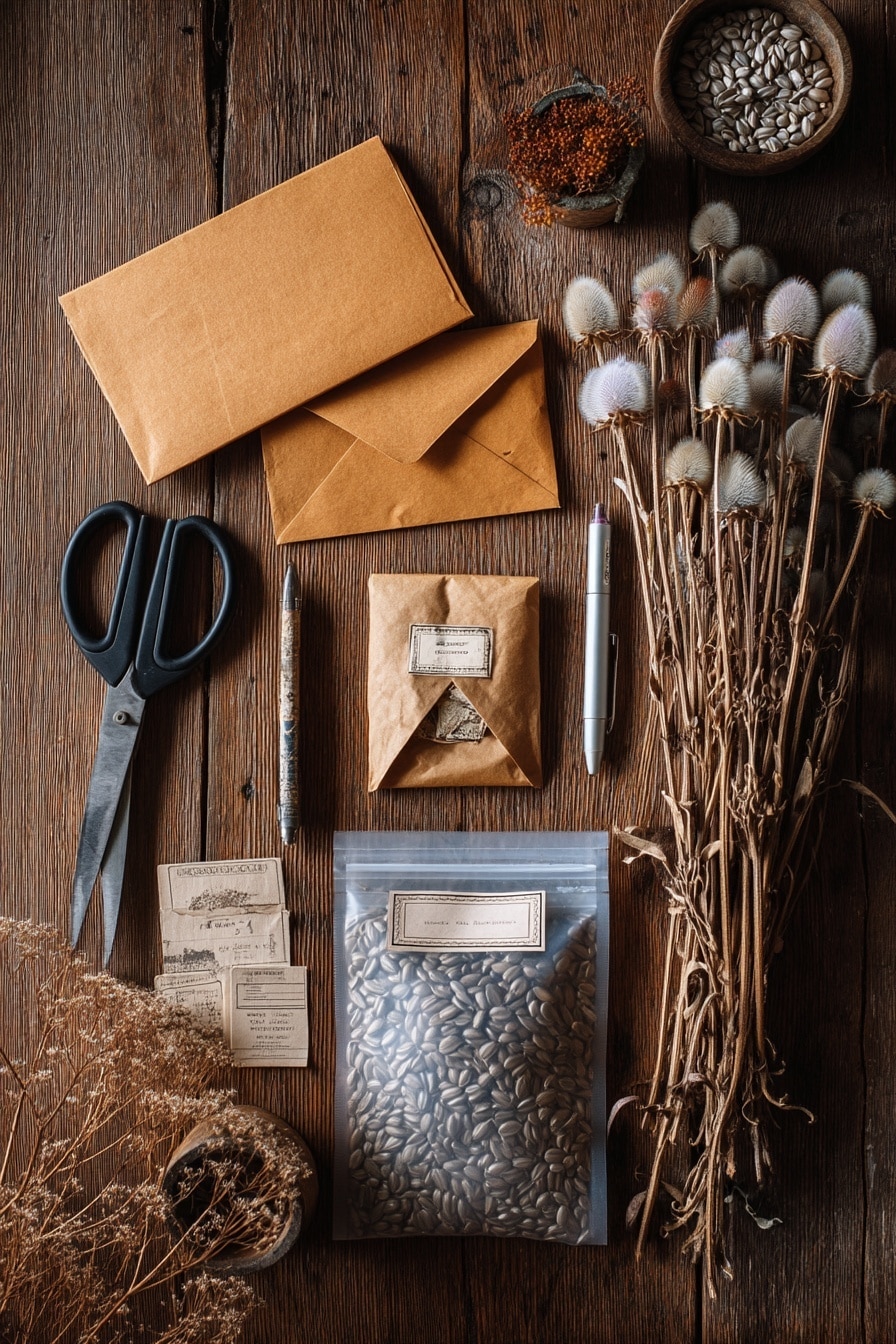
Seeds are nature’s way of giving gardeners a fresh start each season—and fall is one of the best times to collect them. As summer blooms fade and vegetable plants wind down, many are already producing mature seeds, ready to be harvested, saved, and sown again next year.
Gathering seeds in autumn isn’t just a cost-effective way to expand your garden—it’s also a deeply satisfying ritual that connects you with the rhythms of the seasons. Whether you’re saving zinnias from your flower beds or scooping tomato seeds from your final harvest, collecting seeds in fall gives you the opportunity to preserve your garden’s best performers and grow them again with confidence.
Table of Contents
What Seeds Can Be Harvested in Fall?

Autumn is the ideal time to collect mature seeds from a wide variety of plants—flowers, vegetables, fruits, trees, and even shrubs. By harvesting seeds at the end of the growing season, you not only save money but also ensure you’re growing plants that are already adapted to your local climate.
Flower Seeds
Many annuals and perennials produce viable seeds in fall. Let the last few blooms on your plants go to seed instead of deadheading them. Popular flowers for fall seed harvesting include:
- Zinnia
- Marigold
- Black-eyed Susan
- Cosmos
- Sunflower
- Sweet pea
- Echinacea
- Coreopsis
- Hollyhock
These flowers form seed heads, pods, or husks that dry out naturally and are easy to collect once mature.
Vegetable Seeds
Some vegetable seeds can be saved from your final harvest. Be sure to use open-pollinated or heirloom varieties for the best results—hybrids often don’t grow true to type. Good fall vegetable seed candidates include:
- Beans
- Peas
- Heirloom tomatoes
- Peppers
- Melons
Let the pods or fruits ripen fully before collecting the seeds inside.
Fruit, Shrub, and Tree Seeds
Certain fruits and woody plants also yield harvestable seeds in autumn. Apples, blueberries, and similar small fruits can provide viable seeds, though you may not get plants identical to the parent. Trees and shrubs often drop seeds or nuts once fully mature.
Note: Grafted plants (like many fruit trees) may produce seeds, but their offspring won’t match the original tree in quality or yield.
How to Know When Seeds Are Ready to Harvest
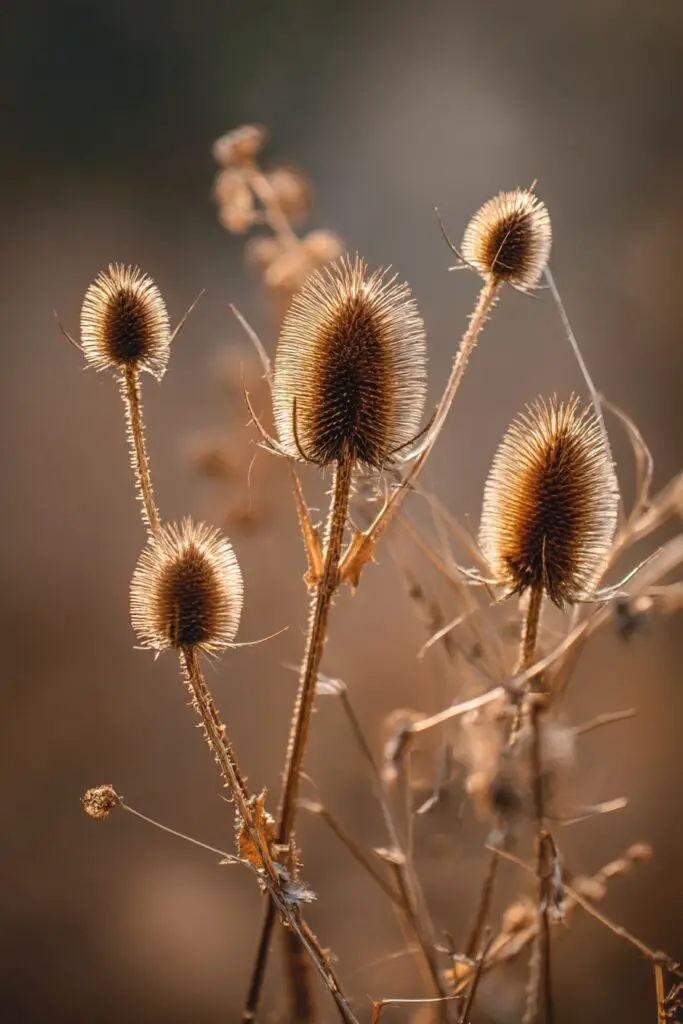
Knowing the right time to collect seeds is key to ensuring they’ll sprout successfully next season. Harvesting too early can result in immature seeds that won’t germinate, while waiting too long risks losing them to wind, pests, or mold.
Signs of Mature Seeds:
- Dry and brittle seed heads – For flowers like marigolds or sunflowers, wait until the flower heads are brown and dry to the touch.
- Pods that turn brown and firm – Pea and bean pods should be dry and rattle when shaken.
- Dark, hard seeds – Mature seeds are usually deep in color and feel firm. If they’re white or soft, they need more time.
- Fruits that are fully ripe – Tomatoes, melons, and peppers should be at their peak ripeness before harvesting the seeds inside.
Take a nature walk through your garden in late fall and examine each plant’s seed-producing parts. The more patient you are, the more viable your seeds will be for planting.
Tools and Tips for Harvesting Seeds
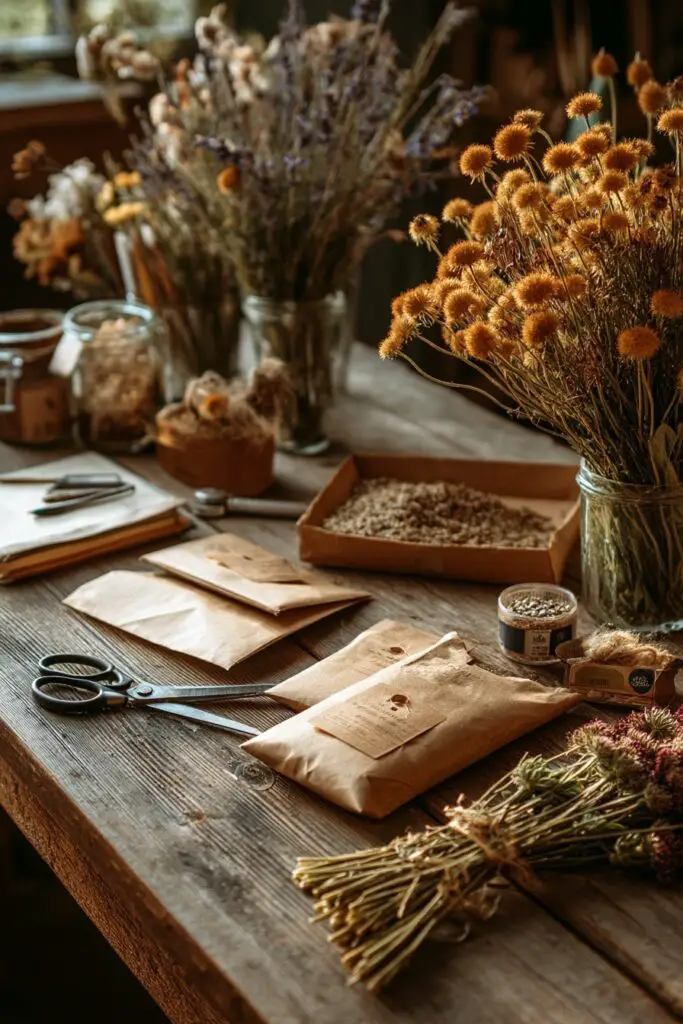
Collecting seeds doesn’t require fancy equipment, but having the right tools and a bit of preparation makes the process smoother and more enjoyable.
What You’ll Need:
- Clean, sharp scissors or garden pruners – For cutting seed heads, pods, or stems cleanly
- Paper envelopes or small paper bags – To separate and label different types of seeds
- Permanent marker or pencil – Label immediately with plant name and date
- Buckets or baskets – Handy for gathering larger quantities from the garden
- Dry weather – Always collect seeds on a warm, dry day to prevent mold and moisture damage
Pro Tips:
- Don’t mix seed types in the same container—you’ll forget what’s what later.
- Collect seeds from the healthiest plants in your garden. This increases the chances of strong, disease-resistant offspring.
- Be gentle when cutting seed heads—some plants drop their seeds easily when touched.
A little organization during collection goes a long way when it’s time to sort, store, and plant your seeds next season.
How to Dry and Store Seeds for Spring Planting
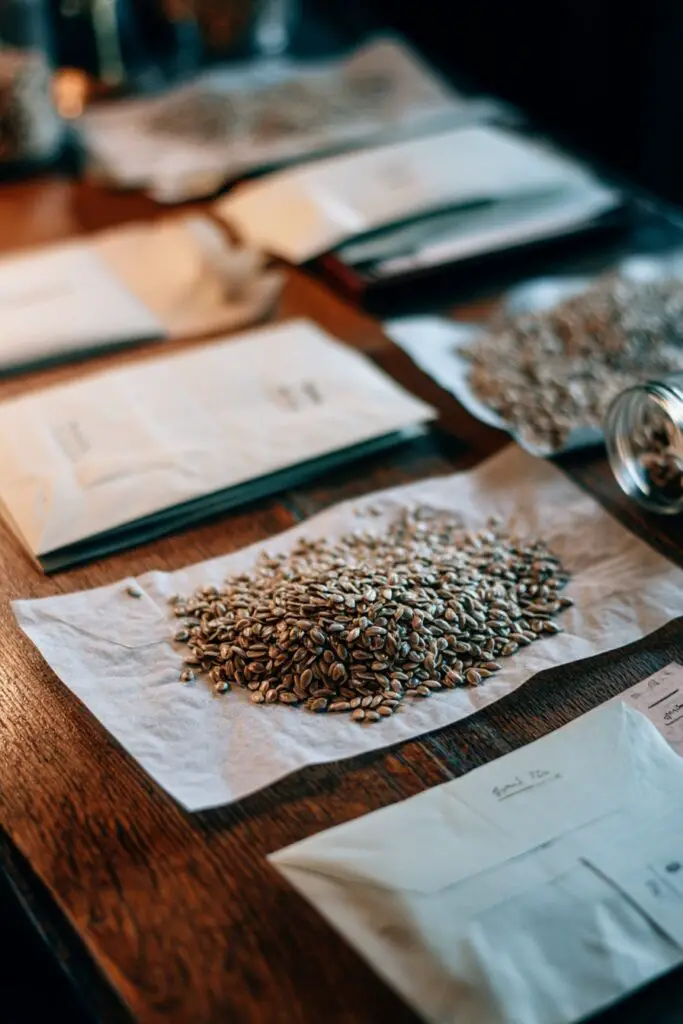
Once your seeds are collected, drying and storing them correctly is critical. Improper storage can lead to mold, rot, or poor germination later on. With just a few simple steps, you can keep your seeds viable for the next growing season.
Drying Your Seeds:
- Spread seeds out on wax paper or newspaper in a single layer.
- Keep them indoors in a dry, well-ventilated area for 5–7 days.
- For pods like beans and peas, let them sit in their shells for a couple of weeks before shelling and drying the seeds.
- Remove husks, pulp, or silk after drying—especially for seeds from fleshy fruits like tomatoes or melons. A quick rinse may help, followed by more air drying.
Storing Seeds the Right Way:
- Place seeds in paper envelopes, not plastic (plastic traps moisture).
- Label each envelope with plant name and harvest date.
- Store envelopes in a sealed container (like a mason jar or tin) with a silica packet or dry rice to absorb excess moisture.
- Keep them in a cool, dry, and dark place—ideally around 40°F (5°C), such as a fridge or basement shelf.
Well-dried and properly stored seeds can stay viable for a year or more, depending on the plant type.
Can You Save Seeds from Hybrid Plants?
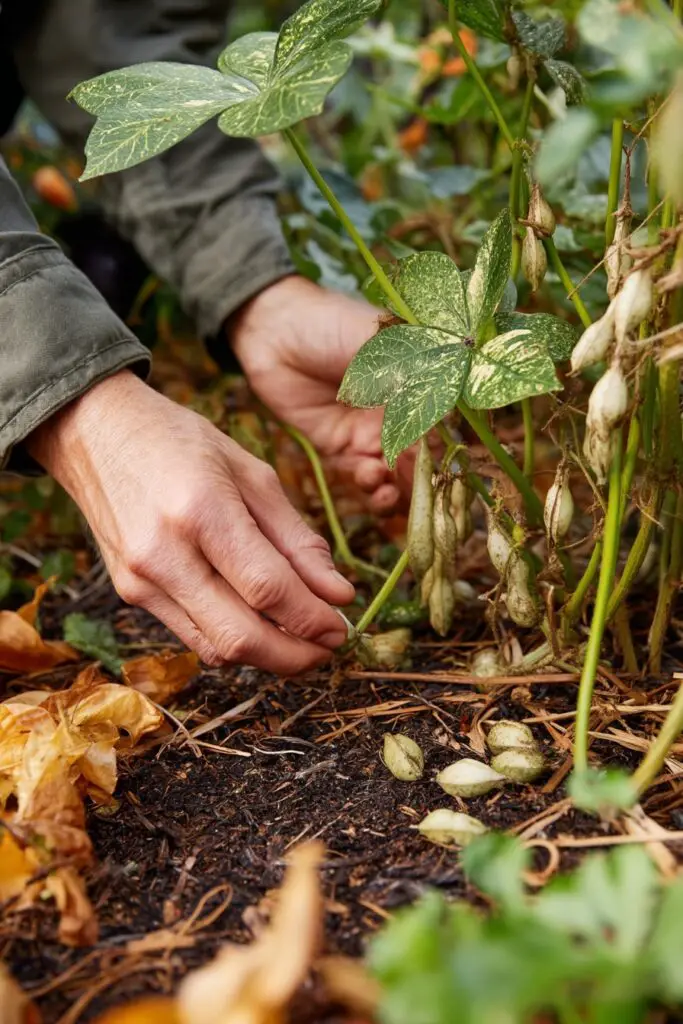
If you’re collecting seeds from your garden, you may be wondering whether hybrid plants are worth saving. The short answer is: it depends on your expectations.
What You Need to Know:
- Hybrid plants are bred from two different parent plants to produce specific traits like disease resistance or bigger blooms.
- While they often grow beautifully in your garden, the seeds they produce won’t grow into identical copies.
- Instead, you may get unpredictable results—plants with different size, color, or flavor than the original.
Should You Still Try?
Absolutely—if you’re curious! Many gardeners enjoy the surprise of growing plants from hybrid seeds. While they might not match the parent, they could still be healthy, beautiful, and productive.
Just don’t rely on hybrid seeds for important crops or uniform results. For consistent performance, it’s best to save seeds from heirloom or open-pollinated varieties.
Conclusion: Make Fall the Start of Next Season’s Garden
Saving seeds in the fall is one of the most rewarding ways to extend your gardening journey. Whether you’re gathering dried flower heads or scooping seeds from ripe vegetables, the process connects you to your plants in a meaningful way—and sets you up for a productive spring.
By learning when to harvest, how to dry, and how to store your seeds properly, you’ll create a custom seed bank filled with varieties that already thrive in your soil and climate. It’s economical, sustainable, and a great excuse to spend more time in your garden.