
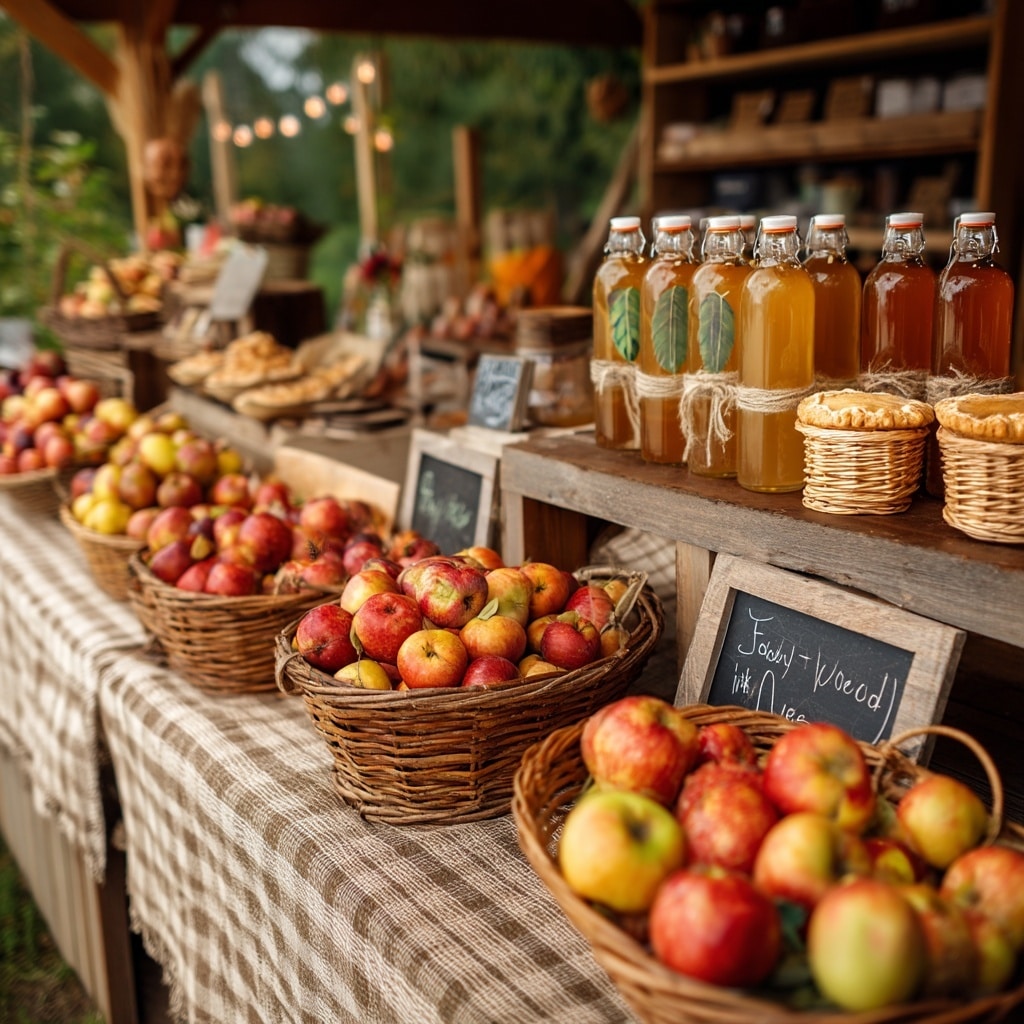
Apple orchard management is both an art and a science—one that blends agricultural know-how with patience, planning, and passion. Whether you’re dreaming of cultivating rows of crisp, sweet apples or turning your land into a thriving business, understanding the full scope of what it takes to run an apple orchard is essential for long-term success.
From selecting the right varieties and caring for young trees to managing pests and marketing your harvest, every step plays a crucial role. This guide walks you through everything you need to know to grow, sustain, and profit from your apple orchard, while keeping sustainability and quality at the heart of your operation.
Table of Contents
1. Understanding the Apple Tree Varieties

One of the most important decisions in establishing an apple orchard is choosing the right mix of apple tree varieties. Each variety has its own flavor, texture, harvest time, and market appeal. To create a productive and profitable orchard, it’s crucial to balance consumer favorites with regional suitability.
Classic choices like Red Delicious, Granny Smith, and Gala offer reliable yields and broad appeal, while modern varieties like Honeycrisp or Pink Lady command premium prices. Consider your climate, chill hour requirements, and disease resistance when making selections. You’ll also want to mix early, mid-season, and late ripening apples to spread out the harvest and reduce labor strain.
A diverse apple orchard not only ensures a longer season but also appeals to a wider customer base.
2. Site Selection and Preparation
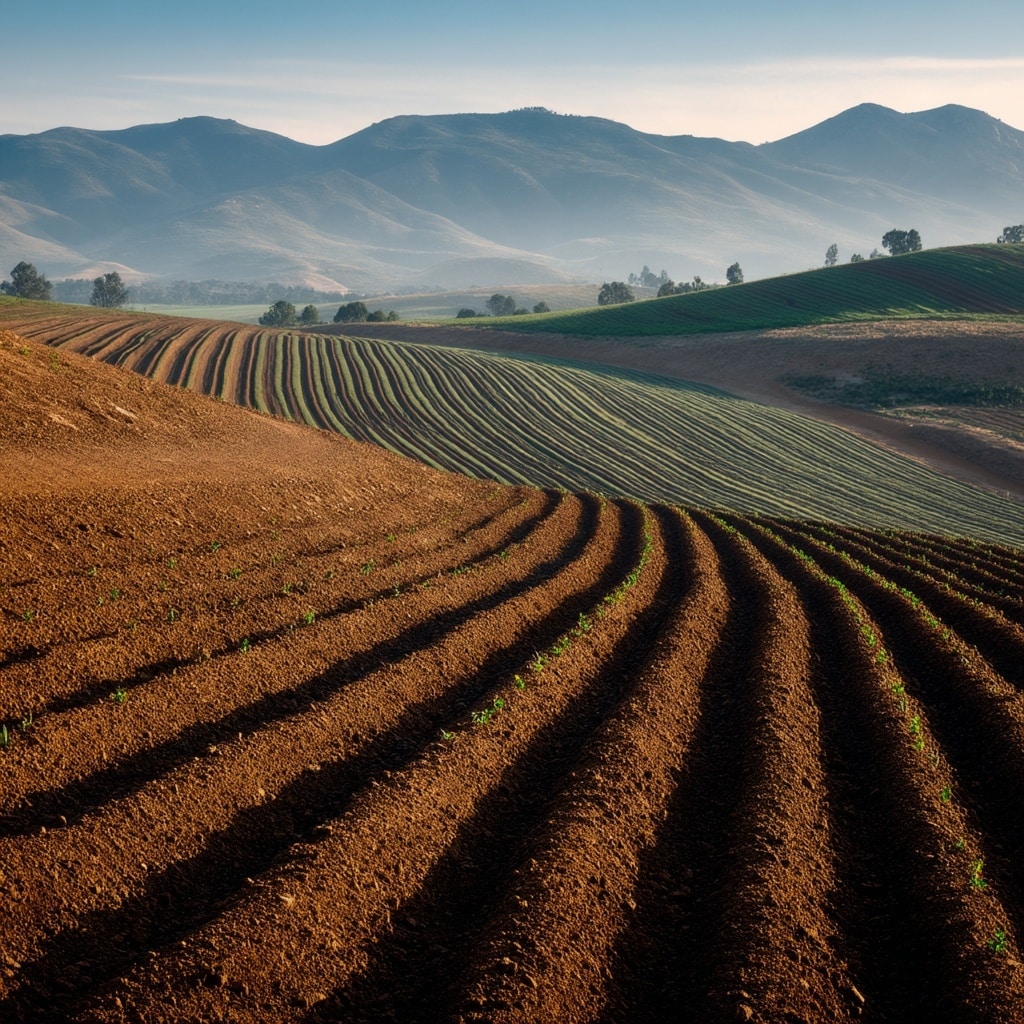
Choosing the right location for your apple orchard lays the foundation for healthy trees and high-quality fruit. A well-chosen site minimizes risks from frost, poor drainage, and inadequate sunlight—all of which can impact yield.
Look for land with gentle slopes and good air circulation, which help reduce frost pockets and fungal issues. Elevation can be beneficial for airflow and cold drainage. Ideally, the soil should be well-draining loam or sandy loam, rich in organic matter but not prone to waterlogging.
Perform a soil test before planting to check pH levels (ideally 6.0–6.5) and nutrient availability. Full sun exposure—at least 6–8 hours a day—is vital for fruit development, so avoid shaded areas from buildings or trees.
Proper site preparation now ensures your apple orchard thrives for decades.
3. Essential Care for Young Apple Trees
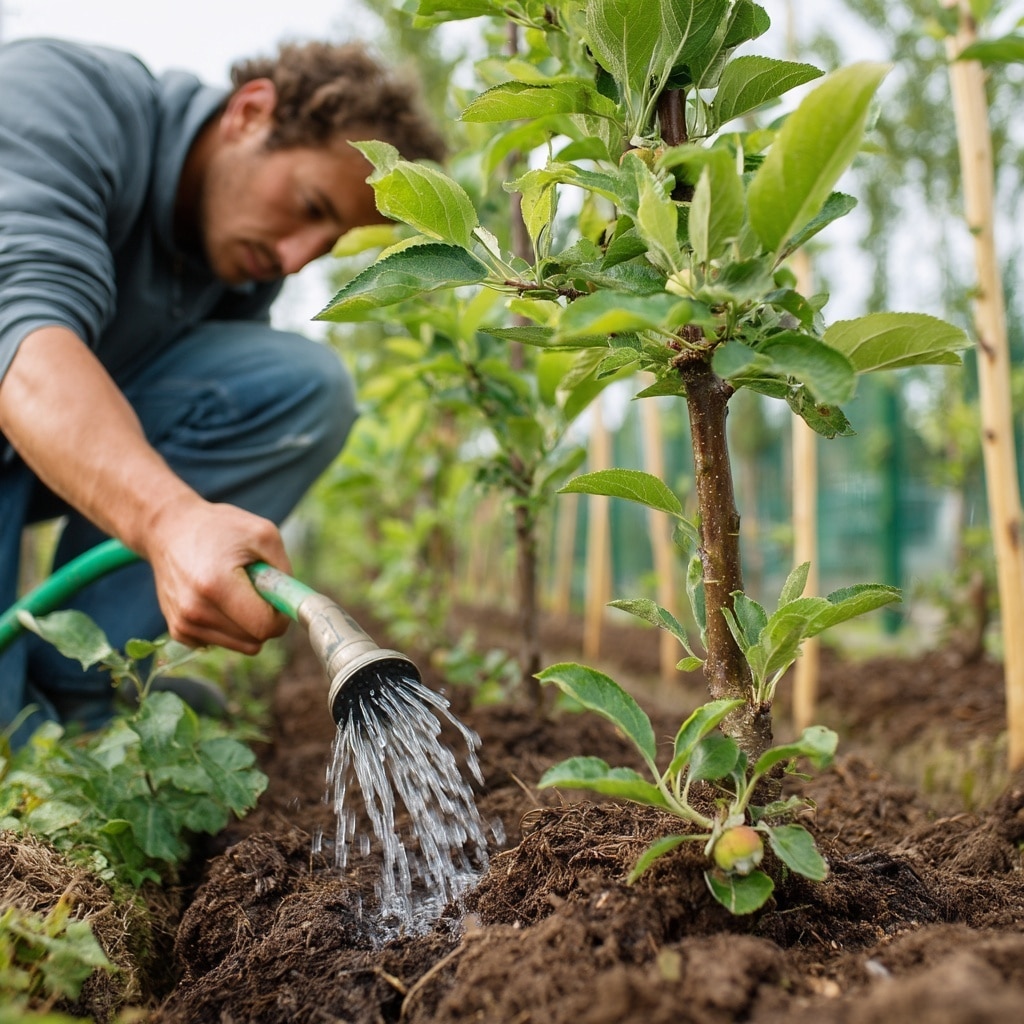
The early years of an apple orchard are all about setting strong foundations. Young apple trees require close attention to watering, nutrition, and structure to ensure long-term health and productivity.
Watering is crucial—especially in the first two years. Provide deep, consistent watering to promote strong root systems. Avoid frequent shallow watering, which leads to weak surface roots.
Use a balanced fertilizer in spring to encourage healthy leaf and root development. Mulching with organic matter helps retain moisture and suppress weeds, but keep mulch away from the tree trunk to prevent rot.
Most importantly, prune in the first year to establish a strong central leader and evenly spaced scaffold branches. This structure supports future fruit loads and makes orchard maintenance easier.
Investing time into young tree care gives your apple orchard a solid start.
4. Fertilization and Soil Management
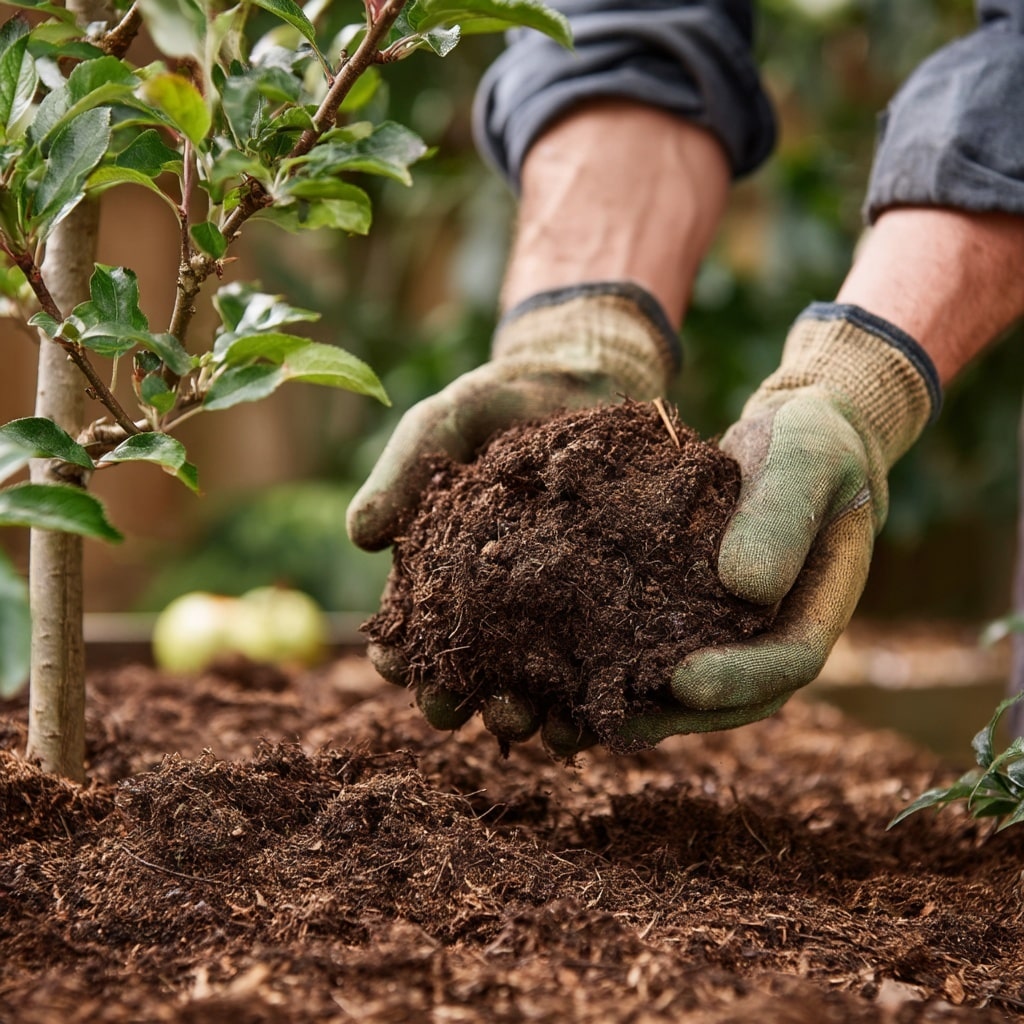
Proper soil health is the backbone of any successful apple orchard. Fertilization and ongoing soil management directly influence fruit quality, tree vigor, and long-term sustainability.
Start with annual soil testing to monitor pH levels and nutrient balance. Based on the results, apply fertilizers tailored to your orchard’s needs—typically nitrogen in early spring to support vegetative growth, followed by potassium and phosphorus for fruit development.
Incorporate organic matter like compost or well-rotted manure to improve soil structure and microbial activity. This not only boosts fertility but also enhances water retention and drainage.
Avoid over-fertilizing, especially with nitrogen, as it can lead to excessive leafy growth at the expense of fruit. Aim for a balanced approach that nourishes your trees without stressing the ecosystem.
Smart soil care keeps your apple orchard productive year after year.
5. Pruning and Training Apple Trees
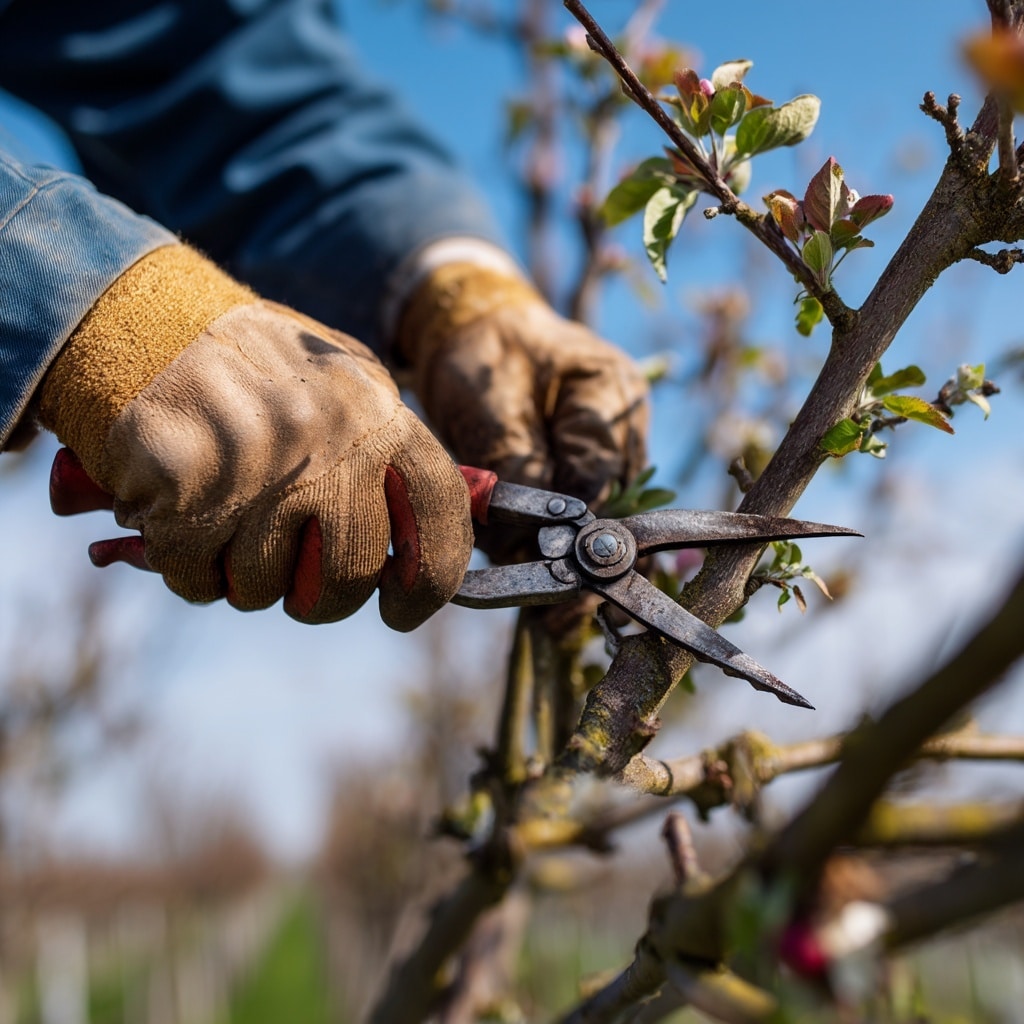
Pruning and training are essential for shaping your apple orchard into a healthy, high-yielding landscape. These practices help control tree size, improve airflow, increase sunlight penetration, and ultimately lead to better fruit quality.
Pruning begins in late winter or early spring, while trees are dormant. Remove dead, diseased, or crossing branches to open up the canopy. Focus on maintaining a strong central leader with well-spaced scaffold limbs. This structure supports fruit weight and allows light to reach all parts of the tree.
Training uses stakes, trellises, or guides to direct growth—especially important in the early years. Espalier techniques or high-density systems like tall spindle setups are popular in commercial orchards for easier harvesting and better light distribution.
Regular pruning and training protect tree health and ensure your apple orchard remains productive and easy to manage.
6. Pest and Disease Management
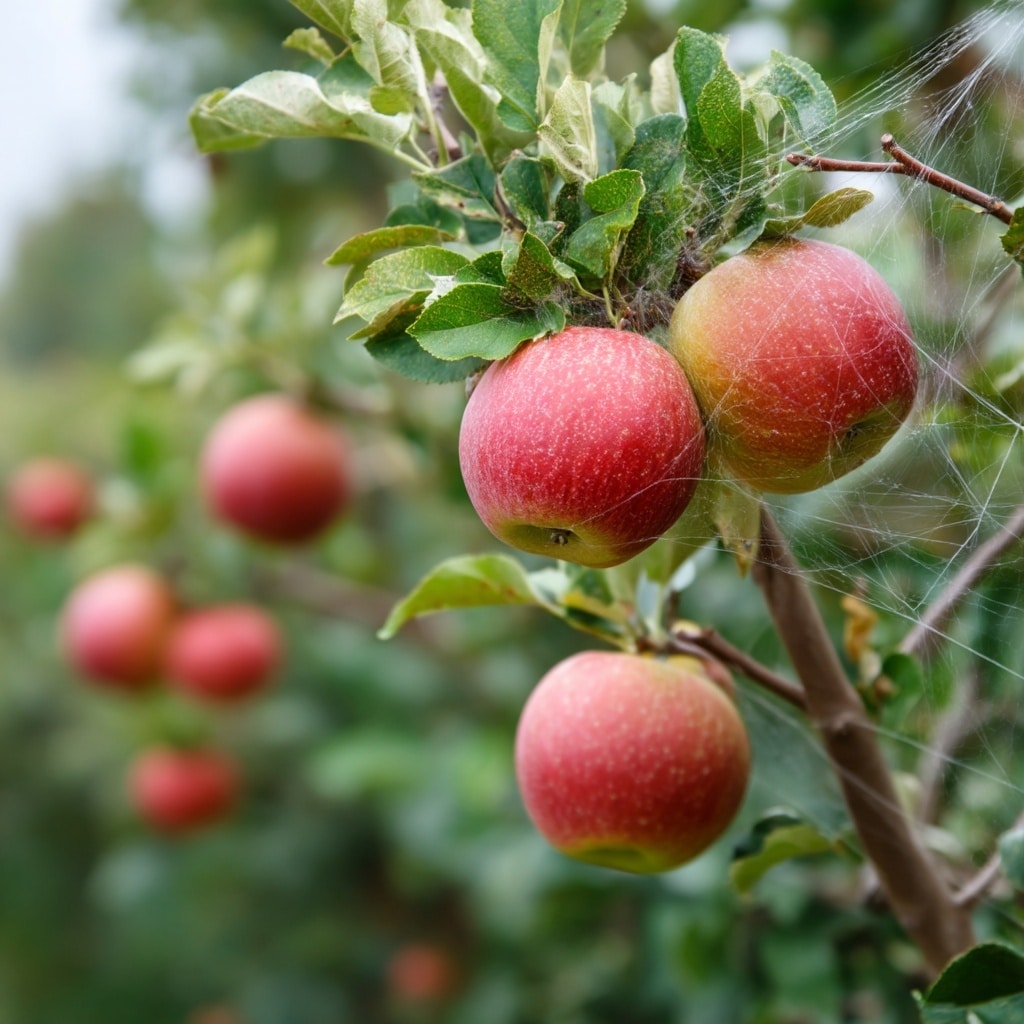
No matter how well you plan, pests and diseases will eventually challenge your apple orchard. The key to minimizing damage is adopting an integrated pest management (IPM) strategy that combines prevention, observation, and targeted control.
Common pests like codling moths, apple maggots, and aphids can devastate fruit if left unchecked. Use pheromone traps to monitor insect populations and disrupt mating cycles. Natural predators such as ladybugs and lacewings can help reduce pest numbers without chemicals.
Diseases like apple scab, fire blight, and powdery mildew thrive in humid conditions. Improve airflow through pruning, avoid overhead watering, and choose disease-resistant varieties whenever possible.
When necessary, use organic or conventional sprays based on lifecycle timing—not habit. Routine inspections and early intervention are key to keeping your apple orchard healthy and your harvest intact.
7. Harvesting Your Apples
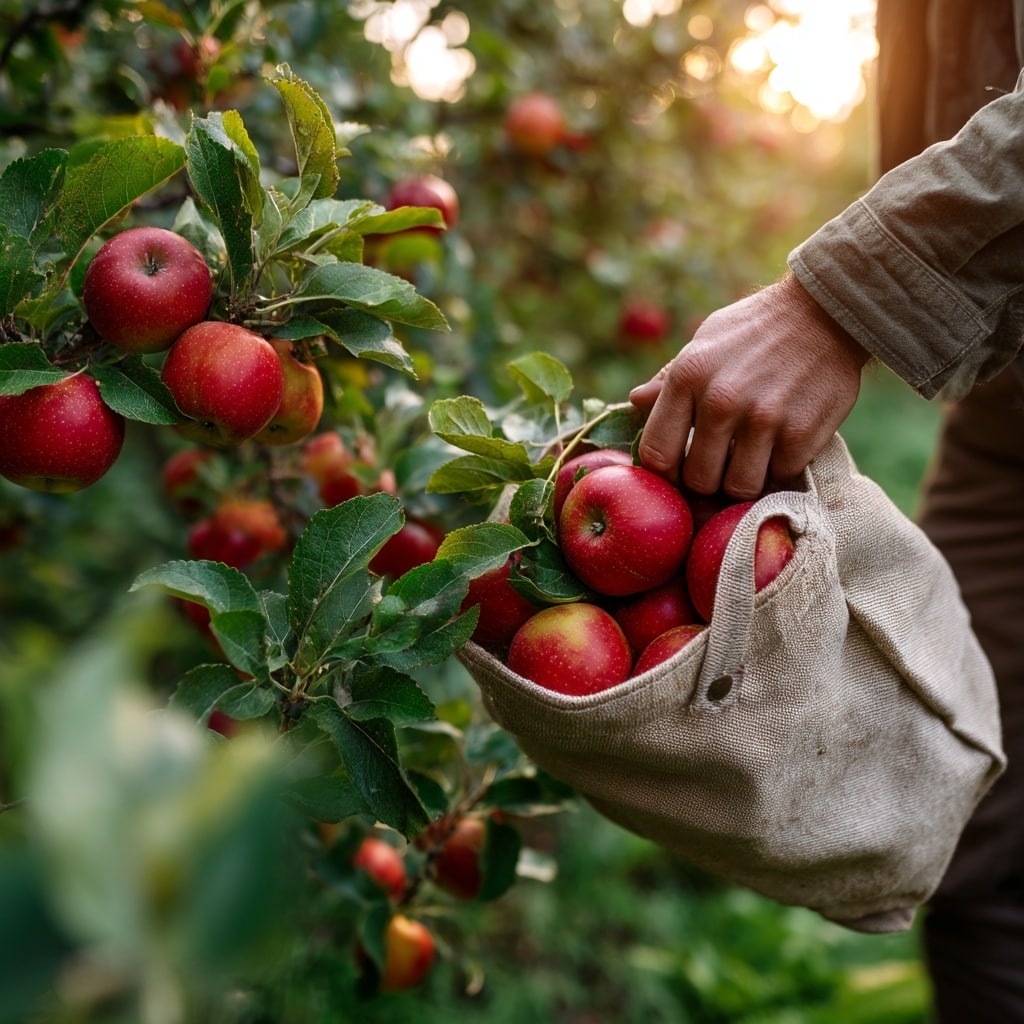
The harvest season is when your apple orchard finally pays off—literally and figuratively. But timing is everything. Picking too early can result in underdeveloped flavor, while waiting too long risks spoilage or bruising.
Each apple variety ripens at a different time, usually between late summer and mid-fall. Check for maturity signs like deep color, firmness, and easy detachment from the branch. Cut open a few samples—brown seeds usually indicate ripeness.
Harvest apples by hand to avoid bruising, gently twisting each fruit upward. Use padded picking bags or baskets to protect the fruit as you go.
Plan ahead for labor needs, especially in large orchards. A well-organized harvest not only maximizes fruit quality but also sets the stage for successful post-harvest handling and sales.
The way you pick your apples reflects the care you’ve put into your apple orchard all year long.
8. Post-Harvest Handling and Storage
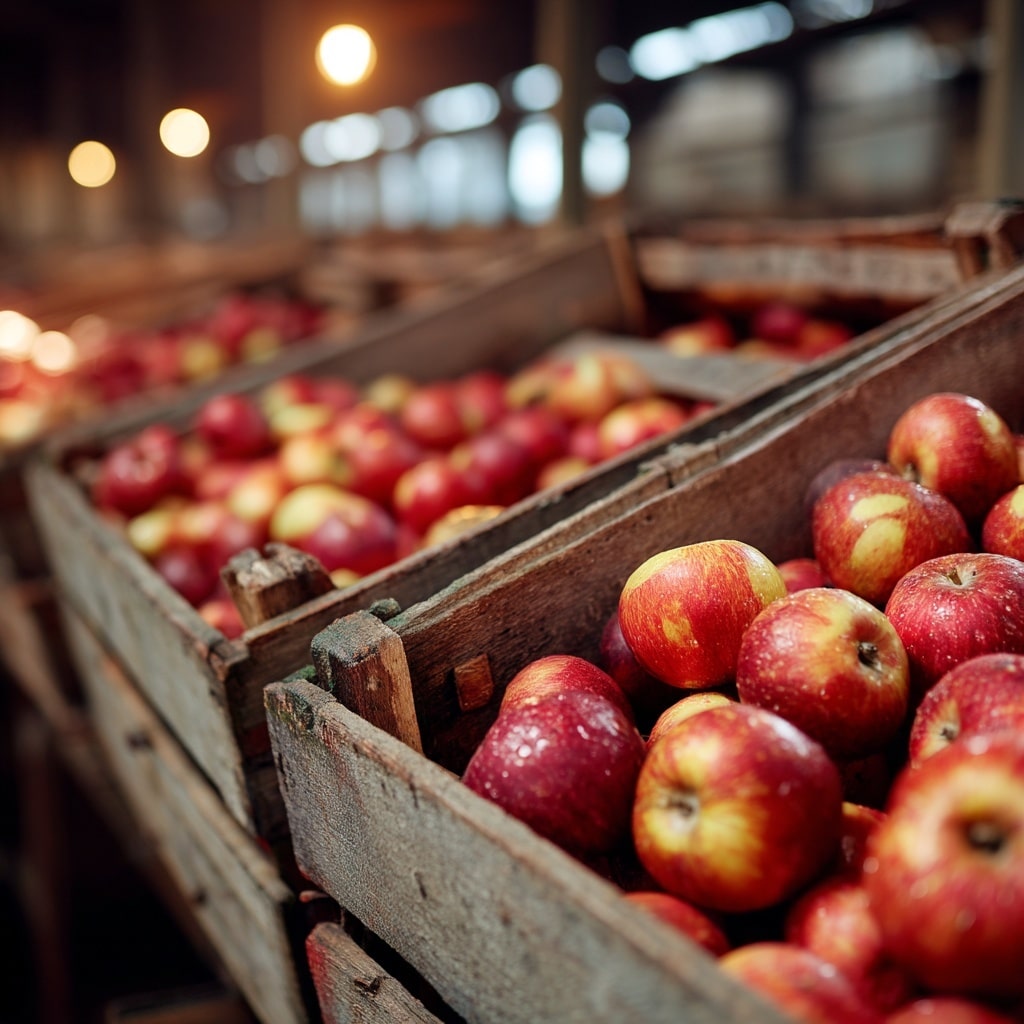
After harvest, how you handle your apples can make or break your apple orchard‘s profitability. Post-harvest care ensures that fruit stays fresh, flavorful, and market-ready for weeks—or even months.
Begin by sorting apples immediately after picking. Separate those with bruises, blemishes, or pest damage from high-quality fruit. Use clean, padded surfaces to minimize injury during handling.
For long-term storage, consider controlled atmosphere (CA) storage, which slows ripening by reducing oxygen and maintaining cool, humid conditions. This method helps preserve crispness, color, and flavor while extending shelf life.
If CA storage isn’t available, use cold rooms or refrigeration set around 32°F (0°C) with high humidity. Avoid storing apples with strong-smelling items, as they can absorb odors.
Efficient post-harvest practices help your apple orchard deliver fresh, high-quality fruit well beyond the picking season.
9. Marketing Your Apples
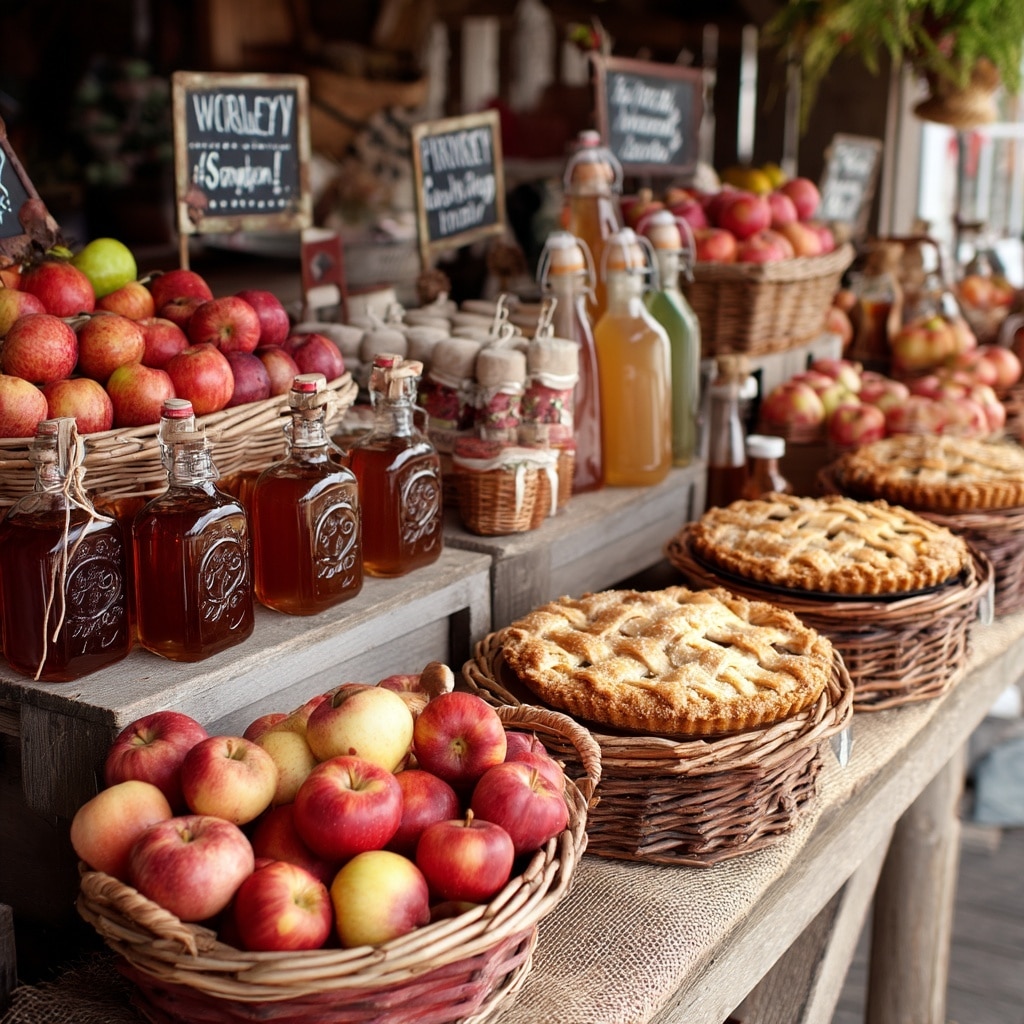
A thriving apple orchard doesn’t stop at the harvest—it extends into smart, strategic marketing. Selling apples successfully requires understanding your market and offering products that meet demand.
Start by identifying multiple sales channels:
- Local farmers’ markets
- CSA (Community Supported Agriculture) programs
- Grocery stores or co-ops
- Direct-to-consumer via your website or social media
Enhance your offerings with value-added products like fresh-pressed cider, dried apples, or baked goods. Hosting seasonal “U-pick” events or fall festivals also builds community engagement and adds revenue.
Strong branding, attractive packaging, and a consistent supply are key to winning repeat customers. Even something as simple as offering bulk apple bags or branded boxes can boost your orchard’s professional appeal.
The more people who love your apples, the more sustainable and profitable your apple orchard becomes.
10. Maintaining Sustainability in Your Orchard
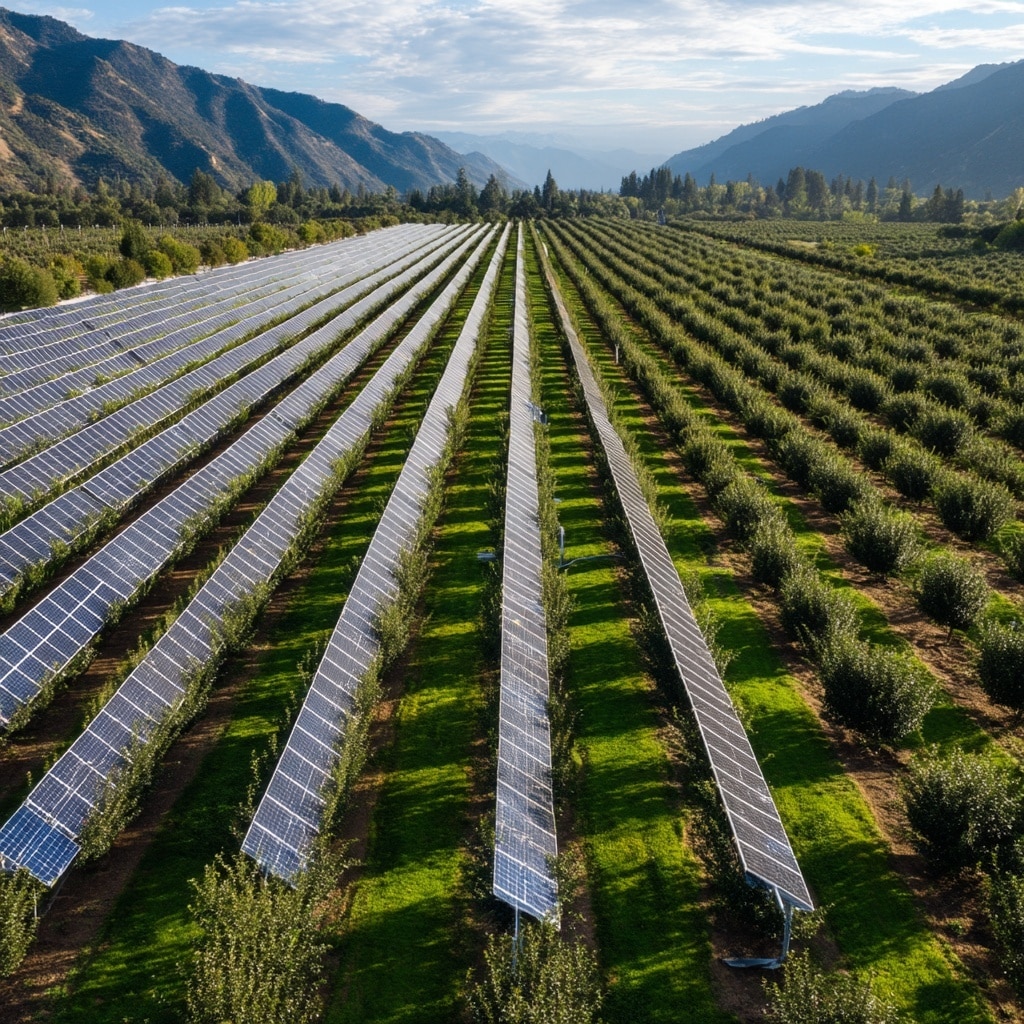
Long-term success in an apple orchard depends not just on profits, but on preserving the land that supports it. Sustainable orchard practices protect your soil, water, trees, and local ecosystem—ensuring that your farm thrives for generations.
Implement integrated pest management (IPM) to reduce chemical inputs and support natural balance. Use drip irrigation systems to conserve water and prevent disease caused by overwatering. Apply compost and organic matter to enrich soil health and reduce reliance on synthetic fertilizers.
Plant cover crops to prevent erosion, attract pollinators, and improve soil structure. Consider renewable energy options—like solar-powered equipment—for added environmental impact.
Today’s consumers increasingly value eco-conscious farms. Running a sustainable apple orchard not only benefits the planet—it also boosts your orchard’s credibility and appeal in a competitive marketplace.
Conclusion
Running an apple orchard is a rewarding journey that blends careful planning, hands-on care, and smart business strategy. From choosing the right tree varieties and maintaining healthy soil to mastering pest control and marketing your apples, every detail contributes to your orchard’s success.
Whether you’re just planting your first trees or managing a mature orchard, keeping sustainability, quality, and customer connection at the core of your approach will help your apple orchard thrive for years to come.