
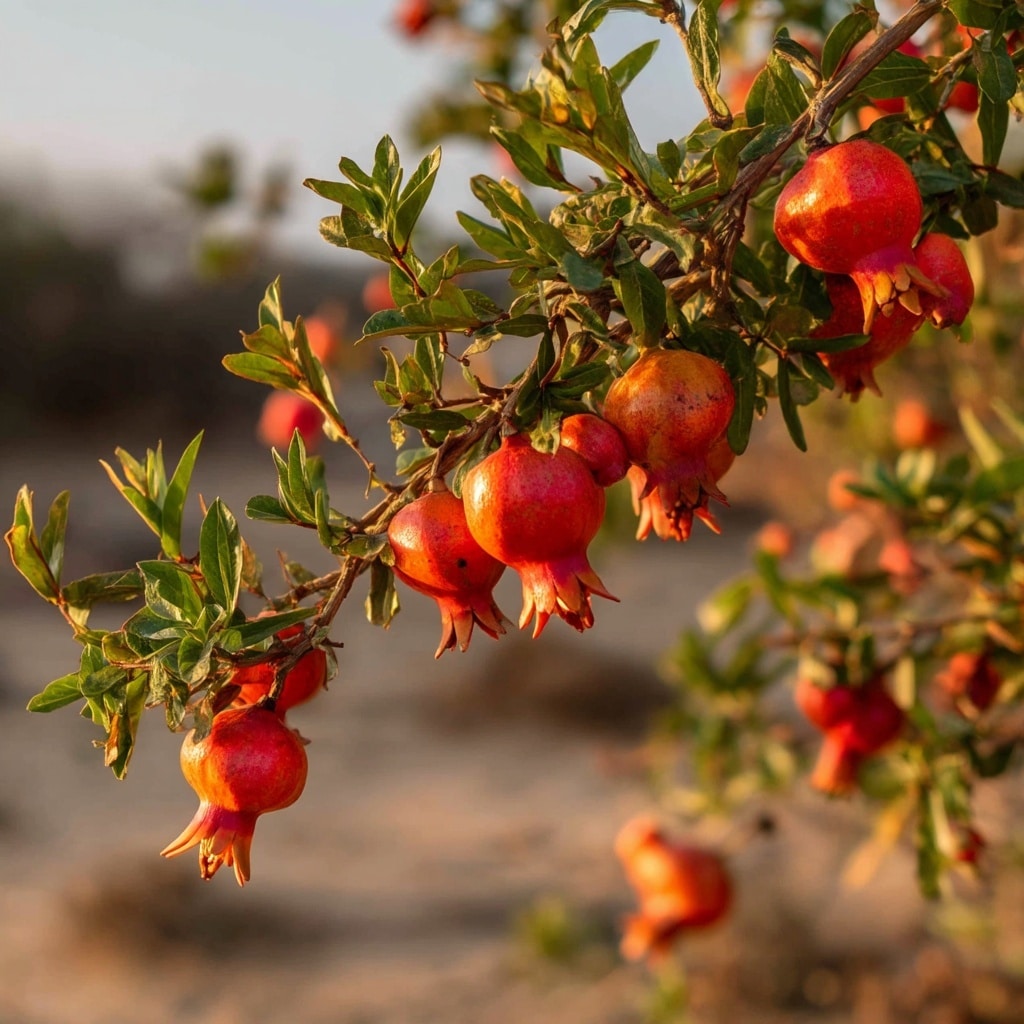
Fruit trees are a rewarding addition to any home garden, offering fresh harvests and natural beauty. But in areas where water is scarce or rainfall is unpredictable, traditional varieties may struggle to thrive. The good news? Some fruit trees are naturally drought-tolerant, with deep root systems and adaptive traits that make them perfect for low-water landscapes. These resilient choices not only survive but flourish in dry climates—delivering fruit, shade, and structure with far less effort. Whether you live in an arid region or simply want a more sustainable garden, these five hardy trees deserve a place in your yard.
Table of Contents
Table of Contents
1. Stella Fig Tree

If you’re looking for fruit trees that can handle the heat with minimal fuss, the Stella fig tree is an excellent choice. Known for its deep root system and ability to thrive on natural rainfall alone, this variety is well-suited to dry climates where water conservation is key.
Why It Works in Dry Weather:
The Stella fig (Ficus carica) is incredibly drought-tolerant once established. Its roots dig deep into the soil, allowing it to access moisture even during prolonged dry spells. It flourishes in warm, sunny locations and tolerates a range of soil types, making it perfect for xeriscaping and Mediterranean-style gardens.
Fruit & Features:
From late summer to early fall, this tree produces large, sweet green figs that ripen to a soft, juicy texture. The fruit is delicious straight off the branch or used in preserves and baking. The tree’s lush foliage also adds a rich, tropical vibe to your landscape.
- USDA Zones: 7–11
- Size: 8–10 feet tall x 5–6 feet wide
- Care Needs: Full sun; well-draining, loamy or normal soil
💡 Tip: Try pairing it near other drought-friendly herbs like rosemary or lavender for a cohesive, water-wise garden bed.
2. Eversweet Pomegranate Tree
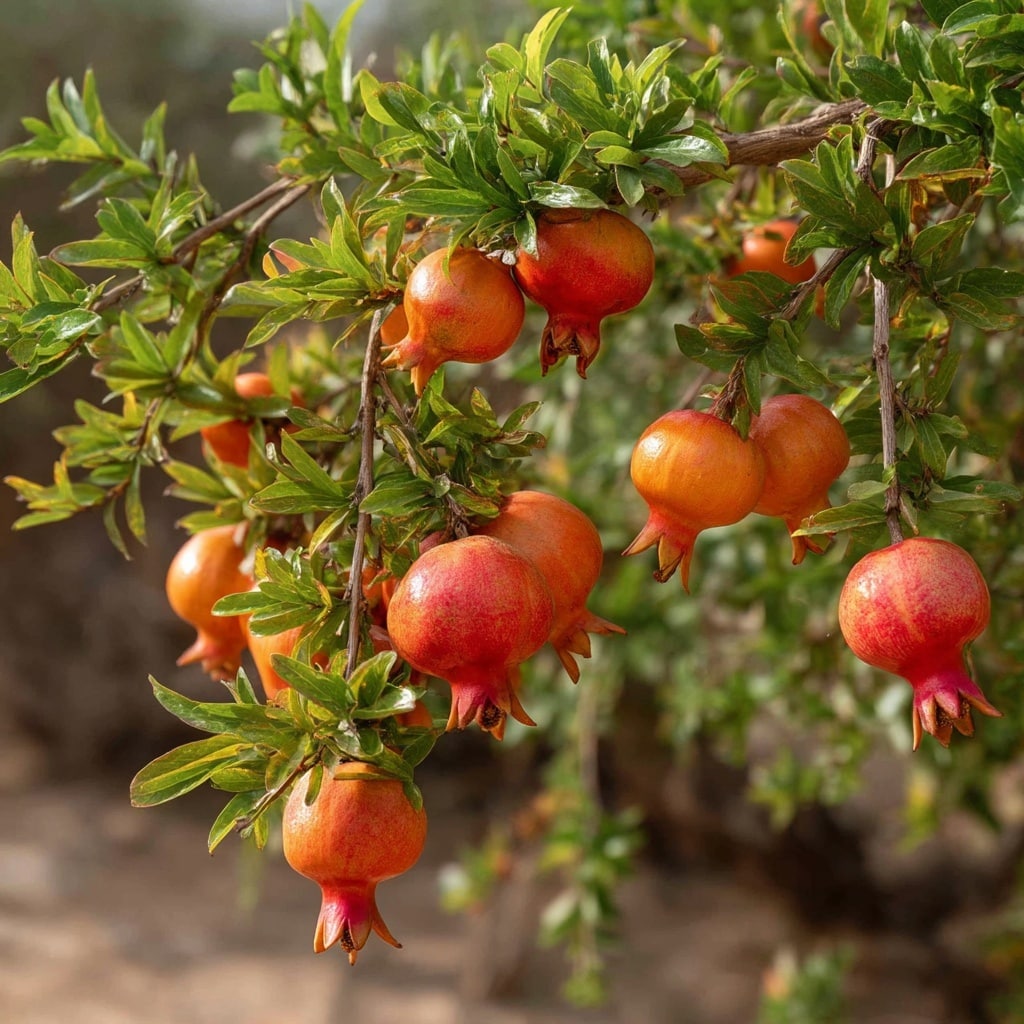
When it comes to vibrant, low-water fruit trees, the Eversweet pomegranate stands out. It delivers stunning ornamental appeal, incredible drought resistance, and juicy fruit that’s as beautiful as it is flavorful.
Why It Works in Dry Weather:
Pomegranates have naturally deep root systems that help them endure long, hot summers with very little supplemental watering. The Eversweet variety is especially tolerant of drought, making it ideal for dry gardens, urban yards, or even container planting.
Fruit & Features:
Eversweet produces glossy green leaves and eye-catching orange-red flowers through late summer and early fall. The fruit has nearly clear juice sacs that are sweet even before they’re fully mature—and they’re virtually seedless, making them easier to enjoy fresh. Whether you grow it in the ground or in a pot, this tree delivers both flavor and flair.
- USDA Zones: 9–11
- Size: 8–12 feet tall x 8–10 feet wide
- Care Needs: Full sun; well-draining soil
💡 Bonus: Its upright shape and manageable size make it a great fit for small backyards or edible landscaping designs.
3. Arbequina Olive Tree
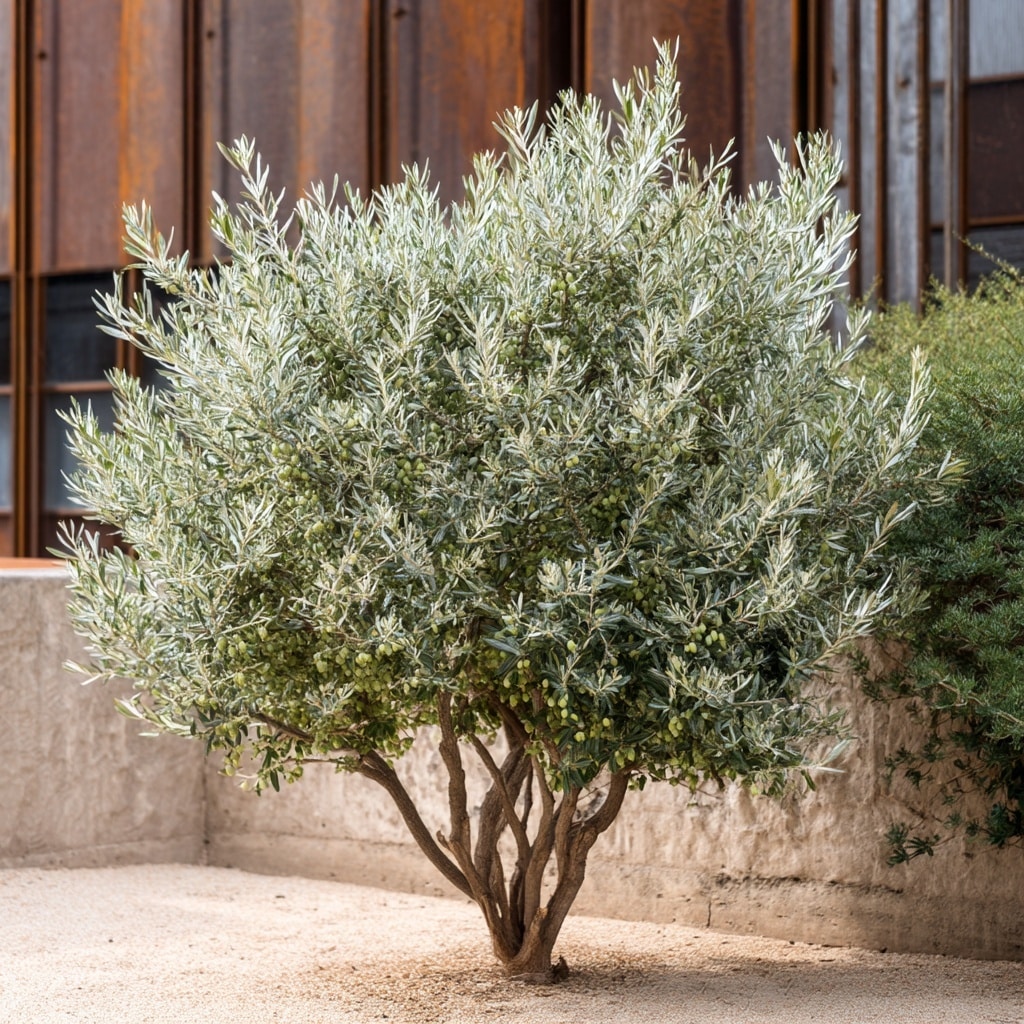
Among drought-tolerant fruit trees, the Arbequina olive tree is a timeless Mediterranean favorite. It brings together beauty, durability, and the delicious reward of homegrown olives—all with minimal water requirements.
Why It Works in Dry Weather:
This self-pollinating tree is built for tough climates. Once established, the Arbequina requires very little supplemental water and thrives in hot, dry conditions. It also tolerates poor soils, including sandy or even salty ones, making it ideal for coastal gardens or arid landscapes.
Fruit & Features:
The tree produces small, flavorful olives that can be cured and used in salads, oils, or charcuterie boards. Its elegant weeping branches and silvery-green leaves add a soft, textural element to the garden. Plus, fragrant spring blooms attract pollinators.
- USDA Zones: 8–9
- Size: 20 feet tall x 12 feet wide
- Care Needs: Full sun; dry, well-draining soil
💡 Tip: For colder climates, grow it in a large container and bring it indoors during the winter months.
4. American Plum Tree
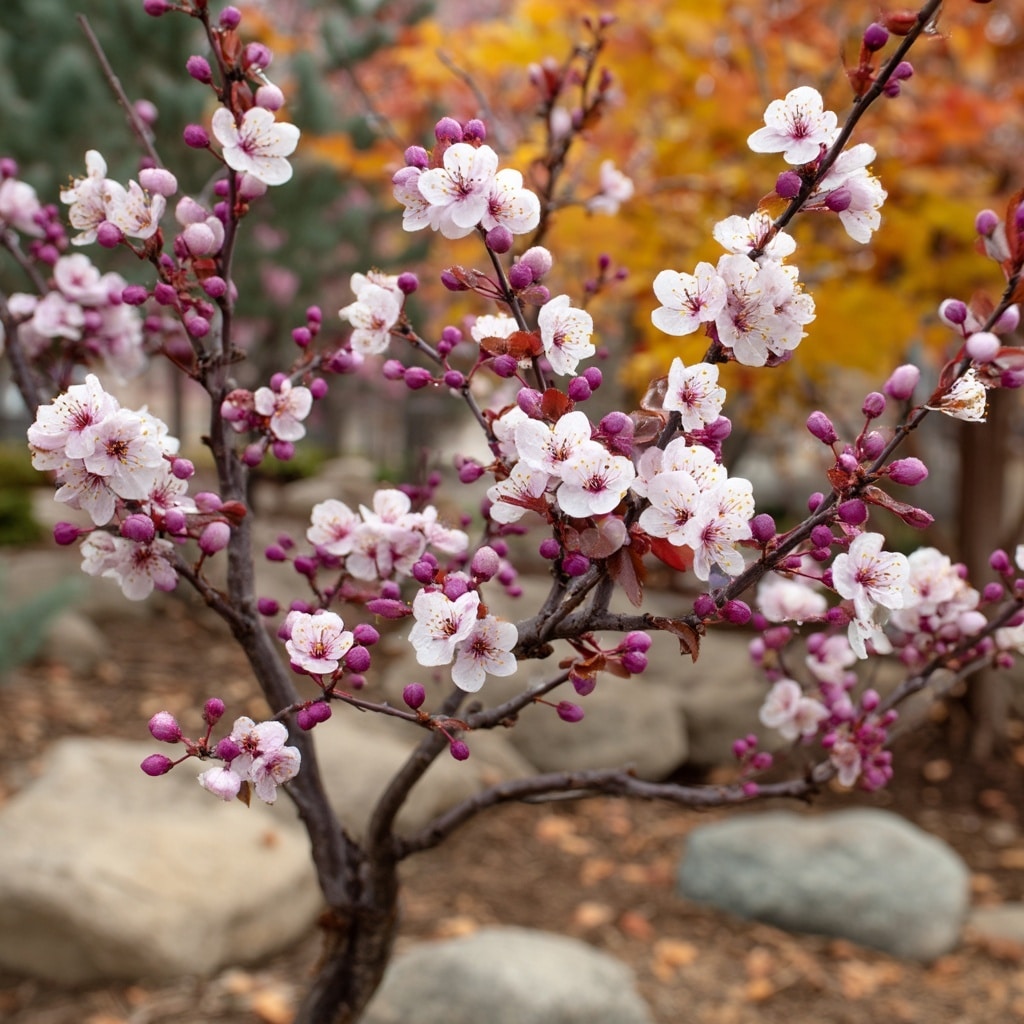
The American plum tree is a native gem that deserves more attention among drought-tolerant fruit trees. It’s hardy, fast to mature, and thrives in a wide range of soils—including dry, rocky, or sandy conditions.
Why It Works in Dry Weather:
Thanks to its deep and extensive root system, the American plum (Prunus domestica) adapts well to drought-prone environments. It’s naturally suited to areas with fluctuating weather and minimal rainfall. This makes it a reliable option for gardeners looking to reduce irrigation while still enjoying seasonal harvests.
Fruit & Features:
Expect fragrant spring blossoms, vibrant fall foliage, and juicy, dark purple plums by the third year after planting. The fruit is ideal for fresh eating, baking, or turning into jams. This low-maintenance tree adds color and productivity to any backyard orchard.
- USDA Zones: 3–8
- Size: 20 feet tall x 15 feet wide
- Care Needs: Full sun to partial shade; dry, loamy, well-draining soil
💡 Bonus: Its native status makes it a great candidate for wildlife-friendly gardens, offering food and shelter for pollinators and birds.
5. Red Mulberry Tree
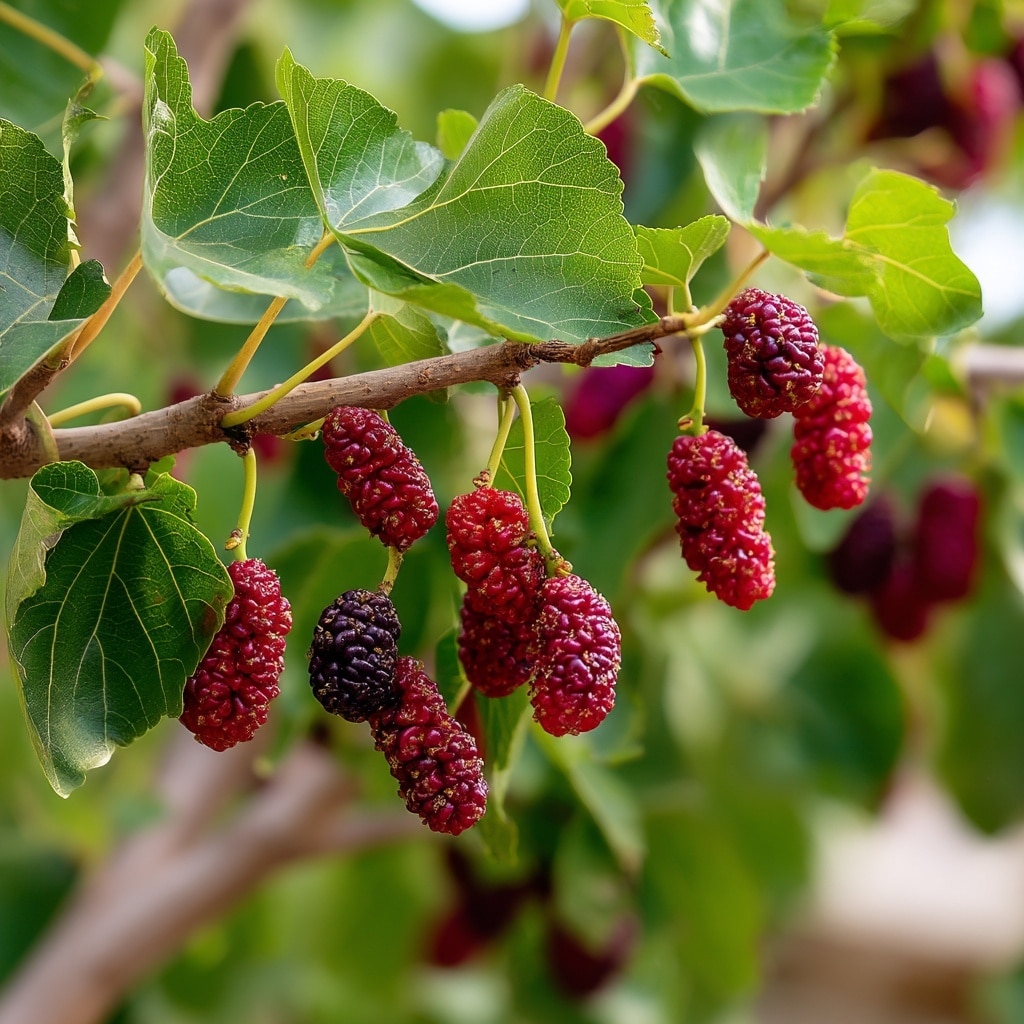
If you’re working with a large space and want a shade tree that doubles as a fruit producer, the red mulberry is a drought-hardy powerhouse. It’s one of the most generous fruit trees when it comes to feeding both humans and wildlife.
Why It Works in Dry Weather:
Native to the eastern and central U.S., the red mulberry (Morus rubra) is naturally adapted to seasonal droughts and varying soil types. It grows well with little intervention, making it an excellent long-term investment for gardeners who want low-maintenance abundance.
Fruit & Features:
These trees yield clusters of dark red to black berries with a rich, sweet-tart flavor. They’re great for fresh eating, baking, or preserving. The tree’s large size also offers shelter and nesting areas for birds, and its broad canopy provides excellent shade for companion planting.
- USDA Zones: 4–8
- Size: 30–60 feet tall x 30–60 feet wide
- Care Needs: Full sun to part shade; well-draining soil
💡 Tip: Avoid planting near patios or walkways unless you want purple stains—those berries fall when ripe!
Conclusion
Choosing drought-tolerant fruit trees is a smart move for gardeners facing dry conditions or aiming to create a more sustainable landscape. From the compact Stella fig to the grand red mulberry, these trees are proof that you don’t need constant irrigation to enjoy fresh, homegrown produce. With deep roots, hardy dispositions, and minimal watering needs, these five fruit trees offer beauty, resilience, and flavor all in one.
When selecting your tree, consider your USDA zone, available space, and how much sun your yard receives. With the right match, you’ll enjoy seasonal harvests and long-term garden success—even when the weather doesn’t cooperate.