
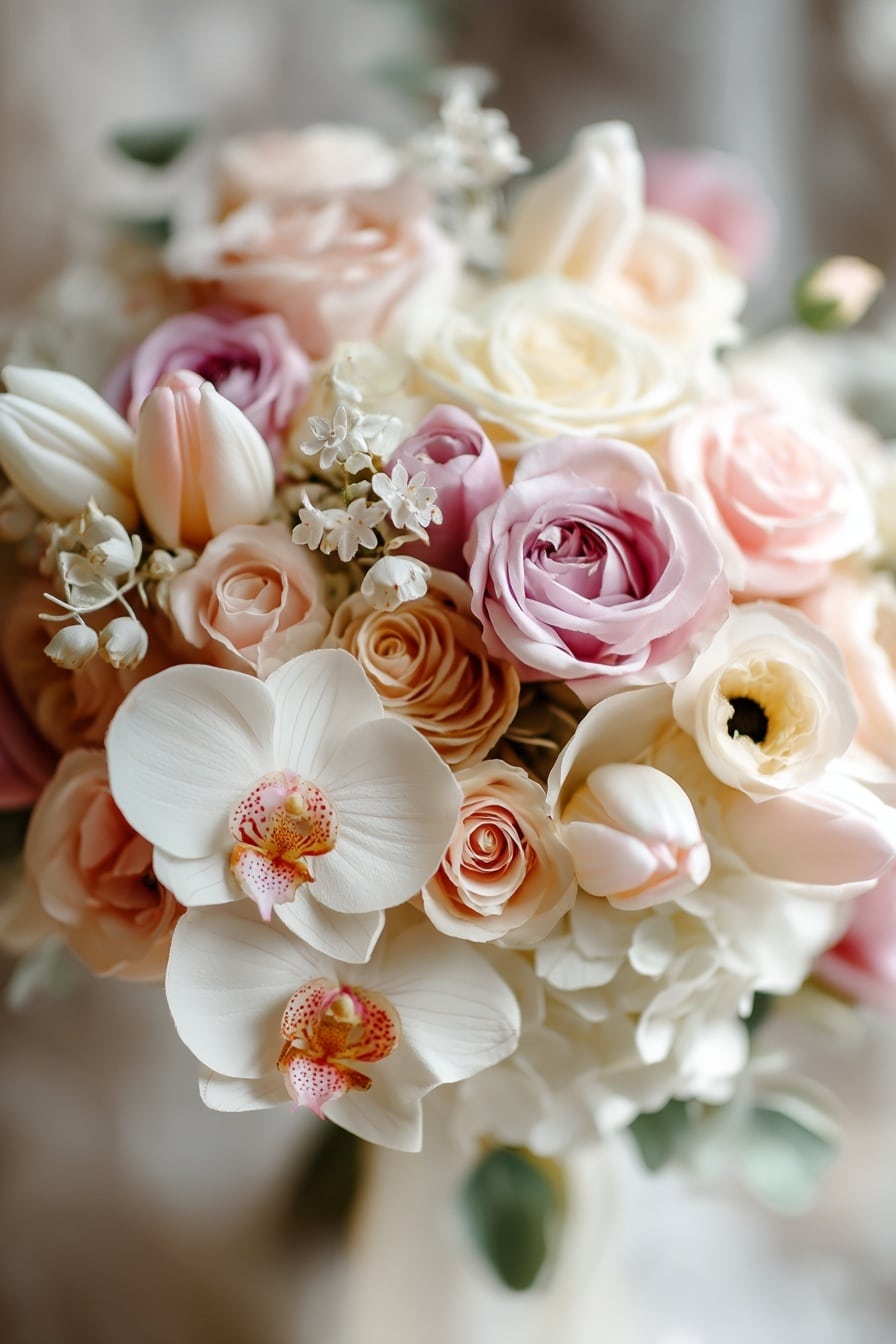
Types of flowers can completely transform any space—whether it’s a backyard garden, a wedding bouquet, or your favorite sunny windowsill. With so many varieties in shape, color, and growth habits, it’s easy to feel overwhelmed when trying to choose the right blooms. From bold, colorful perennials to delicate indoor flowering plants, every type of flower brings its own unique charm. Whether you’re a beginner gardener or someone planning a seasonal display, understanding the different types of flowers will help you select plants that match your style, environment, and maintenance preferences.
Table of Contents
Common Types of Flowers

When most people think of flowers, a few timeless favorites immediately come to mind. These types of flowers are popular in gardens, floral arrangements, and even symbolic traditions. They’re easy to recognize, often come in a variety of colors, and grow in many climates.
Roses
Roses are perhaps the most iconic type of flower. They’re known for their layered petals, rich fragrance, and symbolism in love and celebration. Roses grow in nearly every color and can bloom repeatedly in warm climates with well-drained soil.
Tulips
Simple yet elegant, tulips are a spring-blooming bulb that brings bright pops of color after winter. They come in a wide range of hues—from bold reds and yellows to soft purples and whites—and grow best in cool, well-drained soil.
Chrysanthemums
Often called “mums,” chrysanthemums are prized for their dense, rounded blooms and extended flowering season. These hardy plants bloom in late summer through fall and thrive in full sun. They’re available in shades like yellow, red, purple, and white.
Carnations
With ruffled petals and long-lasting blooms, carnations are often found in bouquets and flower shops. They’re available in many colors and are loved for their spicy-sweet scent and hardiness in both gardens and containers.
Gerbera Daisies
Known for their large, vibrant blooms and cheerful look, gerberas are a staple in floral design. They bloom from spring to fall and do best in bright, indirect light with well-draining soil.
Hibiscus
This tropical flower is bold and showy, with large petals in colors like pink, red, yellow, and orange. Hibiscus thrives in warm, sunny climates and can make a dramatic statement in garden borders or containers.
Types of Flowers by Color
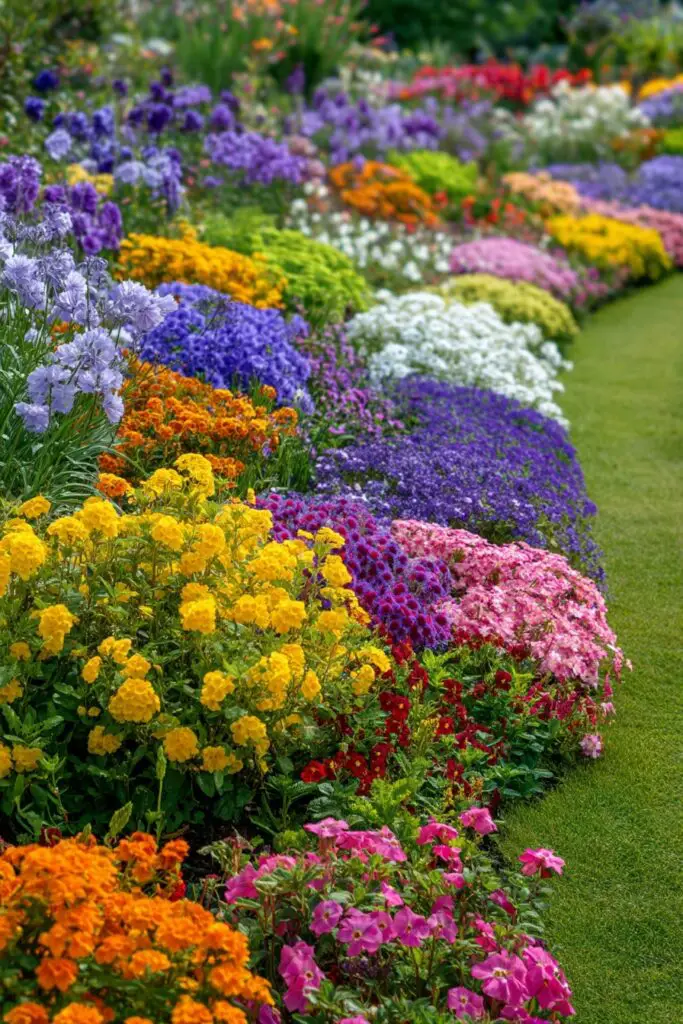
Color plays a big role in garden design and flower selection. Some people love vibrant reds and oranges, while others prefer soft pastels or classic whites. Here are some popular types of flowers grouped by color to inspire your planting or decorating choices.
🌸 Purple Flowers
Lavender – Known for its calming scent and soft purple spikes, lavender grows best in full sun and dry soil.
Lilac – A fragrant spring bloomer, lilacs feature cone-shaped clusters of tiny purple or white flowers and grow as large shrubs.
Clematis – These vining flowers produce large, star-shaped blooms in violet or lavender tones, thriving on fences or trellises.
🔷 Blue Flowers
Hydrangeas – These flowering shrubs produce globe-like clusters that shift from blue to pink depending on soil pH.
Cornflowers – Bright blue petals and a dark center make cornflowers a favorite in wildflower gardens.
Iris – With intricate, butterfly-like petals, irises add elegance to borders and bloom in shades of blue, purple, and white.
🌞 Yellow Flowers
Sunflowers – Tall and sunny, sunflowers bloom in mid to late summer and are beloved by pollinators and people alike.
Daffodils – Among the first to bloom in spring, daffodils bring cheerful yellow or white trumpet-shaped flowers to your garden.
Black-eyed Susan – These daisy-like flowers feature bright yellow petals around a dark brown center and bloom all summer.
🍊 Orange Flowers
Marigolds – Easy to grow and pest-resistant, marigolds bloom continuously and bring fiery orange tones to garden beds.
California Poppy – With delicate, cup-shaped blooms, these wildflowers thrive in dry, sunny areas and reseed easily.
Daylilies – These hardy perennials come in many shades, but orange and orange-red varieties are especially eye-catching.
💚 Green Flowers
Bells of Ireland – These tall, spiky flowers add unique texture and green coloring to floral arrangements and garden borders.
Hellebores – Also known as Lenten roses, these green or greenish-white flowers bloom in winter and early spring.
⚪ White Flowers
Calla Lilies – Sleek and modern, calla lilies grow from bulbs and produce graceful white blooms in late spring or early summer.
Gardenias – Famous for their fragrance, gardenias have creamy white petals and dark green leaves, perfect for warm climates.
Lily of the Valley – These tiny, bell-shaped flowers grow in shady spots and fill the air with a sweet scent in spring.
🌷 Pink Flowers
Peonies – With full, lush petals in shades of pink, peonies are a spring garden favorite that return year after year.
Azaleas – These flowering shrubs bloom in spring with bright pink, coral, or white blossoms depending on the variety.
Hyacinths – Their dense flower clusters and strong fragrance make hyacinths a standout in early spring beds.
❤️ Red Flowers
Zinnias – Bold and bright, red zinnias bloom all summer and are incredibly easy to grow from seed.
Poppies – Iconic and delicate, red poppies make a striking statement in wildflower gardens or memorial displays.
Cockscomb – With velvety, ruffled petals, this red flower brings rich color and texture to gardens from midsummer to fall.
Best Types of Flowers for Your Garden
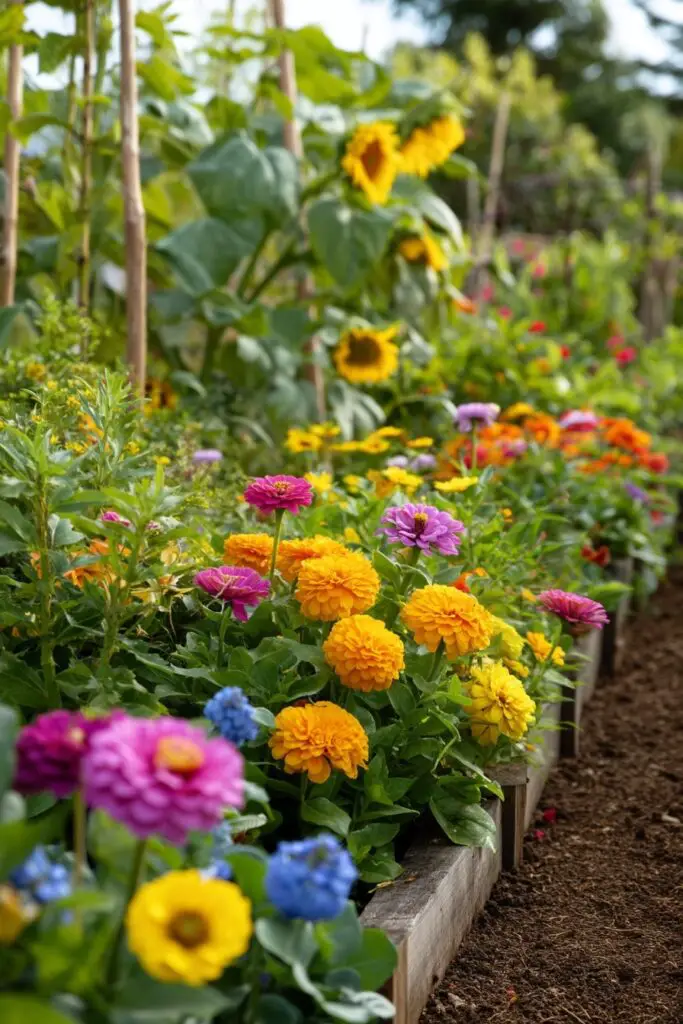
If you’re just starting a garden or want low-maintenance blooms that deliver beauty without a lot of fuss, these types of flowers are perfect choices. They grow well in a variety of soils and conditions, making them ideal for gardeners of all skill levels.
Easy-to-Grow Garden Favorites
Marigolds – These bright orange or yellow flowers bloom from spring through fall and are excellent for deterring pests in vegetable gardens.
Daffodils – One of the earliest spring bloomers, daffodils come back year after year and thrive in well-drained soil and full sun.
Sunflowers – These towering summer icons grow quickly from seed and add height and drama to garden beds.
Daylilies – Tolerant of different soils and weather conditions, daylilies produce a steady stream of colorful blooms from late spring to fall.
Zinnias – Great for hot climates, zinnias offer vibrant blooms in red, pink, orange, and purple. They’re drought-tolerant and attract pollinators.
Shade-Loving Options
Impatiens – These flowers thrive in shady spots and come in cheerful colors like pink, orange, and white. Regular watering keeps them from drooping.
Begonias – Ideal for pots, hanging baskets, or flower beds, begonias bloom in sun or shade and require minimal care.
Drought-Tolerant Picks
Cosmos – Resilient and fuss-free, cosmos handle poor soil and dry conditions well, making them perfect for cottage gardens.
Lantana – A heat- and drought-tolerant flower, lantana blooms in clusters of small multicolored flowers and attracts butterflies.
Black-eyed Susan – A tough perennial, it brings bold yellow blooms even in dry, sunny gardens.
Best Flowering Houseplants
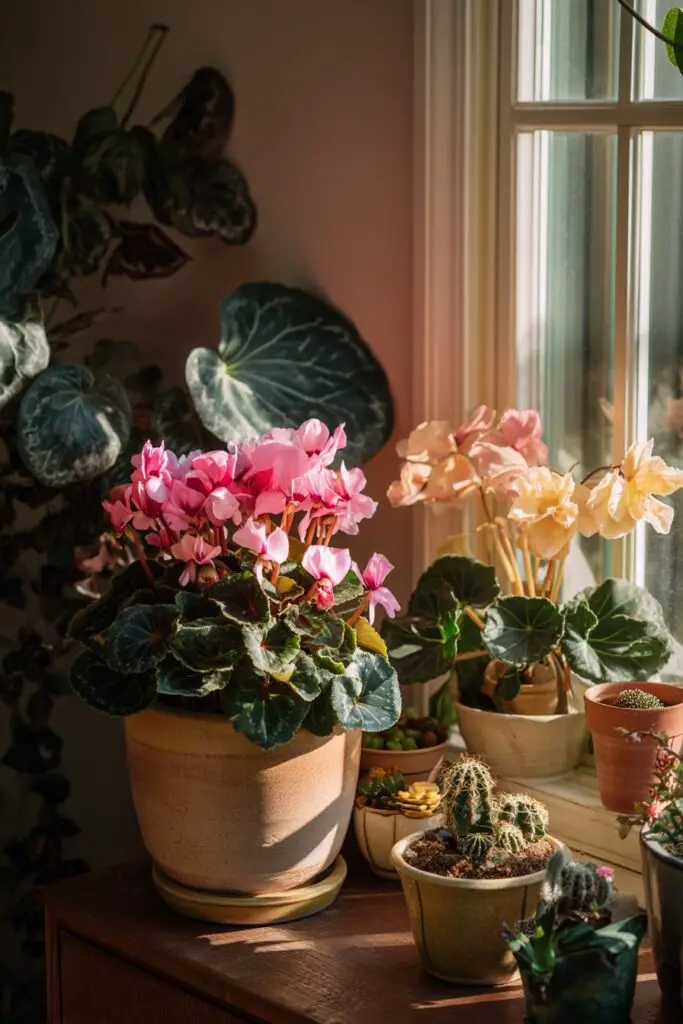
Not all flowers need a backyard to flourish. Many types of flowers grow beautifully indoors, brightening up your home with vibrant colors and, in some cases, sweet fragrances. These flowering houseplants are perfect for windowsills, shelves, or decorative planters.
African Violets
Compact and cheerful, African violets bloom in shades of purple, white, pink, and red. They prefer bright, indirect light and bloom year-round with consistent watering.
Peace Lilies
With their striking white blooms and lush green leaves, peace lilies add elegance to any room. They thrive in filtered light and humid environments, and they’re known for purifying indoor air.
Begonias
Begonias come in many varieties suitable for indoor growth. Their colorful flowers and attractive foliage make them a top choice for low-light corners or bright rooms with indirect sunlight.
Poinsettias
Often associated with the winter holidays, poinsettias have vivid red bracts that look like flowers. They prefer moderate light and can last long past the holiday season with proper care.
Desert Cactus (Flowering Varieties)
Some cactus types bloom indoors with little water and plenty of sunlight. Their bright, exotic flowers offer a striking contrast to their spiky forms and are a great low-maintenance option.
Popular Types of Flowers for Weddings
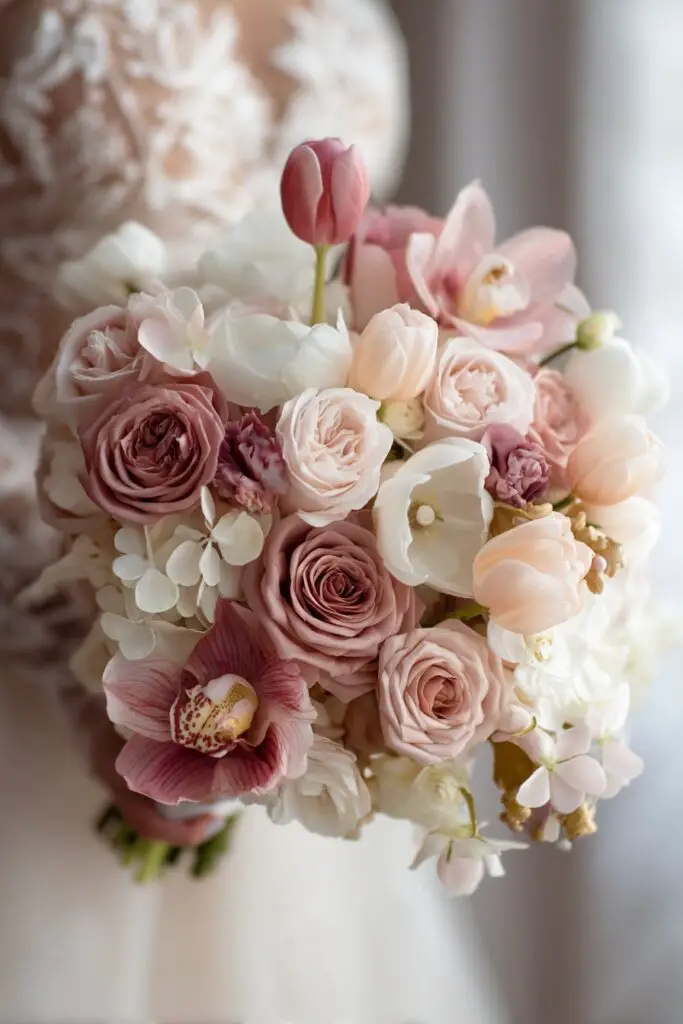
Weddings are a celebration of love, and flowers play a huge role in setting the mood. From classic roses to delicate orchids, these types of flowers are some of the most beloved choices for wedding bouquets, centerpieces, and decor.
Roses
Roses are the top wedding flower, thanks to their romantic symbolism and vast range of colors. Whether you’re going for timeless white or bold pink, roses bring elegance to any bouquet.
Peonies
Soft, lush, and full of fragrance, peonies are a favorite for spring and early summer weddings. Their ruffled petals add luxury and volume to floral arrangements.
Tulips
Simple and symbolic, tulips represent deep love and bloom in nearly every color. They’re especially popular in spring weddings for their clean lines and gentle charm.
Hydrangeas
Known for their full, globe-like clusters, hydrangeas are perfect for centerpieces and bouquets. They come in white, pink, blue, and purple tones—making it easy to match any theme.
Orchids
Elegant and exotic, orchids are ideal for modern weddings. They hold up well in arrangements and bring an air of sophistication and calm.
Ranunculus
These blooms are loved for their layered, paper-thin petals and romantic style. Available in white, blush, orange, and deep reds, ranunculus flowers suit both rustic and formal weddings.
Calla Lilies
With their smooth, sculptural shape, calla lilies are often chosen for contemporary weddings. White is most traditional, but they also come in deep purple, pink, and yellow.
How to Choose the Right Types of Flowers
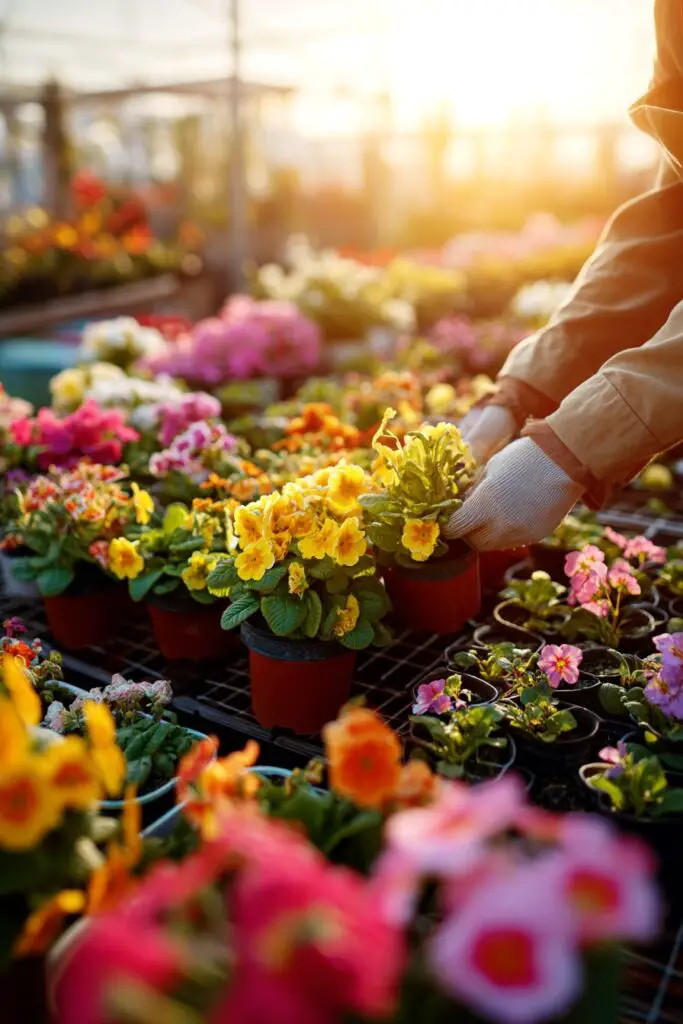
With so many beautiful types of flowers to choose from, narrowing down your options can be tricky. The best choice for your garden or space depends on a few practical and personal factors.
Consider Your Climate
Before planting, check what grows best in your region. Some flowers thrive in cool, damp weather, while others need lots of sun and heat. For example, pansies do well in cooler seasons, while zinnias and sunflowers prefer dry heat.
Think About Light and Soil
Do you have full sun, partial shade, or deep shade? Knowing how much light your space gets will help determine which types of flowers will perform best. Soil quality matters too—some flowers need rich, loamy soil, while others thrive in sandy or well-drained areas.
Match Your Maintenance Level
If you’re a low-maintenance gardener, go for easy bloomers like marigolds, geraniums, or cosmos. More experienced growers might enjoy tending delicate flowers like peonies or orchids that need a bit more care.
Choose Based on Color and Mood
Use color to express personality or set a tone. Soft pastels like lilacs and peonies create a romantic vibe, while bold choices like red poppies or orange marigolds energize a space. Consider what mood you want to create in your garden or floral arrangement.
Trust Your Personal Taste
At the end of the day, the best types of flowers are the ones that make you happy. Whether you’re drawn to wildflower gardens, formal borders, or indoor planters, choose blooms you love—and don’t be afraid to experiment.
Conclusion: Finding the Right Types of Flowers for Every Space
Whether you’re planting a vibrant backyard garden, decorating for a wedding, or brightening up your home with houseplants, there are types of flowers to fit every need and style. From low-maintenance marigolds to luxurious peonies, the possibilities are nearly endless.
Choosing flowers based on your climate, light conditions, and personal taste will ensure you enjoy long-lasting blooms season after season. The best garden is the one that reflects who you are—so pick what you love and let it grow.