
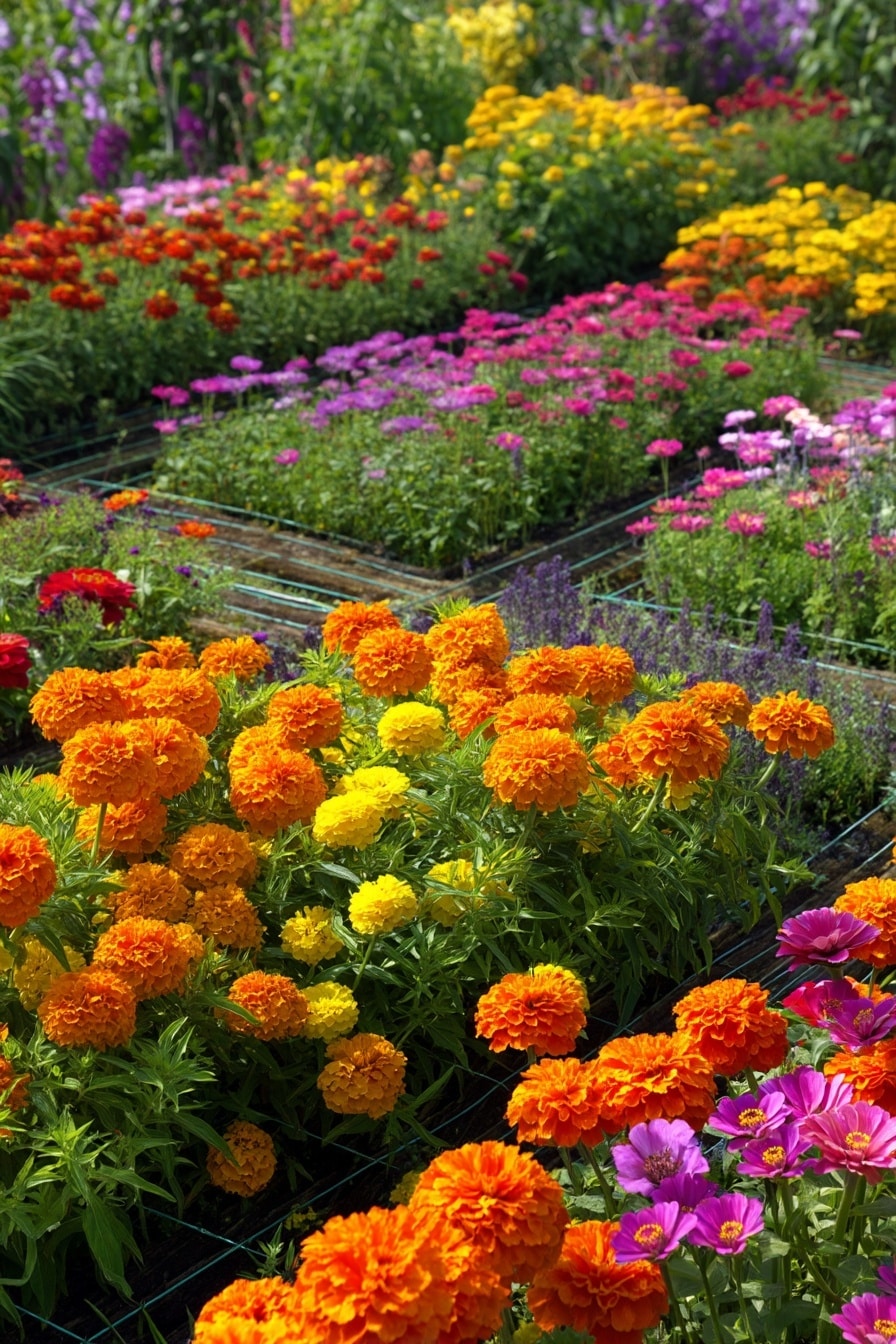
Cut flower garden layout planning is the key to growing beautiful blooms that are easy to harvest and arrange. A thoughtful cut flower garden layout ensures flowers receive enough sunlight, have proper spacing, and remain accessible for regular cutting. Whether you have a small backyard or a larger growing area, designing the right cut flower garden layout can make flower gardening more productive and enjoyable.
Many gardeners plant flowers randomly, which can lead to crowded beds and difficult harvesting. With a well-organized cut flower garden layout, you can grow a wide variety of blooms while keeping the garden neat and easy to maintain.
In this guide, you’ll find five practical cut flower garden layout ideas that help maximize growing space while producing plenty of flowers for bouquets and floral arrangements.
Table of Contents
1. Traditional Row Cut Flower Garden Layout

The traditional row design is one of the most efficient ways to organize a cut flower garden layout. In this system, flowers are planted in long rows with walking paths between them, making harvesting simple.
A row-based cut flower garden layout works especially well for gardeners who grow flowers specifically for cutting and arranging.
How the row layout works
Flowers are planted in straight rows, with enough space between them for easy access.
Typical spacing includes:
- 12–18 inches between flower plants
- 18–24 inches between rows
- Clear pathways for harvesting and maintenance
This structured cut flower garden layout keeps plants organized and allows gardeners to reach blooms without damaging surrounding plants.
Flowers suited for row planting
Many cut flowers grow well in this layout, including:
- Zinnias
- Sunflowers
- Cosmos
- Snapdragons
- Celosia
This cut flower garden layout also makes it easier to harvest large quantities of flowers throughout the growing season.
2. Raised Bed Cut Flower Garden Layout
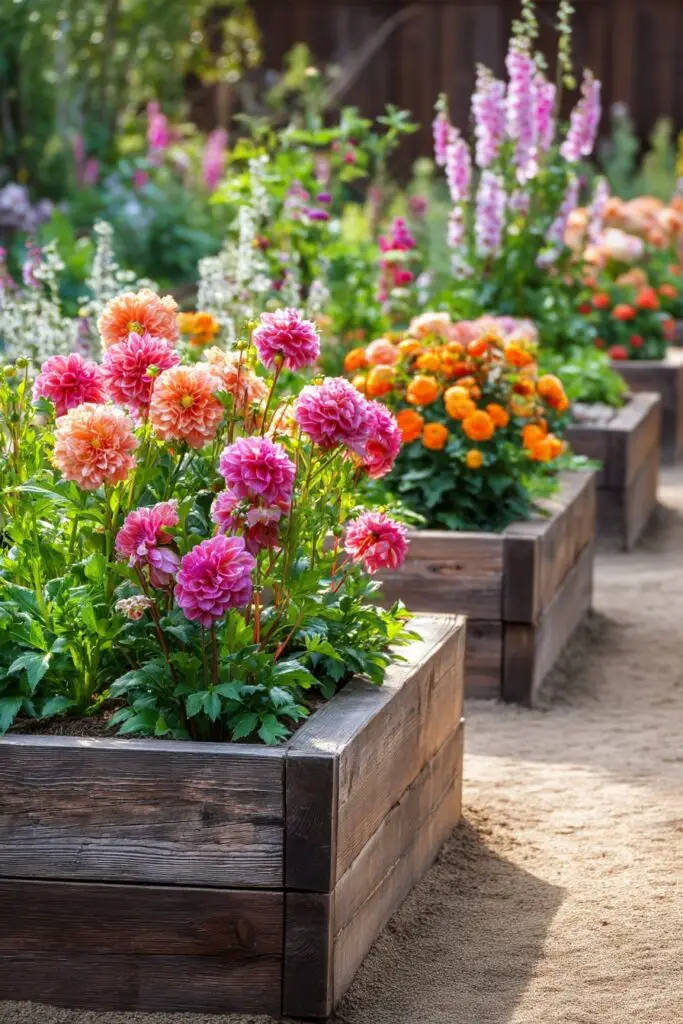
Raised beds are a popular choice for a cut flower garden layout, especially in small or compact yards. These beds create defined planting spaces that help manage soil and plant spacing.
A raised bed cut flower garden layout allows gardeners to grow a large number of flowers in an organized and attractive way.
Benefits of raised bed layouts
Raised beds provide several advantages:
- Improved soil drainage
- Easier weed control
- Better soil quality management
- Comfortable access for planting and harvesting
Because plants can be spaced closer together, this cut flower garden layout helps maximize flower production.
Flowers that grow well in raised beds
These flowers perform well in a raised bed cut flower garden layout:
- Dahlias
- Lisianthus
- Sweet peas
- Stock
- Ranunculus
Raised beds also make it easier to rotate crops each season.
3. Grid Cut Flower Garden Layout
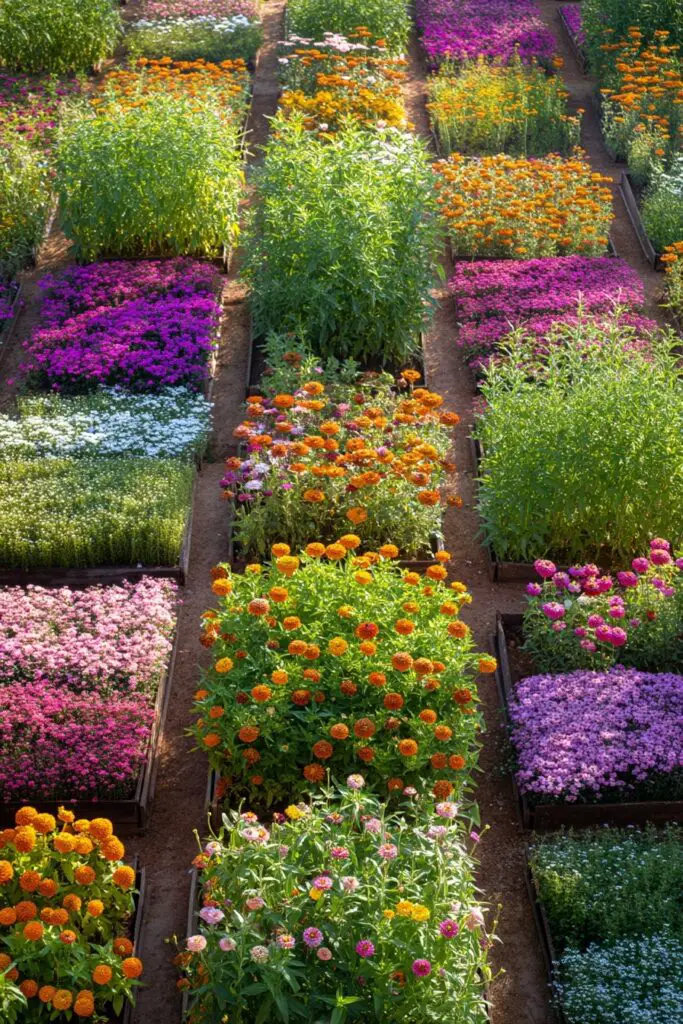
A grid system creates a neat and organized cut flower garden layout by dividing beds into equal sections. Each square or block is dedicated to a specific flower type.
This approach works well for gardeners who want clear planting plans and efficient spacing.
How grid layouts work
The garden is divided into square sections, usually using wooden dividers or visual markers.
Each section contains a different flower variety, making plant management easier.
For example:
- One square for zinnias
- One square for cosmos
- One square for marigolds
- One square for snapdragons
A grid-style cut flower garden layout helps keep plants evenly spaced while maintaining a tidy garden appearance.
Advantages of the grid method
- Easy to plan and organize
- Efficient use of garden space
- Simplified harvesting
- Clear plant identification
This cut flower garden layout is especially useful for small gardens.
4. Cottage-Style Cut Flower Garden Layout
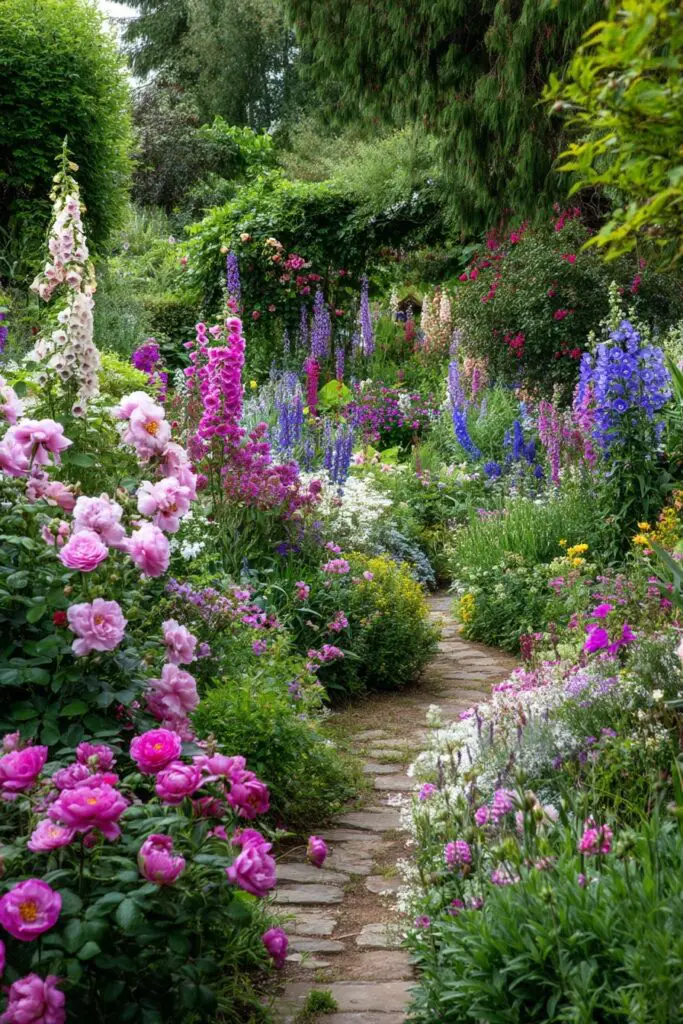
A cottage-style cut flower garden layout blends beauty and productivity by mixing flowers together in a natural arrangement.
Instead of straight rows or grids, flowers grow closely together in colorful clusters.
Features of cottage-style layouts
A cottage-inspired cut flower garden layout often includes:
- Mixed flower varieties
- Curved garden beds
- Dense planting for a full appearance
- Pathways winding through the garden
This style creates a relaxed and charming garden atmosphere.
Flowers commonly used
Popular flowers for a cottage-style cut flower garden layout include:
- Peonies
- Roses
- Delphiniums
While the design looks informal, it still provides plenty of blooms for cutting.
5. Companion Planting Cut Flower Garden Layout
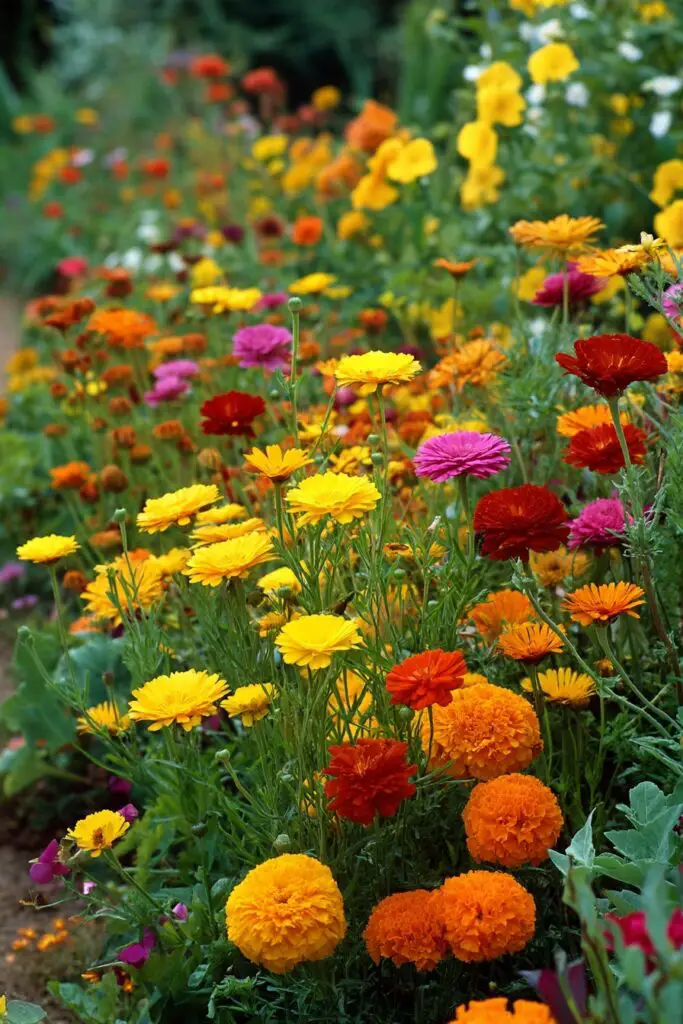
A companion planting cut flower garden layout combines flowers that support each other’s growth. Some plants attract pollinators, while others help deter pests.
This layout improves garden health while increasing flower production.
How companion planting works
Certain flowers grow better when planted near compatible species.
Examples include:
- Marigolds planted near zinnias to deter pests
- Nasturtiums attracting beneficial insects
- Calendula supporting pollinators
This type of cut flower garden layout encourages a balanced garden ecosystem.
Benefits of companion planting
- Improved pollination
- Reduced pest problems
- Healthier plants
- Greater biodiversity
A companion-based cut flower garden layout can produce strong plants and abundant blooms.
Tips for Planning a Successful Cut Flower Garden Layout
Careful planning can make your cut flower garden layout more productive and easier to maintain.
Choose a sunny location
Most flowers require 6–8 hours of sunlight daily for strong growth.
Plan harvesting access
Include clear paths so you can reach flowers without damaging plants.
Group flowers by height
Place taller flowers at the back of beds and shorter flowers toward the front.
Plant succession crops
Plant flowers in stages to ensure continuous blooms throughout the season.
With thoughtful planning, your cut flower garden layout will provide fresh flowers for bouquets all season long.
Conclusion
A well-designed cut flower garden layout helps gardeners grow beautiful blooms while keeping the garden organized and productive. Whether you choose traditional rows, raised beds, grid systems, cottage-style planting, or companion planting, each layout offers unique benefits.
The best cut flower garden layout depends on your garden space, preferred flowers, and harvesting style. With careful planning and proper spacing, you can create a thriving garden that produces stunning flowers for fresh arrangements throughout the growing season.