
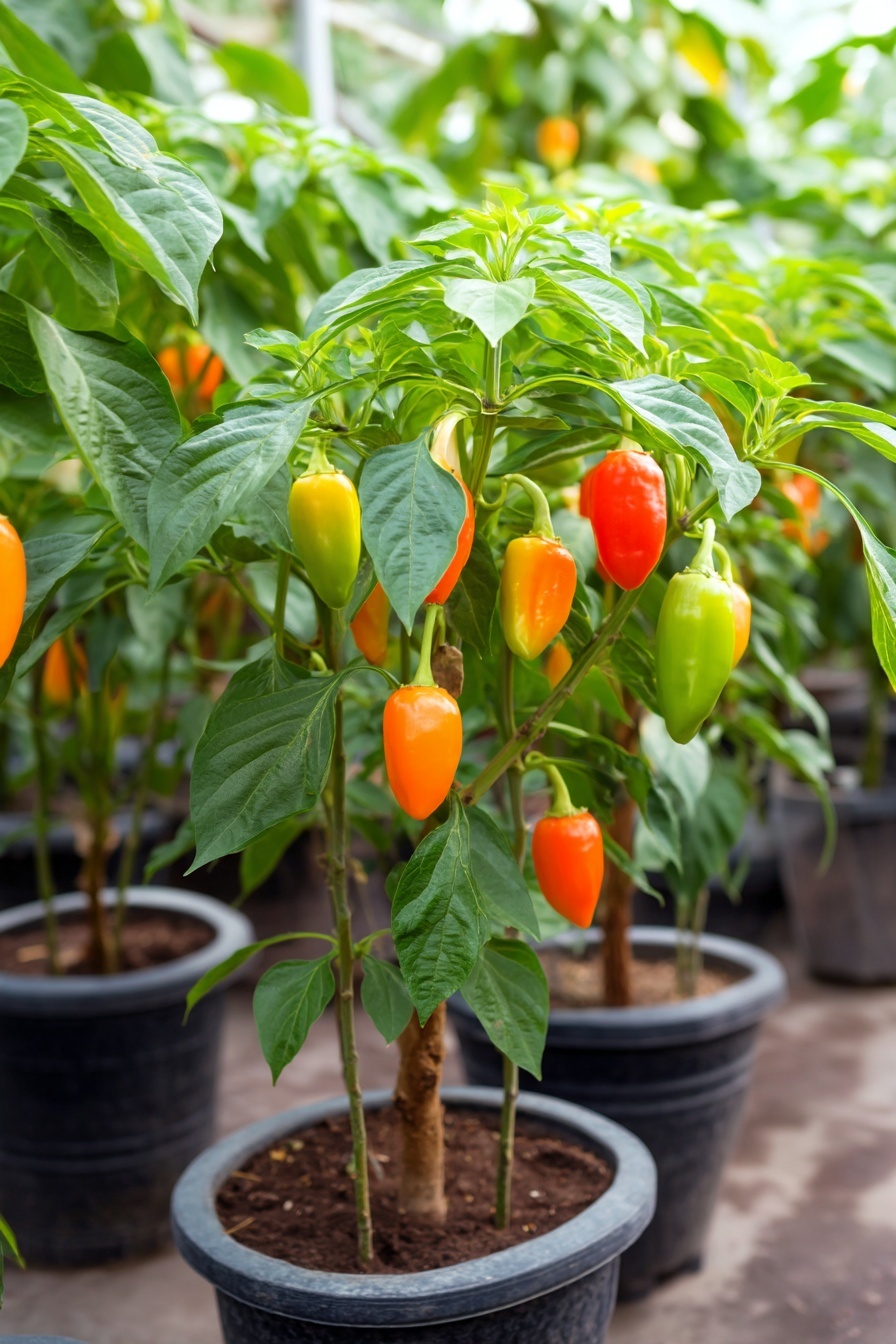
Container gardening vegetables are a fantastic solution for anyone with limited outdoor space, whether you live in an apartment, have a small patio, or simply want to keep things neat and manageable. Growing your own produce doesn’t require a sprawling backyard — with the right containers, sunlight, and care, you can enjoy fresh, homegrown vegetables right from your balcony or doorstep.
This guide covers the best container gardening vegetables for small spaces, offering practical tips for each variety to ensure a healthy, bountiful harvest. From fast-growing leafy greens to compact varieties of tomatoes and peppers, we’ll show you which plants thrive in pots and how to make the most of every inch.
Whether you’re a beginner or a seasoned grower, these 10 vegetable choices are perfect for starting or expanding your container garden this season.
Table of Contents
🍅 1. Tomatoes

Tomatoes are one of the most popular container gardening vegetables — and for good reason. They’re productive, delicious, and relatively easy to grow with the right setup. The key to success is choosing the right variety and container size.
Opt for determinate or “bush” tomato varieties if you’re tight on space, as they grow to a certain height and stop. Indeterminate varieties like cherry or grape tomatoes can also work in containers, but they’ll need sturdy cages or trellises for support. Use a large container — at least 18 inches wide and deep — to allow enough root space and keep the soil moist.
Plant tomatoes in a high-quality potting mix with excellent drainage and water them consistently. Position your container in a sunny spot that gets at least 6 to 8 hours of direct sunlight daily. Be mindful not to plant too early in the season; tomatoes are sensitive to cold and need warm temperatures to thrive.
Quick Tip: When planting seedlings, bury part of the stem to encourage strong root development — tomatoes love being planted deep!
🌿 2. Peas
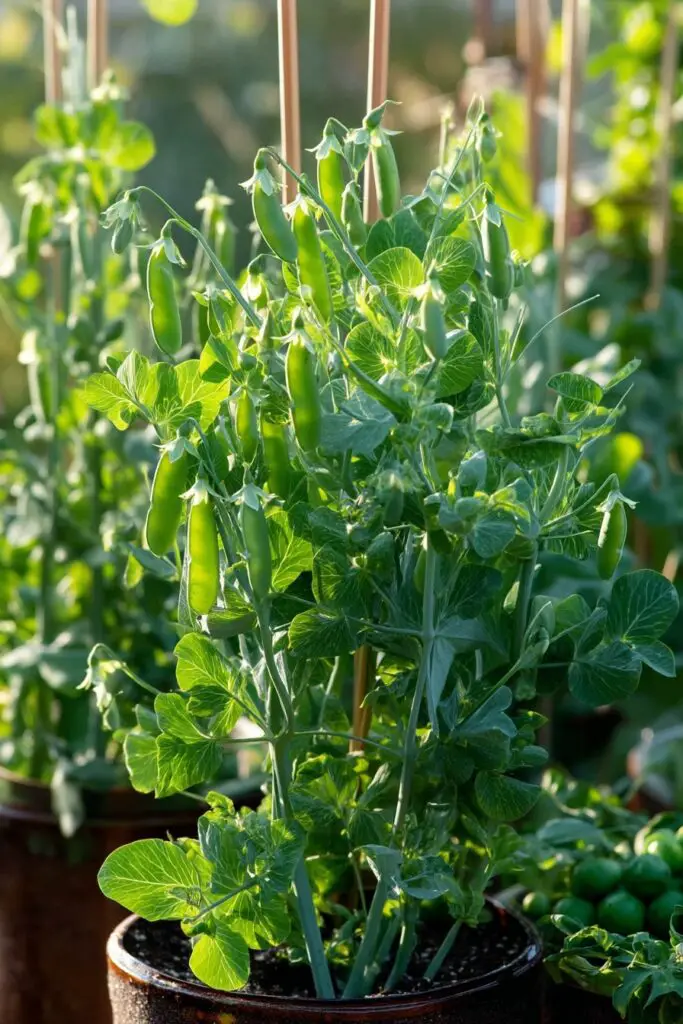
Peas are a cool-weather favorite and one of the easiest container gardening vegetables to grow. Whether you choose snow peas, sugar snap peas, or shelling peas, they all do well in pots as long as you provide the right conditions and support.
Use a container that’s at least 8–10 inches deep, and choose a well-draining potting mix. Since peas are climbers, they’ll need a trellis, bamboo stakes, or netting to latch onto. Install your support structure at planting time to avoid disturbing the roots later.
Plant peas early in spring or in the fall, as they don’t perform well in hot weather. They’re also ideal for succession planting, meaning once your first crop is done, you can quickly plant another round or switch to a warm-season crop in the same container.
An added bonus: peas naturally fix nitrogen in the soil, which can benefit other plants grown in the same container afterward.
USDA Zones: 2–11
Sunlight: Full sun (6+ hours/day)
Soil: Loose, fertile, and well-drained
🥔 3. Potatoes
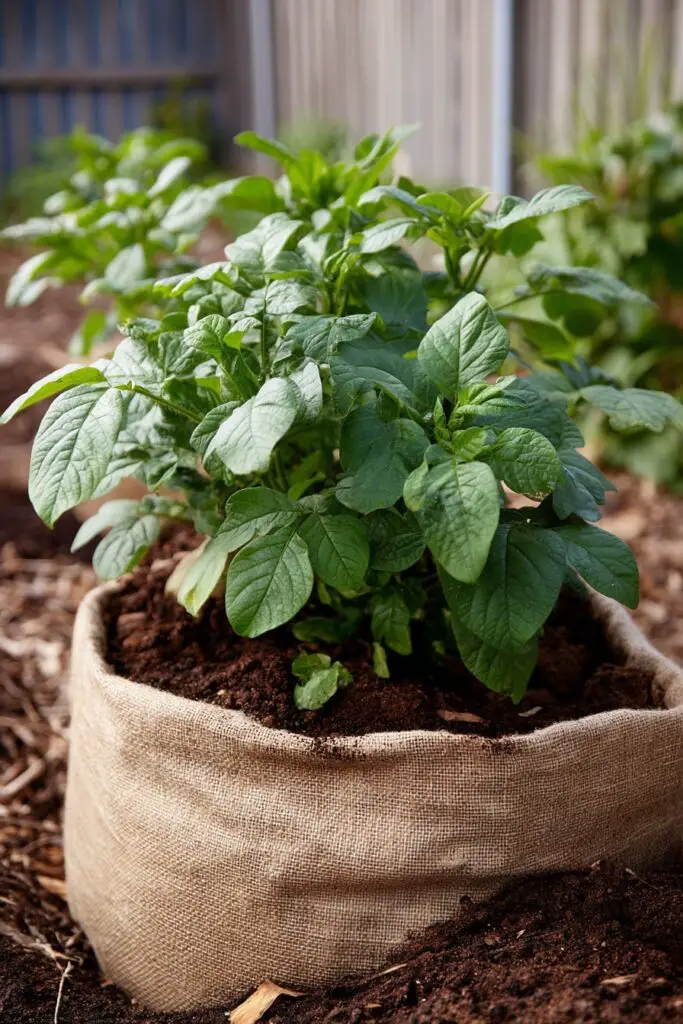
If you’ve never grown potatoes in a pot, you’re in for a satisfying harvest. Potatoes are surprisingly well-suited for container gardening — especially with grow bags, fabric pots, or deep plastic tubs. These allow for the vertical space needed for tuber development while keeping pests and soil-borne diseases at bay.
To grow this container gardening vegetable, start with seed potatoes — not the ones from the grocery store — and plant them in a 12- to 16-inch-deep container. Begin with a shallow layer of soil, place the seed potatoes, and as the plant grows, keep adding soil to cover new growth. This process, called “hilling,” encourages more potatoes to form along the buried stems.
Potatoes need consistent moisture but hate soggy roots, so make sure your container has excellent drainage. Keep them in a sunny spot and feed with a balanced fertilizer as they grow. After the plants flower and start to yellow, it’s almost time to harvest.
Pro Tip: Use early-season varieties for container growing. They mature faster and take up less space.
USDA Zones: 3–10
Sunlight: Full sun (6–8 hours/day)
Soil: Loose, loamy, well-drained, and deep
🎃 4. Squash

Squash can be a space hog in the ground, but with the right variety and setup, it’s a rewarding container gardening vegetable. For pots, it’s best to go with compact or bush-type varieties rather than sprawling vines. Popular options include Honeybear acorn squash, Bush Baby zucchini, or even miniature pumpkins.
Choose a large container — at least 5 gallons — and give your squash plenty of rich, well-draining soil. Because squash plants are heavy feeders, mix compost into your potting soil before planting, and continue feeding with a balanced liquid fertilizer every few weeks.
Provide full sun (6–8 hours per day) and consistent watering, especially during flowering and fruiting. Dry spells can lead to bitter fruit or poor yields. If you’re tight on space, train vines upward using a sturdy trellis or cage, but make sure the container is weighted to avoid tipping.
Squash blossoms are edible, too — so you get beauty and productivity from one pot!
USDA Zones: 3–10
Sunlight: Full sun
Soil: Rich, well-draining, and consistently moist
🥗 5. Lettuce and Salad Greens
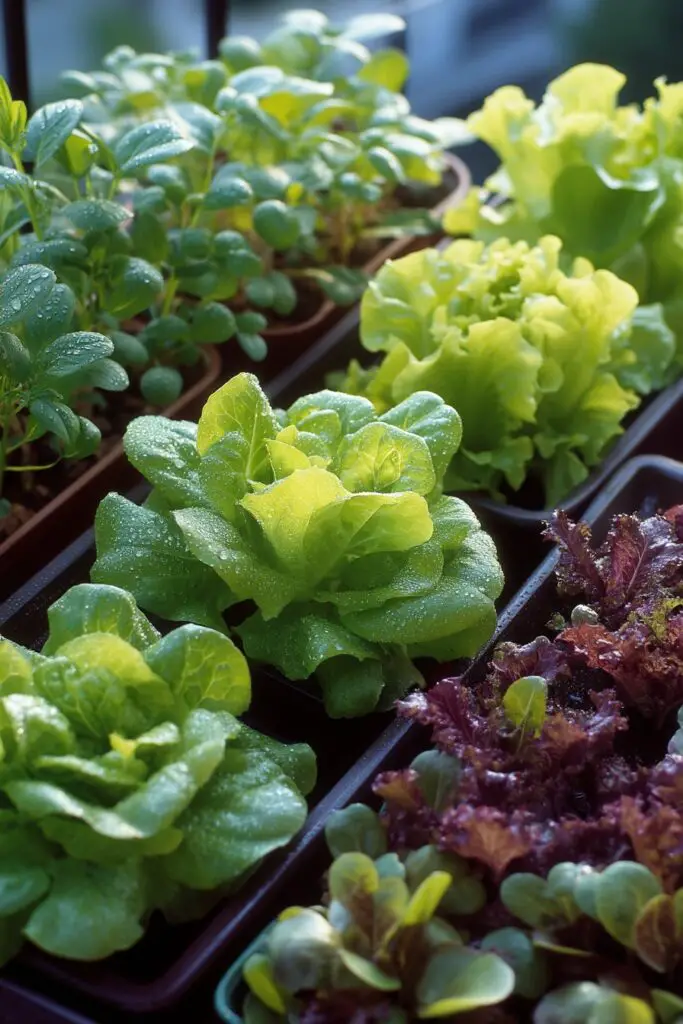
When it comes to quick, rewarding, and low-maintenance container gardening vegetables, lettuce and salad greens top the list. Their shallow root systems make them ideal for wide, shallow containers — even window boxes or repurposed trays can work.
Grow loose-leaf varieties like Green Salad Bowl, Buttercrunch, or pre-mixed mesclun blends for continuous harvests. These types allow for cut-and-come-again harvesting, where you trim outer leaves and let the center keep growing.
Lettuce thrives in cool weather and prefers partial sun, especially in warmer climates. In hot weather, place containers where they’ll get morning sun and afternoon shade to prevent bolting (when plants go to seed too early).
Use a nutrient-rich potting mix and keep the soil consistently moist but not soggy. You can stagger plantings every couple of weeks for a fresh supply of greens all season.
Pro Tip: Move containers around during the day or season to keep your greens in their ideal temperature and light range.
USDA Zones: 4–9
Sunlight: Partial sun (4–6 hours/day)
Soil: Moist, fertile, well-draining
🌶️ 6. Peppers (Hot and Sweet)
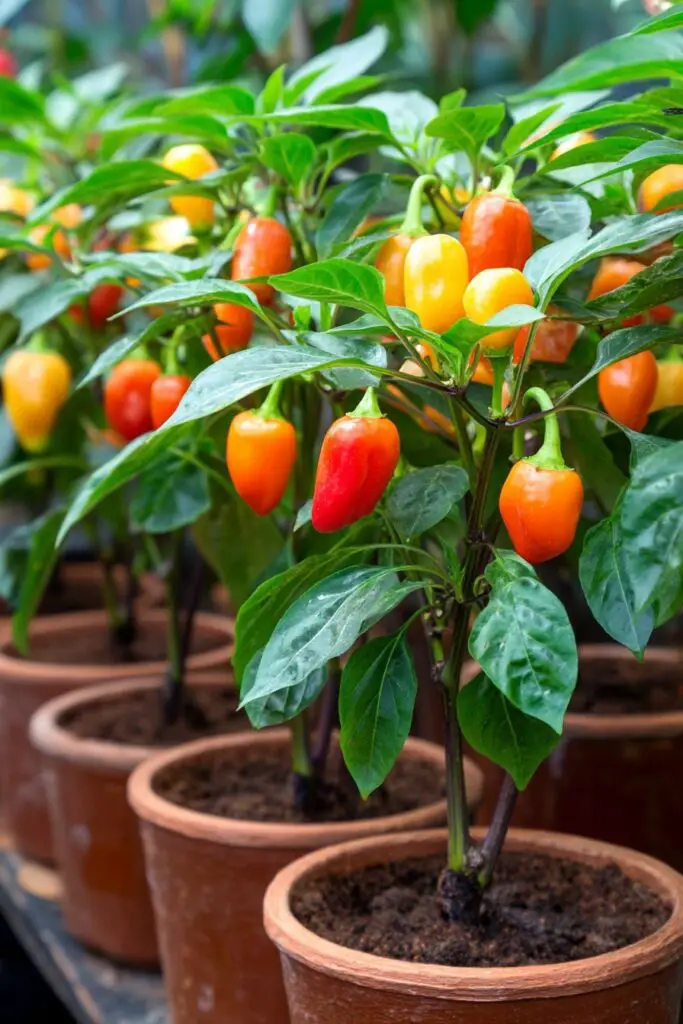
Peppers are not only flavorful and colorful — they’re also one of the most visually striking container gardening vegetables. Both sweet and hot varieties grow well in pots, making them perfect for patios, balconies, or even sunny windowsills.
Choose a container that’s at least 12 inches deep and wide, with good drainage. Peppers need plenty of sunlight — aim for 6 to 8 hours of full sun daily. Use a high-quality potting mix rich in organic matter, and water consistently to keep the soil evenly moist.
Peppers are sensitive to both under-watering and over-watering. If the soil dries out too much, fruits may become bitter or misshapen. If too wet, root rot becomes a risk. Mulching the top of the container can help regulate soil moisture and temperature.
Compact varieties like Lunchbox, Cajun Belle, or Sweet Banana are excellent for containers. And if you’re into spicy, try Jalapeño, Thai chili, or even Habanero in large pots.
Bonus: You can move pepper pots indoors if storms or cool weather threaten, giving you more control over the growing season.
USDA Zones: Annual in most zones
Sunlight: Full sun
Soil: Moist, well-draining, enriched with compost
🥒 7. Cucumbers
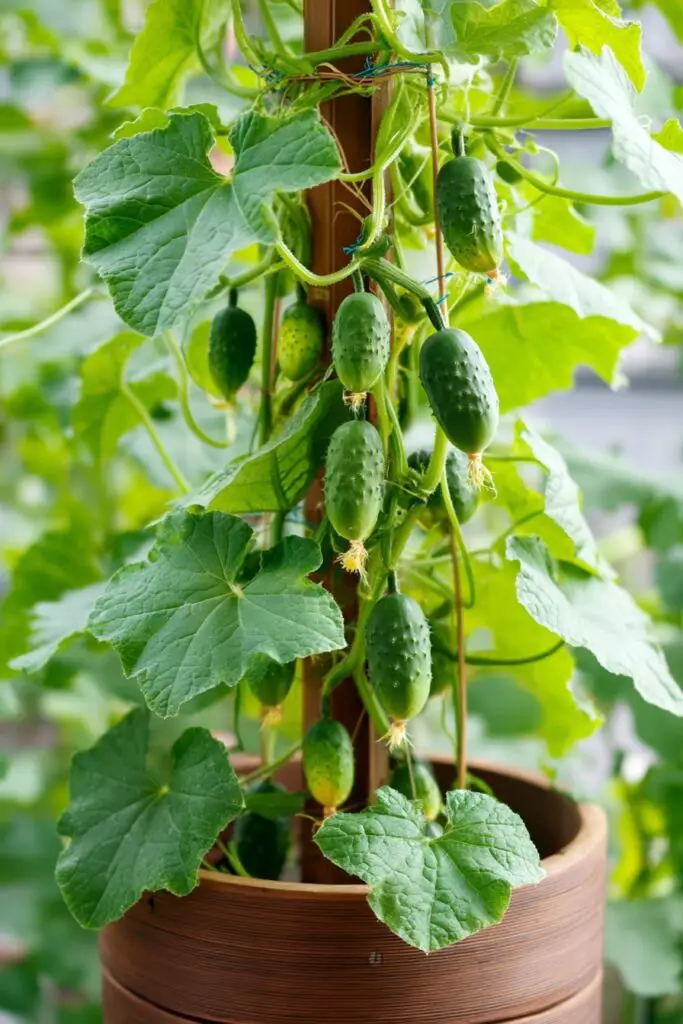
Cucumbers are fast growers and thrive in containers when given the right support and care. As a heat-loving container gardening vegetable, cucumbers do best in large plastic or ceramic pots that retain moisture and warm quickly in the sun.
There are two types to choose from:
- Bush varieties: Compact, ideal for small spaces
- Vining varieties: Require a trellis or cage for vertical growth
If space is tight, bush cucumbers like Spacemaster or Bush Pickle are excellent options. For vining types like Marketmore or Lemon cucumber, install a sturdy trellis when planting.
Use a pot that’s at least 12 inches deep, filled with moist, well-draining soil enriched with compost. Cucumbers are thirsty plants, so keep the soil consistently damp — not soggy — and feed with a balanced fertilizer every 2–3 weeks during peak growing.
Place your cucumber container in a location that gets 6–8 hours of sun daily, and rotate the container occasionally for even light exposure.
Pro Tip: Harvest cucumbers regularly to encourage new fruit production and avoid bitter, overripe cucumbers.
USDA Zones: 4–12
Sunlight: Full sun to partial shade
Soil: Moist, well-drained, fertilized
🌱 8. Radishes
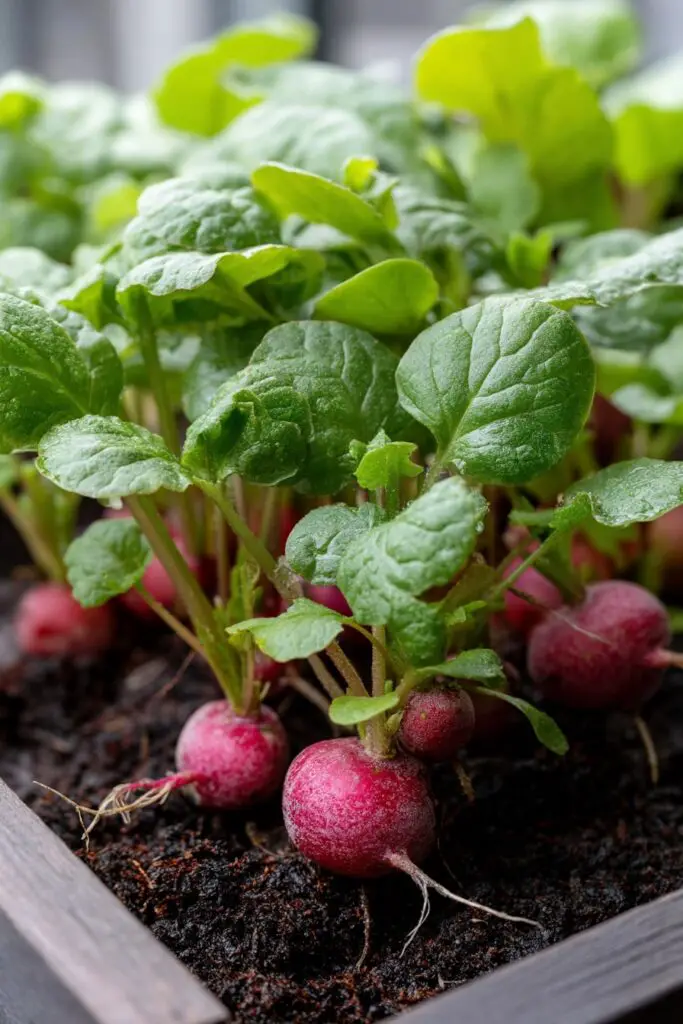
Fast-growing and low-maintenance, radishes are perfect for beginner gardeners and a great addition to your lineup of container gardening vegetables. Most varieties go from seed to harvest in just 25–30 days, making them one of the quickest vegetables to grow in pots.
Radishes don’t need much room — a container just 6 inches deep is enough for most varieties. Make sure it’s wide enough to allow proper spacing between plants, and fill it with light, loose, and consistently moist soil.
Sow radish seeds directly into the container, spacing them about an inch apart. They prefer cooler temperatures, so plant them in spring and fall. In warmer weather, place containers in partial shade to prevent bolting and bitter roots.
There are many unique radish varieties to try, from the classic red Cherry Belle to the striking Watermelon Radish. Plus, their leafy green tops are edible too!
Pro Tip: Harvest radishes as soon as they mature — leaving them in the soil too long can make them woody and spicy.
USDA Zones: 2–10
Sunlight: Full sun to partial shade
Soil: Light, moist, well-draining
🥬 9. Arugula
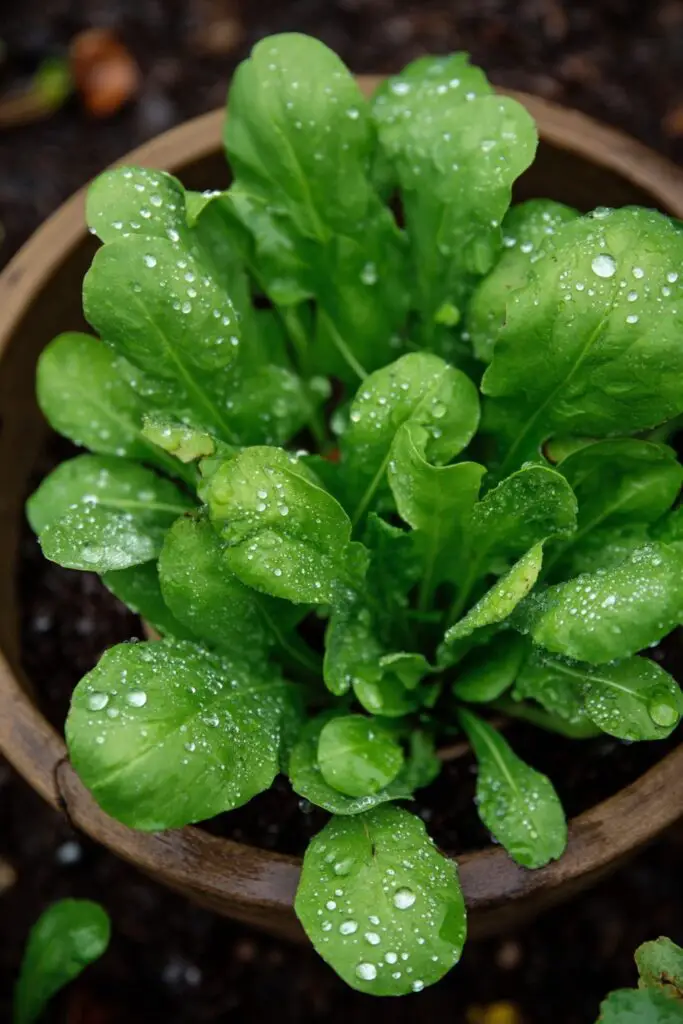
Arugula is a cool-season leafy green with a peppery kick — and it’s one of the easiest container gardening vegetables to grow. It grows quickly, thrives in small spaces, and can be harvested multiple times throughout the season.
Use a container at least 6–8 inches deep with good drainage. A wide pot or shallow window box works well. Sow seeds directly into moist, fertile soil and thin them out once the seedlings emerge to give each plant a bit of breathing room.
Arugula prefers cool temperatures and partial sun, especially in hot climates. In warm weather, give it morning sun and afternoon shade to prevent bolting. If it does bolt, you can still enjoy the edible flowers, which have a mild, sweet flavor.
Frequent, shallow watering helps arugula stay tender and prevents bitterness. You can start harvesting leaves when they’re just a few inches tall, cutting the outer leaves and letting the center regrow for another round.
Bonus: Arugula doesn’t need a lot of space, so it’s great for tucking into corners or vertical garden setups.
USDA Zones: 3–11
Sunlight: Full sun to partial shade
Soil: Moist, well-drained, rich in organic matter
🍆 10. Eggplant
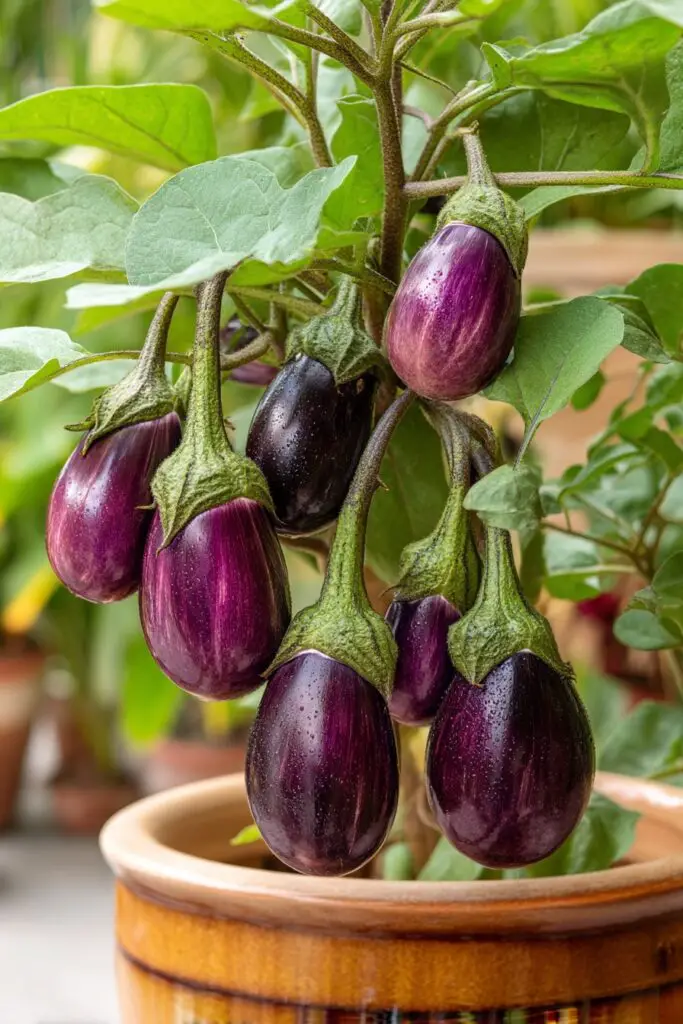
Eggplant is both ornamental and edible, making it a showstopper among container gardening vegetables. With its glossy fruit and striking purple blooms, eggplant adds visual interest to patios and balconies while producing hearty harvests.
For best results, choose compact or dwarf varieties like Fairy Tale, Hansel, or Little Finger. These types are better suited for pots and don’t require as much space or support as larger cultivars.
Use a container at least 12–14 inches deep and wide, filled with rich, well-draining soil. Eggplants need consistent warmth, so place them in a spot that receives at least 6–8 hours of full sun per day. Glazed ceramic pots are a great option because they retain moisture and heat more evenly.
Water regularly and feed with a high-potassium fertilizer during the flowering and fruiting stages. Stake the plant if needed to support heavy fruit, and harvest when the skin is glossy and firm.
Pro Tip: Don’t let fruit stay on the plant too long — overripe eggplant becomes bitter and tough.
USDA Zones: 5–12
Sunlight: Full sun
Soil: Evenly moist, rich in organic matter, good drainage
✅ Conclusion
Growing your own food doesn’t require a backyard — just a few pots, some sunlight, and the right plants. These 10 container gardening vegetables prove that even the smallest spaces can produce a surprisingly abundant harvest.
Whether you’re starting with leafy greens or branching into fruiting favorites like tomatoes and peppers, each of these veggies offers a satisfying gardening experience with minimal space. Choose the right varieties, provide consistent care, and you’ll be enjoying fresh, homegrown produce right outside your door.
Looking to take your container garden further? Consider companion planting herbs like basil or thyme alongside your vegetables — they can deter pests and add flavor to your cooking.