
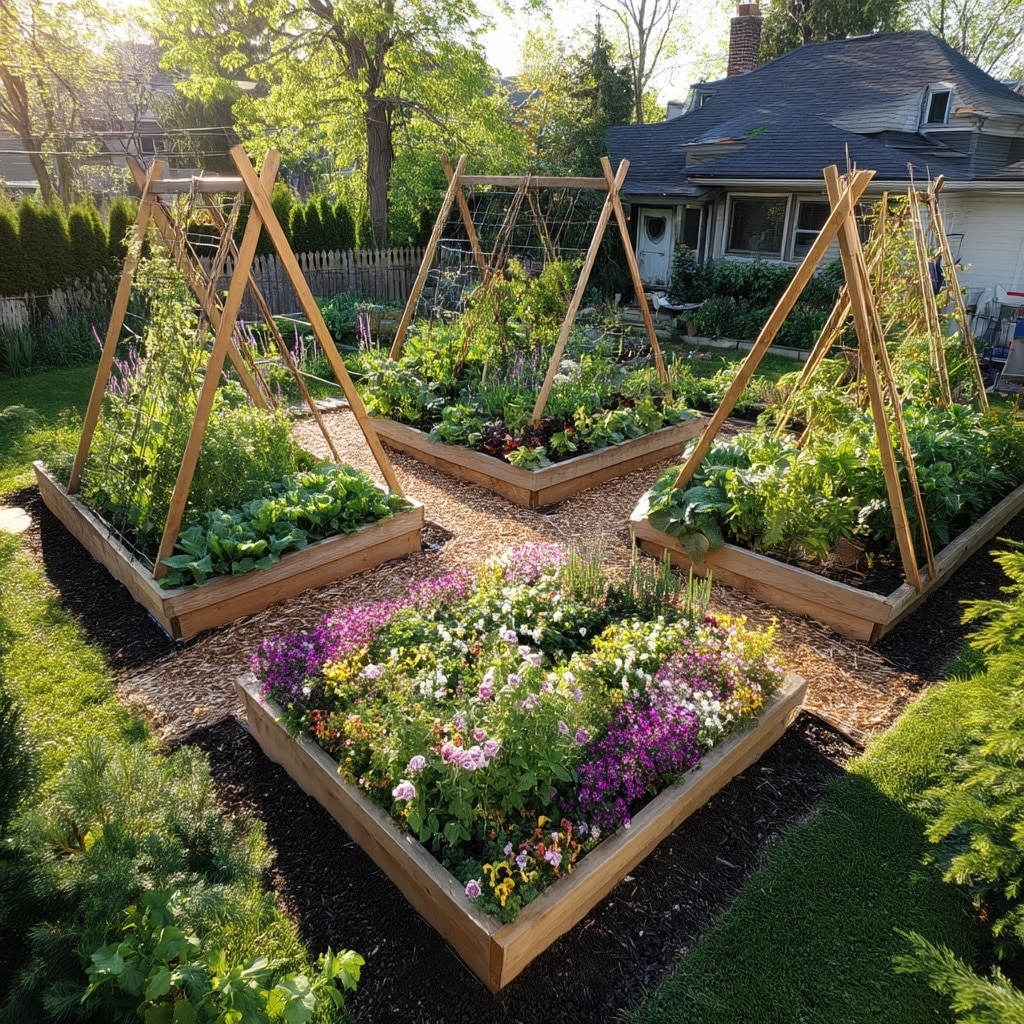
Raised garden beds DIY projects offer one of the easiest and most effective ways to grow your own vegetables, herbs, and flowers—right in your backyard. Whether you’re working with a compact patio or a spacious lawn, how you lay out your raised beds can make all the difference. From ease of access to sunlight exposure, every detail counts when it comes to planning a productive and beautiful garden space. If you’re unsure where to begin or what setup works best for your yard, this guide will walk you through five expert-recommended layouts to help you choose the one that suits your space—and your gardening goals.
Table of Contents
1. All in a Row Layout

If your yard has limited width but plenty of length, the all-in-a-row layout is a simple and efficient way to maximize your growing space. This style works especially well in narrow side yards, along fences, or beside driveways. Raised garden beds DIY gardeners love this design for its clean lines and minimal footprint.
By placing beds in a straight line, you maintain easy access for watering, weeding, and harvesting—especially if each bed is designed with a comfortable working height (around 24 inches is ideal). Add a wide ledge to each bed so you can sit, rest tools, or support a watering can.
To improve flow between the house and garden, consider aligning the breaks between beds with walkways or existing features like stairs or patios. A clear path of at least 3 feet between the beds and surrounding structures helps with mobility and gives your garden a more intentional look.
2. Two of a Kind (Twin Garden Layout)
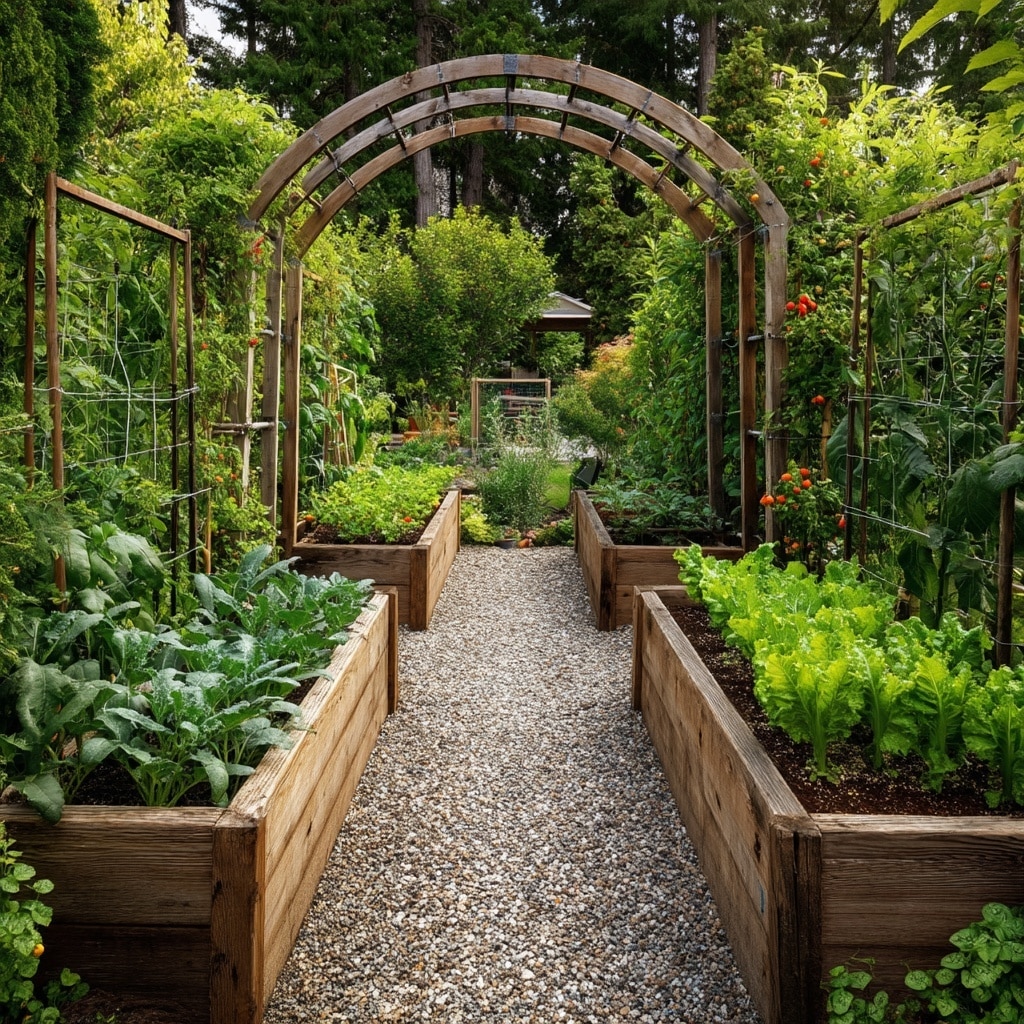
The twin garden setup is one of the most popular raised garden beds DIY configurations—and for good reason. It’s visually balanced, space-efficient, and offers the perfect opportunity to incorporate vertical elements like trellises. This symmetrical layout features two identical raised beds with a walkway down the center, often connected with an overhead trellis to form a cozy garden corridor.
This mirrored planting design isn’t just beautiful—it’s practical too. Alternating crops between the two beds can help minimize soil-borne diseases and improve overall plant health. For example, you might grow leafy greens and herbs in one bed and rotate with tomatoes and peppers in the other the following season.
To boost the aesthetic appeal, frame the path with mulch, gravel, or stepping stones. This not only defines the space but makes it easier to maintain. Whether you’re planting veggies, herbs, or flowers, the twin layout feels like a little sanctuary right in your yard.
3. Trio of Beds
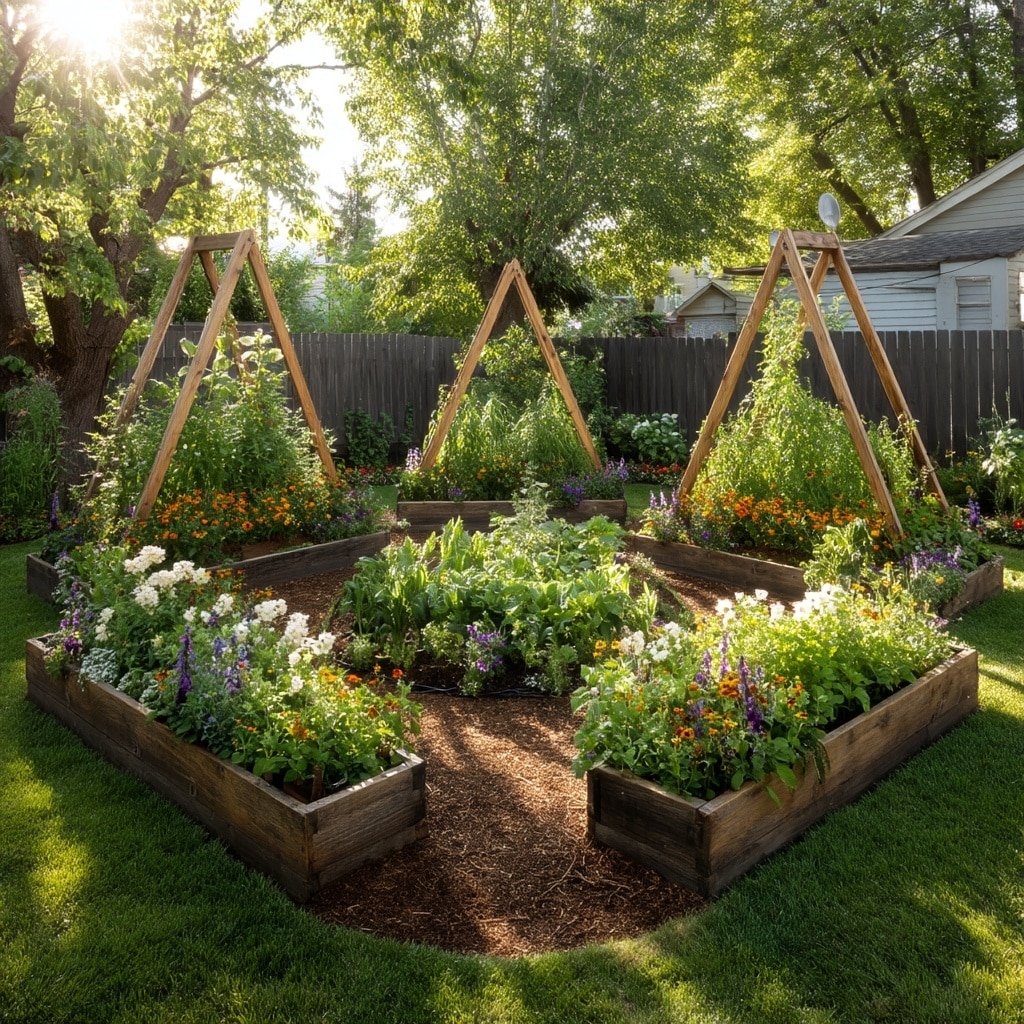
For gardeners working with irregular or curved spaces, a trio of raised garden beds DIY style offers flexibility, balance, and visual appeal. This layout typically includes three beds arranged in a triangle or curved pattern, making it ideal for corner gardens or circular patios where symmetry feels too rigid.
Design-wise, the outer two beds often mirror each other in planting style—think salad greens or seasonal veggies—while the center bed can stand out with something different, like perennial herbs, pollinator flowers, or even a compact fruit shrub. This variation not only adds interest but also supports healthy crop rotation and biodiversity.
Adding simple vertical structures like A-frame trellises over each bed helps define the garden’s shape and supports climbing plants like beans or cucumbers. If you’re short on space but want a layout that feels intentional and complete, the trio setup is a smart and stylish choice.
4. Courtyard Setup
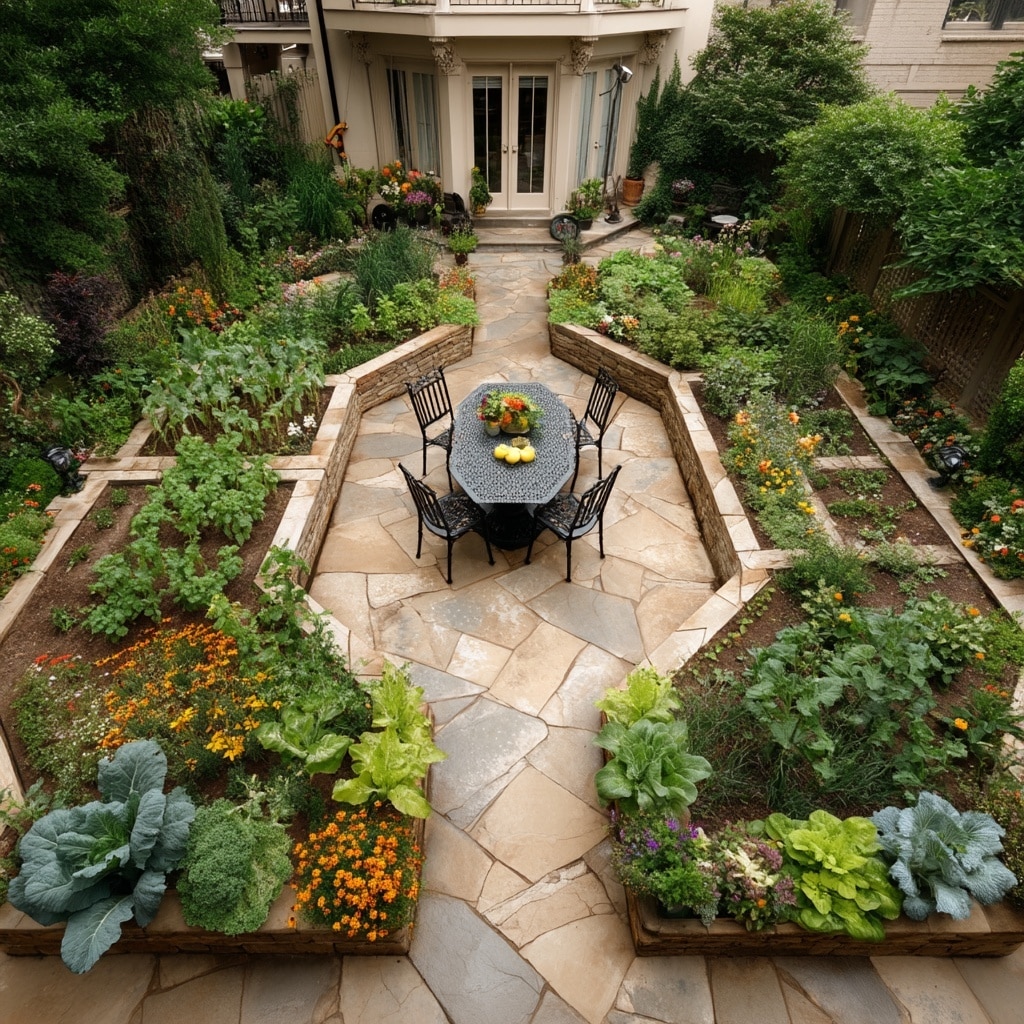
If you dream of a garden that feels like an outdoor room, the courtyard layout is a raised garden beds DIY idea that blends beauty with productivity. In this design, raised beds are arranged around a central focal point—such as a patio, fire pit, water feature, or dining area—creating an immersive, garden-to-table atmosphere.
This layout works well in larger yards where you want the garden to be both functional and inviting. Since the beds can be accessed from multiple sides, you can make them wider (up to 4 or 5 feet) to increase growing space. Surrounding the courtyard with lush edible or ornamental plants creates a sense of enclosure and peace.
When designing this type of layout, keep movement in mind. Include paths that are at least 3 feet wide to allow for wheelbarrows, watering access, and comfortable navigation. Raised garden beds in a courtyard setting don’t just feed you—they transform your outdoor space into a destination.
5. Four Square Layout
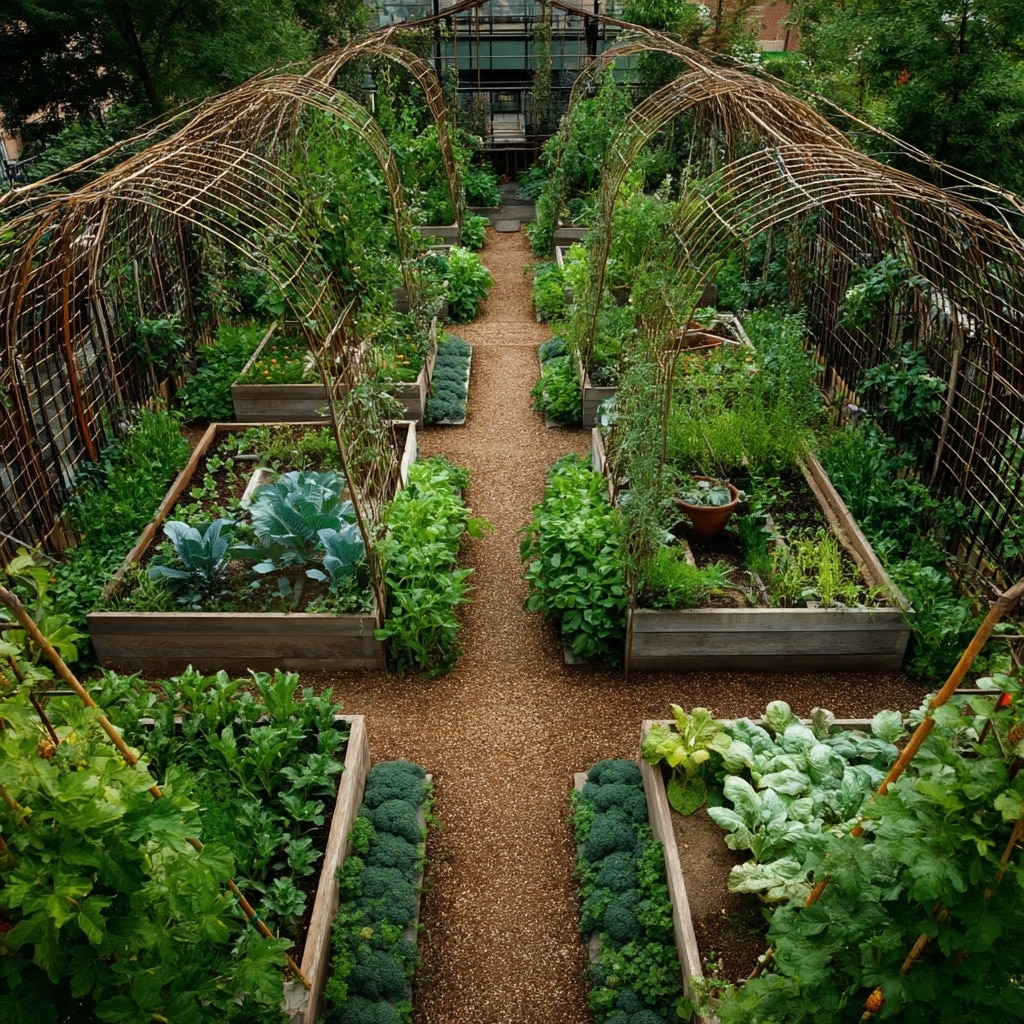
For those with a bit more room and a desire to create a classic garden design, the four square layout is a timeless raised garden beds DIY option. This setup features four identical beds arranged in a grid, often connected with arching trellises or a central path that forms a cross. It not only maximizes growing space but also turns your garden into a visually striking feature of your yard.
This layout shines when you want to grow a wide variety of crops or practice effective crop rotation. For instance, each bed can be dedicated to a specific plant family—like leafy greens, root vegetables, legumes, and fruiting crops—which helps maintain soil health and prevent pest problems.
Adding trellises between beds lets you grow vertical crops while creating defined entryways and exits. With its symmetry and structure, the four square garden brings both order and charm—perfect for gardeners who want function and form in one.
Choosing the Right Spot for Your Raised Garden Beds DIY Project
Before building or buying materials for your raised beds, take time to choose the best location. Where you place your beds has a big impact on plant health, ease of maintenance, and long-term garden success. Here are the most important factors to consider:
☀️ Sunlight
Most vegetables and flowers need 6–8 hours of direct sunlight per day. Pay attention to how the sun moves across your yard throughout the day and across seasons. Place your raised garden beds DIY style in the sunniest available spot. If parts of your garden receive partial shade, reserve those areas for greens like spinach, kale, or lettuce that can tolerate less sun.
If a nearby tree casts shade on one side, use that cooler area for shade-loving crops or herbs that prefer protection from intense afternoon sun.
🌱 Soil and Drainage
One of the perks of raised beds is full control over your soil mix. But don’t ignore your native soil underneath—especially if your beds are shallow. Avoid placing raised beds where water tends to pool or where clay soils drain poorly. If drainage is an issue, go for taller beds (at least 18–24 inches high) and fill them with a loose, well-draining mix.
🚶 Pathways and Access
Function matters just as much as design. Make sure there’s enough space between beds and other elements like fences or patios. Your main access paths should be at least 3 feet wide—wide enough to wheel a barrow, move freely, and tend to plants comfortably. If space is tight, even 18–24 inches on one side is enough for occasional access and harvesting.
Also, think about how bed width affects access. Beds against a wall should be no wider than 3 feet, while freestanding beds can go up to 4 feet wide if you can reach them from both sides.
How to Mock Up Your Raised Garden Beds DIY Layout
Once you’ve picked the ideal spot and chosen a layout that suits your space, don’t rush to build just yet. Taking time to visualize your raised garden beds DIY plan in real space helps avoid costly mistakes and ensures a garden that works for both your plants and your daily routine.
Sketch It Out First
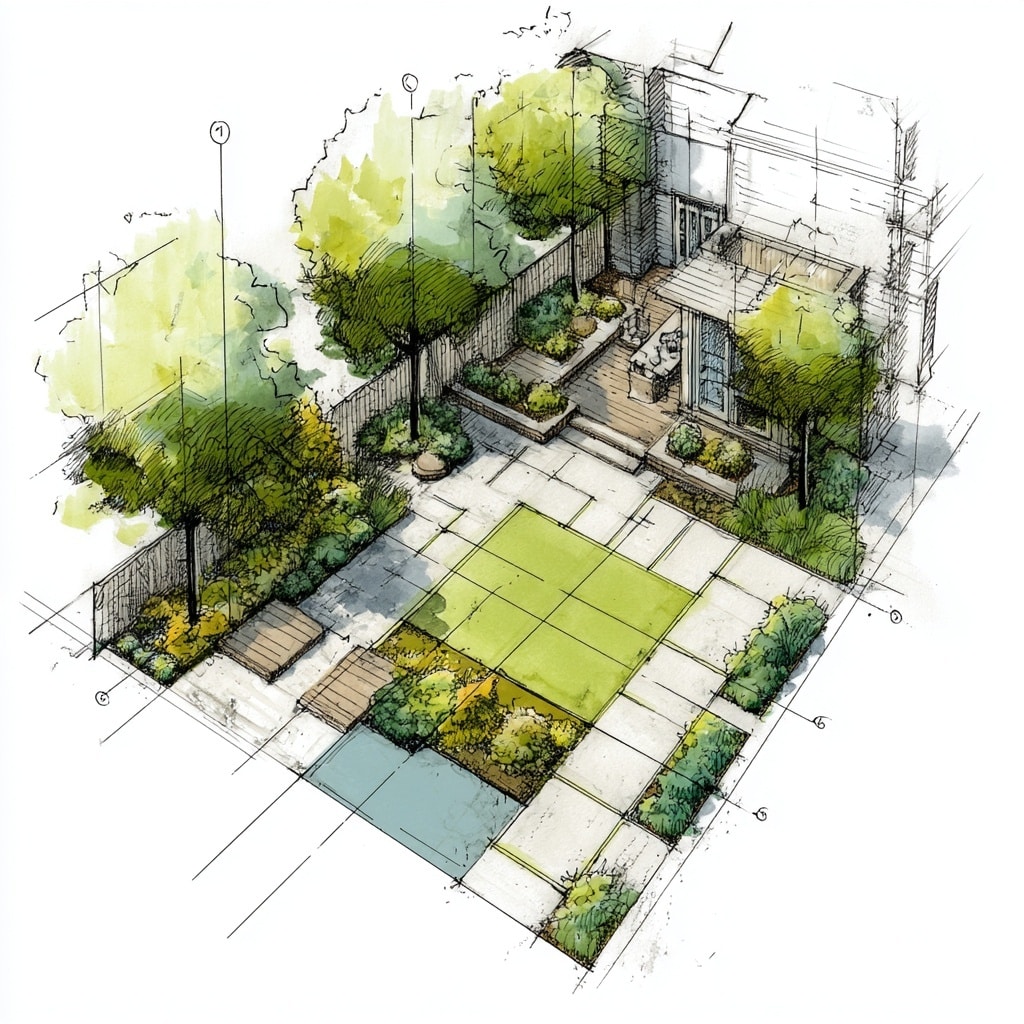
Start by sketching your space on paper. A rough drawing works, but for better accuracy, use graph paper or a garden planning app. Include existing features like fences, trees, sheds, and walkways. This helps you position your beds in a way that allows good sunlight exposure and comfortable access.
You can also use Google Maps’ satellite view to get an overhead perspective of your yard.
Use Physical Placeholders
Before committing to a final build, test your layout in real life. Try one of these two easy methods:
- String and Stakes – Outline each bed with string stretched between stakes to mimic the footprint of your layout.
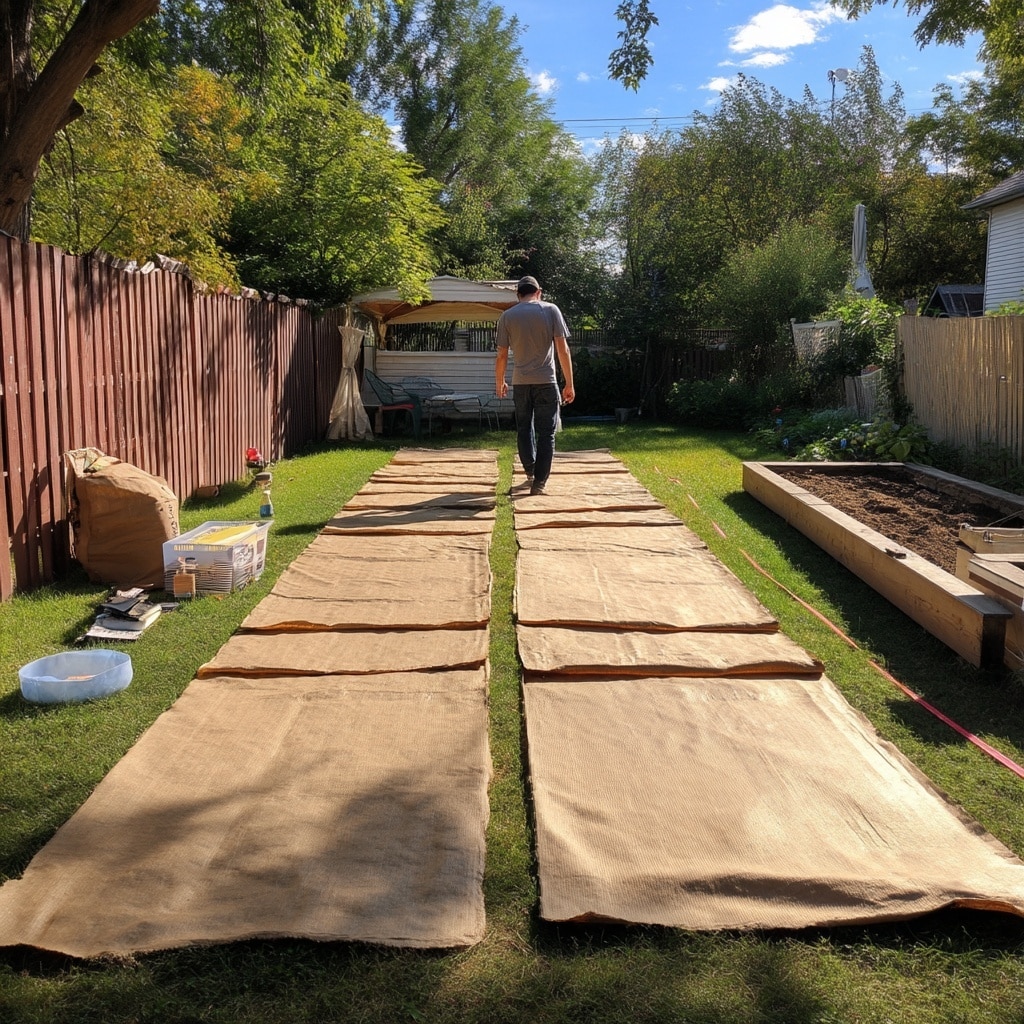
- Folded Bedsheets or Cardboard – Cut or fold sheets or cardboard to match the size of your planned beds. Place them on the ground to see how the space feels once filled. This method gives a clearer sense of how your garden will “flow” and how much walking room you’ll have.
Walk through the layout as if you were gardening—can you reach all sides? Is there enough room to kneel or wheel a cart? A dry run like this helps you build with confidence.
Conclusion
Designing your raised garden beds DIY layout isn’t just about fitting beds into your space—it’s about creating a garden that works for your lifestyle, growing goals, and available sunlight. Whether you choose a tidy row, a twin setup, or a full courtyard experience, planning ahead makes all the difference.
By taking time to understand your space, test your layout, and follow practical guidelines for access and soil health, you’ll set yourself up for a garden that’s not only productive but enjoyable year after year.