
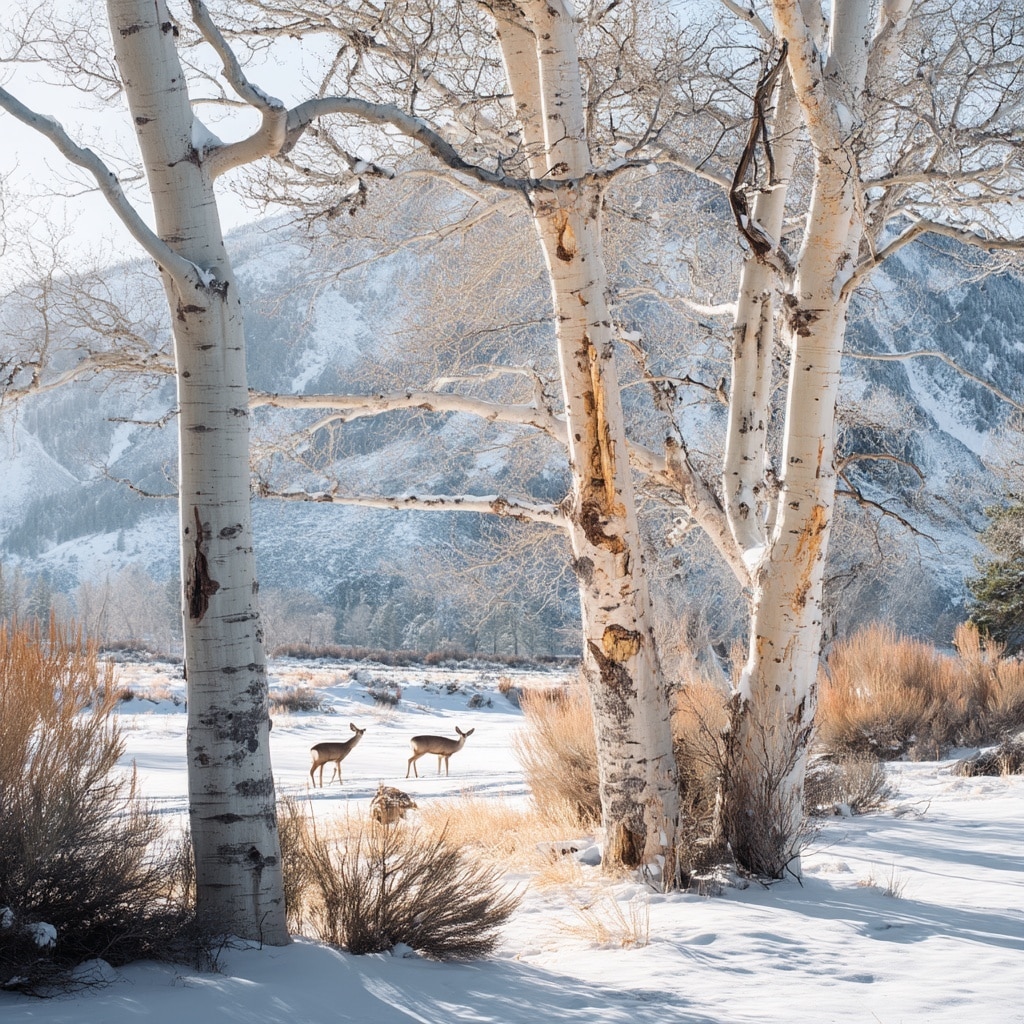
Aspen trees are among the most iconic and beautiful additions to any landscape, especially for homeowners seeking a fast-growing tree that offers year-round interest. From their shimmering leaves in summer to their striking white bark in winter, these trees provide visual appeal in every season. But while they’re a common sight in the mountains, growing aspen trees in urban areas like Denver requires a bit more intention and care. Without the cool, loose soils of higher elevations, these elegant trees can struggle in clay-heavy, compacted urban yards. This guide will walk you through the best ways to grow, maintain, and protect aspen trees in your landscape — all while keeping them healthy and thriving for years to come.
Table of Contents
🏡 Keeping Aspen Trees Happy in Urban Environments

Successfully growing aspen trees in city landscapes starts with mimicking the conditions they love in the wild. In their native mountain habitats, aspens thrive in cool, well-draining soils with consistent moisture and plenty of breathing room. Unfortunately, the dense clay soils found in many urban areas — especially around Denver — can quickly stress these trees if not properly addressed.
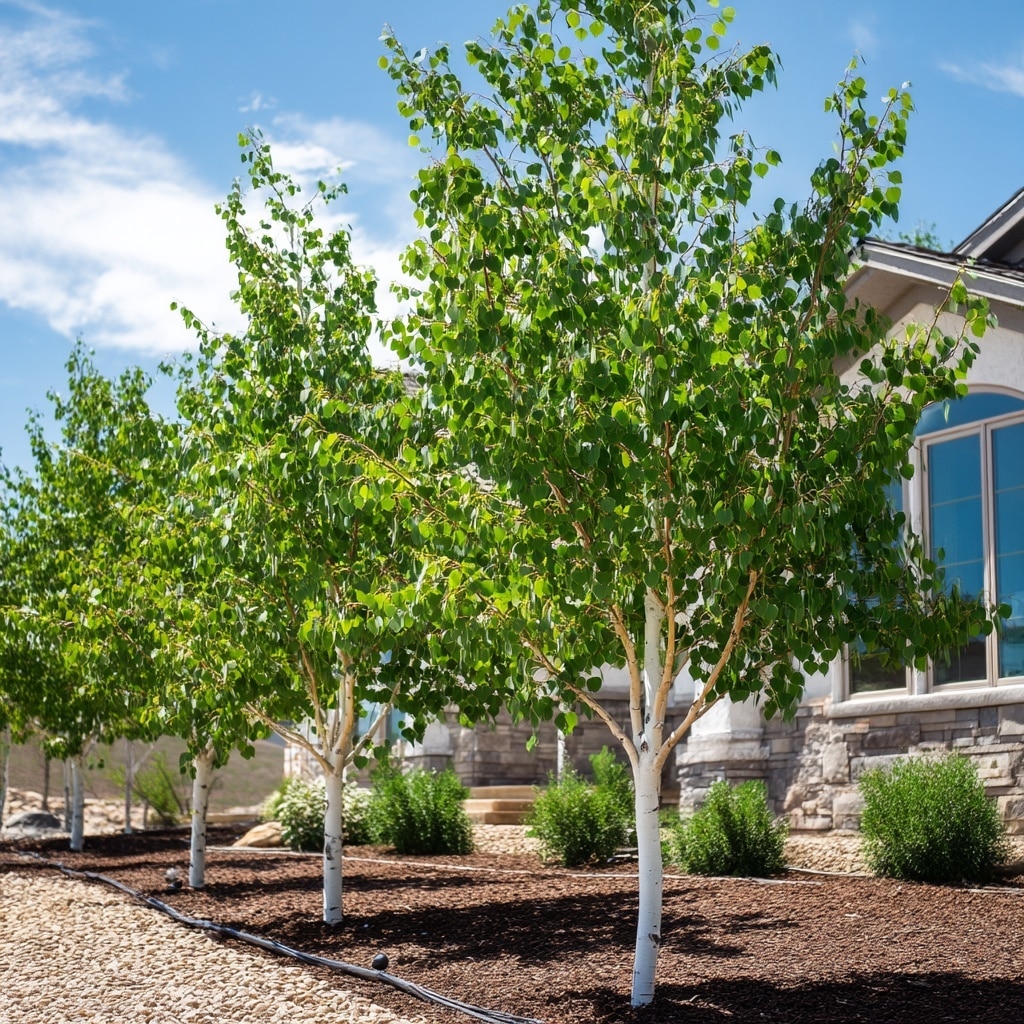
To give your aspen trees a fighting chance, consider planting them in raised berms made of sandy loam soil. This keeps their delicate roots above compacted ground and allows for better drainage and aeration. Adding mulch helps retain moisture, while installing irrigation ensures the soil stays slightly damp — just how aspens like it.
Be mindful of foot traffic near the root zone, as soil compaction is a major stressor. Even with ideal care, it’s important to manage expectations: in an urban yard, aspen trees typically live about 20–25 years, far shorter than their mountain counterparts.
🌱 Aspen Tree Shoots and What They Mean

If you’ve planted aspen trees in your yard, you’ve probably noticed small shoots or sprouts popping up in unexpected places. These aren’t weeds — they’re actually root suckers, natural extensions of the parent tree’s root system. Each one has the potential to grow into a new tree, essentially making it a clone of the original.
This clonal growth is part of what makes aspen trees so unique. In the wild, massive groves are often just one organism connected underground. In fact, a famous aspen colony in Utah, known as Pando, covers over 100 acres and is estimated to be around 80,000 years old — making it one of the oldest and largest living organisms on Earth.
In home landscapes, though, these shoots can become a nuisance. The best way to manage them is by mowing them down regularly. Avoid using chemical treatments, as this can damage the main tree through the shared root system. A bit of routine maintenance goes a long way in keeping your aspen trees tidy and healthy.
❄️ What Makes Aspen Trees Unique
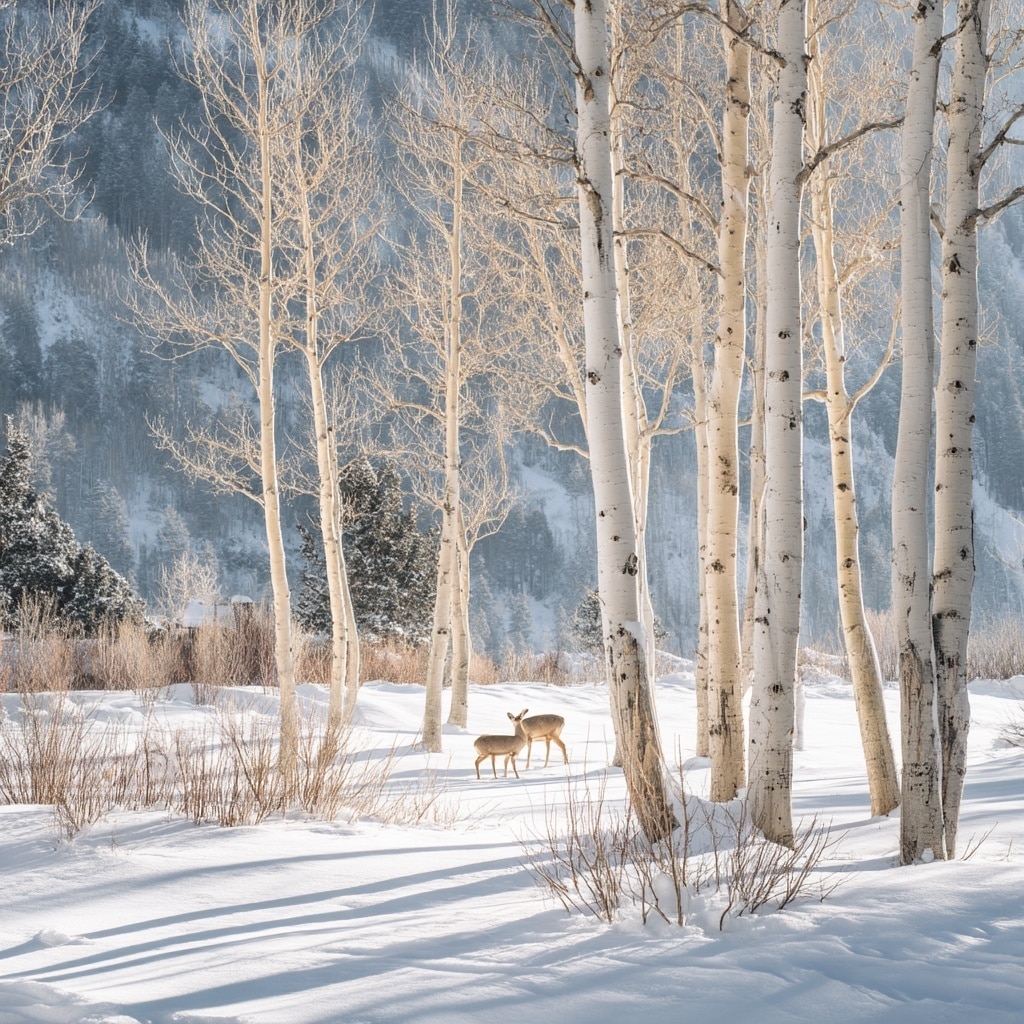
One of the most striking features of aspen trees is their smooth, white bark — a trait that sets them apart from most other trees. But this beautiful bark isn’t just for show. Unlike typical bark, which serves mainly as a protective layer, aspen bark actually performs photosynthesis. That means the tree can continue producing energy even when it has lost its leaves in winter.
This adaptation is especially important in cold climates, where leafless months are long. The bark’s ability to generate sugars helps the tree survive — and also supports local wildlife. In harsh winters, deer and elk sometimes feed on the sugary bark of aspen trees when other food sources are scarce.
This unique feature not only contributes to the tree’s survival but also plays an important role in mountain ecosystems. And in your yard, it provides year-round visual interest that few trees can match — even in the dead of winter.
🐛 Common Pests That Affect Aspen Trees
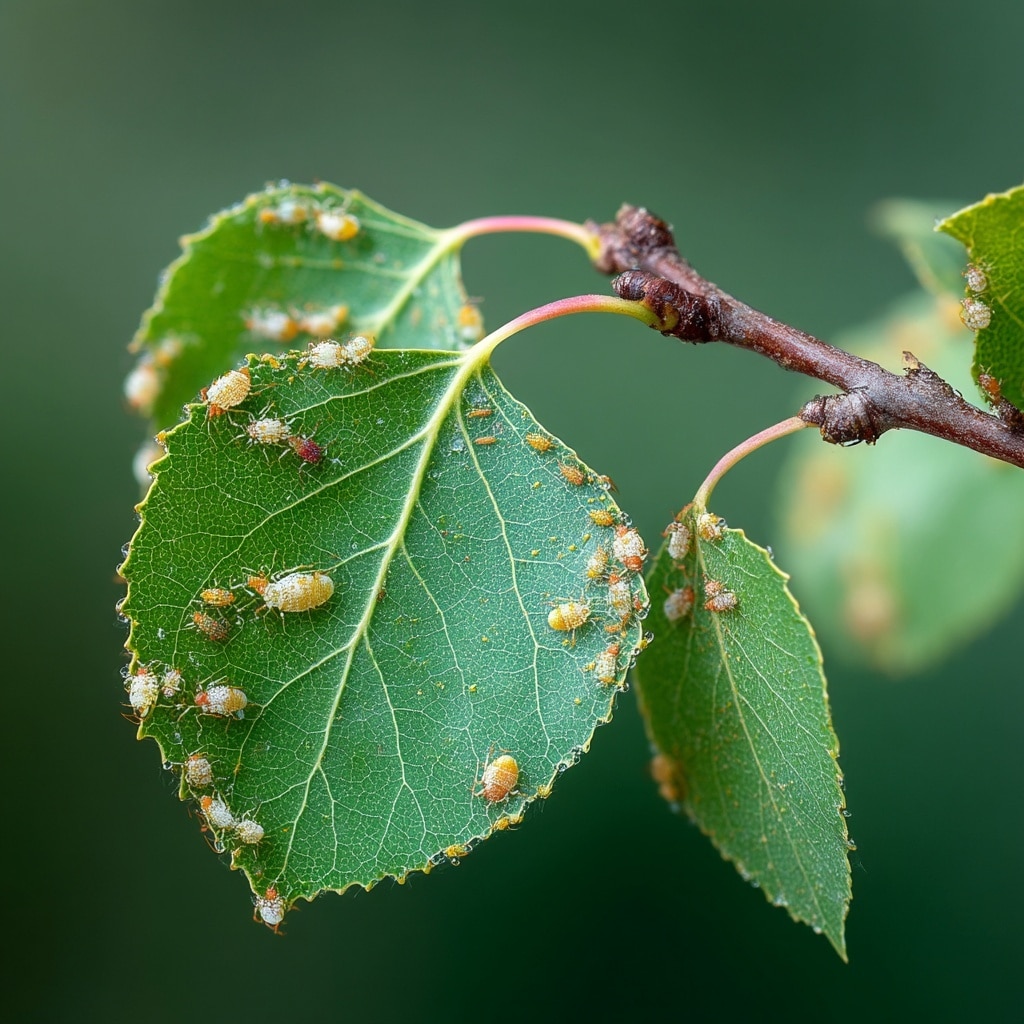
Even the healthiest aspen trees can fall victim to pests, especially in urban settings where natural predators may be less active. Keeping an eye out for early signs of infestation is key to preventing long-term damage.
Aphids
Tiny but troublesome, aphids suck the sap from leaves and excrete a sticky substance called honeydew. This not only makes leaves look black and dirty, but the honeydew can also coat outdoor furniture, cars, and walkways. To manage aphids:
- Use dormant oils in winter to kill eggs
- Try insecticidal soaps or systemic injections during the growing season
Oystershell Scale
These pests look like tiny oyster shells stuck to bark and branches. They feed by piercing bark and sucking out vital fluids, leading to dieback and sometimes even tree death. Control options include:
- Dormant oil applications in late winter
- Summer oils or crawler sprays when nymphs hatch
- Manual removal of scales with a plastic scraper (gently)
Poplar Twiggall Fly
This native Colorado insect causes unusual, lumpy growths (galls) on aspen twigs. While they don’t harm the tree’s health, many find the galls unattractive. In most cases, it’s best to let birds and parasitic wasps manage the problem naturally.
Other Insects to Watch For:
- Aspen Leaf Miners
- Sawflies
- Western Tent Caterpillars
- Poplar Borers
Regular inspections and early action can prevent infestations from getting out of hand. When in doubt, contact a certified arborist for help with your aspen trees.
🦠 Common Aspen Tree Diseases and How to Handle Them
In urban environments, aspen trees are more vulnerable to fungal infections and nutrient deficiencies than their mountain cousins. Understanding the most common diseases — and how to spot them early — can help extend your tree’s life.
Cytospora Canker
This aggressive fungus forms sunken, blister-like cankers on the bark of branches or trunks. It often strikes during or after periods of drought stress, especially in thin-barked trees like aspens. Leaves may yellow and fall prematurely. Unfortunately, there’s no chemical cure. Management includes:
- Pruning out infected branches
- Removing trees with trunk cankers
- Keeping trees well-watered and fertilized to boost natural defenses
Marssonina Leaf Blight
This disease causes dark, yellow-ringed spots on leaves, which may enlarge and merge. In severe cases, the tree can shed a large amount of foliage. The fungus overwinters in yard debris. Prevention includes:
- Raking and removing leaves in the fall
- Thinning crowded trees to improve air circulation
Iron Chlorosis
A common issue in clay-heavy soils, Chlorosis causes yellowing leaves with green veins due to poor iron absorption. Left untreated, it can weaken or kill the tree. Solutions include:
- Injecting chelated iron into the soil
- Improving soil drainage and reducing compaction
Other Aspen Tree Diseases to Watch For:
- Leaf and Shoot Blight – blackened leaf spots and curled stems
- Ink Spot – clustered brown spots forming distinct patterns
- Septoria Leaf Spot – scattered tan spots merging into large blotches
- Leaf Rust – yellow-orange fungal growths, especially on young trees
Many of these problems can be reduced with consistent care and good hygiene practices around your aspen trees — such as raking, pruning, and proper watering.
✅ 5 Ways to Keep Aspen Trees Healthy
Growing aspen trees in your yard requires more than just planting and watering. These care tips will help prevent pests, diseases, and premature decline — giving your trees the best chance to thrive.
1. Plant in Raised Berms
Use loose, sandy loam soil mounded above ground level to protect roots from compacted clay. Raised berms improve drainage and mimic the tree’s native mountain soil.
2. Prune Properly and Promptly
Remove dead or diseased branches early to prevent spread. For large or high branches, hire a certified arborist to ensure safe and correct pruning.
3. Use Dormant Oils and Systemic Treatments
Many pests — like aphids and scale — can be controlled with dormant oil sprays in winter or systemic treatments during the growing season. Consult with a professional for safe application.
4. Water and Feed Year-Round
Even in winter, your aspen trees need moisture. Deep watering during dry periods and a balanced fertilizer in early spring can help build strong defenses.
5. Avoid Wetting Leaves and Bark
Wet foliage promotes fungal infections. Aim sprinklers away from the tree’s canopy to keep leaves dry and reduce disease risk.
By following these simple guidelines, you can enjoy healthier, longer-lasting aspen trees — even in challenging urban conditions.
🌿 Conclusion
With the right care and attention, aspen trees can be a stunning and rewarding addition to your landscape. While they may face challenges in urban environments — from compacted soil to pest pressure — thoughtful planting, consistent watering, and regular maintenance can go a long way in preserving their health and beauty.
Remember, these trees aren’t just ornamental; they’re living connections to Colorado’s high country, offering year-round color, charm, and ecological value. By following the tips in this guide, your aspen trees can thrive — even miles away from the mountains.