
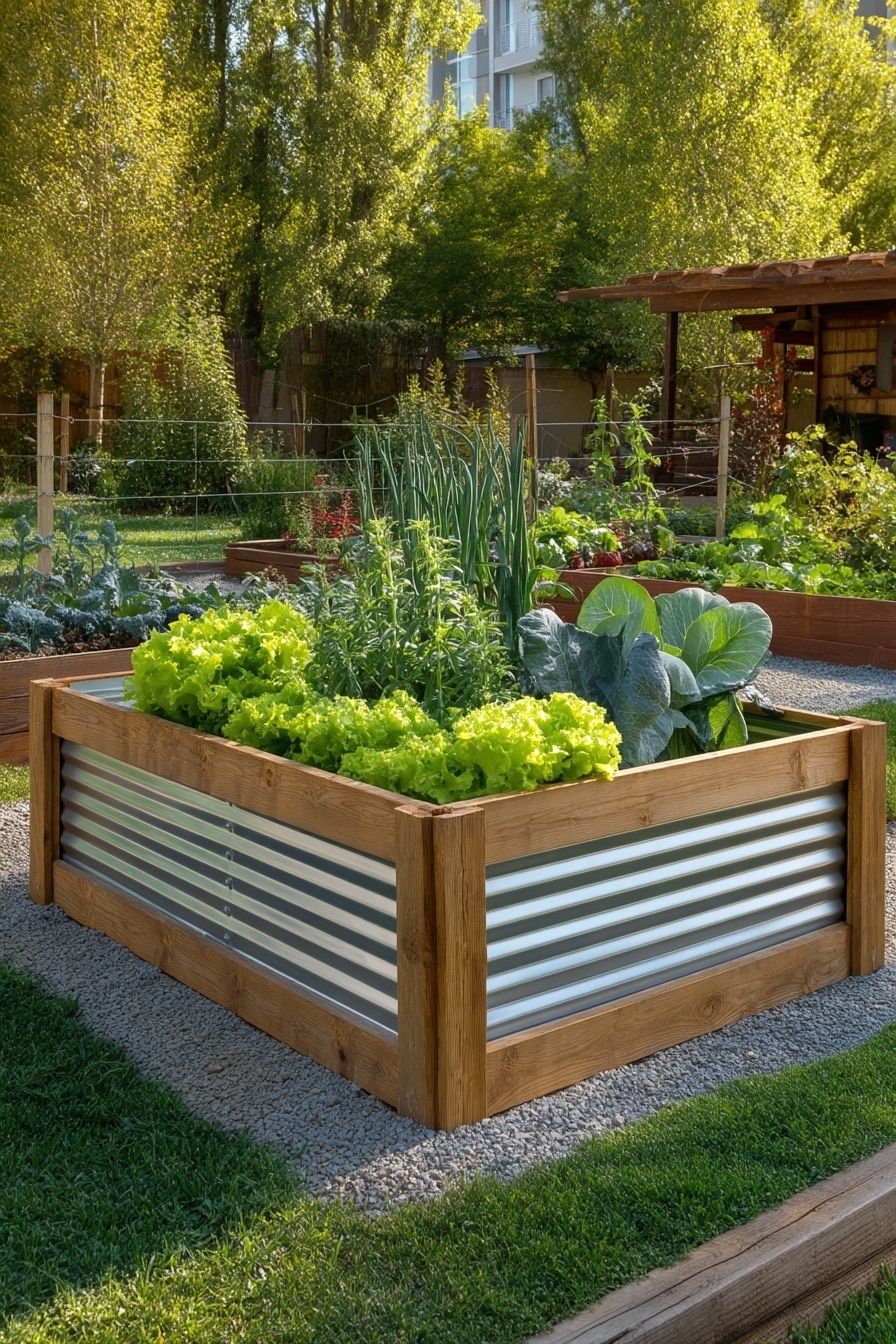
DIY raised garden bed projects are a practical way to start growing vegetables, herbs, and flowers in an organized space. A well-built DIY raised garden bed improves soil quality, helps manage weeds, and makes gardening easier to maintain. Whether you have a large backyard or a small patio, building a DIY raised garden bed allows you to control the growing environment while maximizing available space.
Many gardeners prefer raised beds because they offer better drainage and allow soil to warm up faster in spring. With the right design, a DIY raised garden bed can also add structure and beauty to your garden area.
In this guide, you’ll find five creative DIY raised garden bed ideas that work for different garden sizes and styles. Each design is simple to build and helps you create a productive and attractive garden space.
Table of Contents
1. Classic Wooden DIY Raised Garden Bed

A classic wooden DIY raised garden bed is one of the most popular choices for home gardeners. This design uses simple wooden boards to create a rectangular planting area that holds soil and plants neatly in place.
This style of DIY raised garden bed works well for vegetable gardens because it provides enough depth for roots to grow while keeping soil contained.
Materials needed
To build a basic wooden raised bed, you will typically need:
- Untreated cedar or pine boards
- Wood screws or nails
- A drill or screwdriver
- Landscape fabric (optional)
These materials are easy to find at most hardware stores.
Advantages of wooden raised beds
A wooden DIY raised garden bed offers several benefits:
- Simple construction for beginners
- Flexible size and shape options
- Natural appearance in the garden
- Affordable building materials
Wooden beds also blend well with other garden features such as pathways or trellises.
2. Tiered DIY Raised Garden Bed
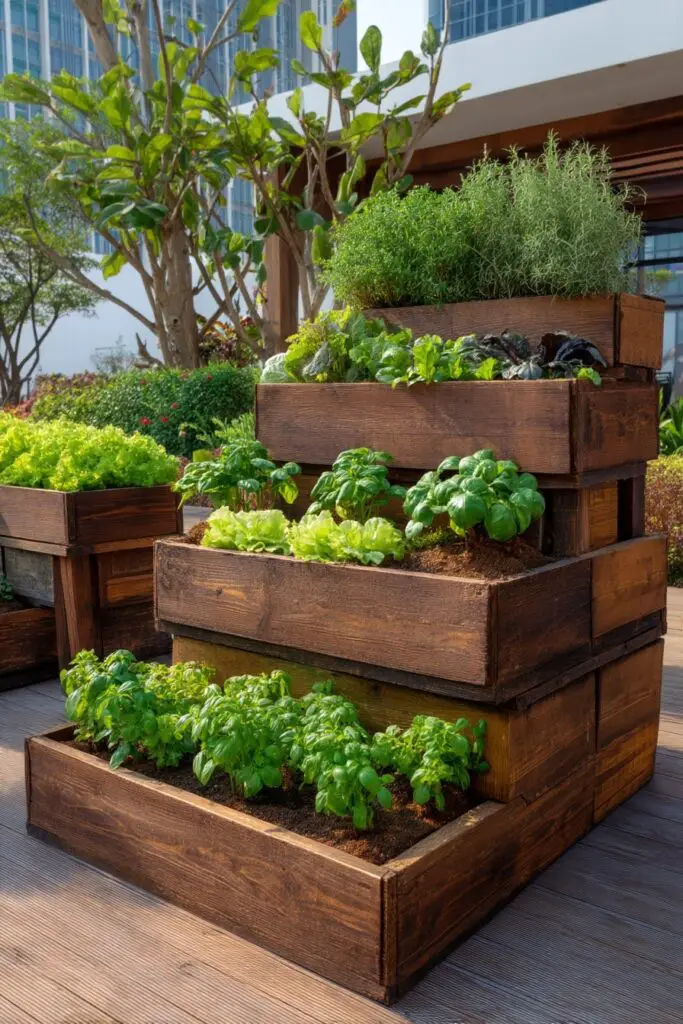
A tiered DIY raised garden bed adds multiple planting levels within one structure. This design works especially well for gardeners who want to grow different plants in a compact area.
Each tier provides a separate planting space while creating a visually interesting garden display.
How tiered beds work
Tiered beds are built with stacked frames that gradually step upward. The lowest level usually holds larger plants, while upper tiers can support herbs or small vegetables.
This type of DIY raised garden bed is ideal for:
- Small backyard gardens
- Decorative vegetable gardens
- Patio garden areas
Plants suited for tiered beds
You can grow a variety of crops in a tiered DIY raised garden bed, such as:
- Lettuce and leafy greens
- Basil and parsley
- Strawberries
- Compact tomato varieties
- The layered structure makes it easier to organize plants by height and sunlight needs.
3. Metal DIY Raised Garden Bed
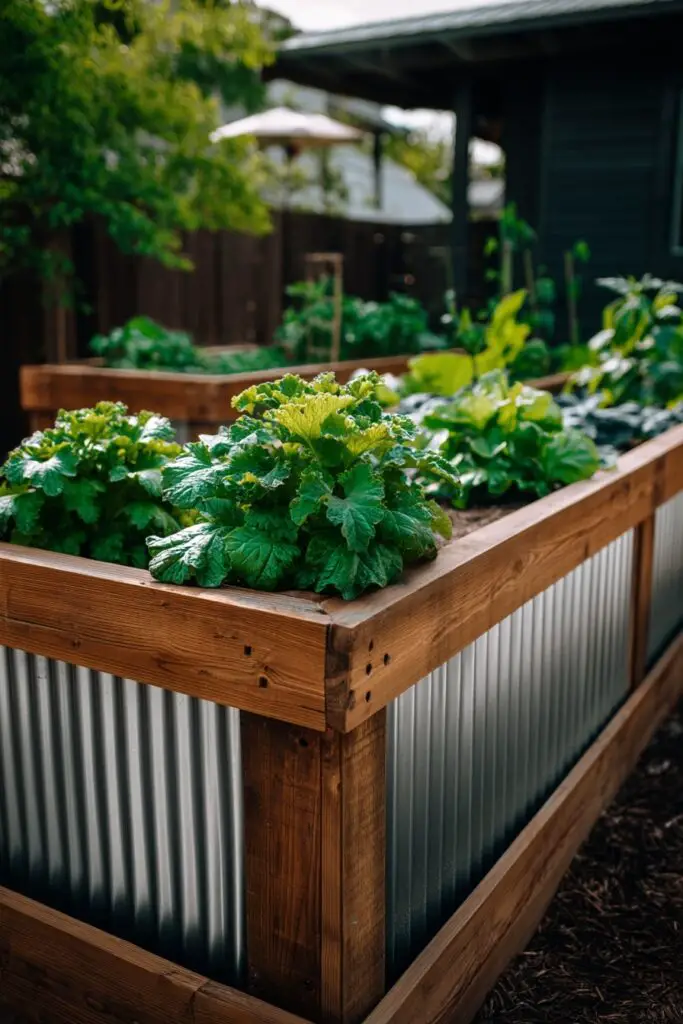
A metal DIY raised garden bed offers a modern look while providing long-lasting durability. These beds are often made from galvanized steel panels or corrugated metal sheets attached to a wooden or metal frame.
Because metal resists rot and insect damage, this type of DIY raised garden bed can last for many years.
Benefits of metal raised beds
Metal raised beds provide several advantages:
- High durability and weather resistance
- Minimal maintenance
- Contemporary garden appearance
- Long lifespan
Many gardeners choose a metal DIY raised garden bed for its strength and clean design.
Ideal plants for metal beds
Vegetables that grow well in a metal DIY raised garden bed include:
- Tomatoes
- Peppers
- Kale
- Spinach
- Carrots
Metal beds warm up quickly in spring, which can help early-season crops grow faster.
4. Vertical DIY Raised Garden Bed
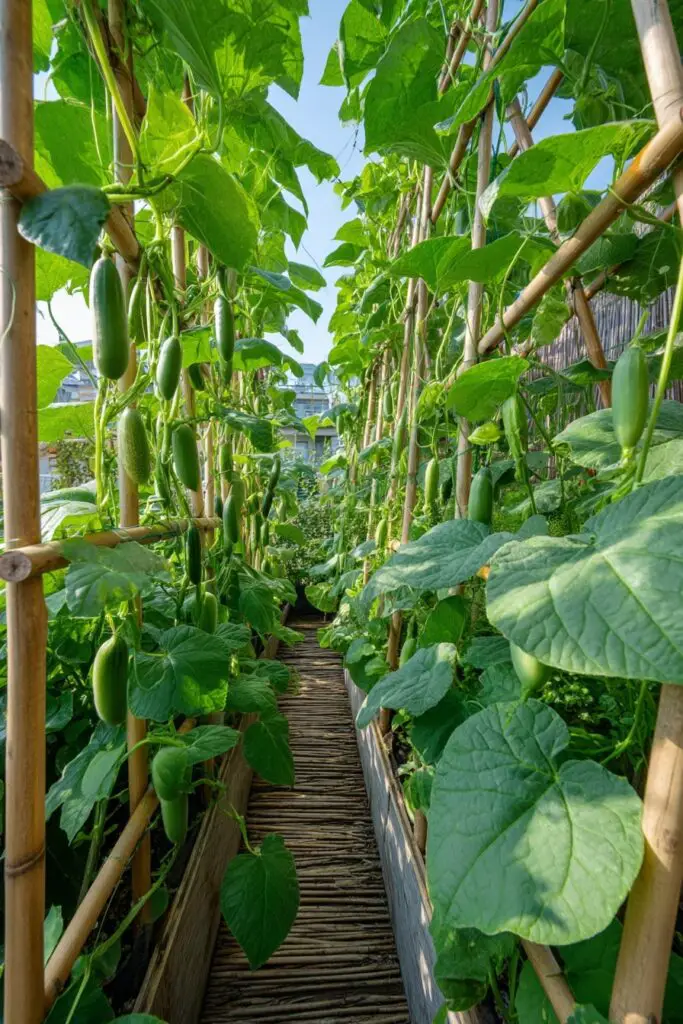
A vertical DIY raised garden bed is perfect for gardeners who have limited ground space. Instead of spreading plants across a wide bed, this design allows plants to grow upward using built-in supports.
Vertical gardening can increase planting capacity while keeping the garden compact.
Structures used for vertical beds
Common structures used in a vertical DIY raised garden bed include:
- Trellises
- Garden arches
- Vertical planters
- Wall-mounted containers
These features support climbing vegetables and trailing plants.
Vegetables that grow vertically
The following crops thrive in a vertical DIY raised garden bed:
- Cucumbers
- Pole beans
- Peas
- Cherry tomatoes
- Small squash varieties
Growing vertically also improves airflow around plants and reduces soil-borne diseases.
5. U-Shaped DIY Raised Garden Bed
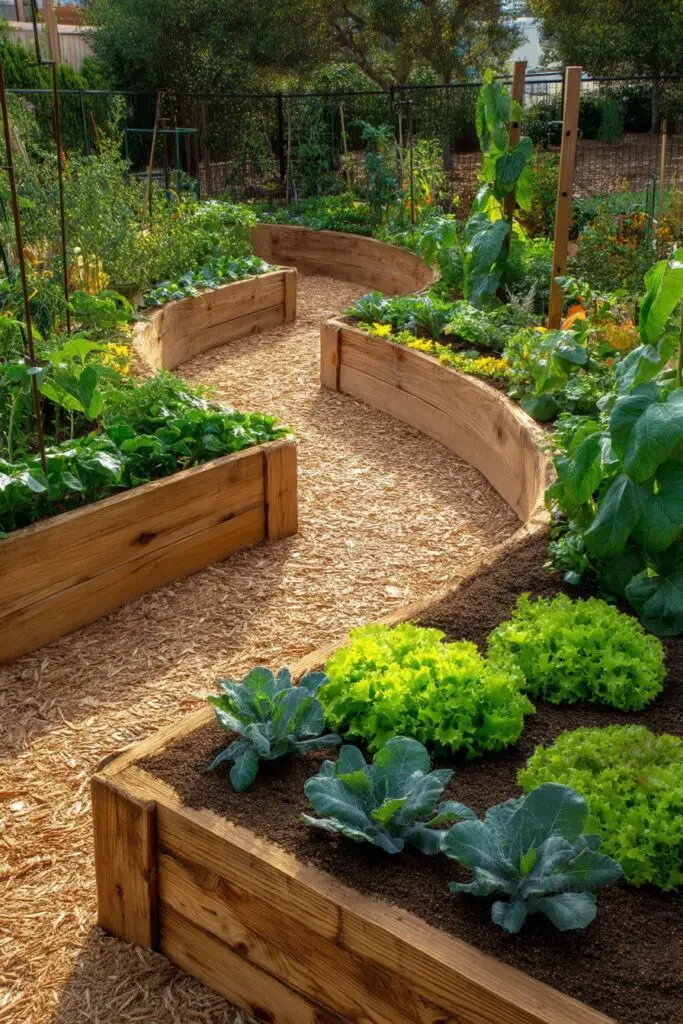
A U-shaped DIY raised garden bed is designed for accessibility and efficient use of space. The open center allows gardeners to reach plants from multiple sides without stepping into the bed.
This layout works well for gardeners who want easy access to every plant.
Advantages of U-shaped beds
A U-shaped DIY raised garden bed offers several benefits:
- Easy access from all sides
- Efficient use of garden space
- Reduced soil compaction
- Comfortable gardening without excessive bending
This design is often used in intensive vegetable gardening.
Plants suited for U-shaped beds
You can grow a wide variety of crops in a U-shaped DIY raised garden bed, including:
- Lettuce
- Herbs
- Tomatoes
- Peppers
- Root vegetables
The layout allows gardeners to harvest and maintain plants without difficulty.
Tips for Building a Successful DIY Raised Garden Bed
Before starting a DIY raised garden bed, careful planning will help ensure success.
Choose the right location
Most vegetables require 6–8 hours of direct sunlight each day.
Select safe building materials
Use untreated wood or food-safe materials to avoid chemicals leaching into the soil.
Prepare high-quality soil
Fill your DIY raised garden bed with a mix of garden soil, compost, and organic matter.
Plan for watering
Install drip irrigation or keep the bed close to a water source for easy watering.
Following these steps will help your DIY raised garden bed remain productive and healthy throughout the growing season.
Conclusion
Building a DIY raised garden bed is one of the easiest ways to create an organized and productive garden. Whether you choose a classic wooden design, a tiered structure, metal beds, vertical gardens, or a U-shaped layout, each option offers unique advantages.
The best DIY raised garden bed depends on your available space, gardening goals, and preferred design style. With thoughtful planning and quality materials, raised beds can provide years of productive gardening while adding structure and beauty to your outdoor space.