
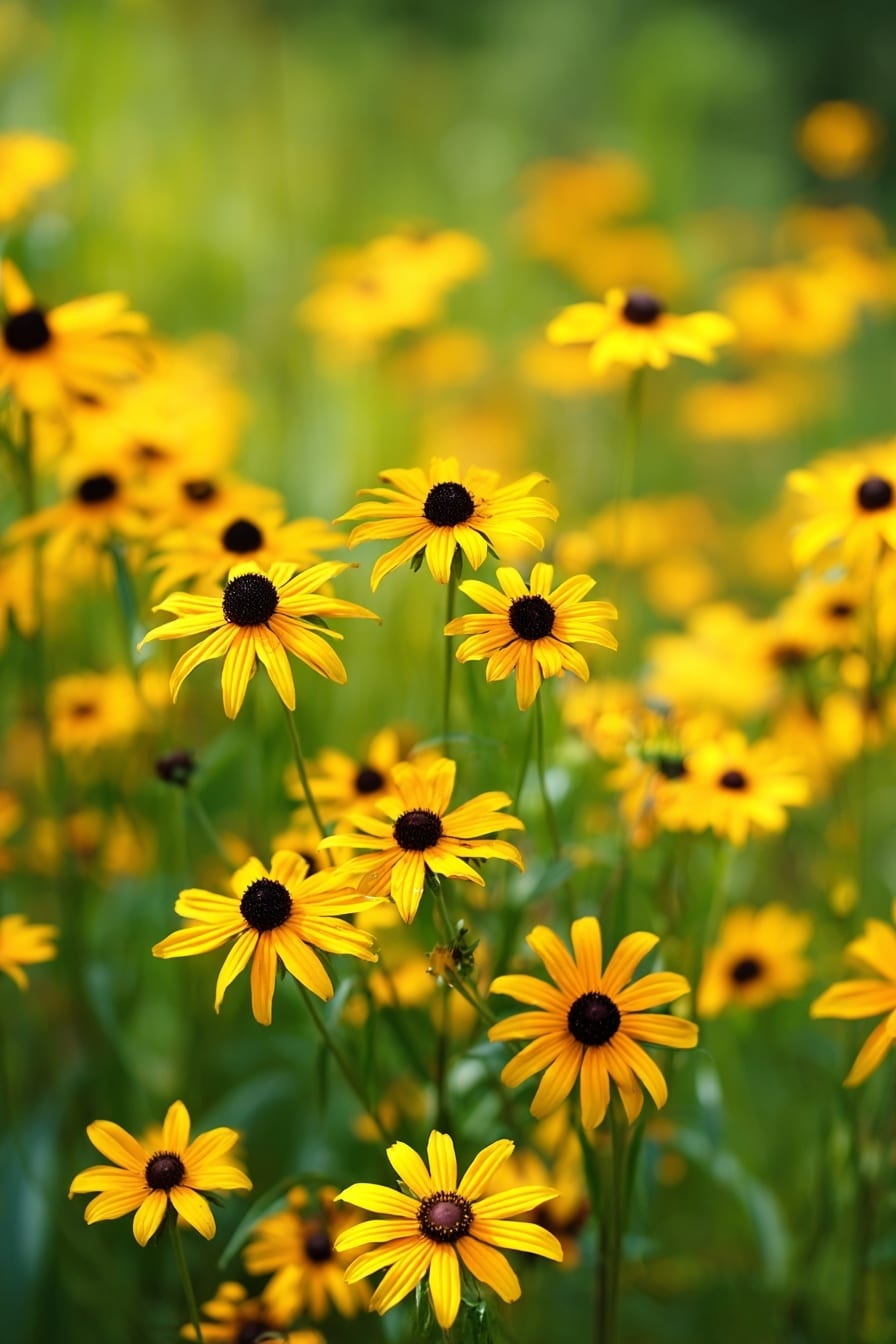
Perennial flowers are a smart choice for gardeners who want reliable color and lasting beauty without the need to replant every year. April is the perfect time to get these long-living bloomers into the ground, giving them a head start for a full season of growth. By selecting hardy, well-adapted varieties, you’ll enjoy vibrant blossoms not just this spring, but for years to come.
Unlike annuals that only last a season, perennial flowers return stronger each year, filling your beds and borders with dependable structure and seasonal interest. From delicate pastels to bold, architectural forms, there’s a perennial for every style of garden.
Table of Contents
Sweet Peas (Lathyrus odoratus)

Sweet peas are known for their romantic blooms and irresistible fragrance. Though often grown as annuals, certain varieties behave like perennial flowers in milder climates. April planting gives them a head start before summer heat sets in.
H3: Why Plant Sweet Peas in April
- Cool-season plants that germinate best in early spring
- Bloom from late spring into early summer
- Add vertical height when trained on trellises or fences
- Attract pollinators with their strong scent
Choose perennial types like Lathyrus latifolius for long-lasting performance. Ensure well-drained soil and full sun to encourage robust flowering and vine growth. Regular deadheading extends the bloom period.
Pro Tip: Soak seeds overnight before planting to speed up germination.
Dahlias
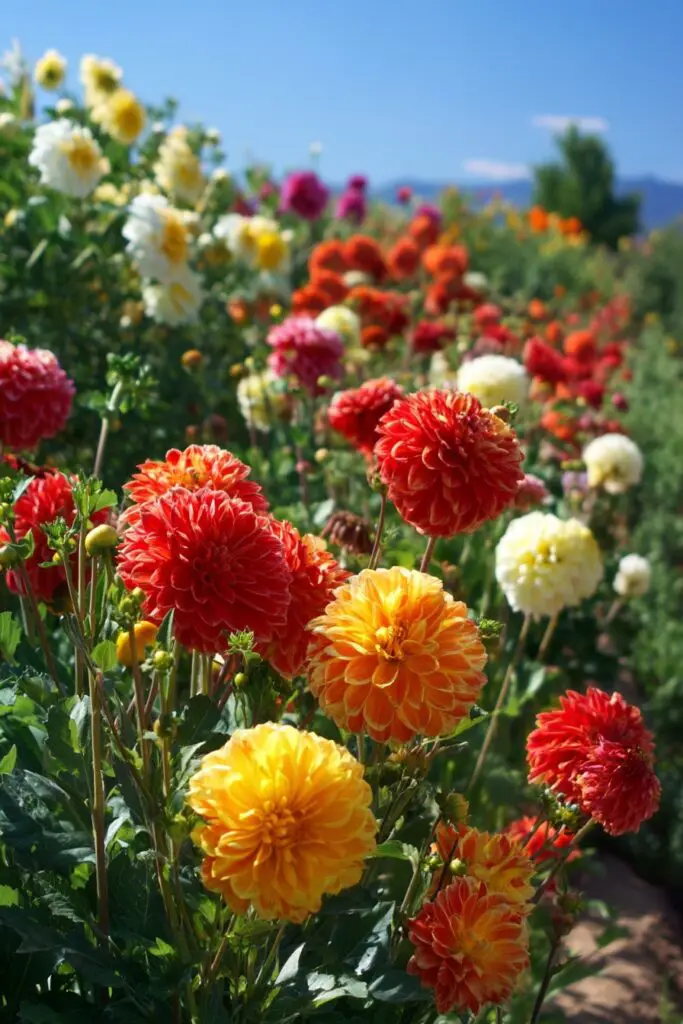
Dahlias bring drama to the garden with their bold, geometric blooms in a wide range of colors. Though technically tender perennials, in warmer zones (USDA 8–11), dahlias can be left in the ground over winter. For colder regions, planting tubers in April gives them time to establish before summer.
H3: Benefits of Planting Dahlias in April
- Tubers sprout quickly in warming spring soil
- Long blooming season from midsummer to frost
- Available in dozens of bloom shapes and sizes
- Ideal for cutting gardens and mixed borders
Plant tubers about 4–6 inches deep in well-drained soil after your last frost date. Stake taller varieties early to support their growth. Water regularly once shoots appear, and pinch back for bushier plants.
Pro Tip: Mulch around dahlias to retain moisture and keep roots cool as temperatures rise.
Delphiniums
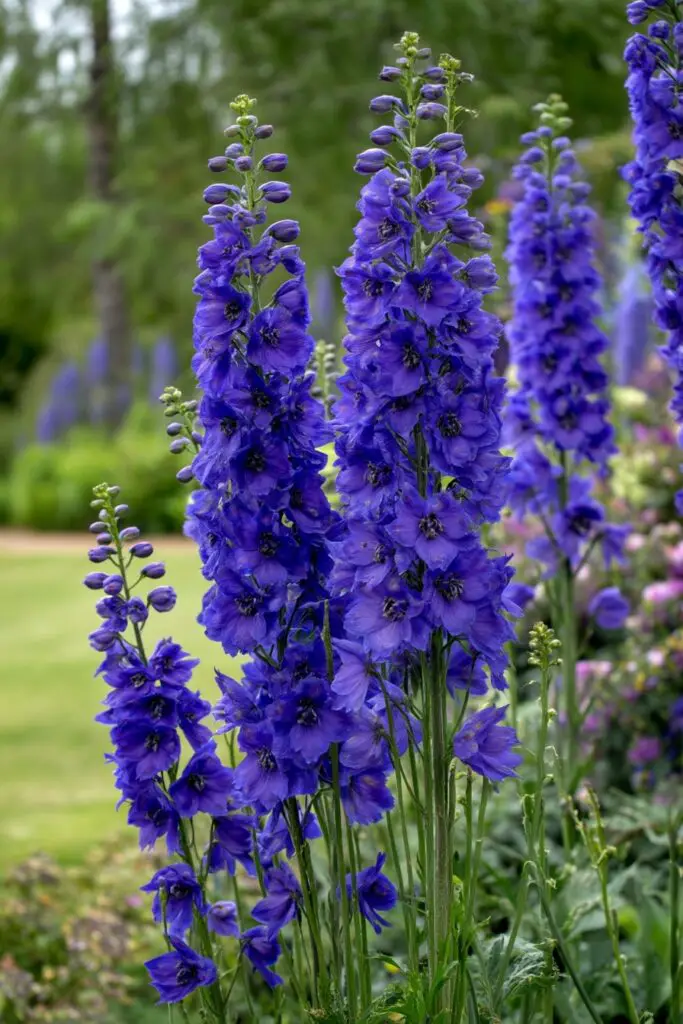
Delphiniums are beloved for their tall spires of blue, purple, and white blooms. These stately perennial flowers make a bold vertical statement in borders and cottage-style gardens. Planting them in April ensures a strong root system before the heat of summer.
H3: Why Delphiniums Thrive with Spring Planting
- Prefer cooler spring temps for root development
- Bloom in late spring to early summer
- Great for back-of-border planting due to their height
- Attract bees and butterflies
Delphiniums need rich, well-draining soil and consistent moisture. Protect them from strong winds with staking or planting near fences. Deadheading after their first bloom may trigger a second flowering later in the season.
Pro Tip: Incorporate compost or slow-release fertilizer when planting for lush, tall growth.
Lupines (Lupinus spp.)
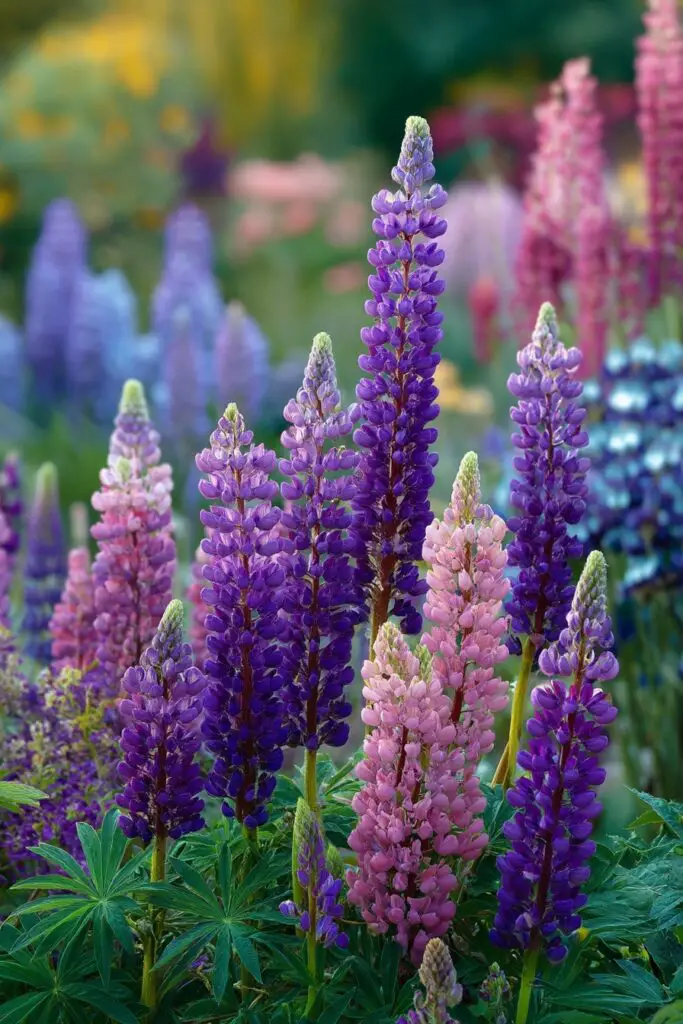
Lupines are striking perennial flowers that bring vertical flair and vibrant color to any spring garden. Their tall, spiky blooms and unique palmate leaves add texture and variety to mixed beds. April planting allows these hardy perennials to root deeply and bloom by late spring.
H3: Reasons to Plant Lupines in April
- Cool temperatures favor early growth
- Natural nitrogen fixers that improve soil quality
- Available in purple, pink, white, and bicolor varieties
- Loved by bees and butterflies
Plant lupines in full sun with well-drained, slightly acidic soil. Once established, they require little maintenance and will reseed themselves if left undisturbed. Their deep taproots help them survive in dry conditions, making them a reliable perennial year after year.
Pro Tip: Avoid transplanting once established—lupines don’t like having their roots disturbed.
Peonies (Paeonia spp.)
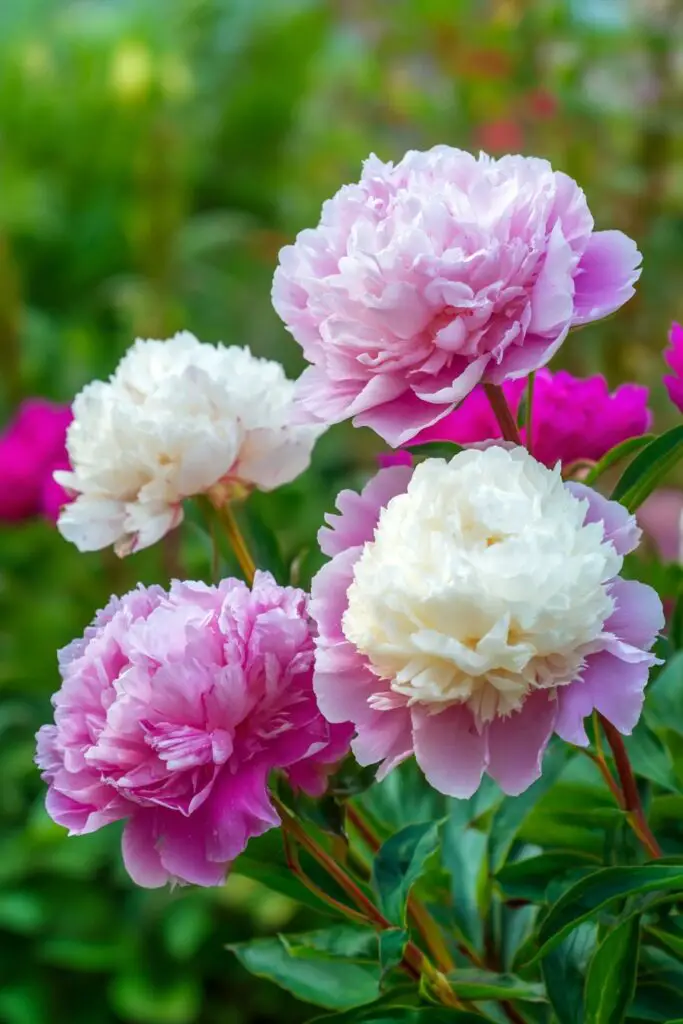
Peonies are classic, long-lived perennial flowers known for their lush, fragrant blooms. These spring favorites thrive when planted in the cool soils of April, giving their roots time to establish before summer heat arrives.
H3: Peony Planting Benefits
- Can live for decades with proper care
- Produce large, layered flowers in shades of pink, white, and red
- Low maintenance once established
- Make excellent cut flowers with long vase life
Choose a sunny spot with well-drained soil and plant the root crowns just below the surface. Avoid planting too deep, as this can hinder blooming. Once in place, peonies are incredibly hardy and will reward you with spectacular blooms year after year.
Pro Tip: Support heavy blooms with a plant ring or stake to prevent drooping.
Coreopsis (Coreopsis spp.)
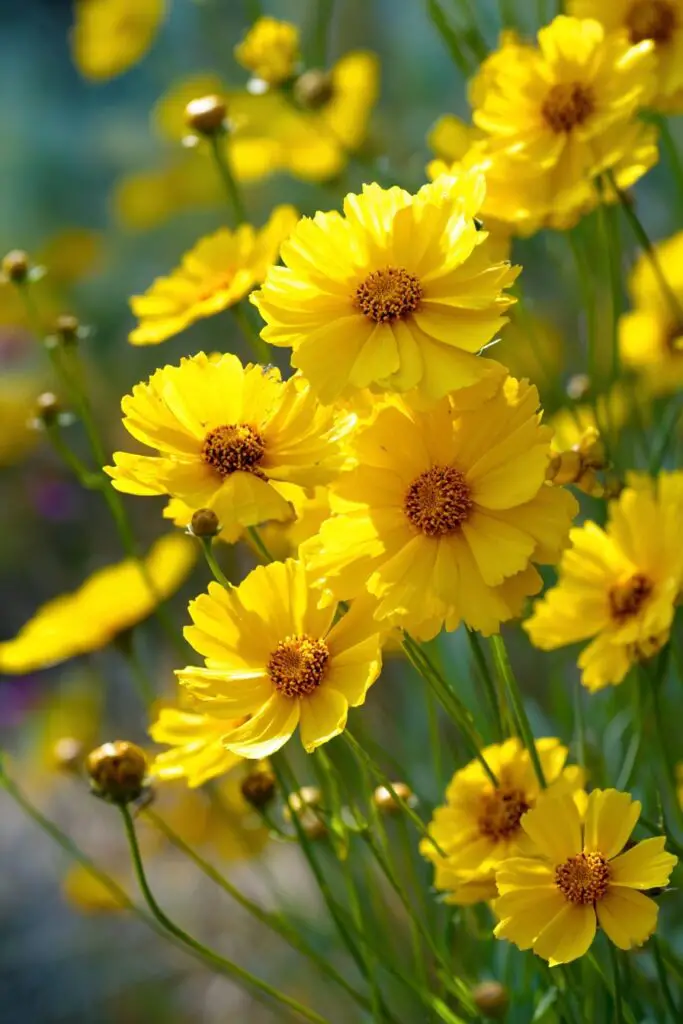
Coreopsis, also known as tickseed, is a cheerful and low-maintenance perennial flower that thrives in full sun. With its daisy-like blooms in bright yellow, pink, or red, coreopsis adds months of color to garden beds and borders. Planting in April helps ensure strong root growth before the hottest months.
H3: Why Coreopsis Works Well for April Planting
- Tolerant of drought once established
- Attracts pollinators like bees and butterflies
- Blooms from early summer into fall with deadheading
- Great for wildflower gardens and naturalized settings
Coreopsis prefers sandy, well-drained soil and minimal fertilization. It’s ideal for beginners, needing little care once established. Clump-forming varieties can be divided every few years to refresh their vigor and spread them throughout your garden.
Pro Tip: Trim plants back by one-third in midsummer to encourage fresh blooms into autumn.
Salvia (Salvia nemorosa and other varieties)
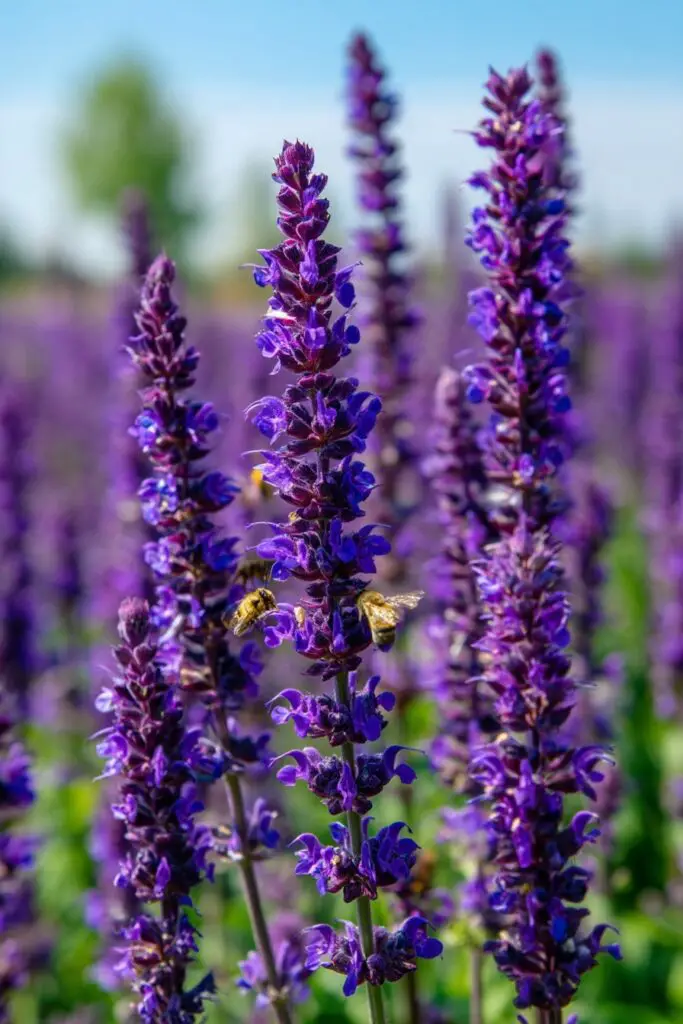
Salvia is a hardy, deer-resistant perennial flower that thrives in sun-drenched gardens. Known for its spiky purple, pink, or blue blooms and aromatic foliage, salvia adds structure and pollinator appeal to your flower beds. April planting gives them time to establish and bloom through the summer.
H3: Salvia’s Advantages for April Gardeners
- Blooms repeatedly from late spring through fall
- Extremely drought-tolerant and heat-resistant
- Attracts bees, butterflies, and hummingbirds
- Available in compact and tall varieties for versatile planting
Plant salvia in full sun with well-drained soil. Once the first flush of flowers fades, trim the stems to promote fresh growth. Their low-maintenance nature makes them an ideal perennial for beginner and expert gardeners alike.
Pro Tip: Avoid overwatering—salvia prefers slightly dry soil conditions once established.
Black-eyed Susans (Rudbeckia hirta)
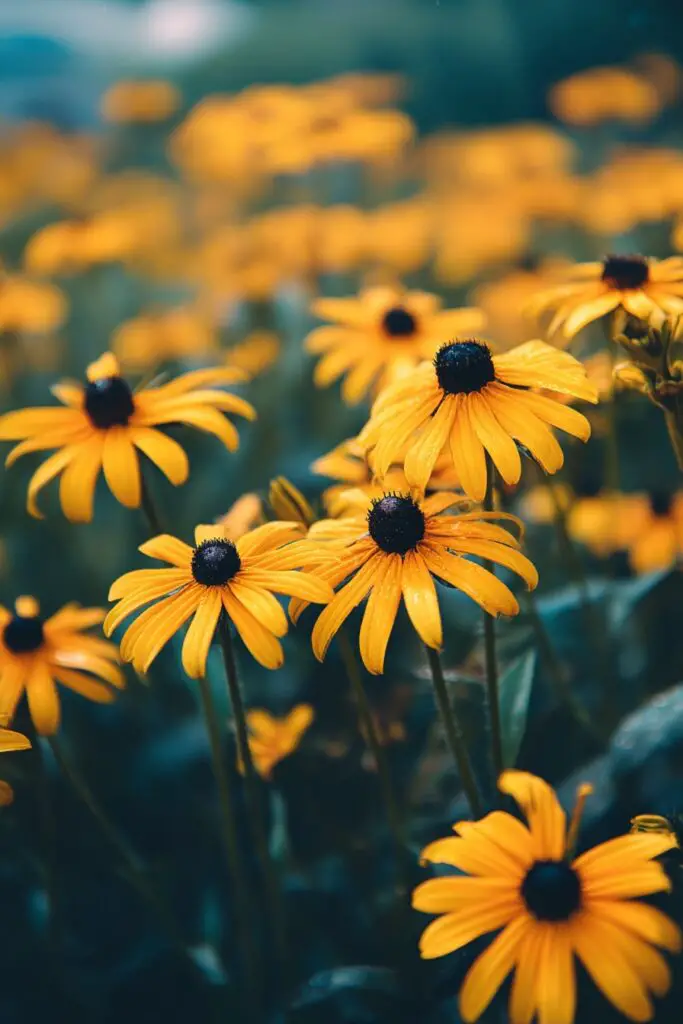
Black-eyed Susans are bold, sunshine-loving perennial flowers that light up gardens with their golden-yellow petals and dark centers. Planting them in April ensures they get established early and return with vigor each year.
H3: Why Black-eyed Susans Belong in Spring Planting Plans
- Long bloom season from mid-summer to early fall
- Thrive in various soils and weather conditions
- Great for pollinator and bird-friendly gardens
- Low-maintenance and disease-resistant
These flowers are ideal for naturalistic plantings, meadows, or the back of mixed borders. Black-eyed Susans reseed freely, making them a self-sustaining addition to perennial beds. They tolerate drought and heat well once established.
Pro Tip: Cut back spent blooms to extend flowering and prevent aggressive self-seeding if desired.
Daylilies (Hemerocallis spp.)
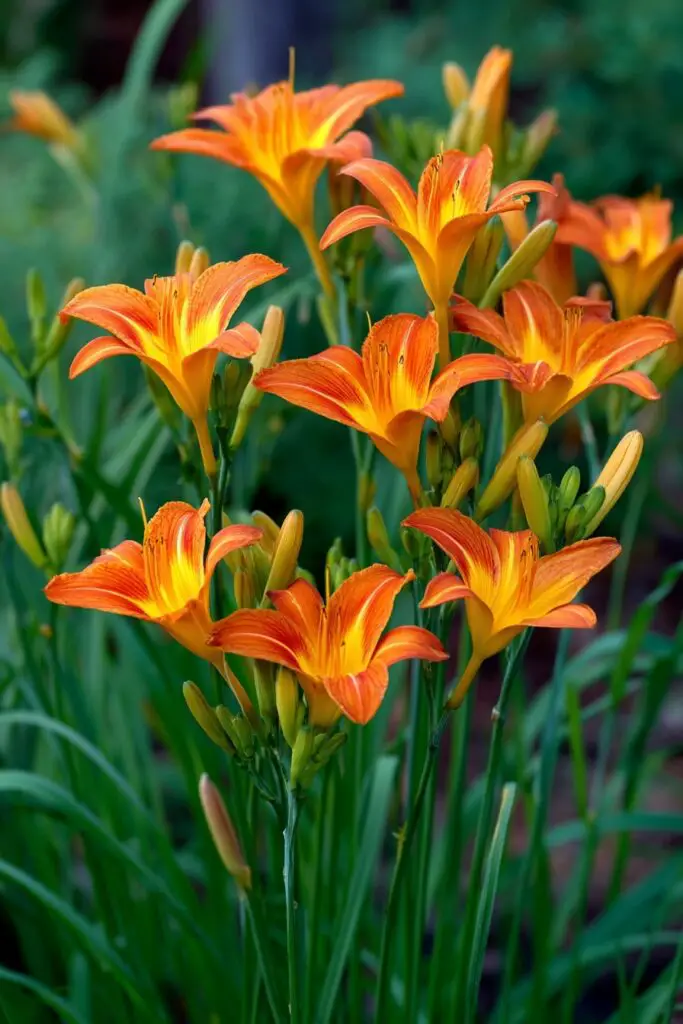
Daylilies are one of the most dependable and adaptable perennial flowers you can plant. Known for their vibrant, trumpet-shaped blooms and arching foliage, daylilies offer weeks of color and require very little maintenance. Planting in April gives them ample time to root before summer heat.
H3: Benefits of Planting Daylilies in April
- Thrive in most soils and climates
- Bloom repeatedly throughout the season (especially reblooming varieties)
- Tolerant of drought, pests, and neglect
- Ideal for borders, slopes, and mass plantings
Daylilies should be planted in full sun for best blooms, though they tolerate partial shade. Space clumps about 18–24 inches apart to allow for spread. Deadhead faded flowers regularly and divide clumps every few years to maintain vigor.
Pro Tip: Opt for extended-bloom or reblooming varieties like ‘Stella de Oro’ for longer color impact.
Conclusion
Planting perennial flowers in April sets the stage for a flourishing garden that delivers color, texture, and pollinator activity for years to come. From the towering spires of delphiniums to the cheerful blooms of coreopsis and the enduring charm of daylilies, each perennial offers unique benefits suited for spring planting.
By choosing the right varieties for your climate and giving them a strong start early in the season, you’ll enjoy a lower-maintenance, high-reward garden that comes back stronger each year. Remember to consider spacing, soil needs, and sun exposure for each plant to ensure long-term success and beautiful, recurring blooms.