
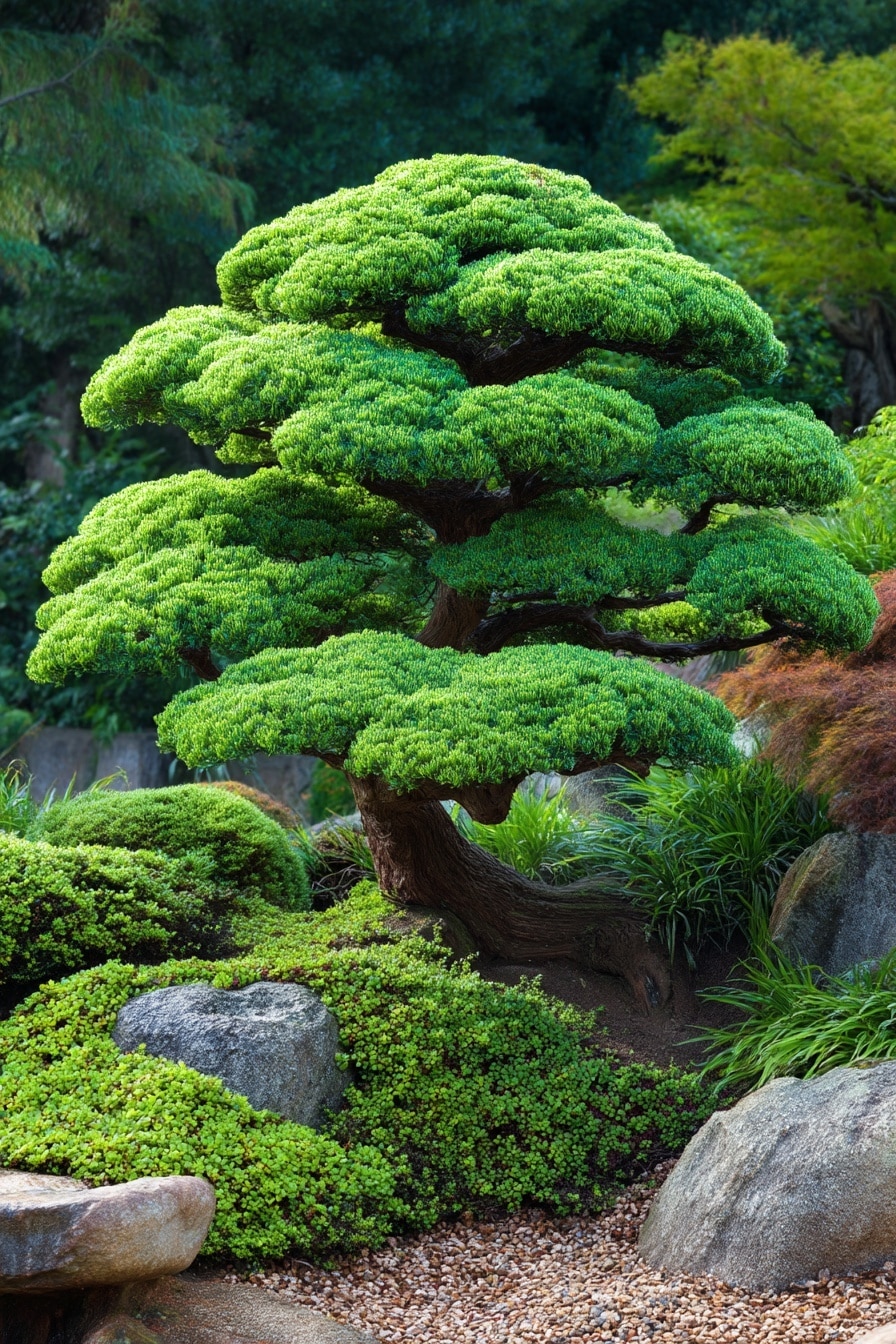
Evergreen plants add year-round beauty and structure to your landscape, but not all evergreens benefit from pruning. In fact, cutting back certain evergreen varieties can do more harm than good, affecting their growth, health, and shape. To help you avoid costly mistakes, we’ve gathered expert-backed advice on which evergreen plants should be left untouched—and why.
Table of Contents
Why Some Evergreens Shouldn’t Be Pruned

Pruning can be beneficial for many plants, but when it comes to certain evergreen varieties, trimming can interrupt their natural growth patterns or even damage their ability to recover. Unlike deciduous plants, many evergreens don’t produce new growth from old wood. Cutting back too far can leave unsightly bare spots—or worse, permanently stunt the plant.
Some evergreens also grow slowly or have a naturally balanced shape that doesn’t require interference. Over-pruning these plants can weaken them, reduce foliage density, and increase their vulnerability to pests and diseases. Knowing which evergreens to leave alone will help you maintain a healthy and visually pleasing garden.
1. Boxwood
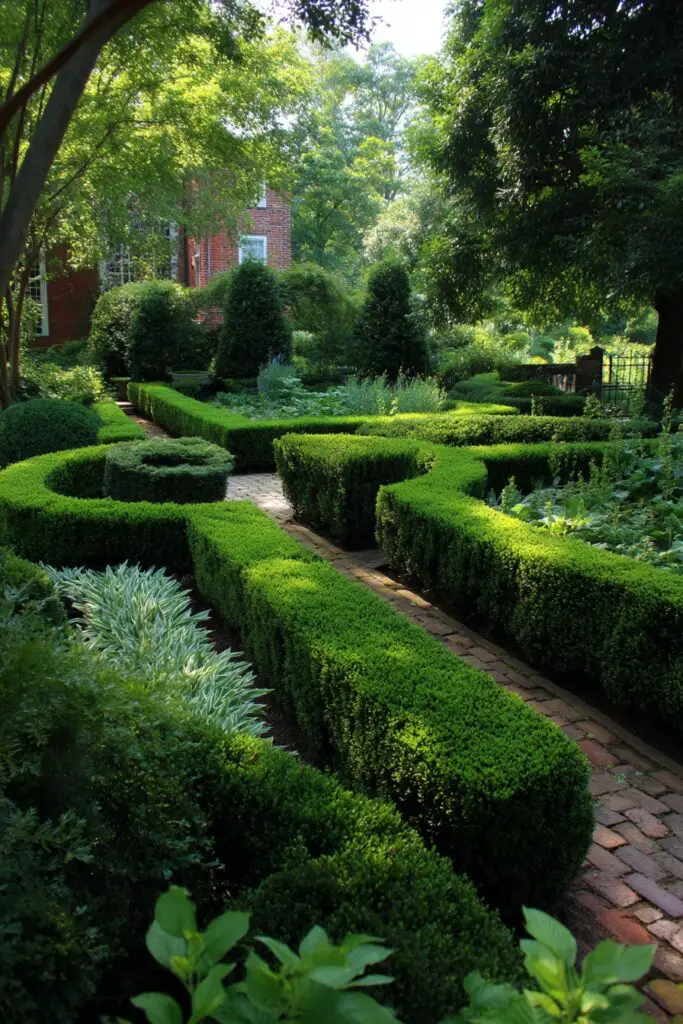
Boxwood is a staple in many landscapes for its dense, tidy appearance and ability to hold a formal shape. While light trimming is fine to maintain its structure, aggressive cutting—especially into old wood—can cause permanent damage. Boxwoods don’t regenerate well from deep cuts, and harsh pruning can lead to dieback or thinning foliage.
If you need to shape your boxwood, do it gradually and avoid cutting into bare branches. Focus on gentle maintenance trims in late spring or early summer, when the plant is actively growing. For best results, choose slow-growing varieties that naturally stay compact.
2. Yew
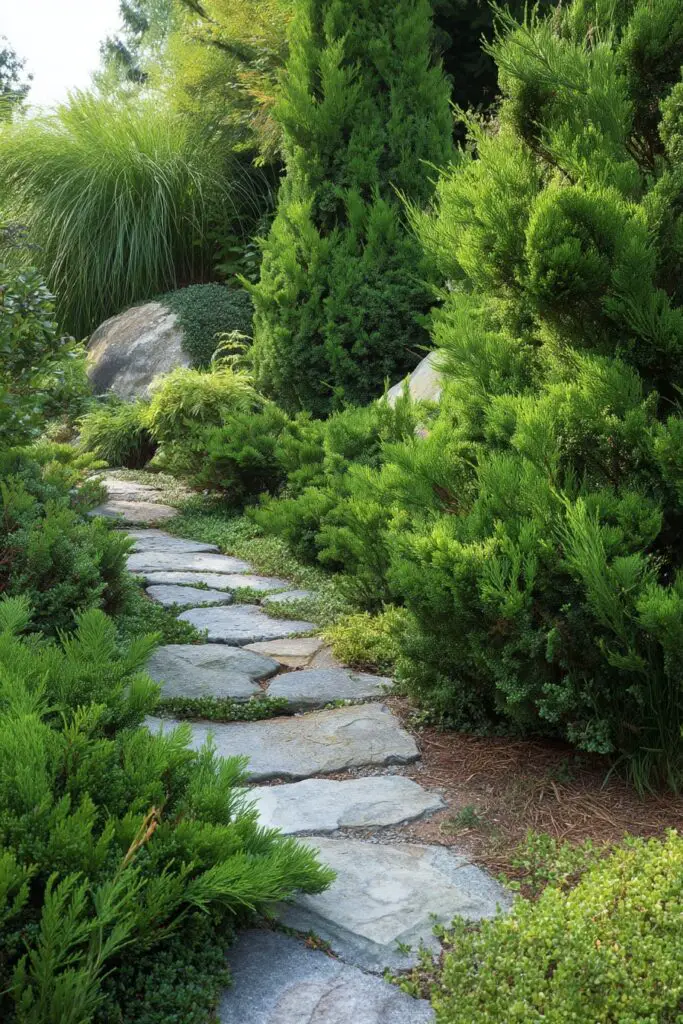
Yew is one of the most forgiving evergreens when it comes to shaping, but that doesn’t mean you should cut it back harshly. While yews can tolerate light to moderate pruning, removing too much at once—especially down to bare stems—can leave holes that take years to fill in, if they recover at all.
These evergreen shrubs respond best to gradual, seasonal shaping rather than drastic cuts. Trim lightly in early spring before new growth begins. Avoid cutting during late summer or fall, as this can stimulate tender growth that may not survive winter.
3. Hinoki Cypress
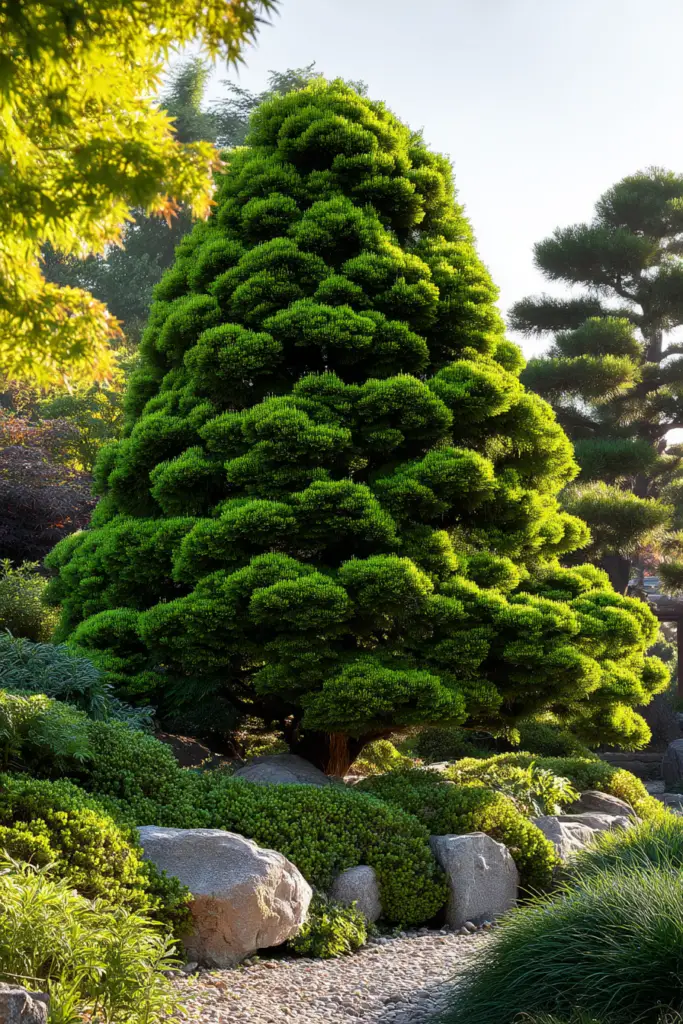
The Hinoki cypress is a graceful, slow-growing evergreen prized for its layered, fan-like foliage and natural conical shape. What makes it especially sensitive is that it doesn’t produce new growth from old wood. If you cut back too far, the branches won’t regenerate, leaving noticeable brown gaps.
To keep your Hinoki cypress looking its best, limit any pruning to small, green tips—and only if shaping is necessary. Avoid deep cuts or trying to reduce its size dramatically. Its refined form is best maintained by planting it in a space where it can mature without heavy interference.
4. Arborvitae
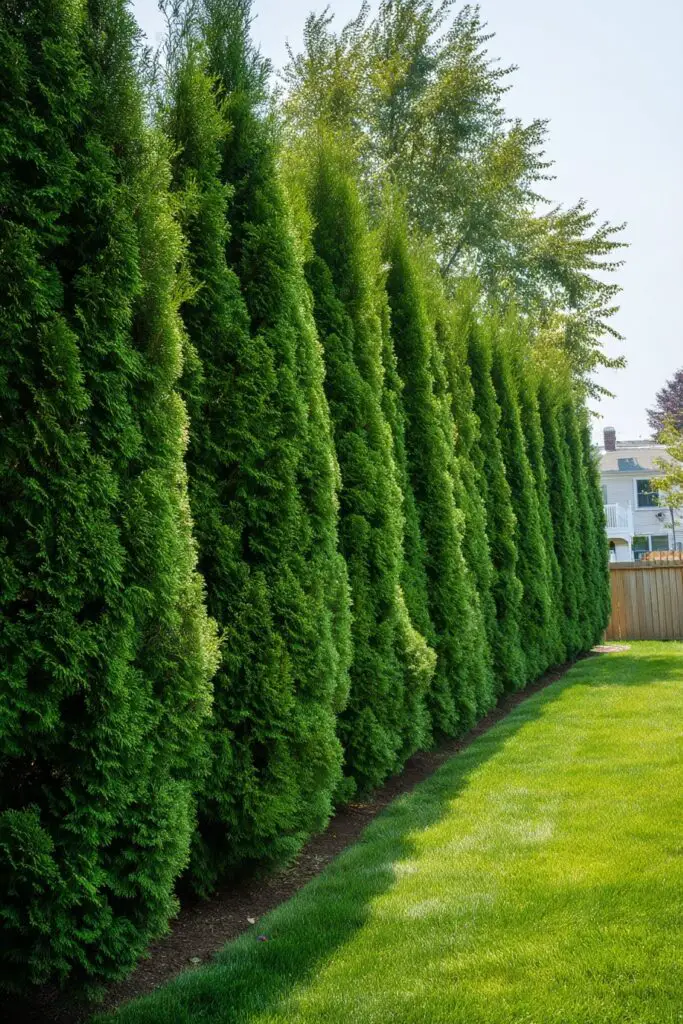
Arborvitae is a popular evergreen known for its columnar shape and dense green foliage, often used for hedges and privacy screens. But despite its sturdy appearance, arborvitae does not handle hard pruning well. Once you cut into the brown, inner wood, it rarely regenerates, leaving large, permanent bare spots.
To keep arborvitae healthy and full, prune only the outermost green growth—and only sparingly. Late spring or early summer is the safest time for minor shaping. If your arborvitae is overgrown, it’s better to prevent future issues by planting with enough spacing rather than relying on aggressive trimming later.
5. Juniper
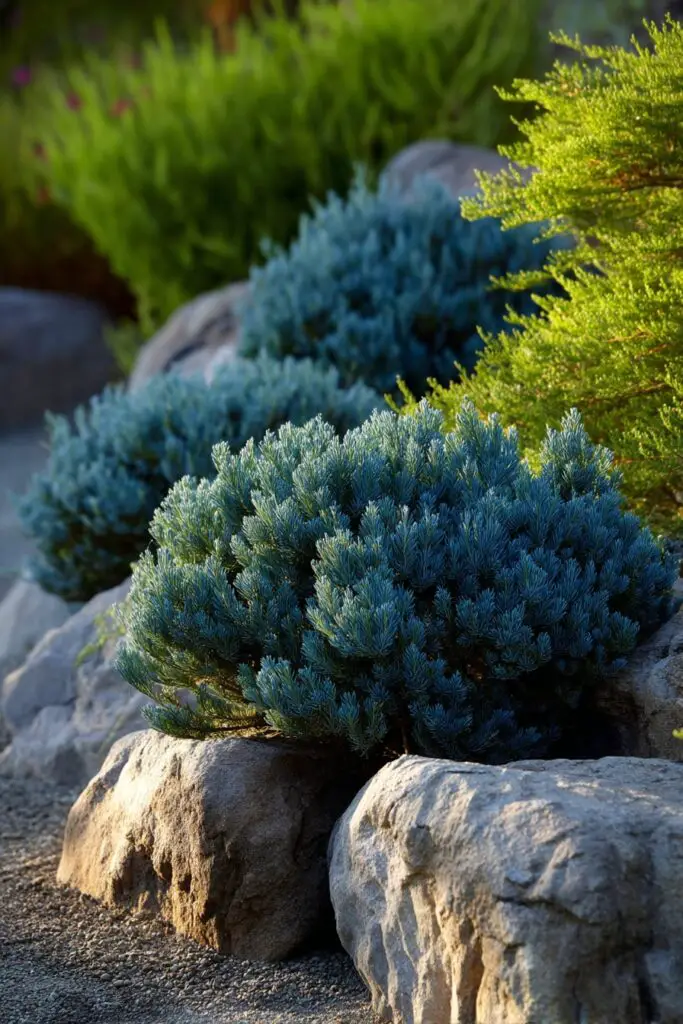
Juniper shrubs and trees offer low-maintenance structure with their resilient, spreading growth—but they’re not forgiving when over-pruned. Like many evergreens, junipers don’t bounce back from cuts into old wood. Pruning back too far can expose bare, woody sections that won’t refill, leaving the plant uneven or sparse.
If shaping is necessary, always trim within the green outer layer and never cut beyond where new foliage grows. Regular light maintenance is far better than trying to restore an overgrown plant. Choose the right juniper variety for your space so it won’t require constant control.
6. Pine
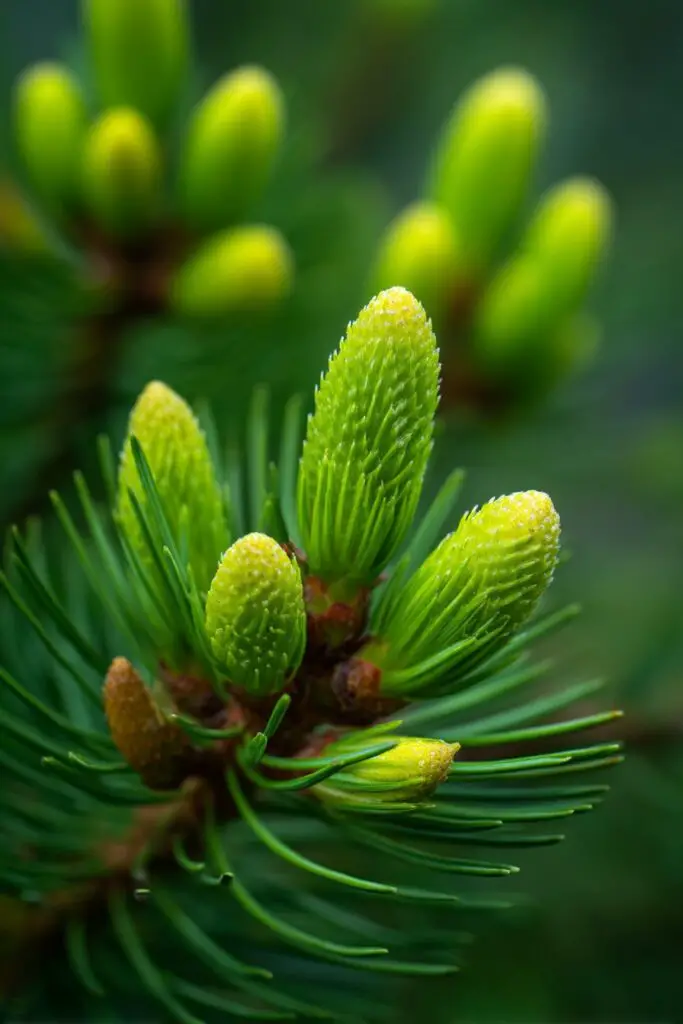
Pines are unique among evergreens because they grow from candle-like shoots each spring. Once these candles mature, the branches won’t produce new buds further back. This means if you cut into old wood, the branch will stop growing entirely and remain bare.
To maintain shape without harming the tree, pinch or cut candles in half when they’re still soft in late spring. This encourages fuller growth without damaging the tree’s natural form. Avoid shearing pines like hedges—this leads to unsightly, patchy results and weakens their structure over time.
7. Spruce
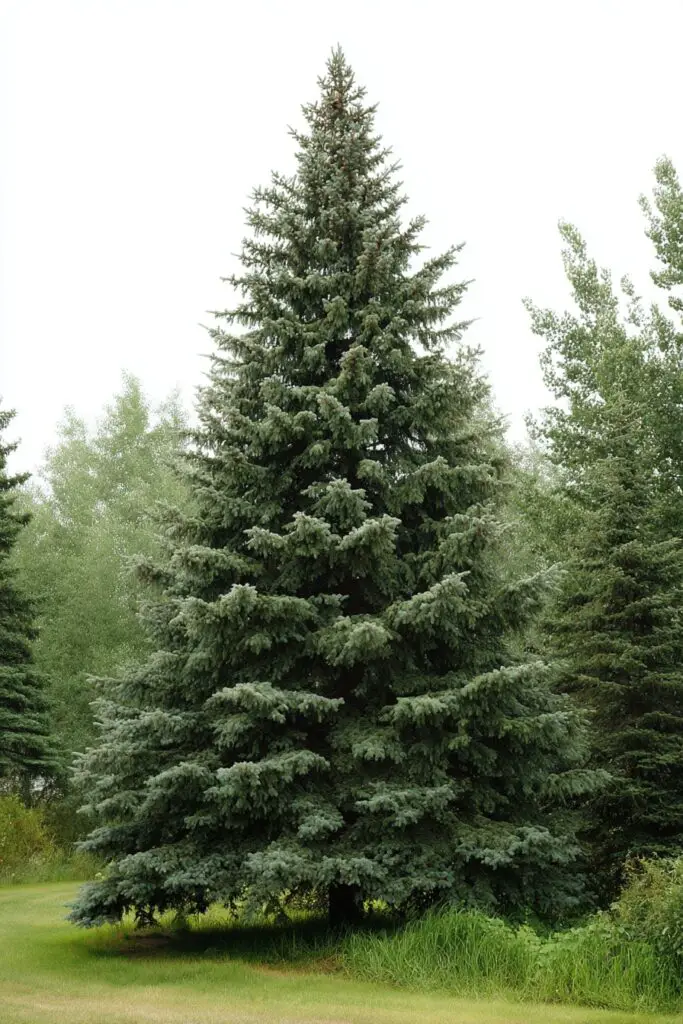
Spruce trees and shrubs bring strong vertical lines and year-round color to the garden, but they are not suited for heavy pruning. Like other evergreen conifers, spruce does not regenerate new growth from bare wood. Cutting back too far can leave permanent holes that disrupt the plant’s symmetry and health.
Instead of aggressive trimming, remove only small amounts of new growth at the branch tips during early spring. This helps control size while keeping the tree lush. If space is a concern, choose dwarf or slow-growing spruce varieties that require little to no pruning at all.
Conclusion
While pruning can help shape and maintain many plants, certain evergreen varieties are best left mostly untouched. Understanding how each plant grows—and where not to cut—will protect their natural beauty and long-term health. Whether you’re working with a classic boxwood or a stately spruce, following expert advice ensures your evergreens stay vibrant all year.