
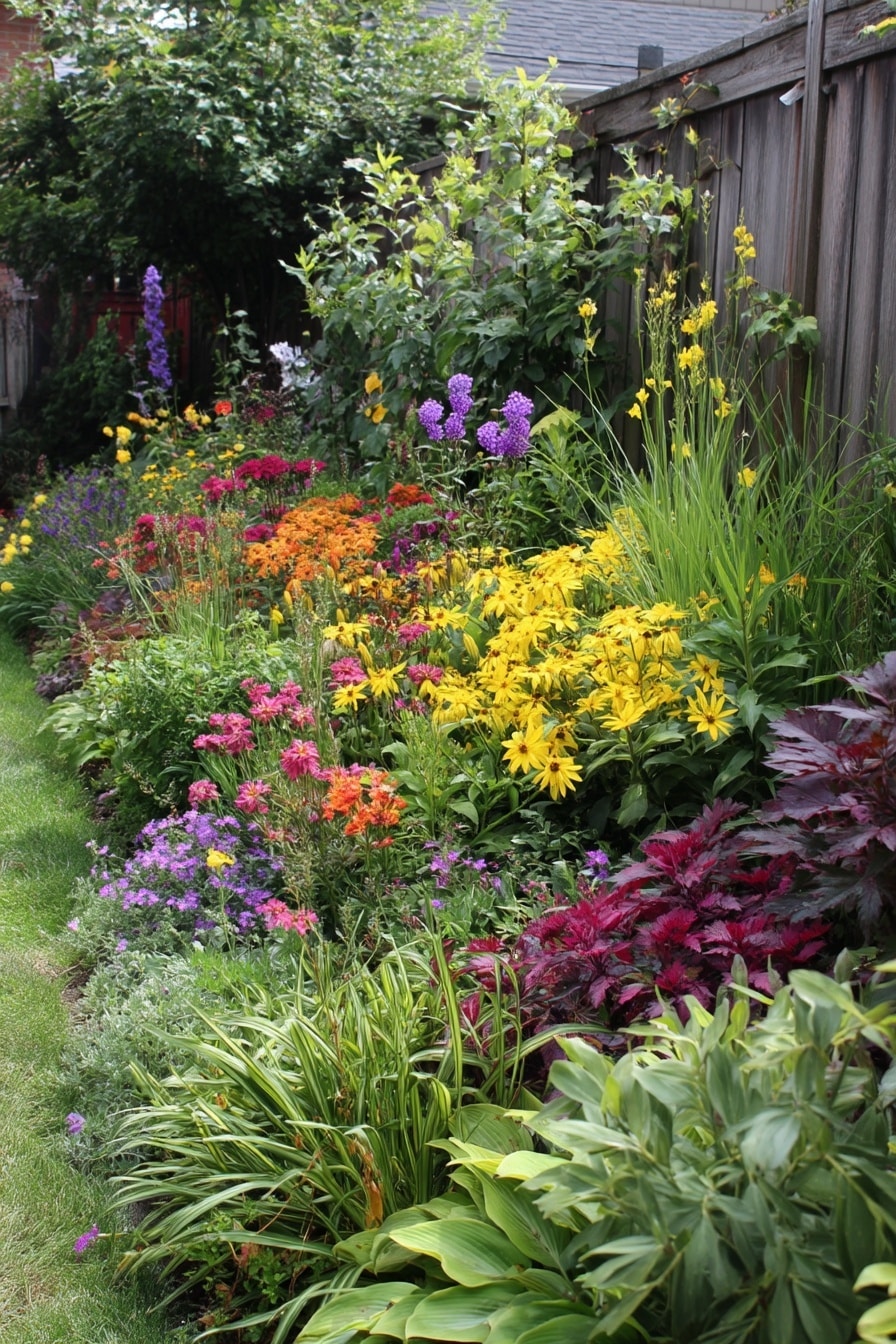
Perennial garden ideas form the foundation of a thriving, low-maintenance landscape that returns stronger and more vibrant each year. Unlike annuals, which complete their life cycle in a single season, perennials provide lasting structure and beauty season after season. Designing a garden that feels fresh and colorful throughout the year requires a thoughtful mix of bloom times, textures, and plant types. Whether you’re starting from scratch or upgrading an existing bed, the right approach can transform your outdoor space into a continually blooming haven.
Table of Contents
Understand Your USDA Hardiness Zone

Before selecting plants or sketching out your layout, the most essential step in planning your perennial garden ideas is knowing your USDA Hardiness Zone. This classification helps you understand which plants are likely to survive the winter and thrive year after year in your climate.
- How it works: The USDA map divides North America into zones based on average minimum winter temperatures.
- Why it matters: Planting perennials outside their recommended zone can result in dieback or complete failure to return the next season.
- Easy lookup: Use your ZIP code in any online zone finder to get accurate information.
- Tip: If your garden has sheltered spots, like near a wall or fence, you may be able to push boundaries slightly with microclimate planting.
Designing your perennial garden with zone-appropriate plants ensures your hard work returns reliably each year.
Learn About Native Plant Species
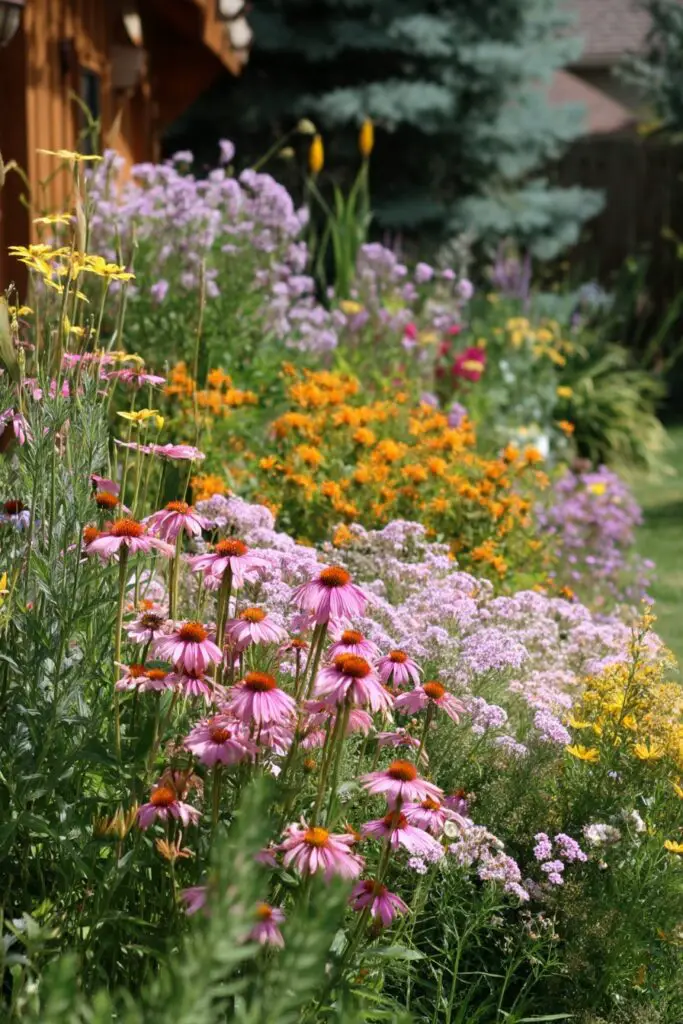
When brainstorming your perennial garden ideas, native plants should be high on your list. These species have evolved to thrive in your local climate, soil, and seasonal rhythms, making them both low-maintenance and ecologically beneficial.
- Resilient performers: Native perennials are better adapted to local weather extremes and pests, meaning less intervention from you.
- Wildlife friendly: They support pollinators, birds, and beneficial insects that help keep your garden in balance.
- Better water efficiency: Once established, native plants often require less irrigation than non-native varieties.
Adding native plants doesn’t mean sacrificing beauty. Many feature stunning blooms, bold foliage, and long-lasting seasonal interest—all while working in harmony with the environment.
Think About the Big Picture
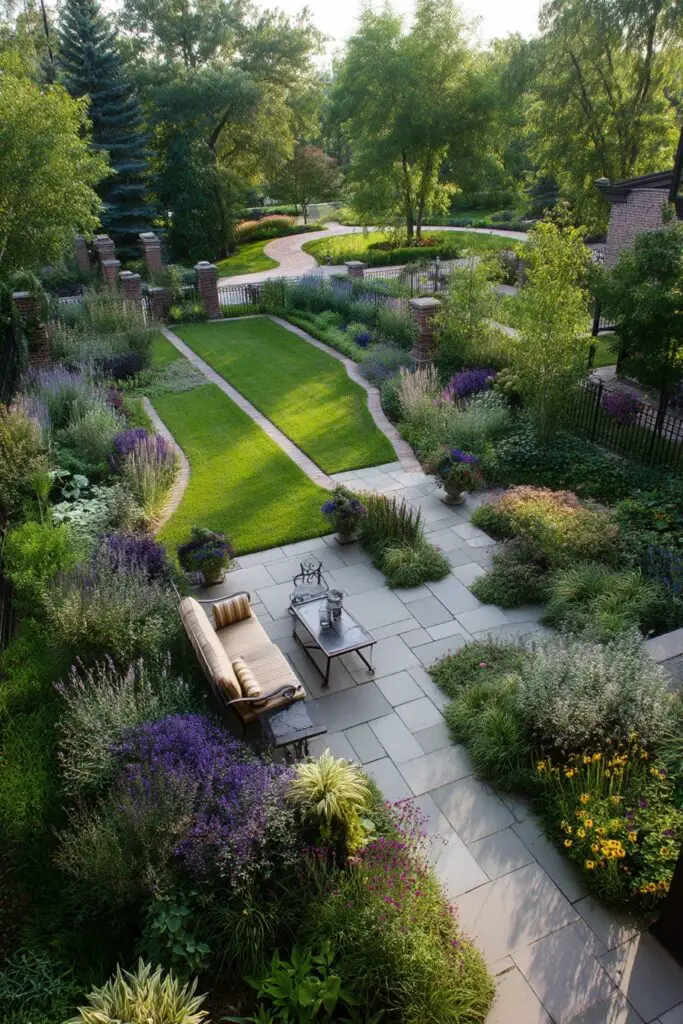
To bring your perennial garden ideas to life, step back and look at the overall landscape. A successful garden isn’t just a collection of plants—it’s a cohesive composition that flows with your space and meets your long-term goals.
- Define your style: Are you going for a cottage look, a formal design, or something wild and natural? This choice will guide plant selection and layout.
- Consider garden function: Do you want a pollinator haven, a cutting garden, or a peaceful retreat? Each purpose calls for different perennial choices.
- Connect with existing elements: Factor in nearby trees, walkways, patios, or fences. Your design should integrate with what’s already there.
Looking at the big picture helps ensure your garden will not only be beautiful but also balanced, practical, and personal.
Get to Know Your Garden Space
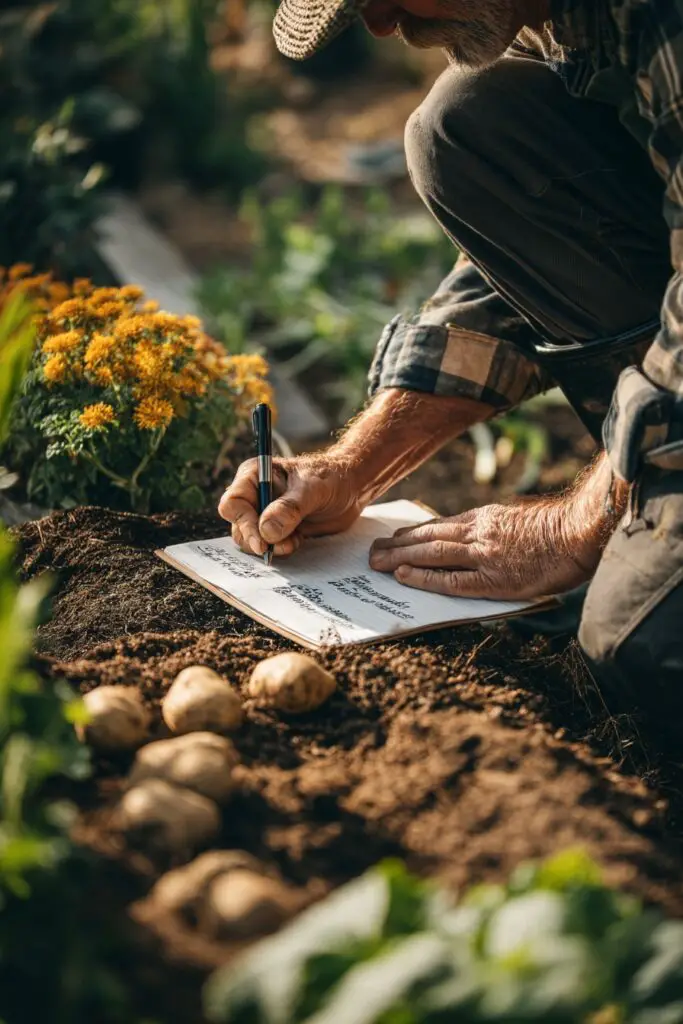
Before you begin planting, spend time observing and understanding the specific conditions of your yard. This step helps fine-tune your perennial garden ideas to match your site’s unique needs.
Sunlight
- Track how sunlight moves across your garden throughout the day.
- Identify full sun, partial sun, and shady zones to match plants to their ideal light conditions.
- Don’t rely on memory—observe across different seasons if possible.
Water and Drainage
- Notice if certain areas stay soggy or dry out quickly.
- Perennials differ widely in moisture needs, so knowing your drainage helps prevent root rot or drought stress.
- Consider adding raised beds or amending soil in poorly draining spots.
Soil
- Test your soil to check pH, texture, and nutrient levels.
- Most perennials prefer well-drained, slightly acidic to neutral soil.
- Mix in compost or organic matter to improve structure and fertility.
By understanding your space, you’ll choose the right plants for each spot, reducing maintenance and boosting long-term success.
Research and List Favorite Perennial Plants
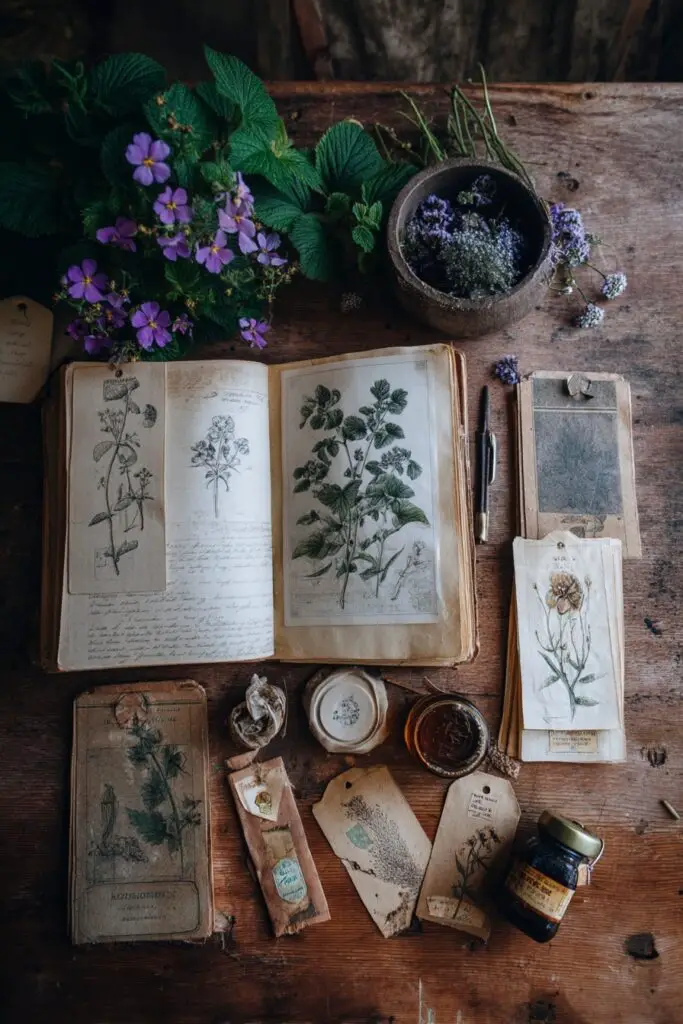
Once you’ve assessed your yard’s conditions, it’s time to start selecting plants. Creating a personalized list of favorites is one of the most enjoyable parts of developing your perennial garden ideas.
- Start with what you love: Think about colors, scents, and bloom shapes that make you feel most at home.
- Balance bloom seasons: Choose a mix of early spring, summer, and late-blooming perennials so your garden always has something in flower.
- Mix foliage types: Combine fine-textured plants with bold leaves for year-round interest—even when flowers fade.
- Think structure: Include plants that maintain form in winter, like ornamental grasses or evergreen perennials.
Building a list ahead of time helps you avoid impulse buys and ensures that your garden has variety, balance, and continuous beauty.
Categorize Your Plant Choices by Bloom Time & Height
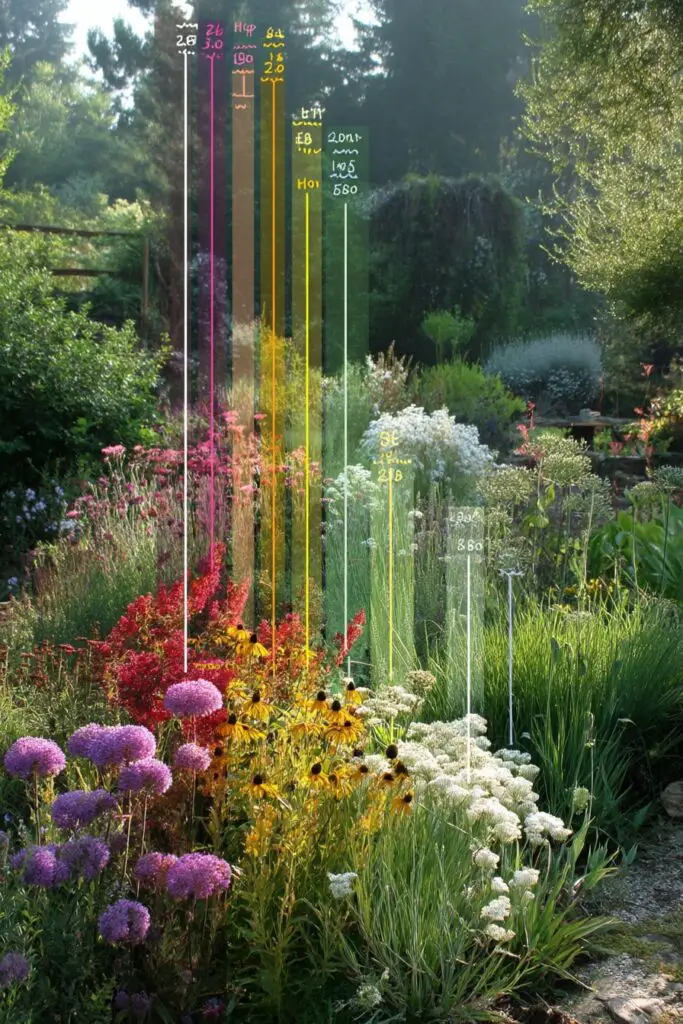
To bring your perennial garden ideas to life in a practical, beautiful way, organization matters. Grouping plants by bloom time and mature height helps you layer your garden effectively and maintain interest throughout the seasons.
- Bloom time: Divide your list into early, mid-season, and late bloomers to keep flowers rotating all year. A continuous sequence avoids bare spots and keeps pollinators visiting.
- Height and spread: Place taller plants toward the back of beds or in the center of island gardens. Mid-sized and low-growing perennials create depth and prevent overcrowding.
- Repetition adds rhythm: Repeat a few key plants throughout the space to create unity and guide the eye.
- Leave breathing room: Use mature plant dimensions when spacing to avoid crowding and promote airflow.
Planning with bloom timing and size in mind ensures a garden that’s not only beautiful, but also easy to manage and always evolving.
Measure and Map Out Your Garden

With your plant list refined, the next step in executing your perennial garden ideas is to create a physical or digital layout. Mapping your garden helps you visualize spacing, flow, and plant relationships before you dig.
- Take accurate measurements: Measure the length and width of your garden beds, noting irregular shapes or curves.
- Sketch a scale plan: Use graph paper or a digital garden planner to mark out the space. Assign each square a specific measurement (e.g., 1 square = 1 foot).
- Plot existing elements: Include trees, fences, structures, or anything that casts shade or affects plant growth.
- Position your plants: Begin placing plants on the plan, using their mature spread to avoid overcrowding and ensure proper light exposure.
This simple planning step can prevent future mistakes and gives you a clear guide when it’s time to start planting.
Place Plants Within the Plan
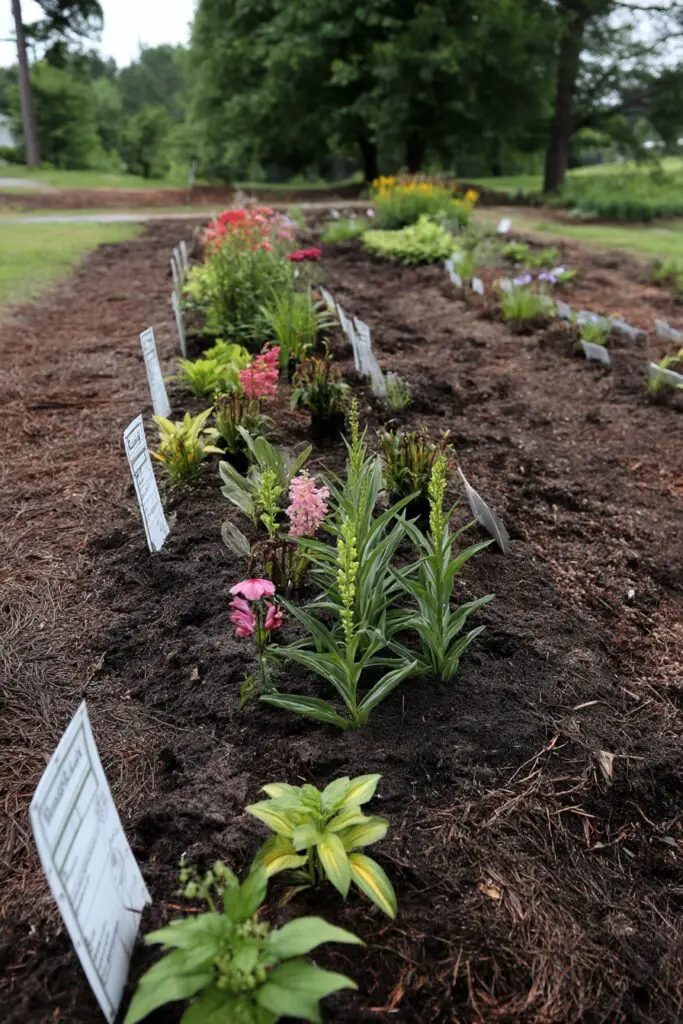
With your map ready and plant list categorized, now you can bring your perennial garden ideas to life by arranging each plant for maximum visual and ecological impact.
- Start with anchors: Place taller, structural plants first. These serve as focal points or backdrop layers.
- Add mid-sized perennials: Fill in around the anchors with plants that bloom mid-season or add contrast in texture.
- Finish with ground covers or edging plants: These help define the garden’s edges, suppress weeds, and provide continuity.
- Mind the light: Keep sun-loving plants out of the shadow of taller varieties. Position shade-tolerant options accordingly.
- Ensure good airflow: Leave enough room between plants to allow for growth and reduce the risk of disease.
Thoughtfully placing plants ensures your garden grows in harmony, looks full without becoming chaotic, and supports healthy development year-round.
Have Fun with Color—and Think Beyond Blooms
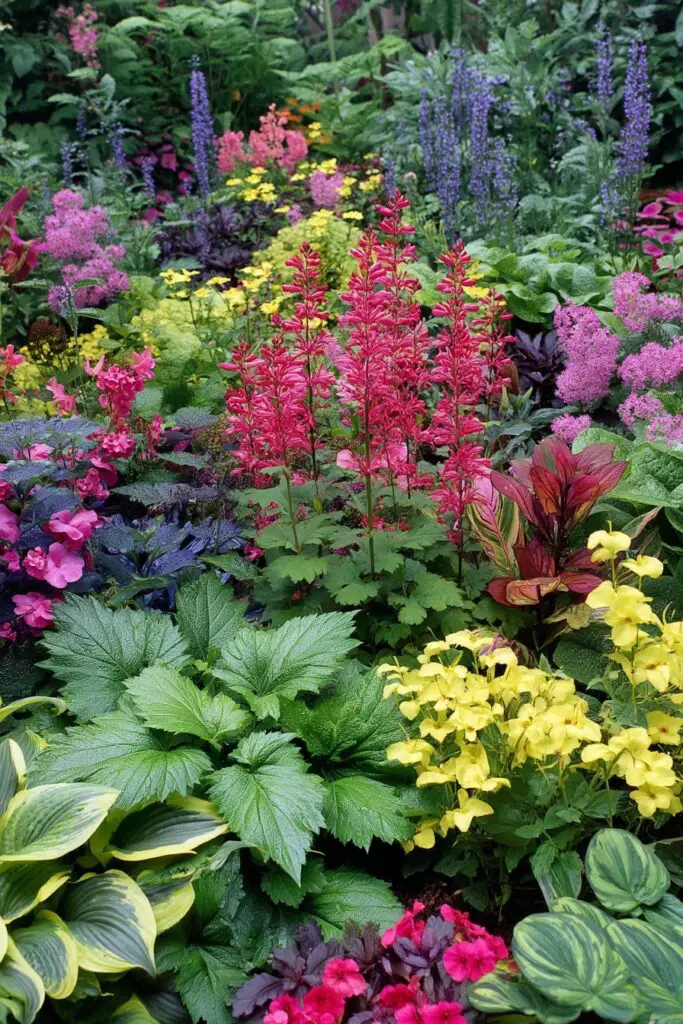
Color is a key element in turning your perennial garden ideas into a vibrant, visually pleasing reality. But it’s not just about flower petals—foliage, stems, and even seed heads play a role in your garden’s palette.
- Choose a color theme: Decide whether you prefer a calm, monochromatic look (like all purples and blues) or a bold, contrasting scheme (such as reds and yellows).
- Use foliage as a design tool: Plants like heuchera or lamb’s ear offer striking leaves that last far beyond bloom time.
- Mix textures and shapes: Combine fine, airy flowers with broad, dramatic leaves for dynamic visual contrast.
- Think seasonally: Include perennials that offer fall color or winter interest, like seed heads or evergreen leaves.
By considering color, shape, and texture beyond just flowers, you create a garden that looks stunning every month of the year.
Keep Your Garden Healthy to Maximize Bloom Times
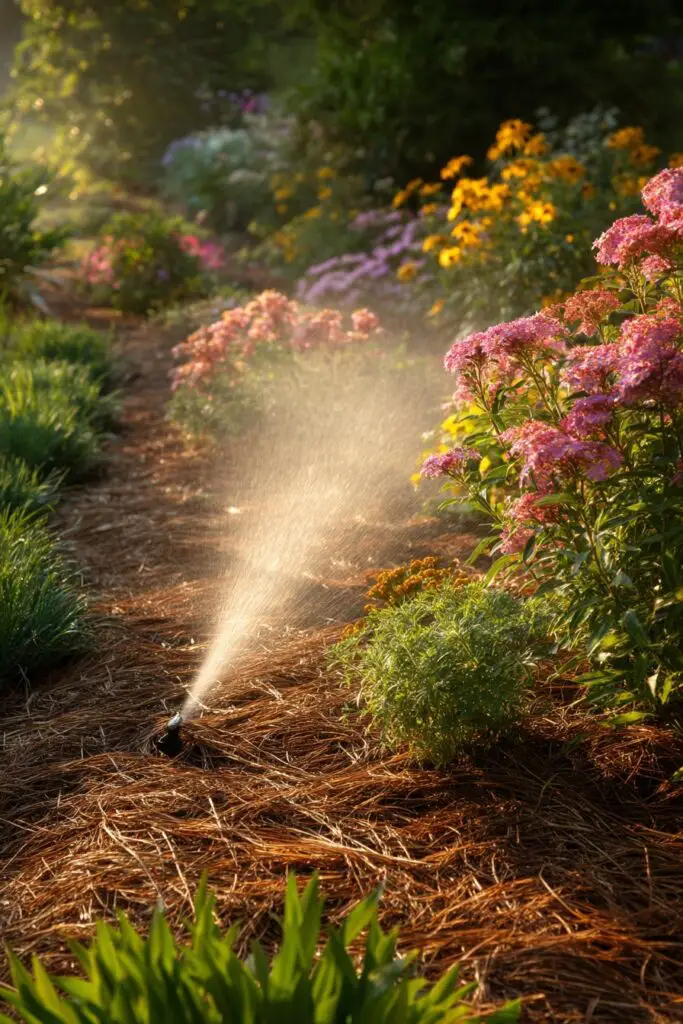
Even the most beautiful perennial garden ideas won’t reach their full potential without proper care. Healthy plants bloom longer, grow stronger, and resist pests and disease more effectively.
- Water consistently: Deep watering encourages strong root systems. Water in the morning to reduce evaporation and fungal issues.
- Feed wisely: Apply a slow-release, balanced fertilizer in early spring and again mid-season if needed. Avoid overfeeding, which can lead to leafy growth with fewer flowers.
- Mulch generously: A 2–3 inch layer of organic mulch helps retain moisture, regulate soil temperature, and suppress weeds.
- Deadhead spent blooms: Removing faded flowers encourages many perennials to rebloom and keeps the garden tidy.
- Watch for pests and disease: Regularly inspect plants and act quickly if you notice problems. Early intervention is key.
A little regular attention goes a long way in ensuring your perennial garden delivers color and structure throughout the growing season.
Be Patient With Your Garden and Yourself
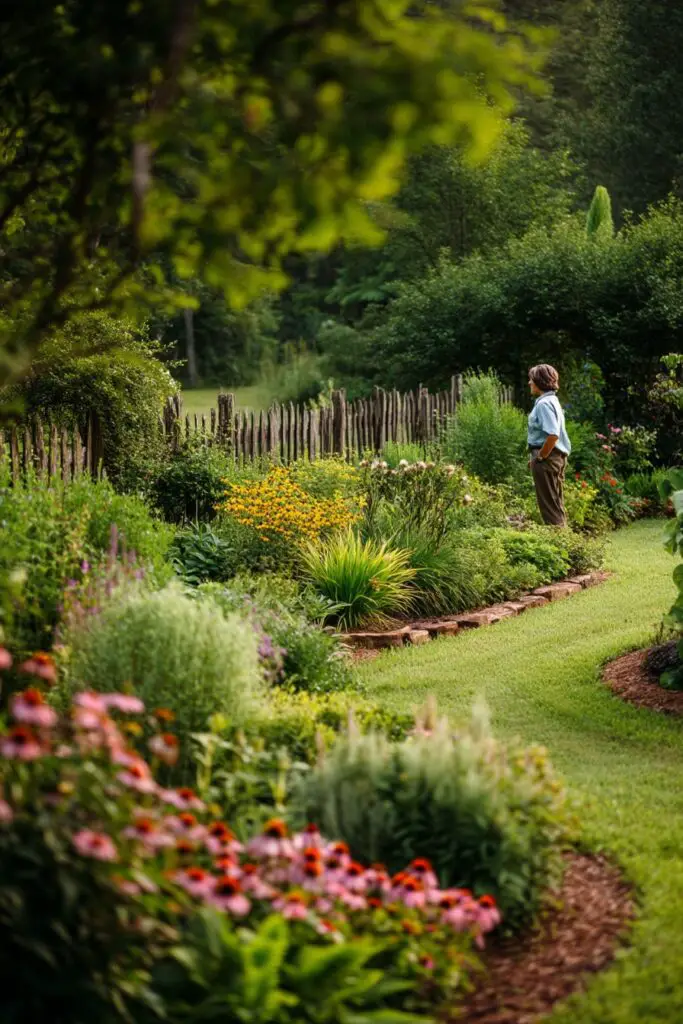
Bringing your perennial garden ideas to life is a process, not an overnight transformation. Perennials are known for taking time to establish—most don’t reach their full beauty until their second or third year.
- Allow time to grow: Don’t worry if your garden looks sparse at first. Plants will fill out and mature with each season.
- Track what works: Keep a journal or take seasonal photos to note what blooms when, what thrives, and what needs adjusting.
- Make small changes: If a plant isn’t thriving, try moving it or swapping it out. Gardening is about experimenting and adapting.
- Enjoy the evolution: Perennial gardens become more rewarding over time. With patience, you’ll see your space turn into a personalized, ever-blooming retreat.
Patience allows your garden to grow naturally—and gives you room to enjoy the journey as much as the result.
Conclusion
Designing with thoughtful perennial garden ideas in mind brings lasting beauty, structure, and seasonal delight to your outdoor space. From understanding your climate to balancing colors and bloom times, every step you take builds a foundation for a garden that returns better each year. With time, care, and creativity, your perennial garden becomes more than a landscape—it becomes a living, evolving expression of your vision.