
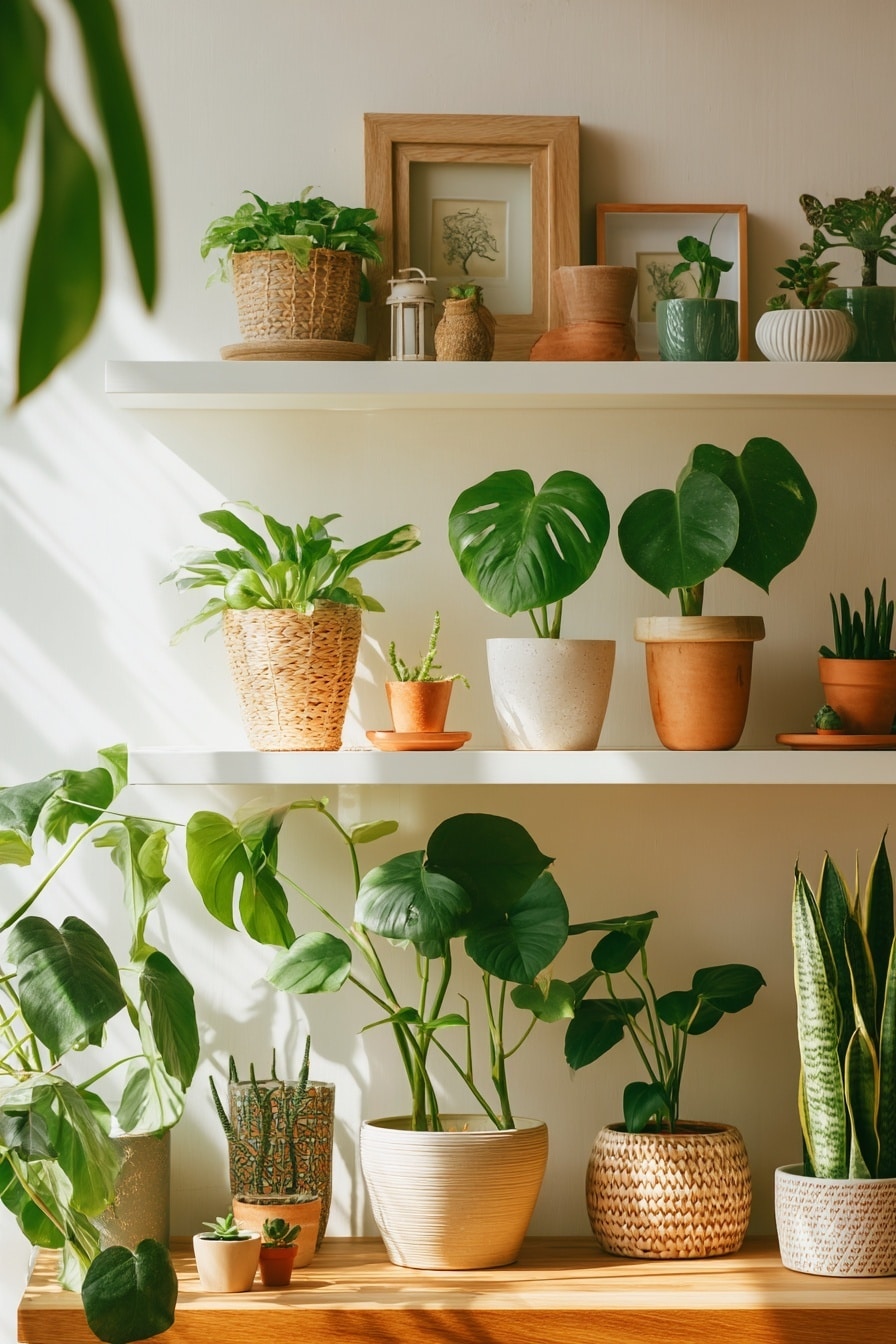
A garden brings more than just greenery into your home—it adds life, personality, and even food to your living space. Whether you have a sprawling backyard or a small apartment balcony, there’s a garden style that can suit your environment and lifestyle. Choosing the right type of garden can transform unused areas into vibrant, calming, and productive corners of your home. From edible plots to floral escapes, designing a garden that reflects your needs is both rewarding and accessible.
Table of Contents
1. Urban Garden

Urban gardens are ideal for those living in cities where outdoor space is limited. These gardens maximize vertical and horizontal space by using creative containers, wall-mounted planters, hanging baskets, and compact raised beds. Whether it’s a sunny balcony or a rooftop corner, an urban garden can flourish with the right planning.
Key Features:
- Great for apartments and condos
- Often use recycled materials or vertical setups
- Can include herbs, leafy greens, and decorative plants
- Requires proper drainage and sunlight planning
Urban gardens are not just functional—they add color and freshness to concrete-heavy environments, making city living greener and more enjoyable.
2. Raised Bed Garden
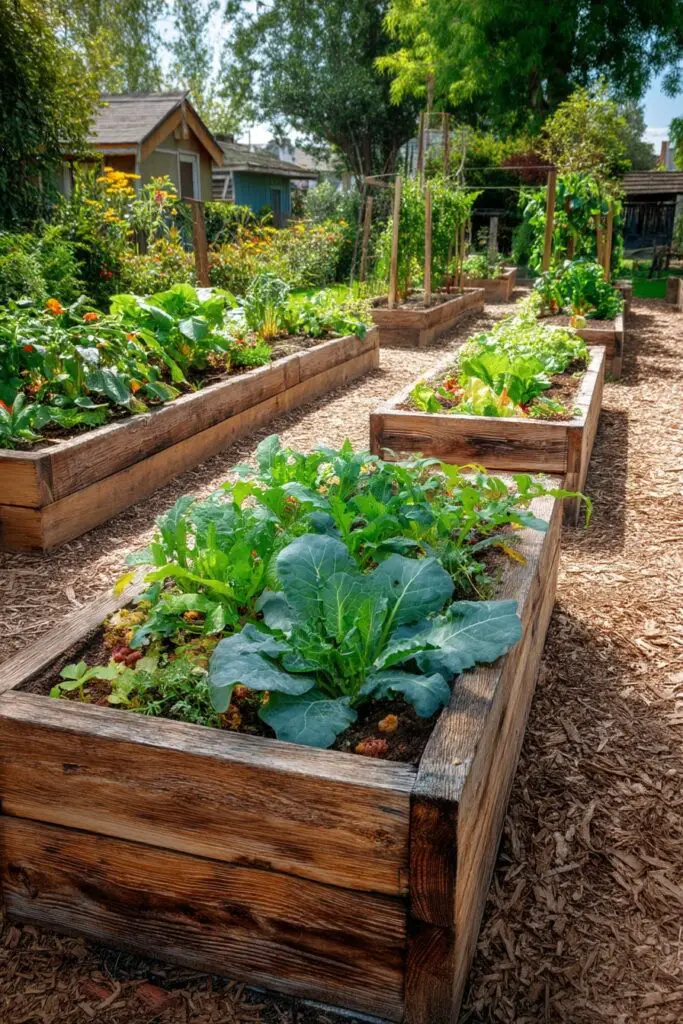
A raised bed garden offers better control over soil quality, drainage, and pests. This type of garden involves planting within framed boxes that are elevated above the ground level. It’s an excellent option for gardeners who want improved plant health and easier maintenance.
Benefits of Raised Bed Gardens:
- Reduces soil compaction and improves aeration
- Ideal for controlling weeds and pests
- Perfect for growing vegetables, herbs, and flowers
- Makes gardening more accessible for people with mobility issues
These gardens are especially useful in areas with poor native soil or heavy rainfall. With some simple lumber and quality soil, a raised bed garden can provide abundant harvests and stunning blooms.
3. Vegetable Garden
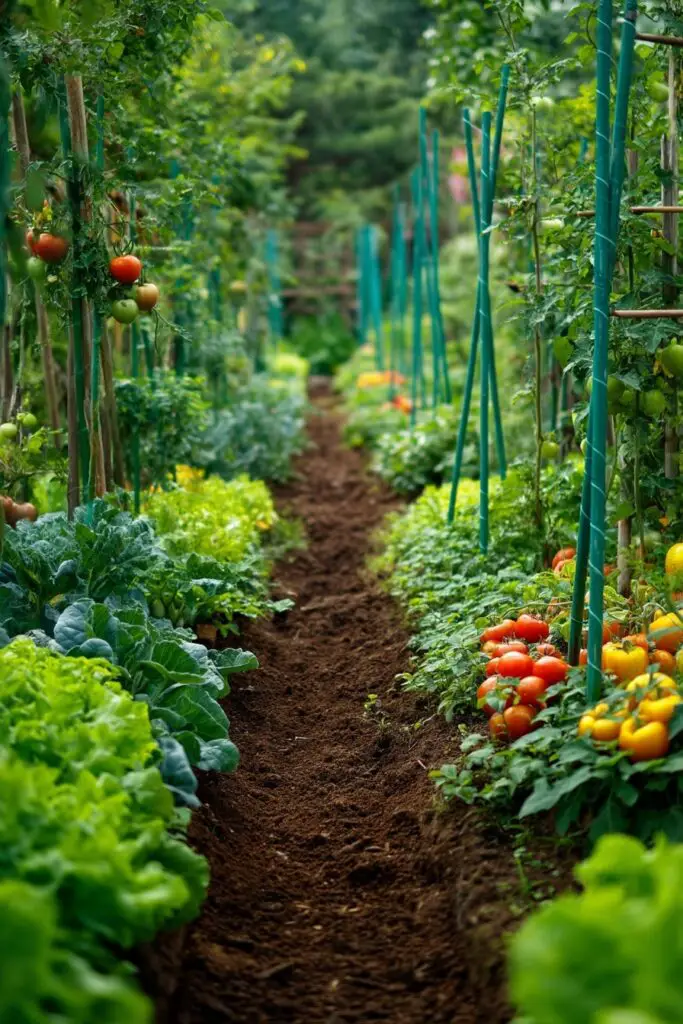
A vegetable garden is a practical and satisfying way to grow your own food at home. Whether you have a large backyard or a few raised beds, growing vegetables not only saves money but also ensures access to fresh, organic produce.
Why Start a Vegetable Garden?
- Grow seasonal vegetables like tomatoes, lettuce, carrots, and peppers
- Reduces grocery bills and food waste
- Encourages healthy eating and outdoor activity
- Can be scaled for any space, from plots to containers
With proper sunlight, nutrient-rich soil, and regular care, a vegetable garden can yield bountiful harvests throughout the growing season. It’s a rewarding endeavor for both beginners and seasoned gardeners alike.
4. Flower Garden
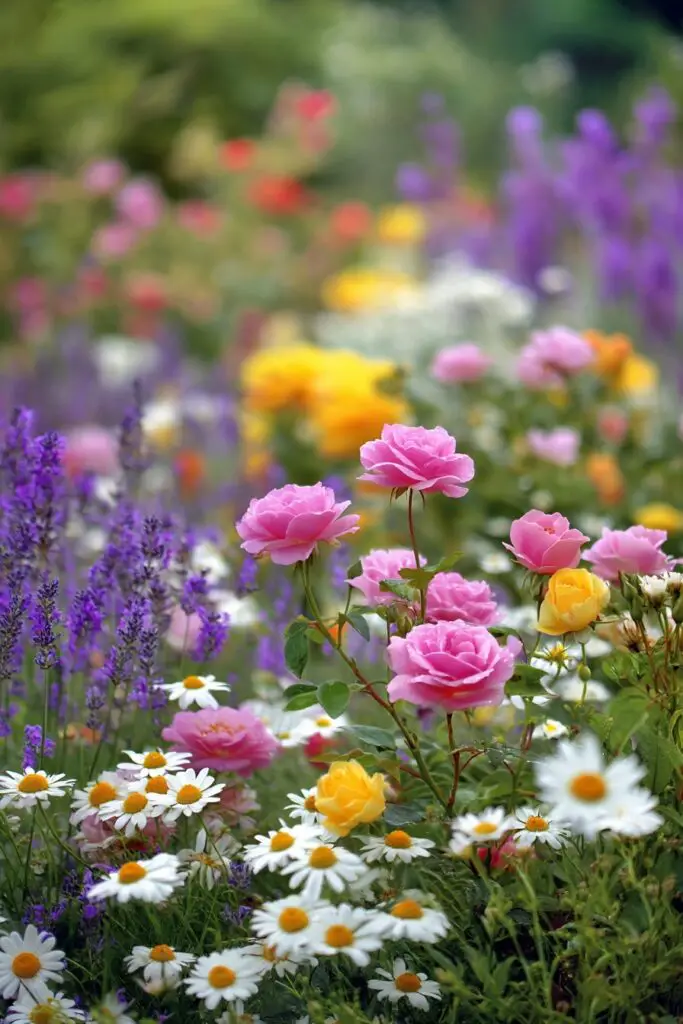
A flower garden adds color, fragrance, and beauty to any home. From classic roses to native wildflowers, a well-planned flower garden can create a peaceful retreat and boost your home’s curb appeal.
Flower Garden Highlights:
- Attracts pollinators like bees and butterflies
- Offers a wide range of seasonal and perennial options
- Enhances mood and reduces stress
- Can be designed with themes (e.g., cottage garden, tropical, minimalist)
Whether planted in-ground, in raised beds, or in containers, flower gardens bring joy year-round. Choosing a mix of blooming times ensures there’s always something in bloom across the seasons.
5. Herb Garden
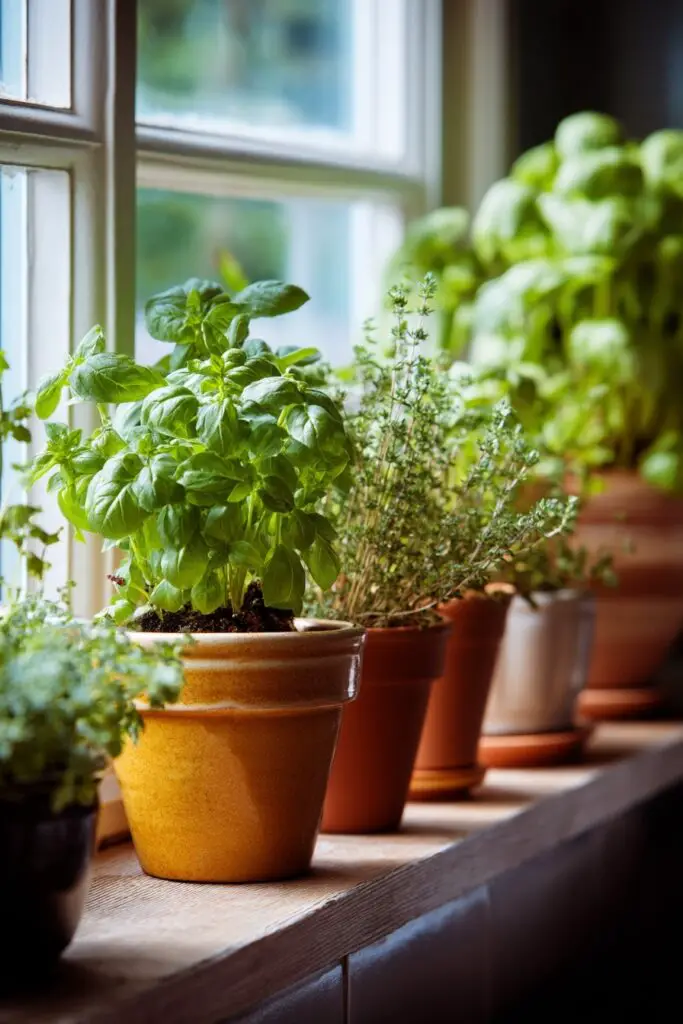
An herb garden is both functional and fragrant, offering fresh ingredients for your kitchen right at your fingertips. These gardens are compact and versatile, making them ideal for small spaces, patios, or even sunny kitchen windowsills.
Key Advantages of Herb Gardens:
- Easy to grow indoors or outdoors
- Requires minimal space and maintenance
- Includes popular herbs like basil, mint, parsley, thyme, and oregano
- Enhances flavor in daily cooking while saving money
With consistent sunlight and light watering, herb gardens thrive in various conditions. Their pleasant aroma and culinary value make them one of the most rewarding types of garden you can maintain.
6. Container Garden
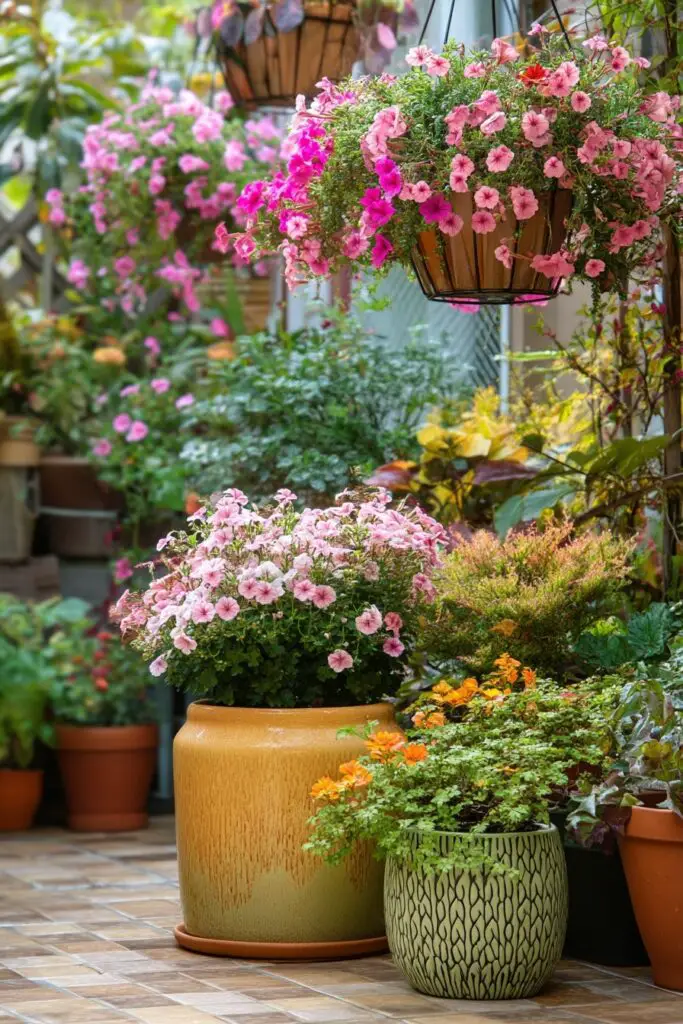
A container garden is one of the most flexible ways to bring greenery into any space. Using pots, buckets, or planters, you can grow flowers, herbs, or vegetables in areas where traditional gardening isn’t possible—like patios, balconies, or window ledges.
Benefits of Container Gardening:
- Perfect for renters or people with limited outdoor space
- Easy to move plants based on sun exposure or weather
- Allows better soil control and drainage
- Ideal for experimenting with different plant varieties
Container gardens are great for adding personality to small spaces. Just ensure your containers have proper drainage and choose plants that suit your climate and lighting conditions.
7. Indoor Garden
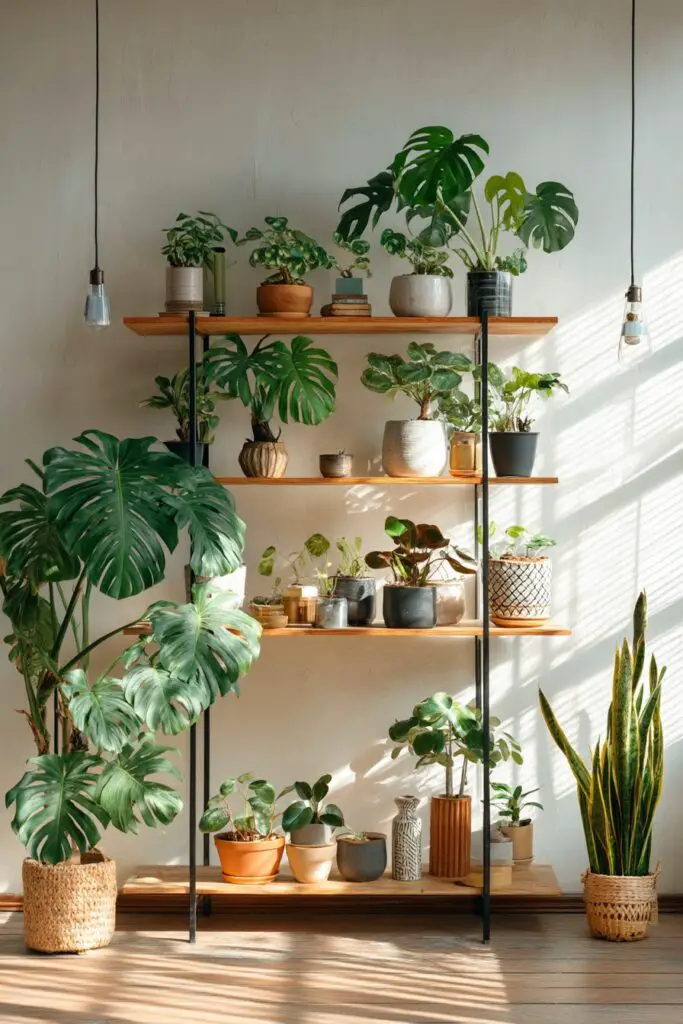
An indoor garden brings nature inside your home, making it possible to grow plants year-round regardless of outdoor conditions. From houseplants to edible greens, indoor gardens offer beauty and functionality in every corner of your living space.
Why Choose an Indoor Garden?
- Improves indoor air quality and humidity
- Provides greenery even in urban, climate-challenged environments
- Great for growing herbs, microgreens, succulents, or ferns
- Can be designed with grow lights, hydroponics, or simple pots
Indoor gardens are perfect for beginners and plant lovers alike. With the right placement—near windows or under grow lights—your plants can thrive indoors and create a calming, nature-inspired environment.
Conclusion
No matter your living situation or available space, there’s a garden style that can work for your home. Whether you want fresh herbs in your kitchen, flowers in your front yard, or a vegetable patch on your balcony, each type of garden serves a unique purpose and enhances your environment. Start small, choose what brings you joy, and watch your space transform into a lush, personal sanctuary. Gardening is not only about plants—it’s about creating harmony between your lifestyle and the natural world.