
Indoor plants do more than brighten up a room — many of them also fill your home with beautiful, natural fragrance. Whether you’re aiming to replace synthetic air fresheners or simply want to enjoy a calming, floral atmosphere, fragrant indoor plants for home use offer an ideal solution.
From citrus-scented trees to flowers that bloom with the smell of vanilla or jasmine, there’s a wide variety of plants that bring both beauty and aroma into your living space. With the right care, these scented plants can thrive year-round, making your home smell like a lush garden in every season.
This guide covers 11 of the best indoor plants that smell amazing, with easy growing tips and care notes to help you succeed — even if you’re new to indoor gardening.
Table of Contents
🍊 Calamondin Orange

The Calamondin orange is a small citrus tree that brings a fresh, zesty aroma into any indoor space. As one of the most delightful indoor plants, it offers year-round greenery and the occasional flush of star-shaped white blossoms that release a sweet, citrusy scent.
Though it rarely fruits indoors without hand-pollination, its fragrant flowers are reason enough to grow it. Place the tree in your brightest window or sunroom, as it thrives in full sun. During warmer months, you can even move it outdoors to soak up more light and stimulate blooming.
Use slightly acidic, well-draining soil and let the top inch dry out between waterings. While it can grow up to 6–10 feet, regular pruning helps keep it compact and manageable indoors.
Pro Tip: Boost humidity with a pebble tray or nearby humidifier to keep the foliage vibrant year-round.
🌼 Gardenia
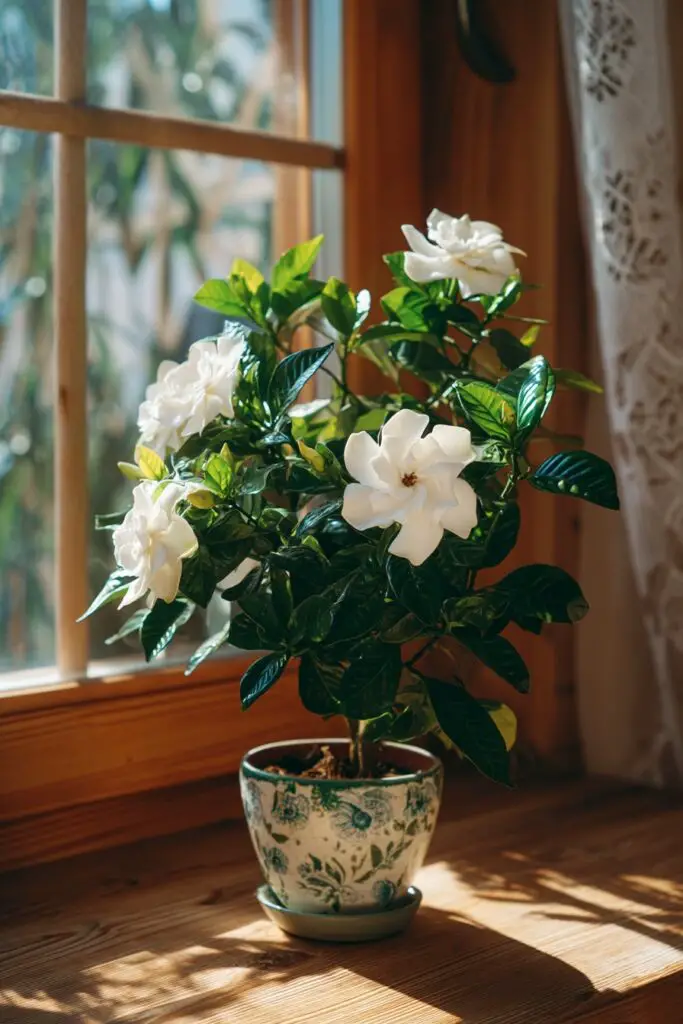
Few indoor plants are as richly fragrant as the classic gardenia. Known for its creamy white blooms and intoxicating perfume, gardenia is a favorite among plant lovers — though it does come with a reputation for being a bit of a diva.
Gardenias require bright, indirect light — ideally, morning sun with some afternoon shade. They also need high humidity and consistently warm temperatures to thrive indoors. If your home is dry, consider using a humidifier or placing the plant on a pebble tray with water to raise moisture levels.
Use acidic, well-drained soil, and avoid overwatering, which can lead to root rot. Keep the soil slightly moist at all times, and don’t let it dry out completely between waterings.
With the right care, gardenias will reward you with lush foliage and sweet-scented blooms that can fill a room.
Tip: Mist regularly and avoid placing it near heat vents or drafty windows — gardenias are sensitive to sudden changes in temperature.
🌸 Tea Rose Begonia
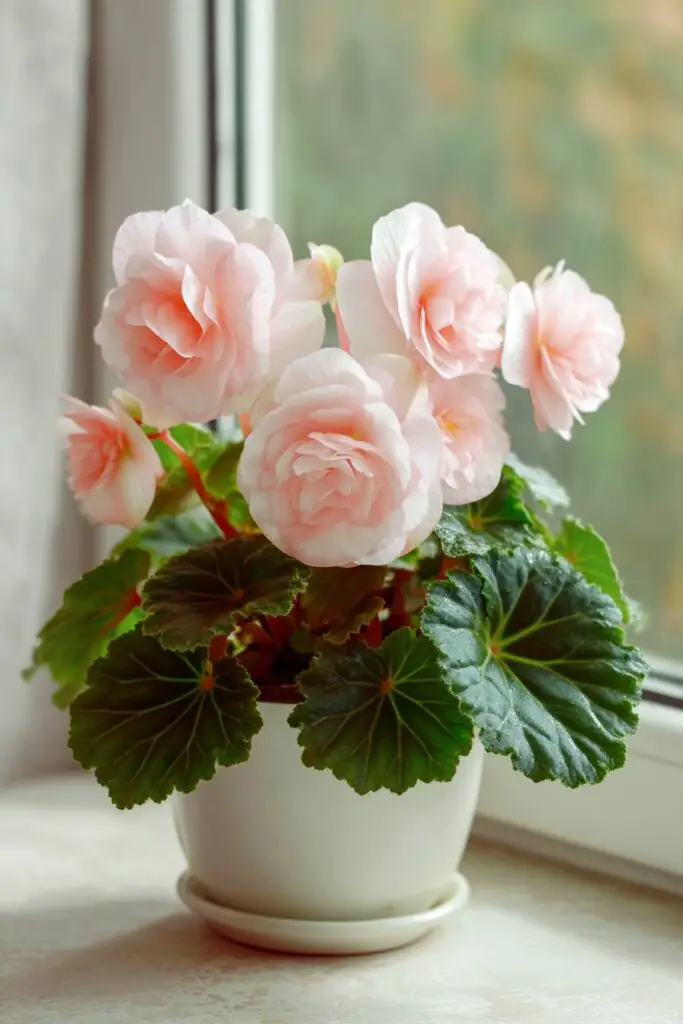
The tea rose begonia is a charming flowering plant that stands out among indoor plants thanks to its gentle, sweet fragrance and delicate pink blooms. While most begonias aren’t known for their scent, this variety is an exception — offering soft floral notes without overwhelming the senses.
It’s a compact grower, reaching about 12 inches tall in containers, making it ideal for small spaces like windowsills or tabletops. Tea rose begonias prefer bright, indirect light and high humidity, which helps them bloom consistently throughout the year.
Use a moist, well-draining potting mix, and water when the top layer feels slightly dry. Overwatering can lead to root rot, so be sure to let excess water drain freely.
Tip: Maintain humidity around 50% or higher to encourage lush growth and continuous blooming — grouping it with other plants can help increase humidity naturally.
🌿 Bay Laurel
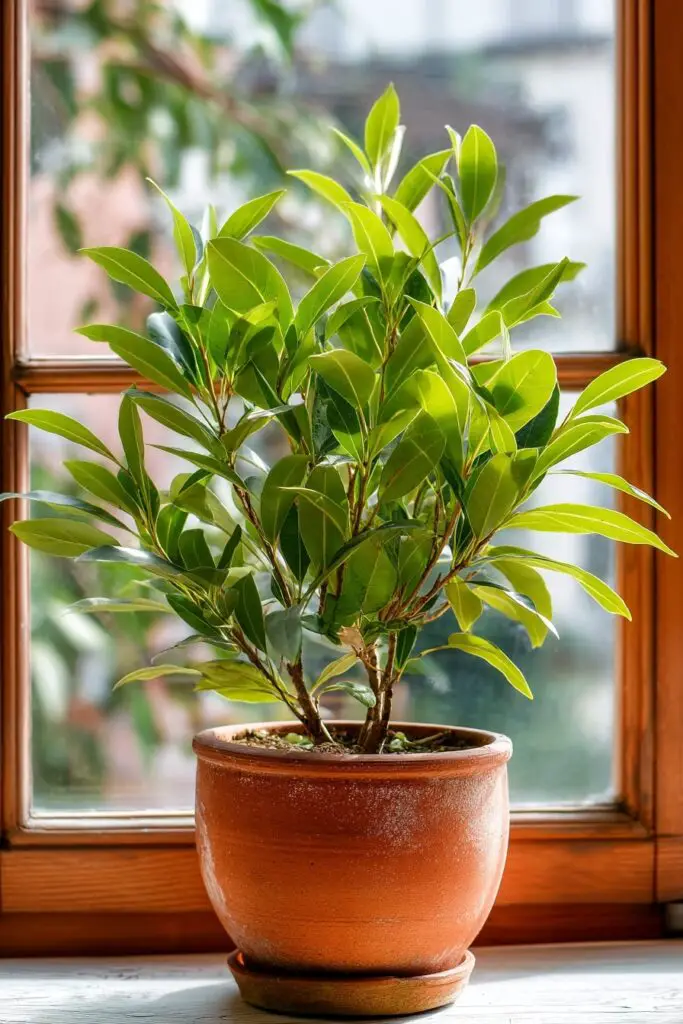
Bay laurel is one of the most versatile indoor plants, offering both culinary value and a subtle, herbal aroma that brings freshness to your kitchen or living area. Its evergreen leaves give off a scent reminiscent of balsam and citrus — especially when gently rubbed or crushed.
Bay laurel grows best in bright light with some direct sun, and it appreciates good air circulation. It can reach 4 to 8 feet tall indoors with proper pruning, though it responds well to shaping and can be kept compact for countertops or sunny corners.
Use a moist, well-draining soil, and water thoroughly when the top inch feels dry. While bay is drought-tolerant once established, regular watering promotes healthier growth indoors.
Pro Tip: Snip a few leaves at a time for cooking, but avoid heavy harvesting until the plant is well established.
🌺 Hoya
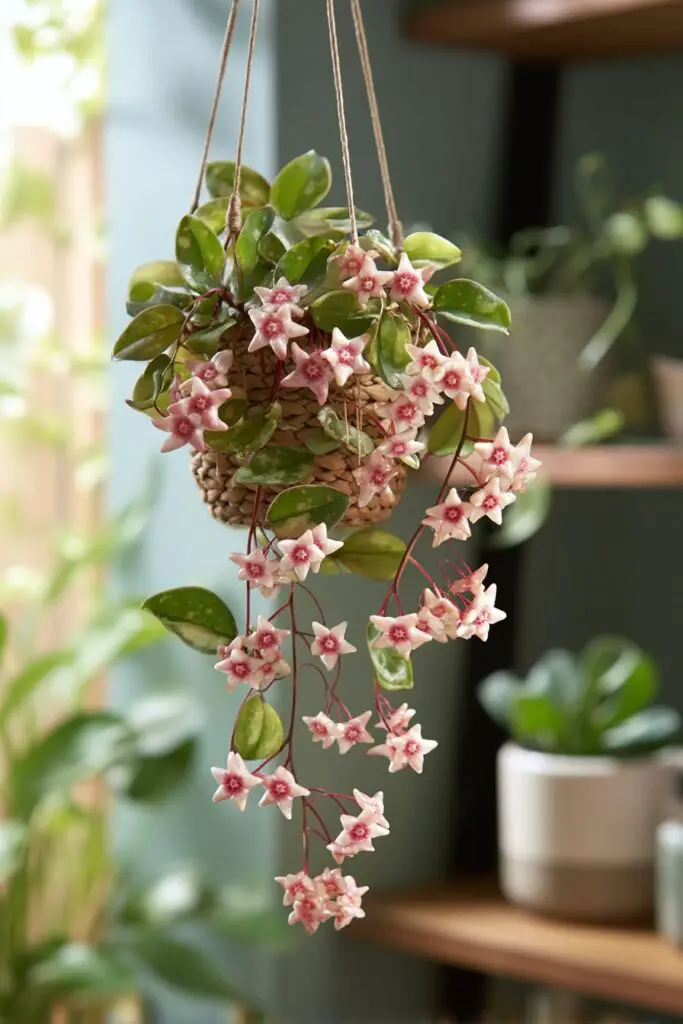
Known as the wax plant, Hoya is a standout among fragrant indoor plants. It produces clusters of star-shaped, waxy blooms that can smell like vanilla, chocolate, or citrus, depending on the variety. One popular type, Hoya carnosa ‘Rubra’, offers stunning floral clusters with variegated leaves that add visual appeal even when not in bloom.
Hoyas thrive in bright, indirect light, and can tolerate some direct morning sun. They prefer to be slightly root-bound, making them perfect for small to medium containers. With the right light, they can bloom on and off throughout the year.
Use a well-draining soil mix, such as one designed for succulents or orchids, and allow the top inch of soil to dry out between waterings.
Tip: Don’t remove old flower spurs — Hoyas often rebloom from the same spots year after year.
🌼 Passionflower (Vanilla Cream)
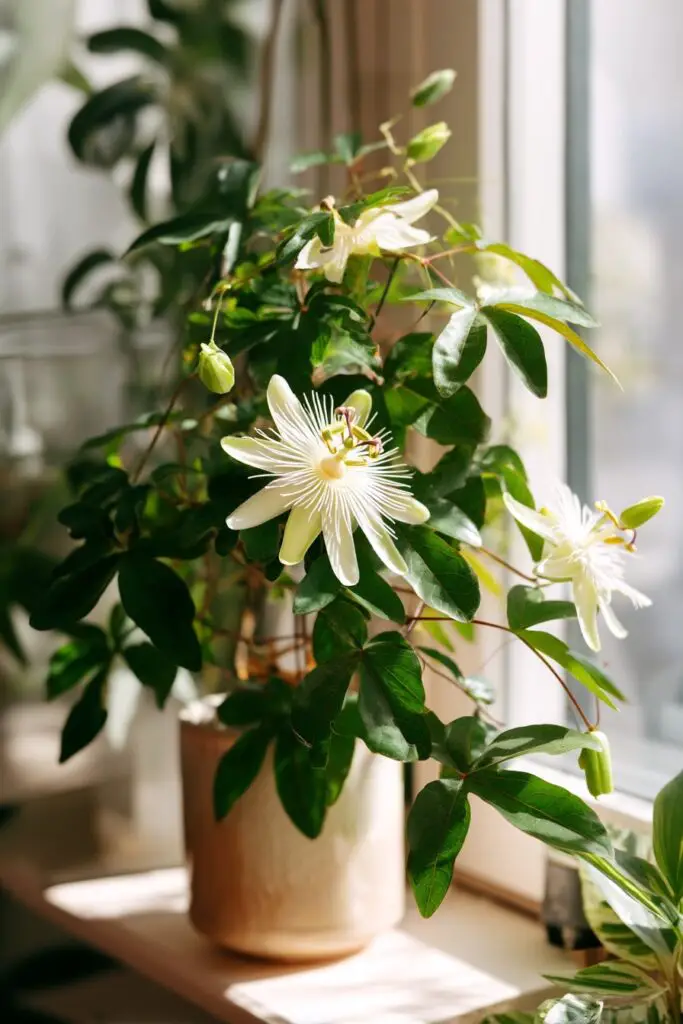
If you’re seeking a truly unique indoor plant, the Vanilla Cream passionflower delivers both visual interest and delicate fragrance. Unlike most passionflower varieties, this one offers white, honey-scented blooms that open in the morning and close by midday — a fleeting but beautiful experience.
This compact cultivar is better suited for indoor growing than its larger cousins, reaching a manageable 2 to 15 feet, depending on pruning and container size. It thrives in bright, direct sunlight and prefers well-draining soil kept lightly moist.
Since its flowers are on a schedule, place the plant where you’ll be around during the day to enjoy the scent. It also benefits from a small trellis or support for gentle climbing indoors.
Pro Tip: Keep an eye on the light — without enough sun, flowering may slow down or stop altogether.
🌿 Arabian Jasmine
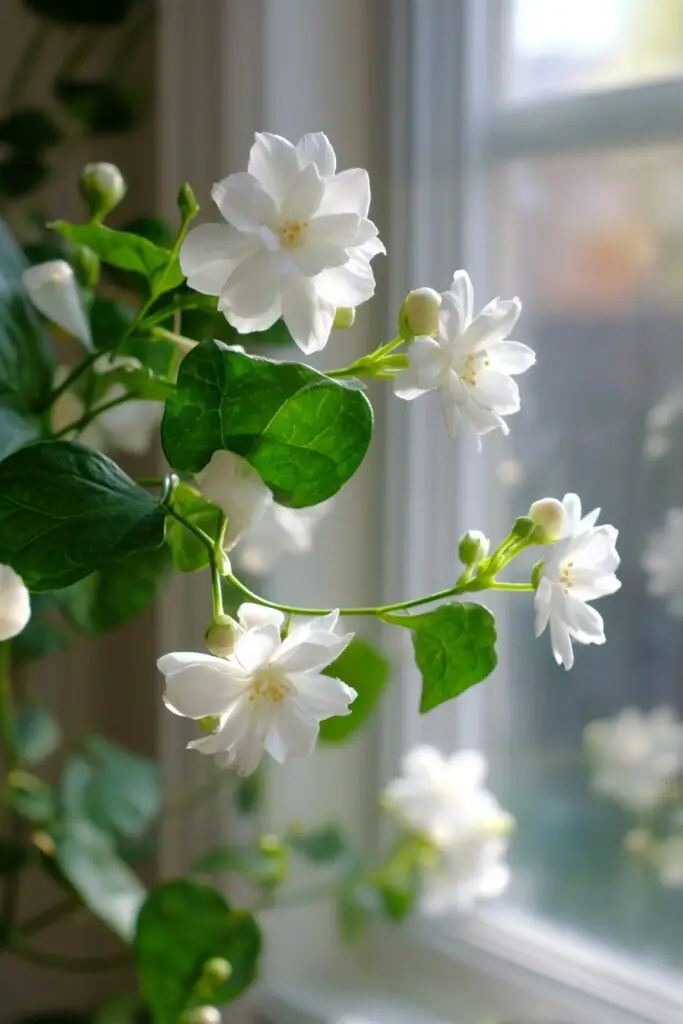
Arabian jasmine is one of the most beloved indoor plants for its intoxicating, sweet fragrance. Its pearl-like buds open into pure white flowers commonly used to scent green tea — a testament to its potent aroma.
While typically grown outdoors in warmer climates, Arabian jasmine adapts well to life indoors with ample sunlight. It prefers full sun exposure and well-drained soil, and it performs best near a bright window where it can soak in the light it needs to bloom.
The plant has a slightly wild growth habit — not quite a vine, but too lanky to be a neat shrub — so it may need occasional pruning or light training for shape. Single-flowering varieties tend to produce more blooms than doubles, making them ideal for those focused on fragrance.
Tip: Let the top layer of soil dry between waterings, and rotate the pot every few weeks for balanced growth.
🌸 Scented Geranium
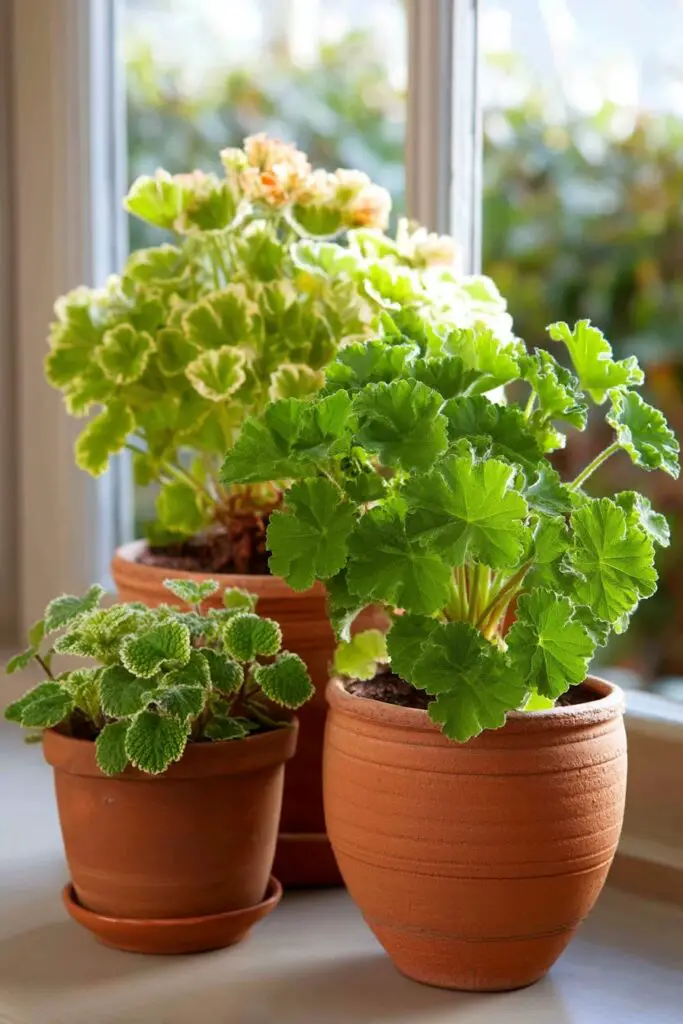
Scented geraniums are a delightfully aromatic group of indoor plants that offer more than just pretty foliage — their leaves release unique, natural fragrances when gently touched. Depending on the variety, you might smell citrus, mint, rose, chocolate, or even cola.
Some standout cultivars include:
- ‘Atomic Snowflake’ – citrusy scent with variegated, fuzzy leaves
- ‘Chocolate Mint’ – minty fragrance with a dark central blotch
- ‘Orange Fizz’ – orange soda-like scent from deeply textured foliage
These geraniums are compact and ideal for sunny windows, growing 12 to 18 inches tall. They require full sun, well-draining soil, and moderate watering — allow the soil to dry out between waterings to avoid root rot.
Bonus: Their foliage is as ornamental as their fragrance is refreshing — a perfect combo for functional décor.
🌿 Stephanotis
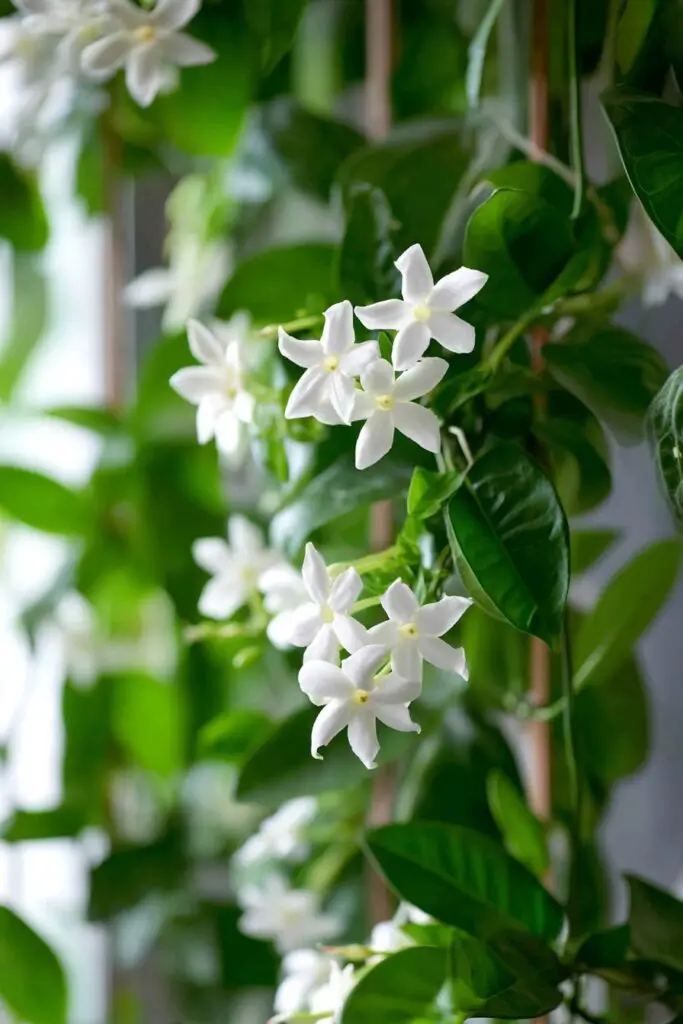
Stephanotis, often called Madagascar jasmine, is a beautiful vining indoor plant known for its waxy, star-shaped white flowers and sweet, floral fragrance. While it resembles jasmine, it belongs to a different plant family — but the scent is just as lovely.
This elegant climber can reach 3 to 4 feet tall indoors when trained around a trellis or hoop. It thrives in bright, indirect light and appreciates consistent warmth. With proper care, Stephanotis will bloom from spring to fall, filling your home with a gentle, romantic aroma.
Use a well-draining potting mix, and water when the top inch of soil feels dry. While it enjoys moisture, overwatering can lead to yellowing leaves or root issues.
Tip: Avoid moving it once buds appear — sudden changes in light or temperature can cause flower drop.
🌿 Eucalyptus
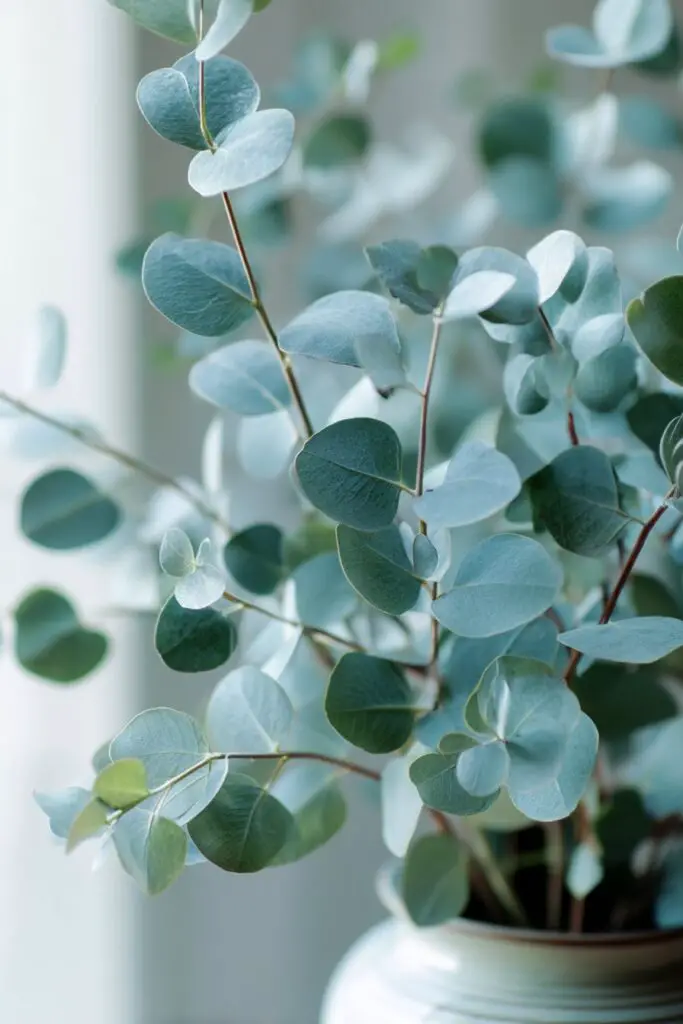
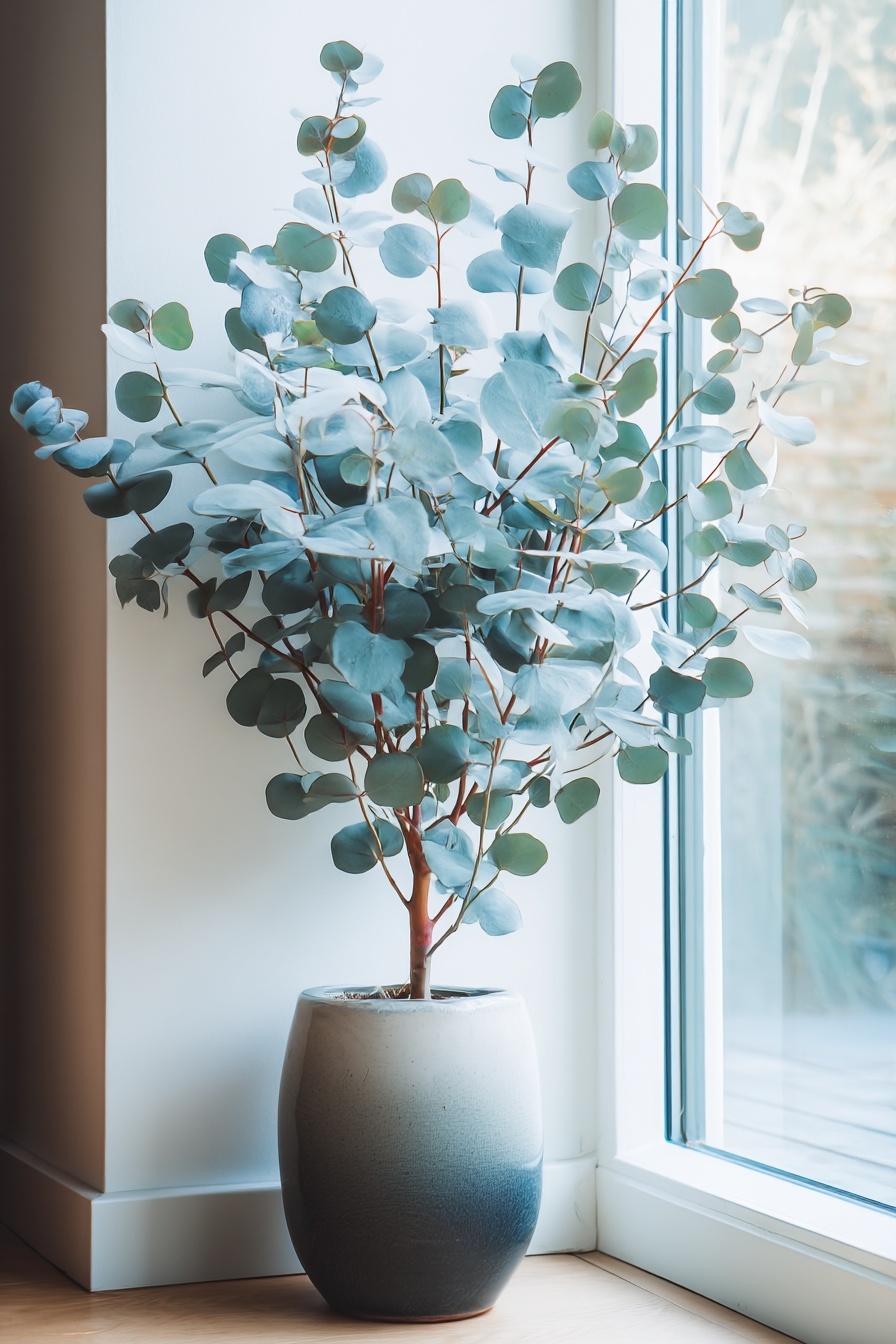
For a clean, invigorating scent that lasts year-round, eucalyptus is one of the most unique and aromatic indoor plants you can grow. Unlike flowering varieties, eucalyptus delivers its signature fragrance through its silvery-blue, rounded leaves — even without blooms.
This upright, architectural plant grows best in full sun and needs well-draining soil to prevent soggy roots. While it can reach up to 3 feet indoors, regular pruning keeps it bushy and compact.
Because eucalyptus grows quickly, choose a deep container and be prepared to trim it regularly. It’s an excellent choice for adding visual structure and a refreshing aroma to minimalist or modern interiors.
Bonus: Snip sprigs for homemade arrangements or hang in your shower — the steam will release the soothing scent.
🌙 Lady of the Night Orchid (Brassavola nodosa)
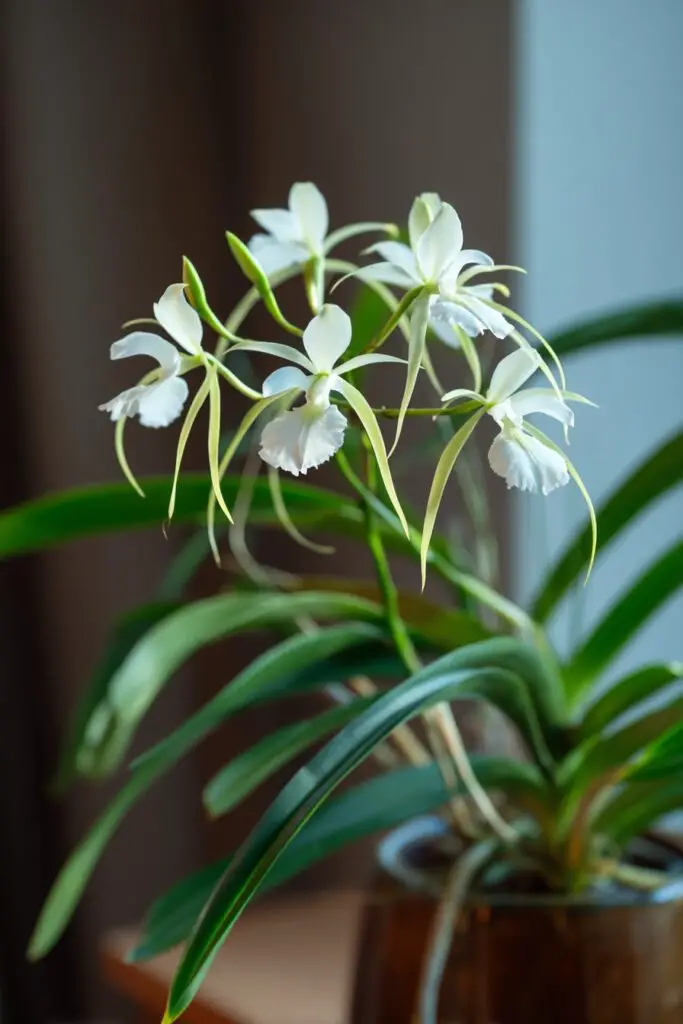
The Lady of the Night orchid, or Brassavola nodosa, lives up to its name with a strong, sweet fragrance that intensifies after dark. It’s a standout among indoor plants not just for its scent, but also for its graceful, narrow white flowers that resemble tiny stars.
This orchid blooms prolifically throughout the year, especially when given the right care. It prefers partial sun, such as filtered light from an east- or west-facing window, and grows well in well-drained orchid mix or mounted on bark for better airflow.
Keep humidity moderate and water when the medium starts to dry — this orchid likes to stay slightly moist but not soggy.
Pro Tip: Place it near your bedroom or a living space where you’ll notice the fragrance most in the evening hours.
🌼 Conclusion
Bringing fragrant indoor plants into your home is one of the simplest ways to enhance your space with natural beauty and year-round scent. Whether you’re drawn to the sweet aroma of jasmine, the clean crispness of eucalyptus, or the tropical notes of gardenia, there’s a scented plant to suit every style and skill level.
By choosing the right varieties and giving them proper light, soil, and humidity, you can create a calming, aromatic environment that smells like a garden — no matter the season.
So go ahead — pick a few favorites from this list and start turning your living space into a fragrant indoor oasis.