
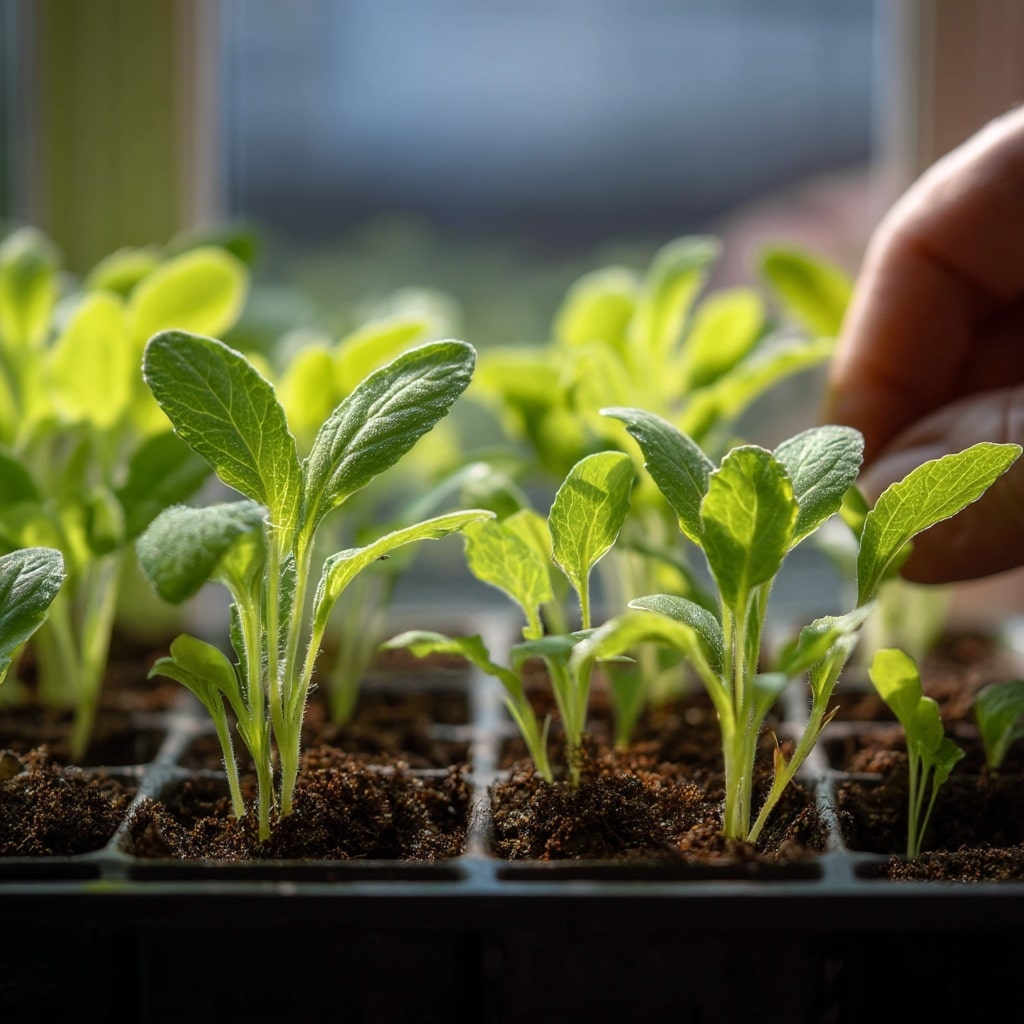
Seed starting is one of the most rewarding parts of gardening, offering a hands-on way to nurture life from the very beginning. Whether you’re growing heirloom tomatoes for the summer harvest or native perennials to boost your pollinator garden, mastering the basics of seed starting sets the stage for success. But starting seeds isn’t always as simple as it sounds. From choosing the right containers to avoiding common mistakes like damping-off, there are many small but critical steps that can make the difference between weak sprouts and vigorous, garden-ready seedlings.
After years of practice and trial and error, experienced gardeners have fine-tuned a series of tips that consistently deliver strong, healthy starts. Whether you’re sowing indoors in early spring or planning a fall crop, these 10 seed starting tips will help you grow with confidence.
Table of Contents
1. Keep Records to Allow for Better Planning

One of the most overlooked steps in seed starting is keeping clear and consistent records. Whether you’re growing a few trays on your windowsill or running a large home greenhouse, tracking what you sow—and how it performs—will make your process more efficient year after year.
Create a simple seed-starting journal or spreadsheet where you log:
- The date seeds were sown
- The seed variety and source
- Germination dates and success rates
- When seedlings were transplanted
- Any notable issues or successes
At the end of each season, review what worked and what didn’t. Maybe your peppers took longer to sprout than expected, or a new seed supplier delivered poor results. These details can inform better decisions next time—like adjusting your sowing calendar or switching to a more reliable seed company.
Maintaining these notes helps you anticipate timing, avoid repeating mistakes, and refine your seed starting routine for even greater success.
2. Store Seeds Properly to Maintain Viability
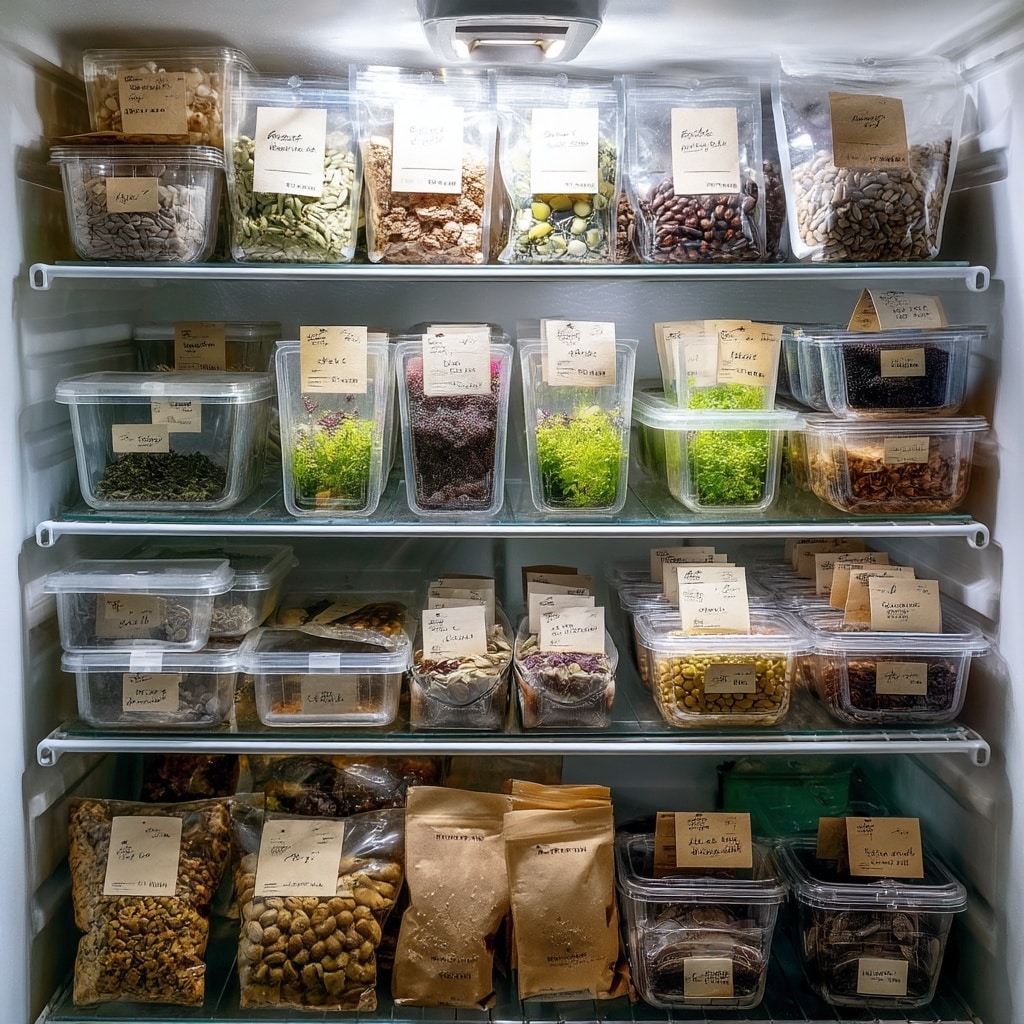
Successful seed starting doesn’t begin with soil or light—it starts with viable seeds. Improper storage can dramatically reduce germination rates, especially for delicate or short-lived varieties. To ensure your seeds are still alive and ready to grow, store them in conditions that preserve their dormancy.
Keep seeds in:
- A cool place—ideally between 35°F and 50°F
- A dry, low-humidity environment (moisture can trigger mold or premature sprouting)
- A dark space to prevent light degradation
A labeled airtight container in the refrigerator works well for most gardeners. Use resealable bags or film canisters for individual seed types, clearly marking the plant name, year harvested or purchased, and source.
Want to test seed viability before planting? Try the float test: soak seeds in water for a few hours. Viable seeds typically sink, while non-viable ones float. This test works best for larger seeds, but it’s a helpful indicator before investing time in full seed starting.
3. Use Wide, Flat Containers to Avoid Overcrowding
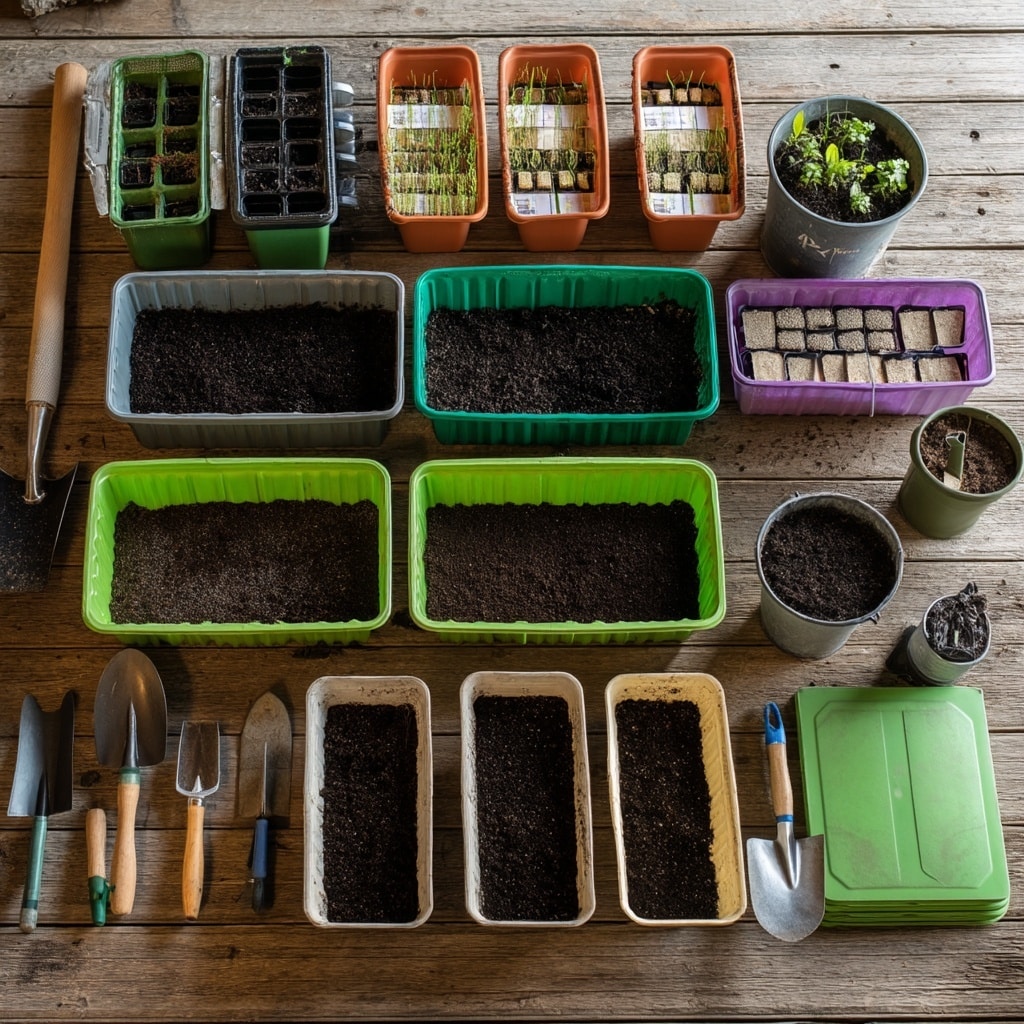
Choosing the right container can make a big difference in seed starting success. Overcrowded seedlings compete for light, moisture, and nutrients—leading to weak, leggy growth. Wide, shallow containers give seeds the space they need to develop strong roots and healthy stems from the start.
Plastic containers are ideal because they retain moisture better than clay and are easier to clean. You can use:
- Seed trays with good drainage
- Plug trays or cell packs for plants sensitive to root disturbance
- Recycled containers like yogurt cups or takeout trays (just poke holes in the bottom)
Before planting, always sanitize containers by soaking them in a 10% bleach solution for 15 minutes and letting them air dry. This helps prevent fungal issues and other diseases that can derail your seedlings before they get going.
Starting with clean, spacious containers gives your seedlings a healthy foundation and makes thinning or transplanting much easier as they grow.
4. Tamp Seeds Down to Make Direct Contact with the Soil
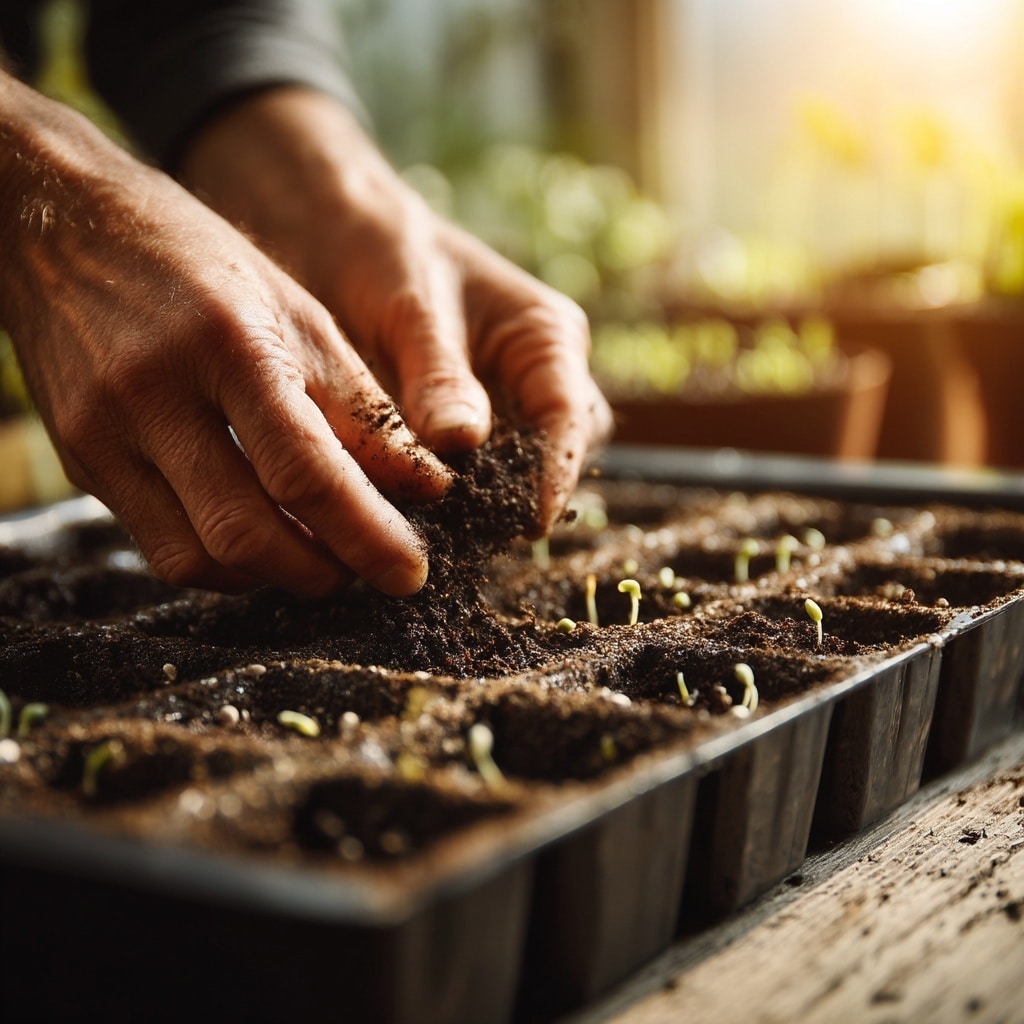
A common mistake in seed starting is planting seeds without ensuring they’re in firm contact with the soil. Without good contact, seeds may dry out or fail to germinate, no matter how ideal the temperature or light conditions are.
After sowing your seeds, lightly cover them with a fine layer of seed-starting mix—not regular potting soil. A good rule of thumb is to cover seeds to a depth of about twice their diameter, unless the packet says otherwise. Some tiny seeds, especially those that need light to germinate, should be left uncovered on the surface.
To ensure proper soil contact, gently tamp down the surface with a flat object like the bottom of a glass or the back of a spoon. Avoid pressing too hard—you want the mix to stay loose enough for air and water to move through.
This simple step can dramatically improve germination rates and consistency across all your seed starting projects.
5. Prevent Disease by Providing Airflow and Drainage
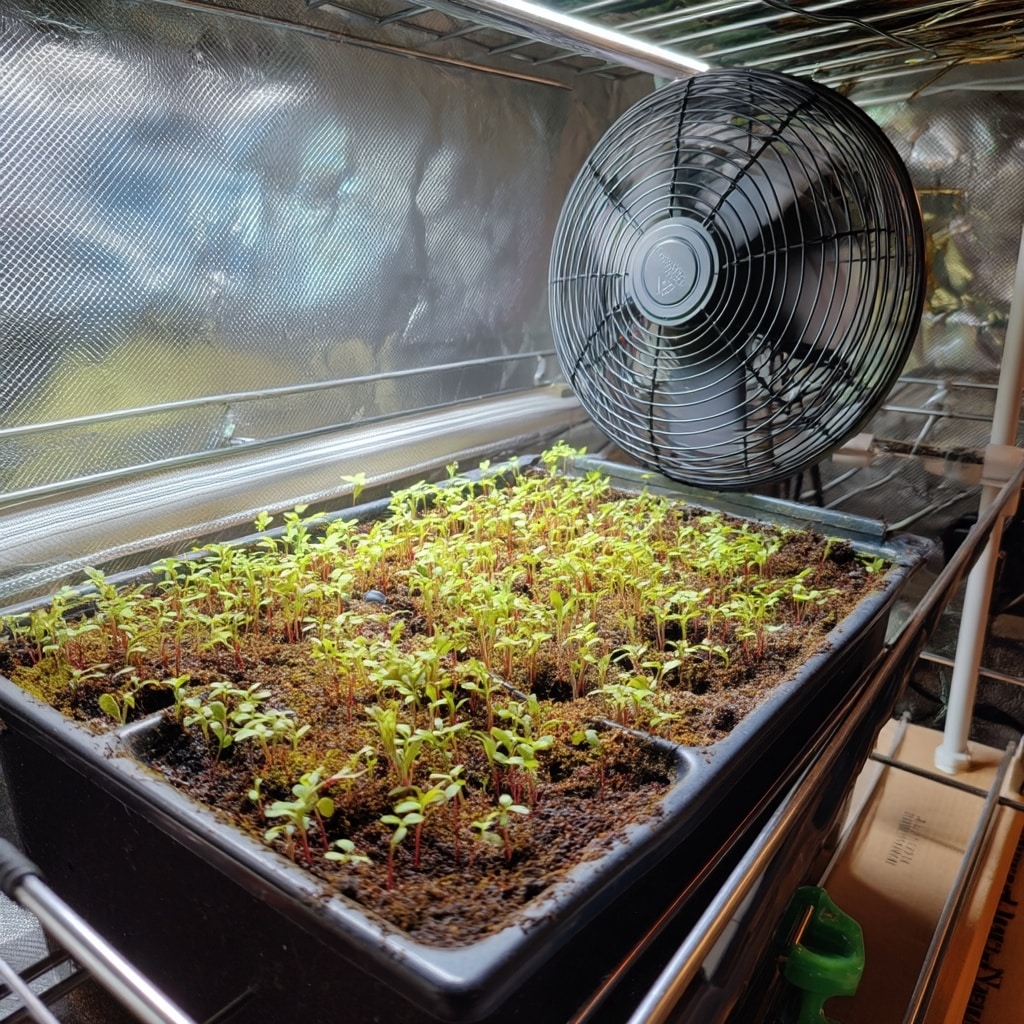
Nothing derails seed starting faster than fungal disease, especially damping-off—a common issue that causes young seedlings to suddenly collapse. The good news is that with proper airflow and moisture control, this problem is almost entirely preventable.
Start by using clean containers with good drainage. Avoid overwatering, which creates the damp, stagnant conditions that pathogens love. After sowing and lightly tamping your seeds, sprinkle a thin layer of milled sphagnum moss mixed with fine chicken grit (about 50/50) over the surface. This top layer helps keep the soil surface dry and discourages fungal growth.
Air circulation is just as important. Place a small fan near your seed trays on a low setting to keep air moving at the soil level. Don’t aim it directly at the seedlings; a gentle breeze is enough to reduce excess humidity and help build stronger stems.
These simple practices will give your seed starting setup a healthier, disease-resistant environment.
6. Cover Trays with Plastic Wrap to Keep the Moisture Level Constant
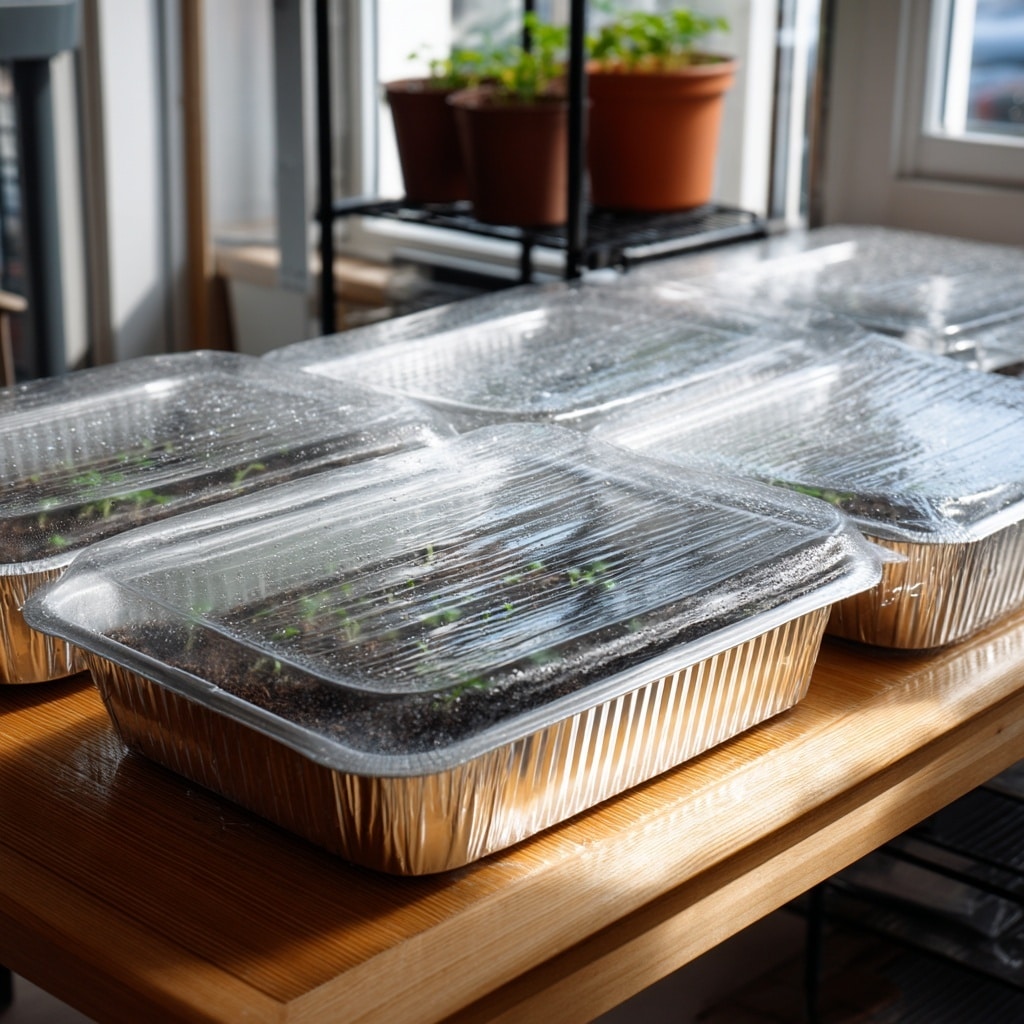
Consistent moisture is key to successful seed starting, especially during the delicate germination phase. Seeds need a stable, evenly moist environment—not soggy or dry—to activate and begin sprouting. One easy way to achieve this is by covering your seed trays with clear plastic wrap or using a humidity dome.
This cover helps trap moisture, preventing the surface from drying out too quickly. But even with a cover in place, it’s essential to check the moisture level daily. If the mix dries out, avoid top-watering, which can dislodge tiny seeds. Instead, place the entire tray or pot in a shallow basin with warm water. Let it soak from the bottom until the surface feels moist.
If only the top layer is dry, lift the plastic wrap and lightly mist with a spray bottle. As soon as the seeds begin to sprout, remove the cover to reduce humidity and improve airflow.
Maintaining the right moisture balance will support strong, even germination in your seed starting setup.
7. Keep Seeds Warm to Encourage Germination
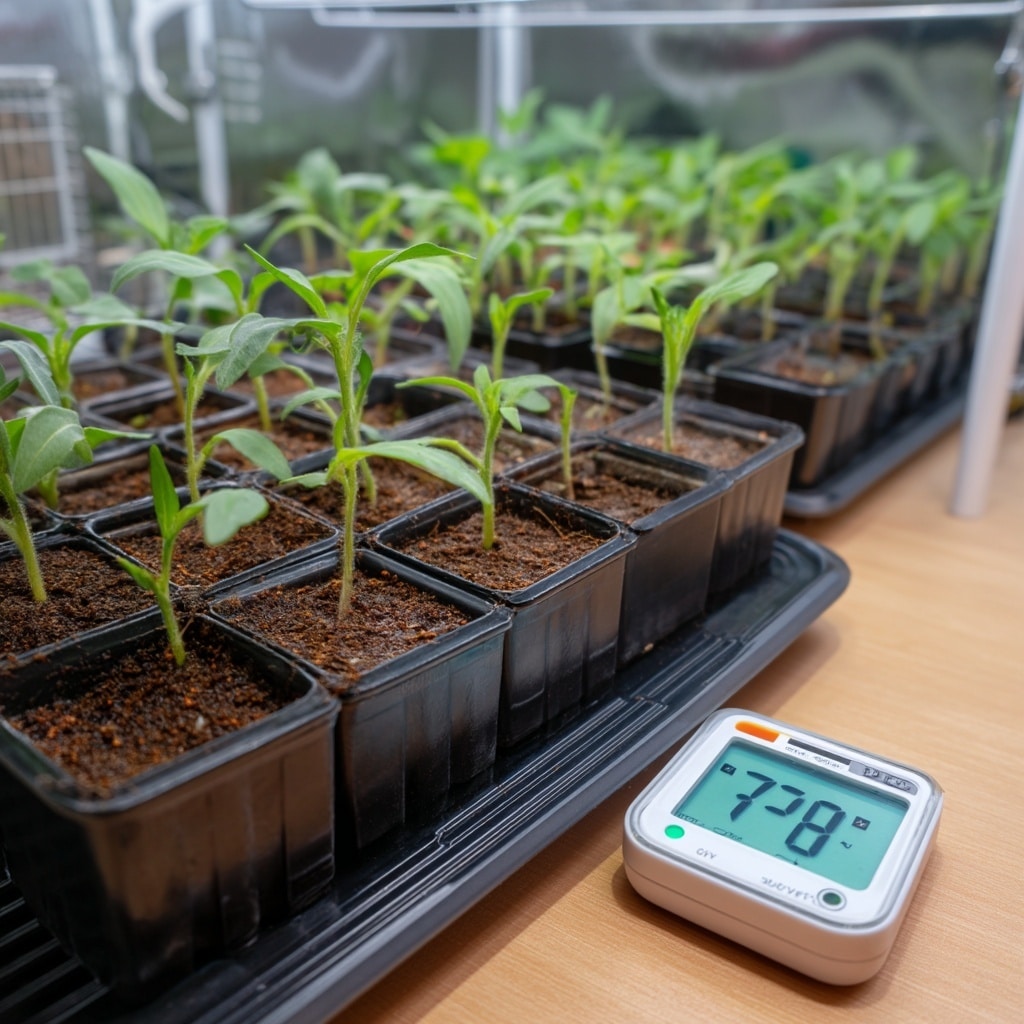
Temperature plays a crucial role in seed starting. Most seeds germinate best in warm conditions—typically between 65°F and 75°F. Too cold, and germination slows or stalls altogether. Too hot, and seeds may dry out or rot before sprouting.
To maintain the ideal temperature, place seed trays near a sunny, south-facing window or on top of a seedling heat mat, which gently warms the soil from below. These mats are especially helpful in cool basements or during early spring when indoor temps fluctuate.
If you don’t have a heat mat, try placing trays near a radiator or on top of the refrigerator—just make sure the surface doesn’t get too hot. Always monitor moisture closely, as warmer environments can dry out the soil faster than expected.
Providing consistent warmth gives your seed starting efforts a solid foundation and speeds up germination, getting your seedlings off to a faster, healthier start.
8. Turn Seedlings Daily to Keep Stems Strong
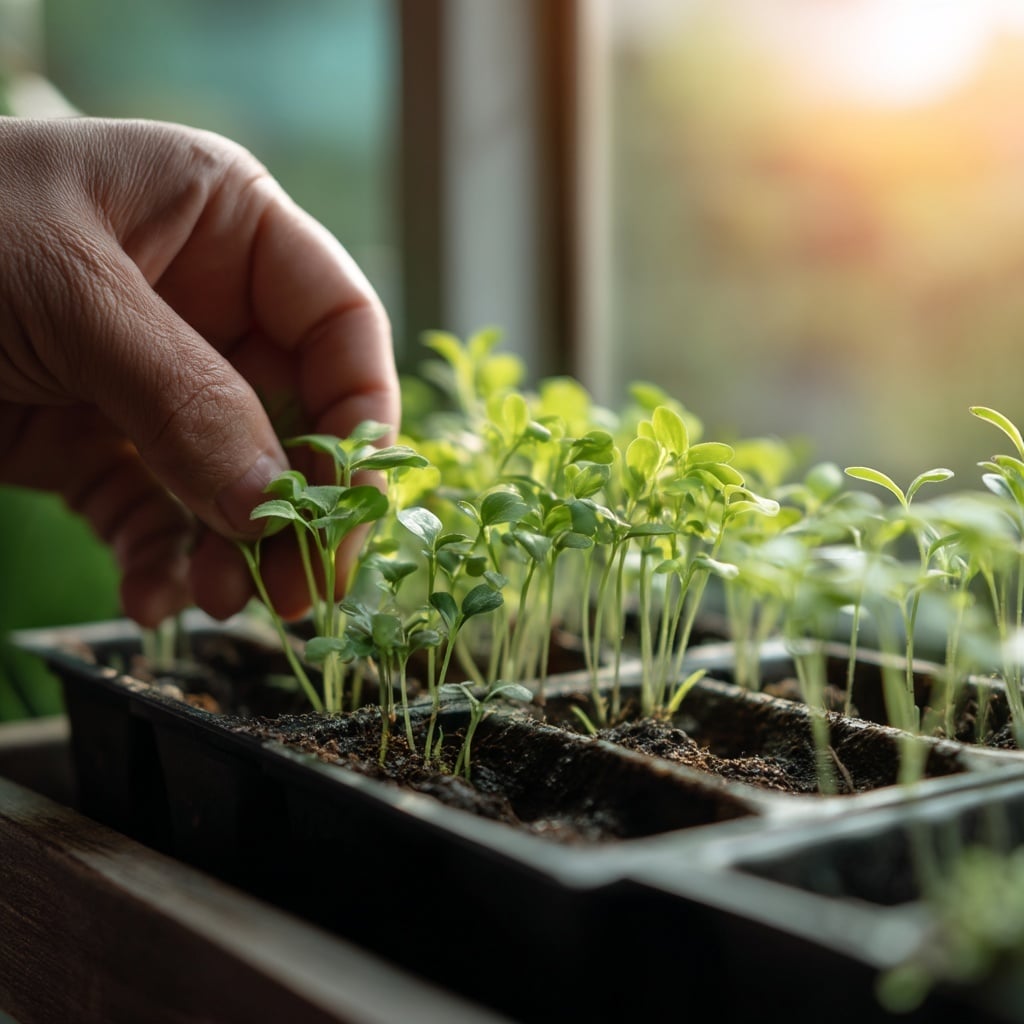
Once germination begins, light becomes just as important as warmth in your seed starting process. Without sufficient light, seedlings grow tall and spindly as they reach toward the brightest source—usually a window. This results in weak, stretched stems that may topple over before they’re ready for transplanting.
To prevent this, place seedlings in a bright, south-facing window or under grow lights for 12–16 hours a day. If you’re using natural light, rotate the trays a quarter turn each day. This ensures even exposure and encourages balanced growth.
Another simple trick? Gently run your hand over the tops of the seedlings once or twice a day. This mimics the effect of wind and stimulates the plants to grow thicker, sturdier stems. A small oscillating fan on low speed can also help toughen them up while improving airflow.
Strong stems mean stronger plants—so don’t skip this step in your seed starting routine.
9. Feed Them Well
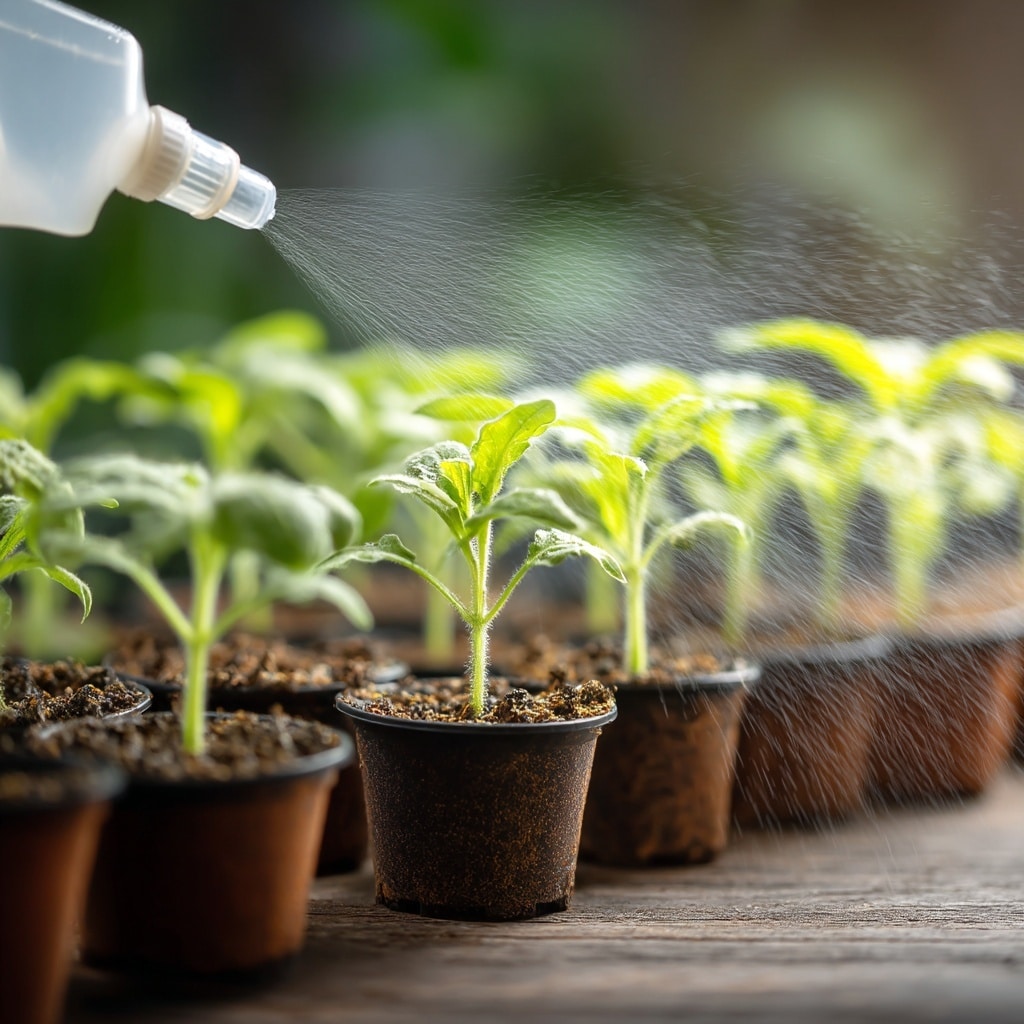
After germination, your seed starting process shifts from nurturing seeds to supporting young, hungry seedlings. At first, seedlings rely on the nutrients stored inside the seed itself. But once their true leaves appear (the second set of leaves after the initial seed leaves), it’s time to start feeding them.
Most commercial seed-starting mixes contain only a small nutrient charge—just enough to get seeds going without burning delicate roots. Once true leaves are visible, begin feeding with a diluted liquid fertilizer at half strength, about once a week.
Organic options like fish emulsion or seaweed extract are gentle and effective. Synthetic all-purpose fertilizers work too—just be sure to follow dilution instructions carefully. Too much fertilizer too soon can damage roots and stunt growth.
Regular, balanced feeding helps seedlings grow strong and resilient, giving them the energy they need to develop healthy roots and foliage before transplanting.
Consistent nutrition is a key piece of successful seed starting, especially for long-growing crops like tomatoes and peppers.
10. Acclimate Seedlings to Direct Sunlight
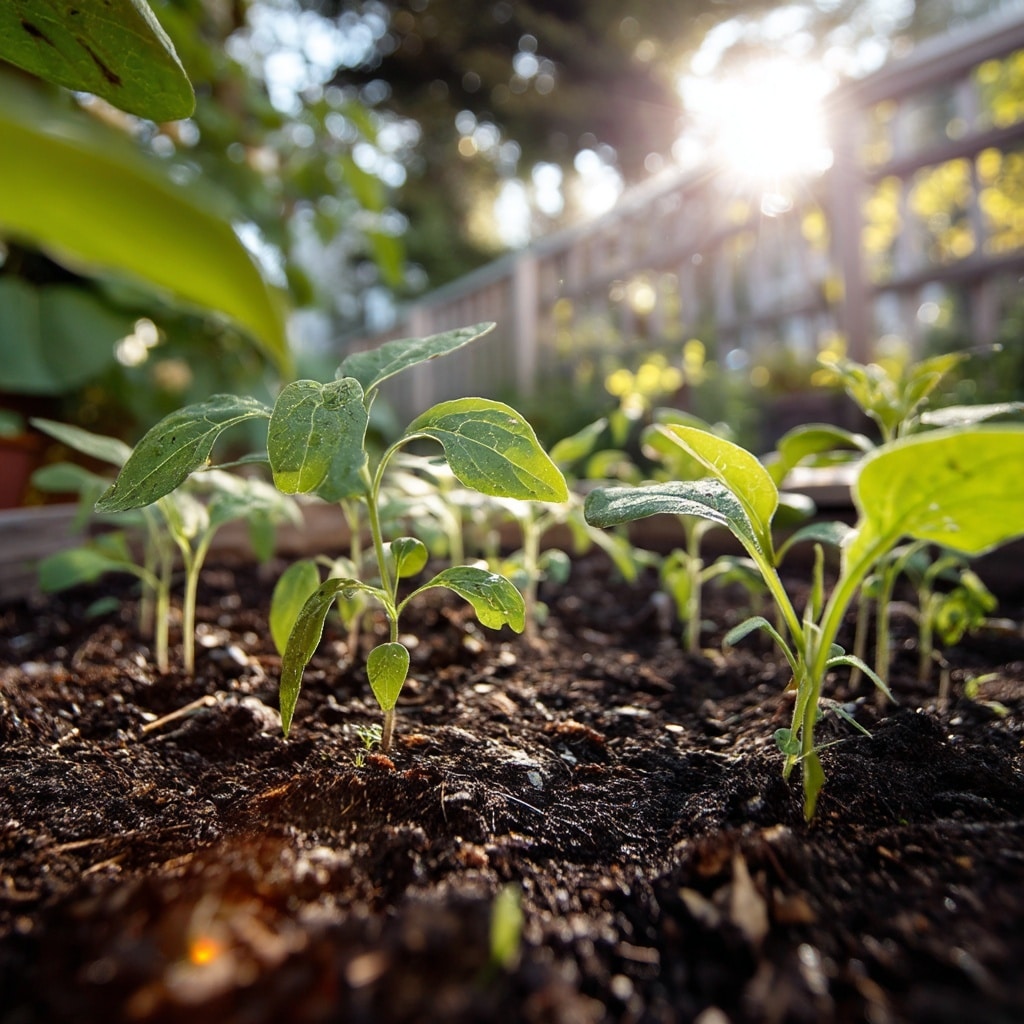
You’ve nurtured your seedlings from tiny sprouts, and now they’re almost ready to move outside. But before planting them in the garden, your seed starting journey needs one final step: hardening off.
Seedlings grown indoors are used to stable temperatures, gentle air, and filtered light. Sudden exposure to outdoor conditions—direct sun, wind, and fluctuating temps—can shock them. Hardening off is the gradual process of acclimating seedlings to the real-world environment they’ll grow in.
Start by placing seedlings outdoors in a sheltered, shady spot for a few hours during the warmest part of the day. Gradually increase their time outside over 5–7 days, exposing them to more sunlight and breeze each day. By the end of the week, they should be spending full days in the sun and staying sturdy through mild winds.
Skipping this step can undo weeks of careful seed starting work, so be patient—it’s the final push that ensures a smooth transition to the garden.
Conclusion
Effective seed starting is more than just putting seeds in soil—it’s about creating the right environment every step of the way. From careful planning and clean containers to proper lighting and gradual acclimation, these 10 tips give you the best chance at raising strong, healthy seedlings ready to thrive outdoors.
Whether you’re growing vegetables, herbs, or flowers, mastering these seed starting basics will reward you with vigorous plants and a more productive garden. Start small, stay consistent, and keep learning each season. Your future garden will thank you.