
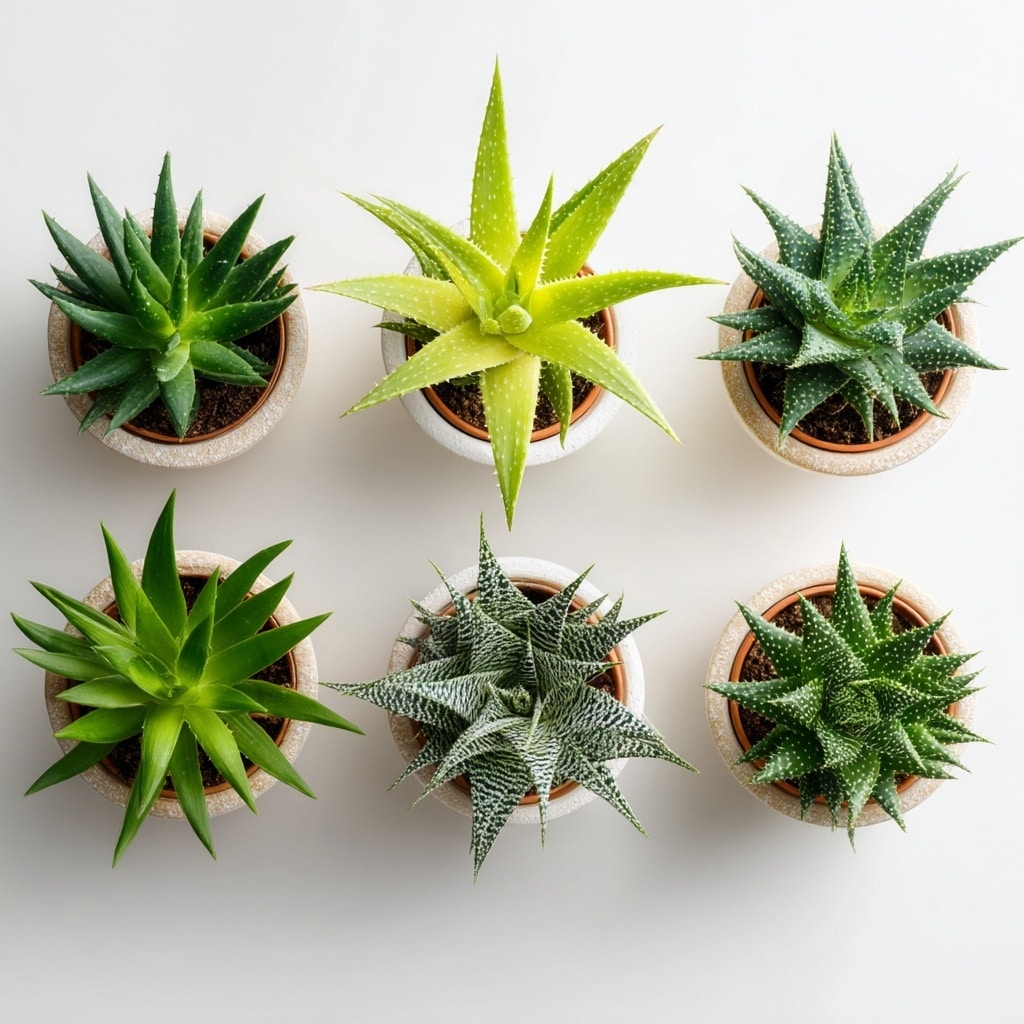
The aloe vera plant is more than just a pretty succulent—it’s a healing companion that thrives with little effort and gives back in big ways. Known for its fleshy, spiked leaves packed with soothing gel, this sun-loving houseplant has been trusted for centuries to treat sunburn, nourish the skin, and even aid digestion. Whether you’re placing it on your kitchen windowsill or planting it outdoors in a sunny spot, learning how to care for an aloe vera plant can make all the difference in its health—and yours.
From watering schedules to propagation tips, this guide will help you keep your aloe thriving while enjoying its many benefits.
Table of Contents
🧴 Top Health & Skin Benefits of the Aloe Vera Plant

The aloe vera plant is renowned not only for its hardiness but also for the natural healing properties stored in its thick, gel-filled leaves. This multi-purpose succulent offers a variety of wellness benefits for your skin, hair, digestive system, and more—making it a valuable addition to your home.
🌿 Heals and Soothes Skin
Aloe vera gel is a natural remedy for treating burns, cuts, and sunburns. It works by forming a protective layer on the skin and helping it retain moisture, which promotes faster healing. Its cooling effect provides immediate relief from irritation, making it an excellent after-sun treatment.
💧 Improves Skin Hydration and Elasticity
Rich in vitamins A, C, and E, the aloe vera plant supports skin hydration and elasticity. It penetrates deeply into the skin, making it especially beneficial for dry or aging skin. Regular use can help reduce the appearance of wrinkles and fine lines, while also evening out skin tone.
🦷 Supports Oral Health
Aloe vera’s antimicrobial and anti-inflammatory properties help reduce plaque and may relieve gum inflammation. Its gel can be found in some natural toothpastes and mouthwashes as a gentler alternative to chemical-based oral care products.
💆♀️ Boosts Hair and Scalp Health
Using aloe vera gel or hair products containing it can improve scalp hydration, reduce dandruff, and encourage healthier hair growth. Its natural enzymes help cleanse the scalp without stripping it of moisture.
🧃 Aids Digestion and Gut Health
When consumed in moderation as juice (from food-grade aloe), the aloe vera plant may help ease acid reflux, heartburn, and constipation. Its anti-inflammatory properties can soothe the digestive tract and support better nutrient absorption.
⚠️ Note: Always consult with a healthcare provider before ingesting aloe, especially if you’re pregnant, nursing, or managing chronic health conditions. Not all parts of the plant are safe to consume.
🌱 How to Care for Your Aloe Vera Plant
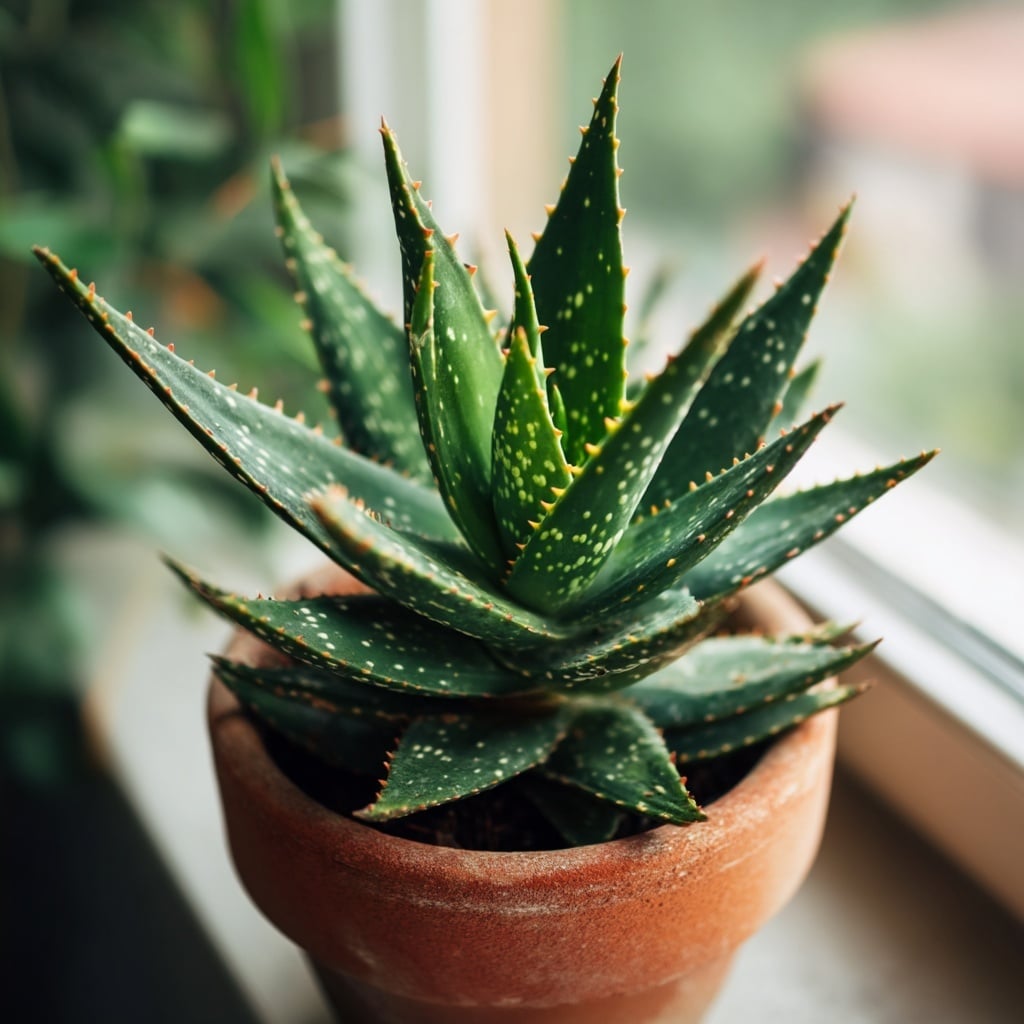
Keeping an aloe vera plant healthy is simple once you understand its desert roots. Native to arid climates, aloe thrives on neglect—making it a perfect choice for busy or beginner gardeners. The key is replicating its natural environment: dry soil, plenty of light, and minimal water.
💧 Watering: Less Is More
The aloe vera plant stores water in its thick leaves, so it’s highly drought-tolerant. Overwatering is the most common cause of plant failure.
- Water deeply, but allow the soil to dry out completely between waterings.
- In spring and summer, water every 2–3 weeks.
- In fall and winter, reduce watering to once a month or less.
- Use the “leaf test”: If leaves begin to wrinkle slightly, it’s time to water.
Pro Tip: Water from the bottom by placing your pot in a tray of water and allowing it to absorb through the drainage holes. This prevents soggy leaves and root rot.
☀️ Light Requirements: Sun-Loving but Flexible
The aloe vera plant loves light but can adapt to different conditions.
Indoor Lighting
- Place in a bright, south- or west-facing window with filtered sunlight.
- If natural light is limited, use a grow light for 12–16 hours per day.
Outdoor Lighting
- Gradually introduce your plant to direct sunlight to prevent leaf scorch.
- In hot climates, provide partial shade during peak afternoon hours.
Pro Tip: Rotate the plant every few weeks to ensure even exposure and prevent leaning.
🪴 Soil & Fertilizer: Fast-Draining is Crucial
Poor drainage can suffocate roots. Always plant your aloe vera plant in soil that mimics its native desert environment.
- Use a succulent or cactus potting mix, or make your own:
- 1 part potting soil
- 1 part coarse sand
- 1 part perlite or pumice
- Fertilize once a year in spring using a diluted (5-10-5) water-soluble fertilizer.
Avoid over-fertilizing, which can cause weak growth and chemical buildup in the soil.
🌡️ Temperature & Humidity: Warm and Dry Wins
- Ideal indoor temperature: 55°F to 85°F (13°C–29°C)
- Tolerates brief drops to 40°F, but not frost.
- Average household humidity is fine. If your air is very dry, place a tray of water nearby or use a humidifier.
In USDA zones 9–11, the aloe vera plant can thrive outdoors year-round. In colder zones, bring it indoors before temperatures fall below 50°F.
🧪 Using Aloe Vera – Gel & Juice (DIY + Safety Tips)
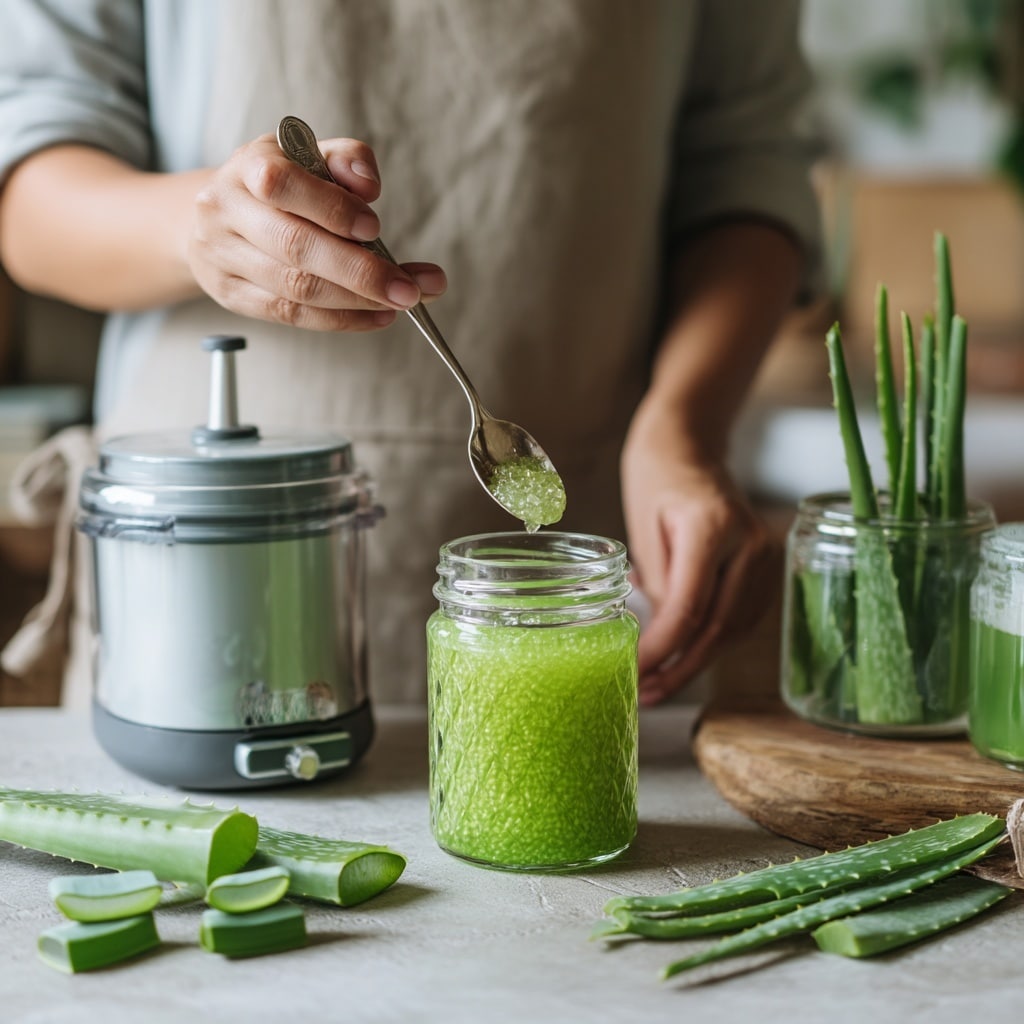
The aloe vera plant isn’t just for looks—it’s a powerful multitasker that offers both topical and internal wellness benefits. With just a few steps, you can extract its soothing gel or prepare aloe juice right from the leaf.
💠 How to Make Aloe Vera Gel (Topical Use)
Aloe vera gel is perfect for soothing burns, calming irritated skin, or hydrating your face and body.
🛠 What You’ll Need:
- A mature aloe vera leaf (outer leaves are best)
- Sharp knife
- Clean spoon
- Clean container or jar
🧴 Steps:
- Cut a thick outer leaf near the base of the plant.
- Stand it upright in a bowl for 10–15 minutes to drain the yellow sap (latex). This can be irritating and should not be used.
- Rinse the leaf well under cold water.
- Trim off the spiny edges on both sides.
- Slice the leaf open lengthwise.
- Scoop out the clear, inner gel with a spoon.
- Store in an airtight container in the refrigerator (lasts up to 2–3 weeks).
⚠️ Always do a patch test before applying gel to sensitive areas to avoid skin irritation.
🧃 How to Make Aloe Vera Juice (Internal Use)
Consuming aloe vera juice can help with digestion, reduce acid reflux, and ease occasional constipation—but it must be prepared safely.
🍹 What You’ll Need:
- 1 mature aloe vera leaf
- Blender
- Filtered water
- Fine strainer or cheesecloth
🍯 Steps:
- Cut the leaf and let the yellow latex sap drain out.
- Rinse thoroughly and remove thorny edges.
- Scoop out the clear gel, being careful to avoid the rind and latex.
- Blend 1 part gel with 2 parts water until smooth.
- Strain to remove any pulp.
- Optional: Add lemon juice or honey for taste.
🧬 Safety Guidelines:
- Start small: 1–2 tablespoons per serving
- Use only clear gel, not the yellow latex
- Consult your doctor if pregnant, nursing, or managing any chronic condition
🚫 Avoid oral aloe if you have Crohn’s, colitis, or are taking diabetes medication, as it may lower blood sugar.
🌱 Propagation from Offsets (Aloe Pups)
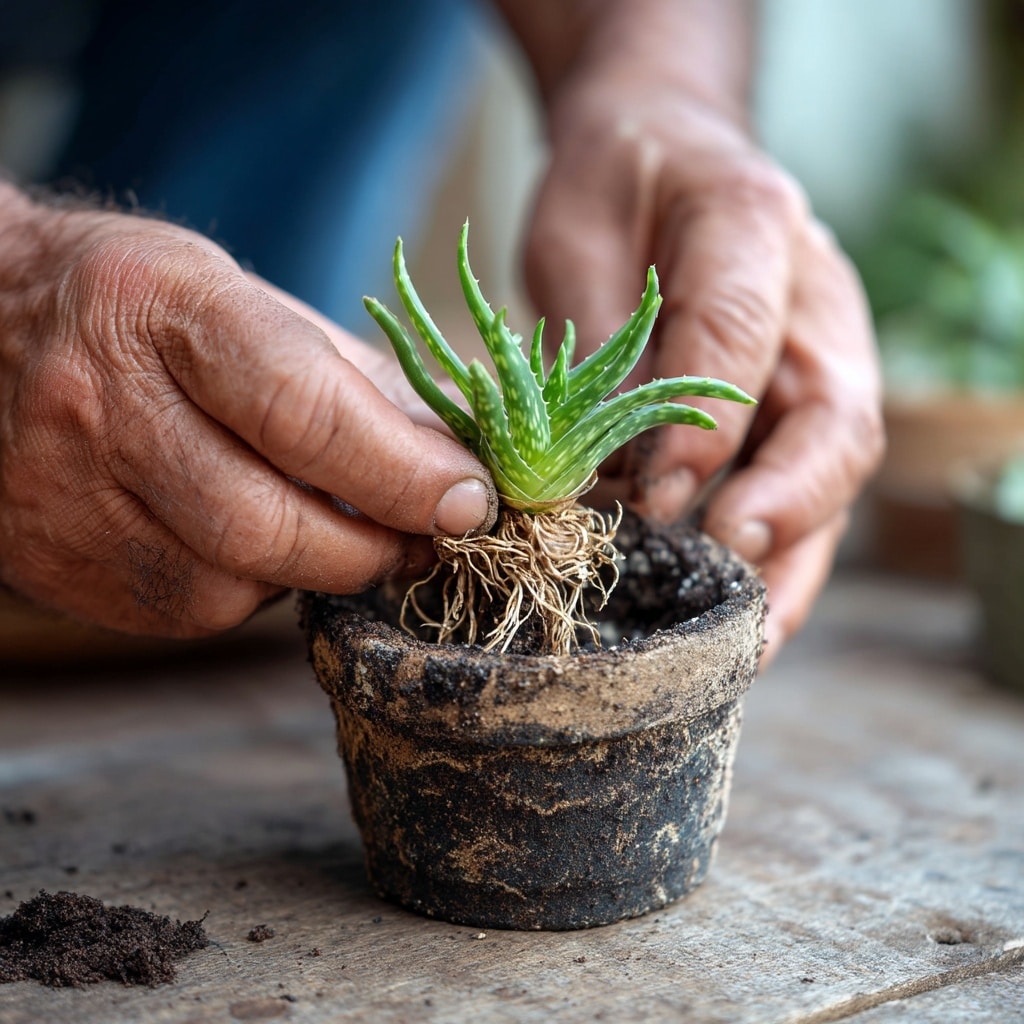
A mature aloe vera plant often produces baby plants—called pups—around its base. These can be separated and grown as new plants.
🌼 How to Propagate Aloe Vera:
- Wait until pups are at least 1/5 the size of the mother plant.
- Gently remove the plant from the pot and separate the pup, ensuring it has some roots attached.
- Let the pup dry for 1–2 days so the cut end forms a callus (prevents rot).
- Plant in a small pot with succulent potting mix.
- Water sparingly until new growth appears (usually a few weeks).
✅ Aloe pups root more reliably than leaf cuttings, making them ideal for beginners.
✂️ Propagation from Leaf Cuttings (Less Reliable)
Although less dependable, you can still try propagating from leaves:
- Cut a healthy outer leaf from a mature plant.
- Let it dry and callous for 2–3 days.
- Place the cut end into dry, well-draining soil.
- Mist occasionally until roots begin forming.
Note: Success rates for leaf propagation are much lower than with pups.
🪴 Potting & Repotting Aloe Vera
Whether you’re planting a pup or refreshing an established plant, proper potting is essential.
Potting Tips:
- Use a terra cotta pot or any container with good drainage.
- Fill with a succulent/cactus mix, or create your own with:
- 1 part potting soil
- 1 part coarse sand
- 1 part perlite or pumice
- Set the plant so the roots are covered, but the leaves stay above soil level.
- Water lightly and place in bright, indirect light for a few days.
When to Repot:
- Roots are growing out of drainage holes.
- The plant becomes top-heavy or crowded.
- You notice compacted or poor-draining soil.
Pro Tip: Use a slightly larger pot when repotting—going too big can cause soil to retain too much moisture.
🌸 Flowering: Rare but Beautiful
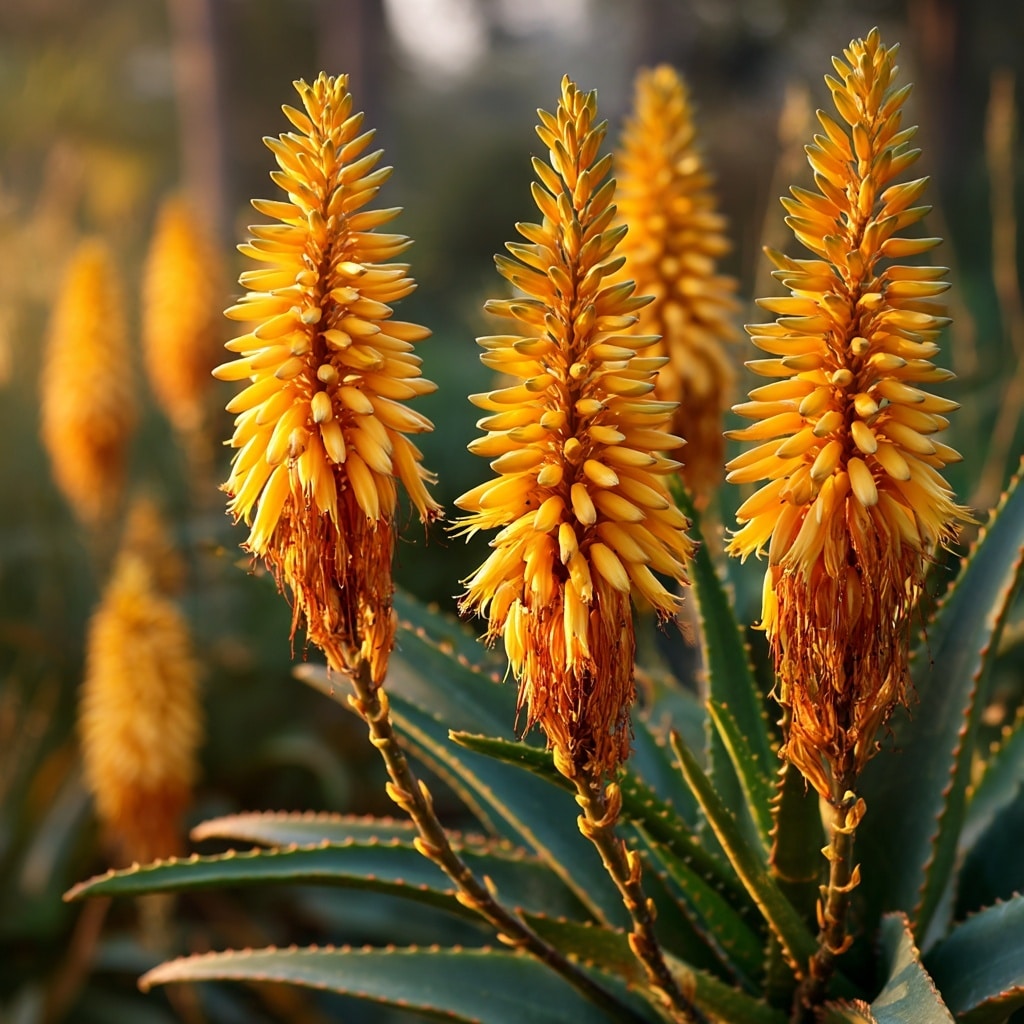
Aloe vera plants can bloom, typically when mature (3–4 years old) and grown in ideal outdoor conditions.
Flowering Facts:
- Blooms appear in late spring to summer.
- Flowers grow on tall stalks and range in color: yellow, orange, or red.
- Indoor plants rarely bloom without strong sunlight and perfect care.
To encourage blooming:
- Provide 12+ hours of sunlight
- Avoid overwatering
- Fertilize once a year in spring
- Keep plant slightly root-bound (don’t overpot)
✂️ Pruning for Health & Shape
Routine pruning keeps your aloe vera plant looking neat and encourages new growth.
What to Prune:
- Brown or shriveled leaves
- Damaged outer leaves
- Spent flower stalks (once blooming ends)
Use clean, sharp shears and cut leaves close to the base without damaging the main stem. Avoid cutting healthy inner leaves.
Tip: Save trimmed healthy leaves to extract gel or propagate new plants.
❄️ Overwintering Aloe Vera Indoors
Aloe vera doesn’t tolerate frost. If you’re in a zone below USDA 9, you’ll need to protect it from freezing temps.
Cold-Season Tips:
- Move the plant indoors before temps drop below 50°F (10°C).
- Place near a bright window but away from cold drafts.
- Water very sparingly—only when the soil is bone dry.
- Do not fertilize during winter dormancy.
Outdoor aloe can survive winter in zones 9–11. In case of frost, cover with blankets or bring containers indoors.
🏡 Where to Plant Aloe Vera – Container vs. Outdoor
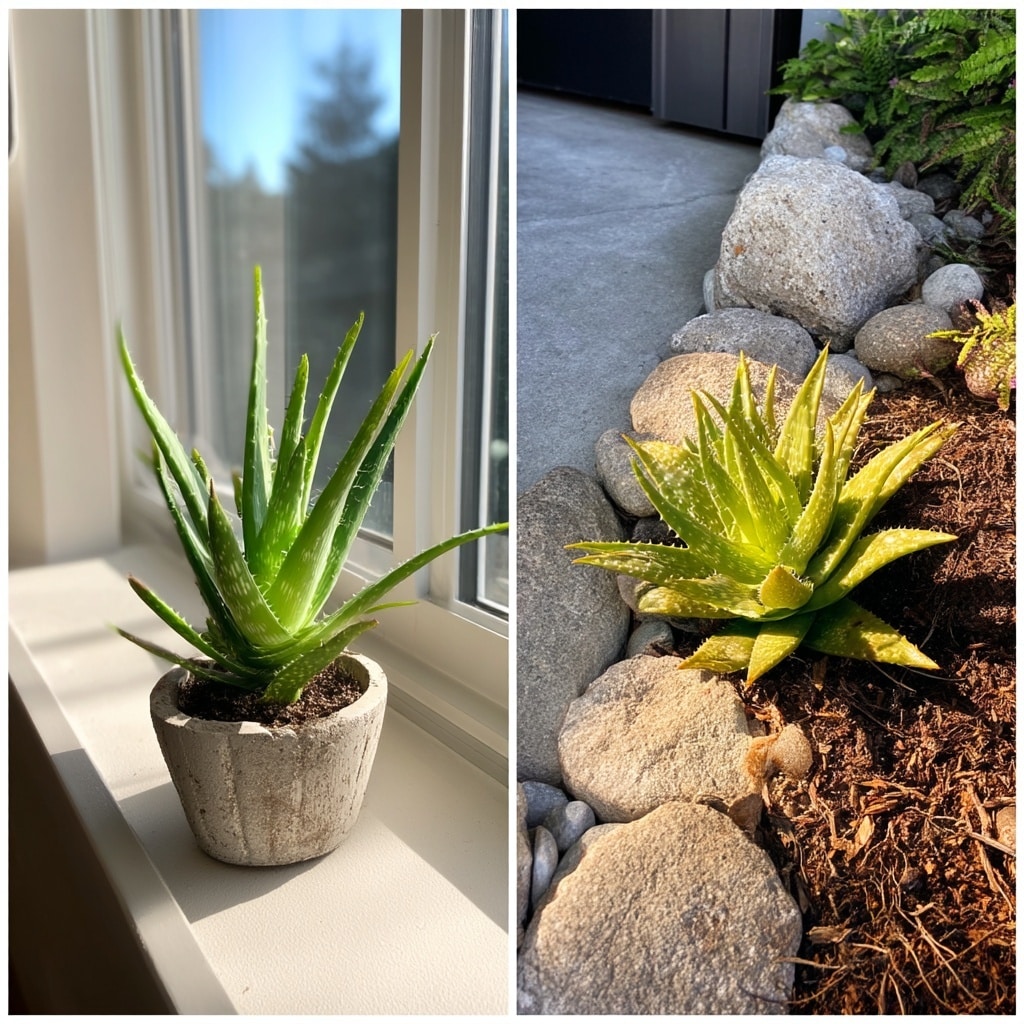
The aloe vera plant adapts beautifully to both container and garden planting, as long as you provide the right environment. The choice depends largely on your climate and available space.
🪴 Growing Aloe Vera in Containers
Container gardening offers flexibility, especially in colder regions where you need to bring your plant indoors during winter.
Benefits:
- Control over soil, light, and watering
- Easy to move indoors during cold weather
- Great for small spaces like windowsills or patios
Potting Tips:
- Choose a terracotta or unglazed ceramic pot with drainage holes
- Use a fast-draining succulent mix
- Water only when the soil is completely dry
- Rotate the pot occasionally for even sun exposure
Pro Tip: Terracotta helps wick away excess moisture, reducing the risk of root rot.
🌤 Planting Aloe Vera Outdoors
In warm regions (USDA zones 9–11), aloe vera can thrive outdoors year-round.
Planting Guidelines:
- Choose a sunny, well-drained spot
- Loosen the soil and amend with sand or pumice if needed
- Plant so that the base of the leaves is just above soil level
- Water deeply, then let the soil dry out before watering again
Climate Notes:
- Aloe vera prefers dry, warm environments
- It does not tolerate freezing—cover or move indoors if temps drop below 40°F (4°C)
🌡️ Outdoor aloe plants usually grow larger and are more likely to bloom than indoor ones.
🌵 Types of Aloe: Other Popular Varieties You Might Mistake for Aloe Vera
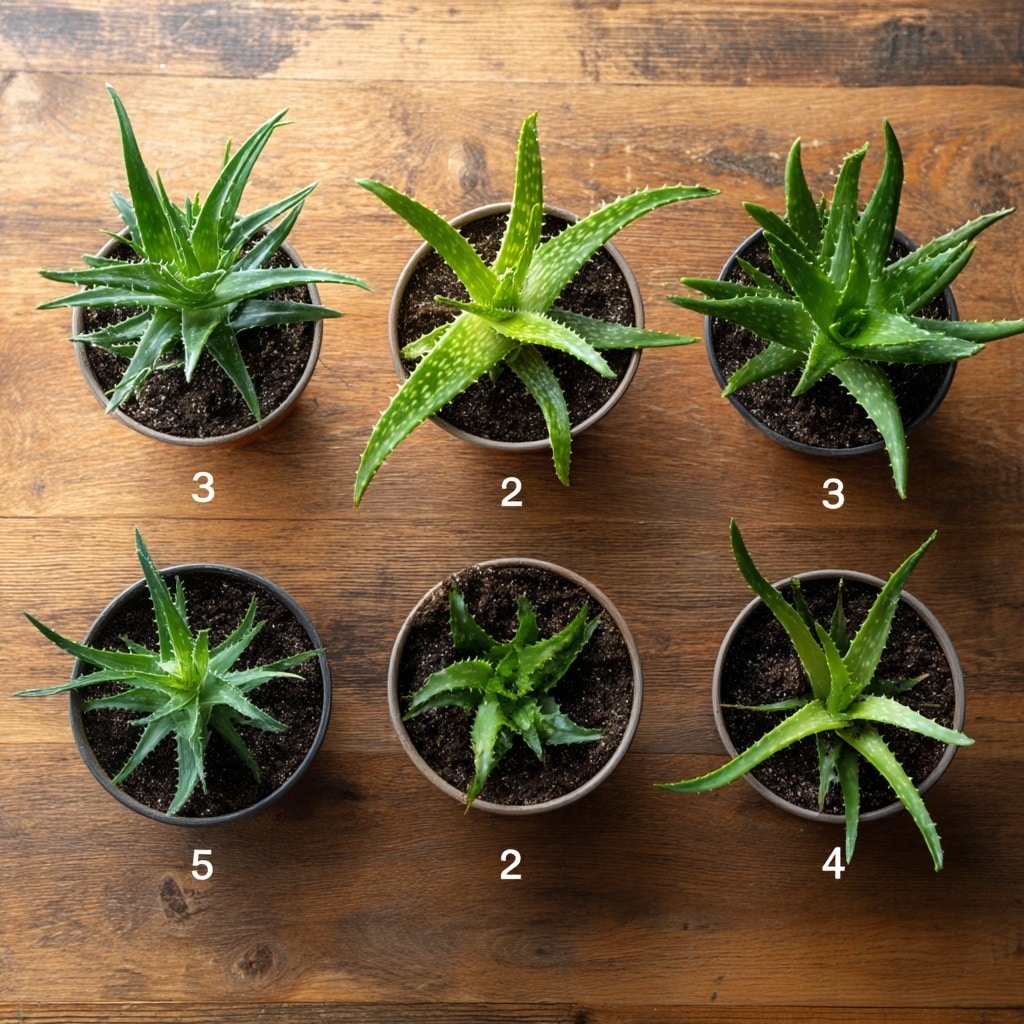
The aloe vera plant (Aloe barbadensis miller) is just one of over 300 species in the Aloe genus. While it’s the most widely used for skincare and health purposes, several other types look similar and share many of its properties.
Here are a few commonly confused varieties and how they compare to aloe vera:
🔥 Aloe arborescens (Torch Aloe)
- Appearance: Bushy with branching stems and narrow, spiky leaves
- Benefits: Soothing gel like aloe vera; sometimes used in herbal remedies
- Bonus: Produces dramatic red-orange flowers—excellent for ornamental gardens
🏜 Aloe ferox (Cape Aloe)
- Appearance: Taller, with thicker leaves and spiny edges
- Benefits: Used in skincare and digestion aids; more bitter than aloe vera
- Use With Caution: Gel and latex are more potent and may require dilution
🌼 Aloe chinensis (Desert Aloe)
- Appearance: Similar to aloe vera, but often smaller with softer leaves
- Traditional Uses: Native to California and used in folk medicine
- Note: Often mislabeled as aloe vera in nurseries and online shops
💧 Aloe maculata (Soap Aloe)
- Appearance: Spotted leaves and reddish teeth along edges
- Uses: Gel used in soaps and skincare; attractive as a decorative succulent
- Caution: Not ideal for internal use due to higher latex content
🌿 Aloe brevifolia (Short-leaf Aloe)
- Appearance: Compact, rosette-forming with bluish-green leaves
- Best For: Rock gardens, pots, and small spaces
- Benefit: Ornamental rather than medicinal
🐛 Common Pests & Problems of the Aloe Vera Plant
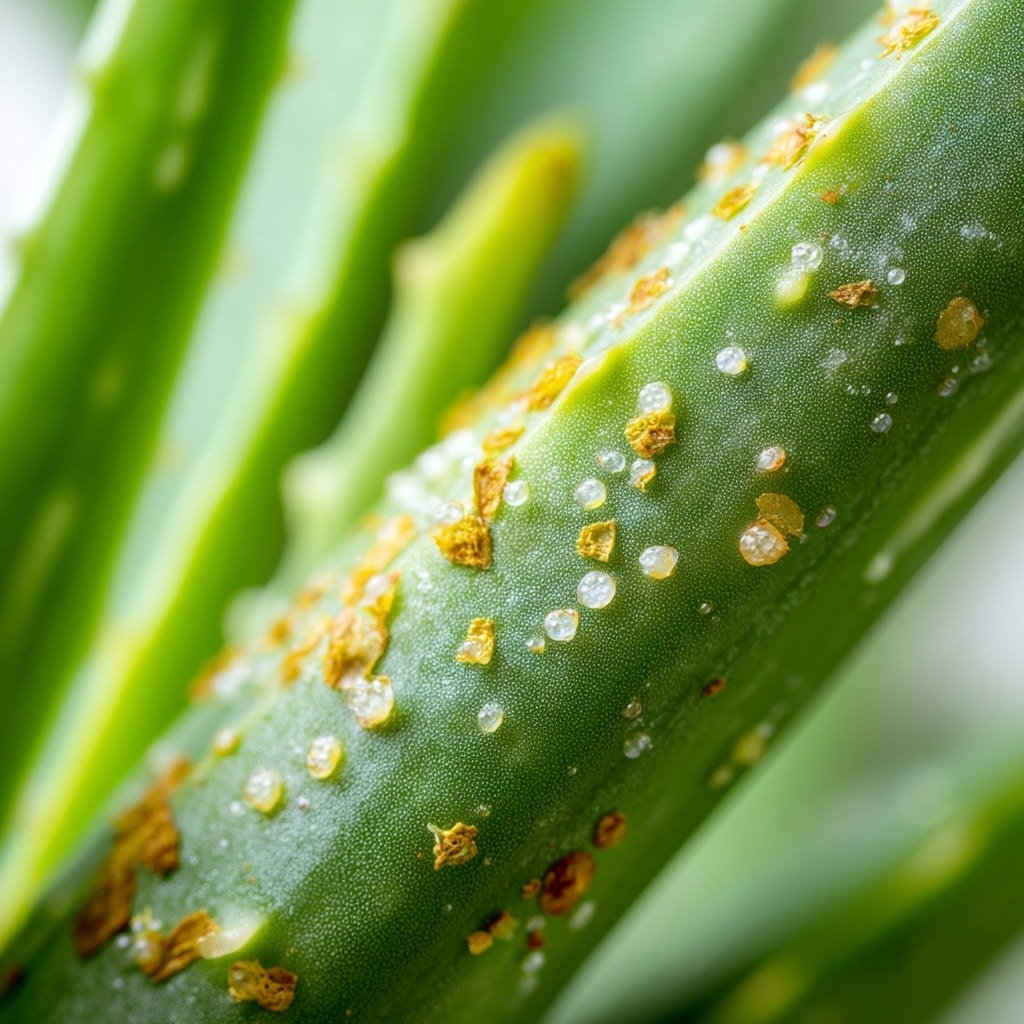
The aloe vera plant is naturally pest-resistant, but certain conditions—especially overwatering or poor lighting—can make it vulnerable to bugs and diseases. The key is catching issues early and keeping the plant in its preferred dry, sunny environment.
🦟 Common Pests That Affect Aloe Vera
1. Mealybugs
- Symptoms: Cotton-like white clusters on leaves or at the base
- Fix: Dab with rubbing alcohol on a cotton swab or spray neem oil
2. Aphids
- Symptoms: Sticky residue, distorted leaves, or visible small bugs
- Fix: Spray with insecticidal soap or introduce ladybugs outdoors
3. Spider Mites
- Symptoms: Fine webbing and tiny yellow or brown spots on leaves
- Fix: Rinse with water, then spray neem oil or insecticidal soap
4. Scale Insects
- Symptoms: Brown or gray dome-shaped bumps on leaves
- Fix: Remove manually and apply horticultural oil
🍄 Diseases and Root Problems
1. Root Rot
- Cause: Overwatering or poor drainage
- Symptoms: Mushy roots, brown or yellow leaves, rotten smell
- Fix: Remove plant from pot, cut off rotted roots, repot in dry soil
2. Leaf Spot
- Cause: Fungal infection from too much moisture
- Symptoms: Brown or black spots with a soft or wet appearance
- Fix: Trim infected leaves and reduce humidity; improve air circulation
3. Soft Rot (Bacterial)
- Symptoms: Foul odor, slimy leaves, rapid leaf collapse
- Fix: Remove infected areas or discard plant if severely damaged
4. Powdery Mildew
- Symptoms: White, powder-like coating on leaves
- Fix: Wipe with damp cloth and use organic fungicide
Prevention Tips
- Use well-draining soil and containers with drainage holes
- Allow soil to dry completely between waterings
- Keep plant in bright light to prevent fungal growth
- Inspect regularly for pests—especially near the base and leaf folds
- Quarantine new plants before placing near others
💡 Healthy aloe is firm, upright, and vibrant. If your plant looks limp, discolored, or mushy, investigate right away—early action can save it.
🌟 Final Thoughts on the Aloe Vera Plant
The aloe vera plant is one of the most rewarding houseplants you can grow. It’s low-maintenance, deeply beneficial for your skin and health, and adds a touch of greenery to any space. Whether you’re applying the gel to a sunburn, sipping aloe juice for digestive relief, or simply admiring its sculptural form on your windowsill, aloe proves it’s much more than just another succulent.
With just the right care—minimal water, bright light, and well-drained soil—your aloe vera can thrive for years and even give you new plants to share or replant. It’s truly a garden staple for both beginners and seasoned growers.