
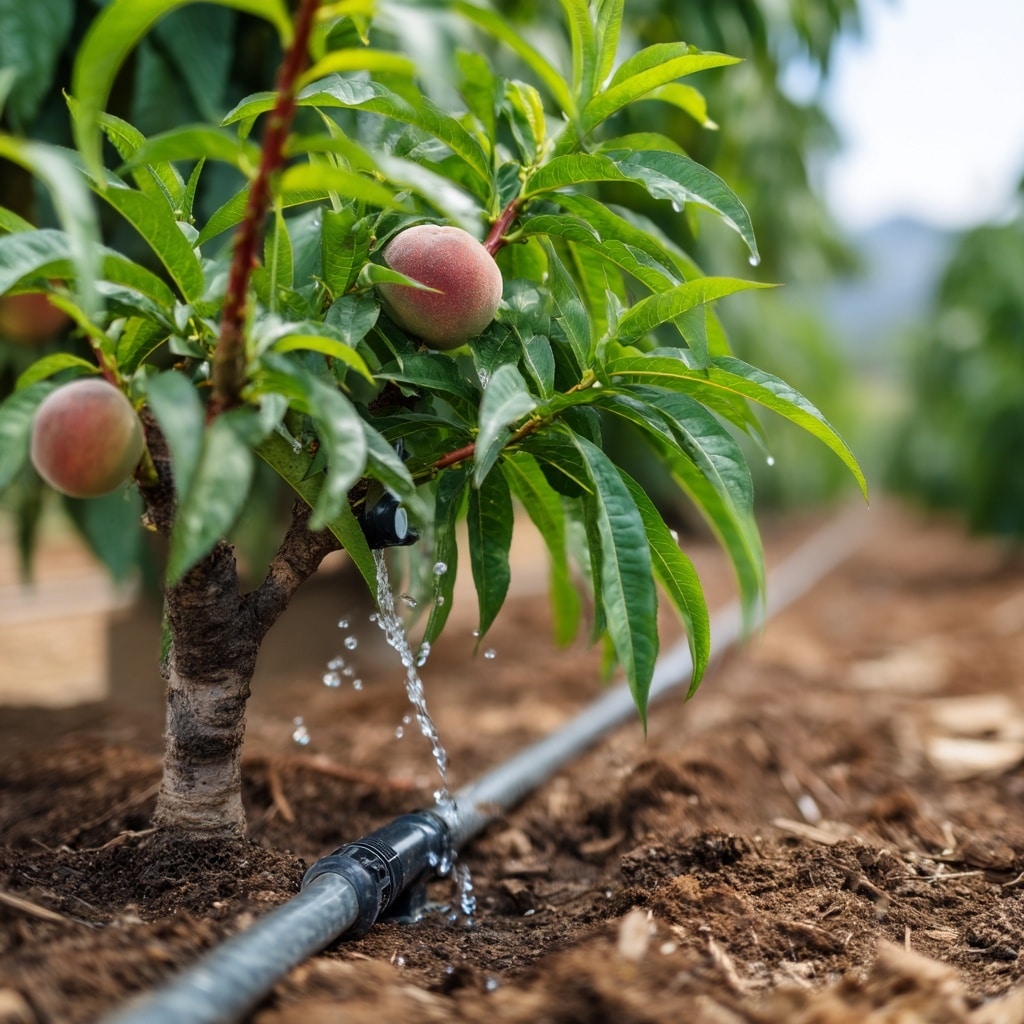
Peach tree care is both an art and a science, especially if you’re hoping for a heavy harvest of juicy, sun-ripened fruit each summer. Whether you’re nurturing a young sapling or trying to revive an older tree, understanding the unique needs of a peach tree is essential for improving fruit production. From proper pruning to selecting the right variety, several small but critical steps can make all the difference. In this guide, we’ll walk you through seven proven techniques to help your peach tree thrive and yield more fruit, regardless of where you live.
Table of Contents
1. Choose the Right Peach Tree Variety

Not all peach tree varieties are created equal—especially when it comes to productivity and adaptability. Selecting a type that thrives in your climate zone sets the foundation for a bountiful harvest. Some peach trees require more chill hours, while others are better suited to shorter, milder winters or are naturally disease-resistant.
What to Consider:
- Cold-Hardy Varieties: If your winters are on the cooler side, opt for reliable cold-hardy cultivars like ‘Reliance’, ‘Frost’, or ‘Redhaven’. These are known for both flavor and resilience.
- Self-Pollinating Options: If you’re short on space, self-pollinating varieties ensure fruit without needing a second tree nearby.
- Disease Resistance: Choosing a variety resistant to common issues like peach leaf curl can save you time, energy, and fruit loss.
Starting with the right variety means fewer problems and more peaches over time. Always check with local nurseries to find the best match for your specific climate and soil conditions.
2. Prune Your Peach Tree Regularly
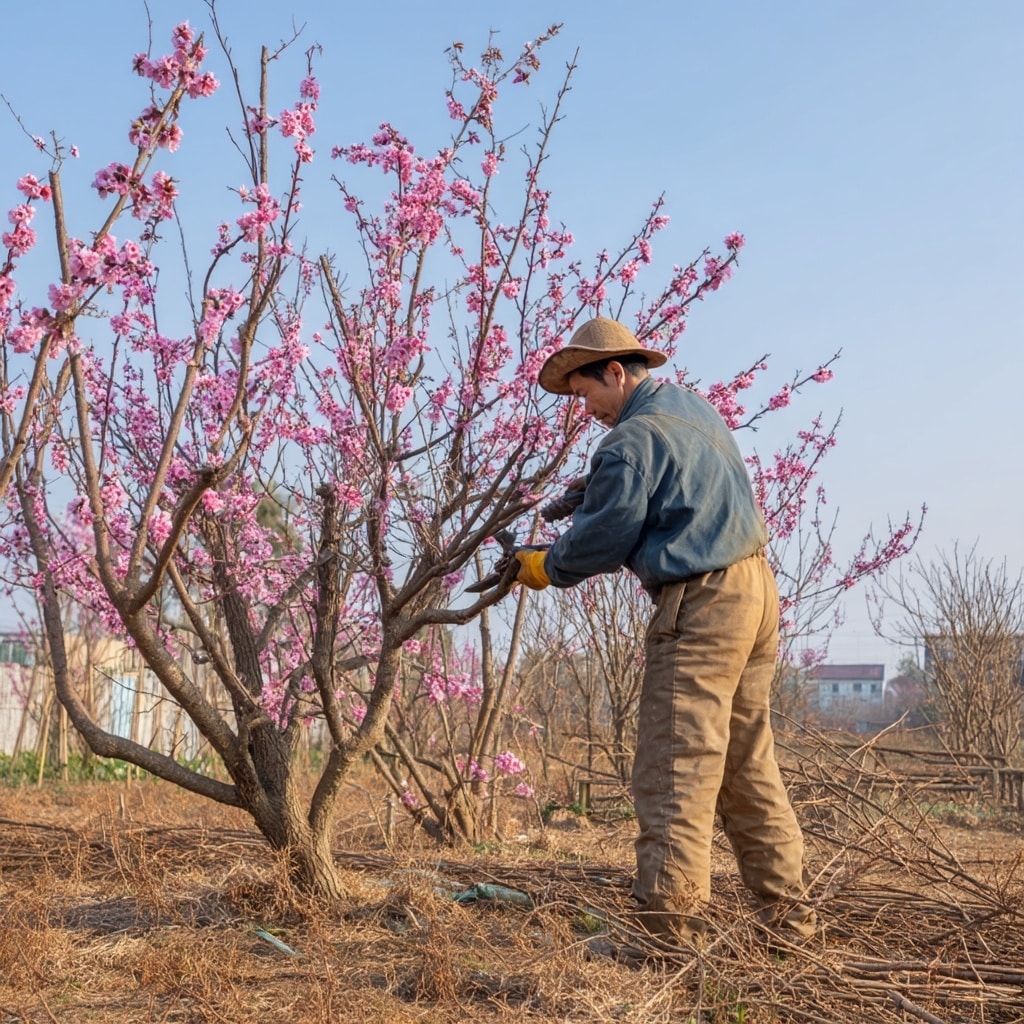
Regular pruning is one of the most powerful tools you have to increase a peach tree’s fruit production. Without it, trees become overcrowded, sunlight gets blocked, and energy is wasted on weak or non-fruiting branches. Proper pruning improves airflow, reduces disease risk, and ensures the tree channels its strength into high-quality fruit.
Pruning Tips:
- Time It Right: Prune in late winter or very early spring before new buds break. This minimizes stress and encourages healthy spring growth.
- Shape for Sunlight: Aim for a vase-like structure—an open center with evenly spaced main branches. This shape allows light to reach all parts of the tree.
- Remove Non-Essentials: Cut away dead, diseased, or damaged wood, along with suckers, water sprouts, and older branches that no longer bear fruit.
- Focus on Fruiting Wood: Encourage the growth of younger, productive shoots that will bear this season’s peaches.
A well-pruned peach tree not only produces more fruit but also makes harvesting easier and the tree healthier overall.
3. Thin the Fruit for Larger and Healthier Peaches
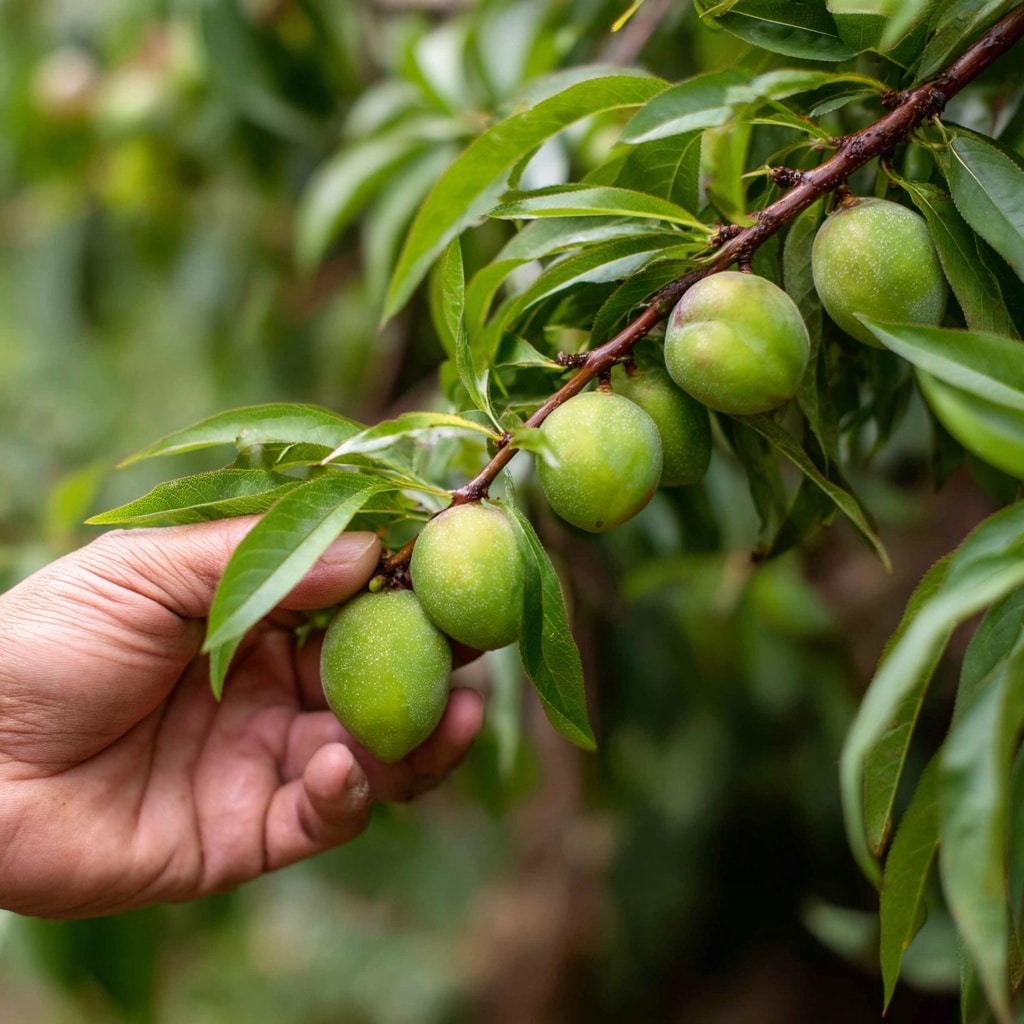
It might seem counterintuitive, but removing some of the fruit early in the season is key to getting better results from your peach tree. When too many peaches develop, the tree spreads its energy too thin, resulting in smaller, less flavorful fruit—and increased risk of broken branches.
How to Thin Properly:
- Timing Matters: Start thinning when the fruit is about the size of a marble, usually a few weeks after the blossoms drop.
- Spacing Guidelines: Leave about 6 to 8 inches between each peach along the branch. This allows each fruit enough room and nutrients to grow to full size.
- What to Remove: Prioritize removing misshapen, undersized, or damaged peaches first, as well as any growing in tight clusters.
Thinning may feel like a loss at first, but it’s an investment that pays off with larger, sweeter peaches and a healthier peach tree in the long run.
4. Fertilize Correctly to Promote Growth and Fruit Development
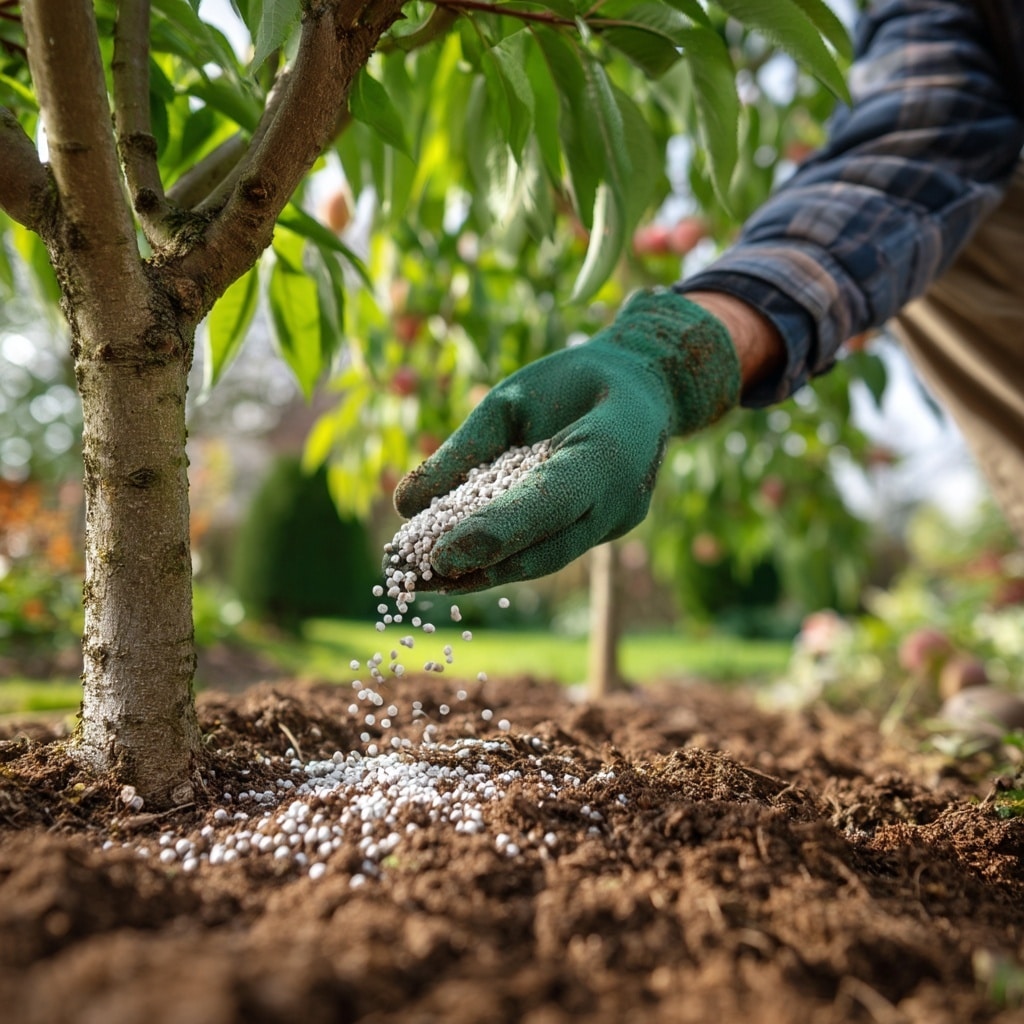
Feeding your peach tree the right nutrients at the right time can significantly impact both the quantity and quality of fruit it produces. Fertilization supports vigorous growth, encourages flowering, and helps the tree sustain a healthy fruit load throughout the season.
Fertilization Guidelines:
- Use a Balanced Fertilizer: A 10-10-10 (nitrogen-phosphorus-potassium) blend is ideal. Apply it in early spring as buds begin to swell, and again after the harvest to restore nutrients.
- Avoid Overdoing Nitrogen: Too much nitrogen promotes leaf and shoot growth at the expense of fruit. This often leads to lush foliage but disappointing yields.
- Test Your Soil: Before applying anything, perform a soil test to identify nutrient deficiencies. Tailor your fertilization plan based on what your soil actually needs.
- Apply Evenly: Spread fertilizer around the tree’s drip line, not just near the trunk, and water it in thoroughly to help nutrients soak into the root zone.
By maintaining proper nutrient balance, you’re giving your peach tree the fuel it needs to deliver a robust harvest year after year.
5. Water Consistently, Especially During Fruit Development
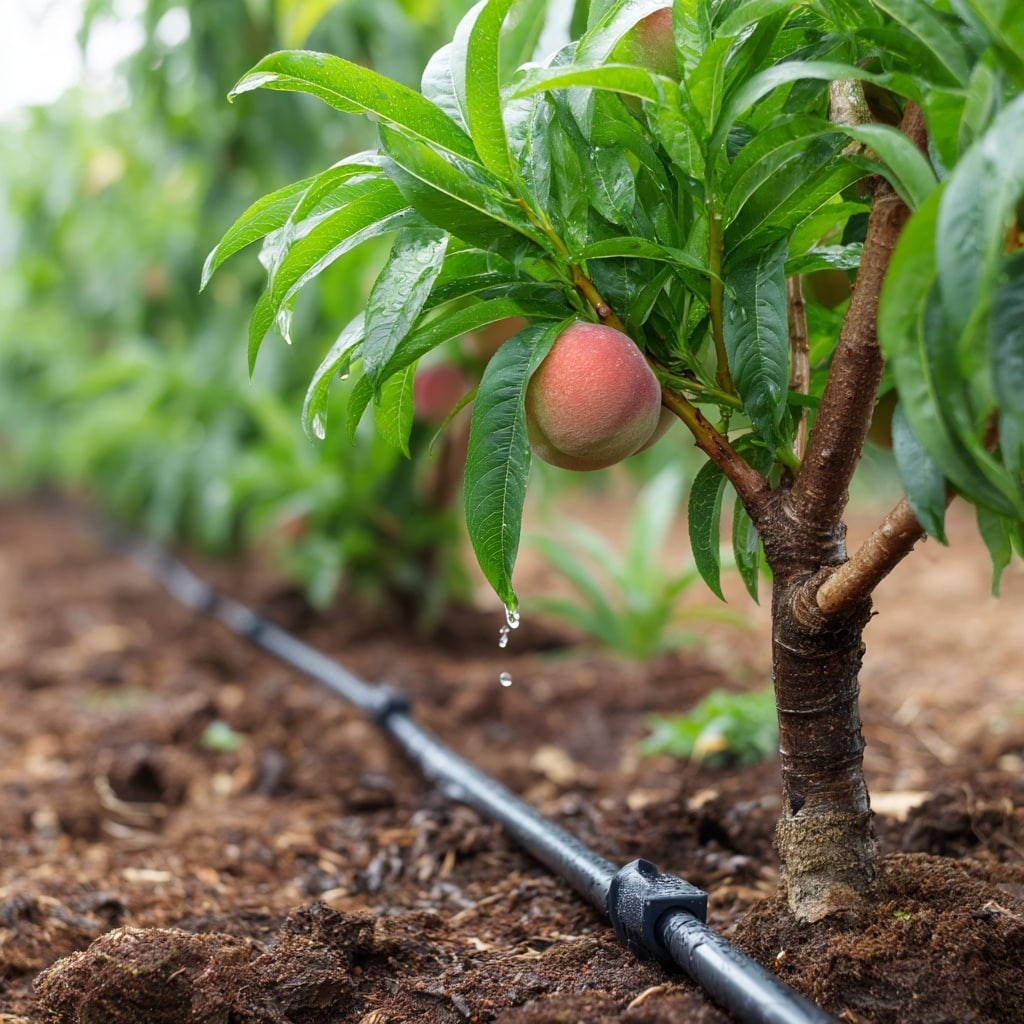
Consistent watering plays a critical role in fruit quality and overall tree health. A peach tree that receives too little water—especially during the fruiting stage—may produce small, dry, or cracked peaches. On the other hand, overwatering can lead to root rot or fungal problems.
Smart Watering Tips:
- Deep Watering Once a Week: Provide a slow, deep soak about once a week, allowing moisture to penetrate the root zone. Increase frequency during heat waves or prolonged dry spells.
- Mulch Matters: Apply 2–4 inches of organic mulch around the base (keeping it a few inches away from the trunk) to conserve soil moisture and regulate temperature.
- Avoid Wet Foliage: Use drip irrigation or soaker hoses to prevent wetting the leaves and fruit, which can promote fungal infections like peach leaf curl.
- Watch for Signs of Stress: Wilting, leaf curl, or premature fruit drop can all be signs that your peach tree needs more consistent moisture.
Getting your watering routine right ensures plump, flavorful peaches and a resilient tree capable of handling seasonal changes.
6. Protect Against Pests and Diseases
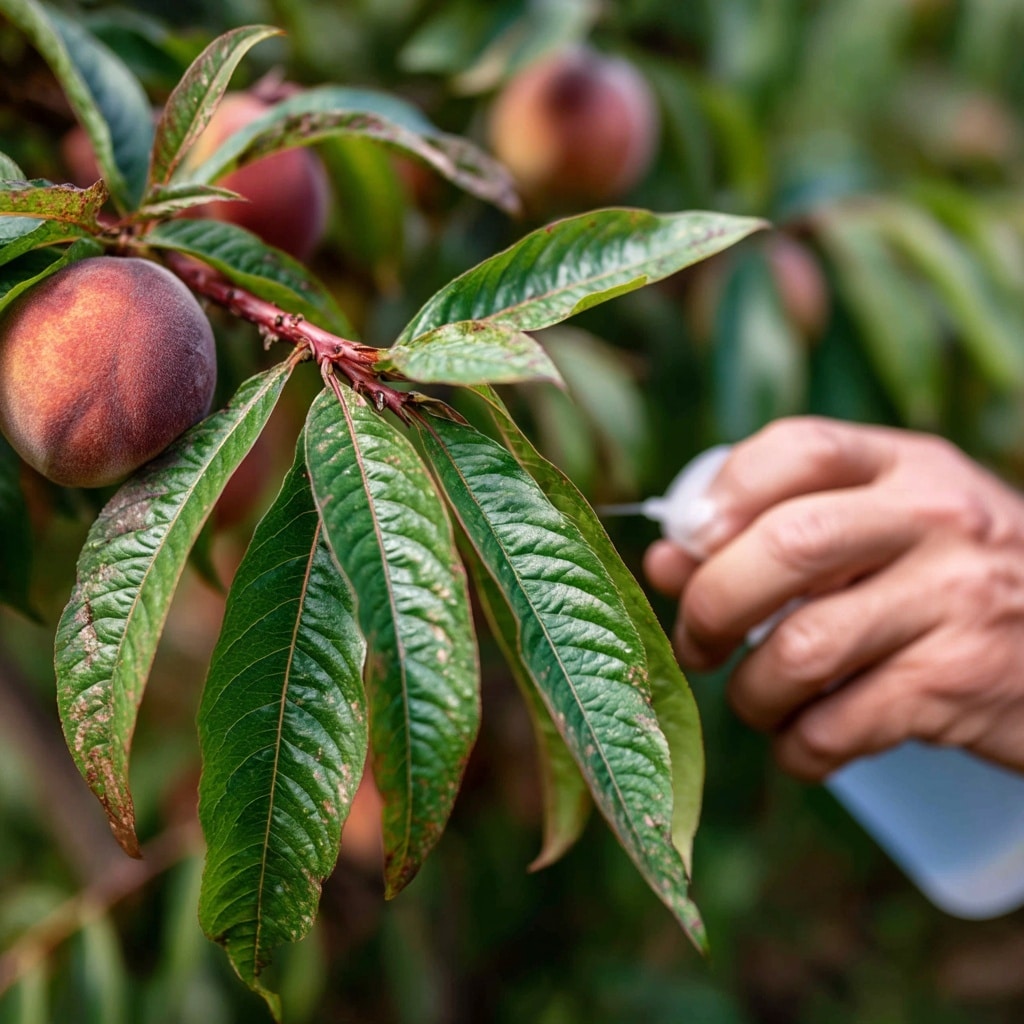
Even with ideal care, your peach tree is vulnerable to a range of pests and diseases that can quickly reduce fruit quality and yield. Staying vigilant and taking proactive steps is essential to keeping your tree productive and healthy.
Common Threats & How to Manage Them:
- Peach Leaf Curl: A fungal disease that causes distorted, red leaves. Apply a dormant oil or copper spray in late winter before bud break to prevent it.
- Aphids and Borers: These pests suck sap or burrow into the wood, weakening your tree. Use insecticidal soap, neem oil, or introduce beneficial insects like ladybugs.
- Fruit Rot and Mold: Overcrowded branches and excess moisture can lead to fruit rot. Proper pruning and watering practices help prevent this.
- Clean the Ground: Always remove fallen leaves, fruit, and pruned branches to prevent overwintering pests and fungi.
Inspect your peach tree regularly, especially in spring and summer, and act quickly if signs of infestation or disease appear. Early intervention means less damage and more delicious fruit.
7. Ensure Proper Pollination and Sunlight
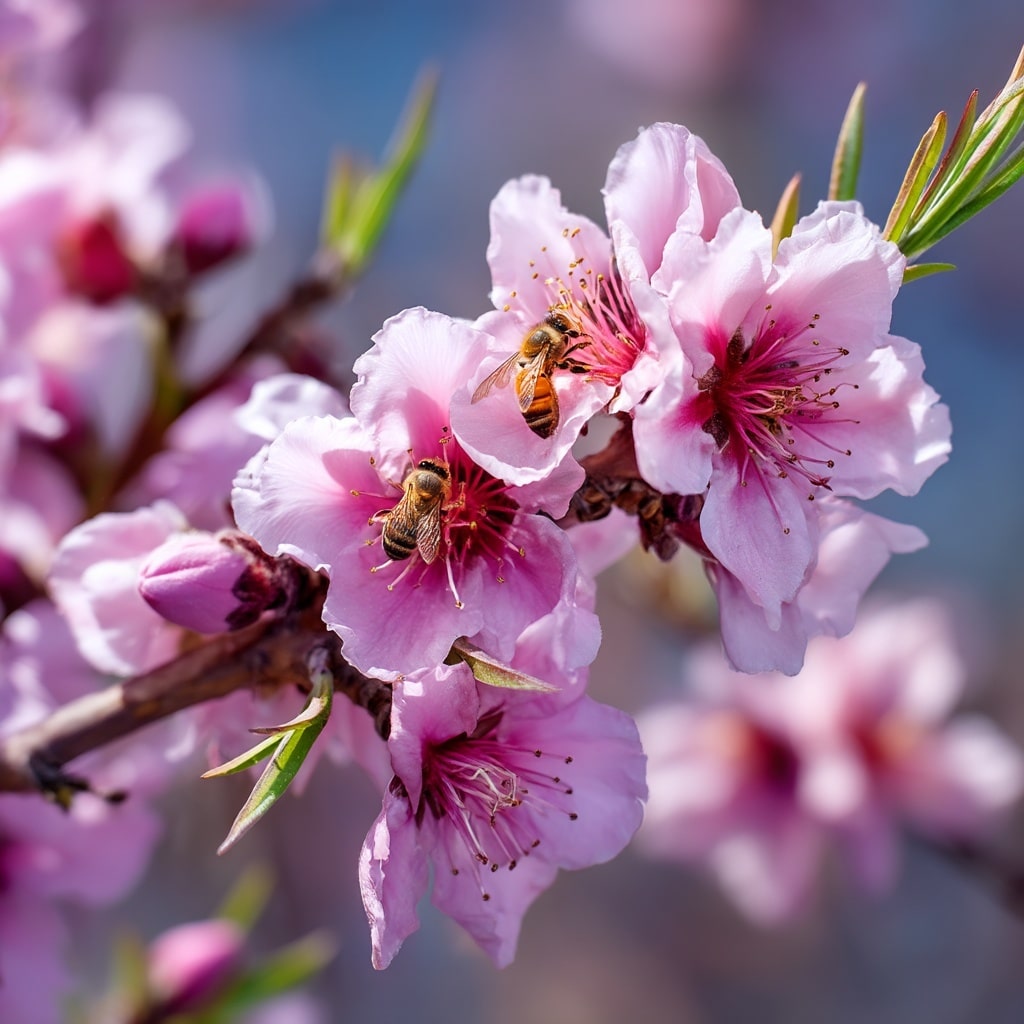
Even the healthiest peach tree won’t yield much fruit without adequate sunlight and pollination. These two natural forces are essential for flower development, fruit set, and overall tree vigor.
Tips for Maximizing Pollination and Light:
- Sunlight Is Non-Negotiable: Plant your peach tree in a location that receives at least 6 to 8 hours of direct sunlight each day. Without it, blossoms may be sparse and fruit underdeveloped.
- Encourage Pollinators: Most peach trees are self-pollinating, but attracting bees and other pollinators can still improve fruit set. Plant nectar-rich flowers like lavender or bee balm nearby, and avoid using pesticides during bloom time.
- Mind the Spacing: If planting more than one tree, ensure enough space between them for proper airflow and sunlight penetration. Crowded trees often suffer from reduced fruiting and increased disease risk.
- Trim Back Shading Plants: Nearby shrubs or taller trees may cast unwanted shade. Keep the area around your peach tree clear to let in more sun.
With strong pollination support and full sun exposure, your peach tree will be in the best position to produce a full, flavorful crop.
Bonus Tips for Peach Tree Success
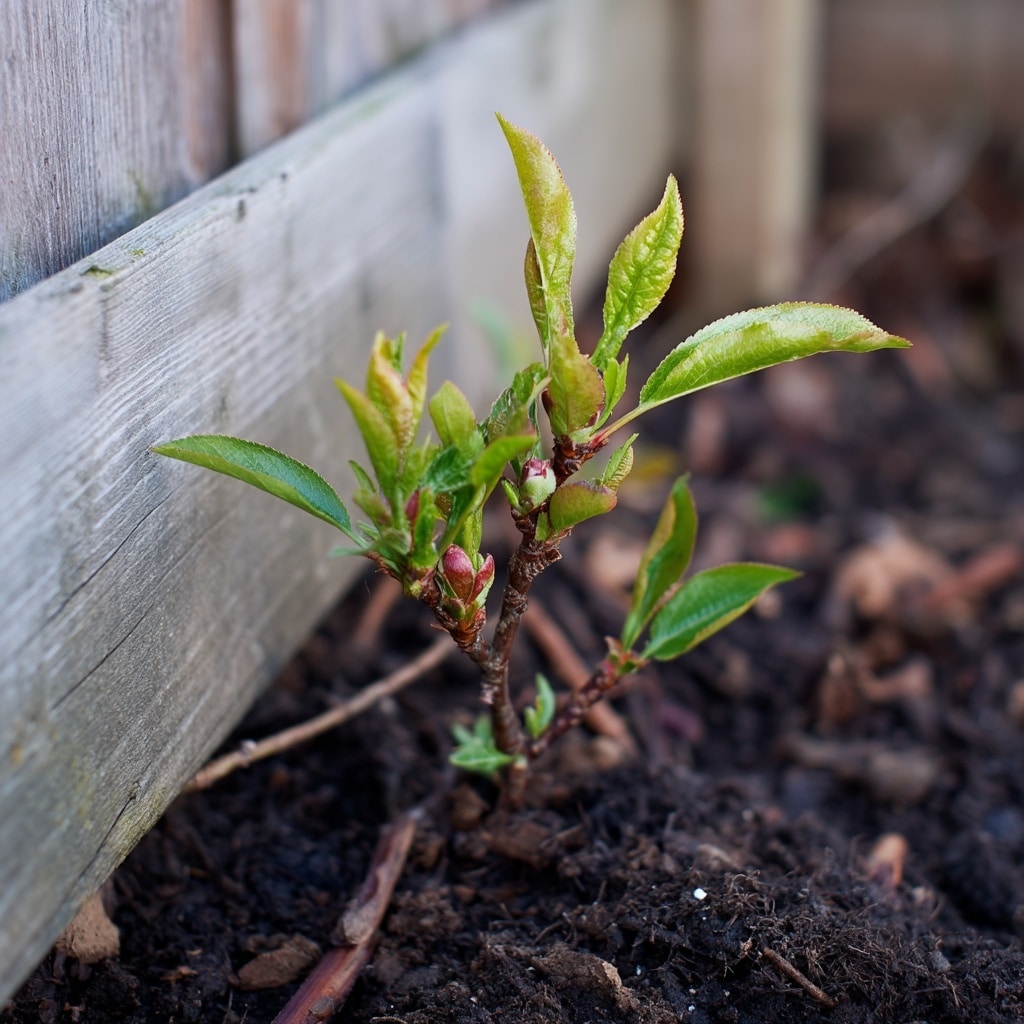
Beyond the main seven methods, a few extra care strategies can give your peach tree the extra edge it needs to thrive, especially in variable climates or challenging soil conditions.
Extra Steps That Make a Difference:
- Choose a Wind-Sheltered Location
Wind can snap branches, knock off blossoms, or damage young fruit. Plant your tree near a fence, hedge, or building that offers some protection from harsh gusts. - Ensure Good Drainage
Peach trees dislike soggy roots. If your soil stays wet after heavy rain, consider raising the planting area or creating a slight slope to improve drainage. - Be Patient
It often takes 3 to 4 years for a peach tree to reach full fruit-bearing potential. In those early years, focus on strong structure, healthy growth, and pest prevention—it’ll pay off later. - Monitor Tree Age
Older peach trees may naturally slow in production. If your tree is over 12–15 years old and declining, it might be time to replace it with a younger tree using all the tips above.
A little extra attention goes a long way in helping your peach tree stay healthy, strong, and generous with its fruit.
Conclusion
Helping your peach tree produce more fruit doesn’t have to be complicated. With the right variety, smart pruning, proper watering, and pest control, you can create ideal conditions for a rich harvest. Patience, consistency, and seasonal care are the keys to success. Whether you’re growing a single backyard tree or tending to a small orchard, these strategies will keep your tree healthy and fruitful for years to come.