
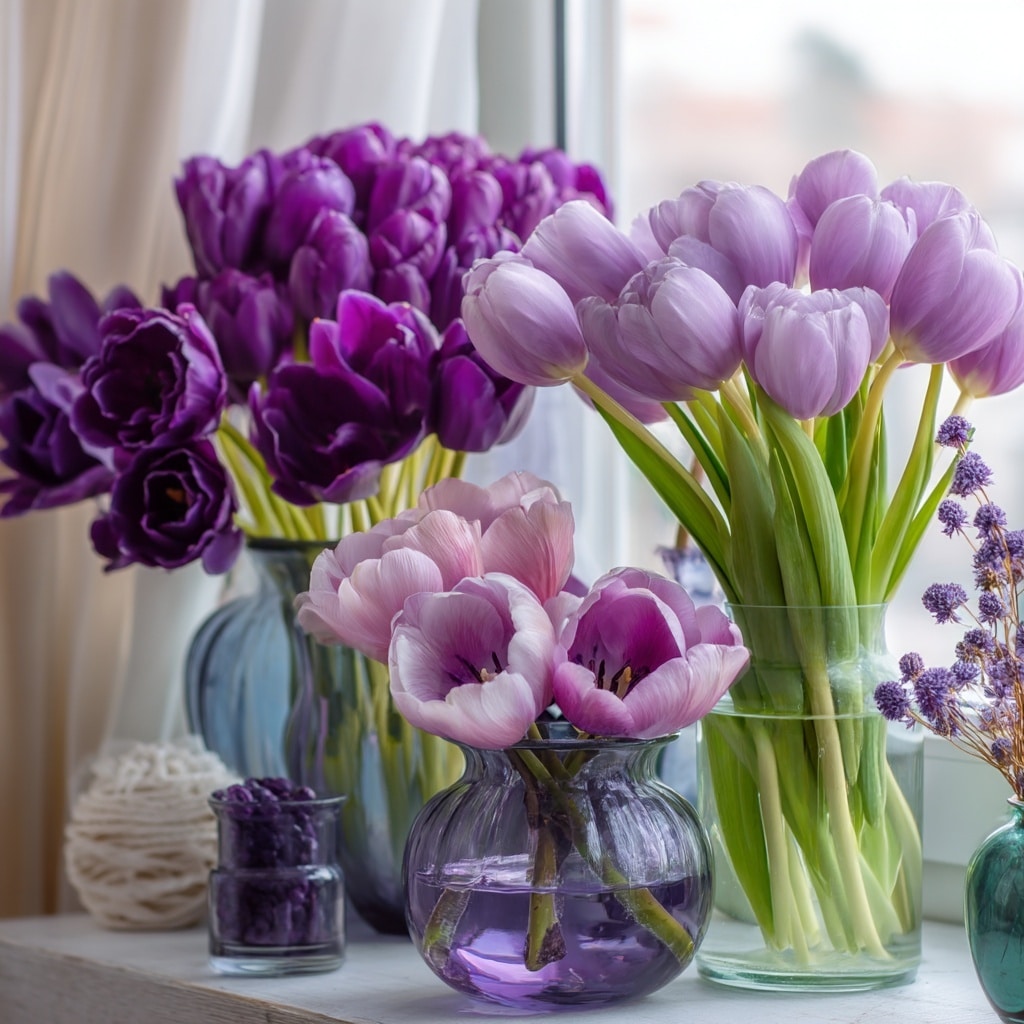
Purple tulips are more than just a beautiful bloom—they’re a symbol of elegance, pride, and timeless charm. With their deep, regal tones and graceful petals, these flowers carry a rich cultural history rooted in royalty and luxury. But their meaning stretches far beyond appearances. Whether placed in a garden bed or given as a thoughtful gift, purple tulips often speak the silent language of admiration, transformation, and inner strength.
Loved for their rare and sophisticated hue, purple tulips have long captured the imagination of gardeners and florists alike. Their symbolism varies slightly across cultures and contexts, but one thing remains constant: purple tulips are flowers with presence. From honoring personal milestones to expressing deep respect, they offer a meaningful way to communicate emotions when words fall short.
Table of Contents
Purple Tulips Meaning

Purple tulips carry a range of powerful meanings that make them one of the most expressive flowers in the tulip family. Depending on the shade and the sentiment behind the gesture, these blooms can symbolize anything from admiration to personal transformation. Below are the most common meanings associated with purple tulips, each tied to the flower’s rich color and emotional impact.
Elegance
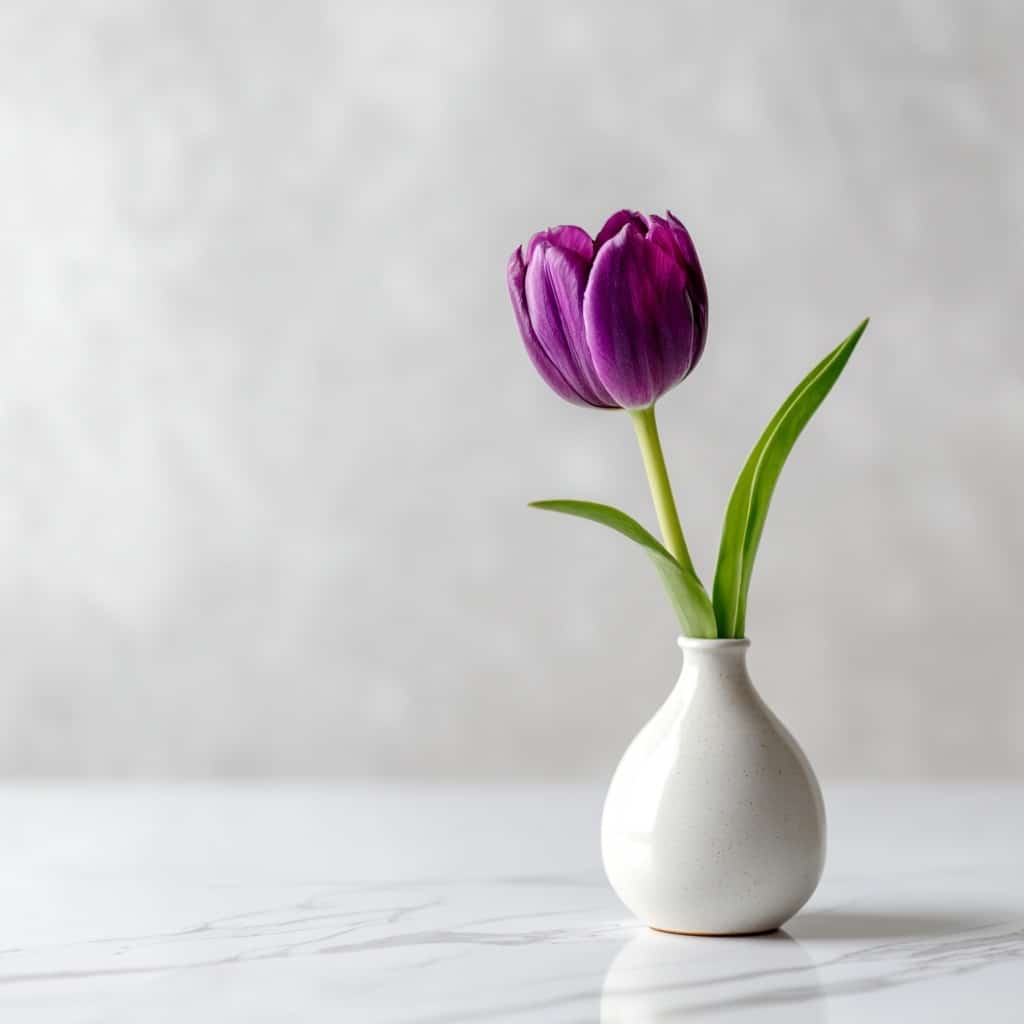
Purple tulips are a true symbol of elegance. Their graceful shape and velvety hue make them ideal for celebrating individuals who embody refined taste and dignity. Whether featured in a formal bouquet or standing alone in a vase, purple tulips naturally express sophistication and timeless beauty. They’re often chosen for occasions that call for subtle but striking expressions of appreciation.
Royalty
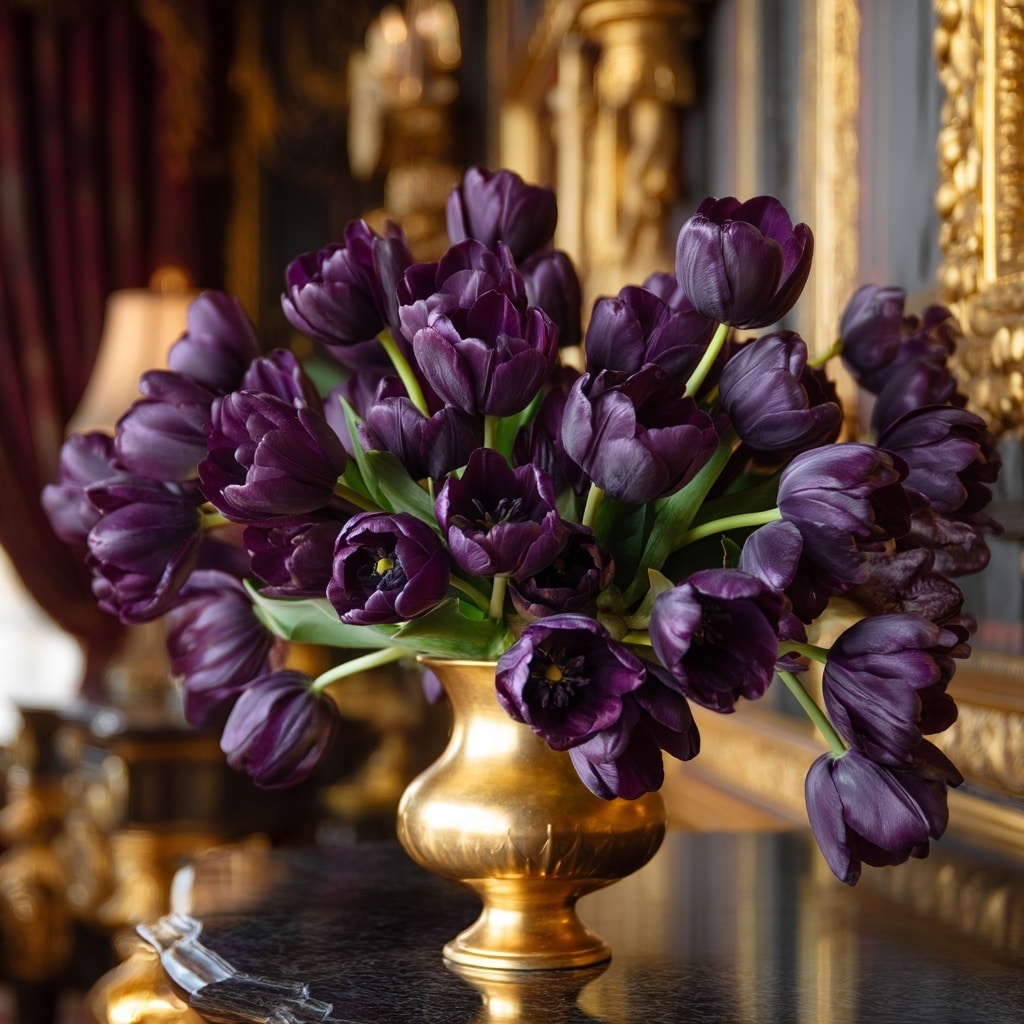
For centuries, purple has been the color of kings, queens, and nobility. That legacy lives on in purple tulips, which continue to represent royalty and high status. Historically, the purple pigment was rare and costly, reinforcing its association with luxury and exclusivity. Gifting purple tulips is still seen as a respectful gesture that conveys admiration for someone’s achievements, leadership, or presence.
Richness
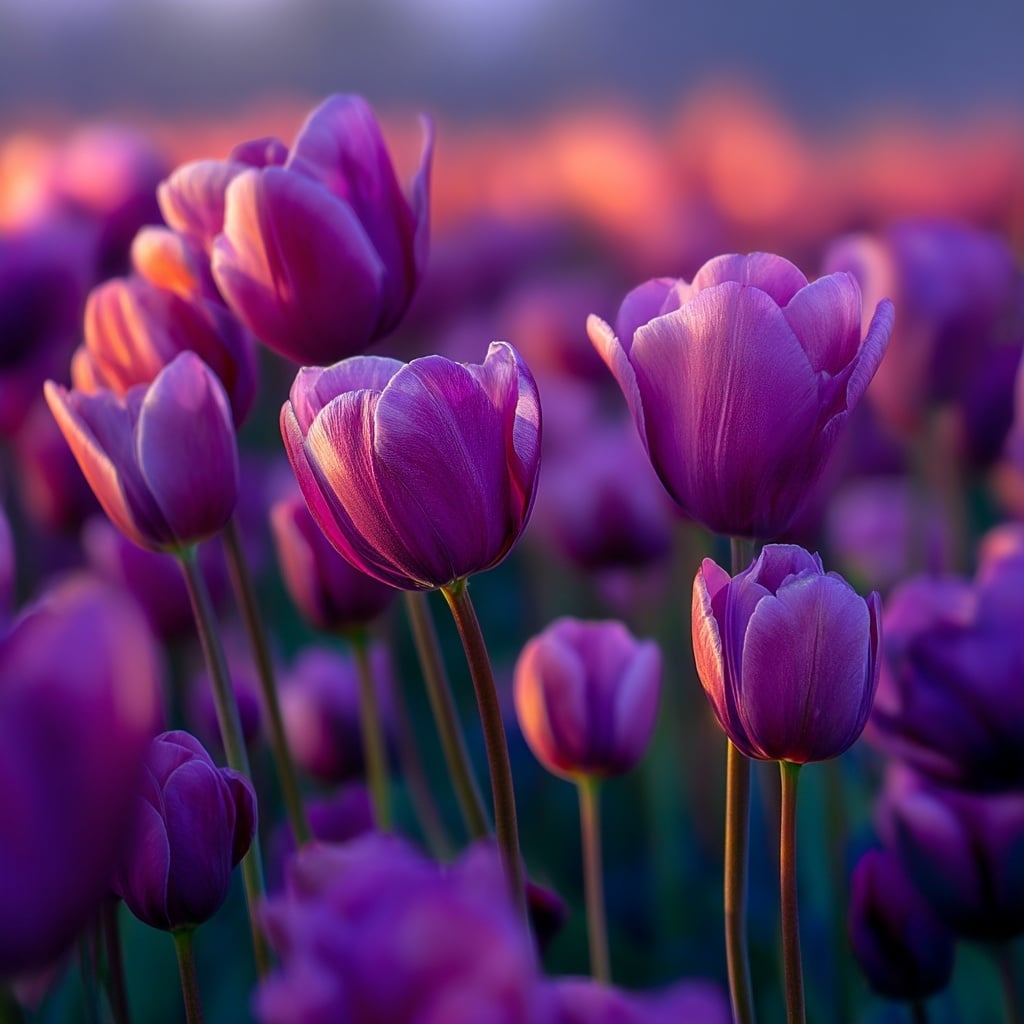
The lush, vibrant shade of purple tulips also connects them to wealth and prosperity. In floral symbolism, they’re often used to wish someone success or to show gratitude toward someone who’s been generous or supportive. Their appearance alone adds a touch of opulence to gardens and arrangements, making them a natural fit for events where abundance is celebrated.
Glamor
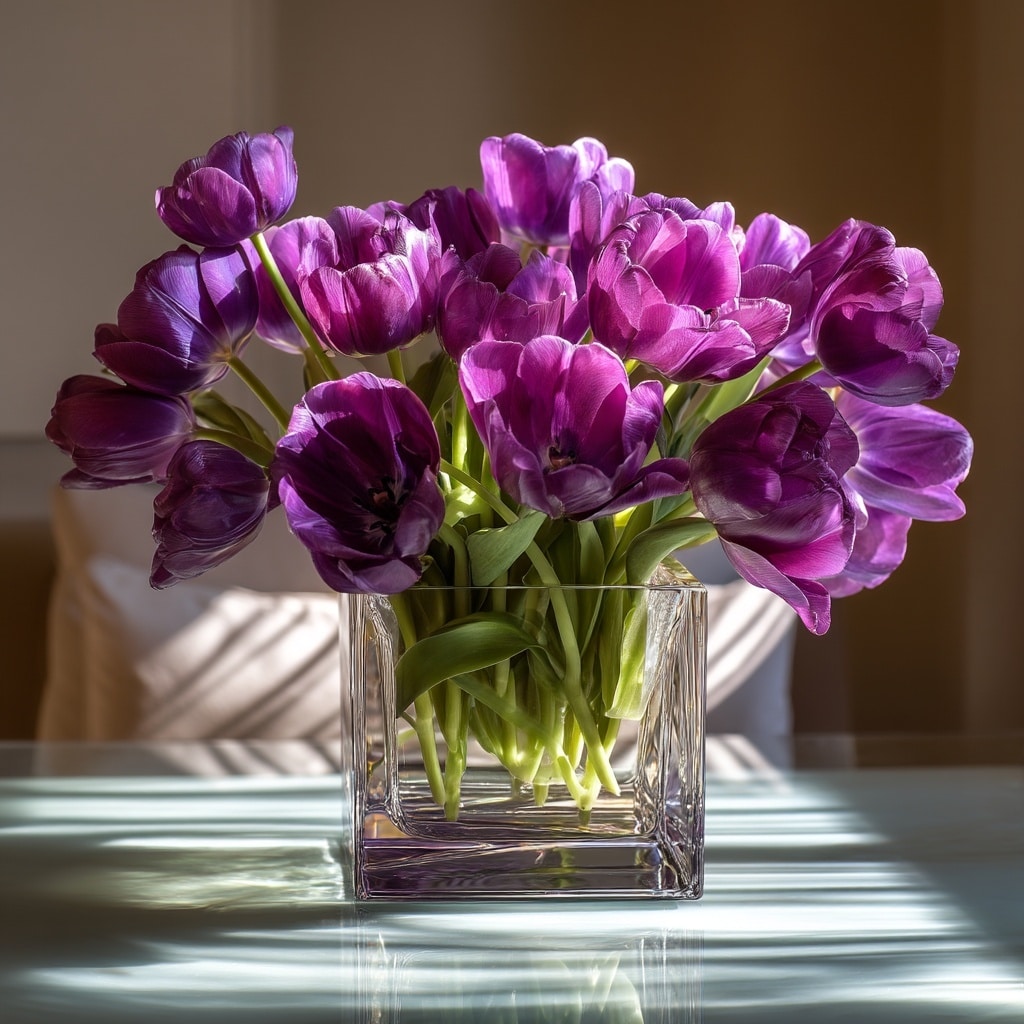
There’s something undeniably glamorous about purple tulips. They captivate with their striking color and lend a touch of luxury to any setting. These blooms are a favorite choice when the goal is to impress or to recognize someone’s style, charisma, or unique flair. They pair beauty with meaning, making them perfect for romantic gestures or elegant décor.
Charm
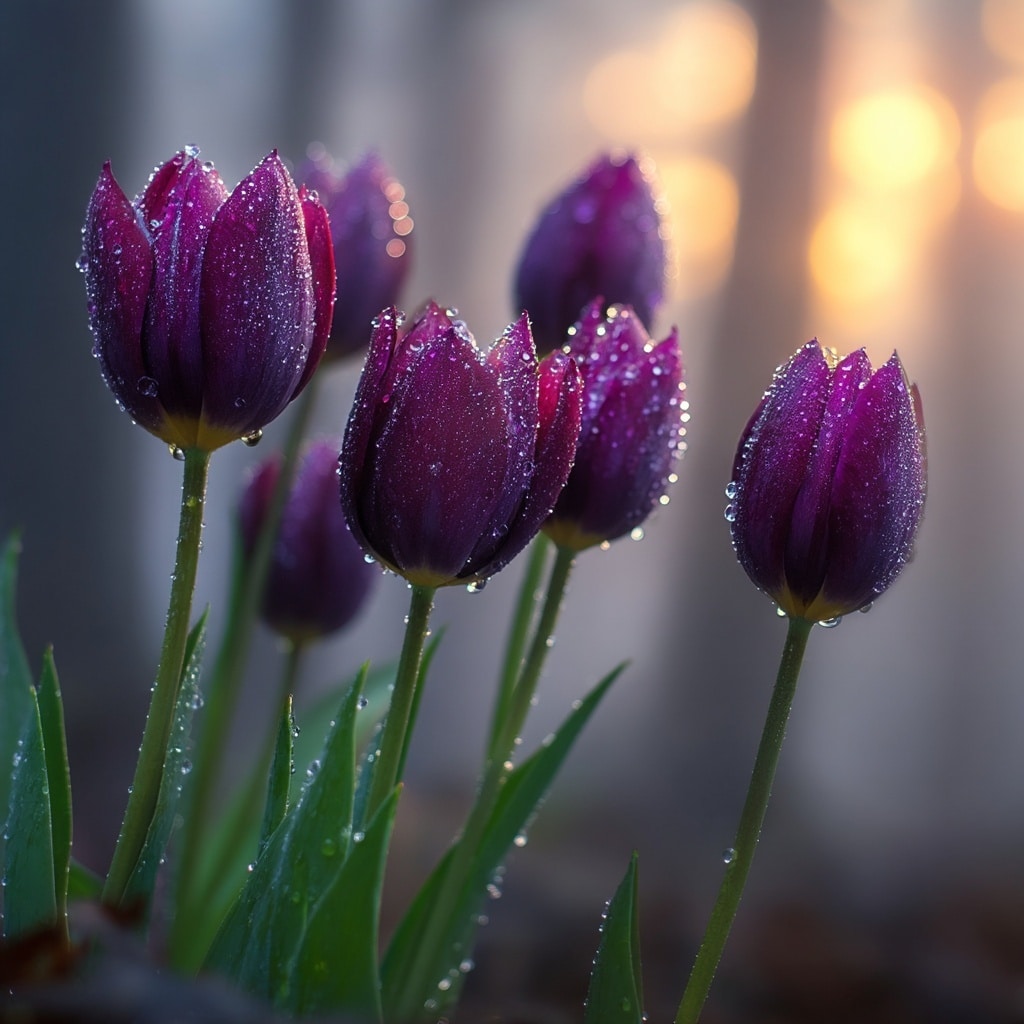
Purple tulips also symbolize charm and mystery. Their rich tones evoke a sense of intrigue, and they’re often chosen to express fascination or deep interest in someone’s personality. Because of their magical appearance, they’re sometimes associated with creativity and spiritual awareness—making them ideal for those who inspire others or live outside the ordinary.
Refinement
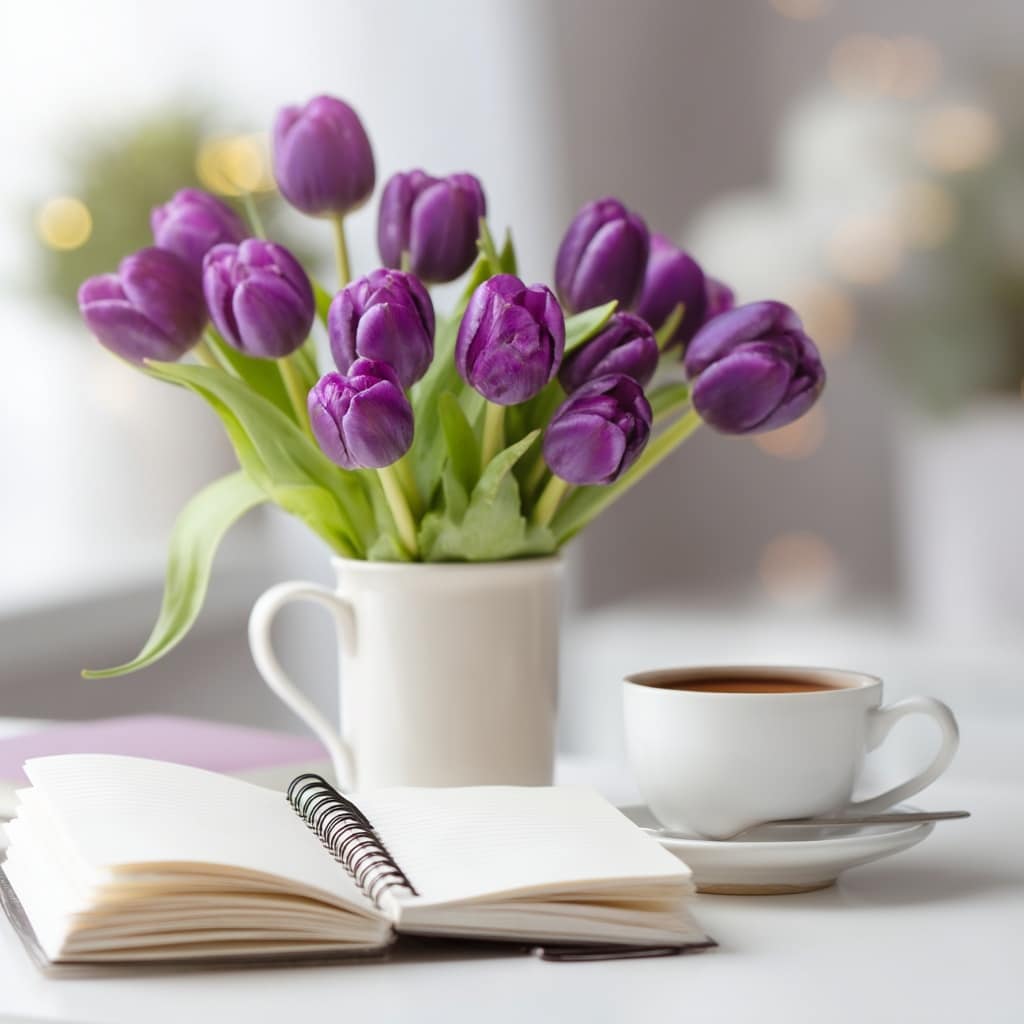
In addition to elegance, purple tulips are strongly connected to refinement and personal growth. They can be used to honor someone’s achievements, whether personal or professional, especially when those accomplishments required patience, resilience, and transformation. This makes purple tulips a thoughtful choice for graduation gifts, promotions, or moments of life change.
Purple Tulips Symbolism
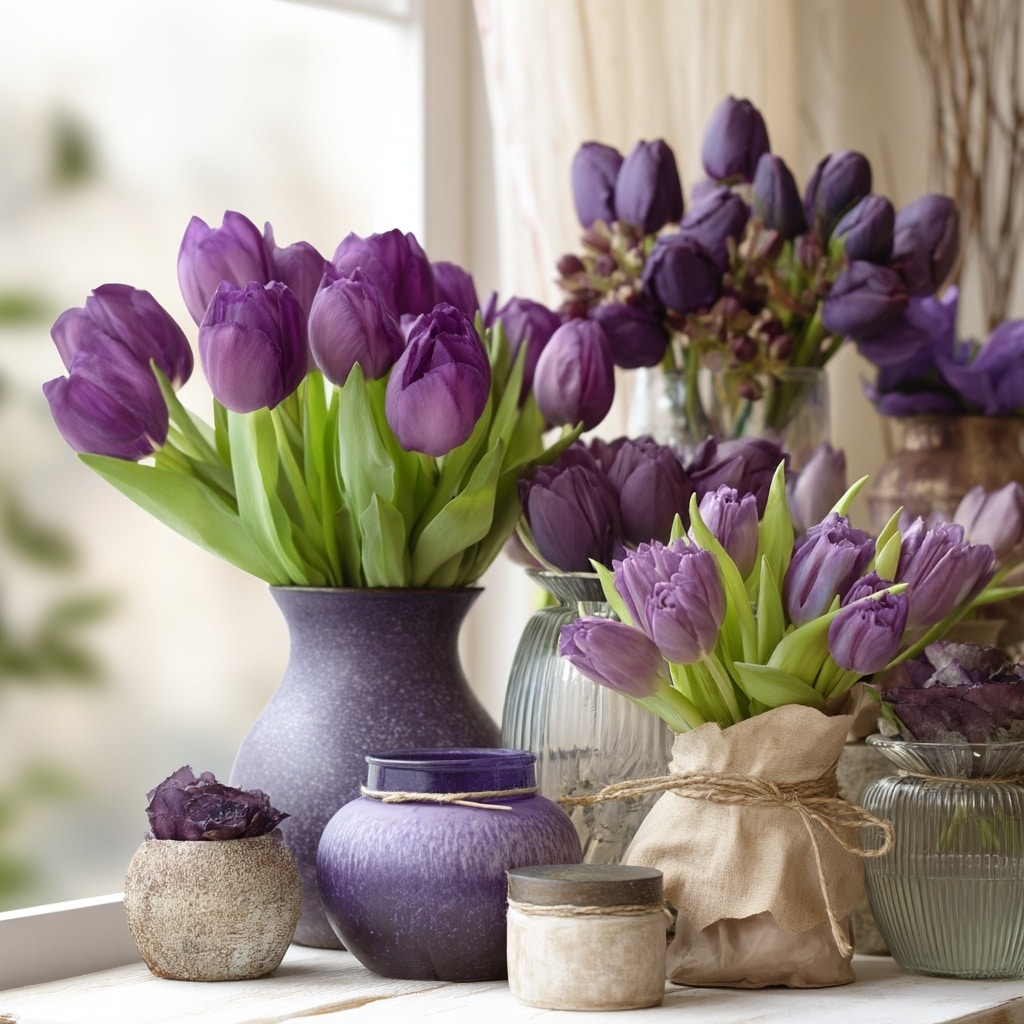
Beyond their elegant appearance, purple tulips are rich in symbolism that reflects human emotions and values. Whether planted in a garden, gifted in a bouquet, or featured in art and literature, these striking blooms carry messages of inner beauty, connection, and optimism. Here’s what purple tulips commonly symbolize in everyday life and cultural traditions.
Beauty
Purple tulips are often associated with beauty—not just physical, but also intellectual and spiritual. Their graceful shape and saturated color make them visually stunning, but their symbolism goes deeper. They can reflect the inner beauty of a person’s character or the quiet strength someone displays during tough times. For this reason, purple tulips are a popular flower for expressing admiration in a heartfelt yet elegant way.
Friendship
Although tulips are commonly linked to love, purple tulips also represent loyal, long-lasting friendship. They symbolize trust, appreciation, and emotional closeness—qualities that define strong relationships. Giving purple tulips to a friend can be a thoughtful way to say, “You matter,” or “Thank you for being in my life.” They’re especially meaningful in times of support, encouragement, or celebration.
Hope
One of the more inspiring meanings behind purple tulips is hope. Their bloom in early spring marks a season of renewal and new beginnings. As a symbol, they can offer encouragement and reassurance to someone facing challenges, reminding them that brighter days lie ahead. Whether given after a setback or during a new chapter, purple tulips carry the quiet message: “Keep going—you’ve got this.”
Purple Tulips Through History
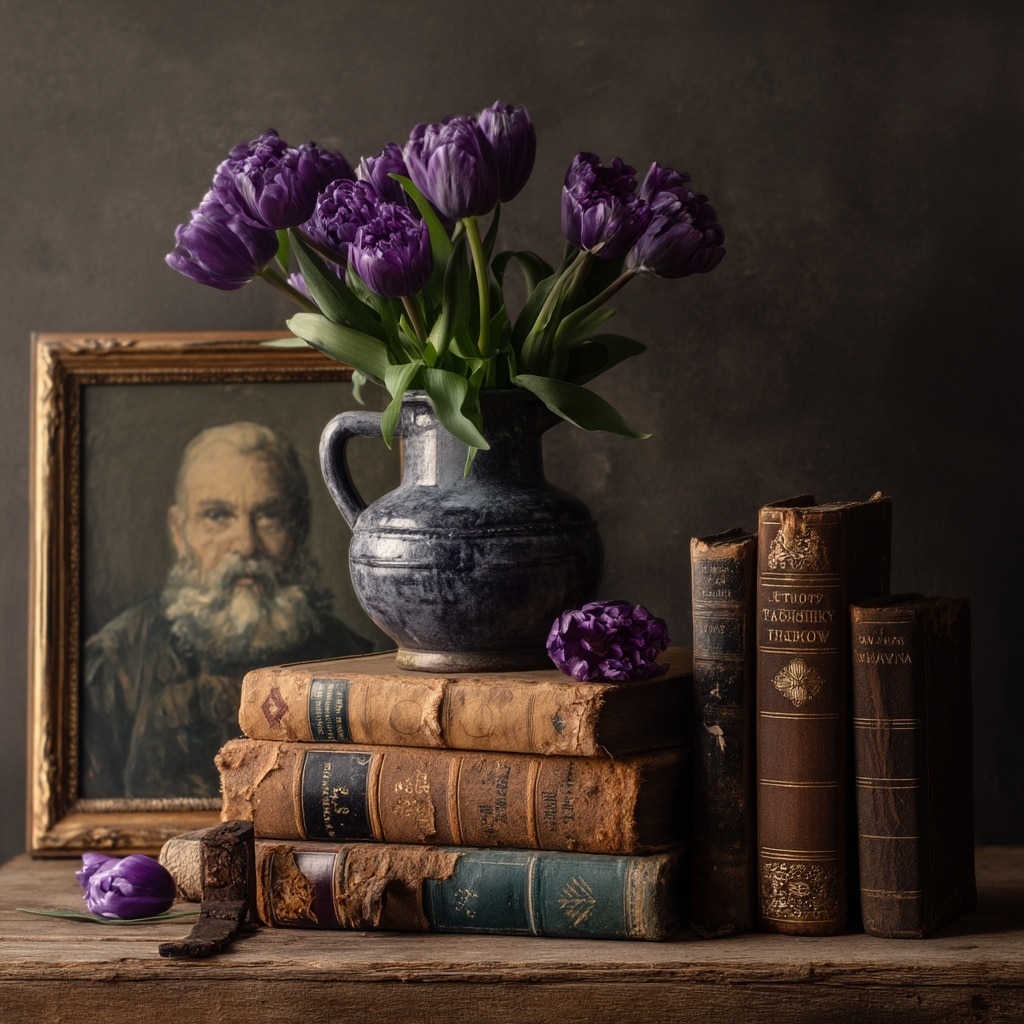
The rich symbolism of purple tulips has deep roots in history, especially tied to royalty and luxury. In earlier centuries, the color purple was one of the most expensive dyes to produce, made from rare natural resources. As a result, it became a visual marker of status and wealth—reserved almost exclusively for kings, queens, and the elite.
In 16th-century Europe, particularly during the height of the Tulip Mania in the Netherlands, tulips were already seen as exotic and highly desirable. Purple tulips stood out even more, not just for their rarity but for their visual connection to noble status. Owning or gifting purple tulips during that time was an extravagant act, often associated with admiration and deep respect.
Historical figures like Queen Elizabeth I famously restricted the use of purple clothing to royalty, further strengthening the flower’s regal image. Today, that legacy carries on—purple tulips are often included in formal ceremonies, elite floral arrangements, and bridal bouquets where grace and status are to be honored.
Beyond Europe, purple tulips have also been used in literature and art to symbolize spiritual transformation, wisdom, and enlightenment. In some Eastern traditions, the color purple is tied to the crown chakra, representing a connection to higher consciousness. Purple tulips, therefore, are not only a symbol of earthly prestige but also a reminder of inner growth and clarity.
Whether viewed through the lens of history or spiritual depth, the meaning of purple tulips remains one of admiration, respect, and lasting beauty.
Conclusion
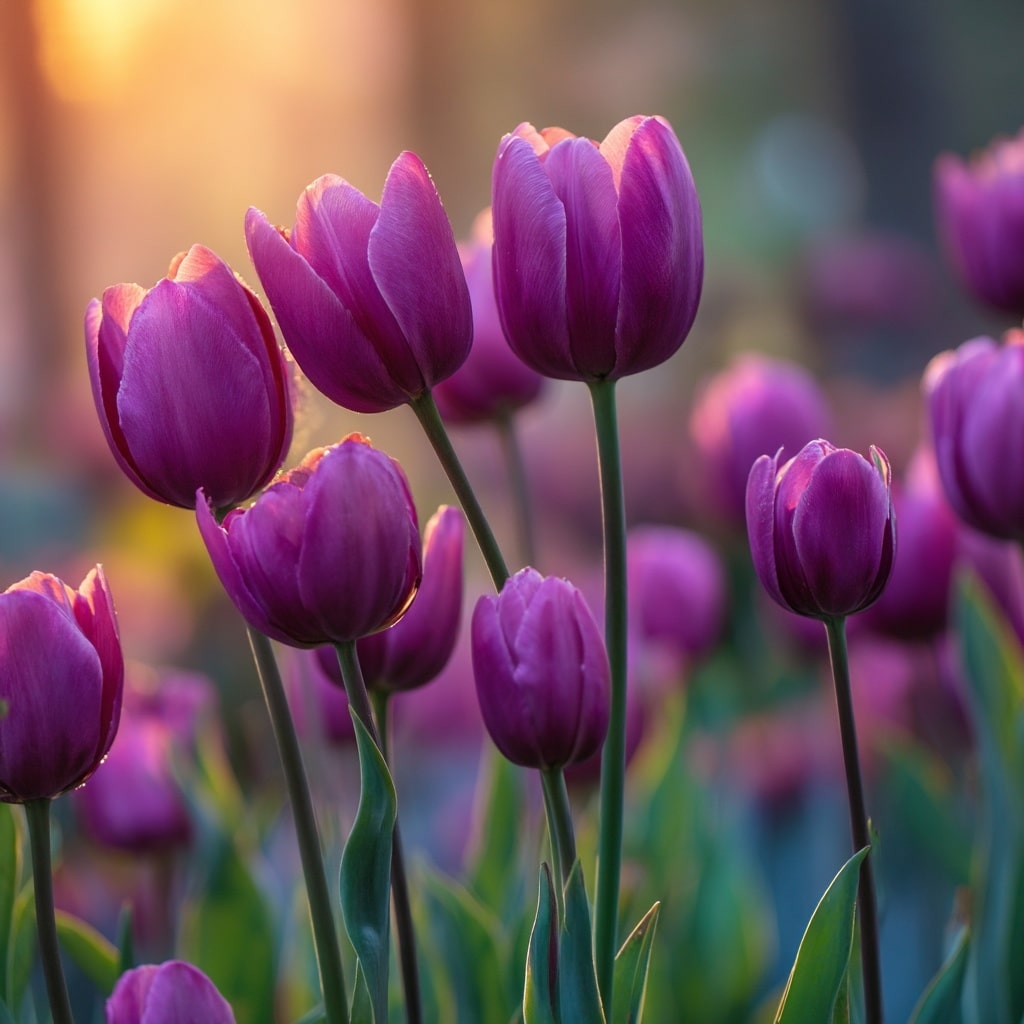
Purple tulips are more than just stunning flowers—they carry powerful meanings rooted in history, emotion, and beauty. From symbolizing royalty and elegance to expressing friendship, charm, and hope, these blooms hold space for both personal and cultural significance. Their bold color speaks volumes, whether celebrating a milestone, honoring someone special, or simply bringing grace to a garden.
Each time you see or share a purple tulip, you’re passing along a message of admiration, strength, and transformation. They remind us that beauty can be bold yet soft, and that meaning can be silent yet deeply felt. No matter the occasion, purple tulips offer a timeless way to communicate respect, inspiration, and heartfelt emotion.