
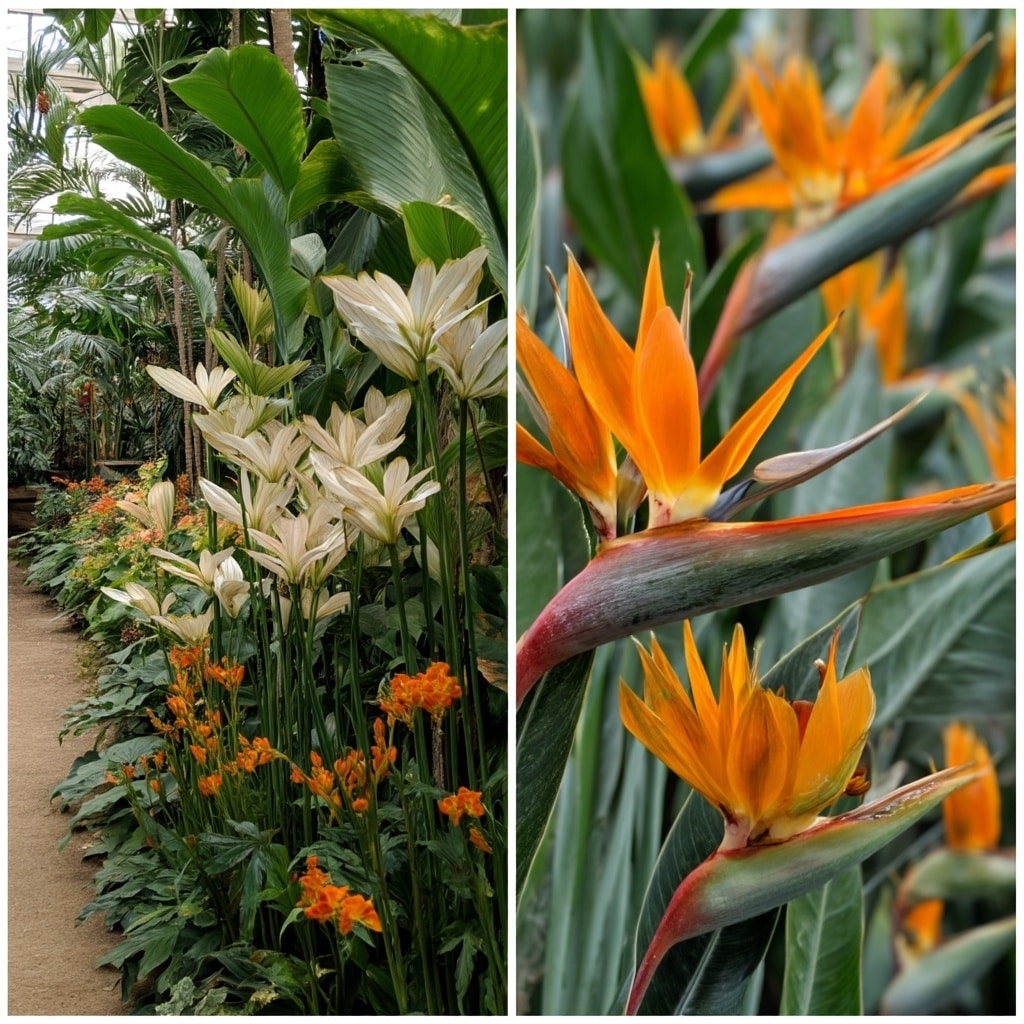
The bird of paradise plant is one of the most dramatic and tropical-looking houseplants you can grow indoors. Known for its vibrant orange and blue flowers that resemble a bird in flight, this striking plant brings an exotic touch to any bright room or conservatory. Native to South Africa, the bird of paradise plant thrives in warm, sunny spaces and rewards patient care with bold, architectural foliage and stunning seasonal blooms. While it’s not the easiest plant to grow, the visual payoff is worth the extra effort if you can provide the right conditions.
Table of Contents
Where to Grow a Bird of Paradise Plant

To grow a bird of paradise plant successfully, choosing the right location is crucial. This tropical beauty needs warmth, light, and space to thrive. Aim for a bright room that receives plenty of indirect sunlight or a few hours of direct sun, especially in the early morning or late afternoon. South-facing windows, sunny conservatories, or steamy bathrooms are excellent choices due to the combination of light and humidity.
Maintain indoor temperatures above 10°C (50°F), even in winter. Cold drafts and low light levels can cause stress, curling leaves, or even halt flowering. A humid atmosphere is also essential—if your home is dry, increase moisture with regular misting or by placing the pot on a tray of water and pebbles.
How to Plant a Bird of Paradise Plant
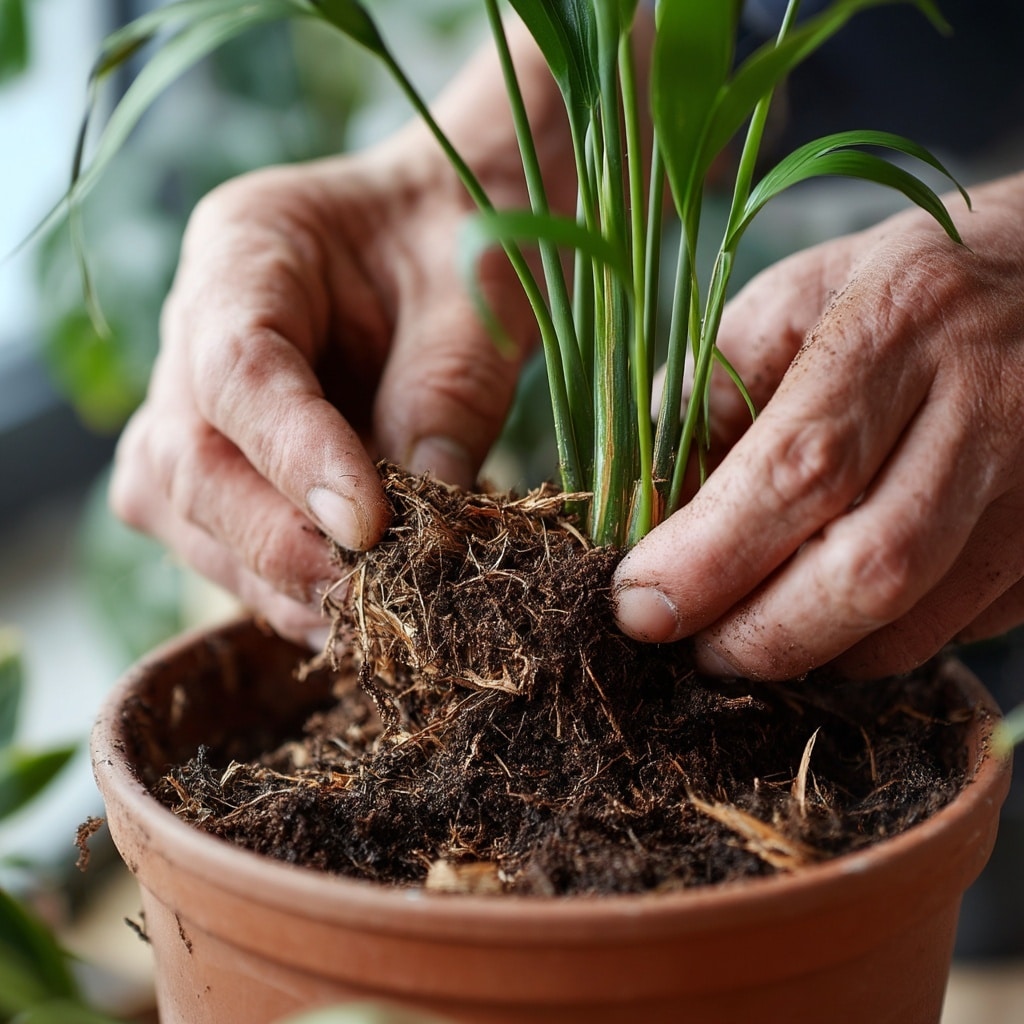
The bird of paradise plant needs well-draining soil to prevent root rot and support healthy growth. A reliable mix includes three parts soil-based compost (such as John Innes No. 3) blended with one part horticultural grit or perlite. This combination provides both nutrients and excellent drainage.
Always choose a pot with drainage holes. Excess moisture must escape easily to avoid soggy roots. When potting or repotting, position the root ball so that the crown sits just above the soil line. Gently firm the compost around the roots, water thoroughly, and allow the pot to drain.
Although bird of paradise plants can grow large, resist planting them in oversized containers. They actually bloom better when slightly pot-bound.
Caring for a Bird of Paradise Plant
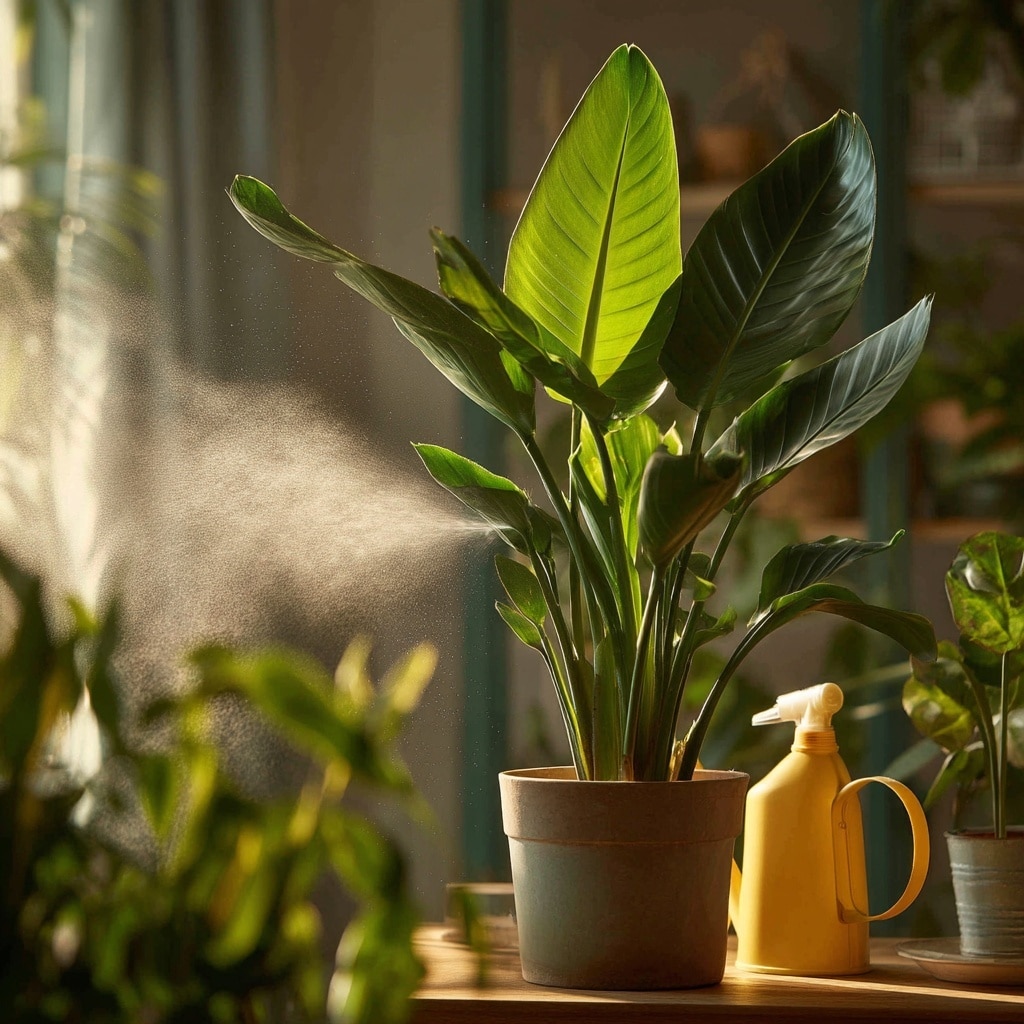
The bird of paradise plant needs consistent care throughout the year, especially during the growing season from spring to early autumn. Keep the soil evenly moist from April through September, but avoid overwatering—let the top inch of compost dry out slightly between waterings. In autumn and winter, reduce watering frequency to prevent root rot.
Humidity plays a big role in plant health. Mist the leaves regularly, especially in dry indoor environments. You can also place the pot on a pebble tray filled with water to maintain surrounding moisture. Wipe the large leaves occasionally to remove dust and improve photosynthesis.
Feed every two weeks during the growing season using a balanced liquid houseplant fertilizer. Good airflow is also key—open windows during warm months to help prevent pests and promote healthy foliage.
Only repot when roots become visible at the surface or poke out of the drainage holes. In the meantime, refresh the top layer of compost each spring. Pruning isn’t essential, but you can remove yellowing or damaged leaves in spring by cutting them back to the base of the stem.
How to Propagate a Bird of Paradise Plant

Propagating a bird of paradise plant can be rewarding, but some methods require patience. If you’re starting from seed, be prepared for a long wait—these plants can take up to 10 years to reach flowering maturity. Sow seeds in early spring in a warm, bright location and keep the soil consistently moist.
For faster results, divide a mature plant. This method works best in spring when repotting. Carefully lift the plant from its pot and use a clean, sharp knife to split the rootball into two or more sections, each with healthy roots and stems. Replant each division into a well-draining compost mix.
You can also remove rooted offsets—small shoots that appear at the base of the main plant. Gently separate and pot them individually. This is the quickest and easiest way to grow new plants that will flower in just a few years under the right conditions.
Bird of Paradise Plant: Common Problems and Solutions

Even with proper care, the bird of paradise plant can show signs of stress. The good news is most issues are manageable with timely attention.
No Flowers?
Be patient—young plants often take 3–4 years to bloom. Flowering also depends on light and nutrients. Make sure your plant gets plenty of bright, indirect sun and regular feeding during the growing season. Interestingly, slightly pot-bound plants tend to flower better.
Curling Leaves
This could indicate low humidity, underwatering, or exposure to cold drafts. Increase misting, check moisture levels, and move the plant to a more sheltered, warmer spot.
Splitting Leaves
Don’t worry—this is normal as leaves mature. It helps reduce wind resistance in their native environment.
Brown Leaf Edges
Usually caused by dry air, overfeeding, or inconsistent watering. Improve humidity and adjust your watering routine.
Yellow Leaves
Older leaves naturally die off. But widespread yellowing may suggest poor lighting, overwatering, or underwatering. Evaluate light levels and check the soil before making changes.
Stem Rot
A sign of overwatering. Remove any soggy soil, trim back rotten roots, and repot into fresh compost.
Pests
Look out for scale insects (brown bumps), mealybugs (white fluff), and spider mites (fine webbing). Wipe leaves with cotton pads soaked in an organic insecticide or use a spray based on plant oils or fatty acids. Boost humidity and air circulation to help prevent future outbreaks.
Buying Advice for Bird of Paradise Plants
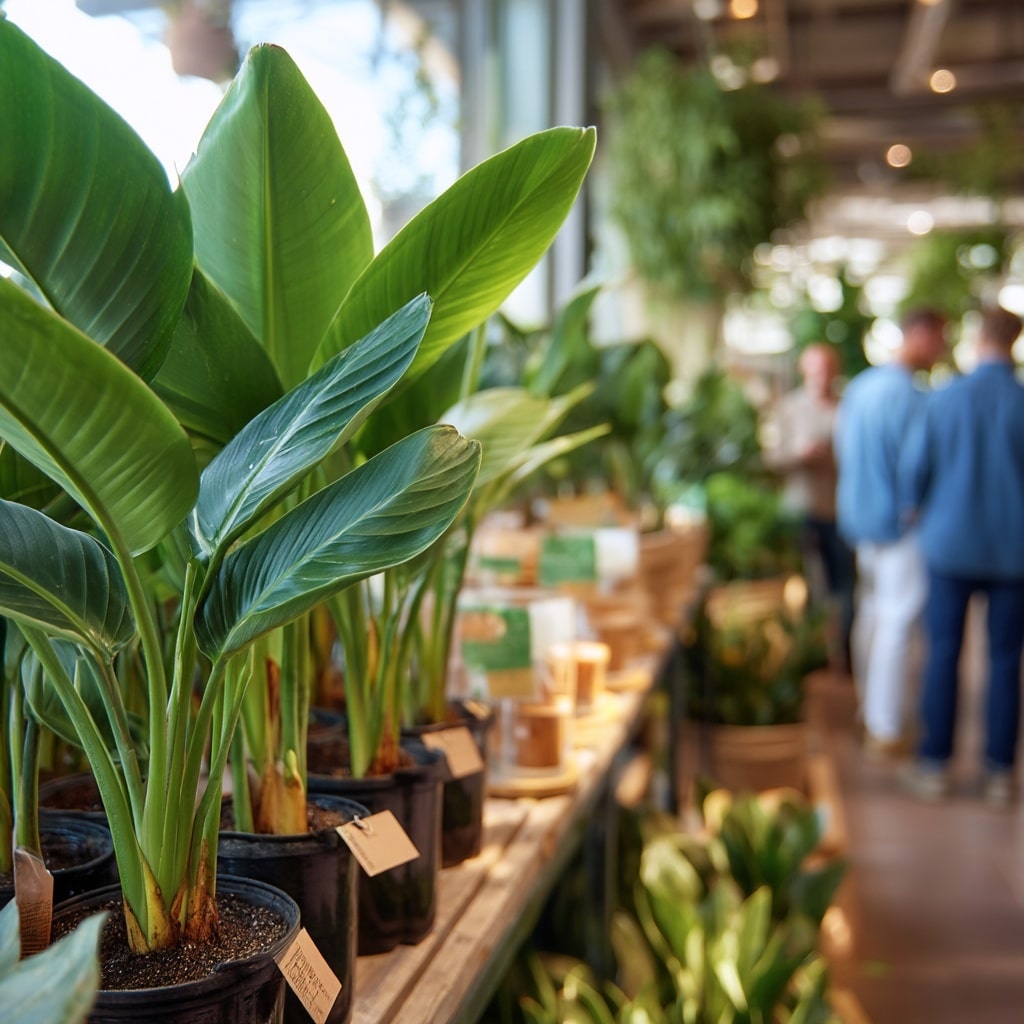
Before investing in a bird of paradise plant, make sure your home can meet its growing needs. These plants are often pricey due to their size and slow growth rate, so it’s worth getting the conditions right from the start. Ensure you have a bright, warm room with enough vertical space for the plant to stretch—mature plants can reach up to 2 metres tall indoors.
Check that you’re ready to commit to regular watering and misting, especially during the warmer months. If you’re short on time, consider setting up a pebble tray or using a room humidifier to help maintain consistent moisture.
Local garden centres occasionally carry bird of paradise plants, but your best options may be specialty houseplant retailers or trusted online stores. Look for healthy specimens with firm leaves and no signs of pests or root damage.
Bird of Paradise Varieties to Grow
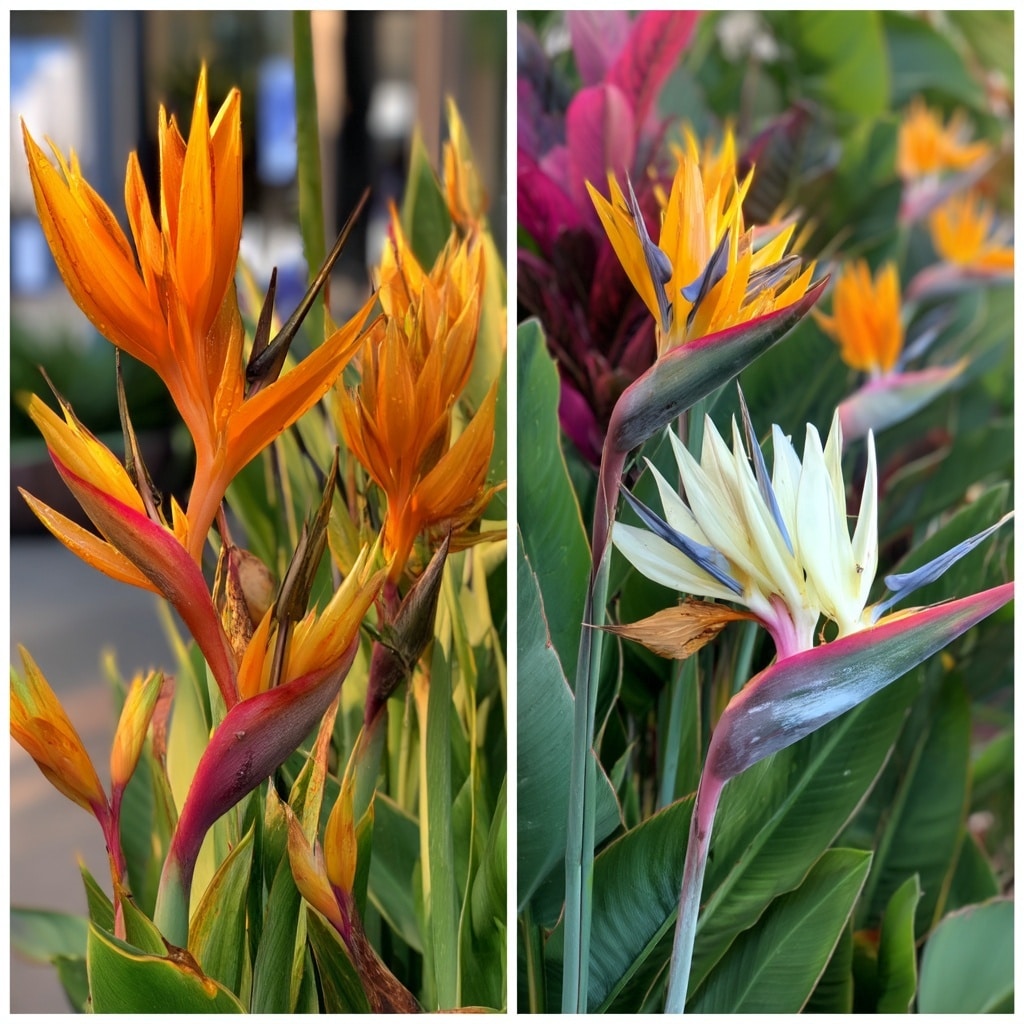
While Strelitzia reginae is the most widely grown bird of paradise plant, there are a few stunning varieties worth considering depending on your space and aesthetic preferences.
Strelitzia reginae
This is the classic form, known for its brilliant orange and blue flowers that resemble a bird’s head. It grows up to 2 meters tall and is ideal for bright indoor spaces. It’s the go-to choice for most home growers.
Strelitzia nicolai (Giant White Bird of Paradise)
A more dramatic option, Strelitzia nicolai features striking white and midnight blue flowers with broad, banana-like green leaves. It can grow up to 10 meters tall outdoors in tropical climates, but indoors, expect a height of around 2–3 meters with proper care.
Strelitzia reginae ‘Kirstenbosch Gold’ (syn. ‘Mandela’s Gold’)
This rare cultivar offers a unique twist—golden-yellow blooms instead of the traditional orange. Bred in South Africa, it reaches around 1.5 meters tall and has the same care requirements as the original reginae species.
Each variety brings its own flair, but all share similar needs: bright light, warmth, and humidity.
Conclusion
With the right care and growing conditions, the bird of paradise plant can be an impressive long-term addition to your indoor garden. Its tropical flair, sculptural leaves, and vibrant blooms offer a dramatic focal point in any sunny room. While it may take a little patience and attention to detail, the reward of seeing those iconic flowers emerge is more than worth the effort. Just remember—light, warmth, and humidity are key. With these in place, your bird of paradise will thrive for years to come.