
Sunflower seeds are more than just a crunchy snack—they’re a small but powerful addition to a healthy diet that can support your heart and immune system in significant ways. Packed with essential nutrients like vitamin E, selenium, and zinc, these tiny seeds contribute to overall wellness while delivering bold benefits in every bite. Whether you’re managing blood pressure, looking to reduce inflammation, or simply boosting daily nutrition, sunflower seeds offer a simple solution backed by science. In this article, we’ll break down their top health benefits, the best ways to enjoy them, and what to watch for when adding them to your routine.
Table of Contents
The Science-Backed Health Benefits of Sunflower Seeds

Supports a Strong Immune System
Sunflower seeds are a natural immune booster, thanks to their rich supply of selenium and zinc—two trace minerals that play critical roles in immune defense. Selenium acts as a powerful antioxidant, helping protect cells from oxidative stress while supporting the body’s ability to fight infection. Zinc, on the other hand, helps activate immune cells and assists in wound healing. Together, they enhance your body’s resilience against everyday germs.
But the benefits don’t stop there. These seeds also contain antimicrobial and antiviral compounds that can support your body’s natural defenses. Adding a small handful to your meals daily is an easy, practical way to reinforce your immune system year-round.
Promotes Heart Health Naturally
One of the standout benefits of sunflower seeds is their contribution to heart health. They’re a great source of heart-friendly fats—particularly polyunsaturated and monounsaturated fats—which can help lower harmful LDL cholesterol levels while preserving or even raising protective HDL cholesterol.
They also supply fiber and plant-based protein, both of which are known to reduce cardiovascular risk. The presence of vitamin E, an antioxidant, helps prevent oxidative damage to arteries, further protecting against plaque buildup and inflammation. These combined effects can lead to healthier blood pressure levels and improved circulation, both essential for maintaining heart function over time.
Helps Manage Blood Sugar and Supports Diabetes Health
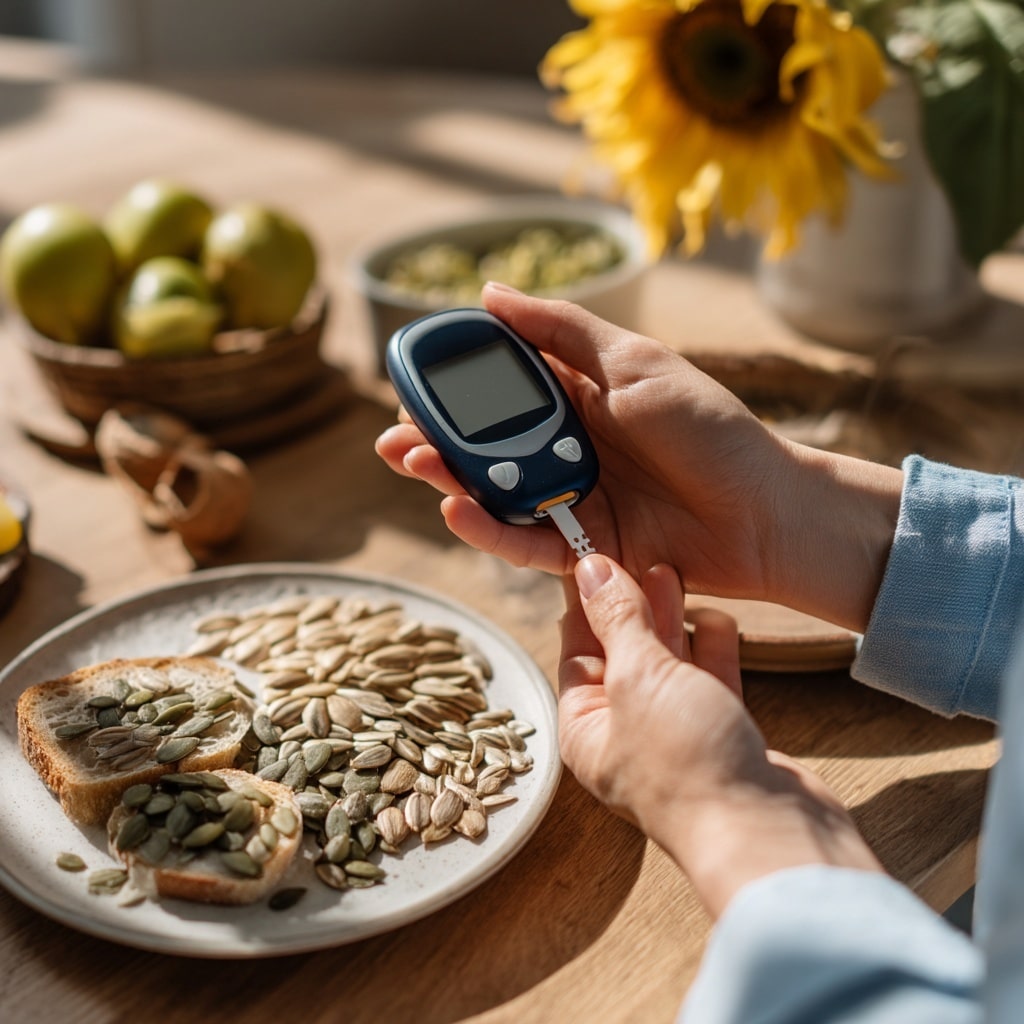
Sunflower seeds offer surprising benefits for blood sugar regulation, making them a smart snack choice for people managing or at risk for type 2 diabetes. These seeds contain a powerful plant compound called chlorogenic acid, a natural antioxidant known for its ability to reduce blood sugar spikes after meals and improve insulin sensitivity.
In addition, the fiber and healthy fats in sunflower seeds help slow the absorption of glucose into the bloodstream. This promotes more stable energy levels and helps prevent the highs and lows that can lead to sugar cravings or fatigue.
Several studies have highlighted the role of sunflower seeds in lowering fasting blood sugar levels. Including them regularly in your meals may support better glycemic control over time, especially when combined with a balanced diet and physical activity.
Supports Healthy Weight and Metabolism

Despite being energy-dense, sunflower seeds can actually support weight management when eaten in moderation. That’s because they’re rich in nutrients that promote fullness—namely protein, fiber, and healthy fats. These elements slow digestion, curb hunger, and help control portion sizes naturally, without the need for strict calorie counting.
In addition, sunflower seeds contain chlorogenic acid, the same antioxidant that helps regulate blood sugar. It’s also believed to play a role in fat metabolism and inflammation reduction, both of which are key for maintaining a healthy weight. Some studies even suggest that people who consume sunflower seed extract may experience reduced waist circumference and body mass index (BMI).
By keeping your appetite in check and supporting metabolic processes, sunflower seeds make a satisfying and smart addition to a weight-conscious lifestyle.
Improves Cholesterol, Metabolic Health, and Liver Function
One of the standout nutritional benefits of sunflower seeds is their ability to positively influence cholesterol levels. They’re particularly effective at lowering LDL (bad) cholesterol thanks to their high content of polyunsaturated fats, fiber, and phytosterols—plant compounds that help block cholesterol absorption in the body.
These seeds are also linked to reduced risk of metabolic syndrome, a cluster of conditions including high blood pressure, elevated blood sugar, excess abdominal fat, and low HDL (good) cholesterol. Research shows that people who regularly consume nuts and seeds like sunflower seeds are less likely to meet the criteria for metabolic syndrome, which dramatically increases the risk of heart disease, stroke, and type 2 diabetes.
Sunflower seeds may also play a protective role in liver health, especially when it comes to non-alcoholic fatty liver disease (NAFLD). Emerging evidence suggests that seed and nut consumption helps reduce fat accumulation in the liver, lowering the risk of inflammation and liver-related complications.
Nutritional Value of Sunflower Seeds (Per 1 oz Serving)
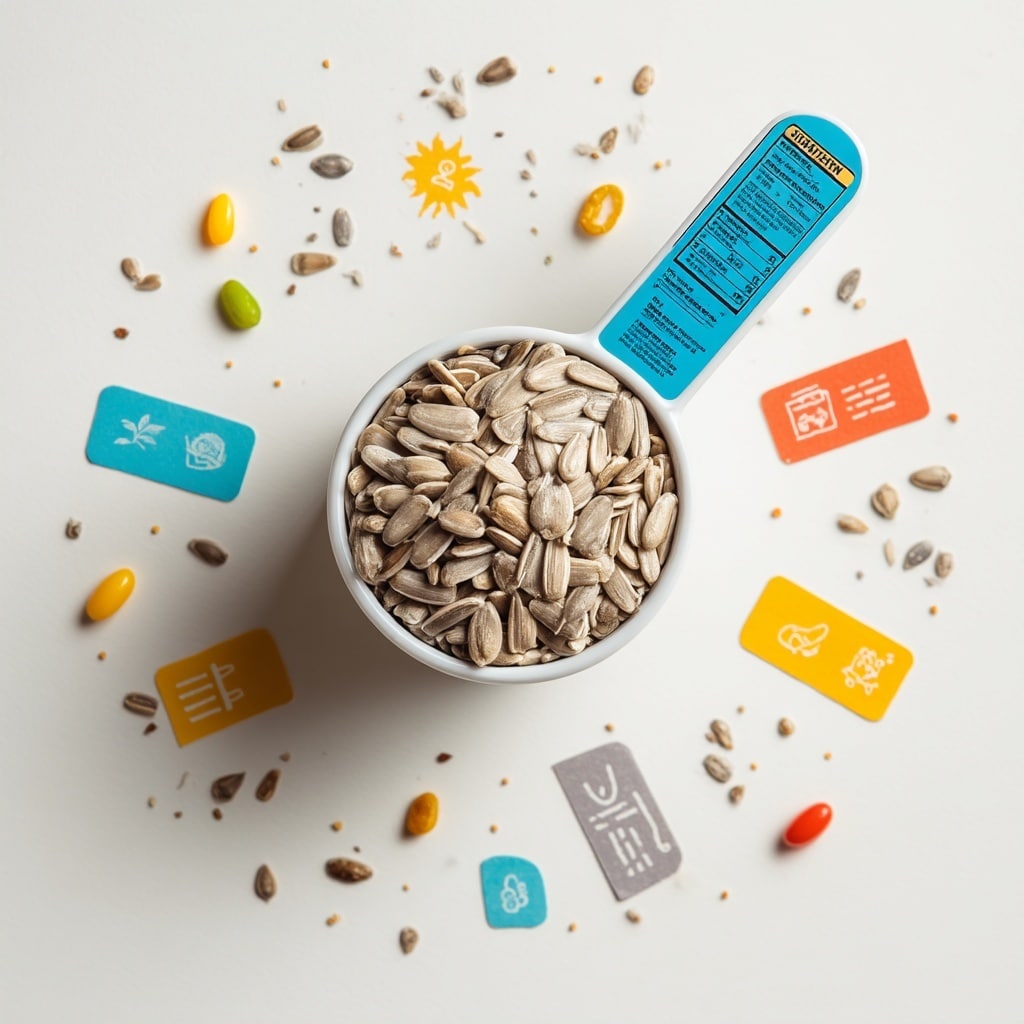
A single ounce of sunflower seeds—roughly a quarter cup without the shells—packs an impressive nutritional punch. Here’s what you’ll get in a typical serving:
- Calories: 165
- Total Fat: 14.1g (mostly healthy unsaturated fats)
- Carbohydrates: 6.8g
- Dietary Fiber: 3.1g
- Protein: 5.5g
- Added Sugars: 0g
- Sodium: <1mg (unsalted)
But that’s not all. Sunflower seeds are rich in key micronutrients that support overall health, including:
- Vitamin E: An antioxidant that protects cells from oxidative stress
- Selenium: Supports immunity and thyroid function
- Zinc: Essential for immune support and wound healing
- Folate: Important for cell growth and red blood cell production
These nutrients work together to support immune health, reduce inflammation, and contribute to heart and metabolic wellness—all in one small serving.
Precautions and Potential Side Effects of Sunflower Seeds

While sunflower seeds are generally safe and nutritious, there are a few considerations to keep in mind—especially if you’re planning to eat them regularly.
Allergy Risk (Though Rare)
Sunflower seed allergies are uncommon but possible. People who are allergic to mugwort pollen may experience cross-reactions, such as itching, swelling, or skin irritation. If you’ve never eaten sunflower seeds before and have a history of food allergies, it’s a good idea to start with a small amount and monitor your reaction.
Digestive Concerns with Shells
Eating large quantities of sunflower seeds with the shells can lead to digestive issues, including constipation or even intestinal blockages in rare cases. Always opt for shelled seeds to avoid these risks, and chew thoroughly to help with digestion.
Sodium Content in Salted Varieties
Packaged salted sunflower seeds can contain high levels of sodium, which may contribute to elevated blood pressure if eaten frequently. To stay on the safe side, choose unsalted or lightly salted versions and always check the nutrition label.
Sprouting Safety
Sprouted sunflower seeds are easier to digest and higher in certain nutrients, but sprouting them at home can pose a bacterial contamination risk if not done carefully. If you prefer sprouted seeds, look for store-bought versions that are processed under safe, regulated conditions.
How to Eat and Use Sunflower Seeds
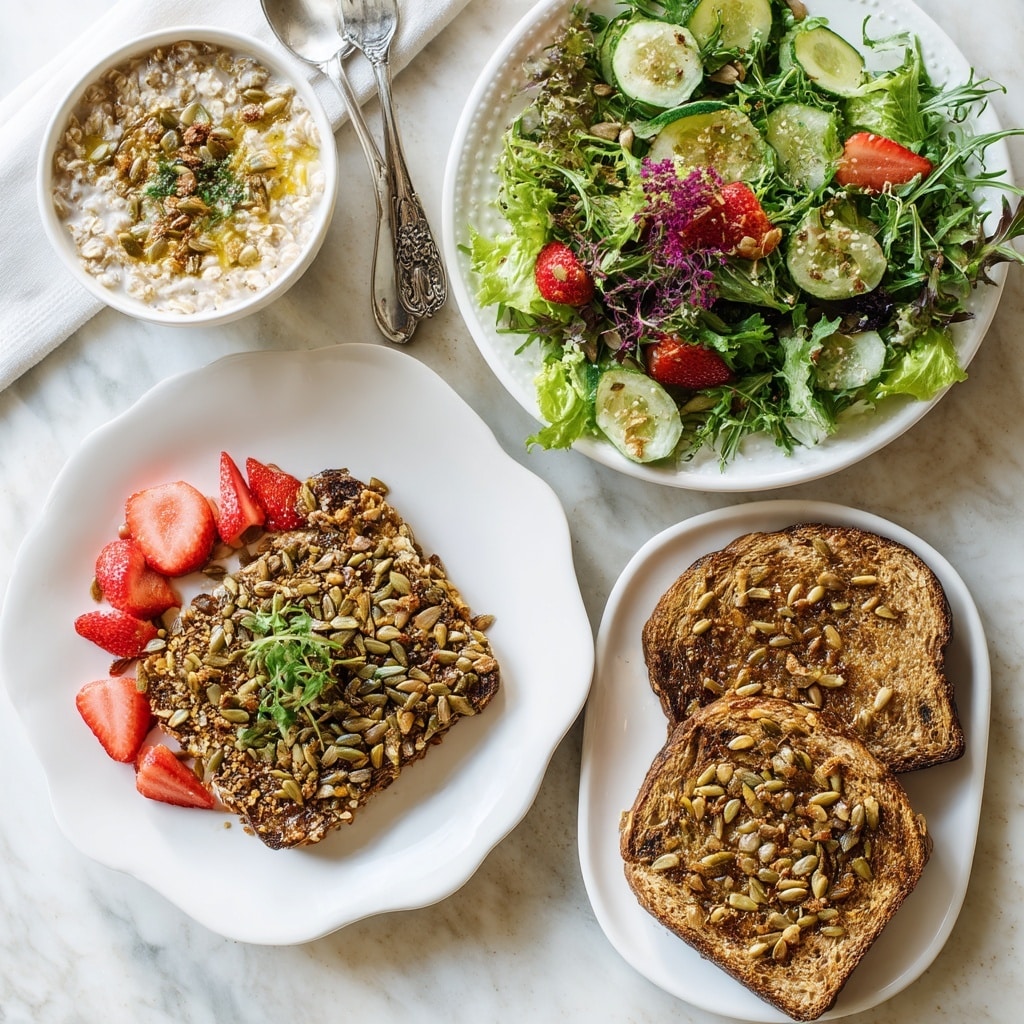
One of the best things about sunflower seeds is how versatile they are. Whether you’re tossing them into salads or blending them into smoothies, these little seeds add both crunch and nutrition to a wide range of dishes.
Easy Ways to Add Sunflower Seeds to Your Diet:
- Sprinkle on avocado toast for extra crunch and healthy fats
- Stir into oatmeal, yogurt, or chia pudding for added protein and fiber
- Mix into baked goods like muffins, cookies, or homemade granola bars
- Top salads or soups (like lentil, carrot, or squash) for extra texture
- Add to cold grain bowls or protein salads (chicken, tuna, tofu, or bean-based)
- Blend into smoothies for a mild nutty flavor and creamy texture
For the healthiest option, choose unsalted, dry-roasted or raw sunflower seeds. These forms keep sodium levels low and preserve the nutrient content. You can also try sprouted sunflower seeds, which may be easier to digest and offer slightly higher nutrient availability.
Pro tip: Store your seeds in an airtight container in the fridge or freezer to keep them fresh and prevent the healthy fats from turning rancid.
Conclusion
Sunflower seeds are a simple, affordable, and nutrient-rich addition to almost any diet. From supporting heart health and immunity to aiding blood sugar control and weight management, these small seeds offer big benefits. Just a handful a day can deliver essential nutrients like vitamin E, zinc, and healthy fats—all while adding great flavor and crunch to your meals.
Whether you’re looking to improve your metabolic health, reduce inflammation, or just snack smarter, sunflower seeds are a heart-smart, body-boosting choice worth keeping in your pantry.